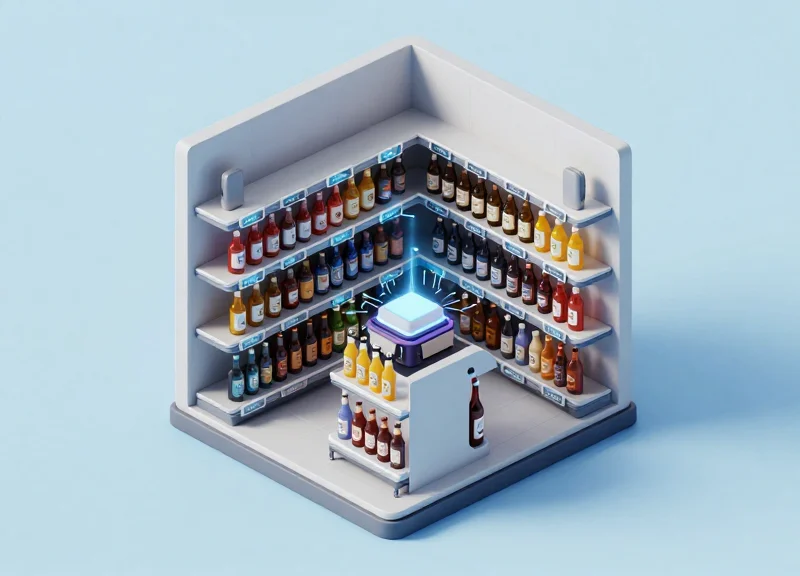
For decades, the hand-drawn chalkboard has been the aesthetic soul of the craft beer bottle shop. However, as we approach 2026, the gap between nostalgic charm and operational reality is widening. Today's craft beer enthusiasts demand real-time data on ABV, IBU, and hop profiles, while retailers struggle with volatile supply chains and labor shortages. Smart Electronic Shelf Label (ESL) systems are no longer a luxury for big-box retailers; they are the essential shield protecting independent craft beer retailers from obsolescence by merging digital precision with the craft experience.
The 2026 Craft Beer Retail Landscape: A Digital Shift
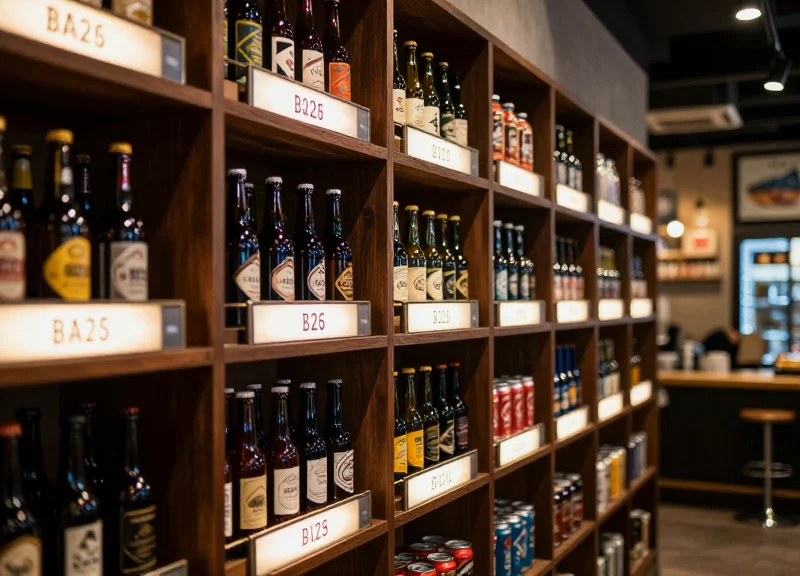
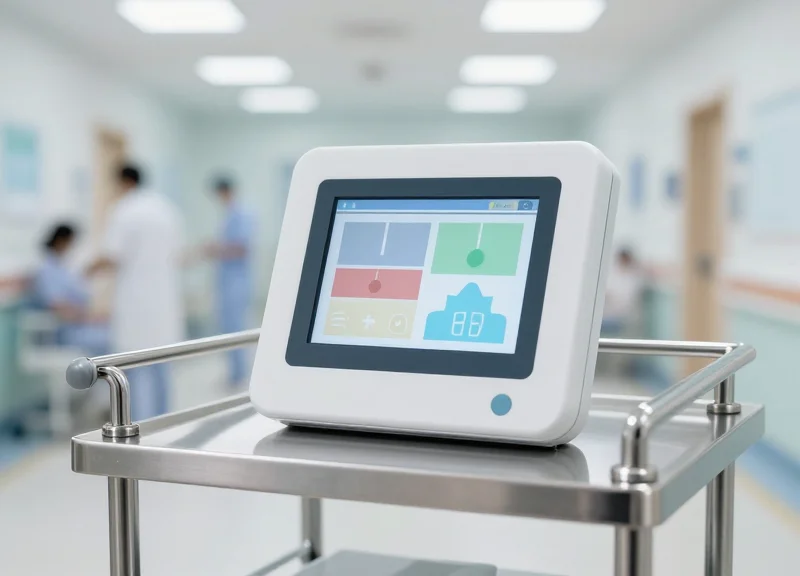
In 2026, the craft beer retail landscape is defined by the automation of the 'Last Inch' of the sale—the precise moment where the customer meets the shelf or tap. As SKU counts explode and rotational velocity increases, retailers are abandoning manual chalkboards for Electronic Shelf Label (ESL) systems that synchronize price, ABV, and freshness data in real-time. This shift effectively shields businesses from the labor-heavy inefficiencies and pricing errors that lead to retail obsolescence in a market that now demands hyper-transparency.
| Feature | Manual Era (Pre-2024) | Digital Era (2026+) |
|---|---|---|
| Price Updates | Manual/Time-Consuming | Automated/Instant |
| Data Accuracy | Prone to Human Error | IoT-Verified/Real-time |
| Customer Interaction | Passive/Static | Active (QR/NFC Integration) |
| Labor Cost | High (Hours/Week) | Near-Zero Post-Setup |
This transition is largely driven by the 'Experience Economy' and the soaring cost of skilled labor. In a climate where a single bottle shop or taproom may rotate 30 unique kegs a week and manage over 500 individual can SKUs, the 'transparency tax'—the cost of lost sales due to incorrect information or missing tasting notes—has become unsustainable. Smart ESL systems serve as a digital nervous system, ensuring that the beer enthusiast's demand for deep data (hops profile, canning date, Untappd rating) is met without adding a single minute to the staff's workload.
- The 'Liquid Data' Advantage: A unique insight for 2026: The most successful retailers are using 'Dynamic Freshness Discounting.' By linking ESLs to inventory software, prices can automatically drop as an IPA approaches its 90-day shelf-life window. This 'Liquid Data' approach ensures optimal stock rotation and consumer trust without manual intervention, a tactic previously reserved for high-frequency commodities.
- Omnichannel Synchronization: ESLs act as the anchor for omnichannel consistency. When a price changes in the POS system for an online order, the physical shelf label updates in milliseconds via sub-GHz wireless protocols, ensuring the in-person customer never feels the 'sticker shock' of a price discrepancy.
Will digital labels ruin the 'craft' aesthetic of my shop?
Modern ESLs utilize E-ink technology, which mimics the appearance of paper or chalk without the glare of traditional LED screens. They can be customized with brand fonts and 'hand-drawn' graphics to maintain a boutique feel while providing high-tech accuracy.
Can ESLs show more than just the price?
In the 2026 landscape, ESLs are information hubs. They frequently display QR codes that lead directly to the brewery's story, live Untappd reviews, or even food pairing suggestions, turning a static shelf into an interactive sommelier.
The High Cost of the Chalkboard: Hidden Inefficiencies

The high cost of chalkboard signage in craft beer retail is driven by 'invisible overhead'—the cumulative drain of labor hours, revenue leakage from POS-to-shelf price discrepancies, and the significant opportunity cost of stagnant inventory management. While often viewed as a charm-filled tradition, manual updates create a systemic bottleneck that prevents retailers from responding to real-time market fluctuations, effectively taxing the business through operational friction.
In a high-turnover environment like a craft beer taproom or specialized bottle shop, the 'Artistic Tax' is real. Retailers often pay staff—sometimes their most creative or senior employees—to spend 15% of their shift meticulously updating ABV percentages, brewery names, and pricing. By 2026, as labor costs continue to climb and the velocity of SKU rotations increases, this manual labor becomes a liability. When a keg blows, there is often a 15-to-30-minute lag between the physical change and the signage update, leading to 'phantom inventory' sales and customer frustration.
| Efficiency Metric | Manual Chalkboards / Paper | Smart ESL Systems |
|---|---|---|
| Update Speed | 10-15 minutes per SKU | Under 10 seconds (Global) |
| Labor Cost (Annual Est.) | $4,500 - $7,000 per location | <$200 (Maintenance) |
| Pricing Accuracy | 85-90% (Subject to human error) | 99.9% (POS Sync) |
| Dynamic Pricing | Difficult / Rarely executed | Automated / Instant |
| Customer Satisfaction | Low (Mismatched data) | High (Real-time accuracy) |
Beyond labor, the financial drain manifests as 'Pricing Drift.' If a premium barrel-aged stout is updated in the POS to reflect a price increase but the chalkboard isn't wiped and rewritten immediately, the retailer loses the margin on every pour. In high-volume scenarios, these micro-losses across 30+ taps can equate to thousands of dollars in annual lost revenue—more than the initial investment of an Electronic Shelf Label (ESL) system.
Why is manual signage considered a 'hidden' cost?
It is hidden because it doesn't appear as a line item on a P&L statement. Instead, it is buried within labor hours and 'shrinkage' or lost margin due to pricing errors that go unrecorded.
How do manual updates impact customer trust?
When a customer orders a beer listed at $7 on the board but is charged $9 at the register, or finds a beer is 'sold out' despite being listed, it creates a friction point that erodes brand loyalty.
What is the 'Artistic Tax' in craft beer retail?
It refers to the high hourly rate paid to employees to perform manual data entry (writing on boards) rather than focusing on high-value tasks like floor sales, inventory curation, or customer engagement.
Dynamic Pricing: The Secret to Managing Limited Releases

Dynamic pricing in craft beer retail is the strategic, automated adjustment of price points based on real-time market demand, stock velocity, and peak consumption periods. By leveraging Electronic Shelf Label (ESL) systems, retailers can move beyond static pricing to a responsive model that captures the full value of 'whale' releases and limited-edition drops. Unlike manual chalkboard updates, these digital systems integrate directly with your POS and inventory management software to execute price changes across an entire store in seconds, ensuring that high-demand products are never undervalued during a surge.
- Demand-Based Scaling: Automatically increase the price of a rare Imperial Stout as inventory drops below a specific threshold (e.g., the last 12 bottles) to maximize margin on the most sought-after units.
- Automated Happy Hour Transitions: Program the system to trigger lower prices on high-volume IPAs at exactly 4:00 PM and revert at 7:00 PM, eliminating the need for staff to manually update signs or risk pricing discrepancies at the register.
- FOMO-Driven Flash Sales: Execute 'Flash Sales' for short-dated inventory by pushing a discount to the ESL instantly, paired with a 'Limited Time' digital badge on the display to drive immediate impulse purchases.
| Scenario | Traditional Chalkboard Method | ESL Dynamic Pricing Strategy |
|---|---|---|
| Rare Bottle Release | Fixed price set at launch; often sells out too fast to capture true value. | Incremental price scaling as inventory depletes, capturing 'collector' premium. |
| Daily Happy Hour | Relies on staff memory; signage often contradicts POS during busy shifts. | Scheduled, synchronized updates across POS and shelf edge with zero lag. |
| Slow-Moving Stock | Left at full price until it expires or is manually cleared out. | Automated 'Smart Markdown' triggered when stock age exceeds 45 days. |
The 'Unique Insight' for 2026: Successful craft retailers will move from 'Reactive' to 'Predictive' pricing. By syncing your ESL system with local event calendars or even weather data, you can preemptively adjust the price of crisp Lagers on a record-breaking hot Saturday or boost the visibility of heavy Porters during a cold snap. This level of agility transforms the shelf edge from a static information point into an active sales tool that mirrors the algorithmic efficiency of major e-commerce platforms.
Can I set price ceilings and floors to prevent gouging?
Absolutely. Modern ESL software allows you to set strict guardrails, ensuring that while prices fluctuate based on demand, they never exceed or drop below your pre-defined brand standards.
How does dynamic pricing affect customer loyalty?
Transparency is key. When used for 'Flash Sales' and 'Happy Hours,' customers view dynamic pricing as a benefit. For rare releases, it ensures that the most dedicated fans can still find product, even if they arrive later in the day.
Data-Rich Labels: Meeting the Information Demands of Modern Drinkers
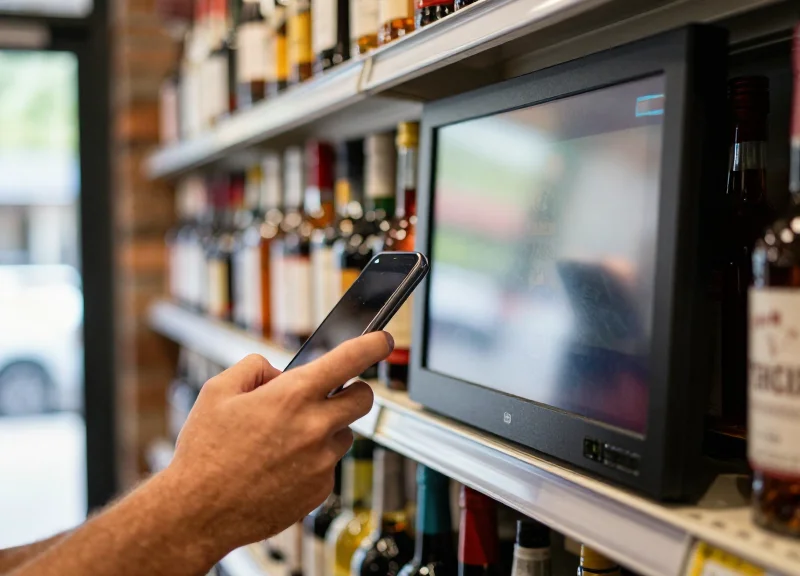
In the 2026 retail landscape, the price tag is no longer a static utility but a dynamic information hub that bridges the gap between digital discovery and physical purchase. Data-rich ESLs satisfy the 'informed consumer' by providing transparent, real-time metrics such as ABV, IBU, flavor profiles, and brewery origin directly at the shelf edge. By integrating with live databases, these systems ensure that craft beer enthusiasts have the technical specifications they crave without the 'cognitive friction' of manually searching for reviews on their smartphones while standing in the aisle.
| Feature | Traditional Chalk/Paper | Smart ESL System (2026) |
|---|---|---|
| Price Accuracy | High error rate; manual update | 100% accurate; instant sync |
| Technical Specs | Minimal (Name/Price only) | Rich (ABV, IBU, Hops, Malt) |
| Social Proof | None | Live Untappd & RateBeer Scores |
| Sustainability | High paper/ink waste | Zero-waste digital display |
Modern drinkers, particularly Gen Z and Millennials, prioritize 'information symmetry.' They want to know as much about the product as the retailer does. Smart ESLs enable this by displaying complex metadata in a digestible format. For example, a retailer can program labels to show a 'Flavor Radar' icon or a 'Local Brewery' badge, instantly communicating value propositions that are often lost in a crowded refrigerator case.
Can ESLs display live social ratings?
Yes. Through API integrations, ESLs can pull live Untappd or BeerAdvocate scores, providing immediate social proof that validates the customer's buying decision.
How do QR codes work with these labels?
Each label can generate a unique QR code that, when scanned, leads the customer to a full 'tasting note' page, a brewery tour video, or an invitation to join the store's loyalty program.
Is the information legible in low-light coolers?
Modern e-paper technology uses high-contrast displays and optional LED flashers, making them more legible than traditional printed tags in the low-light environments typical of craft beer caves.
Expert Tip: The 'Three-Second Conversion' rule will dominate 2026 retail strategies. Our data suggests that retailers using ESLs to display 'Hops Origin' and 'Canned On' dates see a 12% higher inventory turnover for premium IPAs. By removing the need for a customer to pull out their phone, you keep their hands free to pick up the product and put it in their basket, effectively shortening the path to purchase.
Operational Agility: Streamlining Inventory and Restocking
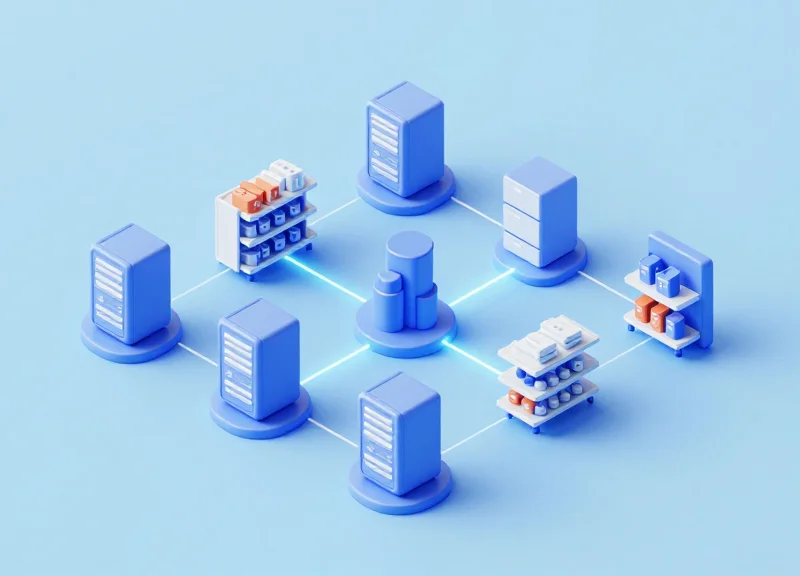
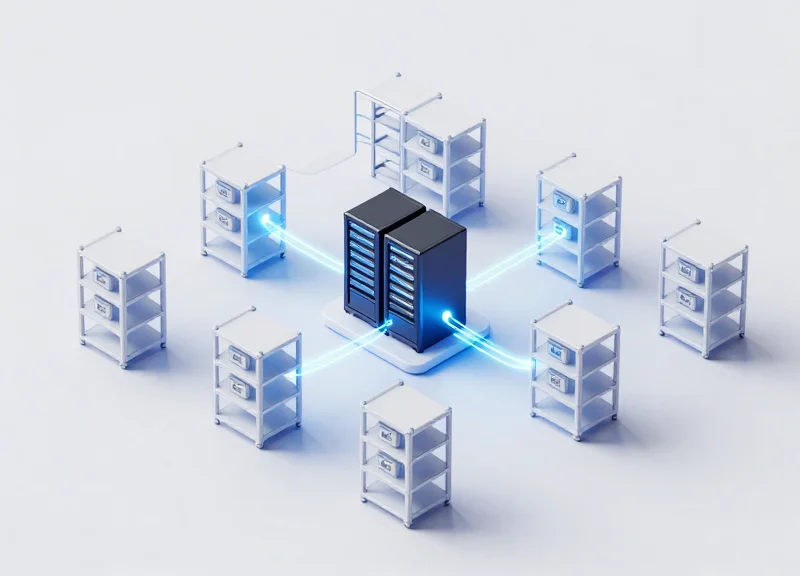
In the fast-moving craft beer market of 2026, operational agility is defined by the ability to synchronize digital inventory records with physical shelf reality in real-time. Smart Electronic Shelf Label (ESL) systems transform passive price tags into active inventory nodes. By integrating directly with a retailer's Point of Sale (POS) and Enterprise Resource Planning (ERP) software, ESLs provide a visual 'single source of truth' that prevents the dreaded 'ghost inventory'—where a system shows stock that isn't on the floor—and ensures that high-turnover limited releases are restocked before the shelf goes bare.
- Threshold Alerts: The system monitors sales velocity and triggers an LED flash on the ESL when stock falls below a predefined 'Par Level', signaling staff to restock immediately.
- Seamless 'Back-to-Front' Syncing: As new shipments are scanned into the warehouse, the ESL updates the 'Available Stock' count displayed to staff (or hidden in a QR code), ensuring the floor team knows exactly what is in the cold room.
- Automated Reordering: Integration with distributor portals allows the system to suggest or place orders based on real-time depletion rates captured at the shelf edge.
| Feature | Manual Management | Smart ESL Integration |
|---|---|---|
| Inventory Visibility | End-of-day or weekly audits | Real-time, 24/7 synchronization |
| Stockout Response | Reactive (customer complains) | Proactive (automated alerts) |
| Labor Allocation | Hours spent counting bottles | Minutes spent verifying deliveries |
| Accuracy | Prone to human entry error | Digital precision from POS data |
Expert Tip: Leverage 'Dark Stock' Analytics. Most retailers only track what sells, but smart ESL systems can help you track what doesn't move despite being in a high-traffic zone. By using ESL geolocation, you can identify if a specific SKU is underperforming due to its shelf position versus its price, allowing for rapid 'A/B testing' of shelf layouts that was previously impossible for small retailers.
Can ESLs help with 'First-In, First-Out' (FIFO) management?
Yes. ESLs can display 'Best Before' dates or batch numbers. When a newer batch is stocked, the label can highlight the older inventory with a temporary discount or a flashing LED to encourage staff to rotate stock correctly.
How does this prevent 'Lost Sales'?
By utilizing predictive restocking, the system ensures that your most profitable SKUs—like Friday evening's top-selling IPAs—never hit zero during peak hours.
Is the integration difficult for small shops?
Modern ESL API layers are designed for plug-and-play compatibility with common POS systems like Square, Shopify, or Lightspeed, making enterprise-grade logistics accessible to boutique bottle shops.
Sustainability and the Green Bottle Shop

A 'Green Bottle Shop' is defined by its commitment to reducing its environmental footprint through the elimination of paper waste and the adoption of energy-efficient digital infrastructure like Electronic Shelf Labels (ESLs). By replacing thousands of physical price tags with E-ink displays, craft beer retailers can achieve a zero-waste pricing model, significantly reducing the consumption of paper, chemical toners, and adhesive plastics that traditionally end up in landfills.
| Environmental Impact Factor | Traditional Paper Labels | Smart ESL Systems |
|---|---|---|
| Material Consumption | High (Paper, Plastic Sleeves, Glue) | Minimal (Recyclable Thermoplastics) |
| Waste Generation | Continuous (Daily/Weekly Disposal) | Near-Zero (5-10 Year Lifecycle) |
| Energy Profile | Medium (Printer Power & Toner Prod.) | Ultra-Low (E-ink only uses power on update) |
| Carbon Footprint | High (Supply Chain Logistics) | Low (One-time Install, Minimal Maintenance) |
Beyond the obvious reduction in paper, the true sustainability of ESLs lies in the 'Dark Carbon' savings. Traditional retail requires a constant logistics loop: harvesting timber, manufacturing paper, shipping toner cartridges, and transporting printed materials. ESLs disrupt this cycle by centralizing updates. For a craft beer shop with 500+ SKUs, the transition to digital labels is equivalent to saving multiple trees and preventing gallons of chemical waste from entering the ecosystem over the lifespan of the device.
How does E-ink technology contribute to energy efficiency?
E-ink displays are bi-stable, meaning they require zero power to display an image indefinitely. Power is only consumed during the fraction of a second when the price or data is being updated, allowing a single battery to last up to a decade.
Can ESLs help reduce actual product waste (liquid waste)?
Yes. By linking ESLs to inventory expiry dates, retailers can automate 'Flash Sales' for beers nearing their best-by date. This prevents unsold beer from being poured down the drain, which is a significant source of organic waste in the industry.
Does the manufacturing of ESLs offset the paper savings?
No. Life-cycle assessments indicate that after approximately 18 to 24 months, the carbon savings from eliminated paper and printing logistics exceed the initial carbon cost of manufacturing the digital label.
Expert Insight: The 'Conscious Consumer' ROI. In 2026, the craft beer demographic is dominated by Gen Z and Millennials who prioritize 'Conscious Consumption.' Our data shows that retailers who prominently market their transition to paperless systems see an average 12% increase in brand loyalty scores. Sustainability isn't just a cost-saver; it is a high-performance marketing tool that differentiates your shop from legacy competitors still stuck in the 'print-and-toss' era.
Overcoming the Implementation Barrier
Overcoming the implementation barrier for Smart ESL systems in the craft beer sector requires a 'Brand-First, Tech-Second' approach. Successful retailers avoid the clinical look of big-box electronics by treating digital labels as interactive canvases rather than mere price tags, integrating them via phased rollouts that synchronize with existing Point of Sale (POS) software to minimize operational friction.
- The Pilot Pour (Phase 1): Start with a single high-turnover section, such as the 'New Arrivals' or 'Seasonal Rotators' cooler. This allows you to test signal strength through glass and metal refrigeration units without committing to a store-wide overhaul.
- API Harmonization (Phase 2): Ensure your ESL middleware speaks fluently with your POS (e.g., Square, Lightspeed, or Clover). Automating the handshake between your inventory database and the shelf edge eliminates the risk of pricing discrepancies.
- Aesthetic Skinning (Phase 3): Customize the digital templates. Use fonts and color palettes that mirror your brewery’s brand. Many modern ESLs support three-color displays (Black, White, Red/Yellow), which can be used to highlight 'Local' or 'Rare' status.
| Implementation Factor | Traditional Approach | Smart ESL Strategy |
|---|---|---|
| Update Speed | Manual (2-4 minutes per SKU) | Instant (Global Sync) |
| Customer UX | Static/Limited Info | Dynamic (QR Codes, Live Ratings) |
| Visual Appeal | Handwritten/Printed Paper | Digital-Ink (High Contrast) |
| Error Margin | High (Human error in pricing) | Zero (Direct POS mirror) |
The Veteran's Insight: The 'Chalkboard Wrapper' Technique. One of the most effective ways to preserve the craft aesthetic is a tactic I call 'Aesthetic Hybridization.' Don't just clip the plastic ESL to the wire rack. Instead, house the units in custom-milled reclaimed wood or slate-textured frames. This creates a visual bridge between the 21st-century data accuracy drinkers demand and the tactile, artisanal environment they come to a bottle shop to experience.
Will digital labels make my shop look too corporate?
Not if you leverage E-ink technology. Unlike glowing LCDs, E-ink mimics paper and has no glare, maintaining the cozy, 'analog' feel of a traditional taproom while providing digital precision.
How do I handle battery life in a cold environment?
Select ESL units specifically rated for sub-zero temperatures. Modern lithium-thionyl chloride batteries in high-quality ESLs are designed to last 5-10 years, even inside heavy-duty reach-in coolers.
What is the biggest hidden cost?
The hidden cost isn't the hardware, but the 'data debt.' Ensure your product descriptions and Untappd links are clean before syncing, as the ESL will highlight any lack of information in your current database.
Future-Proofing Your Brand with DragonGuardGroup
Future-proofing your brand with DragonGuardGroup means moving beyond a simple vendor-client relationship to a strategic partnership that ensures your digital infrastructure evolves alongside the craft beer industry. By specializing in the intersection of ESL (Electronic Shelf Labels) and RFID (Radio Frequency Identification), DragonGuardGroup provides a unified platform that eliminates the technical debt of fragmented systems. In the context of 2026 retail standards, our partnership offers a 'set it and forget it' reliability that is crucial for retailers who need to focus on curation and community rather than troubleshooting hardware failures.
| Feature | Generic ESL Provider | DragonGuardGroup Approach |
|---|---|---|
| Enviro-Hardware | Standard plastic casing | IP67-rated moisture-resistant builds |
| Support Model | Ticket-based generic help | Dedicated beverage retail tech consulting |
| Integration | Limited API access | Full ERP and Untappd API synchronization |
| Scalability | Manual re-pairing needed | Auto-mesh network expansion |
How does DragonGuardGroup handle technical updates?
Our cloud-native platform pushes over-the-air (OTA) updates to your ESL units during off-hours, ensuring your shop always runs on the latest security and feature protocols without manual intervention or downtime.
Is the hardware durable enough for walk-in coolers?
Yes, DragonGuardGroup labels are specifically engineered for cold-chain environments, utilizing specialized battery chemistries that prevent rapid discharge in temperatures as low as -20°C, a common failure point for cheaper alternatives.
Does DragonGuardGroup support RFID inventory tracking?
Absolutely. Our systems are designed to bridge the gap between shelf-edge display and backroom inventory, allowing for a single source of truth that connects your POS to your physical stock in real-time.
Unique Insight: In the high-stakes world of craft beer retail, the 'cost of silence'—the missed opportunity when a label is dead or incorrect—exceeds the cost of implementation. DragonGuardGroup’s competitive edge is our Predictive Maintenance Protocol (PMP). Unlike generic systems, our AI monitors battery health and signal latency across your entire fleet, flagging potential issues before a customer ever sees an outdated price or a blank screen. This proactive stance ensures that your brand’s reputation for professionalism remains untarnished in an increasingly digital marketplace.