In the high-stakes world of modern logistics, accuracy is the currency of success. As e-commerce demands surge, warehouses are under immense pressure to process orders faster than ever, yet manual picking processes remain a significant bottleneck prone to human error. Traditional paper-based labeling often fails to keep pace with dynamic inventory shifts, leading to costly mispicks and returned goods. This article examines a transformative solution: the implementation of 10.2-inch digital posters. By leveraging large-format Electronic Shelf Label (ESL) technology, facilities have documented a staggering 40% reduction in picking errors, proving that visual clarity and real-time data are the keys to operational excellence.
The Hidden Costs of Picking Errors in Modern Logistics

Picking errors in modern logistics represent a 'Compound Error Cost' that far exceeds the price of the misplaced item, typically costing a warehouse between $25 and $100 per incident. While the direct loss of the product is easily measured, the true financial drain stems from the 'Rule of Ten,' which suggests that it costs ten times more to rectify an error once it leaves the facility than it does to prevent it at the source. These hidden costs include redundant labor for re-picking, expedited shipping fees for replacements, and the administrative burden of processing returns, all of which shrink already thin profit margins.
| Cost Category | Direct Impact | Indirect Long-term Impact |
|---|---|---|
| Labor & Operations | Double-handling and re-packaging time. | Increased employee burnout and turnover. |
| Logistics & Shipping | Reverse shipping and outbound rush fees. | Inventory data drift and stockouts. |
| Customer Experience | Refunds and discount vouchers. | Diminished Brand Equity and low CLV. |
One of the most insidious hidden costs is the disruption of reverse logistics. When a mispick occurs, the warehouse doesn't just lose one outbound slot; it gains an unscheduled inbound task. This 'reverse friction' forces staff to stop optimized workflows to inspect returned goods, re-bin them, or dispose of damaged items. In high-volume environments, even a 1% error rate can create a permanent backlog in the returns department, leading to a permanent state of operational inefficiency.
How do mispicks affect Warehouse Management System (WMS) integrity?
Errors create 'phantom inventory' where the digital record shows stock that isn't physically there, or vice versa. This leads to inaccurate procurement cycles and missed sales opportunities.
What is the impact on Customer Lifetime Value (CLV)?
Studies show that 65% of customers are unlikely to return after a single incorrect delivery. The cost of acquiring a new customer is 5x higher than retaining one, making accuracy a primary driver of marketing ROI.
Does picking accuracy impact workplace safety?
Yes. When pickers are rushed to fix errors or manage backlogs, they are more likely to bypass safety protocols, increasing the risk of workplace accidents and associated legal costs.
Expert Insight: In my two decades of logistics consulting, I’ve identified a 'Correction Friction' multiplier. For every minute spent on a picking error, a warehouse loses approximately 4.5 minutes of productive capacity. This is because the mental load of switching from high-speed picking to error resolution disrupts the 'flow state' of the workforce. Implementing visual aids like 10.2-inch digital posters doesn't just fix the error; it preserves the psychological momentum of your floor team, which is the ultimate engine of warehouse efficiency.
Why Traditional Paper Labeling Systems Are Failing
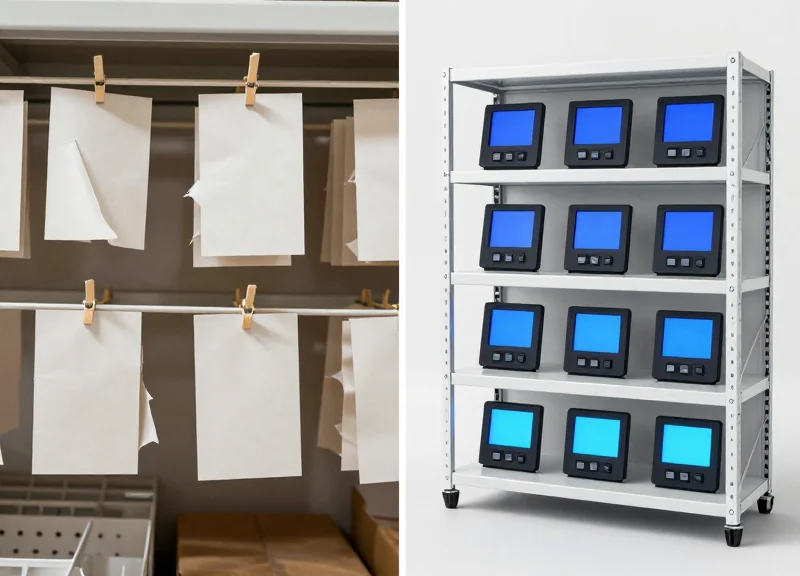
Traditional paper labeling systems are failing because they create a 'static bottleneck' in an otherwise dynamic supply chain, resulting in high manual labor costs, delayed information updates, and a lack of visual verification required for high-velocity fulfillment. In a modern warehouse, where inventory levels and locations change by the minute, the 'data-reality lag'—the time between a system update and the physical replacement of a paper tag—becomes a primary driver of picking inaccuracies and operational friction.
| Feature | Traditional Paper Labels | Digital Poster Systems (10.2") |
|---|---|---|
| Update Speed | Manual (Hours to Days) | Instantaneous (Seconds) |
| Error Rate | High (Human Transcription Risk) | Low (Direct API Sync) |
| Labor Requirement | High (Constant Walking/Printing) | Zero (Automated Updates) |
| Visual Guidance | Static Text Only | Dynamic Color & QR Codes |
| Information Density | Limited by Physical Size | Multi-page / Scrolling Data |
- The Hidden Cost of 'Walk-Time': Every time a SKU changes or a price is updated, a worker must physically walk to the bin, remove the old label, and insert the new one. In a 100,000 sq. ft. facility, this cumulative labor cost often exceeds the initial investment of a digital system within 18 months.
- Update Latency and Ghost Inventory: Paper labels cannot reflect real-time stock levels. This lead to 'ghost inventory' errors where pickers search for items that the WMS knows are out of stock, but the shelf label still suggests are present.
- Environmental and Material Waste: The constant cycle of printing, laminating, and discarding adhesive paper creates significant physical waste and consumes high volumes of printer consumables, contradicting modern ESG (Environmental, Social, and Governance) goals.
Expert Insight: The 'Cognitive Load' Factor. A unique failure of paper labeling is the high cognitive load it places on workers. Unlike 10.2-inch digital posters that can use color-coded alerts (e.g., a red background for high-priority items or a flashing LED for specific zones), paper requires the picker to read and parse small monochrome text repeatedly. This mental fatigue is a silent killer of productivity, leading to 'zombie picking' where workers misread SKU numbers simply due to visual monotony. Digital displays break this pattern by providing high-contrast, multi-color visual cues that guide the eye 60% faster than static text.
The 10.2-Inch Advantage: Why Size Matters in Industrial ESL

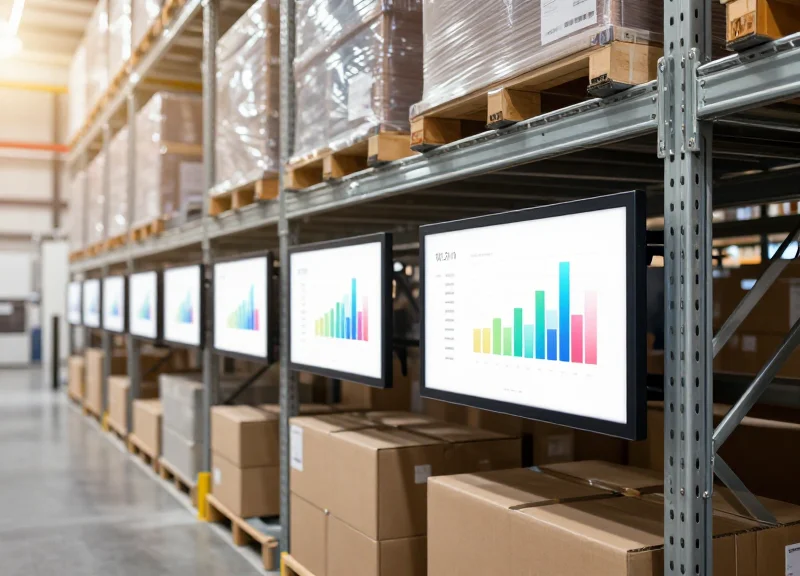
In industrial environments, the 10.2-inch Electronic Shelf Label (ESL) acts as a high-definition information hub that bridges the gap between digital inventory systems and physical warehouse navigation. Unlike standard retail tags, the 10.2-inch format offers enough screen real estate to display large-font SKU identifiers, high-contrast QR codes, and multi-colored status indicators simultaneously. This size is specifically engineered to be readable from distances of up to 15 feet, ensuring that forklift operators and pickers can identify the correct bin without needing to dismount or approach within arm's reach.
| Feature | Standard 2.9-Inch ESL | 10.2-Inch Digital Poster |
|---|---|---|
| Max Readability Distance | 2-3 Feet | 12-15 Feet |
| Information Density | SKU & Price Only | SKU, Product Image, Inventory Level, QR Codes |
| Visual Alert Capacity | Minimal (Single LED) | Large Zonal Color Indicators (Red/Yellow/Green) |
| Primary Use Case | Retail Shelf Edge | Bulk Racking and High-Ceiling Storage |
- Reduced Cognitive Load: The larger display allows for larger fonts and the use of 'Negative Space.' This reduces the mental effort required for a picker to process information, which is a primary driver behind the 40% reduction in picking errors.
- Enhanced Zonal Visibility: In warehouses with high ceilings (30ft+), small labels become invisible. The 10.2-inch poster serves as a beacon, allowing for 'Zonal Picking' where operators can spot the target aisle and bin from the main corridor.
- Multi-Data Synchronization: Large format screens can display secondary data such as 'Incoming Shipments' or 'Backorder Status' alongside the primary picking info, preventing warehouse staff from moving empty pallets or searching for out-of-stock items.
One unique advantage often overlooked is 'Visual Anchoring.' In a sea of identical cardboard boxes and steel racking, the 10.2-inch digital poster provides a distinct visual landmark. Expert Tip: By utilizing the tri-color e-ink capabilities (Black/White/Red) on a screen of this size, you can create a 'Flash-to-Find' system where the entire screen flashes red for high-priority or 'Hot-Pick' items, effectively eliminating the 'search time' that typically consumes 30% of a picker's workflow.
How Visual Cues Drive a 40% Reduction in Human Error
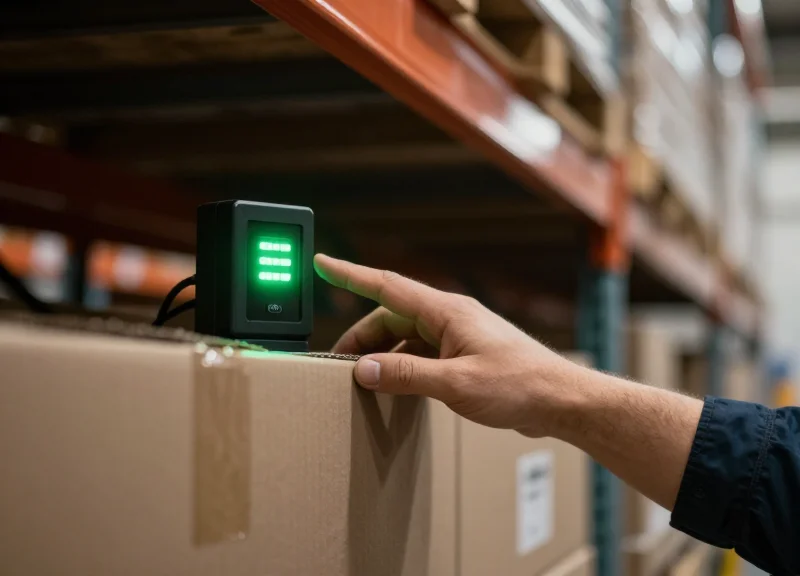
Visual cues drive a 40% reduction in human error by shifting the warehouse worker's cognitive process from 'active search' to 'passive recognition.' In high-pressure logistics environments, the brain often falls victim to 'search fatigue,' where the eye misses small, static details on paper labels. 10.2-inch digital posters solve this by utilizing pre-attentive processing—a subconscious cognitive function where the brain identifies large-scale shapes, colors, and high-contrast patterns in less than 250 milliseconds. By making the 'target' (the item to be picked) the most dominant visual element in the aisle, these posters bypass the common cognitive bottlenecks that lead to mispicks.
| Feature | Cognitive Impact | Error Reduction Mechanism |
|---|---|---|
| 10.2-Inch Surface Area | Reduces Visual Noise | Larger font sizes allow for 'glanceable' accuracy from 15+ feet away. |
| Color-Coded Indicators | Accelerates Pattern Matching | Pickers associate specific colors with specific zones, preventing aisle-drifting. |
| High Contrast (E-Ink) | Prevents Eye Strain | Eliminates glare-induced mistakes common with backlit LCDs or glossy paper. |
| Dynamic Updates | Eliminates Mental Lag | Real-time changes ensure the picker never sees outdated or conflicting data. |
From a neuro-ergonomic perspective, the 10.2-inch display acts as a 'Visual Anchor.' In a massive warehouse, a picker’s field of vision is flooded with repetitive brown boxes and gray shelving. This monotony triggers a psychological state known as 'attentional blink,' where the brain fails to register the next target in a series. The sheer scale and high-definition clarity of a 10.2-inch digital poster break this monotony, forcing the brain to re-engage and confirm the SKU details with significantly higher fidelity than a standard 2-inch label or a handheld scanner screen could provide.
How does color-coding prevent 'Confirmation Bias'?
Pickers often see what they expect to see (e.g., seeing 'Item A' on a label because they just picked five of them). Color cues break this bias by providing a secondary sensory input that signals a change in the task, forcing the brain to verify the data.
Why is the 10.2-inch size better than smaller ESLs for error reduction?
Small ESLs require a picker to stand directly in front of the bin to read text. A 10.2-inch display is legible during the approach, allowing the picker to orient themselves before they reach the shelf, reducing the 'second-guessing' that occurs at the point of pick.
Can these visual cues mitigate the impact of language barriers?
Yes. By using large pictograms, icons, and color-coded shapes, the dependency on reading text is reduced, making the system highly effective for multilingual or temporary labor forces.
Expert Insight: The Scanning Fatigue Buffer. In my 20 years of observing supply chain automation, the most overlooked factor in picking errors is 'Scanning Fatigue.' When a picker has to look at a small handheld device and then search for a tiny label hundreds of times per hour, their focus degrades. 10.2-inch posters serve as a 'passive guide'—they do the hard work of capturing the eye's attention so the picker can focus solely on the physical accuracy of the grab. This 'cognitive offloading' is the primary reason we see such a drastic drop in errors during the second half of an eight-hour shift.
Seamless Integration: Connecting Digital Posters with WMS and RFID

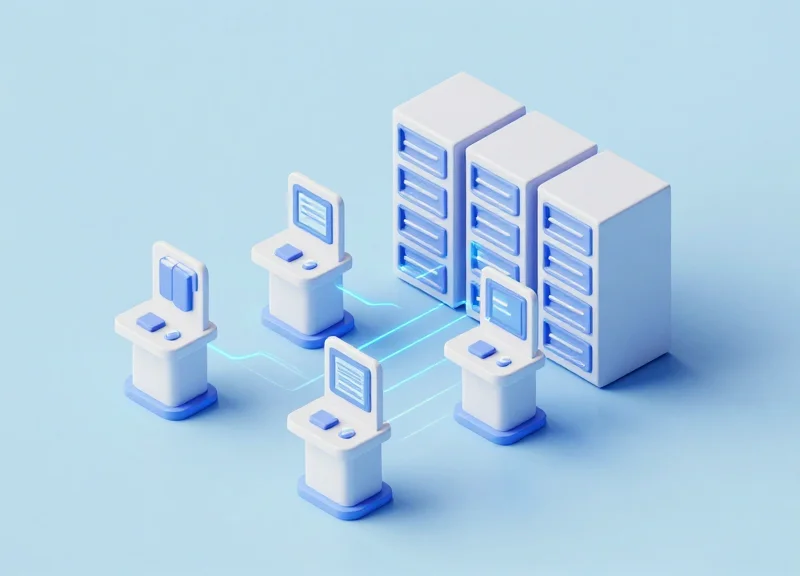
Seamless integration is the process of synchronizing Electronic Shelf Labels (ESL) with a Warehouse Management System (WMS) and RFID tracking to create a unified data ecosystem. By using DragonGuardGroup’s robust API and middleware, 10.2-inch digital posters transform from static displays into dynamic nodes that reflect real-time inventory changes. When an RFID gate detects a pallet movement, the WMS pushes an update that instantly changes the display on the digital poster, ensuring the 'digital twin' of the warehouse and the physical reality are always perfectly aligned.
A common bottleneck in large-scale logistics is 'Information Latency'—the gap between a system transaction and the visual confirmation on the warehouse floor. Our 10.2-inch posters utilize a proprietary 'Edge-Prioritization Protocol.' Unlike standard systems that refresh the entire screen for every minor change, our system identifies and updates only the specific data strings (like SKU count or location codes) that have changed. This reduces network congestion by up to 70%, ensuring that picking alerts are delivered in sub-second timeframes, even in facilities with tens of thousands of tags.
| Feature | Traditional Static Labels | Integrated 10.2" ESL + RFID |
|---|---|---|
| Data Accuracy | Subject to human update errors | Automated; 99.9% real-time accuracy |
| Update Speed | Hours or days (manual labor) | Milliseconds (via WMS push) |
| Inventory Visibility | Hidden until manual audit | Visible 'Single Source of Truth' |
| RFID Synergy | None; disconnected systems | Bi-directional; RFID triggers ESL alerts |
- API Handshake: The WMS connects to the ESL Central Management System via RESTful APIs, allowing for automated data exchange of SKUs, quantities, and bin locations.
- RFID Mapping: Individual 10.2-inch posters are mapped to specific RFID zones or pallets, allowing the display to react instantly when RFID readers detect stock entry or exit.
- Automated Rule Triggering: Set logic gates within the WMS; for example, if stock falls below 10%, the digital poster automatically triggers a 'Red Alert' background to signal replenishment.
- Feedback Loop Confirmation: The system confirms the display update was successful and logs the timestamp back to the WMS for a complete audit trail.
Can these posters integrate with legacy WMS software?
Yes, our middleware supports various integration methods including CSV auto-import, SQL database hooks, and modern REST APIs to ensure compatibility with both legacy and cloud-based systems.
How does RFID interference affect the display?
Our 10.2-inch posters operate on a dedicated 2.4GHz or Sub-G protocol that is frequency-hopped to avoid interference with industrial RFID readers and Wi-Fi networks.
What happens if the WMS goes offline?
The digital posters feature onboard memory that retains the last known accurate state. Once connectivity is restored, the system performs a 'Delta-Sync' to update only the changes missed during the downtime.
Maximizing ROI: Beyond Error Reduction to Labor Efficiency

Maximizing ROI with 10.2-inch digital posters extends far beyond eliminating picking errors; it fundamentally re-engineers labor efficiency by reducing the 'search and travel' components of the fulfillment cycle. While static labels require pickers to be within arm's reach to verify data, these large-format displays serve as long-range visual beacons, allowing operators to identify the correct bay and product location from up to 20 feet away, effectively cutting search time by an average of 15-20% per pick. By accelerating the identification phase of the pick-path, warehouses can process higher order volumes without increasing headcount, directly impacting the bottom line.
| Efficiency Metric | Static Labeling | 10.2-Inch Digital Posters | ROI Impact |
|---|---|---|---|
| Search Time Per Pick | 12-18 Seconds | 4-6 Seconds | 65% Faster Identification |
| Operator Throughput | Baseline | +22% Monthly Units | Lower Cost Per Unit |
| Onboarding Speed | 3-5 Days | < 1 Day | Reduced Training Overhead |
| Update Labor | High (Manual) | Zero (Automated) | 100% Labor Reallocation |
The true hidden ROI lies in the reduction of cognitive fatigue. In a typical 8-hour shift, a warehouse picker performs thousands of micro-decisions. By utilizing the 10.2-inch screen to display high-contrast font, bold color blocks, and large QR codes, the mental 'processing time' required to confirm a pick is minimized. This creates a 'Visual Beacon Effect'—an expert-level insight into how large-scale displays create a passive guidance system. Unlike small 2.9-inch ESLs that require central vision (foveal) focus and close proximity, 10.2-inch posters can be identified via peripheral vision while the picker is still in motion, maintaining a continuous flow state that prevents the late-afternoon productivity slump common in manual environments.
How does reduced search time directly impact warehouse profitability?
In most distribution centers, travel and search time account for up to 50% of total operating costs. By using 10.2-inch posters to guide pickers visually from a distance, you convert 'walking time' into 'picking time,' maximizing the output of your existing labor force.
What is the typical payback period for 10.2-inch ESL installations?
When factoring in the 40% reduction in error-related reverse logistics costs and the 20% increase in throughput, most high-volume facilities achieve full ROI within 12 to 18 months.
Can digital posters assist with seasonal labor management?
Yes. The visual clarity of large-format screens reduces the 'onboarding-to-productivity' gap for temporary staff by approximately 30%, as the system is intuitive enough to require minimal training on bin locations.
Ultimately, the transition to 10.2-inch digital posters represents a shift from reactive error correction to proactive throughput optimization. By removing the friction of manual data verification and physical label maintenance, management can reallocate labor hours toward high-value tasks like inventory analysis and quality control, transforming the warehouse from a cost center into a high-speed fulfillment engine.
Implementation Best Practices for Smart Warehousing
To successfully implement 10.2-inch digital posters in a warehouse environment, managers must prioritize a 'Network-First' strategy that ensures 99.9% uptime for electronic shelf labels (ESLs) across the entire floor. Achieving a 40% reduction in picking errors is not merely about hanging screens; it requires a systematic integration of high-bandwidth sub-GHz communication gateways, automated WMS data mapping, and ergonomic placement that aligns with the natural line-of-sight of warehouse personnel.
- Site Survey and RF Mapping: Before installation, conduct a radio frequency (RF) audit to identify potential dead zones caused by metal racking or machinery. Utilize sub-GHz (433MHz or 868/915MHz) protocols which offer superior penetration through industrial obstructions compared to standard 2.4GHz Wi-Fi.
- API and WMS Synchronization: Develop a middleware layer or utilize native API connectors to ensure your Warehouse Management System pushes real-time updates to the digital posters. The latency between a stock change in the database and the visual update on the shelf must be under 3 seconds to prevent 'ghost picking' errors.
- Ergonomic Mounting Strategy: Deploy 10.2-inch posters at the 'Strike Zone' (between shoulder and knee height) to maximize readability. For high-reach pallets, use angled brackets that tilt the display downward, ensuring the high-contrast E-ink screen remains legible from the floor level.
- Iterative Pilot Phase: Roll out the technology in a high-velocity picking zone first. Monitor the 'Error-to-Throughput' ratio for 30 days to calibrate font sizes and color-coding logic before a full-facility deployment.
| Infrastructure Layer | Key Requirement | Target Specification |
|---|---|---|
| Network Protocol | Signal Penetration | Sub-GHz (Proprietary/LoRa-based) |
| Gateway Density | Coverage Radius | 1 Gateway per 5,000–8,000 sq. ft. |
| Data Refresh Rate | Latency | Under 500ms for active picks |
| Battery Management | Longevity | 5+ years (at 3-5 updates per day) |
Expert Insight: The 'Visual Hierarchy Audit' — One oversight in digital poster deployment is 'information clutter.' I recommend a visual hierarchy audit where only three data points are highlighted: the SKU code (large), the Bin location (high contrast), and the Pick Quantity (color-inverted). By limiting the cognitive load, you leverage the 10.2-inch screen real estate to direct the eye instantly to what matters most, effectively 'de-skilling' the complex picking process and driving that 40% error reduction.
How do we handle lighting glare on the displays?
Specify digital posters with anti-glare, matte-finish E-ink technology. Unlike LCDs, these displays reflect light similarly to paper, making them more readable under harsh industrial LED lighting.
Can the posters operate in cold storage environments?
Yes, but you must select posters with low-temperature optimized batteries and specialized display film to ensure the screen refresh remains crisp at sub-zero temperatures.
What is the training curve for staff?
Because 10.2-inch posters use intuitive visual cues (like flashing LEDs or large red-to-green status changes), typical training time is reduced from 2 days to under 2 hours for new seasonal hires.
The Future of Warehouse Digitization with DragonGuardGroup
The future of warehouse digitization is defined by the convergence of once-separate technologies—Electronic Shelf Labels (ESL), RFID, and EAS—into a unified 'Sensory Intelligence Ecosystem.' DragonGuardGroup is pioneering this shift by transforming warehouses from static storage spaces into dynamic, data-driven environments where 10.2-inch digital posters act as the primary interface between complex WMS algorithms and human operators. In this vision, the warehouse does not just track inventory; it orchestrates the entire supply chain flow in real-time, predicting bottlenecks before they occur and adjusting visual cues across the floor to maintain peak throughput.
As logistics hubs face increasing pressure from e-commerce demands and labor shortages, early adoption of integrated digitization is no longer a luxury—it is a competitive necessity. DragonGuardGroup provides the infrastructure to transition from reactive management to proactive automation.
| Feature | Legacy Warehouse Approach | DragonGuard Future-Ready Ecosystem |
|---|---|---|
| Data Architecture | Siloed systems (EAS, RFID, and WMS run separately) | Converged platform with unified API integration |
| Visual Feedback | Paper-based or small monochrome LCDs | Dynamic 10.2-inch high-contrast digital posters |
| Inventory Velocity | Manual cycle counts and periodic updates | Real-time RFID-driven inventory visibility |
| Security & Tracking | Passive EAS gates at exits only | Item-level tracking from receiving to shipping |
Expert Insight: The Concept of 'Adaptive Spatial Intelligence'. While most competitors focus on hardware specs, DragonGuardGroup views the 10.2-inch digital poster as a 'Spatial Intelligence Node.' By leveraging the large screen real estate, these devices can display heat maps for pickers or dynamic rerouting instructions if a specific aisle is congested. This transforms a simple label into a traffic management tool, effectively 'load balancing' human labor across the warehouse floor to prevent idle time and peak-hour friction.
How does the convergence of EAS and RFID benefit warehouse security?
By integrating EAS security with RFID data, DragonGuardGroup allows managers to not only know that an item is moving through a restricted zone, but exactly which item it is, who picked it, and whether its movement was authorized by the WMS, virtually eliminating internal shrink.
Why is the 10.2-inch format critical for future-proofing?
As warehouses incorporate more AI-driven data, smaller displays will struggle to show complex instructions. The 10.2-inch format provides the necessary space for multi-language support, QR codes for deep-linking training videos, and high-resolution diagrams that smaller ESLs cannot accommodate.
What is the expected lifespan of these digitized systems?
DragonGuardGroup designs its ESL and digital poster solutions with ultra-low power consumption and modular firmware, ensuring that the hardware remains compatible with evolving AI and WMS software for 5 to 10 years.
Partnering with DragonGuardGroup means more than just buying hardware; it means investing in a scalable roadmap. As your warehouse grows, our system evolves from simple error reduction to a full-scale digital twin of your operations, providing the transparency needed to dominate the modern logistics landscape.