Luxury handbag retail is entering a transformative era where artisanal craftsmanship meets cutting-edge technology. For high-end boutiques in 2026, the challenge is no longer just about displaying exquisite leather goods, but about creating a seamless, digitized environment that maintains brand prestige. Digital labels, specifically Electronic Shelf Labels (ESL), have evolved from mere price tags into sophisticated tools for real-time inventory management, anti-theft security, and personalized customer engagement. This guide explores how to select the optimal digital labeling solutions that complement the aesthetic and operational demands of the world's most exclusive retailers.
The Evolution of Labeling in Luxury Retail: 2026 Trends
By 2026, the evolution of labeling in luxury retail has reached a critical tipping point where the physical and digital realms are no longer distinct. For high-end handbag boutiques, digital labels have transitioned from functional inventory tools to 'Intelligence Anchors.' These devices now feature ultra-high-definition e-paper displays that mimic the texture of fine stationary, providing a seamless aesthetic fit for brands like Hermès or Chanel. The primary shift involves the integration of 'Silent Technology'—labels that remain visually unobtrusive until a client interacts with them via NFC or biometrics, triggering a curated digital narrative about the bag's craftsmanship, leather origin, and investment value.
| Feature | Legacy Digital Labels (Pre-2024) | Luxury Standard 2026 |
|---|---|---|
| Display Tech | Low-resolution 3-color E-ink | Full-spectrum ACeP (Advanced Color ePaper) |
| Connectivity | Simple Infrared/Radio | Bluetooth 6.0 & Ultra-Wideband (UWB) |
| Data Layer | Static Price & SKU | Dynamic Provenance & Real-time Resale Value |
| Customer UX | QR Code Scanning | Proximity-based NFC 'Tap-to-Story' |
- Biometric Personalization: Labels now sync with boutique CRM systems to recognize VIP clients as they approach, instantly updating the display to show personalized styling suggestions or 'Loyalty Only' pricing.
- Sustainability Passports: Driven by EU regulations, 2026 labels provide a full lifecycle audit of the handbag, from the specific farm that provided the leather to the carbon footprint of its transport.
- Aesthetic Fluidity: New 'Chameleon' frames allow boutiques to change label borders (gold, brushed steel, or leather-wrapped) digitally or via snap-on modules to match seasonal collection themes.
Expert Insight: The 'Whisper-Tech' Protocol. A unique trend emerging in 2026 is the 'Whisper-Tech' protocol. Leading boutiques are moving away from glowing screens that distract from the product. The new standard is 'Reflective Intelligence'—labels that use ambient store lighting to power their displays, ensuring the technology 'whispers' rather than 'shouts,' preserving the serene, exclusive atmosphere required in high-stakes luxury environments.
Why is 2026 a turning point for digital labels?
The convergence of affordable full-color e-paper and the mandatory Digital Product Passport (DPP) regulations in major markets has made digital labeling a legal and aesthetic necessity for luxury brands.
Do digital labels devalue the 'handcrafted' feel of a boutique?
On the contrary, 2026 designs use premium materials like sapphire glass and vegan leather casings, framing the technology as a high-tech artisan component rather than a plastic commodity.
How do these labels handle security for high-value handbags?
Modern labels integrate hidden GPS and motion sensors, alerting staff if a bag is moved outside a designated 'safe zone' or if the label is tampered with.
Aesthetic Integration: Choosing Labels That Match Brand Identity
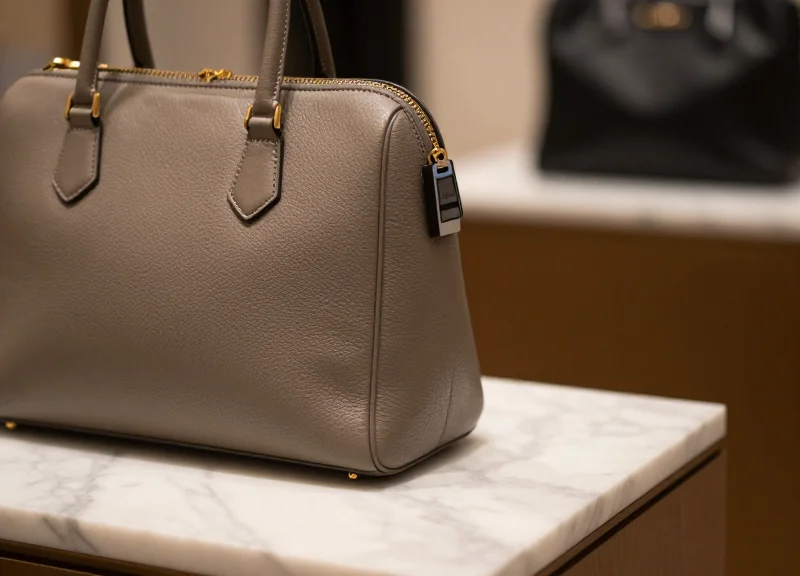
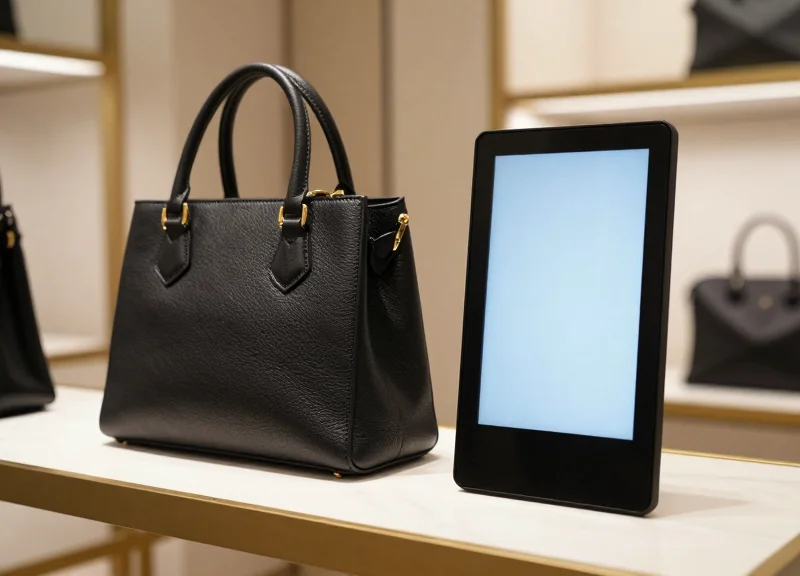
Aesthetic integration in luxury retail refers to the strategic deployment of Electronic Shelf Labels (ESL) that harmonize with a boutique's visual DNA. For high-end handbag retailers, this means moving beyond functional pricing to 'invisible technology'—digital labels that utilize ultra-thin bezels, high-resolution E-paper with 300+ DPI, and customizable chassis materials that mirror the store's architectural elements like brushed brass, hand-stitched leather, or minimalist matte polymers.
| Feature | Standard Retail ESL | Luxury Boutique Digital Label (2026) |
|---|---|---|
| Display Tech | Standard 3-Color E-ink | Advanced Spectra 6 / Full Color Gamut |
| Pixel Density | 100 - 150 DPI | 300 - 450 DPI (Retina Quality) |
| Bezel Material | Injection Molded Plastic | Anodized Aluminum, Wood, or Leather Wrap |
| Mounting | Plastic Rail/Clip | Magnetic Floating or Recessed Integrated |
### Achieving Visual Silence In the context of 2026 luxury design, 'Visual Silence' is the ultimate goal. The technology should not scream for attention; instead, it should provide a premium surface for typography that matches your brand's specific kerning and weight. High-end retailers are now opting for bespoke firmware that allows for custom anti-aliased fonts, ensuring that a price tag for a $5,000 clutch looks as elegant as a printed card.
- Match the Materiality: Select frames that use the same finishes as your shelving hardware. If your vitrines use champagne gold accents, your digital labels should feature matching PVD-coated bezels.
- Prioritize Contrast over Color: While full-color labels exist, luxury brands often find higher sophistication in high-contrast black/white/red displays that mimic the texture of premium cardstock.
- Implement Recessed Mounting: Work with store designers to create 'pockets' in marble or wood shelving so the label sits flush with the surface, rather than protruding.
Expert Insight: The 'Digital Patina' Concept A unique trend for 2026 is the 'Digital Patina'—using sensors to detect ambient lighting and adjusting the white-point of the E-paper display to match the warmth of your boutique's lighting (e.g., 2700K vs 4000K). This ensures the label never looks like a glowing 'gadget' but rather a natural part of the display environment.
Do digital labels look too 'techy' for a heritage brand?
Not in 2026. With custom frames and matte E-paper coatings, digital labels are indistinguishable from high-quality printed parchment until the information is updated.
Can we use our brand's specific custom font?
Yes, high-end 2026 ESL controllers support Vector font rendering, allowing for precise brand typography without pixelation.
What about the battery bump on the back?
Luxury models now utilize ultra-thin solid-state batteries or shelf-integrated induction power, resulting in a perfectly flat profile under 4mm.
The Power of Integration: Combining ESL with RFID and EAS
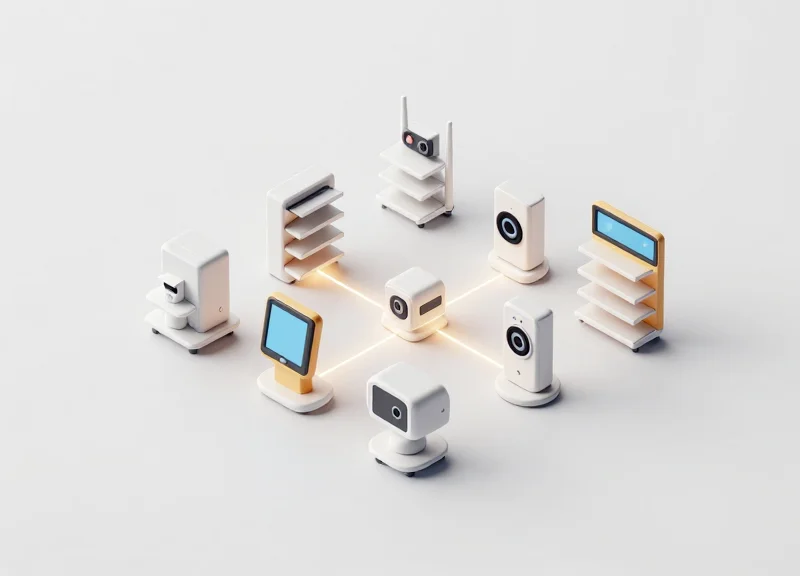
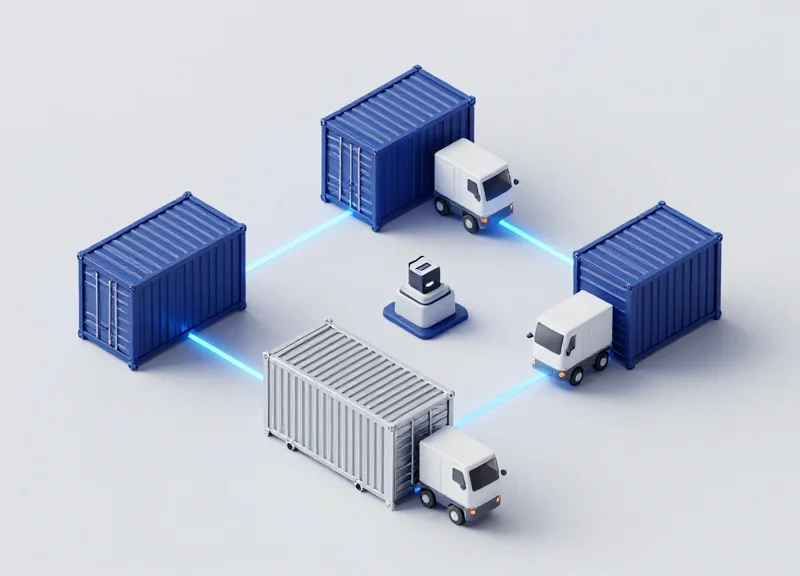
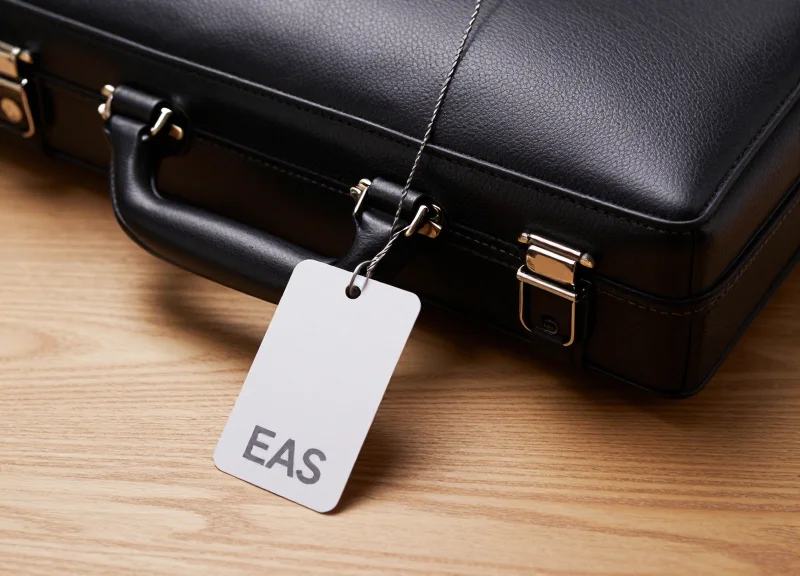
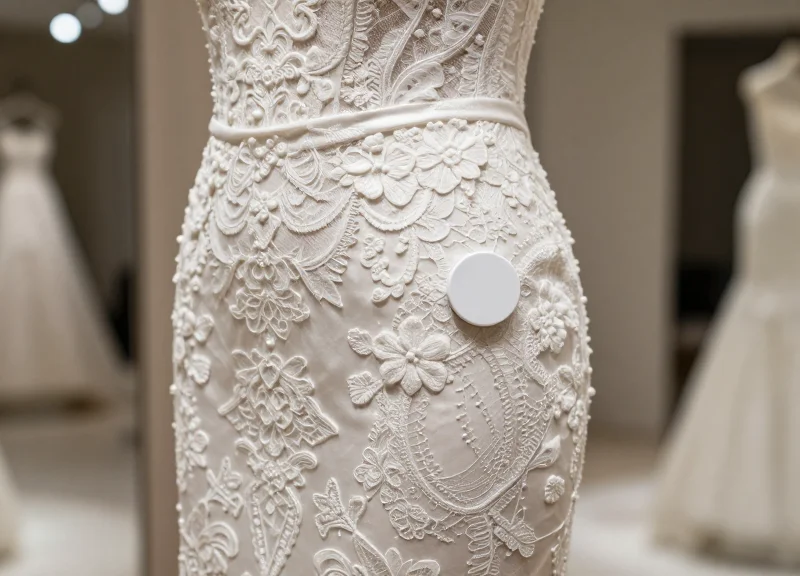
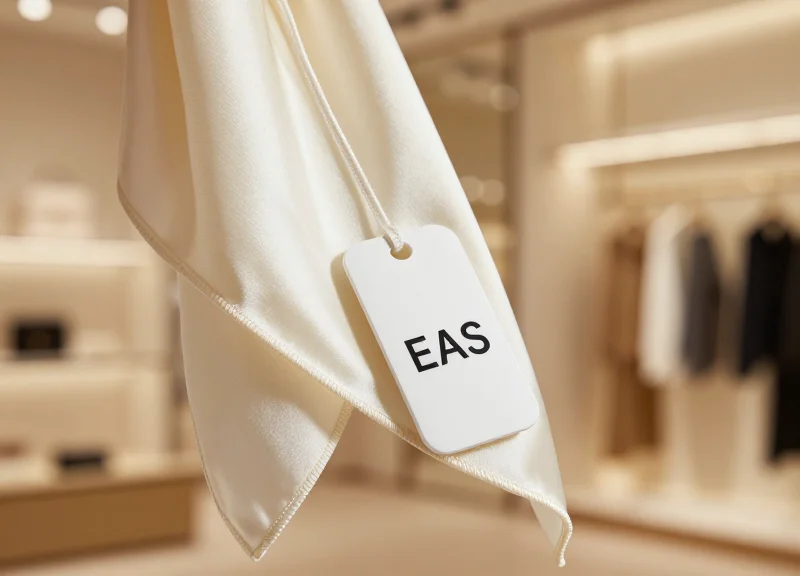
By 2026, the gold standard for high-end boutique management is the 'Unified Tag'—a single digital node that merges Electronic Shelf Labels (ESL) for dynamic pricing, Radio Frequency Identification (RFID) for real-time inventory tracking, and Electronic Article Surveillance (EAS) for loss prevention. This integration eliminates the need for multiple unsightly plastic tags on a single $5,000 handbag, allowing retailers to maintain a minimalist aesthetic while gaining unprecedented data visibility and asset protection.
| Feature | Standalone Solution | 2026 Integrated Stack |
|---|---|---|
| Visual Impact | Multiple tags (Price, Security, SKU) | One discreet, designer-brand tag |
| Inventory Accuracy | Manual or periodic scanning (80-85%) | Continuous real-time tracking (99.8%) |
| Labor Efficiency | Manual price changes and tag removal | Instant digital updates; automated exit sensing |
| Security | Basic 'Beep' at the door | Item-level alerts and predictive analytics |
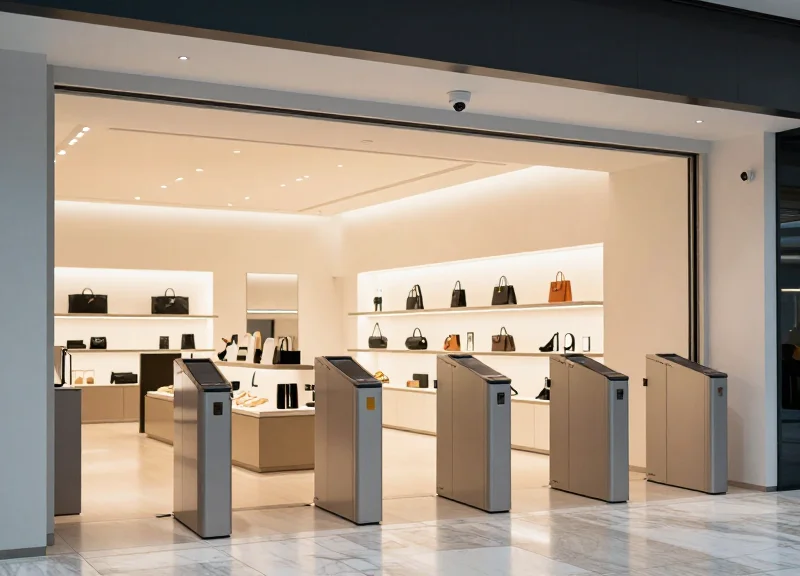
The true luxury of this integrated approach lies in 'Invisible Security.' Traditional EAS pedestals at boutique entrances are often seen as 'friction points' that detract from a welcoming atmosphere. With RFID-integrated ESLs, boutiques can utilize overhead sensors or 'concealed floor loops' that track specific items. This means security teams are alerted not just that something is leaving, but exactly which Hermès Birkin or Chanel Flap bag is crossing the threshold, and whether it was properly decommissioned at the POS.
- Automated Receiving and Commissioning: Upon arrival, the handbag is paired with an integrated ESL. The RFID chip automatically updates the central ERP, confirming the item is 'In Stock' and 'Active' for security.
- Dynamic Merchandising and Pricing: As market trends shift, prices are updated globally across all boutiques in seconds via the E-paper display, ensuring the price on the bag always matches the digital storefront.
- Omnichannel Fulfillment Accuracy: Staff can locate a specific SKU for a high-value client using 'pick-by-light' features on the ESL, triggered by the RFID location data.
Expert Insight: The 'Try-on' Analytics Goldmine. A unique advantage of 2026 integrated labels is the ability to track 'dwell time' in fitting rooms or viewing areas. By monitoring RFID movements of specific handbags without manual intervention, luxury retailers can identify which items are 'high-interest' (tried on often) but 'low-conversion' (rarely purchased), allowing for data-driven adjustments in sales training or pricing strategy that were previously impossible.
Does having RFID and EAS in one tag drain the battery faster?
No. Modern 2026 SoC (System on Chip) designs utilize 'backscatter' technology for RFID and EAS, which requires zero battery power from the ESL itself; the battery is only used for the E-paper display updates.
Can these integrated tags be customized for different materials?
Yes. Luxury boutiques can now choose between leather-wrapped, metallic-finish, or high-grade polymer frames that house the integrated tech while matching the handbag's hardware.
Is the system compatible with existing security gates?
While compatible with most 58kHz or 8.2MHz systems, the best performance is achieved by upgrading to RFID-based overhead readers for a completely unobstructed entryway.
Real-Time Dynamic Pricing: Maintaining Global Consistency
Real-time dynamic pricing for luxury retailers is the centralized synchronization of product costs across global boutique networks using cloud-connected Electronic Shelf Labels (ESLs). By 2026, this technology allows high-end brands to adjust prices instantly in response to currency fluctuations, ensuring that a flagship item in Paris retains the same valuation as its counterpart in Tokyo or New York. This eliminates price arbitrage opportunities and protects brand equity by maintaining a unified global price floor across all physical and digital touchpoints.
| Feature | Legacy Manual Labeling | 2026 Digital Label Ecosystem |
|---|---|---|
| Update Speed | 2-5 Days (Shipping/Printing) | Sub-1 Second (Global Sync) |
| Currency Agility | Reactive/Lagging | Proactive/API-Driven |
| Human Error | High (Mismatched Tags) | Near-Zero (ERP Integrated) |
| Labor Cost | Significant (Manual Swaps) | Negligible (Automated) |
In the high-stakes world of luxury handbags, price consistency is not just about revenue—it is about psychological brand positioning. When a shopper notices a significant price gap between regions due to a sudden currency dip, it devalues the item's perceived worth. Modern ESL systems solve this by integrating directly with a brand’s ERP (Enterprise Resource Planning) and currency hedging software, allowing for 'stealth updates' that reflect real-time market value without disrupting the boutique aesthetic.
- ERP Integration: Connect the ESL management software to the central database to ensure a single source of truth for pricing.
- Currency Threshold Setting: Define automated triggers that only update prices when exchange rates shift beyond a specific percentage (e.g., 2%).
- Localized Tax Calculation: Automatically calculate and display VAT or local sales tax based on the specific boutique's geolocation.
- Scheduled Synchronization: Execute price changes globally during off-peak hours to ensure a uniform customer experience at opening.
Expert Insight: The 'Arbitrage Shield'. In 2026, leading luxury groups are using AI-driven predictive modeling to anticipate currency volatility. Instead of reacting to a drop in the Euro, these digital labels allow brands to preemptively adjust prices by 1-2%, effectively closing the window for 'gray market' resellers who buy stock in devalued regions to sell at a profit elsewhere. This micro-adjustment capability is only possible with high-resolution digital labels.
Can digital labels handle multiple currencies on one tag?
Yes, 2026 models feature split-screen or multi-page E-paper displays that can show the local price and a reference currency (like USD or EUR) simultaneously for international travelers.
What happens if the boutique loses Wi-Fi during an update?
Luxury-grade ESLs utilize sub-GHz radio frequencies or dedicated IoT gateways with internal caching, ensuring tags keep their last verified price until a secure connection is re-established.
Do dynamic updates distract customers?
Not at all. High-end labels use 'silent updates' with no flickering, ensuring the transition is invisible to the shopper's eye.
Enhancing the Client Experience via NFC and QR Connectivity
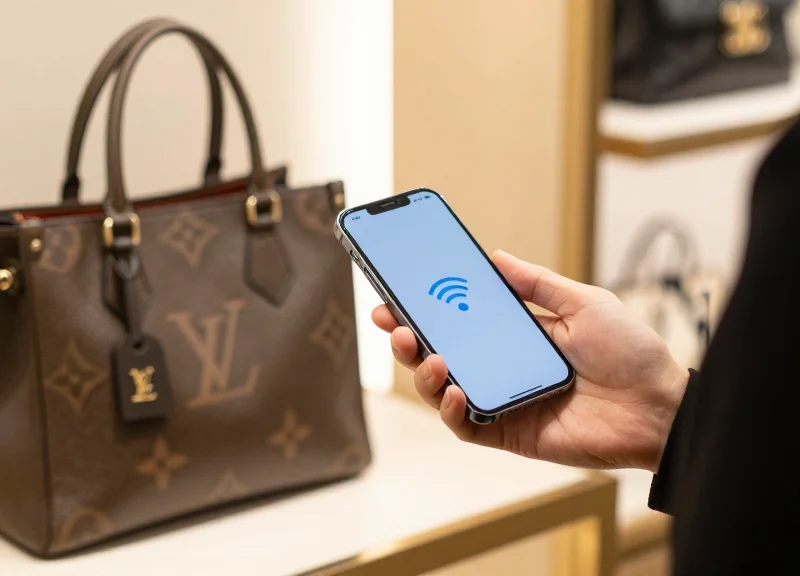
In 2026, the digital label is no longer just a pricing tool; it is a 'phygital' gateway that bridges the gap between a physical luxury handbag and its digital narrative. By embedding Near Field Communication (NFC) and Quick Response (QR) capabilities, high-end boutiques provide clients with immediate, frictionless access to a product’s provenance, craftsmanship videos, and real-time inventory availability. This connectivity transforms the shopping journey from a passive observation into an immersive brand experience, allowing collectors to validate the rarity and heritage of a piece with a simple tap of their smartphone.
| Feature | NFC (Near Field Communication) | QR (Quick Response) Codes |
|---|---|---|
| User Interaction | Frictionless 'Tap-to-Discover' experience. | Visual scan required via camera app. |
| Aesthetic Impact | Can be hidden behind the label surface (stealth). | Visible pattern on the digital display. |
| Security Level | High: Encrypted chips prevent cloning. | Standard: Can be easily duplicated or redirected. |
| Accessibility | Requires modern smartphones (Standard in 2026). | Universal across all camera-enabled devices. |
- Provenance and Storytelling: Digital labels allow retailers to display the 'Birth Certificate' of a handbag, detailing the specific leather tannery in Italy or the artisan who hand-stitched the piece.
- Instant Styling Suggestions: Clients can scan the label to see the bag paired with current seasonal collections, driving cross-selling opportunities for scarves, charms, or evening wear.
- Seamless Appointment Booking: If a specific colorway is out of stock, the label enables the client to instantly book a private viewing or reserve an incoming shipment via the boutique's concierge app.
The 2026 Expert Insight: Beyond simple links, the most sophisticated luxury brands are now using NFC-enabled digital labels as 'Digital Passports' for the secondary market. By tapping the label at the point of sale, the boutique can transfer a non-fungible token (NFT) of ownership directly to the client's digital wallet. This not only guarantees the bag's authenticity for life but also creates a permanent digital link between the brand and the owner, enabling exclusive invitations to future events based on their collection history. This 'Hidden Signature' approach ensures that the technology serves the luxury experience without cluttering the physical aesthetic of the store.
Do clients actually use NFC tags in a retail environment?
Yes. By 2026, 'tap-to-pay' behaviors have normalized NFC interaction. Luxury shoppers, in particular, value the privacy of viewing detailed specs on their own device rather than squinting at small print.
Can these labels track customer movement in the store?
While they provide engagement data, privacy is paramount. Digital labels track 'engagements' (scans) to help managers understand which floor models are attracting the most interest, without compromising individual client anonymity.
What happens if the boutique's Wi-Fi goes down?
Advanced digital labels store NFC payloads locally. Even if the network is interrupted, the 'Tap' function can still trigger cached brand content or offline authentication protocols.
Security Features and Anti-Theft Protocols for High-Value Assets

For luxury handbag retailers, security is a delicate balance between asset protection and brand prestige. In 2026, digital label security has evolved beyond basic alarms into Multi-Layered Asset Shielding (MLAS). This protocol ensures that any attempt to remove, swap, or tamper with a price label or the handbag itself triggers an immediate, discreet response. By integrating internal accelerometers and cryptographic 'heartbeats,' these labels transform from static price tags into active, intelligent security nodes that safeguard inventory valued at thousands of dollars per unit.
| Security Feature | Technical Mechanism | Retail Impact |
|---|---|---|
| Capacitive Tamper Sensing | Detects changes in electrical charge when the label is touched or removed from the leather. | Zero-latency alerts for unauthorized handling. |
| Cryptographic Heartbeat | The label sends an encrypted signal to the store hub every 2 seconds. | Prevents 'signal jamming' or 'spoofing' by thieves. |
| Invisible EAS Integration | Built-in 58kHz or 8.2MHz coils hidden within the E-paper casing. | Maintains minimalist design while working with existing security gates. |
| Geo-Fencing Alerts | Triggers alarm if the label moves outside a pre-defined GPS/UWB perimeter. | Prevents high-value items from leaving the showroom floor undetected. |
- Initialize Secure Pairing: Each digital label is cryptographically bound to a specific SKU and a physical display anchor using a 256-bit encryption key during the intake process.
- Set Motion Sensitivity Thresholds: Configure the built-in G-sensors to distinguish between a customer admiring a bag and an attempt to cut the security tether or move the item toward an exit.
- Define Escalation Protocols: Determine if a breach triggers a silent alert to security, a localized haptic vibration for floor staff wearables, or a full store lockdown.
Expert Insight: The 'Ghost Anchor' Protocol. A breakthrough for 2026 is the 'Ghost Anchor.' Unlike traditional visible cables, this uses Ultra-Wideband (UWB) to create a digital tether between the handbag and its specific shelf location. If the bag moves more than five meters without a 'Staff Override' (authenticated via the associate's biometric wearable), the label's E-paper display flashes a 'High-Security Alert' QR code, rendering the item unsellable on the secondary market while notifying security. This tech reduces the need for unsightly physical wires that detract from the luxury experience.
Can digital labels be spoofed or hacked to show a lower price?
No. Modern 2026 labels use rolling-code encryption and blockchain-verified pricing updates, making it virtually impossible for external devices to override the displayed data.
Do these security features drain the battery quickly?
While active tracking consumes more power, 2026 models utilize 'Power-on-Event' logic, where high-draw security sensors only activate when suspicious movement is detected, preserving a 5-year battery life.
Are the labels aesthetically intrusive?
On the contrary, the security components are miniaturized and embedded within the frame or the E-paper substrate, allowing for a sleek, jewelry-like finish that complements high-end leather goods.
Operational Efficiency: Reducing Human Error in Boutique Management
In the high-stakes world of luxury handbag retail, operational efficiency is defined by the elimination of the 'administrative friction' that occurs when staff are forced to perform manual data entry. Digital labels in 2026 serve as a real-time bridge between a boutique's Enterprise Resource Planning (ERP) system and the showroom floor, ensuring that every price tag, provenance detail, and limited-edition status is 100% accurate without human intervention. By automating these updates, boutiques mitigate the significant financial and reputational risks associated with mispricing high-value assets.
| Operational Metric | Manual Labeling (Legacy) | Digital Labeling (2026) |
|---|---|---|
| Price Update Speed | 4-6 Minutes Per Item | Near-Instant (<2 Seconds) |
| Accuracy Rate | Avg. 92-94% (Human Error) | 99.99% (System-Sync) |
| Staff Allocation | Backroom / Administrative | Front-of-House Clienteling |
| Audit Trail | Paper-based / Non-existent | Digital Time-stamped Logs |
Beyond simple price changes, the operational shift focuses on 'The Luxury Error Multiplier.' In mass-market retail, a $5 pricing error is a nuisance; in luxury retail, a misplaced digit on a $15,000 exotic leather tote is a catastrophic failure that erodes client trust and brand prestige. Digital labels remove the 'Cognitive Load' from your sales associates, allowing them to remain in 'Experience Mode' rather than 'Maintenance Mode' during peak shopping hours.
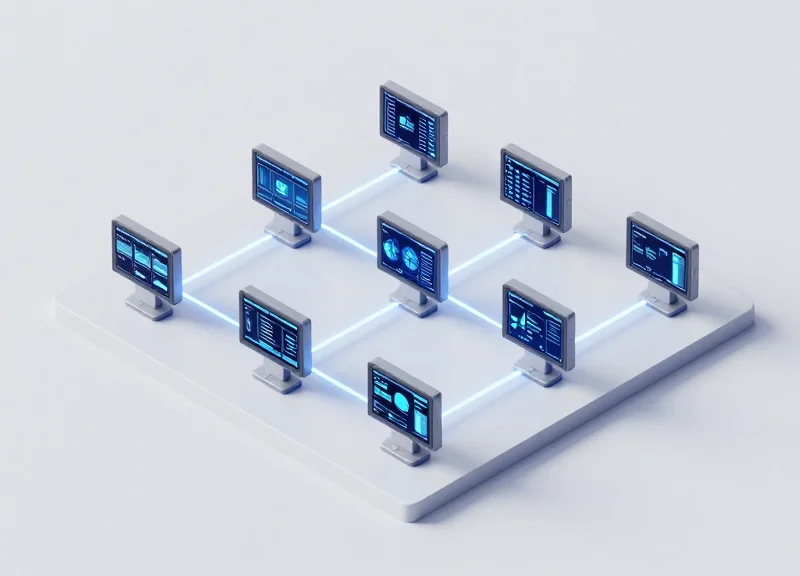
- Centralized ERP Synchronization: A single change in the global headquarters' database reflects instantly across all boutique displays, preventing regional pricing discrepancies.
- Elimination of 'Tag Fatigue': Staff no longer need to physically handle delicate hardware or leather to swap tags, reducing the risk of accidental product damage during routine updates.
- Proactive Inventory Alerts: Smart labels can flash or update to notify staff of low stock or 'reserved' status without the client ever seeing a 'Sold Out' sign.
Expert Insight: The 80/20 Boutique Principle. In my twenty years of observing high-end retail transformations, the most successful boutiques use automation to ensure that 80% of staff time is spent on emotional connection and only 20% on logistics. If your staff is spending more than 30 minutes a day on label maintenance, you are losing approximately $45,000 per year in 'opportunity cost' per associate in potential luxury sales conversions.
How does the system handle power outages?
2026-gen ESLs use e-paper technology which retains the last updated image indefinitely without power, ensuring price transparency even during technical interruptions.
Can sales staff override a price locally?
Yes, through authorized mobile handsets, staff can apply temporary 'VIP discounts' to a label during a private viewing, which then automatically reverts after the session.
Does this require extensive IT staff on-site?
No. Modern cloud-based controllers allow for remote management, meaning boutique managers can focus on sales while the system is maintained by the provider's off-site NOC.
Sustainability and Long-Term ROI in High-End Retail

In the 2026 luxury landscape, sustainability is the primary driver of brand equity, and digital labels represent the definitive shift from disposable retail waste to durable, high-tech infrastructure. By replacing traditional single-use paper tags and plastic holders with energy-efficient E-ink displays, high-end handbag retailers can eliminate thousands of pounds of annual paper waste while securing a Return on Investment (ROI) that typically breaks even within 18 to 24 months through labor savings and total elimination of printing overhead.
| Metric | Traditional Paper Labeling | Next-Gen Digital Labels (2026) |
|---|---|---|
| Waste Generation | High: Paper, ink, and adhesive waste per update. | Zero: Reusable electronic displays for 10+ years. |
| Operational Labor | Manual printing, cutting, and placement. | Automated: Instant global updates via IoT. |
| Average Battery Life | N/A | 8-10 Years (Low-power Zigbee/BLE tech). |
| TCO (5-Year) | Increasing due to labor & materials. | Decreasing: High upfront, near-zero maintenance. |
Expert Insight: The 'Adhesive-Free' Preservation Premium. A unique financial advantage often overlooked by boutique owners is the preservation of the product's physical integrity. Traditional adhesive labels can leave micro-residue on delicate calfskin or exotic leathers, potentially devaluing a $15,000 handbag. Digital labels utilize non-marring, luxury-grade tethering systems or magnetic mounts that protect the asset's 'box-fresh' condition, thereby maintaining its maximum resale and inventory value.
How do digital labels contribute to a circular economy?
Modern digital labels are designed for modularity; when a battery finally expires after a decade, the core electronic module can be refurbished or recycled, aligning with ESG (Environmental, Social, and Governance) targets that luxury consumers now demand.
What is the primary driver of ROI for boutiques with low inventory turnover?
Even for boutiques with low turnover, ROI is driven by 'Price Agility.' The ability to instantly adjust prices across a global fleet in response to currency fluctuations prevents margin erosion, which can save a luxury brand millions annually.
Does the energy consumption of digital labels offset the paper savings?
No. Modern E-ink technology only consumes power during an image update. For the remaining 99% of the time, it uses zero energy, making its total carbon footprint significantly lower than the industrial process of harvesting, milling, and transporting paper.
Ultimately, the transition to digital labeling is a strategic move that reconciles the 'quiet luxury' aesthetic with aggressive fiscal responsibility. By investing in hardware that lasts a decade, retailers are not just buying a price tag; they are installing a sustainable platform that scales with the brand’s digital transformation goals.
Selection Checklist: What to Look for in a 2026 Digital Label Provider
To secure the future of your luxury boutique in 2026, a digital label provider must offer more than just electronic ink; they must provide a robust 'luxe-tech' ecosystem. The ideal partner balances ultra-low-power networking with 'invisible' hardware design that complements high-end handbag displays. Your checklist should prioritize vendors who demonstrate a 99.99% network uptime, offer 'retina-grade' display resolutions (300+ DPI), and provide an API-first architecture that allows the labels to pull real-time data from your bespoke Inventory Management System (IMS) without manual intervention.
| Criteria Category | 2026 Minimum Standard | Luxury-Grade Excellence |
|---|---|---|
| Network Protocol | Wi-Fi 6E / BLE 5.4 | Proprietary Sub-GHz (Interference-Free) |
| Display Quality | 200 DPI / 3-Color | 300+ DPI / Full Color High-Contrast |
| Battery Lifecycle | 5-7 Years | 10+ Years with Solid-State Batteries |
| API Latency | < 5 Seconds per update | Sub-Second Global Sync |
| Hardware Finish | Standard Plastic | Architectural Alloys or Sustainable Ceramics |
- Network Resilience Audit: Ensure the provider uses a dedicated frequency band (like 800/900 MHz) rather than crowded 2.4GHz bands to prevent interference from client smartphones and boutique Wi-Fi.
- Software Interoperability Test: Demand a 'Headless' CMS capability. The provider's software must integrate directly with your ERP (e.g., SAP, Oracle, or Microsoft Dynamics) to ensure price parity across channels.
- Aesthetic Design Review: For luxury handbags, the label's frame must be customizable. Look for vendors offering slim-bezel designs and mounting solutions that don't damage expensive shelving or leather surfaces.
- End-to-End Encryption (E2EE): Verify that data transmissions from the server to the edge device are encrypted to prevent 'price hacking' or unauthorized content changes by malicious actors.
Expert Insight: The 'Aesthetic Latency' Factor. In my two decades of Silicon Valley tech deployments, I’ve seen retailers focus too much on battery life and not enough on refresh speed. In luxury, perception is everything. If a client sees a price update 'flicking' or lagging as they approach, it breaks the premium illusion. In 2026, prioritize providers whose E-paper displays feature partial-refresh technology, allowing for instantaneous, flicker-free updates that feel like magic to the observer.
Can digital labels operate in high-interference environments?
Yes, provided the vendor utilizes sub-GHz frequency bands which penetrate walls and bypass the noise of standard consumer Wi-Fi signals common in crowded shopping districts.
How do we handle label maintenance without disrupting the store?
Select a provider that offers centralized cloud monitoring. This allows your IT team to see battery levels and signal strength for every label in every global location from a single dashboard.
Are there specific mounting systems for glass-heavy luxury displays?
The best 2026 providers offer specialized magnetic or micro-suction mounts designed specifically for high-end glass vitrines, ensuring stability without residue or hardware bulk.