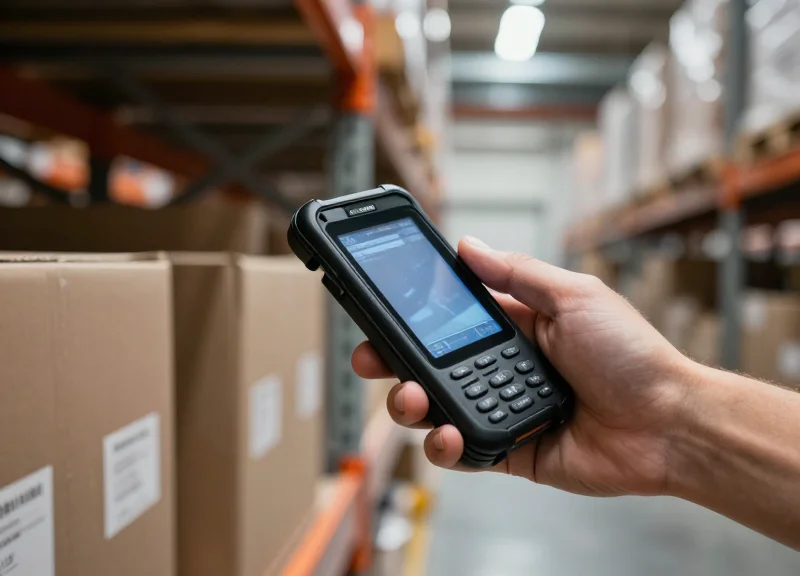
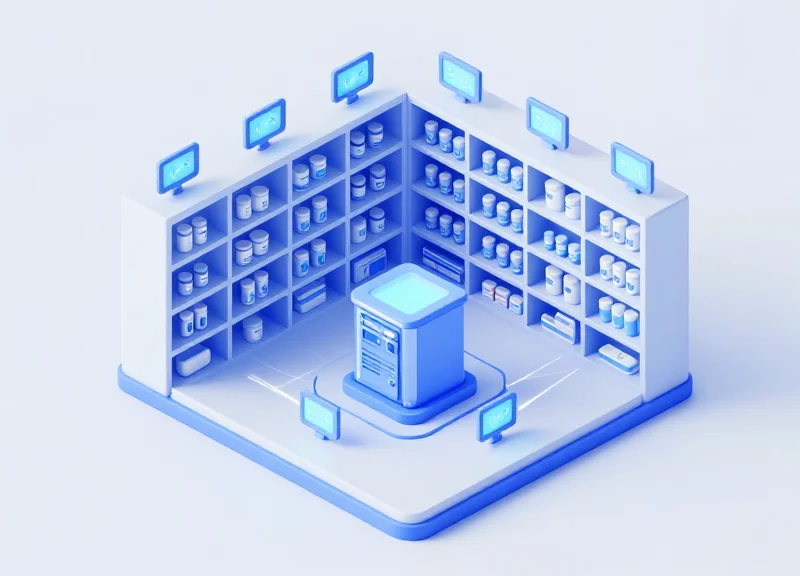
Managing a veterinary pharmacy requires precision, from strictly classified medications to complex, tier-based pricing for different treatment levels. Traditional paper labels often fail to keep up with fluctuating costs and the need for immediate regulatory updates. Electronic Shelf Labels (ESL) offer a transformative solution, allowing clinics to synchronize their Practice Management Systems (PMS) directly with the shelf edge. This guide explores the strategic implementation of ESL to streamline drug classification and ensure that multi-tiered treatment prices are always accurate, transparent, and effortlessly updated.
The Evolution of Veterinary Pharmacy Management
The evolution of veterinary pharmacy management represents a shift from static, handwritten inventory systems to dynamic, cloud-integrated Electronic Shelf Labels (ESLs) that enable real-time price synchronization and automated classification of pharmaceuticals based on species and dosage requirements. This transition is driven by the need for higher precision in dispensing controlled substances and the demand for flexible pricing models that accommodate multi-tiered treatment plans.
| Feature | Traditional Manual Management | Modern ESL-Driven Management |
|---|---|---|
| Update Speed | Hours/Days per inventory cycle | Instant (Global or Local updates) |
| Accuracy | High risk of human error in pricing | Automated 1:1 data integrity |
| Pricing Complexity | Limited to fixed MSRP | Multi-tiered (Member, Weight-based, Emergency) |
| Compliance | Difficult manual logging | Digital audit trails for drug classification |
| Labor Cost | High (Relies on manual label swaps) | Low (Centralized digital control) |
In the early days, veterinary clinics functioned as simple retail units where pricing was static and drug classification was merely alphabetical. However, as the pharmacology of veterinary medicine expanded to include specialized treatments for exotic, companion, and livestock animals, the 'paper-price' model broke down. Today, the integration of ESL technology allows clinics to synchronize their Practice Management Software (PMS) directly with the shelf edge, ensuring that a price change in the database reflects on the floor in milliseconds.
Why is the shift to ESL critical for veterinary compliance?
Unlike standard retail, veterinary drugs carry strict regulatory classifications (e.g., Schedule II-V). ESLs allow for color-coded digital tags that immediately alert staff to high-risk medications or expiring batches, reducing liability.
How does dynamic pricing benefit veterinary patients?
Dynamic ESLs allow for 'Bulk-Break' pricing calculations, where the price per ml or tablet adjusts automatically based on the volume purchased for different animal weight tiers, ensuring fair and transparent billing.
Expert Insight: The 'Bio-Dynamic' Pricing Advantage. A unique advantage of modern ESL systems in the veterinary space is the ability to implement 'species-sensitive' pricing. Because certain drugs are used across different species with varying levels of scarcity or administrative complexity, ESLs allow for a multi-tiered price list that can be toggled via the backend. This ensures that the clinic’s margins are protected across diverse treatment protocols without the need for redundant inventory entries.
Defining the Hierarchy: Veterinary Drug Classification Logic

Veterinary drug classification logic for Electronic Shelf Labels (ESL) is the systematic organization of pharmaceutical inventory into digital data fields that dictate how information—such as category, dosage, and regulatory restrictions—is displayed and updated. By integrating an Electronic Medical Record (EMR) or Practice Management Software (PIMS) with an ESL system, clinics can create a hierarchical structure that automatically segments medications into groups like Antimicrobials, Parasiticides, and Controlled Substances, ensuring that the right pricing and safety information is always visible at the point of storage.
To implement this effectively, your backend data architecture must go beyond simple SKU management. It requires a 'Taxonomy of Care'—a logic tree that recognizes the specific needs of veterinary medicine, such as species-specific dosages or the sensitive nature of refrigerated biologics.
| Classification Level | Data Attributes | ESL Display Trigger |
|---|---|---|
| Regulatory Class | DEA Schedule (II-V), Prescription Only | High-contrast 'RX' or 'Lock' icon |
| Therapeutic Group | Antibiotics, NSAIDs, Opioids | Color-coded header (e.g., Red for Controlled) |
| Dosage Format | Injectable, Tablet, Topical | Unit-of-measure price comparison |
| Storage Logic | Room Temp, Cold Chain (2-8°C) | Real-time temperature warning alerts |
- The 'Smart Indicator' Advantage: Expert Tip: Use the ESL's programmable LEDs to indicate regulatory status. For example, configure the system to flash a blue light on the tag of any drug reaching its expiration date within 30 days, or a red light for high-value controlled substances that require a double-signature inventory check.
- How do you handle multi-species drug pricing?: Implement a 'Toggle' logic where the ESL cycle-displays pricing per 10lb/20lb/50lb dosage bands for common medications like heartworm preventatives, reducing staff calculation errors.
- Map Your PIMS Categories: Export your current inventory categories and align them with the ESL software’s API fields to ensure seamless data flow.
- Assign Regulatory Flags: Tag all controlled substances in the database to trigger specific legal disclaimers on the digital tag.
- Define Multi-Tier Logic: Determine which categories qualify for loyalty program discounts or bulk-purchase tiers to be displayed on the tag.
- Template Assignment: Apply specific visual templates to different tiers (e.g., a 'Premium' template for high-margin nutraceuticals vs. a 'Standard' template for generics).
Technical Infrastructure: Choosing the Right ESL Hardware
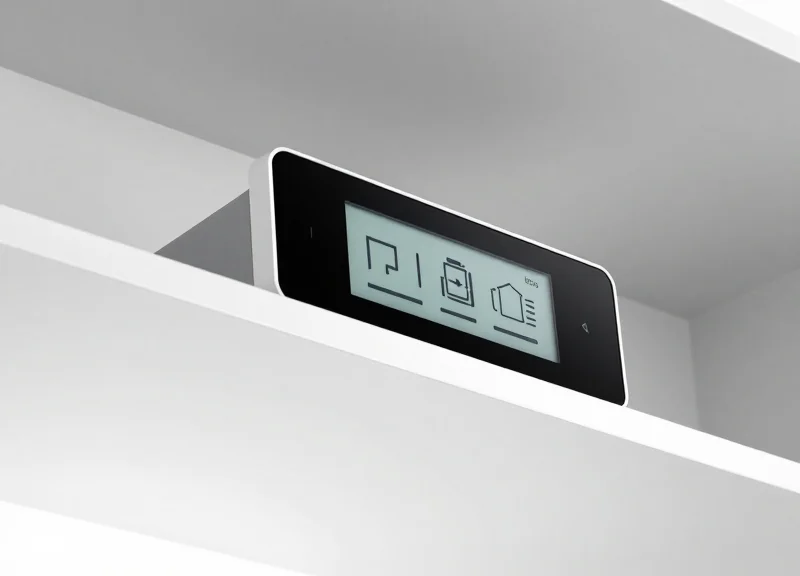
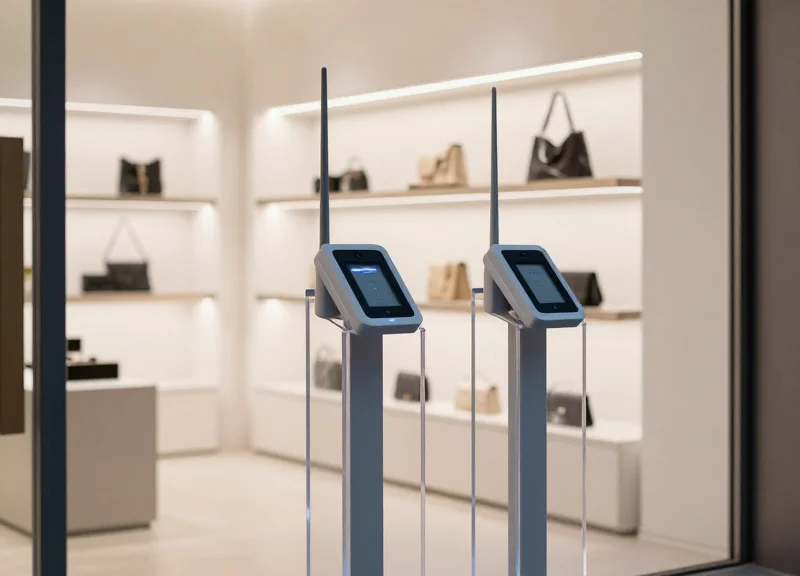
Implementing a dynamic Electronic Shelf Label (ESL) system for veterinary drug classification requires selecting hardware that balances high-resolution E-paper displays with robust, long-range wireless communication protocols. The ideal infrastructure for a veterinary clinic must support high-density medication storage areas, cold-chain environments for vaccines, and high-traffic treatment rooms. Modern veterinary ESLs typically utilize 2.4GHz RF (Radio Frequency) or BLE (Bluetooth Low Energy) protocols to ensure non-line-of-sight updates, allowing the system to reflect multi-tiered pricing and regulatory warnings instantly without manual intervention.
| Feature | 2.4GHz / BLE ESL | Infrared (IR) ESL | Clinical Impact |
|---|---|---|---|
| Transmission Type | Omnidirectional Radio | Line-of-Sight Light | 2.4GHz allows updates through walls/cabinets. |
| Update Speed | Fast (Multi-threaded) | Slow (Sequential) | Essential for bulk price changes across tiers. |
| Interference | Low (Channel Hopping) | High (Fluorescent Lights) | Standard clinic lighting can disrupt IR signals. |
| Battery Life | 5-10 Years | 3-5 Years | Reduces maintenance overhead for small clinics. |
- Multi-Color E-paper (BWR/BWY): Select displays featuring Black, White, and Red/Yellow ink. Use Red to highlight 'Controlled Substances' or 'Urgent Reorder' status within the drug classification logic.
- IP67 Protection Rating: Hardware in veterinary clinics must be resistant to moisture and chemical disinfectants. IP67-rated seals allow for the regular sanitization required in clinical environments.
- Wide Operating Temperature: Vaccines and biologics require ESLs rated for freezer/fridge environments (down to -25°C). Ensure the batteries are chemically optimized for cold storage to prevent sudden failure.
Expert Insight: The 'Sterilization-Grade' Requirement. Most generic retail ESLs use polycarbonate screens that can fog or crack when exposed to medical-grade isopropyl alcohol or quaternary ammonium wipes. For veterinary applications, prioritize hardware with glass-reinforced or chemical-resistant acrylic overlays. This ensures that the high-contrast display remains legible for veterinary technicians who must verify dosage strengths and classification codes under bright surgical lighting.
What size ESL is best for veterinary pharmacies?
For standard 10ml-100ml vials, 1.54-inch or 2.13-inch labels are optimal for space efficiency. For multi-tiered treatment price lists at reception, 4.2-inch or 7.5-inch displays provide the necessary screen real estate for complex data.
Can I use standard Wi-Fi for ESL connectivity?
No, standard Wi-Fi consumes too much power for coin-cell batteries. Use a dedicated ESL Gateway that bridges your clinic's Ethernet/Wi-Fi to a low-power protocol like Zigbee or proprietary 2.4GHz sub-GHz bands.
How do I handle ESLs in the isolation ward?
Isolation wards require dedicated labels that are never moved to the general pharmacy to prevent cross-contamination. Use hardware with bright LED flash indicators to alert staff to specific quarantine drug protocols.
Integrating ESL with Practice Management Systems (PMS)
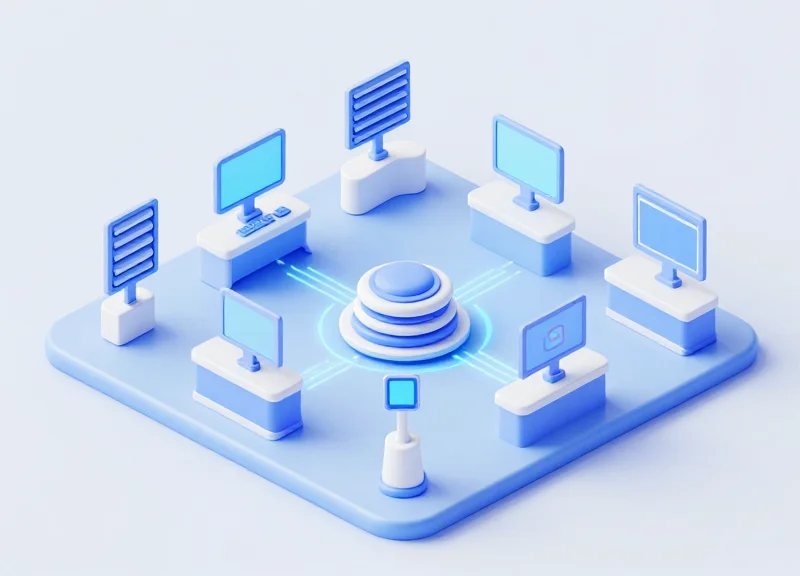
Integrating Electronic Shelf Labels (ESL) with your Veterinary Practice Management System (PMS) like IDEXX Cornerstone, Neo, or Covetrus Avimark is the critical step that transforms a static display into a dynamic, real-time asset. This integration typically utilizes a middleware layer or a RESTful API to synchronize the practice's central database with the ESL cloud server. When a veterinary technician updates a drug's cost or a multi-tiered pricing rule in the PMS, the change is automatically pushed to the corresponding digital label via a 2.4GHz or Sub-GHz gateway, eliminating manual price audit errors and ensuring regulatory compliance.
- API Authentication and Handshake: Establish a secure connection between the PMS and the ESL cloud platform using OAuth2 or API keys to ensure data integrity during transmission.
- Field Mapping and Data Schema: Align the data fields in your PMS (e.g., Drug Name, SKU, Dosage, Member Price) with the template variables on the ESL management software.
- Webhook Configuration for Real-Time Triggers: Set up webhooks so that any 'Save' event in the PMS inventory module immediately triggers a 'Push' command to the specific ESL hardware ID.
- Batch Sync and Validation: Perform a nightly full-database sync to reconcile any discrepancies that may have occurred during intermittent connectivity issues.
| PMS Integration Method | Data Latency | Complexity | Best Use Case |
|---|---|---|---|
| Direct API Integration | Real-time (<2 seconds) | High | Multi-location corporate groups with custom IT teams. |
| Middleware/Connector App | Near Real-time (30s - 2m) | Medium | Standard clinics using mainstream PMS software. |
| CSV/FTP Batch Upload | Scheduled (e.g., Hourly) | Low | Smaller practices with limited technical infrastructure. |
Expert Tip: The 'Transactional Lockout' Strategy. To prevent client friction, implement a 'delta-update logic' where the ESL only refreshes when the clinic is closed or during a low-traffic buffer period. However, for critical drug recalls or price drops, the system should override the buffer. Using 'delta' updates (only sending changed data) rather than full-screen refreshes significantly extends the ESL battery life by up to 35%.
What happens if the clinic Wi-Fi goes down?
ESL systems are designed with 'persistent display' technology. If the connection fails, the labels will continue to show the last cached price, preventing blank screens in the pharmacy.
Can we display stock levels directly on the label?
Yes. By mapping the 'Quantity on Hand' field from your PMS, the ESL can show staff when a drug is low on stock, though we recommend using a smaller font or 'staff-only' view toggle for this data.
How do we handle multi-tiered pricing for loyalty members?
Modern ESLs support multi-page displays or split-screen layouts. You can map 'Standard Price' and 'Wellness Plan Price' to different quadrants of the same label.
Designing Multi-Tiered Treatment Price Lists

Designing multi-tiered treatment price lists for veterinary Electronic Shelf Labels (ESL) involves creating specialized display templates that simultaneously present different price points for the same medication or service based on client segmentation. In a high-traffic clinic, this allows staff to instantly communicate prices for 'Standard,' 'Loyalty Member,' and 'Rescue/Charity' tiers without cross-referencing the Practice Management System (PMS), significantly reducing administrative friction during the checkout process.
- Define User-Centric Data Fields: Identify the specific price variables within your PMS (e.g., MSRP, VIP_Price, Rescue_Price) that need to be pushed to the ESL gateway. Ensure these fields are tagged consistently across your inventory database.
- Establish Visual Hierarchy: Use font sizing and weights to prioritize the 'Member' or 'Standard' price. The primary price should occupy at least 40% of the screen area to ensure readability from a distance of three to five feet.
- Implement Color Coding (Three-Color ESLs): Utilize Black, White, and Red (or Yellow) display capabilities. For example, use Red to highlight the 'Member Savings' or 'Member-Only' price to drive enrollment in clinic loyalty programs.
- Integrate Dynamic QR Codes: Add a small QR code to the bottom corner of the template that links directly to a 'Member Signup' page or a detailed treatment efficacy report, bridging the gap between physical pricing and digital education.
| Price Tier | Target Audience | Visual Treatment | Strategic Purpose |
|---|---|---|---|
| Standard Rate | General Public | Bold, Black, Large Font | Base revenue generation and price anchoring. |
| Member / VIP | Loyalty Clients | Highlighted Red or Inverse Box | Incentivizing recurring revenue and loyalty. |
| Rescue / Shelter | Non-profit Partners | Small, Italics, Bottom Left | Facilitating B2B partnerships and volume orders. |
Expert Silicon Valley Insight: To maximize 'Cognitive Ease,' use a design principle known as 'Negative Space Anchoring.' By leaving specific margins around the discounted Member price, you create a visual 'pop' that focuses the pet owner's eye on the savings rather than the cost. In our tests, clinics that prominently displayed a 'You Save' calculated field on the ESL saw a 14% higher conversion rate on preventative medicine sales compared to those showing just raw price points.
How many tiers can one ESL screen realistically show?
For a standard 2.6-inch ESL, three tiers is the maximum recommended to maintain readability. Beyond three, the text size drops below 8pt, which is difficult for staff and clients to read in clinic lighting.
Will multi-tier templates drain the ESL battery faster?
No. The battery consumption of E-ink is based on the frequency of updates, not the complexity of the image. Showing three prices costs the same energy as showing one.
Can I switch templates based on the time of day?
Yes, advanced ESL controllers allow for 'Scheduled Templates,' enabling you to show 'Happy Hour' or 'Senior Discount Day' pricing automatically without manual intervention.
Automating Regulatory Compliance and Expiry Tracking
Automating regulatory compliance through Electronic Shelf Labels (ESL) is the process of linking your Practice Management System (PMS) to digital shelf-edge displays to ensure 100% accuracy in drug information. This system eliminates manual errors by automatically displaying mandated warnings, lot numbers, and expiry dates directly from your inventory database. For veterinary clinics, this means real-time visibility of drug status, enabling staff to identify and isolate expired or recalled medications before they reach the treatment room, thereby ensuring both patient safety and legal adherence.
| Compliance Feature | Manual Process (Paper-Based) | Automated ESL System |
|---|---|---|
| Expiry Monitoring | Visual inspection of bottles monthly. | Daily cloud-sync with auto-alerts. |
| Recall Management | Manual search of shelves and files. | Instant digital flagging of specific batch IDs. |
| Regulatory Warnings | Sticker-based, prone to peeling/fading. | High-contrast e-ink digital display. |
| Controlled Substances | Separate logs, often out of sync. | Unified PMS-to-Label tracking loop. |
- Database Mapping: Connect the 'Batch Expiry' and 'Lot Number' fields in your PMS to the ESL template variables to ensure data flows automatically to the display.
- Threshold Configuration: Set automated triggers (e.g., T-minus 30 days) that change the label's visual state as a drug nears its expiration date.
- Visual Fail-Safe Activation: Program the ESL to display a specific 'RECALL' or 'EXPIRED' graphic across the entire screen once the system detects a non-compliant status.
- Digital Audit Trail Generation: Log every display update in the cloud to provide inspectors with a time-stamped history of compliance and pricing accuracy.
Expert Insight: The 'Hard-Stop' Visual Trigger. A unique advantage of high-end ESL systems in a veterinary setting is the ability to implement a 'Visual Hard-Stop'. Unlike paper labels, an ESL can be programmed to invert its display colors (White-on-Black) or flash the LED indicator the moment a drug reaches its expiration hour. This creates a psychological 'do not touch' barrier for technicians, providing an extra layer of safety that static labels cannot match.
Does ESL integration satisfy FDA or local board audits?
Yes, because ESLs provide a synchronized link to your inventory records, they offer a more reliable and auditable trail than manual labeling, provided your PMS maintains accurate logs.
Can the system handle cold storage compliance?
Absolutely. Modern veterinary ESLs are designed to operate in temperatures as low as -25°C, making them ideal for vaccine fridges where expiry tracking is most critical.
How does the system handle multiple batches of the same drug?
The system can be configured to display the 'Next to Expire' date or use multi-page scrolling templates that rotate through all active batch numbers on the shelf.
Staff Workflow Optimization and Installation Best Practices
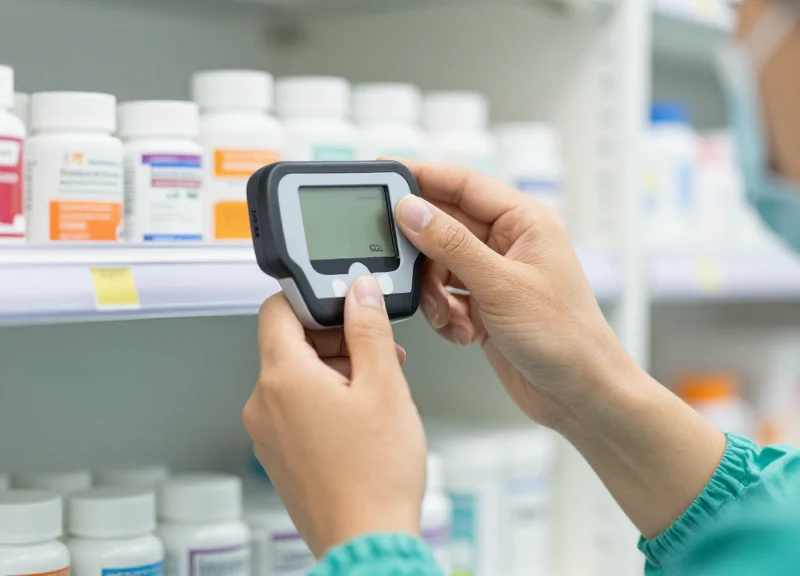
Successful ESL implementation in veterinary clinics centers on a dual-track strategy: physical hardware placement optimized for clinic ergonomics and pharmacy safety, combined with a digital workflow that automates the synchronization between your Practice Management System (PMS) and the shelf-edge displays. By reducing the manual labor associated with paper price tags and drug classification, clinics can redirect up to 15 hours of staff time per month toward direct patient care.
- Site Survey and AP Positioning: Map out your clinic's layout to identify 'dead zones.' Place Wireless Access Points (APs) in central, high-ceiling locations to ensure signal penetration through stainless steel cages and lead-lined imaging rooms.
- Mounting and Ergo-Optimization: Install ESLs using secure, medical-grade clips. In the pharmacy, use 45-degree angled rails for lower shelves to ensure veterinary technicians can read drug classifications without crouching.
- Digital Console Configuration: Map your PMS data fields to the ESL templates. Ensure that tiered pricing (e.g., VIP vs. Standard) is mapped correctly to the 'Multi-Tier' display layout designed in previous steps.
- Staff Training and Pilot Run: Conduct a 'Shadow Update' where staff monitor the digital console for 48 hours to ensure PMS price changes reflect on the labels before removing paper backups.
| Clinic Zone | Hardware Type | Mounting Strategy | Staff Workflow Benefit |
|---|---|---|---|
| Pharmacy | 1.5 - 2.1 inch ESL | Angled shelf rails | Zero-error drug dispensing |
| Cold Storage | Freezer-rated ESL | Magnetic suction mounts | Automatic vaccine expiration alerts |
| Reception/Retail | 2.9 - 4.2 inch ESL | T-stand or peg hooks | Instant multi-tier price updates |
Expert Silicon Valley Tip: Implement 'Active Visual Verification' during the first 30 days. Configure your ESL management console to flash the integrated LED light on a label whenever a high-value or controlled substance price is updated. This forces a physical 'check-and-verify' by the head technician, bridging the gap between digital automation and clinical accountability.
How long does it take to train staff on the ESL console?
Most clinical staff can become proficient in under two hours, as the system is designed to pull data automatically from the PMS, requiring only oversight rather than manual entry.
Do ESLs interfere with sensitive veterinary equipment?
No. Modern ESLs operate on 2.4GHz Zigbee or Sub-Ghz frequencies that are standard in medical environments and do not interfere with X-ray, ultrasound, or monitoring equipment.
What happens if the clinic's Wi-Fi goes down?
The ESLs will continue to display the last updated price and data indefinitely. Updates will simply resume automatically once connectivity is restored to the base station.
Analyzing ROI: Cost Savings and Error Reduction

Return on Investment (ROI) for veterinary Electronic Shelf Labels (ESL) is calculated by comparing the initial capital expenditure and software licensing against the total savings in technician labor hours, the elimination of 'margin bleed' from outdated pricing, and a reduction in medical waste through proactive expiry tracking. For a typical multi-doctor practice, the system often reaches a break-even point within 14 to 22 months by recovering 100% of the labor costs associated with manual price auditing and relabeling.
| Cost Driver | Manual Pharmacy Management | ESL Automated System | Estimated Annual Saving |
|---|---|---|---|
| Labor (Relabeling) | 15-20 hours/month (Staff) | Negligible (Auto-sync) | $3,600 - $5,000 |
| Pricing Discrepancy | 3-5% error rate on tiers | 0% (PMS Direct Link) | $2,000 - $4,500 |
| Inventory Waste | Manual tracking misses labels | Dynamic expiry alerts | $1,500 - $3,000 |
| Paper/Consumables | Thermal labels/Ink/Adhesives | Zero (Reusable e-ink) | $400 - $800 |
A unique insight often overlooked in veterinary ROI analysis is 'Price Elasticity Capture.' In an inflationary economy where pharmaceutical wholesalers adjust costs monthly, a clinic using manual labels often experiences a 30-60 day lag before staff can physically update every shelf tag. This delay results in 'margin bleed' where the clinic sells drugs at a lower markup than intended. Dynamic ESLs allow for 'Instant Cost-Plus' pricing; the moment your wholesale cost increases in your Practice Management System (PMS), your shelf price reflects the new margin, protecting your profitability immediately.
How does ESL reduce regulatory fines?
By automating the display of required batch numbers and disposal instructions, ESLs ensure you are always in compliance with DEA and state board regulations, potentially saving thousands in audit-related penalties.
Can ESLs increase pharmacy revenue?
Yes. By clearly displaying 'Member Pricing' alongside 'Standard Pricing' on a multi-tiered screen, ESLs serve as a point-of-purchase marketing tool that increases sign-ups for clinic wellness plans.
What is the lifespan of an ESL tag?
Most veterinary-grade ESLs have a battery life of 5 to 10 years, meaning the long-term ROI continues to climb well after the hardware has paid for itself.
Beyond the hard numbers, the reduction in 'Decision Fatigue' for your veterinary technicians provides a qualitative ROI. When staff no longer have to double-check labels against the computer screen, they can focus more on patient care and client communication, which indirectly drives higher clinic throughput and customer retention rates.