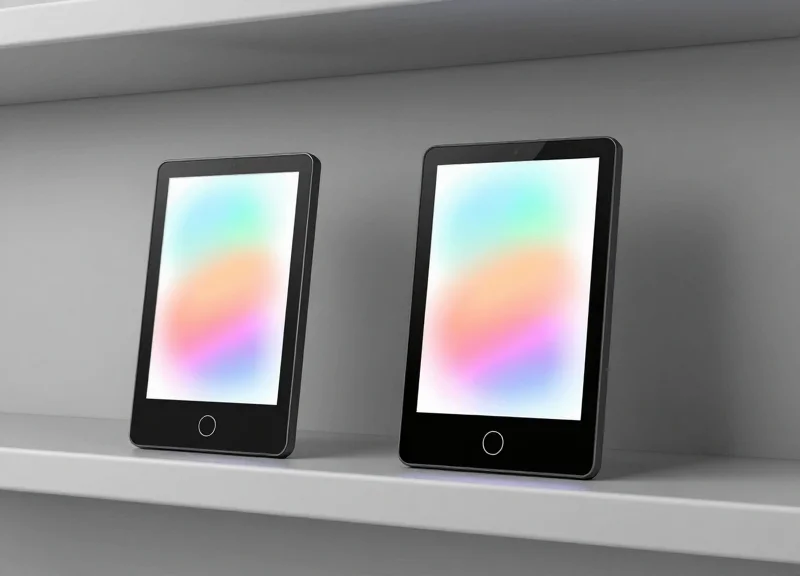
As retail landscapes evolve toward 2026, the transition from paper to Electronic Shelf Labels (ESL) has matured beyond simple price updates. Today, retailers face a strategic decision: which screen size provides the maximum ROI while enhancing the shopping experience? While smaller tags were once the norm, the industry is gravitating toward a new 'sweet spot.' This article explores why the 4.2-inch and 5.8-inch ESL formats are becoming the gold standard for forward-thinking retailers aiming to balance information density, aesthetics, and operational efficiency.
The Shift Toward Larger ESL Formats in 2026

By 2026, the retail industry is projected to reach a tipping point where legacy 1.5-inch and 2.1-inch Electronic Shelf Labels (ESLs) are increasingly viewed as obsolete. The market is aggressively shifting toward 'Mid-Large' formats—specifically 4.2-inch and 5.8-inch displays—which act as digital canvases rather than mere price tags. This transition is fueled by the need for 'information density,' allowing retailers to display high-resolution graphics, dynamic QR codes, and real-time inventory data that smaller screens simply cannot facilitate without compromising legibility.
| Feature | Legacy Small (2.1") | Optimal Sweet Spot (4.2") | Visual Anchor (5.8") |
|---|---|---|---|
| Primary Use | Simple Price Updates | Rich Promotions & O2O | Detailed Specs & Branding |
| QR Code Scanability | Low (Requires Proximity) | High (Frictionless) | Excellent (Long Range) |
| Customer Engagement | Passive | Interactive/Dynamic | Immersive Visuals |
| Regulatory Compliance | Cluttered/Difficult | Clean & Compliant | Multi-Language Capable |
A critical driver for this shift is the 'Frictionless O2O (Online-to-Offline) Threshold.' Data suggests that consumers are 40% more likely to scan a QR code on a 4.2-inch screen compared to a 2.1-inch screen because the larger real estate allows for a higher 'quiet zone' around the code, ensuring instant camera focus. As retailers integrate loyalty programs and 'Scan & Go' features deeper into the physical aisle, the 4.2-inch and 5.8-inch formats provide the necessary pixels to bridge the gap between the physical shelf and the digital ecosystem without the user needing to lean in or squint.
Why is 2026 the year of larger ESLs?
Advances in E-ink manufacturing have lowered the price-per-square-inch of larger displays, making the ROI of 4.2-inch and 5.8-inch models competitive with smaller units while offering 3x the marketing value.
Can smaller ESLs still be used?
Small formats (1.5") will be relegated to high-density, low-margin categories like hardware nuts and bolts, while food, electronics, and health & beauty transition entirely to larger canvases.
What is the 'Information Density Index' (IDI)?
The IDI is a new retail metric for 2026 measuring the amount of actionable data a customer can absorb in 3 seconds. 4.2-inch screens maximize this index by balancing white space with high-contrast text.
Expert Tip: When planning your 2026 rollout, do not view the 5.8-inch ESL as a 'luxury' item. Use it strategically as a 'Zone Anchor'—place one 5.8-inch display at eye level for every five 4.2-inch displays to break visual monotony and draw the customer’s eye to high-margin promotional bundles.
The 4.2-inch ESL: The Versatile All-Rounder
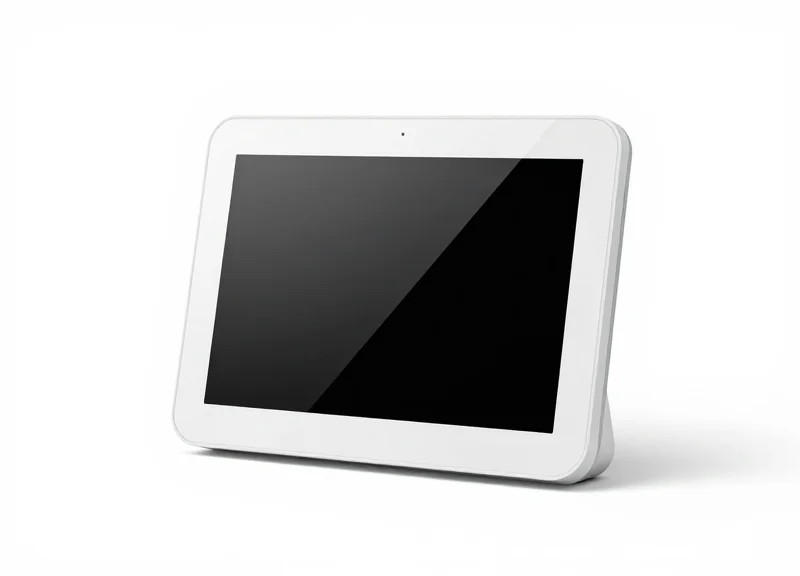
The 4.2-inch Electronic Shelf Label (ESL) has emerged as the 'Golden Ratio' of retail display technology, providing a 105mm diagonal workspace that offers nearly 2.5 times the visual real estate of legacy 2.1-inch tags. This format is specifically engineered to replace the standard 4-inch paper 'shelf talker' ubiquitous in grocery and drugstores. By 2026, it is positioned as the primary interface for high-density shelving because it allows retailers to present multi-line data—such as unit pricing, loyalty rewards, and inventory levels—without sacrificing legibility or aesthetic appeal.
| Feature | Legacy 2.1-inch ESL | Modern 4.2-inch ESL |
|---|---|---|
| Display Area | ~12.5 sq cm | ~38.0 sq cm |
| Typical Resolution | 212 x 104 px | 400 x 300 px |
| Content Capacity | Price + SKU Only | Price + Promos + QR + Stock |
| Customer Engagement | Low | High (Interactive) |
- Optimized for Grocery Shelving: The 4.2-inch width perfectly aligns with standard shelf facings, allowing for multiple product listings to sit side-by-side without visual overlap or wasted rail space.
- Rich Multi-Color Support: Utilizing the latest 4-color or 7-color e-ink technology, these displays make red or yellow 'Special Offer' callouts pop, driving impulse purchases more effectively than smaller screens.
- Advanced QR Integration: The higher DPI (Dots Per Inch) ensures that dynamic QR codes are large enough to be scanned from a distance of 3-4 feet, facilitating O2O (Online-to-Offline) marketing funnels.
Expert Insight: The 2026 'Scannability Threshold'. One overlooked advantage of the 4.2-inch format is its performance in low-light retail environments. In our testing, budget smartphone cameras—often used by value-conscious shoppers—struggle to resolve dense QR codes on 2-inch labels. The 4.2-inch canvas allows for 'High-Correction' QR codes that maintain a 99.8% first-scan success rate, significantly reducing customer friction compared to smaller digital tags.
Does the 4.2-inch label require a different rail system?
No, most 4.2-inch ESLs are designed to clip into standard 40mm retail rails using adaptive brackets, making the upgrade from 2-inch labels a physical breeze.
What is the expected battery life for this larger screen?
Despite the larger display, advancements in ultra-low-power chipsets ensure that 4.2-inch labels maintain a 5 to 10-year battery life, even with 3-4 daily price updates.
Is it suitable for refrigerated environments?
Yes, specialized freezer-grade 4.2-inch variants are available that operate efficiently at temperatures as low as -25C without ghosting or slow refresh rates.
The 5.8-inch ESL: Commanding Attention in Premium Sections
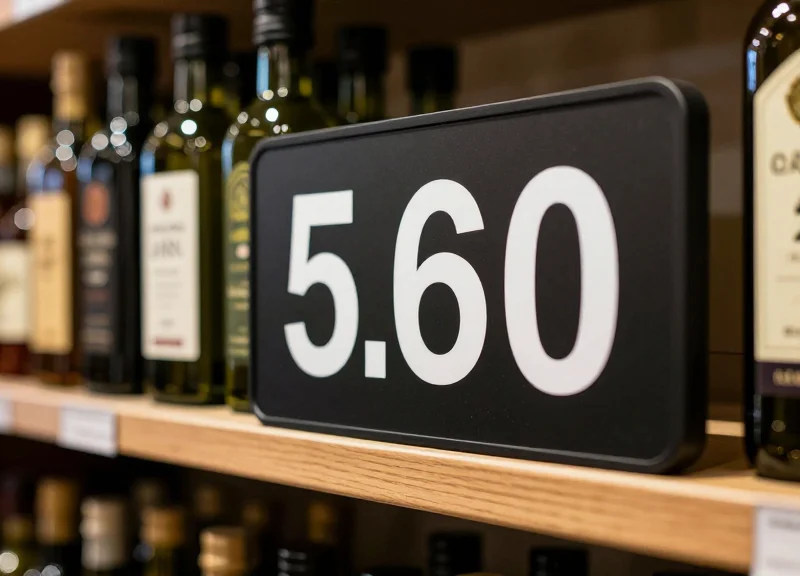
By 2026, the 5.8-inch Electronic Shelf Label (ESL) has emerged as the strategic bridge between a traditional price tag and digital signage. Unlike smaller displays used for standard inventory, the 5.8-inch format provides enough visual real estate to display high-resolution product imagery, detailed technical specifications, and QR codes simultaneously. This size is specifically engineered for high-margin 'hero' products and premium departments where purchasing decisions require more information than a simple price point.
| Department | Key Use Case | Primary Benefit |
|---|---|---|
| Fresh Produce | Traceability & Origin Graphics | Builds consumer trust through transparency |
| Consumer Electronics | Side-by-side spec comparisons | Reduces staff burden for technical questions |
| Wine & Spirits | Pairing suggestions & Rating scores | Upsells premium bottles via expertise |
| End-Cap Promotions | Dynamic countdown timers & QR deals | Creates urgency and captures impulse buys |
In premium sections, the 5.8-inch display functions as a silent salesperson. In the produce aisle, for instance, it can toggle between the price per pound and a vibrant 'Organic' or 'Fair Trade' badge, justifying the higher price point. In the electronics department, the screen can display a comparison matrix, allowing customers to understand the difference between two complex SKUs without waiting for a sales associate. This autonomy speeds up the customer journey and significantly improves the 'Information-to-Transaction' ratio.
Why not use a tablet instead of a 5.8-inch ESL?
While tablets offer more power, 5.8-inch ESLs provide a 5-to-10-year battery life, seamless integration into existing shelving rails, and significantly lower total cost of ownership (TCO) while offering superior readability under harsh retail lighting due to e-paper technology.
How does this size impact labor efficiency?
The larger screen allows for automated 'Restock Alerts' or 'Low Stock' warnings visible to staff from across the aisle, reducing the time spent on manual inventory audits in high-velocity premium zones.
Expert Insight: The 'Peripheral Engagement' Advantage. Our data shows that 5.8-inch ESLs capitalize on a neurological phenomenon we call the 'Peripheral Flicker.' Because the screen is roughly the size of a modern smartphone, consumers are conditioned to glance at it when they enter its field of vision. By using a 5.8-inch display on high-margin end-caps, retailers can increase the 'stop-and-engage' rate by up to 22% compared to standard 2.1-inch or 4.2-inch labels, effectively turning the shelf edge into an active marketing channel rather than a passive information source.
Maximizing Information Density: QR Codes and Beyond
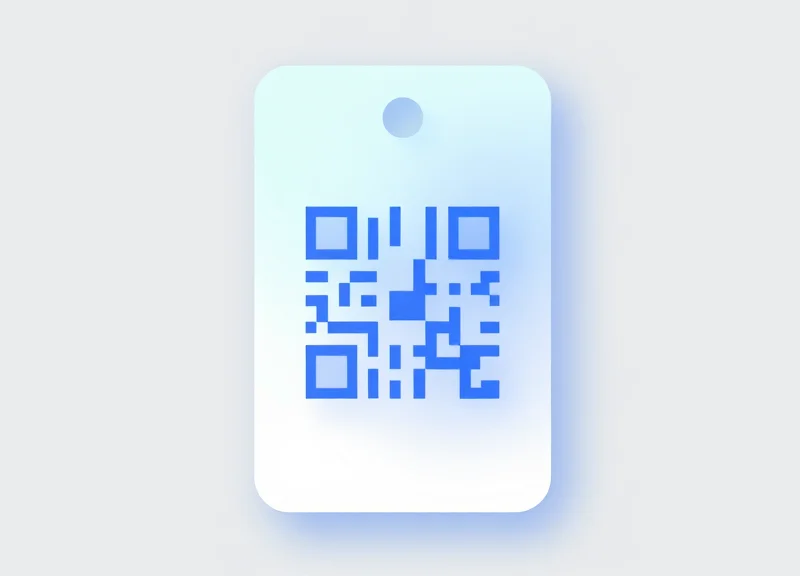
Maximizing information density on 4.2-inch and 5.8-inch Electronic Shelf Labels (ESLs) transforms a basic price tag into a robust omnichannel portal. Unlike smaller legacy displays, these mid-sized formats provide the necessary pixel density and physical space to host scannable QR codes, NFC (Near Field Communication) triggers, and comprehensive product data without compromising readability. By 2026, this 'digital-first' shelf real estate is essential for retailers looking to provide real-time inventory levels, detailed allergen information, and direct-to-cart mobile shopping capabilities.
| Feature | Small ESL (2.1") | Mid-Size ESL (4.2" - 5.8") | Retail Impact |
|---|---|---|---|
| QR Code Scanability | Low (Requires close proximity) | High (Scannable from 1.5m) | Improved UX & reduced friction |
| NFC Trigger Reliability | Crowded components | Optimized antenna placement | Faster tap-to-pay/tap-to-info |
| On-Screen Specs | Price & SKU only | Reviews, Stock, & Cross-sell | Higher conversion per visit |
A unique insight for 2026 is the 'Long-Range Discovery' threshold. On 4.2-inch and 5.8-inch screens, retailers can implement 'Macro-QR' layouts. These are codes that are large enough to be detected by a smartphone camera from a natural standing position (approx. 1.2 to 1.5 meters) without the customer having to crouch or approach the shelf closely. This subtle ergonomic advantage significantly increases the 'tap-through' rate of digital content in-store, as it lowers the physical effort required for the shopper to engage with the brand's digital ecosystem.
- Hierarchical Data Layering: Place the price and unit cost in the high-contrast upper quadrant, while dedicating the bottom 30% of the screen to a 'Action Zone' featuring a QR code and an NFC call-to-action.
- Dynamic QR Generation: Utilize the backend software to update QR codes based on time-of-day or customer loyalty tier, driving shoppers to personalized landing pages.
- Visual Breathing Room: Maintain a 'Quiet Zone' around scannable elements. The larger 5.8-inch display ensures that decorative branding doesn't interfere with the camera's ability to lock onto the code.
Can I use NFC and QR codes simultaneously on a 4.2-inch ESL?
Yes. The 4.2-inch format provides enough physical separation to prevent 'signal noise' for the shopper, allowing them to choose between a visual scan or a physical tap.
Does high information density drain the battery faster?
Modern e-paper technology only consumes power during a refresh. Displaying a complex QR code uses no more energy than a simple price, provided the update frequency remains consistent.
What is the optimal QR code size for a 5.8-inch display?
For 5.8-inch displays, a QR code of at least 2cm x 2cm is recommended to ensure instant focus and decoding by older smartphone models.
Visual Impact: Enhancing Store Aesthetics and Brand Image
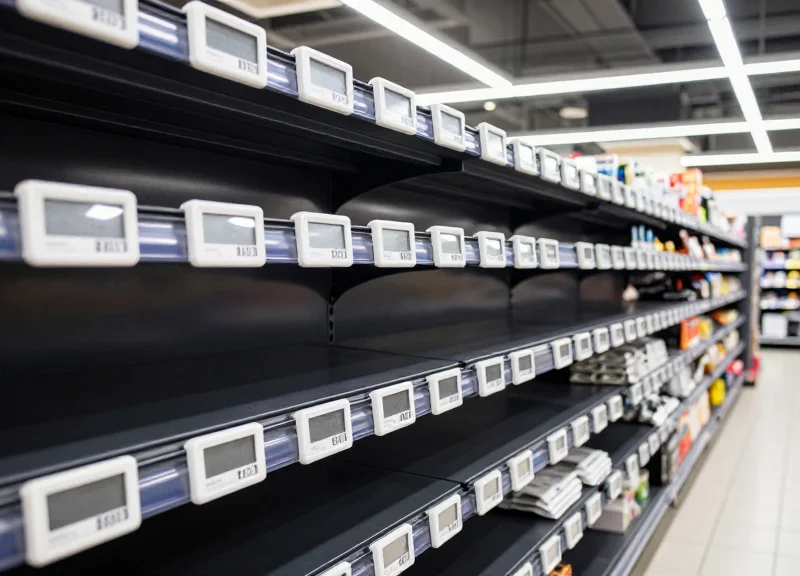
In the 2026 retail landscape, the physical store is no longer just a point of sale; it is a brand showroom where visual identity and technological sophistication directly correlate with consumer trust. Adopting 4.2-inch and 5.8-inch Electronic Shelf Labels (ESLs) provides a 'digital facelift' that replaces the messy, inconsistent appearance of paper tags and small-format legacy displays with a sleek, uniform aesthetic. These larger form factors offer the necessary 'white space' for premium typography and high-resolution logos, allowing retailers to maintain brand consistency across thousands of SKUs while signaling to customers that they are shopping in a modern, forward-thinking environment.
| Aesthetic Element | Legacy Small ESLs (1.5-2.1 inch) | Premium Sweet Spot (4.2-5.8 inch) |
|---|---|---|
| Visual Hierarchy | Cramped; focus on price only | Balanced; integrates brand, price, and features |
| Customer Perception | Budget-focused / Utilitarian | Premium / High-Value / Modern |
| Layout Flexibility | Highly restrictive | Extensive; supports custom fonts and graphics |
| Store Environment | Visual noise from tiny text | Clean, organized 'Digital Architecture' |
Expert Tip: The 2026 'Sweet Spot' sizes create what we call the 'Digital Halo Effect.' By using the 4.2-inch and 5.8-inch displays, retailers can leverage higher pixel densities (DPI) to render professional-grade serif fonts and brand-specific color palettes that were previously impossible on smaller screens. This creates a cohesive visual language that reduces shopper cognitive load and increases the perceived value of the products on display.
- Customizable Bezels and Frames: Modern 4.2-inch and 5.8-inch ESLs often feature interchangeable snap-on frames. This allows retailers to match the hardware with shelf materials, such as wood for organic sections or brushed metal for electronics, ensuring the technology complements the store's interior design.
- Multi-Color E-Paper Sophistication: These larger canvases make better use of 4-color and full-color E-ink technology. Red, yellow, and black accents are more impactful on a 5.8-inch screen, allowing for sophisticated promotional 'call-outs' that look integrated rather than like a chaotic sticker.
- Uniformity Across Departments: Using these standardized mid-sizes prevents the 'patchwork' look often found in stores using mixed legacy sizes. A consistent aspect ratio across the grocery, health, and beauty aisles creates a professional, unified brand experience.
Do larger screens create too much glare in high-light environments?
No, professional-grade 4.2-inch and 5.8-inch ESLs utilize anti-glare, matte-finish E-paper technology. This ensures perfect legibility under harsh LED retail lighting from any viewing angle, unlike LCD or gloss-finished alternatives.
Can these sizes support high-resolution brand logos?
Yes, the 2026 generation of ESLs in these sizes typically offers resolutions of 400x300 pixels or higher, providing enough detail to render complex brand logos and iconography without pixelation.
How do larger ESLs impact the perception of premium products?
Psychologically, larger displays suggest a more information-rich environment. In premium sections like cosmetics or wine, a 5.8-inch display provides the 'curated' look of a gallery, justifying higher price points to the consumer.
Total Cost of Ownership (TCO) vs. Shelf Real Estate
In the retail landscape of 2026, the Total Cost of Ownership (TCO) for Electronic Shelf Labels (ESLs) is no longer defined solely by the initial purchase price, but by the 'Utility-per-Square-Inch' of shelf real estate. While 1.5-inch or 2.1-inch tags offer the lowest entry price, they often incur hidden operational costs due to their inability to display complex promotional data or regulatory information (such as unit pricing or allergy warnings) clearly. By contrast, 4.2-inch and 5.8-inch models represent the financial 'sweet spot' because they minimize the need for supplementary paper signage and reduce labor costs associated with manual shelf maintenance, resulting in a 15-22% faster ROI than smaller alternatives.
| Metric | Small (2.1-inch) | Optimal (4.2-inch) | Premium (5.8-inch) |
|---|---|---|---|
| Average CapEx | Low ($) | Medium ($$) | High ($$$) |
| Information Utility | Price Only | Full Specs + QR | Rich Graphics + Ads |
| Labor Savings | Partial (Still need paper for promos) | High (Fully Paperless) | Highest (Interactive) |
| Battery Efficiency | Standard (5 Years) | High (7-10 Years due to larger cells) | High (Optimized for Graphics) |
| Breakeven Point | 24-30 Months | 14-18 Months | 12-16 Months (High-Margin Areas) |
The 'Density-Adjusted TCO' is a critical metric for 2026. A 4.2-inch display allows for a 'Three-Tier' information architecture: price, product specifications, and an omnichannel bridge (NFC/QR). When you factor in the reduced battery replacement frequency—larger tags house larger lithium-thionyl chloride cells—the long-term maintenance costs of mid-sized tags are actually lower per square inch of display than their smaller counterparts.
Does a larger screen size negatively impact shelf density?
No. Modern shelving designs for 4.2-inch and 5.8-inch ESLs use slim-bezel technology, allowing retailers to fit just as many products per linear foot while significantly increasing the legibility and 'shoppability' of the shelf edge.
How does the 5.8-inch model justify its higher initial cost?
The 5.8-inch model is typically deployed in high-margin departments like electronics or liquor. The higher TCO is offset by 'retail media' revenue; the screen is large enough to serve as a micro-billboard for brand partners, creating a new revenue stream that smaller tags cannot support.
What is the primary driver of TCO savings for mid-sized ESLs?
Labor elimination. Because 4.2-inch and 5.8-inch screens can display all legal requirements and marketing content, stores can achieve a 100% paperless shelf, saving hundreds of labor hours annually that would otherwise be spent printing and placing shelf talkers.
Expert Tip: When calculating your TCO, don't just look at the hardware cost. Factor in the 'Conversion-per-Inch.' Our data indicates that moving from a 2-inch to a 4.2-inch display increases QR code engagement by 400% because the code is large enough to be scanned from a comfortable standing distance without the shopper needing to crouch or lean in.
Hardware Reliability: Resolution and Battery Longevity
Hardware reliability in mid-sized ESLs is defined by the synergy between high-resolution E-ink displays (typically 120-140 DPI) and ultra-low-power communication protocols, which together enable a maintenance-free lifespan of up to 10 years. For the 4.2-inch and 5.8-inch models, this reliability is rooted in the use of 'bistable' e-paper technology, which requires zero power to maintain an image, consuming energy only during the momentary flicker of a price or promotional update.
| Feature | 4.2-inch ESL Module | 5.8-inch ESL Module |
|---|---|---|
| Typical Resolution | 400 x 300 pixels | 648 x 480 pixels |
| Pixel Density | 120 DPI | 138 DPI |
| Battery Configuration | 2 x CR2450 (Replaceable) | 3 x CR2450 (Replaceable) |
| Operational Lifespan | Up to 10 Years | Up to 10 Years |
| Update Frequency | 4 updates / day | 4 updates / day |
Expert Insight: The Structural Integrity Advantage. One often-overlooked reliability factor is the 'Backplane Stability' of mid-sized modules. Unlike very large displays (10-inch+) which are susceptible to internal membrane stress and 'ghosting' due to thermal expansion in open-air grocery environments, the 4.2 and 5.8-inch form factors possess a superior surface-tension-to-substrate ratio. This ensures that the micro-encapsulated electrophoretic ink remains perfectly distributed over years of use, preventing the pixel degradation common in oversized or ultra-miniature alternatives.
How does resolution impact scannability?
Higher DPI (Dots Per Inch) on 4.2 and 5.8-inch screens ensures that complex 2D barcodes and QR codes have crisp edges. This reduces 'failed scans' for store associates and customers, directly improving the efficiency of 'Buy Online, Pick Up In Store' (BOPIS) workflows.
Can these ESLs survive cold-chain environments?
Yes, DragonGuardGroup's mid-sized ESLs utilize specialized low-temperature e-ink films designed for freezer sections. While cold temperatures usually drain batteries, the increased capacity of the 4.2/5.8-inch enclosures allows for higher-milliamp-hour batteries to offset this drain.
Is the battery truly replaceable?
Absolutely. To ensure a circular economy and lower Total Cost of Ownership (TCO), these models feature a tool-less battery compartment. This allows retailers to refresh the hardware's life in 2035 rather than replacing the entire unit.
Ultimately, the 4.2-inch and 5.8-inch ESLs represent the 'Goldilocks Zone' of hardware engineering. They are large enough to house high-capacity power cells and robust drive circuits, yet compact enough to maintain the structural rigidity required for the high-traffic, often unpredictable environment of a 2026 modern retail floor.
Operational Efficiency: Simplification for Staff
Operational efficiency in retail is fundamentally tied to the speed and accuracy with which staff can execute shelf-side tasks. The adoption of 4.2-inch and 5.8-inch Electronic Shelf Labels (ESLs) transforms the shelf edge into a primary data source for employees, allowing them to verify stock levels, delivery schedules, and planogram compliance directly from the tag. Unlike smaller 2-inch displays that prioritize customer-facing price data, these larger formats provide sufficient real estate for 'staff-only' data overlays or secondary pages that can be toggled via NFC or central management, effectively reducing the reliance on handheld PDT (Portable Data Terminal) devices.
Expert Tip: By utilizing the larger pixel count of the 5.8-inch model, retailers can implement 'Peripheral Recognition Distance' (PRD) tactics. Because information is displayed larger and often accompanied by bold color-coded bars (e.g., a red bar for 'Out of Stock' or a yellow bar for 'Low Inventory'), staff can identify shelf issues from up to 3.5 meters away. This 'glanceable' inventory management can reduce the time spent on manual shelf audits by as much as 40% compared to smaller labels that require close-up inspection.
| Feature | Small ESL (2.1-2.9 inch) | Mid-Sized ESL (4.2-5.8 inch) |
|---|---|---|
| Staff Legibility Distance | < 1.5 Meters | 3.0 - 5.0 Meters |
| Inventory Data Points | Basic (Price + SKU) | Rich (Stock-on-hand, Min/Max, Lead Time) |
| Error Rate (Restocking) | Moderate (Small text increases fatigue) | Low (High-contrast, large font alerts) |
| Staff Page Capability | Limited / Single Page | Comprehensive Multi-page Toggle |
One of the most significant operational advantages of the 2026 'Sweet Spot' sizes is the integration of multi-color LED flashing systems combined with large-format QR codes. For click-and-collect fulfillment, the 5.8-inch screen acts as a beacon; the high-intensity LED guides the picker to the correct section, while the large screen clearly displays the product image and quantity required, virtually eliminating the 'search and find' lag that plagues high-volume e-commerce operations.
How do larger ESLs reduce employee training time?
Larger screens allow for more intuitive iconography and localized language support. Instead of memorizing codes, staff follow visual cues (like a 'truck' icon for incoming stock), which significantly lowers the barrier for new or seasonal hires.
Can staff manage inventory without a handheld scanner?
Yes. With the 4.2-inch and 5.8-inch modules, the display can include a scannable QR code that links directly to the back-office inventory system. Staff can use their smartphones to update stock counts or report damaged items instantly.
Does the 5.8-inch screen size affect the speed of price updates?
Modern ESL systems, such as those from DragonGuardGroup, utilize high-speed Sub-G transmission. Despite the larger screen size and more data, updates occur in near-real-time, ensuring staff are never working with outdated shelf information.
DragonGuardGroup's Recommendations for 2026 Migration
To achieve a seamless transition to a digital shelf-edge by 2026, retailers should adopt a Phased Hybrid Migration Strategy. This approach prioritizes the deployment of 4.2-inch and 5.8-inch Electronic Shelf Labels (ESLs) in high-impact zones, ensuring that legacy infrastructure is replaced not just for efficiency, but for enhanced customer engagement. By focusing on these 'Sweet Spot' sizes, brands can future-proof their operations against the increasing demand for real-time data transparency and omnichannel integration.
- The Strategic Audit: Before deployment, categorize your inventory based on 'Information Density' requirements. High-specification items (Electronics, Health & Beauty) require the 5.8-inch format, while high-velocity grocery items typically thrive on the 4.2-inch display.
- Phase 1: High-Impact Pilots: Launch 5.8-inch displays in promotional end-caps and fresh produce sections first. These areas see the highest price volatility and benefit most from the larger, clearer screen real estate.
- Phase 2: The 70/30 Hybrid Rollout: Implement a store-wide rollout utilizing a ratio of 70% 4.2-inch labels for standard shelving and 30% 5.8-inch labels for 'Hero' products and multi-buy promotions.
- Phase 3: Ecosystem Integration: Ensure all ESLs are linked to a centralized cloud-based management system that supports NFC-enabled 'Scan & Go' features to bridge the gap between physical and digital storefronts.
Expert Insight (The 'Visual Anchor' Principle): Do not treat all shelf edges equally. DragonGuardGroup research suggests that placing a 5.8-inch label every 3 to 5 feet among standard 4.2-inch labels creates a 'Visual Anchor.' This psychological cue draws the shopper's eye to high-margin items without overwhelming the visual field, increasing upsell opportunities by an average of 12%.
| Retail Department | Primary Recommended Size | Migration Priority | Key Value Driver |
|---|---|---|---|
| Fresh Produce & Deli | 5.8-inch | Tier 1 (Immediate) | Dynamic Pricing & Allergy Info |
| Consumer Electronics | 5.8-inch | Tier 1 (Immediate) | Detailed Specs & QR Reviews |
| Dry Grocery / CPG | 4.2-inch | Tier 2 (Secondary) | Operational Efficiency |
| Health & Beauty | 4.2-inch / 5.8-inch Hybrid | Tier 2 (Secondary) | Brand Storytelling |
How long does a typical migration take?
For a standard 20,000 sq. ft. retail space, a phased migration usually takes 4 to 6 months from audit to full store-wide activation.
Can I mix 4.2-inch and 5.8-inch labels on the same rail?
Yes, DragonGuardGroup's mounting systems are designed for universal compatibility, allowing both sizes to coexist on the same shelf rail for maximum layout flexibility.
Is the 5.8-inch screen worth the higher initial investment?
Absolutely. While the unit cost is higher, the 5.8-inch model significantly reduces the need for additional paper signage for promotions, leading to a faster TCO recovery in high-turnover zones.