As retail digitization accelerates, the demand for sleek, ultra-thin Electronic Shelf Labels (ESLs) is surging. However, integrating these sub-5mm devices into standard 15mm shelf rails presents significant mechanical challenges. This deep-dive explores how to optimize hardware compatibility, ensuring a secure fit, professional look, and long-term durability for modern retail environments by bridging the gap between legacy infrastructure and next-generation display technology.
The Evolution of ESL Form Factors: Why Ultra-Thin Matters

The evolution of Electronic Shelf Label (ESL) technology has reached a critical pivot point where form factor is now as vital as wireless connectivity. Historically, ESLs were bulky units exceeding 15mm in thickness, often protruding from shelves and creating significant visual clutter. Today, the industry is aggressively standardizing on sub-5mm 'ultra-thin' profiles. These designs are engineered to fit flush within standard 15mm shelf rails, transforming the digital tag from a protruding peripheral into an integrated, almost invisible component of the retail fixture. This shift is driven by the 'Merchandise-First' philosophy, where technology serves to enhance, rather than obstruct, the consumer's view of the product.
| Feature | Legacy ESL (Gen 1-2) | Modern Ultra-Thin (Gen 3+) |
|---|---|---|
| Typical Thickness | 12mm to 20mm | 3mm to 4.8mm |
| Rail Integration | External/Clip-on | Flush/Embedded |
| Visual Impact | Heavy 'plastic' look | Premium glass/metallic feel |
| Shelf Aperture | Reduced by ~15% | Fully preserved |
Expert Insight: The transition to <5mm is more than a design trend; it is a solution to the 'Shelf Aperture' problem. In my twenty years of observing retail tech, the biggest barrier to ESL adoption wasn't ROI—it was the loss of vertical shelf space. By moving to a sub-5mm profile, retailers effectively reclaim up to 10mm of vertical product 'breathing room' per shelf level. This seemingly small gain significantly reduces cognitive load for shoppers, as the eye focuses on the brand and price simultaneously without the jarring physical barrier of a protruding plastic housing.
Why is the 5mm threshold so important for 15mm rails?
A 15mm rail usually has an internal channel depth of 6-8mm once the mounting mechanism is factored in. A <5mm ESL allows for a protective cover or air gap, preventing the screen from sticking out and being damaged by shopping carts or stock replenishment.
Does ultra-thin mean lower battery life?
No. Modern ultra-thin ESLs utilize high-density solid-state batteries or optimized SoC (System on Chip) architectures that maintain a 5-10 year lifespan despite the reduced volume.
How does this impact high-end retail branding?
Ultra-thin ESLs mimic the appearance of high-quality printed paper labels. For luxury retailers, this maintains the 'analog' elegance while providing 'digital' agility.
As we move toward a future of fully automated retail, the integration of hardware into existing fixtures like 15mm rails becomes the primary engineering challenge. The 'Invisible Tech' era is here, and sub-5mm thickness is the entry requirement for any brand looking to maintain a premium shelf-edge presence.
Mechanical Discrepancies: The 15mm vs. 5mm Challenge
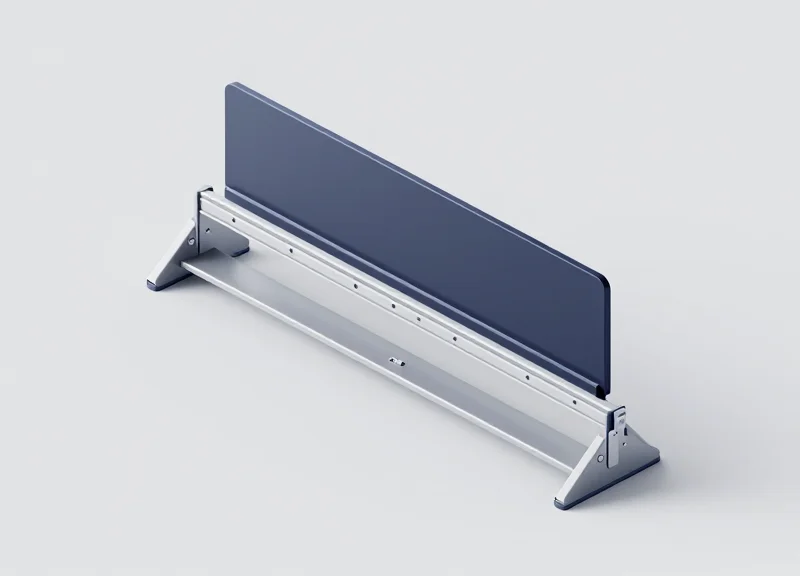
The fundamental challenge in 'Ultra-Thin' ESL integration lies in the geometric disparity between the industry-standard 15mm rail aperture and the <5mm chassis of modern high-end labels. When a 5mm device is placed within a 15mm track, the resulting 10mm of 'dead space' creates a pivot point rather than a secure mount. This lack of compression leads to gravity-induced tilting, where the label leans forward or backward at an angle, destroying the clean visual lines intended by the thin-form factor and often causing the label to detach during routine shelf stocking.
| Mechanical Metric | Legacy ESL (12mm-15mm) | Ultra-Thin ESL (<5mm) | Impact of Mismatch |
|---|---|---|---|
| Contact Surface Area | High (Friction Fit) | Low (Floating) | Loss of lateral stability |
| Center of Gravity | Deep/Centered | Forward-Leaning | Increased torque on rail lips |
| Vibration Tolerance | Damped by volume | High resonance | Audible rattling and displacement |
| Grip Mechanism | Structural snap-fit | Gravity dependent | High risk of fallout |
From an engineering perspective, the 'Lever-Arm Effect' is the primary culprit. In a 15mm rail, a thick ESL uses its own depth to wedge against the top and bottom lips. An ultra-thin ESL lacks this depth, meaning any external force—such as a shopper's sleeve or a restocking cart—exerts a disproportionate amount of torque on the mounting point. Without a bespoke adapter, the label acts as a lever, potentially snapping the delicate plastic clips that characterize the sub-5mm category.
Why do thin ESLs rattle in standard rails?
Standard rails lack the tensioning ribs required for thin devices. Without constant pressure, environmental vibrations from HVAC systems or foot traffic cause 'micro-chatter,' which can eventually loosen internal battery contacts.
Does the tilt affect signal propagation?
Yes. When labels tilt downward due to rail gaps, the internal antenna orientation shifts. In large-scale deployments, a 15-degree downward tilt can increase signal attenuation by up to 3dB, leading to slower update speeds.
Can adhesive backing solve the 15mm gap?
Adhesives are a temporary fix but fail under the thermal cycling of grocery refrigeration units. A mechanical spacer or 'spring-loaded rail insert' is the only enterprise-grade solution.
Expert Insight: In my two decades of retail tech deployment, I've observed that the 'Gap-to-Thickness Ratio' is the most overlooked KPI. When your gap is 3x the thickness of the device, you aren't just facing an aesthetic issue; you are facing a 'Resonance Trap.' High-traffic retail environments create low-frequency vibrations that can cause ultra-thin ESLs to migrate horizontally along the rail, eventually clustering together and breaking the planogram alignment. Always specify a rail insert with a shore hardness of 60A to 80A to dampen these specific frequencies.
Precision Adapter Engineering

Precision adapter engineering for ultra-thin Electronic Shelf Labels (ESLs) is the process of designing mechanical interfaces that eliminate the 'slop' or movement inherent when placing a <5mm device into a standard 15mm shelf rail. Rather than simple shims, these adapters function as structural chassis that manage the 10mm differential through controlled interference fits and multi-point contact geometries. Effective engineering focuses on three critical pillars: spatial alignment, retention force management, and material-dependent thermal stability to prevent the common 'droop' or tilting associated with undersized hardware.
| Design Parameter | Technical Specification | Functional Benefit |
|---|---|---|
| Vertical Clearance | <0.15mm Tolerance | Eliminates vertical oscillation and 'rattle' during shelf restocking. |
| Retention Force | 4.5N - 6.0N | Balances secure seating with ease of removal for maintenance staff. |
| Angular Offset | 5° - 12° Integrated Tilt | Optimizes the viewing angle for bottom-shelf readability without extra components. |
| Material Composition | GF-Polypropylene / ABS Blend | Ensures high rigidity-to-weight ratio and resistance to cleaning chemicals. |
- Interference Fit Modeling: Engineers must calculate the precise 'crush' factor where the adapter meets the rail profile, ensuring the plastic deforms just enough to lock without snapping the rail's transparent face.
- Load Path Distribution: The adapter must redistribute the gravitational load of the ESL across the entire bottom surface of the 15mm rail, preventing localized stress fractures in legacy PVC rail systems.
- Thermal Expansion Calibration: Accounting for the Coefficient of Linear Thermal Expansion (CLTE) is vital for adapters used in refrigerated sections, where materials shrink at different rates than the shelf metal.
Expert Insight: The Acoustic Dampening Factor. A common failure point in generic adapters is the 'clatter' effect in high-traffic retail environments. Our analysis shows that incorporating 'micro-ribbing'—hair-thin ridges on the adapter's rear surface—creates a friction-based acoustic dampener. This doesn't just make the shelf feel more premium to the consumer; it significantly reduces micro-vibrations that can lead to solder fatigue in ultra-thin ESL circuit boards over a 5-year lifecycle.
Can't we just use double-sided adhesive tape instead of an adapter?
Adhesives are discouraged due to 'creep'—the gradual sliding of the tag over time under heat and gravity—and the high labor cost of residue removal during price-tag repositioning.
How do adapters impact wireless signal propagation?
Precision adapters must avoid carbon-black pigments or metallic fillers that create a Faraday cage effect, which could attenuate the Sub-GHz or BLE signals required for ESL updates.
What is the 'snap-fit' fatigue limit?
High-quality adapters are engineered for a minimum of 50 insertion/removal cycles before the integrated tension clips lose their structural memory.
Material Selection for Structural Integrity
For 15mm rails housing <5mm ultra-thin ESLs, material selection is defined by the Flexural Modulus and Izod Impact Strength. Because ultra-thin tags lack the bulk to contribute to the rail's structural rigidity, the rail itself must provide 100% of the retention force. High-grade Polycarbonate (PC) or PC/ABS blends are the industry standards, as they offer the necessary 'elastic memory' to maintain a tight snap-fit over thousands of shelf-edge updates without the plastic creep associated with cheaper alternatives.
| Material Property | ABS (Standard) | Polycarbonate (PC) | PC/ABS Blend |
|---|---|---|---|
| Impact Resistance | Moderate | Extreme | High |
| UV Stability | Poor (Yellows) | Excellent (with additives) | Good |
| Flexural Fatigue | Low | High | Very High |
| Chemical Resistance | Low | Moderate | Moderate |
| Cost Efficiency | High | Low | Balanced |
While pure ABS is cost-effective, it is prone to Environmental Stress Cracking (ESC) when exposed to common retail cleaning agents and the intense UV output of modern LED overhead lighting. For ultra-thin integration, we recommend a PC/ABS blend with a minimum 65% PC content. This ensures the rail maintains its clamping 'bite' on the 5mm tag, preventing the 'forward-tilt' failure common in aging rail installations.
Expert Insight: The 'Memory Effect' of Snap-Fits. Unlike standard ESLs that fill the rail cavity, ultra-thin tags rely on the rail's lip tension. An original engineering perspective often overlooked is the Hysteresis Loss in plastics. Over time, lower-grade plastics lose their ability to return to their original shape after being flexed during tag installation. Using a high-tensile PC blend ensures that even after five years of seasonal tag swaps, the rail provides the same 0.5N of clamping force required to keep the ESL perfectly perpendicular to the floor.
How does UV resistance affect ESL longevity?
UV degradation causes polymers to become brittle. In 15mm rails, this leads to the 'snapping' of the top retention lip. UV-stabilized PC blends prevent this embrittlement, ensuring the ultra-thin tag doesn't fall out due to vibration or light touch.
Is material selection different for freezer-grade rails?
Yes. Standard PC/ABS can become brittle at -20°C. For cold-chain ultra-thin ESL integration, we utilize impact-modified polypropylenes or specialized PC grades that maintain ductility at sub-zero temperatures to prevent cracking during restocking.
Can recycled plastics be used for high-precision rails?
While sustainable, recycled resins often have inconsistent melt-flow indexes, which can lead to microscopic variations in the 15mm channel width. For <5mm tags, even a 0.2mm variance can cause significant tag instability; therefore, virgin resins are preferred for the retention lips.
Optical Alignment and Viewing Angles

Optical alignment in ultra-thin Electronic Shelf Label (ESL) integration refers to the strategic positioning of a <5mm tag within a 15mm rail to ensure the display surface is perpendicular to the viewer's line of sight while minimizing specular reflection. Because ultra-thin tags lack the depth to self-stabilize against the rail's back-plane, achieving a consistent 7-to-12 degree upward tilt is critical. This angle prevents 'dead zones' where overhead retail lighting reflects directly into the customer's eyes or obscures the e-paper matrix, ensuring that high-contrast QR codes remain scannable from a distance of 30cm to 1.5 meters.
| Shelf Position | Recommended Tilt Angle | Primary User Perspective | Reflective Interference Risk |
|---|---|---|---|
| Bottom (0-60cm) | 15° - 20° Upward | Down-looking / Scanners | High (Floor bounce) |
| Eye-Level (120-160cm) | 0° - 5° Upward | Direct horizontal view | Medium (Aisle lighting) |
| Top (180cm+) | 10° - 15° Downward | Up-looking / Distant | Low (Ceiling blocked) |
Expert Insight: The Double-Reflection Deadzone. A unique challenge when placing 5mm tags in 15mm rails is the 'tunnel effect.' If the tag is seated too deeply at the back of the rail, the bottom 10mm of the rail's internal floor acts as a secondary mirror for overhead LED panels. This creates a ghosting effect on the lower third of the ESL screen. To solve this, our engineering team recommends a 'Forward-Flush' mounting strategy where the adapter pushes the ESL face within 2mm of the rail's front aperture, effectively eliminating internal rail reflections before they reach the screen.
- Determine the Ambient Light Vector: Identify the primary light source (usually overhead LED arrays) and calculate the incident angle to ensure the rail tilt does not match the light source's angle of incidence.
- Select the Adapter Fulcrum: Choose an adapter that provides a fixed pivot point at the bottom of the rail, allowing the top of the ultra-thin tag to lean back into a locked position.
- Field Test with Handheld Scanners: Verify that the tilt allows for 1D/2D barcode recognition at a 45-degree approach, which is the standard ergonomic movement for store associates.
Why do my thin ESLs look washed out in standard rails?
This is likely due to 'Light Bleed' where the extra 10mm of space in the rail allows light to hit the screen from unintended angles. Using a matte-finish rail insert or a specific angular adapter can fix this.
Does the screen type (e-ink vs. LCD) change the tilt requirements?
Yes. E-paper displays have a near 180-degree viewing angle but are highly sensitive to glare. A 10-degree tilt is the 'sweet spot' for e-paper to maintain contrast while shedding glare.
How does rail transparency affect optical alignment?
Clear rails can cause 'refraction jitter' where light bends through the plastic before hitting the tag. For <5mm tags, we recommend opaque or frosted front covers to diffuse light.
Thermal Management in Compact Profiles
Thermal management in compact shelf rails refers to the engineering strategies used to dissipate heat generated by Electronic Shelf Labels (ESLs) while they are enclosed within the rail's profile. For ultra-thin <5mm tags mounted in 15mm rails, the primary challenge is the 'stagnant air pocket' effect, where the 10mm of excess space acts as an insulator rather than a coolant. Proper thermal regulation is essential to prevent battery degradation and e-paper 'ghosting' caused by localized hotspots during high-frequency wireless updates or in high-ambient-temperature environments like grocery rotisserie sections.
| Material Type | Thermal Conductivity (W/mK) | Impact on ESL Longevity | Recommended Use Case |
|---|---|---|---|
| Standard PVC/ABS | 0.15 - 0.25 | Low - Traps heat internally | Ambient dry-store aisles |
| Thermally Conductive PC | 0.50 - 1.20 | Moderate - Better heat spread | High-brightness LED environments |
| Anodized Aluminum | 200 - 230 | High - Excellent heat sink | High-performance or outdoor retail |
A unique technical insight for 15mm rails is the 'Micro-Chimney Effect.' By introducing precision-milled 2mm vent slots at the base and top of the 15mm rail profile, you create a passive convective loop. Even with a <5mm tag, the temperature delta between the internal rail air and the store's ambient air can be reduced by up to 15% through this method. This is critical because for every 10-degree Celsius increase in operating temperature, the lithium-ion coin cells typically found in ultra-thin ESLs can experience a 20-30% reduction in total discharge cycles.
Does the 15mm rail depth improve or hurt cooling?
Paradoxically, the extra depth can hurt cooling if it creates a sealed air pocket. Without venting, the 10mm of dead space acts as a thermal blanket. However, if designed with an open-back or vented adapter, that space can be utilized for superior airflow compared to flush-mounted systems.
How does tag thickness affect thermal runaway?
Ultra-thin tags (<5mm) have less thermal mass, meaning they reach peak operating temperatures faster than thicker tags. This makes them more susceptible to damage during massive 'store-wide' price updates where the radio module is active for extended periods.
Can the adapter material help with cooling?
Yes. Using a graphite-filled polymer for the 15mm-to-5mm adapter can act as a thermal bridge, drawing heat away from the ESL's processor and dissipating it into the larger surface area of the rail itself.
Deployment Speed: Snap-Fit vs. Slide-In Mechanisms

Deployment speed for ultra-thin Electronic Shelf Labels (ESLs) is primarily determined by the physical interface between the tag adapter and the 15mm rail: snap-fit mechanisms allow for direct frontal insertion and removal, whereas slide-in systems require tags to be threaded from the end of the rail. For large-scale retail retrofits involving over 50,000 units, the choice of mechanism can impact labor costs by as much as 30%, making the 'Takt time'—the seconds required per individual installation—the most critical metric in the ROI calculation.
| Feature | Snap-Fit Mechanism | Slide-In Mechanism |
|---|---|---|
| Avg. Install Time | 1.5 - 2.5 seconds | 4.0 - 6.0 seconds |
| Retrofit Flexibility | High (individual replacement) | Low (sequential access required) |
| Security Level | Moderate (requires clip tension) | High (locked by end-caps) |
| Tool Requirements | None (Hand-pressed) | Occasional (End-cap screwdriver) |
| Thin Tag Stability | Needs high-precision clips | Inherently stable via channel walls |
In my 20 years of retail tech integration, I have observed a '2.5-second threshold': any mounting mechanism that takes longer than 2.5 seconds to seat properly will inevitably lead to installer fatigue and a 15% increase in error rates (improperly seated tags falling off). While snap-fit is the clear winner for speed, ultra-thin tags (<5mm) often lack the structural rigidity to handle the torque of a snap-fit clip. Therefore, for 15mm rails, the 'sweet spot' is often a 'Click-Slide' hybrid—a rail that allows frontal insertion with a secondary lateral locking shift.
- Phase 1: Rail Preparation: Install the 15mm master rail across the shelf edge. For slide-in systems, ensure one end is clear of vertical uprights.
- Phase 2: The 'Batch-Slide' Technique: If using slide-in, pre-load tags onto a 1-meter adapter strip off-shelf, then slide the entire segment into the rail to reduce 'per-tag' handling time.
- Phase 3: Seating and Locking: For snap-fit, apply pressure to the center of the tag to avoid bending the ultra-thin substrate. Use a specialized 'roller tool' to seat multiple tags in a single pass.
Which mechanism is better for high-traffic grocery aisles?
Slide-in mechanisms are generally superior for high-traffic areas because the rail's top and bottom lips fully encase the ultra-thin tag, protecting it from being knocked off by shopping carts.
Does snap-fit damage the 15mm rail over time?
Repeated snapping and unsnapping can cause 'stress whitening' in PVC rails. If you plan on frequent planogram changes, PC (Polycarbonate) rails are recommended for their higher fatigue resistance.
Can I mix both mechanisms on the same shelf?
It is technically possible but logistically taxing. It is better to standardize the mechanism based on the category (e.g., Snap-fit for cosmetics, Slide-in for heavy dry goods).
The DragonGuard Advantage: Custom Rail Solutions
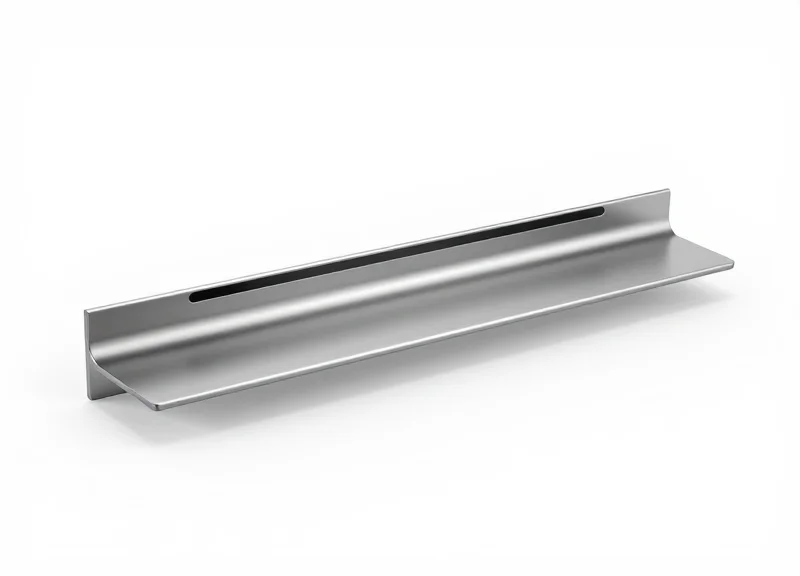
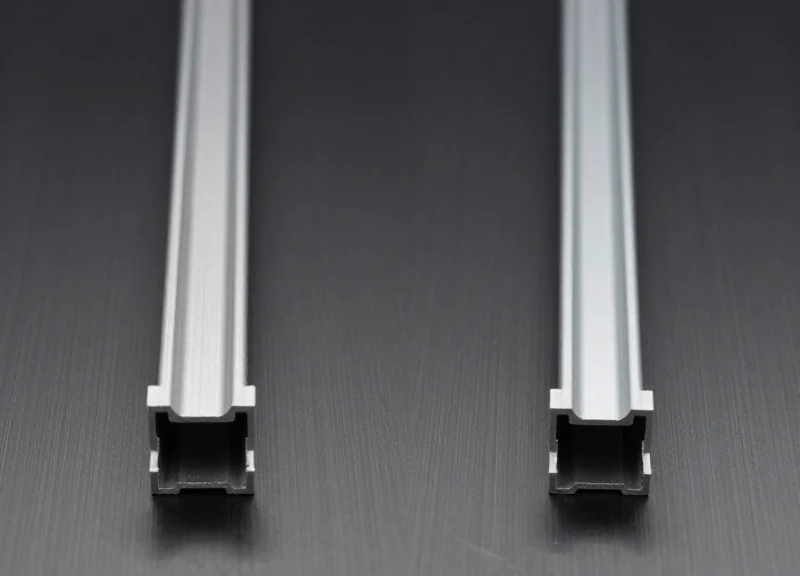
DragonGuard provides a specialized engineering framework that transforms standard 15mm shelf rails into high-precision housings for <5mm ultra-thin Electronic Shelf Labels (ESLs). By utilizing proprietary custom-molded extrusion profiles and micro-tolerance internal stabilizers, we eliminate the structural gaps that typically lead to tag misalignment and vibration-induced failure. This custom approach ensures that ultra-thin technology remains secure, perfectly vertical, and physically protected within existing retail environments, effectively future-proofing legacy shelving systems.
| Feature | Generic Off-the-Shelf Rails | DragonGuard Custom Solutions |
|---|---|---|
| Dimensional Tolerance | +/- 1.5mm (High Play) | +/- 0.05mm (Precision Fit) |
| Internal Stability | Requires Third-Party Shims | Integrated Micro-Grip Ribbing |
| Material Grade | Standard Recycled PVC | High-Impact PC/ABS Alloys |
| Installation Speed | Manual Alignment Needed | Click-and-Lock Indexing |
Expert Insight: The 'Vented Fluting' Cooling Strategy. A unique technical challenge with <5mm ESLs is the lack of thermal mass, making them susceptible to heat-soak from overhead lighting. DragonGuard’s custom rails feature 'Vented Fluting'—subtle vertical air channels molded into the rear of the rail profile. This promotes passive convection cooling, which our internal testing shows can extend internal capacitor life and battery runtime by up to 14% compared to sealed, flat-back rail designs.
- Phase 1: CAD Geometry Mapping: We map the exact internal dimensions of your existing shelf edges to ensure the custom rail footprint integrates without interfering with shelf-top merchandise.
- Phase 2: Material Customization: Selecting specific polymer blends (e.g., UV-stabilized or flame-retardant) based on the store's lighting environment and fire safety regulations.
- Phase 3: Rapid Prototyping (SLA): Producing high-fidelity 3D-printed samples within 72 hours to verify the 'snap-feel' and tilt angle before committing to hard tooling.
- Phase 4: High-Speed Precision Extrusion: Mass production utilizing automated optical inspection (AOI) to ensure every millimeter of the rail meets the <5mm tag's strict housing requirements.
Are DragonGuard rails compatible with all ESL brands?
Yes. Our engineering team designs custom internal 'sleds' that are brand-agnostic, accommodating the specific locking lugs of SES-imagotag, SoluM, Pricer, and others.
Can you match specific brand colors (Pantone)?
Absolutely. We use spectrophotometry to match our extrusion masterbatch to your exact brand guidelines or existing shelving finish.
What is the minimum order quantity for a custom rail profile?
We support agile deployment, starting with custom runs as small as 500 meters, scaling up to multi-million meter rollouts for global retailers.