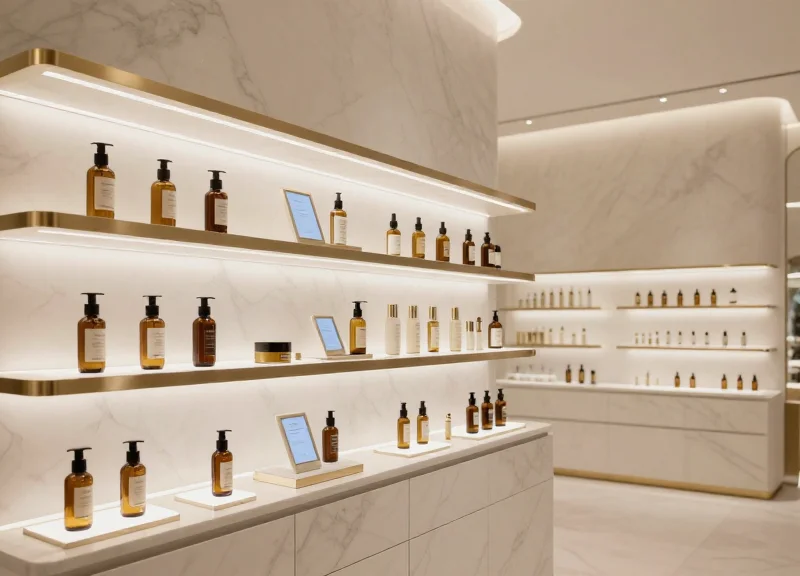
As the luxury wellness sector pivots toward a more tech-integrated future, the '2026 Smart Spa' vision is rapidly becoming a reality. In an industry where guest experience is paramount, operational friction—such as manual pricing updates and inventory mismatches—can tarnish a brand's prestige. Next-Gen Electronic Shelf Labels (ESL) are emerging as the silent guardians of luxury spa operations. By digitizing the retail and service environment, these tools allow spa managers to focus on hospitality rather than logistics, ensuring that premium brands remain agile, efficient, and impeccably presented in an increasingly competitive global market.
The Evolution of the Smart Spa: A 2026 Perspective
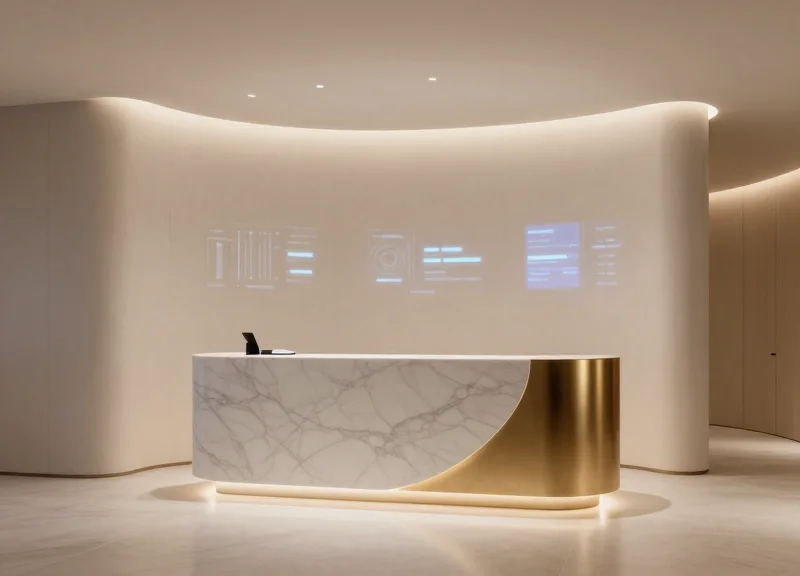
By 2026, the Smart Spa has transitioned from a collection of isolated high-tech gadgets into a cohesive, data-driven ecosystem where operational intelligence is entirely 'invisible' to the guest. This evolution defines the next era of luxury, where Next-Gen Electronic Shelf Labels (ESL) and integrated IoT sensors manage the background noise—dynamic pricing, inventory logistics, and room status—allowing the human touch to remain the uninterrupted focus of the wellness journey. In this vision, technology does not replace the therapist; it shields the environment from the inefficiencies that traditionally break the 'zen' atmosphere.
| Feature | Traditional Luxury (2020) | Smart Luxury Vision (2026) |
|---|---|---|
| Inventory Management | Manual audits and paper-based stock logs. | Real-time ESL tracking with auto-replenishment alerts. |
| Pricing Strategy | Static menus; slow response to market shifts. | Dynamic, AI-driven pricing displayed via instant ESL updates. |
| Guest Experience | Service interrupted by operational hiccups. | Seamless, hyper-personalized 'Frictionless' journeys. |
| Staff Utilization | 60% therapy / 40% administrative tasks. | 90% therapy / 10% high-value guest interaction. |
The fundamental shift in 2026 is the realization that 'Smart' doesn't mean 'Robotic.' Luxury brands have discovered that guests pay for the energy and presence of the practitioner. When a therapist is bogged down by verifying product prices or checking room availability, the luxury value proposition dilutes. The 2026 perspective views ESL technology as a digital skin for the facility—constantly communicating data across the floor without a single staff member needing to leave the guest's side. This 'Zen-Ops' approach ensures that the back-of-house runs with industrial precision while the front-of-house maintains an artisanal soul.
- The Frictionless Paradox: A unique 2026 insight: The more digital the backend becomes, the more 'organic' the frontend feels. True luxury is now defined by the total absence of visible tech clutter, achieved only through the presence of superior underlying automation.
- Predictive Atmosphere Control: Beyond simple thermostats, 2026 spas use real-time occupancy data from ESL-linked sensors to adjust lighting, scent, and soundscapes before a guest even enters a zone.
- Dynamic Resource Shielding: Operational efficiency is used as a 'shield' to protect the brand's most expensive assets—their staff's time and the premium product margins—from being eroded by manual errors.
Ultimately, the 2026 Smart Spa is a response to the 'Efficiency Gap' that plagued the early 2020s. By leveraging Next-Gen ESL as the primary interface for facility data, luxury brands are finally able to decouple operational complexity from the guest experience. This evolution ensures that even as labor costs rise and global supply chains fluctuate, the sanctuary of the spa remains uncompromised and highly profitable.
The High Cost of Inefficiency: Why Manual Labeling Fails Luxury Brands
Manual labeling fails luxury brands by introducing 'Operational Drag'—a compounding cycle of labor inefficiency and brand devaluation where staff spend hours on repetitive clerical tasks instead of high-value guest engagement. In the high-stakes environment of a luxury spa, reliance on paper tags leads to pricing discrepancies, aesthetic inconsistency, and an average operational overhead increase of 12-15% compared to automated systems. For brands targeting the 2026 vision of seamless wellness, manual updates represent an obsolete friction point that signals a lack of technological sophistication to discerning clientele.
| Metric | Manual Paper Labeling | Next-Gen ESL System |
|---|---|---|
| Update Speed | 4-6 hours (Full Boutique) | Under 60 seconds (Global) |
| Pricing Accuracy | 88-92% (Human Error) | 99.9% (System Synced) |
| Staff Allocation | Clerical / Administrative | Client Concierge / Sales |
| Aesthetic Lifespan | Low (Wear, Tear, Fading) | High (Consistent, Dynamic) |
Beyond the balance sheet, there is the 'Shadow Cost of Aesthetic Friction.' Imagine a guest experiencing a $500 regenerative facial only to encounter a dog-eared, hand-written, or slightly yellowed paper price tag on a premium serum in the retail lounge. This micro-moment of neglect subconsciously erodes the brand’s promise of perfection. In luxury, the product is the experience; if the infrastructure looks cheap or outdated, the perceived value of the entire service ecosystem drops. Manual labeling is not just a slow process; it is a visual liability that breaks the immersion of the luxury environment.
- The Labor Sinkhole: Each promotional change or seasonal adjustment requires staff to physically swap tags, diverting them from guest-facing roles that generate revenue.
- The Compliance Gap: Inconsistent pricing between the shelf and the POS system leads to friction during checkout, which is the final and most critical impression a brand leaves.
- Inventory Blind Spots: Manual tags offer no real-time data connectivity, meaning stockouts go unnoticed until a guest asks for a product that isn't there.
Doesn't ESL feel too 'retail' for a sanctuary environment?
Modern 2026 ESL designs utilize E-ink technology with customizable wood, stone, or metallic frames that blend into high-end decor better than paper ever could.
How quickly do luxury spas see a return on investment?
Most luxury spas recover the cost of ESL implementation within 14-18 months purely through labor hours saved and increased retail capture rates.
Precision in Pricing: How Next-Gen ESL Eliminates Human Error
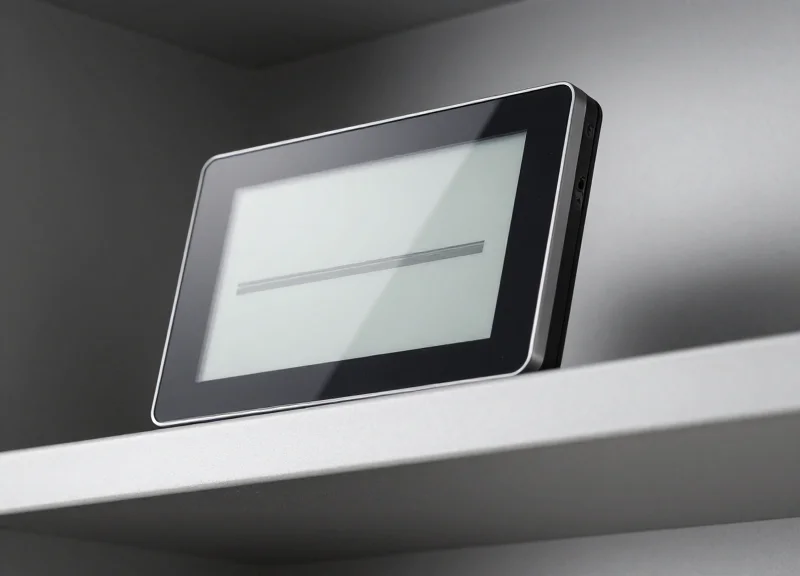
In the 2026 luxury landscape, precision is the ultimate marker of quality. Next-Gen Electronic Shelf Labels (ESL) eliminate human error by creating a direct, automated link between a spa's central Management Information System (MIS) and the physical price display. By utilizing sub-GHz wireless protocols and cloud-based management, ESLs ensure that every price tag across treatment rooms, boutiques, and reception areas updates in milliseconds, preventing the 'price-gap' friction where a guest is quoted one price at the shelf but charged another at the Point of Sale (POS).
The traditional manual labeling process is fraught with 'Price Drift'—a phenomenon where promotional periods end or vendor costs rise, yet the physical tags remain unchanged due to staff bandwidth constraints. For a luxury brand, this discrepancy does more than hurt margins; it creates a 'trust deficit.' When a high-net-worth client notices a $5 mismatch on a premium skincare product, the perception of meticulously curated excellence evaporates. Next-Gen ESL removes this vulnerability by centralizing control, allowing a single operations manager to update thousands of tags across global locations with 100% accuracy.
| Feature | Manual Paper Labeling | Next-Gen ESL System |
|---|---|---|
| Update Latency | 2-4 hours per 100 items | < 30 seconds globally |
| Error Rate | Average 3-7% per audit | 0.00% (POS-to-Shelf Sync) |
| Labor Requirement | High (Daily manual checks) | Zero (Automated background task) |
| Brand Integrity | Medium (Risk of worn/torn tags) | Superior (High-res E-Ink displays) |
Beyond simple price matching, these systems allow for sophisticated inventory-aware pricing. If a specific serum is nearing its shelf-life or if a treatment package is under-booked for a Tuesday afternoon, the system can automatically adjust values without requiring a staff member to manually intervene, print, and re-stick labels. This 'hands-off' precision frees therapists to focus on the guest experience rather than administrative maintenance.
What is the 'Ghost Tag Effect' in luxury spas?
This is an original expert observation where outdated labels for discontinued or out-of-stock items remain on display, leading to guest disappointment. Next-Gen ESLs solve this by automatically 'graying out' or switching to a 'Sold Out' digital layout as soon as inventory hits zero in the ERP system.
Does ESL technology interfere with spa aesthetics?
No. The 2026 generation of ESLs features customizable frames (wood, marble, metallic) and high-density E-ink displays that mimic professional stationery, ensuring the tech remains invisible while the precision remains absolute.
Can ESLs help with regulatory compliance?
Yes. In many jurisdictions, price accuracy is a legal requirement. Automated ESL systems provide a digital audit trail of every price change, shielding luxury brands from potential fines and consumer protection disputes.
The ultimate unique insight for 2026 is the 'Verified Value' protocol. Modern ESLs can now display a dynamic QR code that, when scanned, shows the guest the provenance, ingredient transparency, and current 'best-value' guarantee. By eliminating the fear of human error, luxury brands can move from being reactive sellers to proactive curators of trust, ensuring the price on the display is always a reflection of the brand's real-time integrity.
Dynamic Pricing Strategies for Premium Wellness Services
Dynamic pricing in the 2026 smart spa ecosystem is the strategic adjustment of service and product costs in real-time to reflect current market demand, therapist availability, and inventory shelf-life. By integrating Next-Gen ESL technology, luxury brands can move away from static price lists to a fluid yield-management model—similar to high-end airlines and hotels—ensuring that every treatment room and retail product generates maximum margin without manual intervention.
| Pricing Scenario | Traditional Manual Approach | Next-Gen ESL Strategy |
|---|---|---|
| Low-Occupancy 'Happy Hour' | Static pricing leads to empty rooms during mid-week slumps. | Automated 15% incentive triggers on ESLs for specific time blocks. |
| Skincare Product Flash Sales | Paper tags remain unchanged; stock expires on shelves. | Instant markdown of near-expiry high-end serums to accelerate sell-through. |
| Peak Demand Surcharging | Fixed rates lose out on high-intent weekend traffic revenue. | Premium weekend pricing activates automatically across all digital touchpoints. |
The transition to dynamic pricing must be handled with the 'Prestige Buffer'—a luxury-first approach where price changes are framed as 'exclusive invitations' rather than 'discounts.' ESLs allow for this by updating not just the price, but the digital display content to include QR codes that lead to personalized wellness journeys or value-add descriptions that justify the current rate.
- Identify Low-Utilization Windows: Analyze historical booking data to pinpoint recurring gaps in therapist schedules, typically Tuesday through Thursday mornings.
- Automate Tiers via CMS: Set pre-defined pricing tiers in the Central Management System that sync directly with the spa's booking engine and ESL hardware.
- Deploy Flash Retail Incentives: Link ESLs to inventory management software to trigger immediate price drops on retail items when stock levels exceed specific thresholds.
- How does dynamic pricing affect brand perception?: When executed via elegant ESL interfaces, it positions the brand as tech-forward and responsive. The key is to use 'Value-Add Dynamic Pricing'—instead of lowering the price, use the ESL to offer a complimentary enhancement (like a 15-minute scalp massage) during off-peak hours at the standard price point.
- Can ESLs handle complex bundle pricing?: Yes. Modern ESLs can display multi-buy offers or product-plus-service bundles instantly, allowing spas to move retail inventory alongside popular treatments without printing new promotional materials.
- Expert Tip: The 'Inventory-Weight' Logic: Our unique recommendation is to program ESLs to adjust prices based on 'ingredient freshness' or 'batch age.' For organic, short-shelf-life luxury compounds, the ESL can incrementally decrease price as the expiration date approaches, ensuring zero waste and maintaining a high-rotation retail environment.
Elevating the Guest Experience through Digital Information
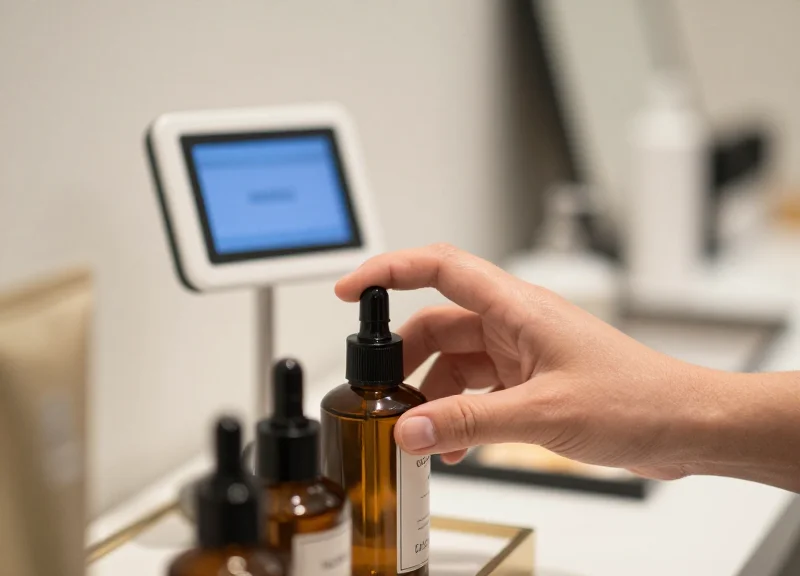
Digital information delivery via Electronic Shelf Labels (ESL) replaces the friction of searching for staff or squinting at fine print with instantaneous, high-fidelity content. In the 2026 smart spa environment, these digital tags serve as more than price displays; they are interactive gateways powered by QR codes and NFC. By scanning a tag, guests gain immediate access to an immersive brand experience, including full ingredient transparency, sustainability certifications, and video-based application rituals that enhance the perceived value of luxury retail offerings.
One critical evolution for the 2026 vision is the 'Zero-Interruption Concierge' model. In a high-end wellness setting, constant interruptions from floor staff can inadvertently break a guest's meditative state. ESLs act as a silent digital sommelier for skincare, providing expert-level knowledge and 'clean beauty' verification without the social pressure of a traditional sales pitch. This preserves the sanctuary-like atmosphere of the spa while simultaneously driving retail conversion through informed consumer confidence.
| Feature | Traditional Paper Labels | Next-Gen ESL Capabilities |
|---|---|---|
| Product Origin | Limited to small text on packaging | Rich digital storytelling via QR links |
| Ingredient Safety | Requires manual search by guest | Instant allergy/efficacy data display |
| Usage Rituals | Relies on staff memory/training | On-demand video tutorials on guest's device |
| Multi-Language | Fixed to one language | Dynamic translation based on guest profile |
- The Scan-to-Story Connection: The guest scans the ESL QR code to view the sourcing story of the product's botanical ingredients, reinforcing the 'farm-to-face' luxury narrative.
- Dermatological Deep-Dive: Detailed clinical study results and pH levels are presented in a clean, branded mobile interface, appealing to the scientifically-minded luxury consumer.
- Seamless Cross-Selling: The digital landing page suggests complementary products used in the guest's specific treatment, creating a personalized retail journey.
Does the digital interaction feel 'too tech' for a relaxation space?
No. Modern ESLs use E-ink technology which mimics the look of paper, and the QR interaction is opt-in, ensuring technology only appears when the guest desires deeper engagement.
How does this help with regulatory compliance?
ESLs allow spas to update allergen warnings or ingredient changes across all retail points instantly, ensuring the brand remains compliant with evolving cosmetic safety standards.
Can these tags track guest interests?
Yes. Anonymized scan data provides management with insights into which products are generating curiosity but not sales, allowing for data-driven inventory adjustments.
Inventory Intelligence: Linking ESL with RFID for Seamless Management
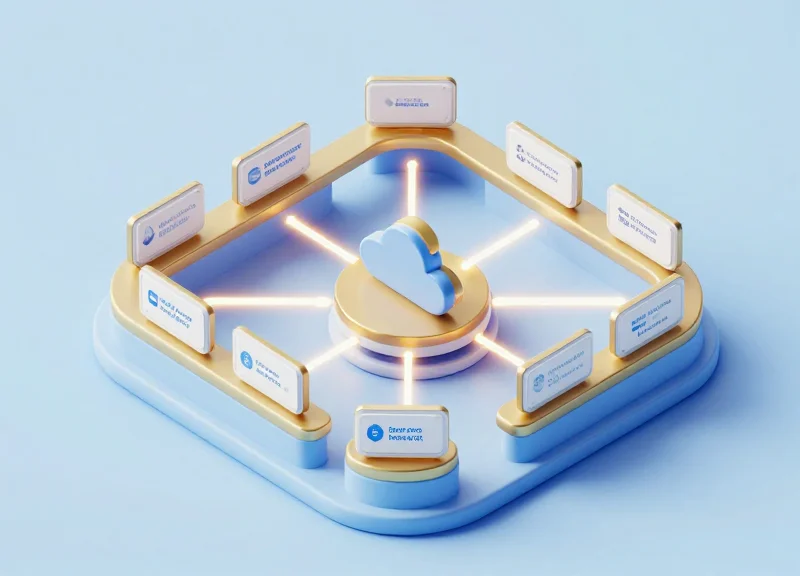
In the context of the 2026 Smart Spa, inventory intelligence is defined by the seamless synergy between Radio Frequency Identification (RFID) and Electronic Shelf Labels (ESL). This integration allows luxury brands to maintain an 'Ambient Stock Awareness' model, where every high-value item—from rare botanical serums to limited-edition essential oils—is tracked in real-time. By linking the physical location data of RFID with the visual display capabilities of ESL, spas can ensure that what is seen on the shelf is exactly what is in the system, effectively eliminating the 'ghost stock' phenomenon that plagues high-end boutiques.
The true innovation lies in the 'Invisible Audit.' Traditionally, luxury spas had to choose between disruptive manual stock counts or risking inaccuracies. With an integrated ESL-RFID ecosystem, the shelf effectively audits itself every second. If a product is picked up by a guest but not purchased, or if a shipment is misplaced in the backroom, the system flags the discrepancy immediately. For a luxury brand, this level of precision is not just about logistics; it is about protecting the brand’s image of perfection and availability.
| Feature | Legacy Manual Systems | Integrated ESL + RFID Ecosystem |
|---|---|---|
| Stock Visibility | Periodic/Snapshot based | Real-time, continuous tracking |
| Audit Disruption | High (Requires closing/labor) | Zero (Automated background task) |
| Stockout Risk | Frequent due to human delay | Minimized via predictive alerts |
| Staff Utilization | Heavy focus on counting | Focused on guest consultation |
- Automated Tag Commissioning: As new luxury inventory arrives, RFID tags are automatically associated with specific ESL displays, ensuring the digital label reflects the exact batch and expiration details.
- Real-Time Threshold Alerts: When RFID sensors detect stock falling below a critical level, the ESL can trigger a discreet flashing LED light to notify floor staff to restock immediately.
- Dynamic Inventory Balancing: The system monitors sales velocity across different spa locations, allowing management to shift high-demand items to where they are most needed based on live ESL data.
Expert Tip: To maximize ROI, use the ESL's bicolor or tricolor LED capabilities as a 'priority signal' for your staff. A blue flash might indicate an online order pickup is ready, while a yellow flash indicates that the RFID sensor has detected a misplaced item from a different shelf section.
How accurate is the RFID-ESL synchronization?
When properly calibrated, the system achieves 99.9% accuracy, significantly higher than the 60-80% accuracy typical of manual luxury retail environments.
Will RFID signals interfere with medical or spa equipment?
No. Modern Passive RFID and ESL systems operate on low-frequency bands that are specifically designed to avoid interference with sensitive wellness or medical devices.
Can this system track expiration dates for organic products?
Yes. By linking RFID batch data with the ESL, the system can automatically discount products approaching their expiration date to ensure zero waste and maintain fresh inventory.
Sustainability as a Luxury Standard: The Case for Paperless Operations
In the 2026 luxury landscape, sustainability is the ultimate hallmark of prestige. For high-end spa facilities, transitioning to Next-Gen Electronic Shelf Labels (ESL) represents a critical shift from performative eco-consciousness to measurable ESG (Environmental, Social, and Governance) impact. By replacing thousands of single-use paper tags with ultra-low-power E-ink displays, brands can eliminate the carbon-intensive cycle of printing, shipping, and disposing of traditional signage, thereby achieving a truly paperless retail environment that resonates with the values of the modern affluent consumer.
| Environmental Metric | Legacy Paper Labels | Next-Gen ESL Systems |
|---|---|---|
| Material Waste | High: Recurring paper, glue, and ink waste | Zero: Reusable digital displays with 10-year life |
| Carbon Footprint | Continuous: Transport and printing emissions | Minimal: One-time install; zero-energy display |
| Labor Overhead | High: Manual replacement of outdated tags | None: Centralized, instant cloud updates |
| Brand Perception | Outdated: Cluttered and resource-heavy | Premium: Clean, tech-forward, and eco-aligned |
How does ESL contribute to a spa's LEED or Green Key certification?
ESL systems contribute to waste reduction points in sustainability certifications by eliminating the need for recurring paper procurement and reducing the chemical waste associated with thermal and ink printing.
What is the 'Carbon Payback' period for switching to ESL?
Most luxury spa facilities see a carbon break-even point within 14 to 18 months, as the cumulative energy used to manufacture the tags is offset by the elimination of paper logistics and printing electricity.
Does the power consumption of ESL negate the environmental benefits?
No. Modern ESLs use E-ink technology, which only consumes power during a screen refresh. Once the price or info is set, the tag maintains the image with zero power consumption for years.
Expert Tip: To maximize the marketing value of your paperless operations, use the 'Sustainability Real-Time' strategy. Program a specific section of your ESLs to display a rotating QR code or message that highlights your current waste-reduction metrics. This transforms a functional price tag into a storytelling device that reinforces your brand's commitment to the planet at the exact moment of purchase, creating a 'guilt-free' luxury retail experience that fosters long-term guest loyalty.
Strategic Implementation: Overcoming Challenges in High-End Environments
Strategic implementation of Next-Gen ESL in luxury spas is the process of deploying digital infrastructure that optimizes operational efficiency without compromising the 'high-touch' sensory environment. Unlike retail big-boxes, luxury spa deployment focuses on 'invisible technology'—where hardware like e-paper displays is customized to blend into premium architecture (such as marble, teak, or frosted glass) while providing real-time pricing and product data via low-interference wireless protocols.
- Phase 1: Aesthetic Synchronization: Select ESL hardware with customizable bezels. For 2026, luxury brands are moving away from plastic casings toward metallic finishes or wood-grain textures that match the spa's interior design palette.
- Phase 2: Frequency Mapping: Conduct a wireless site survey to ensure ESL signals (typically Sub-GHz or BLE) do not interfere with medical-grade therapy equipment or guest Wi-Fi zones, ensuring 99.9% uptime for price updates.
- Phase 3: The 'Shadow' Rollout: Implement the system during off-peak hours or closure periods. The goal is a 'magic' transformation where the guest arrives to a fully digital environment that feels as organic as the previous paper-based one.
| Implementation Challenge | Legacy Digital Approach | 2026 Strategic ESL Solution |
|---|---|---|
| Visual Intrusiveness | Bright backlit LCD screens | E-ink displays with zero-glare & 'Paper-White' texture |
| Installation Friction | Heavy wiring and drilling | Battery-powered (10-year life) with magnetic mounting |
| Guest Perception | Tech-heavy/Cold feeling | QR-integrated 'Storytelling' mode for brand heritage |
Expert Insight: The 'Zen-Sync' Protocol. A common pitfall in luxury tech is the 'Blue Light' disruption. To maintain a circadian-friendly atmosphere, luxury spa directors should specify ESLs with custom 'Warm-White' background pigments rather than the standard stark white. This ensures the digital display mimics high-quality, textured cardstock, preserving the tranquil ambiance while providing the power of real-time inventory management.
Will ESLs distract guests from the relaxation experience?
No. Modern ESLs use non-emissive e-paper technology. They do not glow or flicker, appearing identical to printed labels until a price or product change is triggered remotely.
How do we handle staff resistance to new tech?
Position ESL as an 'Administrative Assistant.' By automating price tags and inventory counts, staff can spend 15% more time on face-to-face guest consultations rather than back-office logistics.
Can ESL withstand high-humidity spa zones?
Yes. Luxury-grade ESLs are rated IP67 or higher, making them resistant to steam, humidity, and essential oil splashes commonly found in retail zones adjacent to wet areas.
Future-Proofing with DragonGuardGroup: Your Partner in Smart Spa Solutions
DragonGuardGroup (DGG) is a premier global innovator in retail and hospitality technology, specializing in the strategic convergence of Electronic Shelf Labels (ESL), RFID tracking, and Electronic Article Surveillance (EAS) tailored for the high-end luxury sector. By acting as a single-source partner, DGG eliminates the operational fragmentation that typically plagues digital transformations, providing luxury spas with a unified 'Smart Shield' that protects assets, optimizes inventory in real-time, and preserves the serene aesthetic of high-end wellness environments.
- Bespoke Aesthetic Integration: Unlike generic retail solutions, DGG offers customizable ESL bezels and mounting hardware that blend seamlessly into premium spa decors, ensuring technology serves the atmosphere rather than distracting from it.
- End-to-End Security & Inventory Ecosystem: DGG integrates EAS and RFID into a single workflow, allowing spa directors to track high-value skincare products from the stockroom to the treatment room with 99.9% accuracy.
- Military-Grade Reliability: Our ESL tags are designed for high-humidity environments and feature ultra-long battery cycles of up to 10 years, minimizing maintenance cycles and ensuring zero downtime in 24/7 spa operations.
| Feature | Standard Retail ESL | DragonGuardGroup Luxury Edition |
|---|---|---|
| Durability | Standard dry-room use | High-humidity and IP67 waterproof options |
| Battery Life | 3-5 Years | Up to 10 Years with low-latency updates |
| Design | Plastic/Industrial | Premium finishes and customizable branding |
| Security Integration | Standalone pricing | Native RFID/EAS sensor compatibility |
Expert Insight: In the luxury world, the most successful technology is 'invisible.' DragonGuardGroup specializes in the 'Buffer Strategy'—utilizing real-time ESL data to trigger automated replenishment cycles before a technician or guest even realizes an item is low. This predictive capability shifts your staff from 'inventory management' back to 'client hospitality,' which is the ultimate goal of the 2026 Smart Spa Vision.
How does DragonGuardGroup handle installation in active spas?
We utilize non-invasive, wireless communication protocols (Sub-1GHz or BLE) that require zero structural cabling, allowing for overnight implementation that doesn't disrupt guest tranquility.
Can DGG solutions integrate with existing Spa Management Software?
Yes, our open API architecture allows for seamless synchronization with leading POS and inventory management systems used in the luxury wellness industry.
What is the typical ROI for a DGG smart spa implementation?
Most partners see full ROI within 14-18 months through a 30% reduction in labor costs associated with manual pricing and a 15% decrease in inventory shrinkage.