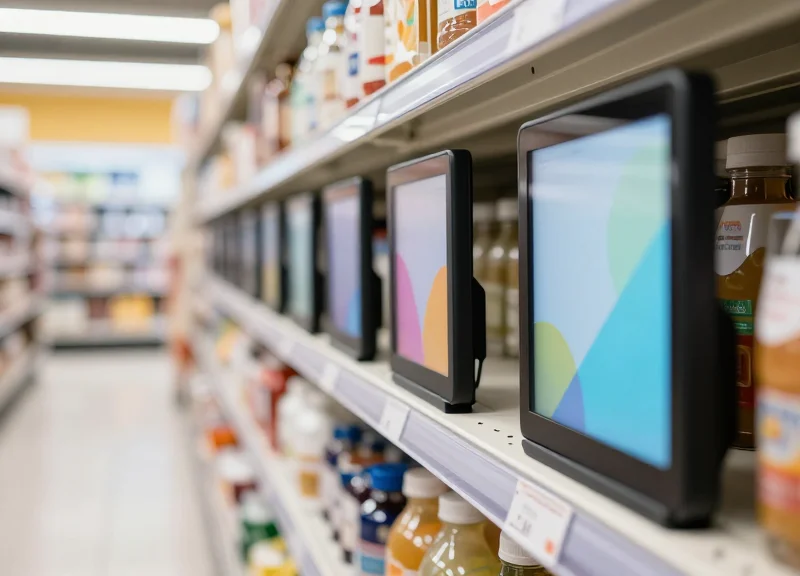
The global luxury spirits market is entering a new era of digital sophistication. By 2026, the traditional paper label will be a relic of the past, replaced by Smart Electronic Shelf Labels (ESL). As industry leaders like DragonGuardGroup innovate, retailers are realizing that high-end whiskey and cognac demand more than just a static price tag—they require real-time data, brand integrity, and an immersive customer experience. This shift isn't just about efficiency; it's about safeguarding the prestige of the world's most valuable liquid assets in a volatile global economy.
The Evolution of Luxury Retail: From Paper to Pixels
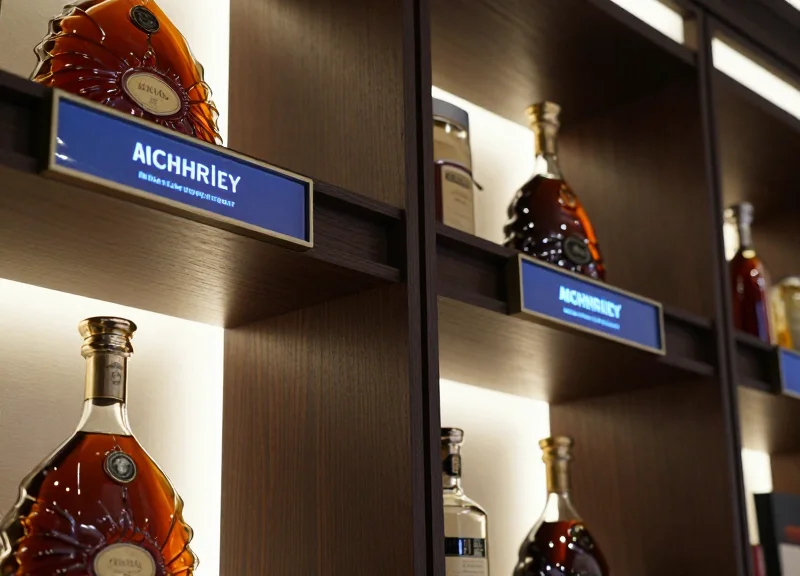
The transition from 'Paper to Pixels' in luxury retail represents the migration from static, manual labeling systems to dynamic, high-fidelity Electronic Shelf Labels (ESL) that offer real-time pricing and rich product data. In the global luxury spirits market, this evolution is not merely a technical upgrade but a strategic move to align physical store environments with the digital expectations of high-net-worth consumers, ensuring brand prestige is maintained through precision and aesthetic consistency.
For decades, the luxury sector relied on high-quality cardstock and bespoke calligraphy to convey value. However, the modern spirits market faces unprecedented volatility in supply chain costs and hyper-frequent price adjustments. Manual updates for a collection of rare whiskies or vintage cognacs are no longer just inefficient; they are a liability. By 2026, the 'pixels'—high-contrast E-ink and full-color digital displays—will serve as the new standard for luxury communication, bridging the gap between the tactile bottle and the digital data cloud.
| Feature | Traditional Paper Labels | Smart ESL (Pixels) |
|---|---|---|
| Update Frequency | Manual (Hours/Days) | Instant (Milliseconds) |
| Brand Integrity | Risk of typos/wear | Perfect, uniform high-res graphics |
| Price Accuracy | Often out of sync with POS | 100% synchronization guaranteed |
| Customer Interaction | None (Static) | NFC/QR Code 'Scan to Learn' capability |
Why is the luxury spirits market leading this change?
Luxury spirits often experience rapid price fluctuations based on auction results and limited release availability. ESL allows retailers to protect margins in real-time without the 'low-brow' look of markdown stickers.
Does digital imagery ruin the 'premium' feel of a boutique?
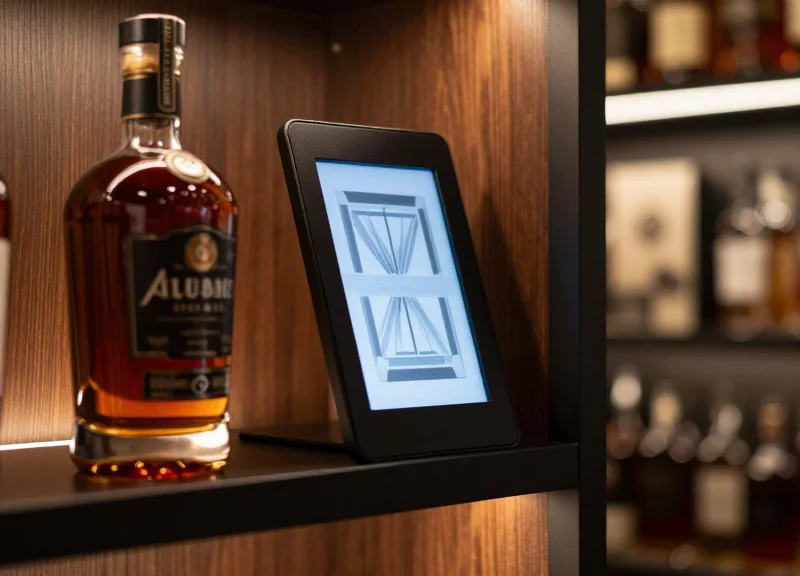
Modern 2026-gen ESLs use specialized matte finishes and wood-grain or metallic frames that mimic high-end stationary, enhancing rather than distracting from the product.
What is the primary ROI for luxury retailers?
Beyond labor savings, the primary ROI is 'Confidence Equity'—customers know they are seeing the most accurate, transparent data regarding provenance and pricing.
Expert Insight: The Digital Product Passport (DPP) Integration. A unique trend for 2026 is the use of ESL as a gateway to a bottle's 'Digital Product Passport'. In the luxury spirits world, where counterfeiting is a multi-billion dollar problem, these digital pixels act as an encrypted verification point. By tapping a smartphone to the ESL, a customer can verify the blockchain-backed provenance of a specific bottle before it even leaves the shelf—a level of transparency that paper simply cannot provide.
Real-Time Dynamic Pricing: Meeting Volatile Global Market Demands

Real-time dynamic pricing in the luxury spirits market is the automated capability to adjust retail prices instantaneously via Electronic Shelf Labels (ESL) based on live data inputs such as currency exchange rates, vintage appreciation, and competitor benchmarks. For high-end retailers handling inventory where a single bottle of Macallan or Hennessy can fluctuate by hundreds of dollars due to global demand shifts, ESL eliminates the 'pricing lag' inherent in manual paper systems, ensuring that the shelf price always reflects the true market value and the retailer's desired margin.
| Feature | Traditional Paper Labels | Smart ESL Systems |
|---|---|---|
| Update Speed | Hours to Days (Manual) | Sub-60 Seconds (Automated) |
| Error Rate | 5-10% (Human Oversight) | <0.1% (Centralized API) |
| Currency Agility | Static (Loses Margin) | Dynamic (Real-time FX syncing) |
| Labor Cost | High (Requires physical staff) | Near-Zero (Software-driven) |
In the 2026 landscape, the luxury spirits market is increasingly defined by volatility. From rapid fluctuations in the Euro-to-Dollar exchange rate to the sudden 'viral' demand for specific Japanese whiskey vintages, static pricing is a liability. ESLs act as the physical endpoint of a sophisticated digital ecosystem, allowing luxury boutiques to execute 'Flash Appreciations'—instantly raising prices on limited stock as global rarity increases—or offering targeted happy-hour promotions for premium gin brands during high-traffic travel retail hours.
How does ESL handle currency volatility for airport duty-free shops?
ESL systems can be integrated with live Forex APIs. If a currency drops by more than a set threshold, the system automatically recalibrates the price in the local currency to maintain the brand's global price positioning and protect profit margins.
Can ESL assist with 'vintage-based' pricing?
Yes. As specific vintages of wine or spirits age and become rarer, retailers can use ESL to increment prices monthly or quarterly without ever touching the shelf, reflecting the natural appreciation of the asset.
Does dynamic pricing hurt the luxury brand image?
On the contrary, it enhances it. Accurate, clean, and digitally-rendered pricing signals a modern, tech-forward boutique environment that respects the precision and prestige of the luxury products being sold.
Expert Tip: Algorithmic Scarcity Valuation. One unique strategy being adopted by Silicon Valley-backed luxury retailers involves connecting ESLs to secondary market auction data (such as Sotheby’s or Christie’s). When a specific cognac vintage sees a record-breaking auction result, the retail ESL can automatically adjust to the new 'market ceiling.' This ensures the retailer never leaves money on the table when a bottle's investment value suddenly spikes globally.
Protecting Brand Prestige through Visual Consistency
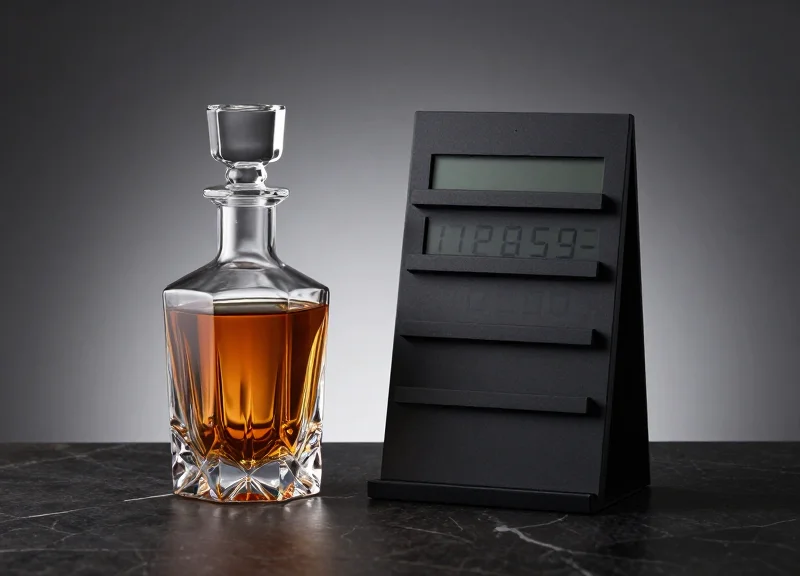
In the world of luxury spirits, where a single bottle of 50-year-old Macallan or a limited-edition Hennessy can retail for tens of thousands of dollars, the physical environment must reflect the product's pedigree. Visual consistency—the alignment of typography, color accuracy, and layout across all retail touchpoints—is the silent guardian of brand prestige. Smart ESL systems replace the 'human error' factor of misaligned, stained, or low-quality paper tags with high-contrast, E-ink displays that ensure every price point and product description looks as premium as the liquid inside the bottle.
| Aesthetic Feature | Traditional Paper Labels | 2026-Gen Luxury ESL |
|---|---|---|
| Typography & Fonts | Limited to local printer fonts; often inconsistent. | Custom brand-specific fonts via centralized CMS. |
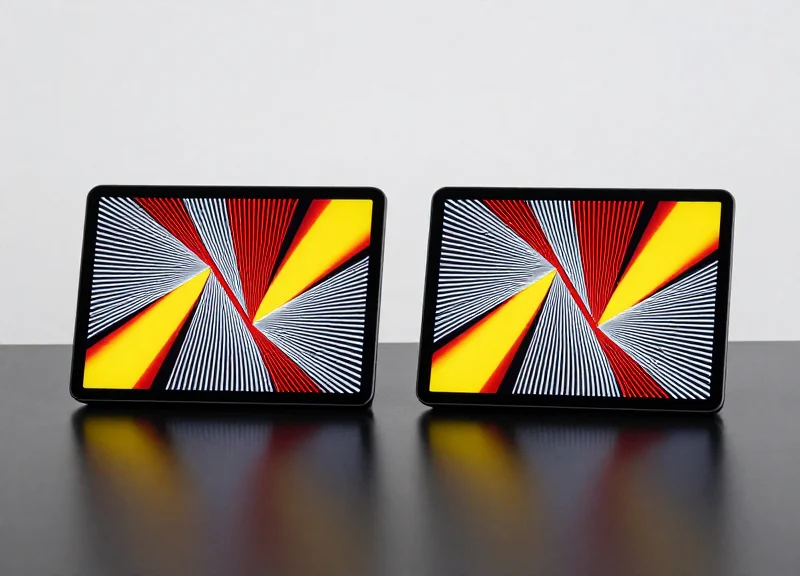
| Color Fidelity | Fades under UV/shelf lighting over time. | Rich 4-color E-ink (Black, White, Red, Yellow). |
| Alignment | Subject to manual placement errors. | Perfect digital pixel-alignment every time. |
| Material Quality | Prone to dog-ears, yellowing, or moisture damage. | Anti-glare glass and premium metallic bezels. |
A unique advantage of transitioning to ESL in 2026 is the concept of 'Digital Brand Sovereignty.' For global luxury conglomerates like LVMH or Pernod Ricard, maintaining a unified brand image across Tokyo, London, and New York is a logistical nightmare with paper. High-definition ESLs allow a central marketing team to push 'pixel-perfect' updates globally in seconds. This eliminates the 'retail drift' where local store managers might use non-compliant templates or handwritten notes, which can instantly devalue a premium brand's perceived worth in the eyes of a high-net-worth consumer.
Do digital screens ruin the 'heritage' feel of luxury boutiques?
Modern ESLs use E-ink technology, which mimics the look of paper without the glow of a tablet. With custom wood or gold-leaf frames, they integrate seamlessly into heritage-focused store designs while providing digital precision.
How do ESLs handle complex branding elements like crests or logos?
Next-gen displays feature sub-pixel rendering and high DPI (dots per inch), allowing for the crisp reproduction of intricate family crests and micro-typography that traditional printers often smudge on small labels.
Can the labels be customized for specific limited-edition releases?
Yes. Centralized software allows retailers to deploy unique 'thematic' templates for seasonal launches or rare vintages, ensuring the digital label matches the specific marketing campaign's visual assets.
Expert Tip: To maximize prestige, luxury retailers should opt for ESLs with 'Optical Bonding' technology. This eliminates the air gap between the display and the protective glass, reducing reflections and making the digital text appear as if it is printed directly onto the surface of the label, a subtle but vital detail for the discerning luxury shopper.
Combating Counterfeiting: The Power of ESL and RFID Integration
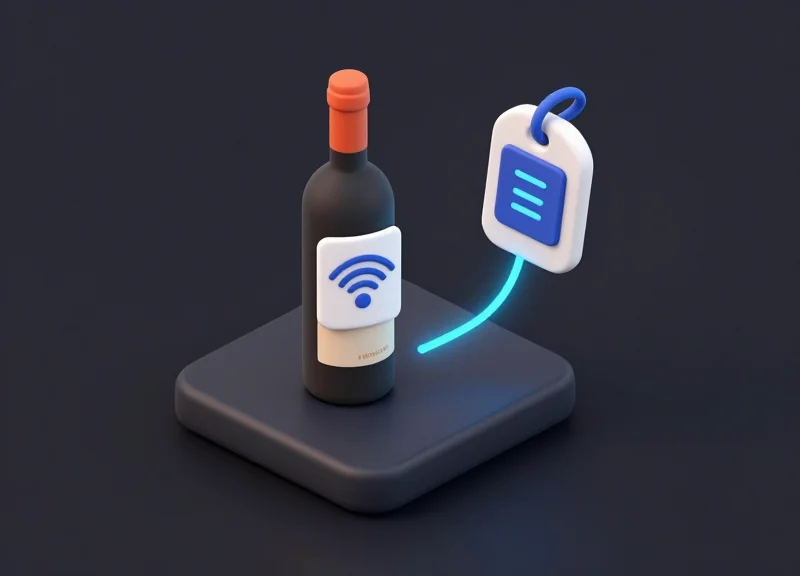
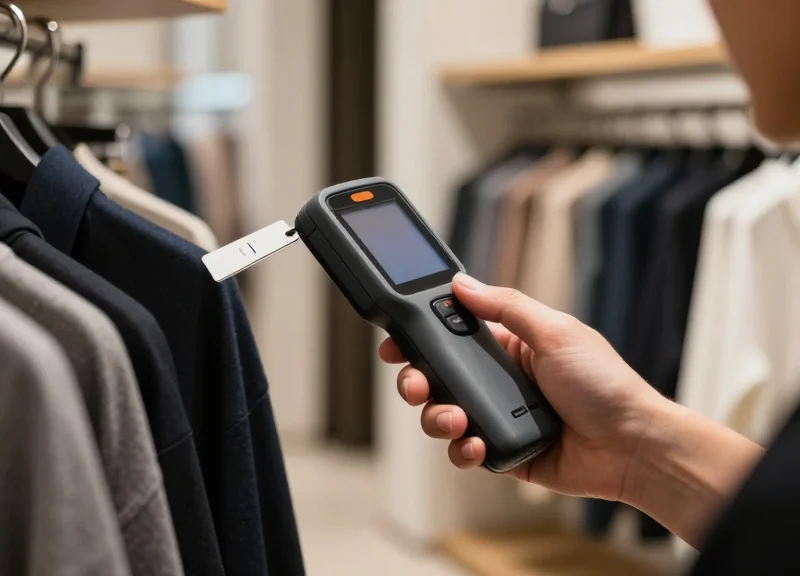
By 2026, the integration of Electronic Shelf Labels (ESL) and Radio Frequency Identification (RFID) will serve as the gold standard for anti-counterfeiting in the luxury spirits market. This synergy creates a 'Digital Pedigree' for every bottle, allowing retailers to verify product authenticity in real-time while providing consumers with a transparent, tamper-proof history of the liquid inside. Unlike static paper labels, smart ESLs act as the localized gateway for RFID data, bridging the gap between the physical inventory on the shelf and the brand's secure blockchain or ERP system.
| Security Feature | Traditional Paper Labels | Integrated ESL & RFID |
|---|---|---|
| Verification | Manual/Visual Inspection | Instant Digital Authentication |
| Traceability | Batch-level only | Unit-level (Serialization) |
| Tamper Evidence | Physical seal only | Digital alert upon signal loss |
| Gray Market Control | Difficult to monitor | Real-time geo-fencing alerts |
### The 'Digital Handshake': A Unique Security Insight A significant shift we are seeing in Silicon Valley retail tech is the 'Digital Handshake' protocol. In this setup, the ESL doesn't just display a price; it continuously pings the RFID-tagged bottle sitting on its shelf. If a bottle is replaced by a counterfeit or moved without a transaction, the system triggers an immediate silent alert to floor security. This creates a geofenced 'safe zone' for high-value items like a 50-year-old Scotch, making it nearly impossible for high-tech thieves or unscrupulous suppliers to swap genuine inventory for replicas.
- Unit-Level Serialization: Each bottle is assigned a unique digital identity (UID) via RFID, which is mirrored on the corresponding ESL display.
- Real-Time Inventory Sync: As bottles move through the supply chain, the ESL automatically updates to reflect the specific provenance and vintage data of the stock currently on the floor.
- Consumer Empowerment: Customers can tap their smartphones to the ESL via NFC to receive a 'Certificate of Authenticity' directly from the distiller.
Can RFID tags be faked or cloned?
Modern luxury RFID tags use encrypted 'rolling codes' and asymmetric cryptography, making them virtually impossible to clone compared to easily scanned QR codes or physical stickers.
Does the ESL display change if a bottle is flagged?
Yes, advanced systems can be programmed to hide the price or display an 'Under Review' status if the system detects a mismatch between the label and the RFID signature of the product.
Is this integration compliant with new EU regulations?
Absolutely. This technology is a direct enabler for the EU's Digital Product Passport (DPP) requirements, ensuring that every bottle's lifecycle is documented and accessible.
Enhancing Customer Engagement with NFC and QR Integration
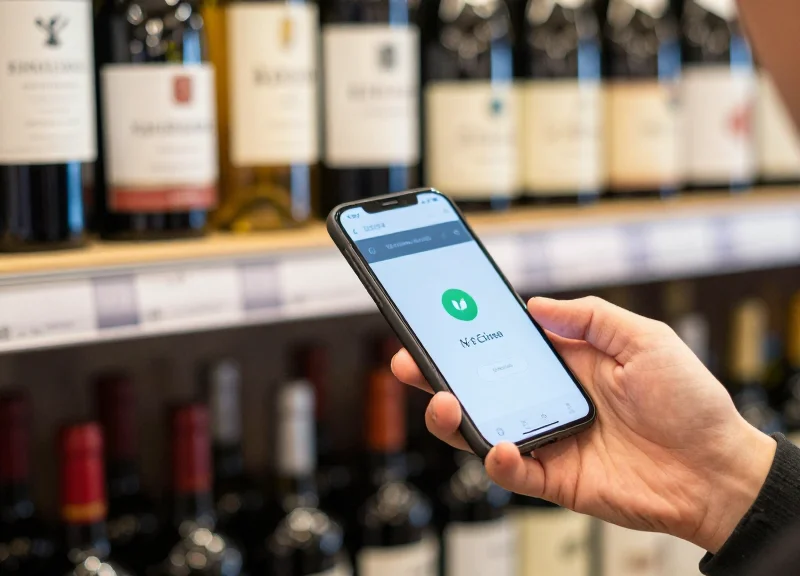
By 2026, the 'Phygital' bridge—the seamless integration of physical and digital retail—will be the gold standard for luxury spirits. Electronic Shelf Labels (ESLs) equipped with Near Field Communication (NFC) and QR code capabilities act as the primary gateway for this evolution. Rather than just displaying a price, these smart labels serve as a digital touchpoint, allowing customers to instantly access a brand's heritage, verify authenticity, and explore tasting profiles with a simple tap or scan, effectively turning the retail shelf into an interactive marketing platform.
- Interactive Storytelling: Consumers can view high-definition heritage videos and virtual distillery tours, connecting emotionally with the brand's history.
- Digital Tasting Notes: Instant access to complex flavor profiles, aging processes, and expert pairing suggestions that would never fit on a standard paper label.
- Loyalty Program Onboarding: Seamlessly invite high-net-worth individuals into exclusive clubs or 'first-look' mailing lists directly from the point of purchase.
- Sustainability Transparency: Detailed insights into the carbon footprint, organic certifications, and ethical sourcing of the grains or water used in production.
| Feature | NFC (Near Field Communication) | QR (Quick Response) Code |
|---|---|---|
| User Action | One-tap proximity (no camera needed) | Camera scan from a distance |
| UX Friction | Extremely Low; feels like a premium gesture | Low; widely understood by all demographics |
| Security Level | High (Encrypted chips prevent cloning) | Medium (Visual codes can be copied) |
| Primary Use Case | Instant VIP content & secure authentication | Mass informational access & website redirection |
A unique insight for the 2026 market is the rise of the 'Augmented Sommelier.' By integrating ESLs with a brand's AI-driven chatbot, a consumer who taps an NFC label can receive real-time, personalized recommendations based on their past purchase history or current preferences. This replaces the need for floor staff to be experts on every rare vintage, ensuring that the customer receives a bespoke, high-end consultation at the exact moment of their decision-making process.
Do customers need to download an app to use the ESL interaction?
No. Modern NFC and QR implementations leverage web-based landing pages (WebAR or mobile sites), allowing for a frictionless experience without any software installation.
Can these interactive elements be changed for limited-edition releases?
Yes. One of the primary advantages of Smart ESLs is the ability to remotely update the digital destination of the NFC chip or QR code instantly across global locations.
Is the data gathered through these interactions GDPR compliant?
Luxury retailers can design these systems to capture anonymous engagement data or explicit opt-in personal data, ensuring full compliance with global privacy regulations.
Operational Efficiency: Reducing Labor Costs in High-End Boutiques
In the luxury spirits sector, operational efficiency is redefined not just by saving time, but by the strategic reallocation of human capital. Smart ESL systems eliminate the grueling process of manual price tagging—a task that historically consumes hundreds of man-hours during global price adjustments or seasonal vintage releases. By centralizing price management into a single digital command center, luxury boutiques can execute store-wide updates in seconds with 100% accuracy, effectively removing the 'administrative friction' that often hampers retail agility. This automation ensures that your most expensive assets—your knowledgeable staff—are no longer tethered to printers and adhesive labels, but are instead free to engage in the high-touch, consultative selling that defines the 2026 luxury experience.
| Task Category | Traditional Paper Labels | Smart ESL Systems (2026) |
|---|---|---|
| Price Change Speed | 2-4 minutes per bottle (printing/placing) | Instant (<1 second per label) |
| Labor Requirement | Requires 2+ staff for overnight updates | Zero floor staff required for updates |
| Error Rate | 3-5% (Human error in placement/pricing) | 0% (Synchronized with POS/Cloud) |
| Staff Focus | Administrative/Task-oriented | Sales/Relationship-oriented |
Expert Insight: The 'Shadow Cost' of Distraction. In my two decades observing retail shifts, the most overlooked metric in luxury spirits is the 'Opportunity Cost of Distraction.' When a boutique specialist is distracted by manual labeling, they are mentally removed from the 'hospitality zone.' Research suggests that a specialist engaged in administrative tasks is 40% less likely to initiate a high-value sale with a browsing customer. ESL doesn't just save on the hourly wage of a clerk; it protects the revenue potential of your brand ambassadors by keeping them focused on the $10,000 bottle of Macallan, not the $0.10 piece of paper beneath it.
- Phase 1: Centralized Synchronization: Connect the ESL infrastructure directly to the global ERP/POS system to ensure price parity across all regions without local intervention.
- Phase 2: Task Re-assignment: Redirect saved labor hours toward 'Veblen-style' training, such as deep-dives into distillery history or vintage tasting profiles for the staff.
- Phase 3: Real-time Inventory Alerts: Utilize the ESL's back-end to notify staff of low stock via LED flashing on the label, streamlining the restocking process without manual audits.
How much labor cost can a typical boutique save annually?
A high-end boutique with 500 SKUs performing weekly updates can save approximately 250-400 labor hours per year. In a premium market like London or NYC, this equates to roughly $12,000 - $20,000 in direct labor savings per location.
Does the system require IT specialists on-site?
No. Modern 2026 ESL solutions are 'Plug-and-Play' and managed via cloud interfaces, meaning boutique managers can oversee operations via a tablet without needing technical backgrounds.
Can ESLs help with inventory management efficiency?
Yes. Most smart labels now feature 'Stock-out' indicators that are invisible to the customer but visible to staff, drastically reducing the time spent on manual stock-takes.
The Sustainability Mandate: Why 2026 Demands Paperless Solutions

By 2026, the shift from traditional paper labels to Smart Electronic Shelf Labels (ESL) has evolved from a retail convenience into a mandatory ESG (Environmental, Social, and Governance) strategy. For the global luxury spirits market, where brand prestige is increasingly tied to ecological responsibility, eliminating the paper waste and carbon-intensive logistics of manual label updates is essential to meeting the stringent 'Zero-Waste' targets set for the next decade. Modern ESL systems utilize ultra-low-power E-paper technology, which only consumes energy during an update, allowing a single installation to serve a high-end boutique for up to ten years without replacement.
| Sustainability Metric | Traditional Paper Labels | Smart ESL Systems (2026 Standard) |
|---|---|---|
| Annual Waste Generation | High (Daily/Weekly disposal of paper/plastic tags) | Near Zero (Long-term hardware lifecycle) |
| Logistics Carbon Footprint | High (Continuous shipping of ink, toner, and paper) | Low (One-time installation and digital updates) |
| Energy Consumption | Indirect (Production and printing energy) | Ultra-Low (Power only consumed during display changes) |
| Recyclability | Limited (Often laminated or chemically treated) | High (Modular components designed for E-waste recovery) |
Beyond simple waste reduction, 2026 marks the arrival of 'Circular Merchandising.' A unique insight often overlooked is the 'Hidden Carbon Cost' of paper logistics: the energy required for printing, the emissions from transporting physical materials to global flagship stores, and the labor-related carbon footprint of staff manually changing tags. Smart ESLs neutralize these variables. Furthermore, advanced ESL units are now being manufactured with post-consumer recycled plastics and cobalt-free batteries, ensuring that the hardware itself aligns with the circular economy goals of the world's leading spirits conglomerates.
How does ESL contribute to a brand's ESG reporting?
ESL systems provide quantifiable data on waste reduction and energy efficiency, which can be directly integrated into annual ESG reports to demonstrate a measurable decrease in operational carbon footprints.
Is the battery life of ESL environmentally friendly?
Yes. Current 2026-spec ESLs use high-density, long-life batteries lasting 10+ years. Many brands are now implementing 'Take-Back' programs to ensure 100% of these batteries and circuits are recycled professionally.
Do paper labels really have a high impact in luxury retail?
In a luxury setting, labels are often printed on heavy, premium cardstock with foil stamping or lamination. These materials are significantly harder to recycle than standard office paper, making their environmental impact disproportionately high.
Inventory Management Precision in the Luxury Alcohol Sector
In the luxury spirits market, inventory management precision is the ability to maintain 100% accurate, real-time visibility of high-value stock—such as rare vintages and limited-run whiskies—through automated synchronization between the physical shelf and the warehouse management system (WMS). By using Smart ESLs, retailers can eliminate 'Ghost Stock' scenarios, where a system indicates availability but the shelf is empty, thereby protecting the brand's reputation and capturing every possible high-margin sale.
| Feature | Traditional Paper Labels | Smart ESL Systems (2026 Standard) |
|---|---|---|
| Stock Level Updates | Manual count/Weekly audit | Real-time digital sync |
| Out-of-Stock (OOS) Alerts | Visual inspection only | Automated push notifications to staff |
| Inventory Accuracy | 85-90% (High human error) | 99.8% (ERP-integrated) |
| Reserved Item Handling | Post-it notes/Verbal cues | Digital 'Reserved' status on-screen |
- Dynamic 'Last Bottle' Alerts: ESL systems can be programmed to flash or change color when inventory hits a critical threshold, signaling to floor staff that the final unit of a rare vintage is on the shelf and needs immediate replenishment or security focus.
- Automated Batch Tracking: For spirits where the bottling date or barrel number determines the price, ESLs allow retailers to track specific SKUs at the batch level, ensuring the oldest stock or specific editions are sold in the correct order.
- Reduced Shrinkage and Misplacement: Integrated geo-fencing within modern ESL systems ensures that if a bottle is moved to the wrong section, the digital label can trigger an alert, preventing high-value inventory from being 'lost' within the store.
Unique Insight: The 'Ghost Stock' Elimination Protocol. While most retailers focus on overstocking, luxury spirit boutiques suffer from 'Ghost Stock'—items that exist in the ERP but are missing from the shelf due to misplacement or theft. By 2026, premium ESL units will incorporate weight-sensing shelf mats or optical sensors. This creates a closed-loop system: if the shelf weight doesn't match the inventory count, an alert is triggered immediately. This level of granular detail is essential for bottles retailing above $5,000, where a single missing unit impacts the quarterly bottom line.
How does ESL prevent lost sales for rare vintages?
By providing real-time data, ESL ensures that sales associates know exactly how many bottles are in the stockroom without leaving the customer's side, preventing 'walk-outs' during the high-friction search process.
Can ESL systems integrate with existing ERP software?
Yes, modern ESL solutions use open APIs to connect directly with SAP, Oracle, and specialized luxury retail ERPs, ensuring that price and stock levels are synchronized across all channels in milliseconds.
Does the system handle pre-orders and allocations?
Absolutely. Smart labels can display 'Reserved' or 'Allocated for Client' digital badges, which prevents floor staff from accidentally selling a bottle that has already been purchased online or via a private concierge.
Future-Proofing Your Retail Space with DragonGuardGroup Solutions
Future-proofing your retail space involves deploying a versatile digital infrastructure that goes beyond simple price automation to include real-time asset tracking and cross-channel consumer engagement. DragonGuardGroup solutions empower luxury spirits retailers to integrate Electronic Shelf Labels (ESL) with advanced RFID and NFC capabilities, creating a resilient ecosystem that adapts to shifting market demands and technological advancements through 2026 and the decade beyond.
In the high-stakes world of luxury spirits, the hardware you choose today must support the data requirements of tomorrow. DragonGuardGroup specializes in industrial-grade, aesthetically pleasing ESL hardware that complements the premium atmosphere of high-end boutiques while providing the technical backbone for complex inventory management and interactive customer journeys.
| Feature | DragonGuard ESL Elite Series | Traditional Paper/Static Labels |
|---|---|---|
| Update Frequency | Near-Instant (Global Sync) | Manual (Hours/Days) |
| Data Integration | Full ERP/POS Connectivity | None |
| Battery Life | Up to 10 Years (2036 Ready) | N/A (Constant Waste) |
| Interaction | NFC & QR Interactive | Visual Only |
| Security | AES Encryption | None |
How does DragonGuardGroup ensure hardware longevity in a luxury setting?
Our ESL modules utilize ultra-low-power E-paper technology and high-capacity batteries designed to last up to 10 years, ensuring your investment remains operational through multiple store redesigns and technology cycles.
Can these solutions integrate with existing inventory software?
Yes, our API-first approach allows for seamless integration with major luxury ERP and POS systems, enabling real-time synchronization between the warehouse and the retail shelf.
Is the hardware customizable to match boutique branding?
We offer various bezel finishes and mounting options to ensure the digital hardware enhances, rather than distracts from, the premium presentation of luxury spirits bottles.
Expert Insight: The 'Atomic Label' Strategy. To truly future-proof a luxury space, retailers should adopt what we call the 'Atomic Label' approach. Instead of viewing the ESL as a peripheral, treat it as the primary data node for the product's entire physical existence. By utilizing DragonGuardGroup’s multi-frequency RFID/ESL hybrids, a single tag can handle anti-counterfeiting in the supply chain, inventory counts in the backroom, and dynamic pricing on the floor. This eliminates redundant hardware and prepares your retail space for the 'Autonomous Store' trends predicted for 2027-2030.