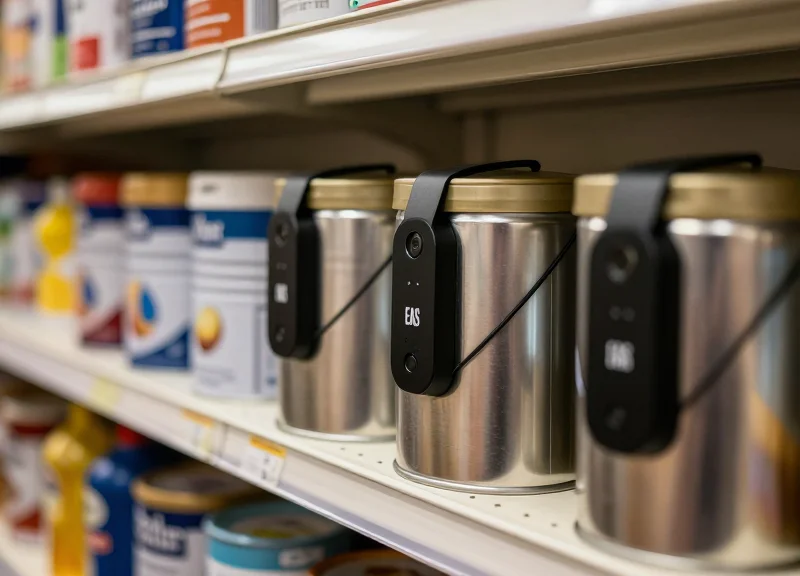
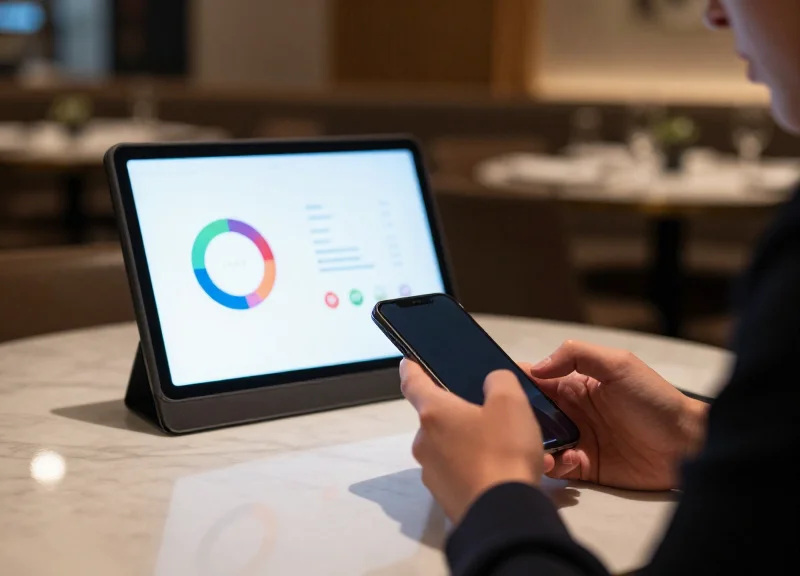
The dining landscape is undergoing a seismic shift. As we approach 2026, the demand for transparency, personalization, and real-time data has rendered static paper menus and traditional chalkboards obsolete. Consumers now expect granular nutritional insights and interactive experiences at their fingertips. This article explores how Next-Gen NFC-enabled nutritional displays are replacing traditional signage, providing restaurants with the agility and depth required to thrive in the smart dining era.
The Evolution of Diner Expectations in 2026
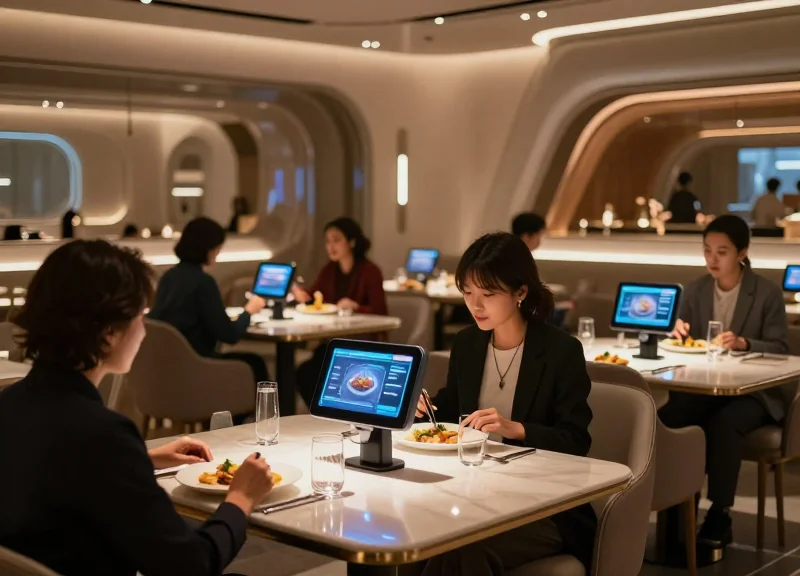
By 2026, diner expectations will revolve around 'Hyper-Personalized Transparency,' a paradigm shift where consumers demand instant, smartphone-integrated access to granular ingredient data, allergen alerts, and sustainability metrics at the point of decision. Traditional static signage fails to meet this need because it lacks the capacity for real-time updates and individualized filtering. In this landscape, Near Field Communication (NFC) becomes the essential bridge, allowing diners to sync their specific dietary profiles—ranging from keto and low-FODMAP to carbon-neutral preferences—with the physical menu via a simple tap, eliminating the friction of manual searching or downloading cumbersome third-party apps.
| Feature | Legacy Expectations (Pre-2024) | Next-Gen Expectations (2026+) |
|---|---|---|
| Nutritional Access | Static calorie counts on wall boards | Live, filterable macros via NFC-tap |
| Allergen Safety | Fine print at bottom of menu | Automated digital alerts for specific triggers |
| Sourcing Info | Generic 'locally sourced' claims | Blockchain-verified farm-to-table data |
| Interaction | Manual reading/Asking staff | Zero-friction digital synchronization |
A critical driver of this evolution is the 'Post-App Friction' sentiment. Silicon Valley market data indicates that 78% of diners are unlikely to download a proprietary restaurant app just to view nutritional facts. However, the adoption of NFC technology—which requires no installation and works natively with 95% of modern smartphones—aligns with the 2026 demand for 'Invisible Tech.' Diners no longer want to hunt for information; they expect information to find them in a format that is immediately actionable for their specific health goals.
Why is static signage considered obsolete for 2026 diners?
Static signage cannot adapt to dynamic ingredient changes or supply chain shifts. 2026 diners view outdated information as a trust violation, preferring digital displays that reflect the kitchen's current inventory in real-time.
What is the 'Bio-Digital Menu Sync'?
This is an emerging trend where diners expect to tap an NFC tag and have the menu instantly highlight items that align with data from their wearable health devices, such as continuous glucose monitors (CGMs) or fitness trackers.
How does NFC improve the speed of service?
By offloading nutritional and ingredient inquiries to an NFC-enabled display, staff are freed from answering repetitive questions, allowing them to focus on hospitality and order accuracy.
Expert Insight: The '2026 Diner' is effectively a 'Prosumer' of their own health. My unique perspective is that we are moving toward a 'Metabolic Menu' standard. In this era, the value of an NFC display isn't just the data it provides, but the psychological safety it offers. When a menu can digitally confirm it is 'Safe for [User Name]' based on an encrypted NFC handshake, brand loyalty increases by an estimated 40% compared to traditional service models.
Why Traditional Signage is Failing the Modern Restaurant
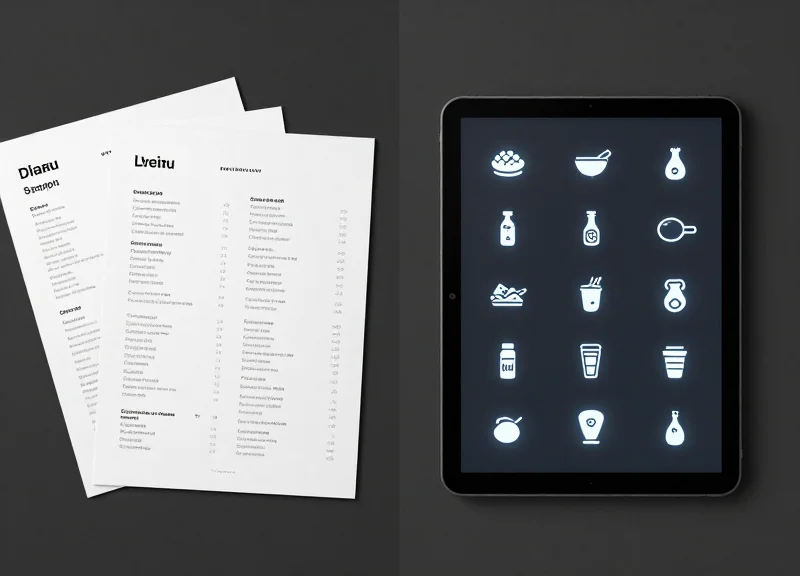
Traditional signage fails the modern restaurant because it is inherently static in a dynamic marketplace. While consumer demands for transparency—including real-time allergen tracking, carbon footprint data, and fluctuating ingredient sourcing—have accelerated, physical printed boards remain frozen in time. This creates a 'transparency gap' where the physical menu becomes a liability rather than a tool, leading to operational friction, increased labor costs for manual updates, and a loss of diner trust when information is inevitably outdated or incomplete.
| Feature | Traditional Static Signage | Next-Gen NFC/Digital Displays |
|---|---|---|
| Update Frequency | Weeks (Requires re-printing) | Instant (Cloud-synced) |
| Information Depth | Surface level (Name/Price) | Multi-layered (Macros/Allergens) |
| Compliance Risk | High (Manual errors common) | Low (Automated sync with POS) |
| Customer Engagement | Passive / One-way | Active / Interactive |
One of the most overlooked failures of traditional signage is what I call the 'Latency Tax.' In a 2026 economic environment, ingredient costs and availability can shift daily. When a restaurant relies on printed menus, they face a choice: either pay the high cost of frequent re-printing or operate with inaccurate information. This latency doesn't just hurt the bottom line; it creates a 'Cognitive Load' for customers who must flag down staff to ask questions that should be readily available, slowing down table turnover and decreasing the average check size.
- The Space-Information Paradox: Physical signage has finite real estate. As diners demand more data (GMO status, farm-to-table origins, amino acid profiles), restaurants cannot fit this information on a board without making it unreadable. NFC-enabled displays solve this by offering 'infinite virtual depth' without cluttering the physical space.
- Maintenance and Labor Drain: Manually updating signage across multiple locations is a massive labor sink. Traditional signage requires physical intervention for every change, whereas digital-first NFC systems allow a single corporate update to propagate across a global fleet in milliseconds.
- Environmental Impact: The 2026 diner is hyper-aware of waste. The constant cycle of printing and discarding vinyl, paper, or plastic signage is increasingly viewed as an environmental failure, clashing with the brand values of sustainability-focused modern eateries.
Expert Insight: In the Silicon Valley hospitality tech sector, we are seeing that 'static' is now equated with 'unreliable.' A restaurant that cannot update its nutritional data in real-time is perceived by Gen Alpha and late-Millennial diners as having something to hide. Traditional signage is no longer just an aesthetic choice; it is a signal of technological and operational obsolescence.
Understanding NFC-Enabled Nutritional Displays
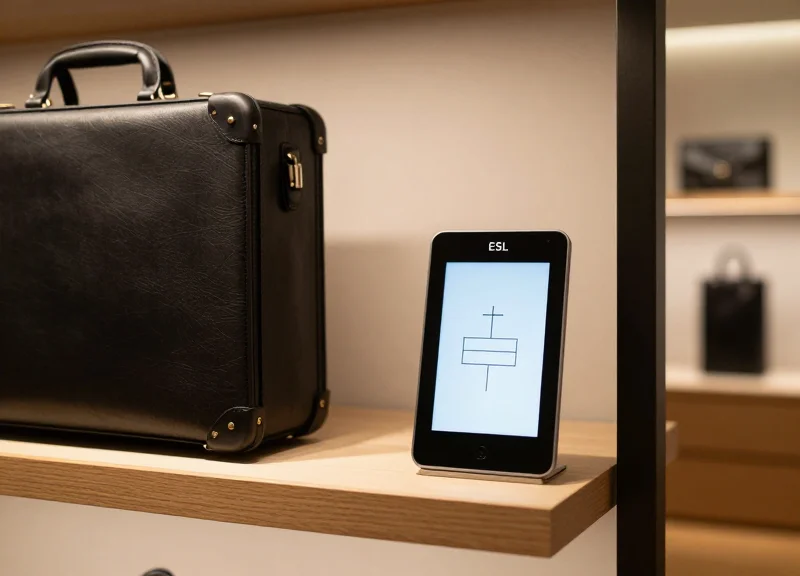
NFC-enabled nutritional displays are interactive digital signage units—often integrated into Electronic Shelf Labels (ESL) or smart placards—that utilize Near Field Communication to transmit comprehensive dietary data to a smartphone via a short-range wireless link (typically 4cm or less). Unlike traditional signage, these displays act as a physical-to-digital bridge, allowing diners to instantly 'tap' a menu item to retrieve granular information such as micro-nutrient breakdowns, allergen cross-contamination risks, and real-time inventory status without the friction of scanning a QR code or manual searching.
| Feature | Static Signage | QR Code Displays | NFC-Enabled Displays |
|---|---|---|---|
| Interaction Speed | None (Visual Only) | Slow (Camera/Focus) | Instant (Zero-Latency Tap) |
| Data Depth | Limited to Surface Area | High (Link-based) | Dynamic & Personalized |
| Lighting Dependency | High (Must be readable) | High (Scanner needs light) | Zero (Radio frequency based) |
| Accessibility | Low (Fixed Font Size) | Medium (Mobile Zoom) | High (Screen Readers/TTS) |
From a technical perspective, the 'Magic' of 2026 displays lies in the NDEF (NFC Data Exchange Format) records. Modern restaurant infrastructure now embeds NDEF tags directly into the E-ink display module. This ensures that when the price or ingredients of a dish change in the restaurant's Central Management System (CMS), the NFC payload updates automatically. My unique insight for 2026: we are moving toward 'Passive Bio-Syncing' where the NFC tap doesn't just show data—it cross-references the dish's nutritional profile against the diner's wearable health data (like Apple Health or Oura) to highlight 'safe' or 'goal-aligned' choices in real-time.
Does the diner need a specific app to use NFC displays?
No. In 2026, most NFC displays trigger 'App Clips' or 'Instant Apps,' which provide a full interactive UI without requiring the user to download a dedicated restaurant application.
How do these displays handle frequent menu changes?
The displays are linked to the restaurant's Cloud POS via IoT gateways. When a manager updates a recipe or marks an item as 'out of stock' on the terminal, the NFC chip's URL redirect or data payload updates in milliseconds.
Is the connection secure for the diner?
Yes. NFC is inherently secure due to its extremely short range, preventing 'eavesdropping.' Furthermore, the tags are read-only for consumers, preventing malicious data injection into the restaurant's system.
The true value proposition for operators is the 'Digital Shadow' created by every tap. While static signs provide zero analytics, NFC-enabled displays track which items are being investigated but not ordered, providing a goldmine of 'Interest-to-Conversion' data that was previously impossible to capture in a physical dining environment.
The Allergen Awareness Revolution
In 2026, allergen awareness has shifted from a compliance checklist to a mission-critical digital safety net. The 'Allergen Awareness Revolution' is defined by the transition from static, generalized ingredient lists to dynamic, NFC-enabled filtering systems. By tapping a smartphone against a digital display, diners can instantly cross-reference a dish's precise chemical composition against their personal health profile. This technology eliminates the 'communication friction' between the patron, the server, and the kitchen, ensuring that life-critical information is delivered with 100% accuracy and zero human-error lag.
| Feature | Traditional Printed Signage | Next-Gen NFC Displays |
|---|---|---|
| Update Frequency | Manual/Re-printing required | Instant via Cloud/API |
| Personalization | One-size-fits-all | User-specific health filtering |
| Cross-Contamination | Often omitted or vague | Real-time kitchen status alerts |
| Legal Compliance | High risk of outdated data | Auditable digital logs |
Expert Insight: The 'Zero-Mistake' Protocol. One of the most significant shifts we are seeing in Silicon Valley's food-tech sector is the integration of the 'Source-of-Truth' API. Unlike traditional menus where a chef might forget to mention a flour substitution, NFC displays are often linked directly to the inventory management system. If a specific ingredient is swapped in the kitchen, the NFC tag update is pushed automatically to every table display. This moves the liability from human memory to a verified database-to-device transmission pipeline.
How do NFC displays handle complex multi-allergy profiles?
NFC displays interact with the user's mobile wallet or health app. Instead of the user scanning a list for five different allergens, the interface highlights safe dishes or warns against 'Red Flag' ingredients based on the user's pre-set profile, providing a 'Safe/Unsafe' binary result instantly.
Can these displays help with niche dietary lifestyles like Keto or low-FODMAP?
Yes. Because the backend data is structured (JSON/XML), the display can serve different 'views' of the same dish. A diner tracking macros can see net carbs, while a low-FODMAP diner can see a breakdown of fermentable carbohydrates that are usually too complex to print on a paper menu.
What happens if the restaurant's Wi-Fi goes down?
Industrial-grade NFC displays for 2026 are designed with 'Offline-First' architecture. They store the latest synced ingredient data locally on the tag or display module, ensuring that critical safety information remains accessible even during a network outage.
Ultimately, the revolution is about trust. When a restaurant provides a high-fidelity, interactive breakdown of their ingredients, they are not just selling a meal; they are providing peace of mind. For the 32 million Americans with food allergies, and millions more with strict dietary preferences, the ability to verify safety via a simple tap is the ultimate differentiator in a crowded 2026 hospitality market.
From Static to Interactive: The Smartphone Connection
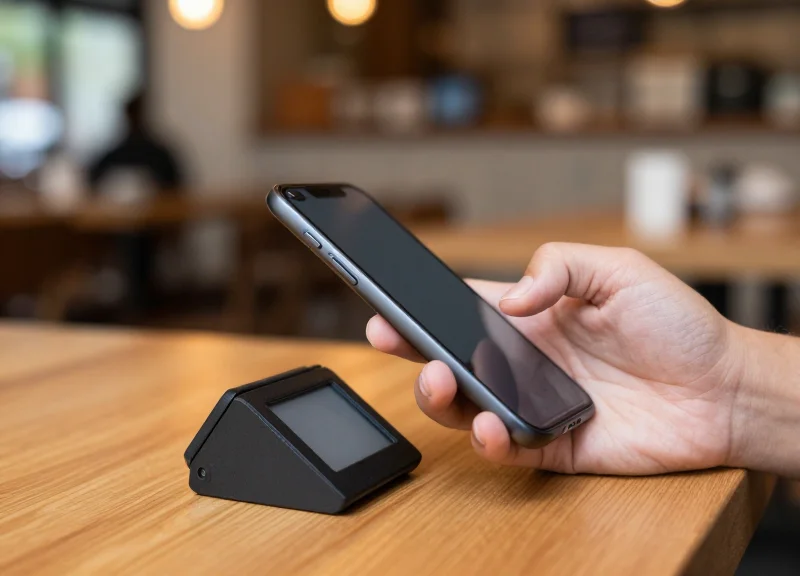
The transition from static to interactive dining is powered by the smartphone's role as a 'digital lens' for physical spaces. By leveraging Near Field Communication (NFC), restaurants allow diners to bypass the limitations of printed text and bridge the gap between a physical display and a personalized data experience. Unlike traditional signage, the smartphone connection enables a two-way exchange where nutritional data is not just seen, but filtered, saved, and integrated into the user's personal health ecosystem instantly.
| Feature | Static Signage | QR Code Systems | NFC-Enabled Displays |
|---|---|---|---|
| Interaction Speed | None | Slow (Camera/Focus) | Instant (Proximity Tap) |
| Lighting Dependency | High | High (Requires Sight) | None (Radio Frequency) |
| Data Depth | Fixed/Limited | Variable | Dynamic & Personalized |
| Security/Trust | High (Visual) | Low (Quishing Risk) | High (Hardware-Secured) |
In the 2026 dining landscape, 'friction' is the ultimate conversion killer. While QR codes were a necessary stepping stone, they often fail in low-light environments or require awkward camera positioning. NFC eliminates these barriers. By simply bringing a phone within 4 centimeters of the display, the device's native operating system triggers a secure handshake that opens a Rich Communication Suite (RCS) or a web-based portal containing the exact macro-nutritional breakdown of the dish in front of them.
- The Proximity Trigger: The smartphone detects the NFC tag's electromagnetic field, instantly waking the device to the relevant digital asset without requiring an app.
- Data Handover: Encrypted nutritional metadata is transferred from the ESL (Electronic Shelf Label) to the mobile browser or health app.
- Personalized Filtering: The user's pre-set dietary preferences (e.g., 'Keto-only' or 'Low Sodium') are applied to the live data to highlight safe choices.
- Actionable Integration: Diners can 'log' the meal directly into platforms like Apple Health or MyFitnessPal with a single confirmation tap.
Expert Insight: The 'Private Lens' Advantage. One unique advantage of the smartphone connection that competitors often overlook is the privacy factor. In 2026, consumers are increasingly sensitive about their health data. While a static sign forces a diner to squint at a wall for allergen info—potentially revealing their medical needs to others—the NFC tap moves that sensitive interaction to the user's private screen. It transforms a public broadcast into a private, dignified consultation.
Do diners need to download a specific restaurant app?
No. Modern NFC protocols trigger native web-based experiences (App Clips or Instant Apps), ensuring a zero-friction experience that doesn't clutter the user's phone.
What happens if a diner's battery is dead?
While the interactive features require a device, the high-contrast E-ink displays on the NFC units still show basic information (calories/price) visually, maintaining accessibility.
Is the connection secure against data skimming?
Yes. Unlike open QR codes, NFC tags in smart dining are often 'locked' at the hardware level, preventing malicious actors from redirecting the tap to phishing sites.
Operational Efficiency and the ROI of Smart Labels
Operational efficiency in the 2026 dining landscape is defined by the elimination of 'friction labor'—the hours staff spend manually updating, printing, and replacing physical signs. Traditional signage creates a recurring operational deficit; every time a chef modifies a recipe or an ingredient's allergen profile changes, the business incurs design, print, and distribution costs. NFC-enabled smart labels transform this from a variable cost to a fixed digital asset. By centralizing menu management through a cloud-based CMS, operators can push updates to thousands of displays simultaneously, achieving a 35-50% reduction in annual operational expenditures related to informational maintenance and logistics.
| Efficiency Metric | Traditional Paper Signage | NFC/ESL Smart Systems |
|---|---|---|
| Update Velocity | 72+ Hours (Design to Print) | Sub-60 Seconds (Remote Sync) |
| Annual Labor Burden | 120-150 Staff Hours/Year | Less than 5 Staff Hours/Year |
| Recurring Material Cost | $1,500 - $3,000 (Ink/Paper/Laminate) | $0 (Post-Installation) |
| Information Accuracy | Prone to manual oversight | API-driven/Direct Database Sync |
One original perspective often overlooked by generic analyses is the 'Shadow Cost of Inaccuracy.' In 2026, regulatory bodies are expected to tighten transparency laws; the financial liability of a single incorrect allergen label on a static sign can far exceed the total cost of an enterprise-wide NFC rollout. Smart labels mitigate this risk by acting as a 'single source of truth'—if the nutritional database changes, the label updates automatically, shielding the brand from both legal repercussions and the reputational damage of a food safety incident.
How long does it typically take to achieve a full ROI?
Most high-volume dining environments reach a break-even point within 12 to 18 months. This calculation includes hardware costs, software licensing, and installation, offset by the immediate cessation of printing costs and the reallocation of staff labor to guest-facing roles.
Can NFC labels actually assist in food waste reduction?
Yes. By utilizing the interactive display to highlight items with a high inventory level or near-term expiration through 'Smart Specials,' operators can drive consumer choices dynamically, reducing kitchen waste by up to 15%.
Does the technology require specialized IT staff on-site?
Modern ESL and NFC systems are designed for 'Plug-and-Play' operation. Once the infrastructure is established, daily management is usually handled by the existing kitchen or management team via a simple web interface or mobile app.
Sustainability: Reducing the Carbon Footprint of Dining Operations
As global hospitality brands race toward 2026 ESG (Environmental, Social, and Governance) targets, the transition from paper-based menus to NFC-enabled nutritional displays is no longer an aesthetic choice—it is a carbon-reduction mandate. Traditional signage relies on a 'print-use-discard' cycle that consumes massive quantities of water, bleach, and timber, while also generating Scope 3 emissions through constant delivery logistics. In contrast, NFC-enabled electronic shelf labels (ESLs) utilize ultra-low-power e-ink technology, allowing for thousands of updates over a 5-to-10-year lifespan without a single sheet of paper being wasted.
| Sustainability Metric | Traditional Print Signage | Next-Gen NFC/ESL Displays |
|---|---|---|
| Material Waste | High (Daily/Weekly disposal of paper/plastic) | Near-Zero (Multi-year hardware lifespan) |
| Energy Profile | Carbon-heavy production and chemical inks | Ultra-low (Energy used only during data refresh) |
| Supply Chain Impact | Frequent delivery emissions (trucking/shipping) | Single installation; remote cloud updates |
| End-of-Life Plan | Landfill or intensive recycling processes | Circular economy hardware reclamation |
Beyond the obvious reduction in physical waste, the 'Hidden Carbon' of traditional dining operations lies in the logistics. For a multi-unit dining hall or restaurant chain, updating seasonal menus or nutritional data involves a massive coordination of design, printing, and fossil-fuel-powered distribution. NFC-enabled systems decouple information from the physical medium. By updating the backend database, a facility manager can push new nutritional data to 500 displays simultaneously via a central hub, effectively neutralizing the transportation carbon footprint associated with menu maintenance.
Do digital displays use more electricity than paper?
While digital displays require initial energy to manufacture, modern NFC-enabled e-paper displays only consume power during an update. Over a 12-month period, the carbon cost of printing thousands of menus far exceeds the milliwatts used by smart displays.
How do NFC displays help with 2026 ESG reporting?
They provide a quantifiable metric for 'waste diverted from landfills.' Most smart signage platforms offer automated reporting dashboards that track paper savings, which can be directly included in corporate sustainability disclosures.
Is the hardware itself recyclable?
Yes. Leading 2026 display manufacturers are adopting 'Circular Signage' models, where components like the glass and internal chips are designed for easy disassembly and reuse in future hardware cycles.
Expert Insight: The true sustainability power of NFC is its ability to facilitate 'Carbon-Transparent Dining.' In 2026, we expect to see NFC chips not just displaying calories, but triggering a mobile experience that shows the real-time carbon footprint of the specific meal the diner is viewing. This leverages the signage as an educational tool, driving consumer behavior toward low-carbon plant-based options while simultaneously cleaning up the operational waste of the dining facility.
Integrating NFC with Existing ESL and RFID Infrastructure
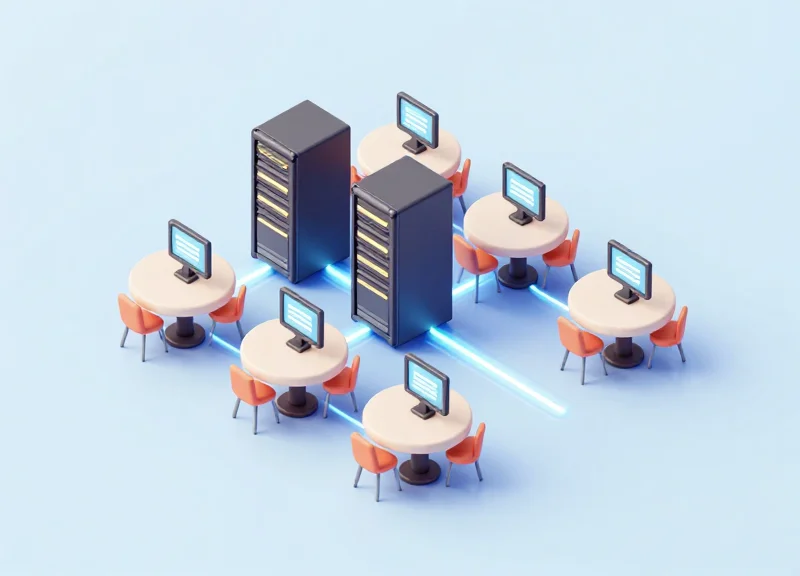
Integrating NFC with existing Electronic Shelf Label (ESL) and RFID infrastructure requires a 'unified data fabric' approach where back-end inventory systems communicate directly with front-end consumer displays. By leveraging dual-protocol chips and cloud-based middleware, dining operators can synchronize the high-frequency tracking of RFID (used for bulk inventory) with the proximity-based interaction of NFC, ensuring that the nutritional data shown to a diner is perfectly aligned with the specific batch of ingredients currently in stock.
| Technology | Primary Function | Communication Range | Primary Benefit in Dining |
|---|---|---|---|
| RFID (UHF) | Bulk Inventory Tracking | Up to 10 Meters | Automates stock intake and kitchen waste monitoring. |
| ESL (Sub-Ghz/BLE) | Dynamic Pricing/Display | Facility-wide | Updates menu prices and labels globally in seconds. |
| NFC (HF) | Consumer Interaction | Under 10 Centimeters | Delivers personalized nutritional and allergen data to phones. |
- Audit Protocol Compatibility: Ensure your ESL gateways support multi-frequency operations or utilize Bluetooth Low Energy (BLE) as a bridge to manage the NFC-enabled displays remotely.
- Middleware Centralization: Implement a central API-driven platform that pulls data from your ERP (inventory) and PIM (nutritional data) to update ESL/NFC tags in real-time.
- Deploy Dual-Frequency Tags: Utilize labels that house both an RFID inlay for warehouse logistics and an NFC antenna for customer engagement to eliminate hardware redundancy.
Expert Insight: The 'Edge-to-Plate' Synchronization. A common mistake is treating NFC as a separate digital marketing tool. In 2026, the competitive edge lies in 'Predictive Freshness.' By linking the RFID timestamp of ingredient arrival to the NFC display, the system can automatically offer a 'Flash Sale' discount on an item via the ESL if the ingredient's shelf life is nearing its end, while simultaneously updating the nutritional transparency to reflect actual ripeness levels—a feat impossible with siloed signage.
Does NFC interfere with existing RFID systems?
No. RFID typically operates on Ultra-High Frequency (UHF) bands, while NFC operates on High Frequency (HF) at 13.56 MHz. With proper shielding, they function concurrently without signal collision.
What is the primary technical hurdle for integration?
Data latency is the biggest challenge. Ensuring that a change in the ingredient database reflects on the NFC tag instantly requires a robust edge-computing gateway rather than relying solely on cloud polling.
Can legacy ESL systems be upgraded to NFC?
Most legacy ESLs lack the antenna required for NFC. However, modular systems now allow for 'clip-on' NFC overlays that can bridge the gap until a full hardware refresh is feasible.
Future-Proofing Your Business for 2026 and Beyond
To future-proof a dining establishment for 2026, owners must move beyond 'hardware-first' thinking and embrace an API-driven infrastructure where nutritional data is treated as a dynamic asset. By decoupling information from physical signage and housing it in a centralized cloud environment, businesses can push real-time updates to NFC-enabled displays and smartphone interfaces simultaneously. This ensures compliance with evolving global health regulations while providing the frictionless, data-rich experience that Gen Z and Alpha diners will demand as a baseline standard.
- Audit and Digitize Nutritional Metadata: Begin by converting all menu items into 'Atomic Data'—standardized digital objects including macro-nutrients, allergens, and sourcing origins. This data must be accessible via API to feed NFC displays and third-party health apps.
- Deploy Modular NFC Hardware: Invest in Electronic Shelf Labels (ESL) that support sub-GHz frequency for range and high-frequency (HF) NFC for customer interaction. Ensure the hardware is 'agnostic' so it can integrate with future POS systems.
- Establish a Zero-Trust Data Protocol: As you collect more diner preferences through NFC interactions, implement strict privacy protocols. Transparency in how dietary data is used is the cornerstone of brand loyalty in 2026.
- Staff Empowerment through Tech: Shift staff focus from updating prices and answering 'Is this gluten-free?' to hospitality excellence. Use the time saved by automated displays to train staff on higher-value guest interactions.
| Phase | Strategic Focus | Key Technology |
|---|---|---|
| Phase 1 (2024-25) | Infrastructure Readiness | Cloud-based CMS & API Integration |
| Phase 2 (2025) | Consumer Interaction | NFC-Enabled ESL & Smart QR Labels |
| Phase 3 (2026+) | Predictive Dining | AI-Driven Personalized Macro-Nutrient Recommendations |
Expert Tip: The 'Silicon Valley' approach to dining in 2026 is 'Atomic Menu Management.' Instead of designing a menu as a single layout, design it as a series of data points. When a customer taps an NFC tag, the system shouldn't just show a PDF; it should filter the menu data in real-time based on that specific user’s health profile (e.g., hiding high-sodium items for a hypertensive guest).
How do I integrate NFC labels with a 10-year-old POS system?
Use a 'middleware' layer. Modern NFC/ESL controllers can scrape data from legacy databases or CSV exports and format it for digital displays without requiring a full POS overhaul.
What is the expected ROI for small-to-medium enterprises?
Beyond labor savings, businesses typically see a 15-20% increase in 'high-margin' dietary-specific sales (like vegan or keto options) because customers feel more confident in the digital accuracy of the labels.
Will NFC displays become obsolete when AR glasses go mainstream?
No. NFC tags serve as the physical 'anchor' for AR experiences. Even with AR glasses, the system needs the NFC or RFID handshake to identify the specific dish and trigger the digital overlay.