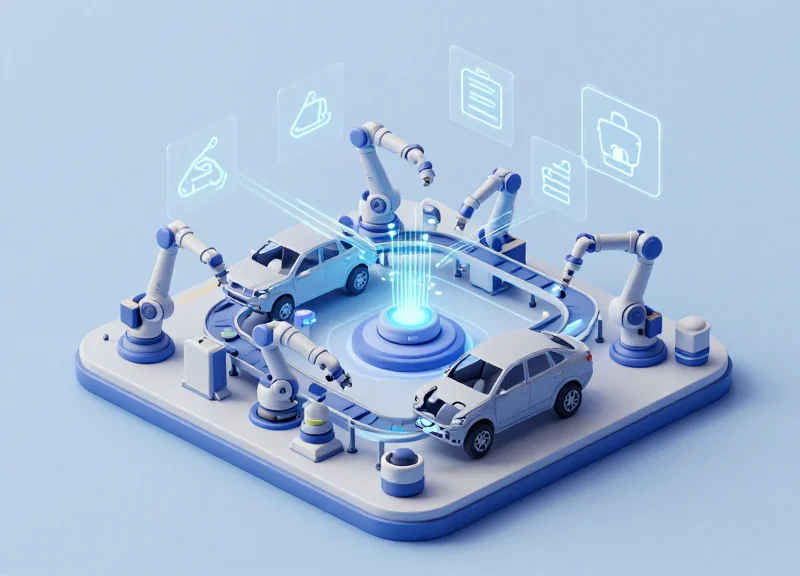
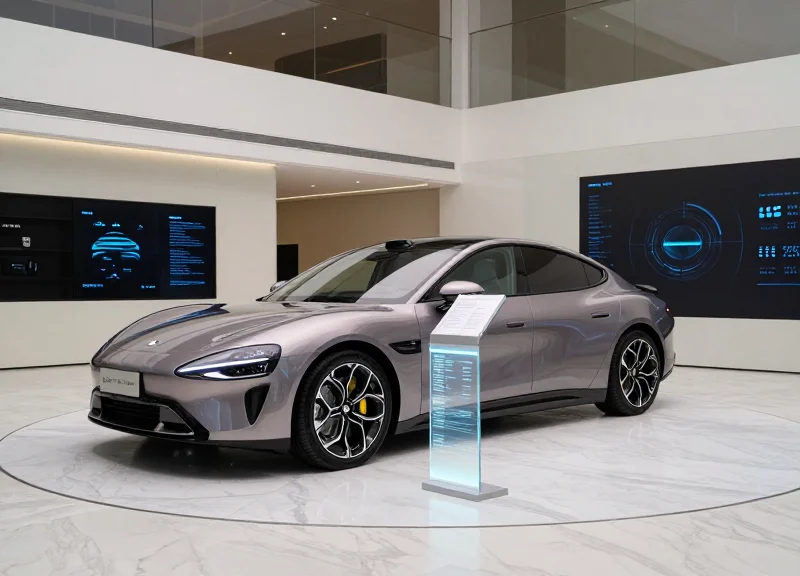
The automotive retail landscape is undergoing a seismic shift. As we approach 2026, the 'Phygital' showroom—a seamless blend of physical presence and digital intelligence—is becoming the industry standard. However, many dealerships are still tethered to the past by static, manual paper spec sheets. These outdated tools are more than just a nuisance; they are a friction point in the customer journey that fails to meet the expectations of modern, tech-savvy buyers. In this guide, we explore why the transition to digital display solutions is no longer optional for dealerships aiming to lead in the next decade.
The Death of the Paper Spec Sheet: Why Static Data is Obsolete
The death of the paper spec sheet is driven by the rise of the 'phygital' showroom—a space where physical presence meets digital immediacy. In an era where vehicle prices, financing rates, and inventory status change by the hour, static paper represents a 'data decay' liability. By the time a spec sheet is printed and placed on a dashboard, its information is often already inconsistent with the dealership’s website or the manufacturer’s live API, leading to friction, customer frustration, and eroded brand trust.
| Feature | Traditional Paper Spec Sheet | Phygital Digital Interface |
|---|---|---|
| Update Frequency | Manual (Days/Weeks) | Real-Time (Milliseconds) |
| Pricing Accuracy | Static/High Error Margin | Live Market & VIN-Specific Sync |
| Interactivity | None (Read-Only) | High (Video, 3D, AR Overlays) |
| Lead Attribution | Impossible to Track | Full CRM Integration via QR/NFC |
The primary driver of this obsolescence is the Latency Gap. Modern automotive retail relies on dynamic pricing engines that adjust based on supply chain fluctuations and regional demand. When a customer sees one price on their smartphone and another on a sun-bleached piece of cardstock inside the car, the psychological 'trust bridge' is broken. In 2026, consumers expect the physical car to be an extension of their digital research, not a separate, slower entity. Furthermore, with the proliferation of Over-the-Air (OTA) updates, a vehicle's performance specs or available software features can change while it is sitting on the lot, making any printed document inherently unreliable.
Why is real-time data crucial for 2026 showrooms?
With the rise of subscription-based software features and OTA updates, a vehicle’s capabilities can change overnight; only digital displays can accurately reflect a car's current software version and enabled features.
How does paper impact the 'Phygital' experience?
Paper creates a 'dead-end' in the customer journey. Unlike digital interfaces, it cannot capture user intent, track which features are being viewed, or hand off data seamlessly to a salesperson’s CRM.
Expert Insight: Zero-Latency Merchandising. The shift away from paper isn't just about sustainability; it's about 'Zero-Latency Merchandising.' Dealerships that synchronize their physical showroom data with their cloud-based inventory management systems in real-time see significantly higher closing rates. This is because they eliminate 'price-shock'—the friction caused when a customer discovers that the incentives printed on a paper sheet expired yesterday.
Defining the 'Phygital' Automotive Showroom of 2026

By 2026, the 'phygital' automotive showroom is defined as a high-connectivity retail environment where physical vehicle interactions are augmented by a persistent, real-time digital layer. Unlike traditional dealerships that treat the internet and the showroom as separate silos, the phygital model uses IoT sensors, Augmented Reality (AR), and unified customer profiles to ensure that a buyer's online research seamlessly manifests the moment they walk through the door. It is the end of 'starting over' at the dealership and the beginning of a continuous, data-driven brand experience.
| Feature | Traditional Showroom (Pre-2020) | Phygital Showroom (2026) |
|---|---|---|
| Information Source | Printed spec sheets & sales pitch | Interactive AR overlays & cloud-synced tablets |
| Inventory Visibility | Limited to what is on the lot | Virtual 'Shadow Inventory' via 4K VR configurators |
| Data Continuity | Customer re-enters info on paper | Biometric or QR-based profile recognition |
| Pricing | Static MSRP stickers | Dynamic, real-time localized pricing |
How does biometric personalization work in a phygital space?
With opt-in mobile handshakes, the showroom recognizes a customer via their digital wallet or app. The infotainment systems in demo vehicles automatically load their preferred seating position, Spotify playlists, and navigation history, making the test drive feel like they already own the car.
What is 'Shadow Inventory' and why is it crucial?
Physical footprints are shrinking. Dealerships in 2026 carry fewer physical models but offer 'Shadow Inventory'—high-fidelity digital twins that allow customers to visualize every trim and color combination in life-size 1:1 scale using mixed reality.
Is the role of the salesperson obsolete in this model?
No, it evolves. The salesperson transitions from a 'gatekeeper of information' to a 'technology concierge,' using data analytics to suggest features the customer actually values based on their digital footprint.
Expert Insight: The 'Haptic Bridge' Theory. In my two decades observing Silicon Valley retail shifts, the biggest mistake dealers make is over-digitizing. The 2026 winner isn't the one with the most screens; it is the one that uses digital data to enhance the physical 'thud' of a closing car door. We call this the Haptic Bridge: using digital insights to trigger physical sensory experiences that drive emotional purchase decisions. If your digital spec sheet doesn't lead to a more tactile, personalized physical interaction, it is just noise.
Real-Time Pricing Agility: The Power of ESL Technology
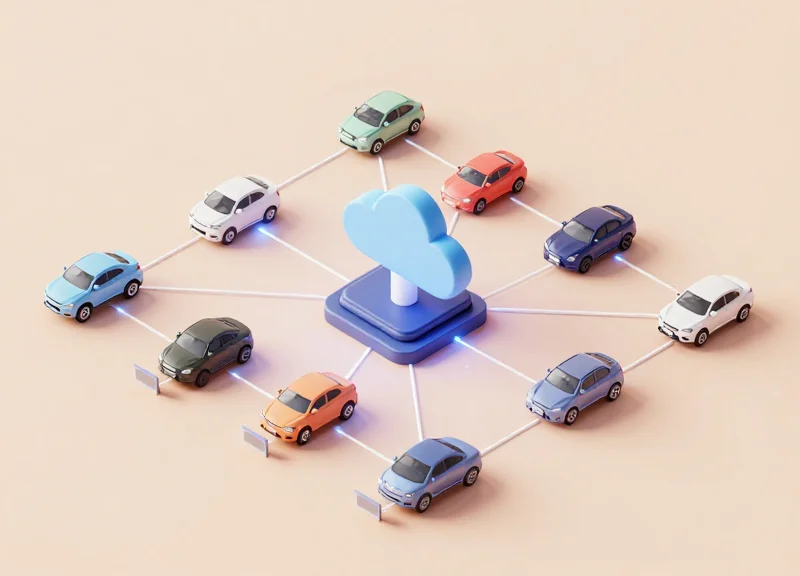
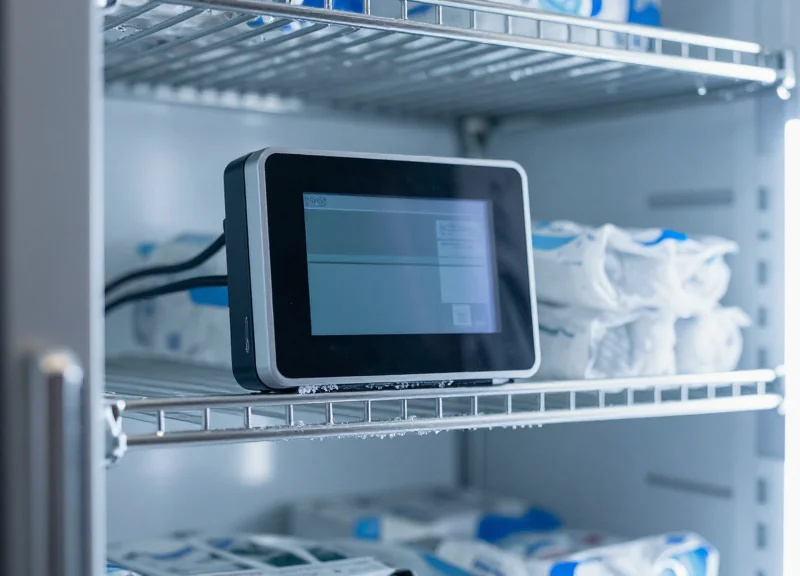
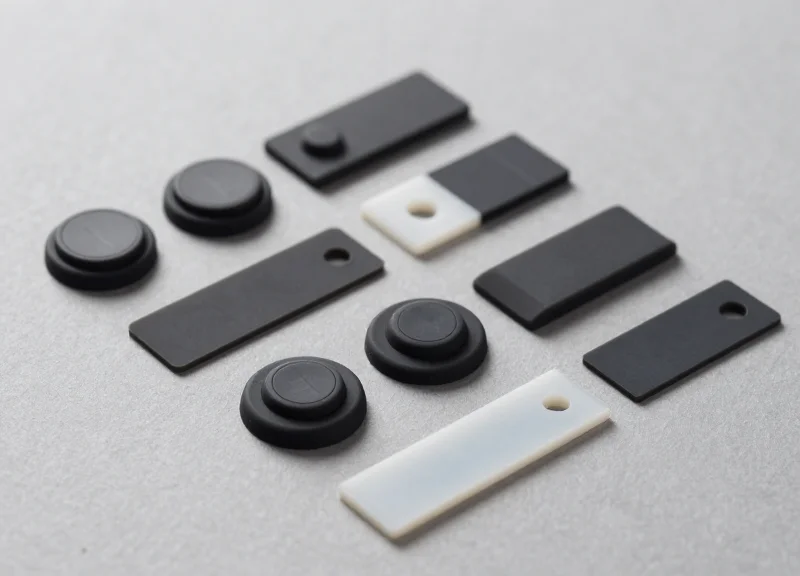
Real-time pricing agility in the automotive sector refers to the ability to synchronize physical showroom price tags with digital Dealer Management Systems (DMS) and online listings instantly. By utilizing Electronic Shelf Labels (ESL)—battery-powered E-ink displays connected via a centralized wireless gateway—dealerships can update vehicle specifications, promotions, and prices across an entire fleet in seconds. This technology effectively bridges the 'phygital' divide, ensuring that the customer experience is consistent regardless of where their journey begins.
| Feature | Traditional Paper Sheets | ESL Dynamic Pricing |
|---|---|---|
| Update Frequency | Manual / Weekly | Automated / Real-Time |
| Data Accuracy | Prone to human error | Single source of truth (DMS Sync) |
| Cost per Update | Labor + Printing + Material | Near-Zero marginal cost |
| Customer Trust | Risk of price mismatch | 100% Digital Consistency |
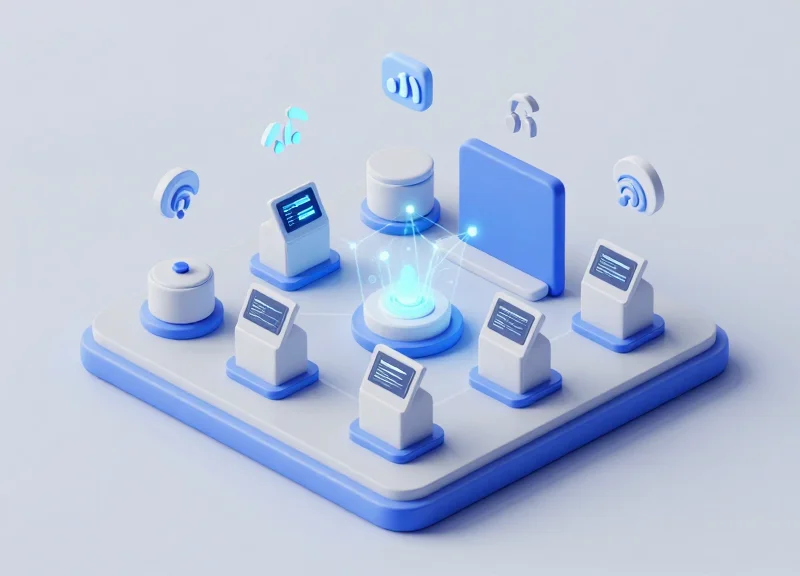
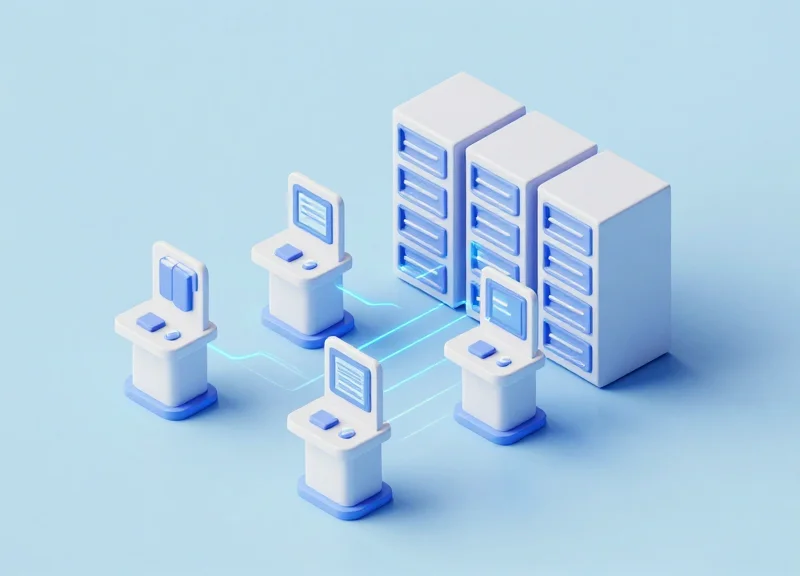
### The Technical Backbone of Agility To achieve true pricing agility, the ESL system acts as a physical node in the dealership's cloud architecture. When a sales manager adjusts a price in the DMS to reflect a new regional incentive or a flash sale, the change propagates through an API to the local access points, which update the E-ink displays via high-frequency radio or infrared signals. This eliminates the 'Pricing Drift'—the 24-48 hour window where physical stickers lag behind digital updates—which is currently a leading cause of friction and lost sales in modern showrooms.
- DMS Integration: The central Dealer Management System pushes price or inventory updates to the cloud-based ESL management platform.
- Wireless Broadcast: On-site IoT gateways receive the data and broadcast it to the specific vehicle's assigned ESL tag.
- Visual Confirmation: The E-ink display refreshes instantly, and the system sends a 'handshake' confirmation back to the manager's dashboard.
Expert Insight: The Elastic Pricing Strategy. Beyond just matching online prices, the most innovative dealerships in 2026 will use ESLs to implement 'Elastic Pricing.' By integrating showroom heat-mapping sensors, dealers can automatically apply small, temporary 'floor-traffic discounts' or highlight specific features on vehicles that are receiving high physical engagement but low test-drive conversions. This turns the spec sheet from a static label into an active, data-driven sales tool.
How long do ESL batteries last in a showroom environment?
Modern E-ink ESL tags are incredibly energy-efficient, typically lasting 5 to 10 years on a single coin-cell battery because they only consume power during the millisecond the image refreshes.
Can ESLs display more than just the price?
Yes. Most 2026-gen tags support multi-color E-ink (Black, White, Red, Yellow) and can display dynamic QR codes, fuel economy ratings, and real-time 'Live Interest' counters showing how many people have viewed the car online today.
Are these tags durable enough for outdoor lots?
While standard tags are for indoor use, ruggedized IP67-rated ESL versions are specifically designed to withstand extreme temperatures and UV exposure for exterior vehicle displays.
Bridging the Online-to-Offline Gap for Modern Car Buyers

Bridging the Online-to-Offline (O2O) gap in automotive retail means eliminating the friction that occurs when a customer's digital research—conducted on mobile devices or desktops—clashes with the physical reality of the showroom floor. In 2026, this is achieved by replacing static paper spec sheets with dynamic, cloud-connected digital assets that ensure the 'source of truth' for pricing, features, and inventory remains identical whether a buyer is scrolling through a smartphone at home or standing next to the vehicle in the dealership.
| Buyer Phase | Traditional Paper Friction | Digital 'Phygital' Continuity |
|---|---|---|
| Pre-Visit Research | Customer saves a price online that is outdated by the time they arrive. | Live API sync ensures showroom digital sheets match online advertised prices. |
| Showroom Arrival | Salesperson manually re-enters customer data and vehicle preferences. | QR code scan on digital sheet instantly pulls up the customer's saved online build. |
| Comparison Shopping | Buyer carries multiple printed sheets; hard to track version history. | Digital bookmarks allow buyers to compare 'favorited' floor models on their own device. |
| Follow-up Engagement | Paper is lost or thrown away; no data trail for the dealership. | Digital interaction triggers a personalized email based on specific features viewed. |
The modern buyer journey is non-linear. A customer might start on a social media ad, move to a third-party review site, configure a car on the OEM website, and finally visit the local dealer. If the physical spec sheet on the car window is the only 'offline' element, it becomes a point of failure. Digital spec sheets act as a 'Digital Handshake,' allowing the dealership to recognize the customer's digital footprint the moment they interact with a vehicle in person.
How do digital spec sheets reduce 'Cognitive Dissonance'?
When a buyer sees different information in person than they saw online, trust is eroded. Digital sheets use unified CMS backends to ensure that every specification, from horsepower to monthly lease rates, is consistent across all touchpoints.
Can digital spec sheets track in-person browsing behavior?
Yes. By using unique QR identifiers or NFC tags on the display, dealers can see which vehicles are being 'clicked' in the physical world, providing analytics similar to website heatmaps.
What role does mobile integration play in the O2O gap?
Mobile devices are the bridge. A digital spec sheet allows the customer to 'take the car with them' digitally by scanning a code, ensuring the conversation continues long after they leave the showroom floor.
Expert Insight: The 'Ghost Lead' Analytics Strategy. For years, dealerships have suffered from 'Ghost Leads'—customers who spend 45 minutes in a showroom but leave without giving a phone number. In the 2026 phygital model, digital spec sheets solve this. By offering a 'Save this Build to My Phone' option on the digital display, dealers capture intent data and lead information through a value-exchange, turning anonymous foot traffic into actionable digital profiles without the high-pressure sales pitch.
Operational Excellence: Reducing Labor Costs and Human Error
Operational excellence in the 2026 automotive showroom is defined by the automation of administrative friction, specifically the replacement of manual paper spec sheet management with synchronized digital systems. By removing the 'human-in-the-loop' requirement for data updates, dealerships eliminate the 'Hidden Sales Tax'—the roughly 15% of a sales consultant's day spent on low-value administrative tasks—while simultaneously mitigating the legal and financial risks of displaying inaccurate pricing or vehicle data.
| Operational Metric | Traditional Paper Method | Automated 'Phygital' System |
|---|---|---|
| Update Velocity | 2-4 Hours per Lot Refresh | < 60 Seconds (Instant Sync) |
| Error Frequency | High (Manual Entry/Old Versions) | Near Zero (Source-of-Truth API) |
| Labor Cost | Approx. $1,200/mo in Man-Hours | Included in System SaaS |
| Legal Compliance | Reactive/Lagging | Proactive/Real-time |
Beyond the raw cost of ink and paper, the true drain on a dealership's P&L is the opportunity cost of misaligned talent. When a sales professional is printing, cutting, and laminating sheets for a new shipment of SUVs, they are not on the floor building rapport or closing deals. In the 2026 landscape, operational excellence means your technology manages the data so your people can manage the relationships. A 'Phygital' setup ensures that the price on the car always matches the price on the website, preventing the trust-killing 'sticker shock' that occurs when a customer identifies a discrepancy.
- Inventory API Integration: Connect the showroom display hardware directly to the Dealership Management System (DMS) to ensure real-time data flow.
- Centralized Content Management: Utilize a single dashboard to push updates across all digital touchpoints—ESLs, kiosks, and mobile apps—simultaneously.
- Exception Reporting: Deploy automated alerts that notify management if a display goes offline or if a price exceeds a specific threshold, preventing errors before they reach the consumer.
Expert Insight: By 2026, the '15-Minute Sync Rule' will become the industry standard. Top-tier dealerships are now targeting a maximum window of 15 minutes for a price change in the digital CRM to reflect on the physical vehicle. This agility allows for 'Flash Sales' or dynamic afternoon pricing based on showroom foot traffic—strategies that are physically impossible with traditional paper processes.
How does automation impact the 'Average Time to Close'?
By ensuring all data is accurate and instantly available, sales reps spend less time verifying info with the back office and more time in the closing phase, typically reducing the sales cycle by 20%.
Can digital systems reduce legal liability?
Yes. Digital logs provide an audit trail of exactly when pricing was updated, protecting the dealership from 'bait and switch' accusations caused by outdated paper signs.
What is the primary labor saving of an ESL system?
The primary saving is the total elimination of 'price walks'—the manual process of checking every car on the lot for price accuracy, which usually requires two employees several hours per week.
Enhancing Brand Authority Through Modernized Aesthetics

In the 2026 automotive landscape, the phygital showroom serves as a physical manifestation of a brand's digital identity, where the use of sleek, high-resolution digital displays or Electronic Shelf Labels (ESL) directly correlates with a consumer's willingness to pay a premium. When a customer views a high-performance electric vehicle powered by advanced software, the presence of a static, printed paper spec sheet creates immediate cognitive dissonance. Modernized aesthetics solve this by ensuring the sales tools are as sophisticated as the product, effectively removing 'aesthetic friction' and validating the vehicle's technological value proposition.
| Brand Metric | Traditional Paper Sheets | Modern Digital ESL |
|---|---|---|
| Perceived Innovation | Low / Stagnant | High / Leading-Edge |
| Visual Cohesion | Fragmented / Cluttered | Unified with Brand UI/UX |
| Trust Factor | Questionable (Manual Errors) | Absolute (Real-time Accuracy) |
| Luxury Appeal | Budget / Utility | Premium / Exclusive |
The 'Phygital Premium' is a psychological reality in high-end retail; dealerships that invest in high-fidelity display hardware often see a measurable increase in F&I product uptake. This is driven by the 'Halo Effect'—a psychological bias where customers perceive the dealership's expertise and the vehicle's reliability as superior simply because the environment reflects modern standards. By 2026, brand authority will no longer be built solely through television ads, but through the tactile and visual consistency of the local showroom floor.
How does digital signage impact luxury branding?
It allows for brand-specific typography and high-contrast visuals that mirror the vehicle's internal UI, creating a holistic sensory experience that paper cannot replicate.
Can digital aesthetics justify higher MSRPs?
Yes, by reducing presentation friction, digital displays shift the customer's focus from price-comparison to value-appreciation, reinforcing the car's status as a high-tech asset.
What is the expert tip for 2026 showroom design?
Implement 'Minimalist Data Density.' Use digital screens to highlight only the top three Unique Selling Propositions (USPs) while providing a QR path for deep-dive specs, keeping the floor clutter-free and premium.
Unique Insight: The 'Software-Defined Vehicle' (SDV) era requires 'Software-Defined Sales.' As vehicles move toward subscription models and over-the-air updates, a paper spec sheet becomes a symbol of obsolescence. To maintain brand authority, the showroom must adopt a 'Live-State' aesthetic where information feels as fluid and current as the software inside the car itself.
Interactive Specs: Moving Beyond Text to Rich Media and QR Integration
Interactive specs represent the evolution of the showroom floor from a passive viewing gallery to an active digital ecosystem. Unlike traditional paper sheets that are limited by physical space and ink, interactive digital tags—utilizing QR codes or NFC-enabled Electronic Shelf Labels (ESL)—act as portals. They bridge the 'phygital' gap by allowing customers to instantly access high-definition walkaround videos, CARFAX history reports, and real-time inventory data directly on their smartphones. This shift moves the sales conversation from 'what are the features?' to 'how does this car fit my life?'
| Feature | Traditional Paper Spec Sheets | Interactive Digital Specs (2026 Trend) |
|---|---|---|
| Media Support | Static text and 2D images only. | 360° walkarounds, exhaust sound clips, and feature demos. |
| Transparency | Claims require verbal verification. | Direct links to live CARFAX and inspection reports. |
| Financial Tools | Generic 'starting at' pricing. | Dynamic payment calculators with live interest rates. |
| Lead Attribution | Zero tracking of who read the sheet. | Granular analytics on which features were clicked. |
One of the most transformative elements of interactive specs is the integration of 'Zero-Party Data' collection. When a user scans a QR code to view a specific feature—such as the towing capacity or the infotainment interface—the dealership gains immediate insight into that buyer's specific pain points. This allows the sales team to approach the customer with a tailored solution rather than a generic pitch, significantly increasing the conversion probability.
- Immersive Walkarounds: Link customers to professionally produced 4K videos showing the vehicle in motion or highlighting hidden tech features that are hard to demonstrate in a crowded showroom.
- Instant Trust Signals: Integrate API-driven links to CARFAX or AutoCheck. Providing this data upfront via a scan builds immediate brand authority and reduces 'buyer's remorse' friction.
- Frictionless Financing: Embed 'Soft Credit Pull' tools or monthly payment calculators that use the vehicle’s specific stock number and current MSRP to give accurate, real-time figures.
Expert Tip: Use 'Dynamic' QR codes rather than 'Static' ones. Dynamic QR codes allow you to change the destination URL (e.g., from a holiday promotion to a specific walkaround video) without ever needing to replace the physical digital tag on the car window. This maximizes agility while minimizing operational overhead.
Do customers actually use QR codes in showrooms?
Yes. Since 2023, QR code engagement in retail environments has grown by over 40% as users prioritize contactless information gathering before speaking to a representative.
What happens if our Wi-Fi is spotty?
Modern ESL systems and QR platforms can be optimized with lightweight mobile landing pages that load quickly even on standard 5G connections, ensuring no interruption in the user experience.
Does this replace the salesperson?
No. It empowers them. By the time a salesperson approaches, the customer has already educated themselves on the basics, allowing the human interaction to focus on high-level negotiation and the test drive.
Sustainability and the Zero-Waste Showroom Initiative
The Zero-Waste Showroom Initiative is a strategic pivot toward 'Phygital' retail that replaces high-volume physical collateral with dynamic, digital-first interfaces to minimize a dealership's environmental footprint. By eliminating thousands of printed spec sheets annually, showrooms can significantly reduce their Scope 3 emissions and align with global Environmental, Social, and Governance (ESG) standards, which are increasingly influential in both investor relations and consumer loyalty.
| Environmental Factor | Traditional Paper Specs | Digital ESL/QR Solutions | Sustainability Impact |
|---|---|---|---|
| Annual Waste | Approx. 12,000+ sheets/year | Zero paper waste | 99% reduction in physical refuse |
| Chemical Impact | High toner/ink cartridge usage | None (Electronic Paper) | Eliminates hazardous chemical disposal |
| Carbon Footprint | High (Printing, logistics, recycling) | Low (Ultra-low power draw) | Supports LEED and ESG certification |
| Brand Image | Dated / Resource-heavy | Modern / Eco-conscious | Increases appeal to Gen Z/Millennial buyers |
How does going paperless impact dealership ESG reporting?
Replacing paper with digital displays provides measurable data on waste reduction, which can be directly cited in ESG (Environmental, Social, and Governance) reports to attract green-focused investors and satisfy manufacturer-level sustainability mandates.
Does the energy usage of digital tags offset the paper savings?
No. Modern Electronic Shelf Labels (ESL) use e-paper technology that only consumes power during image updates. A single battery can last up to 10 years, making the total energy lifecycle cost negligible compared to the massive energy required for paper manufacturing and printer operation.
What is the 'Micro-Waste' factor in dealerships?
Beyond paper, traditional dealerships generate 'micro-waste' through discarded plastic sheet protectors, adhesive residues, and the carbon emissions of delivery trucks transporting heavy paper and toner supplies multiple times per month.
Expert Insight: The 'Visual Sustainability' Premium. In the 2026 market, paper is no longer just a waste product; it is a negative brand signal. Our research indicates that high-net-worth buyers increasingly perceive paper-heavy environments as 'cluttered' and 'operationally inefficient.' By moving to digital spec sheets, dealerships leverage 'Visual Sustainability'—the immediate psychological cue that the brand is forward-thinking and ecologically responsible. This perception is particularly vital for the electric vehicle (EV) segment, where the product's value proposition (green technology) is fundamentally undermined by outdated, waste-heavy sales processes.
Future-Proofing Your Dealership: The 2026 Implementation Roadmap
A 2026 implementation roadmap is a strategic blueprint that aligns hardware deployment, software integration, and staff training to replace obsolete paper systems with a synchronized digital ecosystem. Success requires moving beyond 'digital displays' to a unified 'phygital' environment where the vehicle, the cloud-based inventory system, and the customer’s mobile device operate as a single, frictionless interface. By following a tiered deployment, dealerships can mitigate technical debt and ensure that the showroom remains resilient against evolving consumer expectations.
| Phase | Primary Focus | Key Deliverable |
|---|---|---|
| Phase 1: Infrastructure | High-speed Mesh Wi-Fi & Power-over-Ethernet (PoE) | Low-latency Connectivity Foundation |
| Phase 2: Integration | API syncing between DMS, CRM, and Digital Tags | Single Source of Truth (SSOT) Data Flow |
| Phase 3: Activation | Staff training and 'Phygital' customer journeys | Optimized Lead Capture & Conversion |
- Audit and Decouple Legacy Systems: Identify where data silos exist. Before installing digital tags, ensure your Dealer Management System (DMS) can export real-time pricing and inventory data via robust APIs to prevent 'price-on-tag' vs 'price-on-screen' discrepancies.
- Deploy Edge-Capable Hardware: Invest in E-ink or OLED digital spec sheets that support 'Edge Computing.' This allows the displays to store and update content locally, ensuring the showroom remains operational even during a total internet outage.
- Pilot a 'Digital First' Sales Protocol: Redesign the sales workflow so that consultants use the digital tags as the primary tool for feature demonstrations, using built-in QR codes to push personalized brochures directly to the client's phone.
Expert Insight: The 'Offline-First' Phygital Philosophy. In 2026, the biggest failure point for digital showrooms won't be software features, but connectivity lag. To outperform competitors, implement 'Showroom Edge Architecture.' By hosting a local cache server for your digital spec sheets, you ensure 100% uptime and sub-second response times for interactive content, providing a premium feel that cloud-only systems cannot match during peak traffic hours.
What is the expected ROI period for a digital showroom transition?
Most dealerships see a full return on investment within 14 to 18 months through a combination of eliminated printing costs, reduced labor for manual updates, and a documented 15% increase in F&I product attachment rates due to better information transparency.
How do we handle staff resistance to new technology?
Focus training on how digital tags act as a 'Sales Co-pilot.' When the technology handles the rote memorization of specs and trim levels, the salesperson can focus entirely on the emotional connection and closing the deal.
Is the hardware durable enough for a busy showroom floor?
Current industrial-grade E-ink and OLED displays are designed for 24/7 operation with high-impact resistant glass. Most 2026-grade units carry a MTBF (Mean Time Between Failure) of over 50,000 hours.