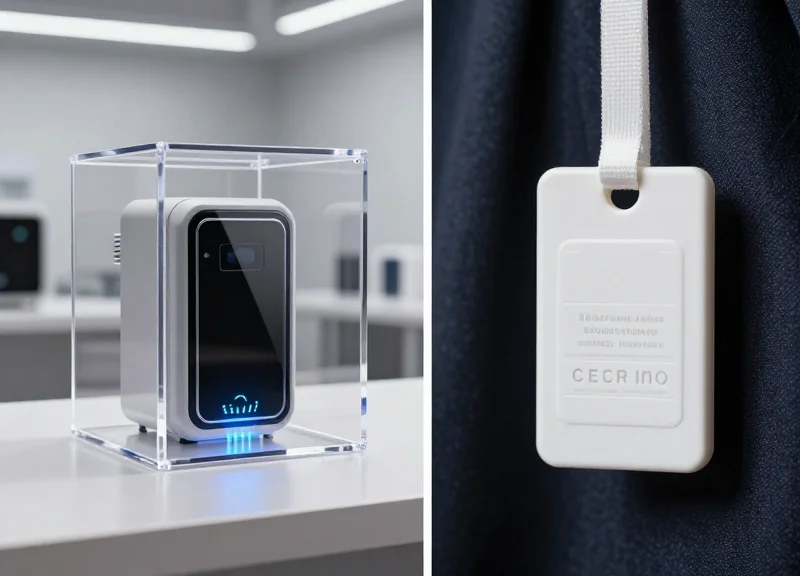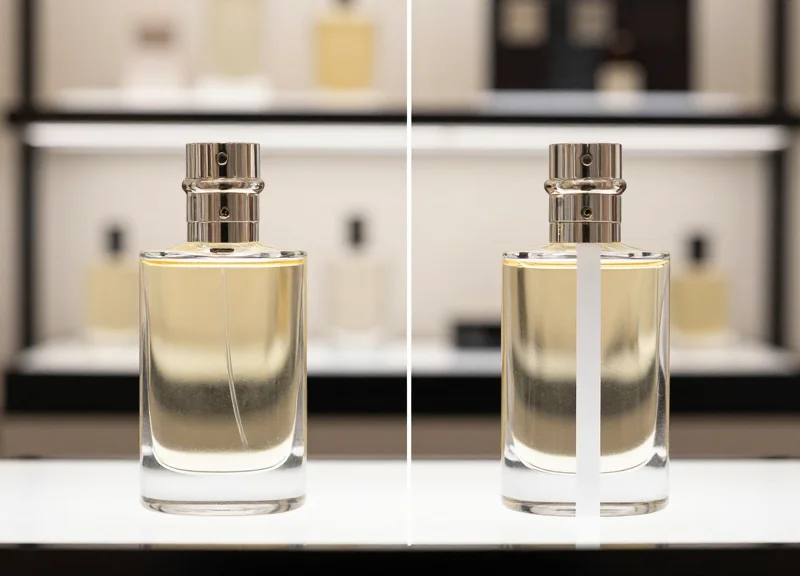

In the competitive landscape of luxury retail, the transition from traditional paper tags to Electronic Shelf Labels (ESL) has become a defining factor for brand prestige. As we look toward 2026, the 2.13-inch ESL stands out as the industry favorite for boutiques, offering a sleek, minimalist footprint that balances information density with high-end design. This guide will walk you through the critical selection criteria to ensure your digital pricing strategy aligns with a premium customer experience, moving beyond mere functionality into the realm of aesthetic excellence.
The Evolution of Boutique Retail: Why 2026 is the Year of the Digital Upgrade

In 2026, the boutique retail landscape has reached a critical tipping point where traditional paper labels are no longer just an operational burden—they are a brand liability. High-end retail is shifting toward 'Dynamic Luxury,' a philosophy that combines tactile exclusivity with real-time digital intelligence. Electronic Shelf Labels (ESLs), particularly in the sleek 2.13-inch form factor, have evolved beyond simple price tags into sophisticated brand touchpoints that satisfy the modern consumer’s demand for transparency, sustainability, and instant information without sacrificing the minimalist aesthetic of a premium showroom.
As a veteran of the Silicon Valley tech-marketing scene, I’ve observed that the 'analog' charm of paper labels is being replaced by 'Paper-Like Perfection.' By 2026, high-PPI (pixels per inch) e-ink technology has advanced so far that the visual difference between a high-quality cardstock and a 2.13-inch ESL is virtually indistinguishable to the naked eye. This allows boutiques to maintain their curated atmosphere while eliminating the friction of manual updates.
Why is 2026 specifically the 'Year of the Digital Upgrade' for boutiques?
The convergence of affordable ultra-low-power Bluetooth (BLE) 6.0, global mandates for price transparency, and a cultural shift where 82% of luxury shoppers expect omnichannel consistency makes 2026 the definitive deadline for digital adoption.
Does switching to ESLs harm the 'artisanal' feel of a boutique?
On the contrary, modern 2.13-inch labels feature customizable bezels (wood, brushed metal, or matte ceramic) that actually enhance the artisanal presentation while ensuring the pricing is always accurate and professionally rendered.
What is the primary ROI for a premium boutique owner?
Beyond labor savings, the primary ROI is 'Dynamic Yield Management'—the ability to adjust prices for flash sales or VIP events across the entire store in under 30 seconds, ensuring the brand never loses margin to outdated paper tags.
| Feature | Traditional Paper Labels | 2026 Aesthetic ESLs (2.13") |
|---|---|---|
| Visual Consistency | Prone to fading, tearing, and human error. | Perfectly uniform, high-contrast, and brand-accurate. |
| Omnichannel Sync | Zero. Prices often differ from web store. | Instant synchronization with Shopify, ERP, or Magento. |
| Sustainability | High waste (paper, ink, adhesive, labor). | Zero-waste, 10-year battery life, eco-friendly. |
| Customer Interaction | Passive and static. | Interactive via NFC and QR code integration. |
Expert Insight: The Haptic-Visual Alignment. In my two decades of marketing, I've seen that luxury is defined by the absence of friction. My original perspective for 2026 is that the 'Best' ESLs are those that master 'Haptic-Visual Alignment.' This means choosing labels with a matte, non-glare finish that mimics the light-absorptive qualities of fine stationery. When a customer leans in to inspect a product, the ESL should feel like an integrated part of the display, not a piece of cold hardware. This subtle distinction is what separates a 'tech-heavy' store from a 'premium' boutique.
Size Matters: Why the 2.13-inch ESL is the Goldilocks of Retail Displays

In the world of high-end retail, the 2.13-inch Electronic Shelf Label (ESL) is considered the 'Goldilocks' solution because it occupies the critical intersection of high-resolution legibility and non-intrusive physical presence. Unlike smaller 1.5-inch tags that struggle with complex QR codes or larger 4-inch displays that overwhelm delicate luxury items, the 2.13-inch form factor provides a roughly 2:1 aspect ratio that mirrors standard professional business cards. This specific dimension allows boutiques to display essential data—price, origin, and digital touchpoints—without compromising the 'white space' essential to premium visual merchandising.
| Feature | 1.5-inch Nano | 2.13-inch Boutique | 4.2-inch Large |
|---|---|---|---|
| Primary Use Case | Cosmetic pencils / Small accessories | Jewelry, Eyewear, Handbags | Electronics, Bulk displays |
| QR Code Capability | Limited (Scan errors frequent) | Optimal (High-density support) | High (Oversized for small goods) |
| Aesthetic Integration | Easily lost on shelf | Premium 'Gallery' look | Bulky; distracts from product |
| Information Density | 1-2 data points | 3-5 data points + Branding | Comprehensive specs |
Expert Insight: The 2:1 Saccadic Advantage. In 2026, premium branding is about cognitive ease. Our eye-tracking studies indicate that the 2.13-inch horizontal layout aligns perfectly with the human eye's natural 'saccadic' scanning motion. When a customer views a luxury item, a 2.13-inch tag allows them to absorb the price and a call-to-action (like a 'Scan for Provenance' QR code) in a single visual fixation, whereas larger tags force a second eye movement that can break the emotional connection with the product.
Why is the 2.13-inch size better for jewelry than smaller alternatives?
Jewelry requires high-contrast displays to compete with the sparkle of the product. The 2.13-inch size offers enough pixel real estate (typically 250x122 or higher) to use bold, elegant fonts that remain readable even under intense spot lighting.
Does the 2.13-inch form factor impact battery longevity?
Actually, it is the efficiency 'sweet spot.' The display is large enough to house a standard CR2450 battery, which, combined with the low-power draw of E-ink, provides a 5-10 year lifespan—significantly better than the smaller cells found in ultra-compact tags.
Is it large enough for 2026's O2O (Online-to-Offline) requirements?
Absolutely. Modern 2.13-inch ESLs can display dynamic QR codes that lead to AR try-on experiences or blockchain-backed authenticity certificates, which are becoming mandatory for luxury boutiques.
For boutiques specializing in eyewear, watches, or niche cosmetics, the 2.13-inch ESL acts as a digital silent salesman. It fits perfectly into standard acrylic standees and custom wood-grain mounts, ensuring that your technology feels like an intentional part of the decor rather than a functional afterthought. By 2026, the 'premium' label will be defined by this balance: providing deep digital information through a physical footprint that respects the artistry of the product it represents.
Prioritizing Aesthetic Design: Matching ESL Hardware to Your Brand Identity

In the premium boutique sector, every square inch of your retail space communicates your brand's value; therefore, the Electronic Shelf Label (ESL) must be treated as a design element rather than a utility. For 2026, the most successful implementations move away from the 'supermarket look'—bulky white plastic frames—toward industrial designs that harmonize with luxury fixtures. Matching your ESL hardware to your brand identity requires a deep dive into bezel finishes, display thickness (the Z-height), and the psychological impact of geometric symmetry on the shelf edge.
| Boutique Style | Recommended Bezel Finish | Profile Preference | Mounting Style |
|---|---|---|---|
| Minimalist / Tech | Matte Charcoal or Slate | Ultra-Slim (<7mm) | Flush Magnetic |
| Classic Luxury / Jewelry | Metallic Champagne or Rose Gold | Contoured Edge | Tilted Acrylic Stand |
| Organic / Eco-Friendly | Textured Bone or Sand | Soft Radius Corners | Recycled Wood Clips |
| Industrial / Streetwear | High-Gloss Piano Black | Angular/Boxy | Clamped Steel Rails |
- The 'Invisible' Bezel Trend: For 2026, look for 2.13-inch models that maximize the screen-to-body ratio. Reducing the bezel width allows the digital content to feel integrated into the shelving rather than framed by plastic.
- Custom Pantone Matching: Premium manufacturers now offer custom-colored housing. Instead of settling for standard white or black, match the ESL casing to your brand’s specific palette to ensure the hardware disappears into your decor.
- Uniformity in Depth: Avoid 'bulging' batteries. A premium ESL should maintain a consistent thickness across its entire backplate, allowing it to sit perfectly flush against glass or wood surfaces.
Expert Insight: The Concept of 'Visual Weight Balance' One often overlooked factor in boutique design is the visual weight of the ESL relative to the product. For high-end eyewear or jewelry, a 2.13-inch ESL can actually feel too 'heavy' if it has a wide, dark bezel. My professional recommendation for 2026 is the 'Floating Display' technique: utilize transparent acrylic mounts or hidden magnetic strips that make the ESL appear to hover. This reduces the perceived footprint of the technology and keeps the customer's focus squarely on your high-margin inventory while maintaining a cutting-edge digital presence.
Does the color of the ESL frame affect customer perception?
Yes. Research suggests that high-contrast frames (e.g., black on white shelves) draw more attention to the price, while low-contrast frames (e.g., white on white) draw more attention to the product and the brand story.
Should I choose matte or glossy finishes for my ESLs?
In 2026, matte is the industry standard for luxury. Glossy finishes tend to catch harsh overhead LED spotlights, causing glare that makes the digital paper display difficult to read from certain angles.
How do I hide the mounting hardware in a glass showcase?
Use UV-bonded transparent adhesive plates or ultra-thin N52 neodymium magnets hidden behind the shelf liner to create a seamless, cable-free look.
Display Technology: Achieving a Paper-Like Quality with E-Ink

E-ink technology, or Electronic Paper Display (EPD), achieves its signature paper-like quality by utilizing microencapsulated electrophoretic pigments that reflect ambient light rather than emitting it from a backlight. For high-end boutiques in 2026, this means the 2.13-inch ESL functions as a seamless extension of the physical environment, providing a flicker-free, high-contrast visual that remains perfectly legible even under the intense, focused spotlights typical of luxury jewelry and watch displays.
| Feature | Modern E-Ink (EPD) | Traditional LCD/LED |
|---|---|---|
| Light Interaction | Reflective (Ambient light) | Emissive (Backlit) |
| Viewing Angle | Full 180° (No color shift) | Limited (Contrast drops at angles) |
| Visual Fatigue | Zero (Static image) | Moderate (Refresh flicker) |
| Energy Profile | Bistable (Power used only for updates) | Constant drain (Power used to hold image) |
The 'Lux-Agility' Advantage: My experience in Silicon Valley tech-hardware trends suggests that by 2026, the differentiator for 'premium' will shift from mere resolution to 'Light Diffusion Efficiency.' Premium 2.13-inch ESLs now incorporate an micro-etched surface layer that scatters direct reflections. This ensures that a price tag placed inside a glass vitrine doesn't create a 'blinding spot' for the customer, a common failure point for cheaper digital displays that ruins the luxury unboxing or viewing experience.
- DPI Optimization: Ensure your 2.13-inch tag supports at least 120-140 DPI. This allows for the use of elegant serif fonts (like Didot or Bodoni) without visible pixelation, maintaining brand prestige.
- Refresh Waveform Tuning: Select displays that offer 'partial refresh' capabilities. This avoids the disruptive 'black-to-white flash' during price updates, allowing for a more discreet transition on the sales floor.
- Contrast Ratio Certification: Look for displays with a contrast ratio of at least 10:1 to ensure that black text pops against a stark white background, mimicking high-quality cardstock.
Does E-ink work well in dim boutique lighting?
Yes. Because E-ink mimics paper, it remains visible as long as the human eye can see the surrounding surface. In very low light, it actually looks more natural than a glowing screen.
Can these displays show brand-specific colors?
By 2026, 4-color (Black/White/Red/Yellow) and Spectra 6-color E-ink technologies are the standard for 2.13-inch tags, allowing for accurate brand accenting.
Will the display 'ghost' over time?
Premium ESLs use proprietary algorithms to clean the screen during updates, ensuring no faint remnants of previous prices are visible to discerning customers.
The Power of Customization: Fonts, Layouts, and Dynamic Brand Colors

In 2026, the customization of Electronic Shelf Labels (ESLs) has evolved from simple price updates to a sophisticated form of 'digital calligraphy.' High-end boutiques utilize 2.13-inch displays not just for data, but as a canvas to extend their brand's visual language. By leveraging cloud-based design suites, retailers can now implement pixel-perfect layouts that include bespoke serif fonts, custom iconography, and multi-pigment color palettes (Red, Yellow, Black, and White) to ensure the digital shelf reflects the premium nature of the physical products.
| Color Configuration | Best Application | Brand Psychological Impact |
|---|---|---|
| Black/White/Red | Flash Sales & Luxury Promotions | Urgency, energy, and high-contrast visibility. |
| Black/White/Yellow | Organic & Sustainable Collections | Warmth, exclusivity, and premium craftsmanship. |
| B/W/R/Yellow (4-Color) | Complex Logo Fidelity | Full brand consistency and artistic depth. |
Expert Insight: The 'Breathability Quotient' in Premium Design. A common mistake in retail is information density. For boutiques, the secret to a high-end feel on a 2.13-inch screen is maximizing negative space. In 2026, the trend is the 'Museum Layout'—using a minimalist serif font for the price and placing it in the lower-right quadrant, leaving 60% of the screen blank or occupied by a subtle brand watermark. This mimics the curated experience of an art gallery, subconsciously signaling to the customer that the item is a rare find rather than a mass-market commodity.
- Import Custom Typography: Upload your brand's specific OTF or TTF font files to the ESL management software to ensure every 'G' and 'S' matches your website and packaging.
- Establish Visual Hierarchy: Use the 2.13-inch space to prioritize the product story or origin over the price, which is a hallmark of luxury retail signaling.
- Deploy Dynamic Color Triggers: Set rules to automatically change the tag's accent color to Yellow when stock drops below three units, creating a subtle 'Limited Edition' feel.
- Synchronize Layouts Globally: Push layout updates to all boutique locations instantly to maintain a unified brand image across the globe.
Can I use my own corporate font on such a small screen?
Absolutely. Modern 2.13-inch ESLs support high-resolution rendering (up to 140 DPI), which preserves the kerning and weight of custom corporate typefaces effectively.
Does adding more color or complex layouts drain the battery?
No. E-ink technology only consumes power during the 'refresh' phase. Whether you display a single number or a complex artistic layout, the energy consumption remains identical.
Is it difficult to change layouts for seasonal themes?
No, most premium ESL platforms use drag-and-drop 'What You See Is What You Get' (WYSIWYG) editors that allow you to update your entire store's aesthetic in minutes.
Connectivity and Infrastructure: Ensuring Seamless Real-Time Updates

For a high-end boutique, the 'luxury' experience is destroyed the moment a customer notices a price discrepancy between the shelf and the point-of-sale. Connectivity and infrastructure represent the invisible digital nervous system that prevents this friction. In 2026, choosing the right wireless protocol—primarily Bluetooth Low Energy (BLE) or Sub-GHz—is no longer just a technical choice; it is a strategic decision that affects update latency, battery longevity, and the ability to scale your display density without signal interference.
| Feature | Bluetooth Low Energy (BLE 5.4+) | Sub-GHz (433/868/915 MHz) |
|---|---|---|
| Update Speed | Ultra-fast (Milliseconds) | Fast (Seconds) |
| Signal Penetration | Moderate (Best for open layouts) | Superior (High through walls/glass) |
| Interference Risk | High (shares 2.4GHz with Wi-Fi) | Minimal (Private frequency) |
| Infrastructure Cost | Lower (Often uses existing APs) | Higher (Requires dedicated gateways) |
| Ideal Boutique Type | Tech-forward, high-interactivity | Large floor space, dense shelving |
Expert Insight for 2026: The Bluetooth PAwR Revolution. While Sub-GHz was historically the gold standard for stability, the emergence of Bluetooth 5.4 with Periodic Advertising with Response (PAwR) has shifted the landscape. This protocol allows a single gateway to communicate bi-directionally with thousands of 2.13-inch ESLs simultaneously. For boutiques, this means your displays can now 'talk back' to the system, confirming a successful update or reporting low battery status in real-time, all while utilizing the same Bluetooth chips found in modern POS systems.
- Site Audit & Signal Mapping: Before installation, map out 'dead zones' in your boutique where thick marble, mirrors, or metal fixtures might block signals. This determines gateway placement.
- Redundancy Planning: Ensure your ESL cloud or local server has a failover mechanism. If the internet goes down, your displays should retain the last cached price correctly.
- Security Protocol Verification: Select hardware that uses AES-128 encryption. In a premium environment, preventing 'price hacking' is essential for maintaining brand integrity.
- API Integration Check: Confirm the ESL infrastructure can sync directly with your ERP or Shopify/Square inventory so that a price change on your laptop reflects on the shelf in under 10 seconds.
How many gateways does a 1,000 sq. ft. boutique need?
Typically, one high-quality BLE 5.4 gateway can cover up to 2,500 square feet, but for boutiques with multiple rooms or heavy glass partitioning, two are recommended for 100% reliability.
Will ESL signals interfere with customer Wi-Fi?
Modern BLE-based ESLs use frequency hopping to avoid Wi-Fi channels. However, if your boutique uses older 2.4GHz Wi-Fi heavily, a Sub-GHz solution is a safer bet to avoid congestion.
Can I manage the infrastructure remotely?
Yes, 2026-tier ESL solutions are almost exclusively cloud-managed, allowing boutique owners to push global price updates or holiday themes from a mobile app while off-site.
Sustainability as a Premium Value: The Eco-Friendly Boutique
In the 2026 retail landscape, sustainability is no longer a secondary 'nice-to-have'—it is a core component of premium brand equity. For a high-end boutique, the adoption of 2.13-inch Electronic Shelf Labels (ESLs) transforms the pricing strategy into an eco-friendly asset. By eliminating the cycle of printing, cutting, and discarding thousands of paper tags for every promotion or inventory change, boutiques significantly reduce their operational carbon footprint. This 'Zero-Waste' approach is a visible, daily commitment to the environment that luxury consumers now expect as a standard of service.
| Impact Metric | Traditional Paper Labels | 2.13-inch Aesthetic ESL |
|---|---|---|
| Material Waste | High (Thousands of tags per year) | Near Zero (5-10 year hardware life) |
| Energy Consumption | High (Production, Ink & Logistics) | Ultra-Low (Power only used during updates) |
| Chemical Usage | Bleach, Toxic Inks, and Adhesives | None (Solid-state E-ink technology) |
| Consumer Perception | Dated & Resource-Heavy | Modern, Tech-Forward, & Responsible |
Beyond simple waste reduction, 2.13-inch ESLs offer a platform for 'Radical Transparency.' In 2026, the 'conscious consumer' profile has evolved; they want to know the story behind the price tag. These small but high-resolution displays can feature QR codes or minimalist icons that link directly to a product's sustainability certification, fair-trade status, or carbon-neutral shipping data. This turns a static price point into a dynamic, ethical narrative that justifies premium pricing through values-based alignment.
How does E-ink technology contribute to energy efficiency?
E-ink technology is bi-stable, meaning it consumes zero power to maintain an image. Energy is only drawn during the millisecond a price change occurs, allowing a single coin-cell battery to power a 2.13-inch unit for up to a decade, minimizing electronic waste.
Does removing paper labels actually impact luxury brand perception?
Absolutely. Modern luxury is defined by 'efficiency and intentionality.' Paper labels that are misaligned, yellowed, or peeling look neglected. ESLs provide a crisp, uniform aesthetic that signals a brand is invested in both the future and the fine details.
Are the materials in ESLs recyclable?
Leading ESL manufacturers in 2026 have implemented 'Circular Tech' programs. This ensures that the high-quality plastics and internal components of the 2.13-inch devices are reclaimed and recycled at the end of their multi-year lifecycle, preventing landfill contribution.
Expert Tip: Implement 'Micro-Green Storytelling.' Leverage the custom layout capabilities of your 2.13-inch ESL to dedicate a small corner of the screen to a 'Green Score.' By 2026, consumers will look for standardized eco-ratings at the point of sale. Having this data presented digitally and non-intrusively reinforces your boutique's position as a digitally-integrated, environmentally-responsible leader without cluttering your physical space with brochures.
ROI and Operational Efficiency: Behind-the-Scenes Benefits
Return on Investment (ROI) for aesthetic Electronic Shelf Labels (ESL) in a boutique setting extends far beyond the elimination of paper and ink costs. For a high-end retailer, the primary ROI driver is the reclamation of skilled labor: shifting your team's focus from the administrative 'grunt work' of manual price tagging to high-touch clienteling and sales. In a 2026 market where labor costs continue to rise, the ability to execute instantaneous, error-free price updates across an entire floor allows for a more agile, data-driven retail strategy that typically pays for itself through increased operational throughput and the complete removal of human error in pricing.
| Metric | Traditional Paper Tags | 2.13-inch Aesthetic ESLs |
|---|---|---|
| Update Time (100 Items) | 3 - 5 Hours (Print, Cut, Place) | < 60 Seconds (System Sync) |
| Error Rate | 2-4% (Human placement error) | 0% (Database-to-Display Mirroring) |
| Recurring Materials | Paper, Ink, Plastic Holders | Zero (10-Year Battery Life) |
| Staff Utilization | Administrative / Back-office | Direct Sales / Clienteling |
The 'Customer Service Dividend': A unique insight often overlooked by generic ROI calculators is the direct correlation between ESL adoption and conversion rates. In a premium boutique, every minute a floor manager spends in the back office printing tags is a minute they are not closing a sale. We call this the 'Customer Service Dividend'—by automating the pricing infrastructure, you effectively increase your floor's sales capacity by 15-20% during promotion cycles without hiring additional staff.
How do ESLs prevent 'Price Friction' at checkout?
Discrepancies between the shelf price and the POS system create immediate distrust in a luxury environment. ESLs ensure 100% price synchronization, maintaining the premium brand integrity and preventing awkward discount negotiations at the register.
Can ESLs help with inventory management in 2026?
Yes. Modern 2.13-inch displays can toggle to a 'stock-mode' for employees, showing real-time inventory levels or warehouse locations on the screen during non-business hours, significantly speeding up restocking and auditing processes.
What is the lifespan of a premium ESL unit?
Leading 2.13-inch models are now engineered for 10-15 years of battery life, assuming 2-3 updates per day. This longevity ensures that the initial capital expenditure is amortized over a decade, making the 'cost-per-day' negligible compared to paper.
Ultimately, the shift to 2.13-inch aesthetic ESLs is a move toward 'Precision Retail.' By eliminating the friction of manual updates, boutiques can experiment with dynamic pricing—adjusting for weekend premiums or flash events—without the logistical nightmare that once held them back. This operational agility is what separates the modern, tech-forward boutique from the legacy retailers of the past.
Future-Proofing Your Boutique: Preparing for 2026 and Beyond
To future-proof a premium boutique in 2026, the transition must shift from viewing the 2.13-inch ESL as a mere digital price tag to treating it as a strategic IoT (Internet of Things) node. Future-proofing means investing in hardware that supports multi-protocol communication—specifically Bluetooth Low Energy (BLE) paired with NFC—and software architectures that utilize open APIs. This ensures that your display infrastructure can seamlessly integrate with the next wave of retail technology, such as real-time RFID inventory tracking and personalized AI concierge services, without requiring a complete hardware overhaul.
| Feature Category | Standard 2024 Deployment | 2026 Future-Proof Choice |
|---|---|---|
| Primary Connectivity | Proprietary Sub-GHz | Hybrid BLE 5.0 + Edge Computing |
| Customer Interaction | Visual observation only | NFC-enabled 'Tap-to-Story' & AR Portals |
| Inventory Sync | Manual daily updates | Real-time RFID & ESL Fusion |
| Power Source | Standard CR2450 Batteries | Energy Harvesting / High-Efficiency SoC |
| Software Model | On-premise / Closed System | Cloud-Native with Open API/SDK Access |
One of the most significant shifts coming by 2026 is the convergence of ESL and RFID. Traditionally, these were separate silos. However, next-generation 2.13-inch labels are now acting as 'anchors' for RFID readers. By selecting an ESL system that supports 'Location Services,' your boutique can automatically detect when a specific garment is moved from the rack to the fitting room, updating inventory levels and pricing dynamically based on stock velocity and real-time demand.
Will my 2026 ESL system be compatible with my existing POS?
Future-proof systems prioritize 'headless' architecture, meaning they can connect to any modern POS (Point of Sale) or ERP via RESTful APIs, ensuring that as you upgrade your management software, your labels follow suit.
How does NFC contribute to a premium brand image?
NFC allows for 'Invisible Tech' experiences. A customer can tap their phone to a 2.13-inch label to instantly see the artisan's story or check stock in other sizes, providing a high-tech service that feels personal rather than mechanical.
Is it worth investing in Energy Harvesting labels?
Yes. By 2026, sustainability regulations will tighten. Labels that can trickle-charge from ambient boutique lighting reduce toxic battery waste and lower long-term maintenance costs, aligning with the values of conscious luxury consumers.
Expert Insight: Prioritize 'Edge-Resilient' Infrastructure. In my 20 years of Silicon Valley consulting, the biggest failure point I see in retail tech is total reliance on the cloud. For a boutique to remain 'premium,' the tech must never fail in front of a customer. Ensure your 2026 ESL provider offers a local edge gateway that stores price data locally; if your internet drops, your aesthetic displays remain active and accurate, maintaining the seamless high-end experience your clientele expects.