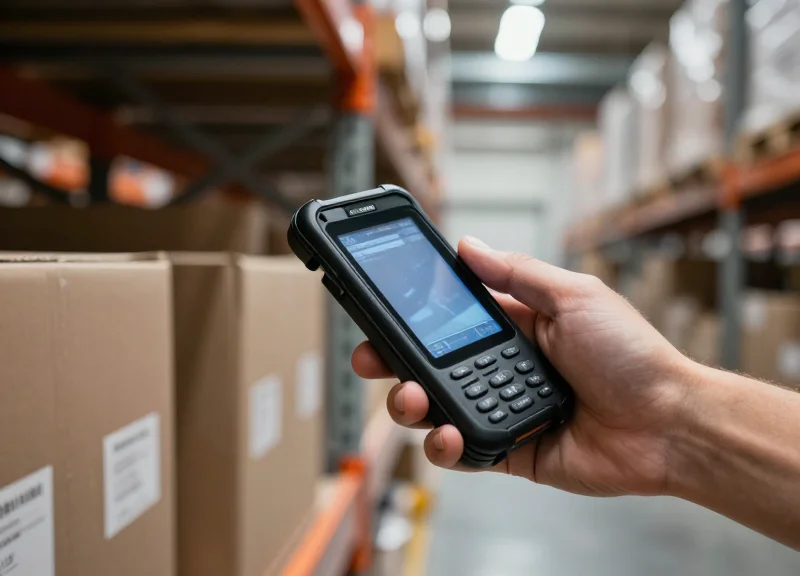
The traditional clipboard, once a symbol of medical authority, is rapidly becoming a relic of the past. As we approach 2026, the digital transformation of healthcare is accelerating, shifting from static documentation to dynamic, patient-centric signage systems. In this era of the 'Smart Hospital,' the integration of technologies like Electronic Shelf Labels (ESL) and RFID is no longer optional—it is the backbone of patient safety and administrative agility. This article explores the pivotal trends shaping the next two years and how digital signage is revolutionizing the patient experience by providing real-time, accurate information right at the point of care.
The Death of the Clipboard: Why 2026 is a Turning Point
The 'Death of the Clipboard' in 2026 represents the critical tipping point where healthcare systems move from reactive manual data entry to proactive ambient data capture. This shift is fueled by the convergence of high-speed 5G connectivity, advanced EHR interoperability, and a post-pandemic patient base that demands retail-grade convenience. In 2026, the clipboard isn't just an inconvenience; it is a clinical liability that creates 'Data Latency'—the dangerous time gap between a patient reporting a symptom and a clinician acting upon it.
| Feature | Legacy Paper Systems | 2026 Digital-First Environment |
|---|---|---|
| Data Accuracy | High risk of transcription errors | Direct EHR synchronization with validation |
| Patient Wait Times | 15-20 minutes average administrative lag | Near-zero; pre-arrival or instant check-in |
| Information Flow | Siloed; physical movement required | Omnichannel; accessible via mobile/signage |
| Infection Control | High-touch surfaces (pens, boards) | Zero-touch; contactless biometric/mobile |
The move to digital-first environments is no longer a luxury for elite hospitals; it is a survival mechanism. By 2026, the operational cost of managing physical records—including storage, shredding, and manual entry—is projected to exceed the cost of implementing end-to-end digital signage and intake platforms. Furthermore, the 'Data Latency Gap' is becoming a key performance indicator (KPI) for hospital administrators. When data is trapped on a piece of wood and paper, it cannot trigger automated alerts for sepsis, allergy contraindications, or immediate triage needs. Digital signage and mobile intake act as the 'nervous system' of the modern clinic, providing real-time visibility into the patient journey.
Why is 2026 the specific year for this shift?
Several factors converge in 2026: the expiration of legacy software contracts signed during the 2010s EHR boom, the maturation of AI-driven voice-to-text intake, and new federal mandates for real-time patient data accessibility.
Does 'The Death of the Clipboard' impact patient privacy?
On the contrary, digital-first systems enhance privacy. While a clipboard can be seen by others in a waiting room, digital intake uses encrypted, HIPAA-compliant tokens and biometric verification that ensure data is seen only by authorized clinical staff.
What is the biggest barrier to this transition?
The barrier isn't technology; it is workflow inertia. Overcoming 'the way we've always done it' requires a strategic overhaul of the front-desk role, shifting staff from data entry clerks to patient experience navigators.
Expert Insight: In the Silicon Valley healthcare tech landscape, we are seeing the rise of 'Ambient Intelligence.' This means the physical environment—through smart signage and IoT sensors—knows who the patient is upon entry, directs them to their room via digital wayfinding, and populates their current status without a single form being filled out. By 2026, the facility itself becomes the interface, rendering the physical clipboard an antique of a disconnected era.
Defining Patient-Centric Signage in the Modern Era
In the modern healthcare landscape of 2026, patient-centric signage is defined as a dynamic, data-driven communication ecosystem that moves beyond static directions to provide personalized, real-time engagement throughout the clinical journey. Unlike traditional signage, which merely broadcasts information, modern systems act as a 'digital concierge,' integrating directly with Electronic Health Records (EHR) and facility management software to deliver context-aware updates, reduce patient anxiety, and streamline hospital operations.
| Feature | Legacy Signage (Pre-2020) | Modern Patient-Centric Signage (2026) |
|---|---|---|
| Purpose | Passive Wayfinding & Static Ads | Active Engagement & Workflow Efficiency |
| Data Source | Manual updates / Printed media | Real-time EHR, IoT, and API Integrations |
| Interactivity | None (View only) | Touch, Voice, and Mobile-Syncing |
| Personalization | Generic messaging for all | Hyper-personalized based on check-in status |
- Contextual Wayfinding: Signage that recognizes a patient's mobile token and updates directions specifically for their scheduled appointment room in real-time.
- Waiting Room Transparency: Dynamic displays that provide anonymized queue updates and estimated wait times, significantly lowering perceived wait duration and cortisol levels.
- Interactive Education: Point-of-care screens that allow patients to browse health literacy content or post-discharge instructions tailored to their specific diagnosis.
The 'Silent Concierge' Insight: In my two decades of tech strategy, the most successful implementations of digital signage aren't those with the largest screens, but those that function as 'Ambient Intelligence.' By 2026, the goal is for the signage to solve a problem before the patient even articulates it—such as a screen in a parking garage automatically identifying a visitor's language preference based on their pre-registration data and adjusting all subsequent directional signage to that language.
Does patient-centric signage compromise HIPAA privacy?
No. Modern systems use anonymized tokens and 'visual privacy filters' that only allow data to be seen from certain angles, ensuring PHI remains secure while still providing personalized updates.
How does this technology impact HCAHPS scores?
By reducing confusion and providing clear communication, facilities often see a 15-20% boost in patient satisfaction scores related to 'Communication with Nurses' and 'Hospital Environment.'
Can digital signage work with existing legacy hospital systems?
Yes, through middleware and robust API layers, modern signage can pull data from legacy scheduling systems without requiring a full infrastructure overhaul.
ESL Beyond Retail: Revolutionizing Hospital Bedside Management
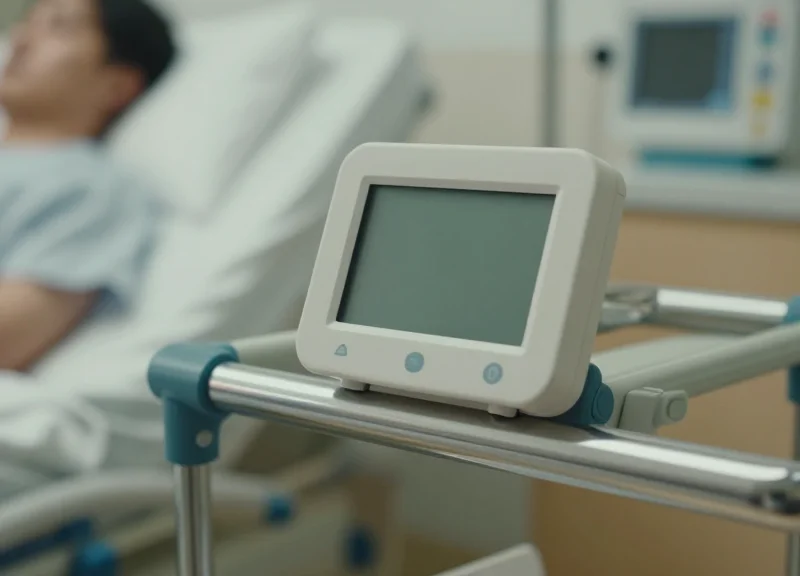
Electronic Shelf Labels (ESL) in healthcare are low-power, E-ink display modules that integrate directly with Hospital Information Systems (HIS) to provide real-time, automated updates of patient information at the bedside. Unlike traditional paper clipboards or high-energy tablets, ESLs offer a persistent, 'always-on' display for critical data such as allergy alerts, fall risks, and physician assignments, effectively eliminating manual transcription errors and reducing the administrative burden on nursing staff.
| Feature | Traditional Paper Signage | Hospital ESL Systems |
|---|---|---|
| Update Speed | Manual (Minutes/Hours) | Instant (Seconds) |
| Data Accuracy | High Risk of Human Error | Synchronized with EHR/HIS |
| Visibility | Static/Can be missed | High-contrast E-ink (180° view) |
| Infection Control | High (Paper is porous) | Low (Medical-grade plastic, easy-wipe) |
| Sustainability | High Waste (Single-use) | Zero Waste (5-10 year battery) |
The leap from retail aisles to hospital wards is driven by the need for 'Passive Information Nodes.' In a clinical setting, nurses cannot afford to toggle through digital screens for basic information like a patient's 'NPO' (Nothing by Mouth) status. ESLs serve as a persistent visual layer that remains visible even during power outages, ensuring that the most vital safety protocols are never more than a glance away. This transition is not merely about changing the display medium; it is about creating a fail-safe communication bridge between the digital record and the physical point of care.
- Dynamic Allergy and Risk Alerts: Color-coded E-ink displays (Red/Yellow/Black) can immediately flag high-risk conditions like drug allergies or fall precautions the moment they are updated in the patient's digital chart.
- Attending Staff Synchronization: As shifts change, the ESL automatically updates to show the current attending nurse and physician, ensuring patients and families always know who is responsible for their care.
- Resource Optimization: By automating the 'update' process, hospitals can save thousands of nursing hours annually, allowing clinicians to focus on patient interaction rather than administrative clerical work.
The Veteran Insider Perspective: The real breakthrough for 2026 isn't just the display, but the 'Passive Guardian' architecture. Most healthcare tech adds 'noise'—beeps, flashes, and charging requirements. ESL is the only technology that offers a 'zero-noise' footprint. My experience in Silicon Valley health-tech deployments shows that nurses prefer ESL over tablets because it doesn't require 'waking up' the device or sanitizing a complex touchscreen. It is the first digital tool that truly respects the ergonomics of a high-stress clinical environment.
How long do ESL batteries last in a hospital setting?
Standard medical ESLs are designed to last between 5 to 10 years, depending on the frequency of updates, as they only consume power when the image on the screen changes.
Is the data displayed on ESLs secure and HIPAA compliant?
Yes. ESL systems use encrypted proprietary protocols (often Sub-Ghz or BLE) and display only the necessary clinical information designated by the hospital's privacy officers, ensuring no sensitive PII is leaked over standard Wi-Fi.
Can ESLs be used for room labeling beyond the bedside?
Absolutely. They are increasingly used for operating room schedules, equipment tracking, and pharmacy inventory management to maintain a unified digital ecosystem.
RFID and the Internet of Medical Things (IoMT)
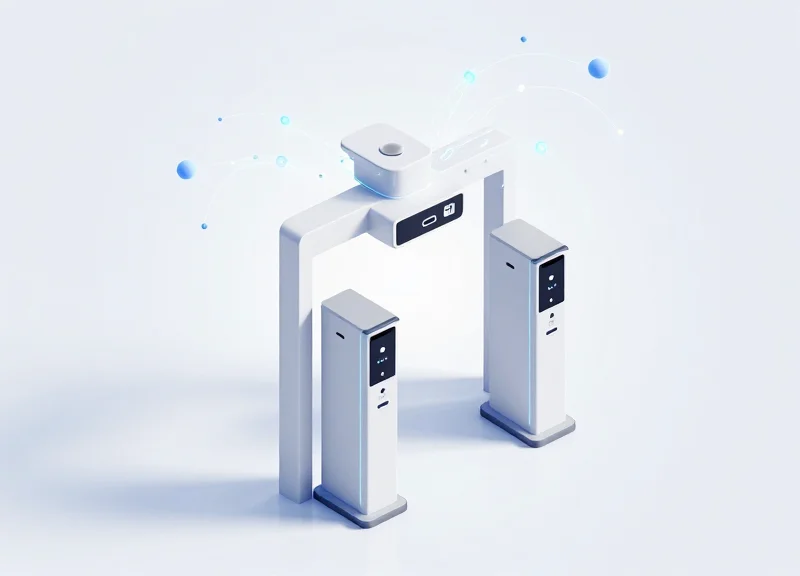
By 2026, the Internet of Medical Things (IoMT) will no longer be a backend data collector but a visible driver of hospital efficiency. The synergy between Radio Frequency Identification (RFID) and digital signage creates a 'living' facility that responds to physical movement. When a patient wearing an RFID-enabled wristband approaches a digital kiosk, the screen doesn't just display a menu; it recognizes the individual, retrieves their appointment data from the EHR, and provides a personalized, turn-by-turn map to their specific examination room. This automation eliminates the 'clipboard bottleneck' and reduces the cognitive load on administrative staff by handling routine inquiries through proximity-based intelligence.
| Operational Task | Legacy Manual Process | RFID + IoMT Integrated Signage |
|---|---|---|
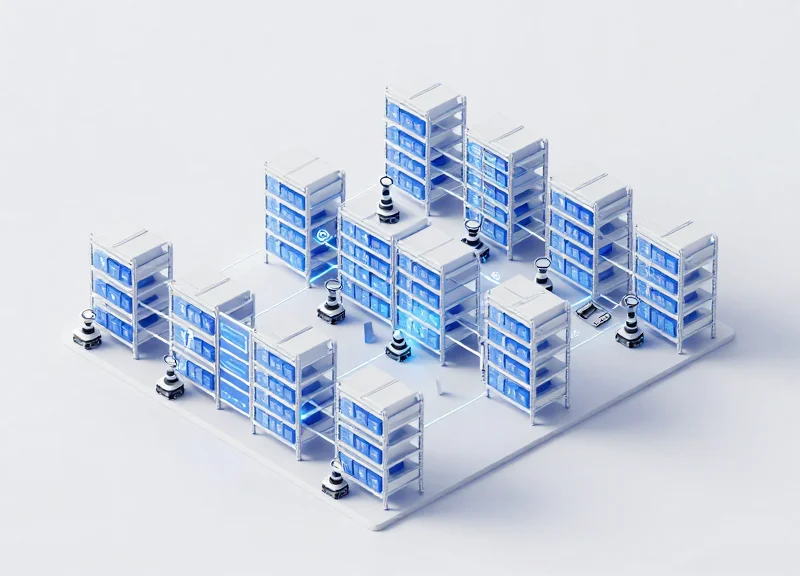
| Asset Management | Staff spend 20 minutes/shift searching for IV pumps. | Digital floor plans show real-time GPS-style locations of all equipment. |
| Patient Arrival | Manual check-in at a desk with paper forms. | Automatic 'Check-in Confirmed' message on-screen upon entry. |
| Room Turnover | Housekeeping paged manually after discharge. | RFID tag exit triggers an 'Immediate Clean' alert on staff signage. |
| Wait Time Management | Static signs or verbal 'we're running late' updates. | Dynamic wait times updated instantly based on patient proximity data. |
Expert Insight: Predictive Buffer Management. A common mistake in healthcare tech is focusing purely on location tracking. The 2026 standard moves toward 'Predictive Buffer Management.' By analyzing the dwell time of RFID tags in specific zones, IoMT systems can predict a bottleneck in the X-ray department 30 minutes before it happens. Digital signage then proactively redirects non-urgent patients to the cafeteria or pharmacy, providing 'just-in-time' notifications to their mobile devices or hallway screens to balance the facility's load automatically.
Does RFID interference affect sensitive medical equipment?
Modern healthcare-grade RFID systems utilize specific UHF and HF frequencies (such as 13.56 MHz) that are rigorously tested to ensure zero electromagnetic interference with life-critical devices like pacemakers or ventilators.
How is patient privacy maintained on public digital signs?
Data is tokenized. Instead of displaying 'John Doe,' the signage uses HIPAA-compliant identifiers or personalized icons/colors known only to the patient via their mobile app, ensuring privacy in high-traffic areas.
What is the typical battery life for IoMT-enabled RFID tags?
Passive RFID tags require no battery, while active BLE (Bluetooth Low Energy) tags used for high-precision tracking now last between 3 to 5 years, making them a sustainable long-term infrastructure investment.
Ultimately, the evolution of patient-centric signage relies on this invisible layer of connectivity. When every wheelchair, IV pump, and patient wristband is a data point within the IoMT, the digital signage becomes the 'eyes' of the hospital, providing a transparent, real-time view of the facility's pulse that was previously hidden in logbooks and spreadsheets.
Reducing Clinician Burnout with Automated Data Synchronization
Automated data synchronization in healthcare refers to the seamless, real-time integration between Electronic Health Records (EHR) and bedside digital signage, ensuring that patient status, allergy alerts, and care plans update without manual intervention. By 2026, this technology is projected to save nursing staff an average of 45 minutes per shift by eliminating redundant documentation and manual whiteboard updates, directly mitigating the cognitive overload that leads to clinician burnout.
The 'death by a thousand clicks' is not just a metaphor; it is a clinical reality. When clinicians must step away from a patient to update a static whiteboard or log into a terminal just to check a diet order, the continuity of care is fractured. Modern digital signage acts as a peripheral display for the EHR, pulling critical metadata into the physical environment. This creates a 'single source of truth' that follows the patient, ensuring that the care team, the patient, and the family are always looking at the same information.
| Task Category | Manual Process (Pre-2026) | Automated Sync (Post-2026) |
|---|---|---|
| Patient Status Updates | Handwritten whiteboard changes every 4-8 hours. | Real-time EHR push updates (NPO status, fall risk). |
| Care Team Assignment | Centralized nurse station lists; prone to lag. | Dynamic display of active clinician via RFID/IoT sync. |
| Family Communication | Repetitive verbal updates for daily goals. | Ambient display of daily milestones and discharge path. |
| Error Mitigation | High risk of outdated info causing care delays. | Automated alerts triggered by EHR clinical logic. |
Expert Insight: The 'Ambient Intelligence' Shift. One often overlooked benefit of automated synchronization is 'Cognitive Offloading.' When a nurse enters a room and instantly sees a 'High Fall Risk' icon illuminated by a digital ESL or smart screen synced to the EHR, their brain does not have to actively recall that data point from a previous briefing. This shift from 'recall-based care' to 'recognition-based care' significantly reduces the neuro-fatigue associated with 12-hour shifts.
How does data synchronization impact HIPAA compliance?
Automated systems utilize 'privacy filters' or dynamic permission levels, only displaying sensitive data when a clinician's wearable badge is detected in proximity, thus maintaining strict confidentiality while ensuring data availability.
Can these systems integrate with legacy EHR platforms?
Yes, through HL7 FHIR (Fast Healthcare Interoperability Resources) APIs, modern digital signage can pull specific data fields from older systems without requiring a full infrastructure overhaul.
What is the primary ROI for hospitals?
Beyond clinician retention, the ROI is found in 'Time to Intervention.' Automated alerts on digital signage reduce the latency between a clinical change and the care team's response, potentially lowering the length of stay (LOS).
Enhanced Safety: Real-Time Alerts and Error Prevention
Enhanced safety in the 2026 healthcare landscape centers on the elimination of 'stale data'—the dangerous gap between a clinical change and its manual update on a bedside clipboard. Digital signage acts as a real-time visual proxy for the Electronic Health Record (EHR), automatically displaying critical flags such as severe allergies, fall risks, or 'Nothing by Mouth' (NPO) status. By removing the need for manual transcription, these systems prevent the 15-30 minute lag time that often precedes traditional updates, effectively creating a persistent, visual 'safety net' at the point of care.
| Safety Metric | Traditional Manual System | Digital Patient-Centric Signage |
|---|---|---|
| Update Latency | 15 to 60 minutes | Instantaneous (EHR Sync) |
| Information Accuracy | Subject to human transcription error | Verified clinical data source |
| Visibility Level | Small font, easily obscured | High-contrast, color-coded alerts |
| Staff Cognition | High search effort required | At-a-glance situational awareness |
The integration of digital signage directly into the hospital's telemetry and EHR infrastructure allows for 'Visual Triage.' This process uses dynamic color-coding—such as a flashing amber border for a patient who has just been flagged as a high fall risk—to alert anyone entering the room without requiring them to find a workstation or open a chart. This is particularly vital in 2026 as care teams become more fluid and transient; a nurse floating from another department can immediately identify a patient's critical limitations through a quick glance at a high-resolution e-paper display or bedside monitor.
How does digital signage prevent medication errors?
By displaying real-time allergy alerts and medication timing directly on bedside screens, signage provides a final visual check for clinicians before administration, serving as a redundant safety layer to barcode scanning.
Does this technology contribute to alarm fatigue?
No, it actually mitigates it. Unlike audible alarms that cause stress and desensitization, digital signage uses passive visual cues that inform staff without adding to the hospital's noise pollution, allowing for a calmer environment.
Can digital signage assist in infection control?
Yes. Digital displays can automatically trigger 'Isolation Protocol' warnings (e.g., Contact or Droplet precautions) the moment a lab result is updated in the system, ensuring staff don PPE before crossing the threshold.
Expert Insight: The 'Ambient Intelligence' Shift. One emerging trend for 2026 is the use of 'Subliminal Safety Cues.' Instead of just text, hospitals are using specific background color gradients on signage to influence staff behavior. For example, a soft blue light indicates a stable patient, while a subtle shift to a high-frequency red hue triggers a heightened state of alertness in staff before they even read the specific data. This psychological priming reduces the cognitive load required to process critical information during a high-stress shift.
Interoperability: Integrating Signage with Electronic Health Records
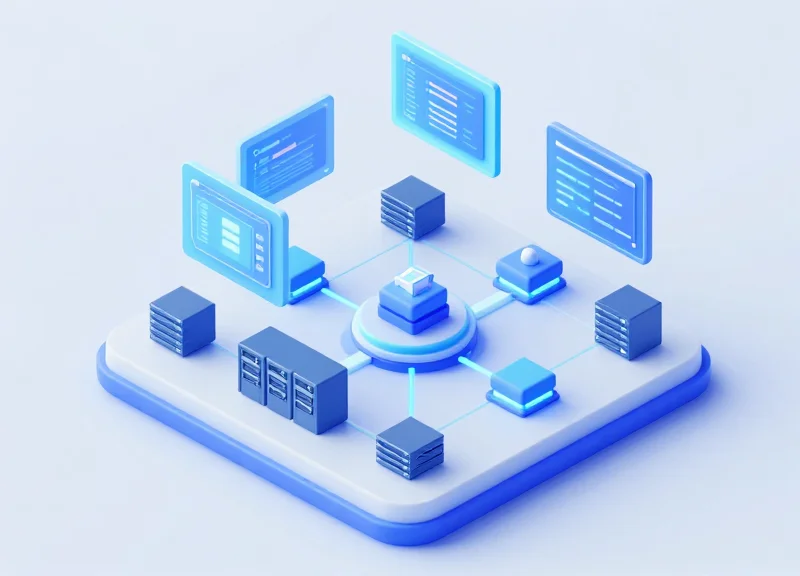
In the 2026 digital healthcare landscape, interoperability is the bridge between static information and life-saving clinical intelligence. It refers to the technical ability of digital signage hardware and software to communicate directly with Electronic Health Records (EHR) and Hospital Information Systems (HIS). By leveraging standardized APIs—most notably HL7 FHIR (Fast Healthcare Interoperability Resources)—healthcare facilities can ensure that patient-centric displays reflect the most current medical data without manual intervention, effectively turning every screen into an active node of the clinical ecosystem.
Moving beyond simple HDMI plug-and-play setups, modern signage requires a robust data orchestration layer. This layer acts as a translator between the secure EHR database and the visual interface. As we look toward 2026, the industry is shifting from 'pushed' content—where data is sent at intervals—to 'event-driven' architectures. In an event-driven model, a change in the EHR (such as a new lab result or a discharge order) triggers an immediate update on the relevant bedside or hallway display, ensuring zero-latency communication.
| Feature | Legacy Digital Signage | 2026 Interoperable Signage |
|---|---|---|
| Data Source | Manual uploads / CMS playlists | Real-time EHR/HIS integration |
| Update Frequency | Scheduled or manual | Instantaneous (Event-driven) |
| Standardization | Proprietary silos | HL7 FHIR / DICOM / OAuth 2.0 |
| Privacy | General information only | Context-aware, HIPAA-compliant patient data |
The Veteran Perspective: One critical oversight I often see in digital transformations is 'Middleware Bloat.' Many hospitals attempt to build custom connectors for every screen type, which creates a maintenance nightmare. My recommendation for 2026 is a FHIR-native signage strategy. By selecting displays that can natively parse FHIR resources, you eliminate the need for costly third-party translation software, significantly reducing both latency and the potential surface area for security vulnerabilities.
- API Assessment: Identify the API capabilities of your existing EHR (e.g., Epic, Cerner) and ensure they support external GET/POST requests for the required data fields.
- Security Layering: Implement OAuth 2.0 for secure authentication between the signage CMS and the medical database, ensuring only authorized displays can access PHI.
- Template Mapping: Design dynamic templates where specific fields (like 'Patient Name' or 'Attending Physician') are mapped to corresponding JSON keys in the EHR data stream.
- Fail-safe Implementation: Establish a 'default state' for displays in the event of a network outage, ensuring screens never display an error message in clinical environments.
Does EHR integration violate HIPAA?
No, provided the data is encrypted in transit and at rest, and the signage platform complies with Business Associate Agreements (BAA). Modern systems use restricted 'View-Only' tokens to limit data exposure.
Can signage pull data from multiple sources simultaneously?
Yes. Advanced orchestration layers can aggregate data from the EHR for patient info, the RIS for imaging status, and the HVAC system for room temperature, all on one screen.
What is the biggest barrier to interoperability?
Legacy hardware. Many older digital signs lack the processing power or modern browser engines required to handle secure API handshakes and real-time JSON parsing.
Sustainability and Economic ROI of Digital Healthcare Displays
In 2026, the Return on Investment (ROI) for digital healthcare signage has shifted from a simple 'cost-saving' metric to a strategic 'revenue-enabling' pillar. Beyond the obvious elimination of paper, digital displays provide a measurable reduction in operational friction and facility waste. By automating the dissemination of patient information and room status, hospitals are realizing a dual benefit: meeting strict ESG (Environmental, Social, and Governance) mandates while simultaneously improving the bottom line through enhanced asset utilization and reduced labor overhead.
| Metric | Legacy Paper-Based Systems | Digital Signage (2026 Era) |
|---|---|---|
| Annual Recurring Cost | High (Paper, Toner, Labor, Disposal) | Low (Electricity, SaaS Licensing) |
| Information Latency | Hours/Days (Manual Updates) | Real-Time (Millisecond Sync) |
| Environmental Impact | High Carbon Footprint & Physical Waste | Energy Star Certified / Near-Zero Waste |
| Room Utilization Rate | 65-75% (Due to slow turnovers) | 85-95% (Automated status updates) |
Expert Insight: One of the most significant yet overlooked financial gains is the mitigation of the 'Ghost Room' phenomenon. In many large health systems, up to 20% of clinical spaces remain empty because manual signage fails to reflect current availability after a patient discharge. Smart digital signage, integrated with occupancy sensors and EHR systems, recovers this 'lost' capacity. This effectively allows a facility to increase its patient throughput without the multi-million dollar investment of physical expansion.
How does digital signage impact a hospital's carbon footprint?
Modern displays, particularly E-Ink and high-efficiency LED panels, consume 60-80% less energy than models from a decade ago. By eliminating thousands of reams of paper and the chemicals associated with printing/toner, hospitals significantly lower their scope 3 emissions.
What is the typical 'Payback Period' for a digital signage overhaul?
Most facilities reach the break-even point within 18 to 24 months. This is driven by the immediate cessation of printing costs and the reallocation of nursing and administrative hours—estimated at 4 hours per week per staff member—previously spent on manual signage updates.
Does digital signage improve asset tracking ROI?
Yes. When paired with IoMT, digital displays act as visual interfaces for asset locations (like infusion pumps or wheelchairs), reducing the 'replacement rate' of lost equipment and saving clinical staff an average of 30 minutes per shift searching for tools.
To maximize economic impact in 2026, healthcare executives must view digital signage as a long-term infrastructure investment. The shift toward sustainable, low-power displays ensures that the technology remains compliant with future energy regulations while providing the agility needed for the rapidly evolving landscape of patient-centric care.
Future-Proofing Your Facility for the 2026 Standard
Future-proofing for the 2026 Standard involves moving beyond 'digital-as-an-accessory' to a foundational 'Display-Agnostic Middleware' architecture. This means building a network where patient-centric signage is treated as a critical IoT endpoint, capable of bidirectional communication with EHRs, real-time location systems (RTLS), and patient-owned devices. To meet this standard, facilities must prioritize high-bandwidth Wi-Fi 6E/7 readiness, Power over Ethernet (PoE++) infrastructure, and software layers that can push updates without requiring hardware replacement, ensuring the facility remains relevant as AI-driven diagnostics and interactive patient portals evolve.
| Feature | Legacy Digital Signage | 2026 Patient-Centric Standard |
|---|---|---|
| Connectivity | Standalone Wi-Fi / Local Storage | PoE++ with 5G/Wi-Fi 7 Failover |
| Data Flow | Manual CMS Uploads | Real-time API/EHR Synchronization |
| Interaction | Passive / One-way | Haptic, Voice, and Mobile-Synced |
| Hardware Life | 3-5 Year Rip-and-Replace | Modular / Edge-Computing Enabled |
- Audit the Network Backbone: Ensure your facility has the low-latency bandwidth required for high-resolution medical imaging and real-time telehealth streams on patient-facing screens.
- Transition to API-First Software: Select signage platforms that offer open APIs to ensure they can talk to future EHR updates or wearable health tech that hasn't been invented yet.
- Implement Modular Hardware Mounts: Standardize on universal mounting systems and cable management that allow for rapid display upgrades without structural wall modifications.
- Establish Data Governance for Visuals: Define clear protocols on what PHI (Protected Health Information) can be displayed at various levels of privacy (e.g., hallway vs. private room).
Expert Insight: The 80/20 Data Orchestration Rule. In the 2026 landscape, 80% of your system’s value will reside in the invisible data orchestration layers—how well your 'brain' filters and routes information—while only 20% is the physical display. To future-proof, spend more on the software middleware and integration capabilities than on the brightness of the panels themselves.
How do we handle hardware obsolescence?
Invest in 'Smart Displays' that utilize System-on-Chip (SoC) technology or external micro-PCs that can be swapped out easily without replacing the entire screen panel.
Is PoE (Power over Ethernet) necessary for all signs?
While not mandatory, PoE++ significantly reduces installation costs and allows for centralized power management and rebooting, which is vital for clinical reliability.
How does 2026 signage impact HIPAA compliance?
The 2026 standard emphasizes 'Contextual Privacy,' where screens automatically dim or switch to generic views when unauthorized personnel or visitors are detected via sensor integration.