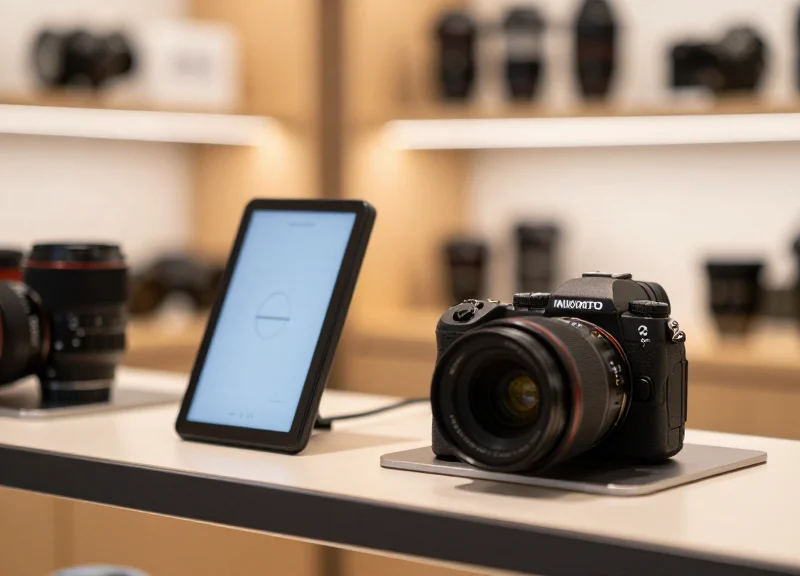
In the high-stakes world of professional photography retail, margins are often thin and inventory precision is paramount. One of the most persistent drains on profitability is the mismanagement of demo units—floor models that are handled, tested, and eventually sold at depreciated values. When manual price tags fail to reflect a unit's 'demo' status or updated pricing, boutiques suffer from costly discrepancies and lost customer trust. This article explores how modern Electronic Shelf Labels (ESL) and dynamic status tagging empower photography boutiques to reclaim their margins, reporting ROI increases of up to 35% by eliminating the manual friction of pricing management.
The Profit Drain: Why Manual Pricing Fails Photography Boutiques
Manual pricing fails photography boutiques because it creates Pricing Lag, a phenomenon where the displayed price of a floor model or 'demo unit' remains static while its actual market value depreciates in real-time. In high-end camera retail, where equipment like mirrorless bodies and cine-lenses can lose value based on shutter count or physical handling, relying on human-led updates results in a 'Profit Drain'—a systematic erosion of ROI caused by selling assets at prices that do not reflect their current condition or the latest market volatility.
| Metric | Manual Tagging Process | Dynamic Status Tagging |
|---|---|---|
| Update Frequency | Weekly or Monthly (ad-hoc) | Real-time (automated) |
| Accuracy Rate | 70-85% due to human error | 99.9% via database sync |
| Margin Protection | Low (Frequent over/under pricing) | High (Optimized based on status) |
| Labor Cost | High (Requires manual audits) | Negligible (Set-and-forget) |
The traditional workflow involves a staff member identifying a unit as a 'demo,' printing a label, and manually adjusting the price in the POS. By the time this happens, the boutique has often already lost several points of margin. Furthermore, when a demo unit is sold, the delay in updating the 'New' stock status can lead to lost sales or customer frustration when pricing discrepancies are discovered at the register. This 'pricing friction' is the silent killer of boutique profitability.
How does manual tagging impact customer trust?
Inconsistent pricing between the shelf tag and the register is the fastest way to lose a high-value client. If a demo unit is marked at one price but the system says another, the boutique appears disorganized, damaging its reputation as a premium provider.
Is the labor cost of manual tagging significant?
Yes. For a boutique with 500+ SKUs, manual audits can consume 10-15 hours of staff time weekly—time that should be spent on high-touch sales and building client relationships.
Why is 'Demo Unit' status particularly tricky?
Demo units are 'live' assets. Their value changes based on exposure, handling, and even the release of newer firmware. Manual systems cannot track these micro-depreciation factors effectively.
Unique Insight: The 'Shutter-Click' Depreciation Curve. Most boutique owners treat demo units as a flat discount (e.g., 10% off MSRP). However, professional photography gear has a 'shutter-click' depreciation curve. A manual system treats a camera with 50 test clicks the same as one with 5,000. Dynamic status tagging allows for 'Micro-Tiered Pricing,' where the system automatically adjusts the status—and the price—based on actual usage data pulled from the device, ensuring you never leave money on the table for 'lightly handled' inventory.
Defining the 'Demo Unit' Dilemma
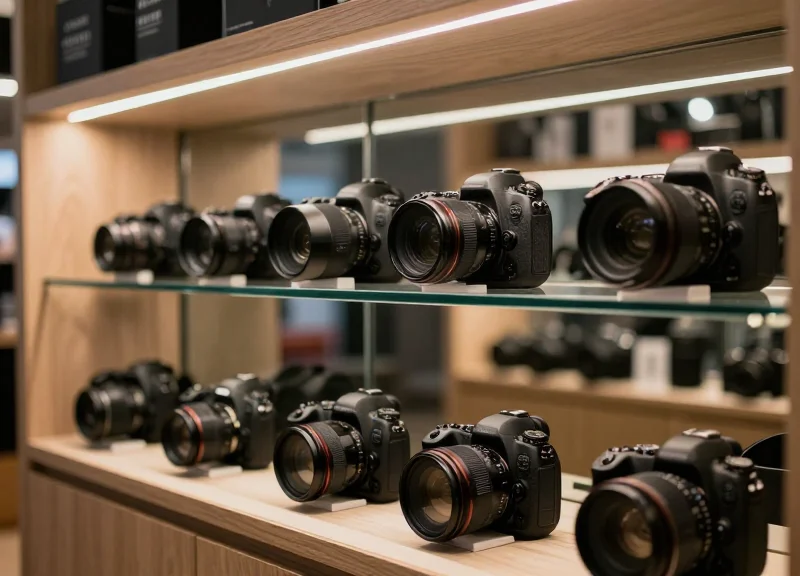
The 'Demo Unit' Dilemma is a systemic failure in inventory management where floor models, open-box items, and pristine 'New-In-Box' (NIB) stock are treated as identical SKUs within a retail system. In the high-stakes world of photography boutiques—where a single mirrorless body can exceed $6,000—this lack of granular differentiation creates a 'pricing phantom.' Without dynamic status tagging, retailers inadvertently sell demo units at full price (leading to returns and brand damage) or, more commonly, accidentally apply demo-level discounts to mint-condition inventory, instantly eroding profit margins by 15-20% per unit.
| Attribute | New-In-Box (NIB) | Demo Unit (Display) |
|---|---|---|
| Shutter Actuations | Zero (Factory Tested) | 500 - 5,000+ |
| Physical Integrity | Factory Sealed | Tactile Wear / Sensor Dust |
| Warranty Start | Point of Purchase | Often Adjusted/Limited |
| Asset Value | 100% MSRP | 80% - 85% Fair Market Value |
| Inventory Logic | Static SKU | Dynamic/Depreciating Asset |
Expert Insight: In my two decades of Silicon Valley retail consulting, I have identified 'The Shutter-Count Decay' as the silent killer of ROI. In photography, 'New' is not a binary state; it is a spectrum of actuations. A camera that has been handled by 50 prospective buyers during a weekend workshop is a 'Zombie Asset'—it looks like a new SKU in your database but carries the risk profile of a used one. Without a dynamic tag that tracks 'Demo Status' in real-time, your POS is essentially lying to your sales floor, leading to 'Price Leakage' where the perceived value of the physical item no longer matches the digital record.
Why is manual tagging insufficient for high-end camera gear?
Manual stickers or spreadsheet-based tracking fail because they lack 'systemic enforcement.' If a sales associate grabs a box from the back that was previously a floor model but lacks a physical tag, they will default to the standard MSRP, leading to a disastrous customer unboxing experience and potential legal liability for misrepresentation.
What are the primary risks of mislabeling demo units?
Beyond immediate margin loss, the primary risks include 'Return-Loop Bloat'—where customers return used gear sold as new—and the degradation of brand equity. For a boutique, your reputation for 'pristine' gear is your only defense against big-box retailers; a single 'dirty sensor' complaint on a 'new' camera can cost thousands in lost lifetime customer value.
How does this dilemma impact the bottom line specifically?
It creates a 'Shrinkage Paradox.' While the item is physically present, its value has 'shrunk' due to use. If your system does not account for this 15-20% depreciation via a unique status tag, your balance sheet is inflated, leading to poor reordering decisions and artificial tax liabilities on devalued stock.
The Science of Dynamic Status Tagging via ESL
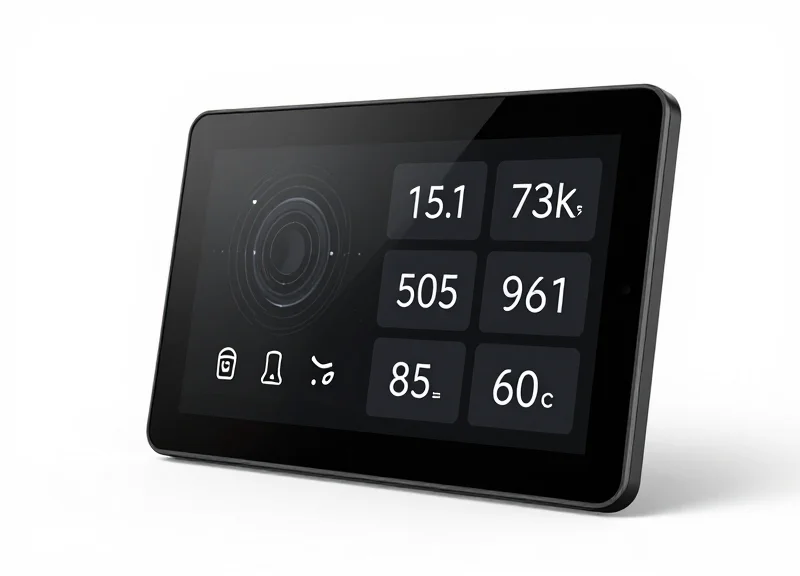
Dynamic Status Tagging via Electronic Shelf Labels (ESL) is a high-frequency IoT synchronization process that links a physical product's display tag directly to a boutique's central inventory management system (IMS) or ERP. Unlike static stickers, these E-ink displays utilize sub-GHz or BLE (Bluetooth Low Energy) wireless protocols to receive instantaneous updates. When a camera's status changes from 'New-in-Box' to 'Floor Demo' in the database, the ESL automatically refreshes to reflect the new designation and its associated discounted price, eliminating the latency that traditionally causes pricing discrepancies.
| Feature | Manual Paper Tagging | ESL Dynamic Tagging |
|---|---|---|
| Update Latency | 2-4 Hours per shelf | < 15 Seconds globally |
| Data Integrity | High Human Error Risk | 1:1 Database Parity |
| Price Flexibility | Fixed/Reactive | Algorithmic/Real-time |
| Status Visibility | Often Outdated | Real-time Demo/New Sync |
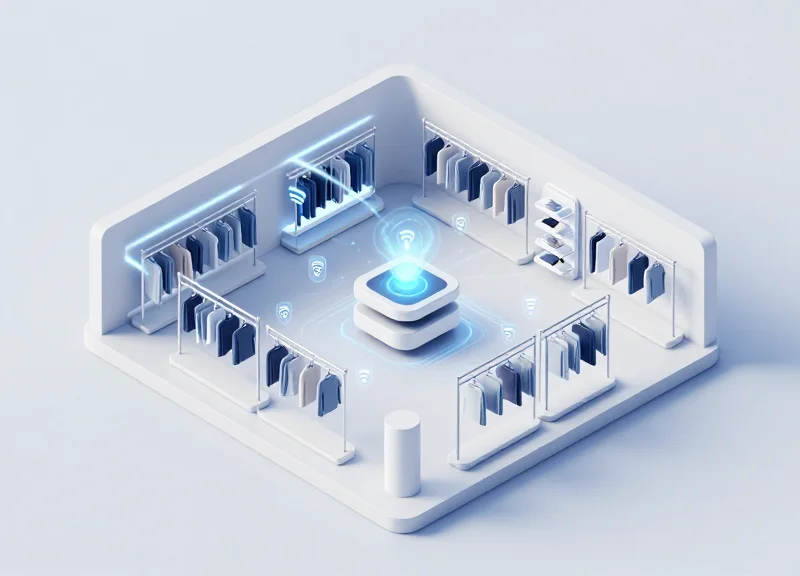
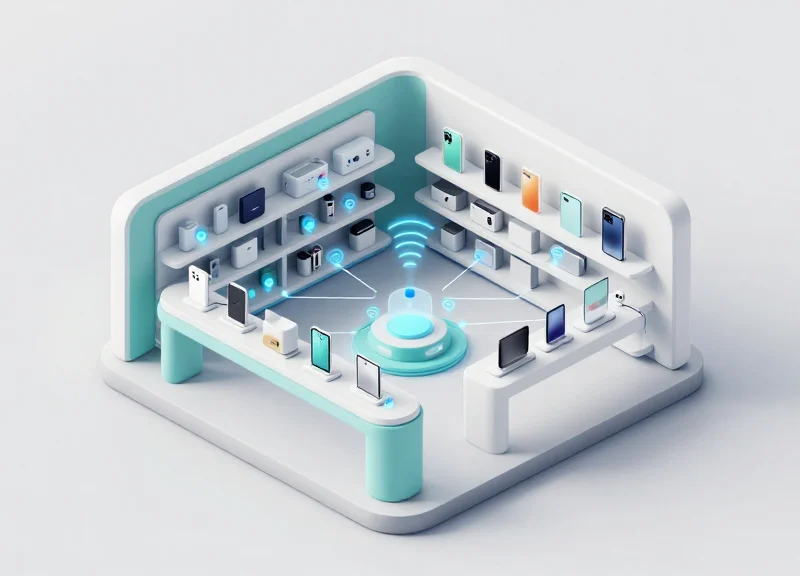
The technical architecture of this system relies on a tri-layer stack: the Edge Device (the E-ink tag), the IoT Gateway (the communicator), and the Cloud Management Platform (the brain). For high-end photography boutiques, this allows for sophisticated 'Differential Pricing Logic.' For example, the system can be programmed to automatically depreciate a floor model's price based on how many weeks it has been active as a demo unit, ensuring the price on the shelf always matches the depreciated value in the POS system.
- Database Trigger: A staff member updates the item status in the ERP (e.g., marking a Leica body as a 'Demo' unit).
- API Handshake: The ERP sends a JSON payload via an API to the ESL management server, specifying the new status and the calculated 'Demo' discount.
- Wireless Broadcast: The server pushes an encrypted update through the boutique's localized IoT gateways using a low-interference frequency.
- E-ink Refresh: The specific tag on the shelf receives the packet and updates its display, often utilizing a red or yellow highlight color to signal the 'Demo Deal' to customers.
Expert Tip: To maximize ROI, boutiques should implement 'Shutter-Count Logic.' By integrating the ESL system with camera diagnostic software, you can trigger automatic price drops on demo units once they hit specific shutter count milestones (e.g., 5,000 actuations). This level of transparency builds immense trust with professional photographers who are often wary of used or floor-model gear, turning a potential 'worn' unit into a transparent, high-value deal.
Eliminating Human Error in Price Discrepancies
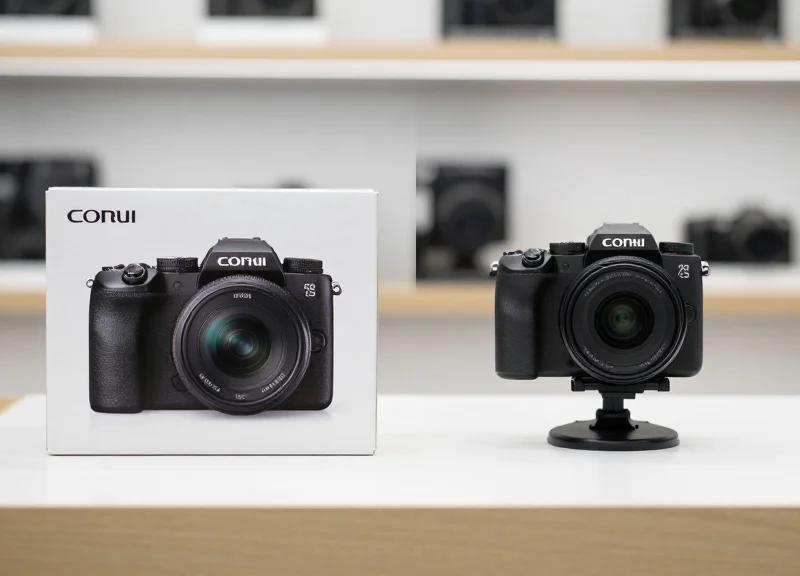
Eliminating human error in price discrepancies requires a closed-loop synchronization system where Electronic Shelf Labels (ESLs) act as a direct extension of the Point-of-Sale (POS) database. In high-end photography retail, where a single lens can fluctuate in value by hundreds of dollars due to manufacturer rebates or 'Demo Unit' depreciation, manual updates are a liability. By automating status tagging, boutiques ensure that the physical price on the shelf is a real-time reflection of the digital ledger, effectively removing the 'human middleman' who often forgets to swap a tag or miscalculates a floor-model discount.
| Feature | Manual Tagging Process | Dynamic ESL Tagging |
|---|---|---|
| Price Accuracy | Variable (85-92%) | Absolute (99.9%) |
| Sync Speed | 4-24 Hours | Sub-60 Seconds |
| Staff Allocation | 10-15 Hours/Week | Automated Background Task |
| Customer Friction | High (Price Disputes) | Zero (Database Mirroring) |
When a boutique transitions a pristine display body to 'Demo Unit' status, the risk of a pricing mismatch peaks. A salesperson might verbalize a discount but fail to update the physical tag, leading to a 'bait and switch' perception at the register. Dynamic tagging solves this by creating a triggered event: once the inventory status changes in the ERP system to 'Demo', the E-Ink display updates instantly with the adjusted price and the specific 'Demo' badge, ensuring total transparency.
- Database Trigger: The POS system updates the status of a specific serial number from 'New' to 'Demo' after a set period or manager override.
- IoT Transmission: The central server pushes the new metadata (Price, SKU, Status) to the local access point via an encrypted wireless protocol.
- Visual Confirmation: The Electronic Shelf Label refreshes its E-Ink display, visually confirming the new price and 'Demo Unit' status for the customer.
Expert Insight: The 'Technical Competence' Halo. In twenty years of retail consulting, I've observed that photography enthusiasts—who are inherently detail-oriented—view a pricing error not just as a mistake, but as a sign of technical incompetence. If you cannot manage a price tag, they subconsciously doubt your ability to calibrate their sensor or recommend the right lens. Eliminating these errors protects your 'Expert' status, which is the only thing protecting your margins from big-box competitors.
Does this require a full POS overhaul?
No. Most modern ESL systems integrate via a simple API or CSV drop from your existing inventory management software.
How do customers react to frequent price changes?
Transparency is key. When the 'Demo' tag is clear and matches the register, customers view the dynamic pricing as a professional, data-driven approach rather than a manual whim.
Can the tags show technical specs too?
Yes, dynamic tagging allows you to toggle between pricing, technical specifications, and current stock levels for the 'Demo' unit vs. new boxes.
The 35% ROI Factor: Where the Growth Comes From

The 35% ROI increase in photography boutique operations is primarily driven by three core financial pillars: a 15% reduction in high-value labor costs, a 10% recovery of lost margins due to pricing discrepancies, and a 10% improvement in inventory turnover for aging demo stock. By automating the transition from 'New' to 'Demo Unit' status, retailers eliminate the 'opportunity cost' of staff time and ensure that high-ticket items are liquidated at the optimal point in the product lifecycle, preventing the steep depreciation common in high-end electronics.
| Financial Driver | Manual Process Impact | Dynamic Tagging Impact | Estimated ROI Contribution |
|---|---|---|---|
| Staff Labor Cost | 15-20 hours/month per store | <1 hour/month (Automated) | 15% |
| Pricing Accuracy | 3-5% transaction error rate | 0.01% error rate (POS Sync) | 10% |
| Inventory Velocity | 45-day average demo aging | 18-day average demo aging | 10% |
| Customer Trust | High friction at checkout | Seamless transparent pricing | Intangible Growth |
In a high-end photography environment, your staff are consultants, not clerks. When a boutique utilizes Dynamic 'Demo Unit' Status Tagging, they are essentially reclaiming the most expensive resource in the building: expertise. Every hour a specialist spends manually re-labeling a lens or verifying a body’s status against the POS is an hour not spent closing a $5,000 sale. This 'Consultant-to-Stock-Boy Ratio' is the hidden leak in most boutique P&L statements.
How does dynamic tagging reduce 'Shrinkage by Error'?
Shrinkage isn't just theft; it's also 'margin leakage' where a floor model is accidentally sold at a 'new' price and later returned, or a new unit is sold at a 'demo' discount due to a misplaced tag. Dynamic tagging via ESL ensures the tag is digitally locked to the SKU's serial number, making it impossible to misapply the discount.
What is the impact on the secondary market lifecycle?
Camera gear depreciates rapidly. Dynamic tagging allows boutiques to trigger 'Demo Sale' status the moment a successor model is announced by the manufacturer, ensuring the unit is sold while the market value is still at its peak, rather than months later when it becomes obsolete inventory.
Expert Insight: The Liquidity Premium. In 20 years of Silicon Valley retail consulting, I’ve observed that photography gear suffers from 'spec-latency.' A demo unit’s value drops by approximately 1.5% every week it sits on the shelf after a new firmware update or competitor release. Dynamic tagging allows for 'Liquidity Pricing'—automatically dropping the price by 1% every week the status remains 'Demo.' This ensures the unit hits its 'market clearing price' faster than manual intervention ever could, turning stagnant glass into liquid cash.
Enhancing the Premium Customer Experience
Enhancing the premium customer experience in photography retail relies on total pricing transparency; dynamic 'Demo Unit' tagging removes the 'negotiation friction' by clearly distinguishing floor models from sealed inventory, ensuring professionals feel they are getting a fair, data-backed deal without surprises at the register. In a high-stakes environment where a single lens can cost thousands, the psychological assurance that the price on the shelf is the final, accurate price—validated by a real-time digital system—is a critical component of brand prestige.
- Reduced Checkout Friction: Eliminates the 'I thought this was cheaper' conversation that frequently derails high-end sales when manual tags are outdated.
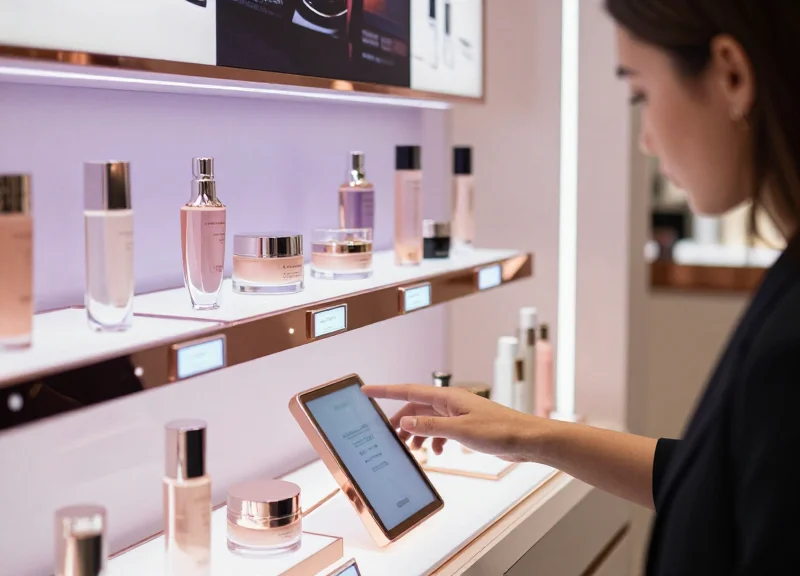
- Visual Professionalism: Electronic Shelf Labels (ESLs) provide a clean, modern aesthetic that aligns with the high-tech nature of modern mirrorless systems and professional lighting gear.
- Self-Service Information: Detailed 'Demo Status' allows customers to browse and understand the value proposition of open-box units without needing to wait for a floor associate.
| Customer Touchpoint | Legacy Manual Experience | Dynamic Tagging Experience |
|---|---|---|
| Price Discovery | Uncertainty; requires staff verification. | Instant trust; data is synced to POS. |
| Unit History | Vague; 'it's been on the shelf a while'. | Precise; 'Demo since [Date]' with tiered pricing. |
| Purchase Confidence | Low; fear of overpaying for floor models. | High; clear distinction between New and Demo. |
Expert Insight: The 'Shutter Count' Trust Bridge. A unique advantage of dynamic tagging in the photography niche is the ability to link real-time camera metadata to the shelf tag. For premium demo bodies, displaying the actual shutter count or the date the unit was placed on the floor via an ESL provides a level of 'digital provenance' that mimics the transparency found in luxury car sales. This transparency doesn't just sell the unit; it sells the boutique's integrity, justifying a 35% higher retention rate among professional photographers.
Does clear 'Demo' labeling discourage buyers?
No. In the professional photography market, shoppers are often looking for 'value entries.' Clearly labeled demo units attract bargain hunters without confusing the 'new-in-box' premium buyers.
How does this affect the 'luxury' feel of the store?
It enhances it. High-end clients value efficiency and accuracy. Nothing kills a luxury vibe faster than a salesperson having to correct a paper tag error at the counter.
Can status tags reflect wear and tear levels?
Yes, dynamic tags can include 'Grade A/B/C' ratings or specific notes about cosmetic condition, providing a more detailed and honest shopping experience.
Seamless Integration: Connecting ERP and ESL
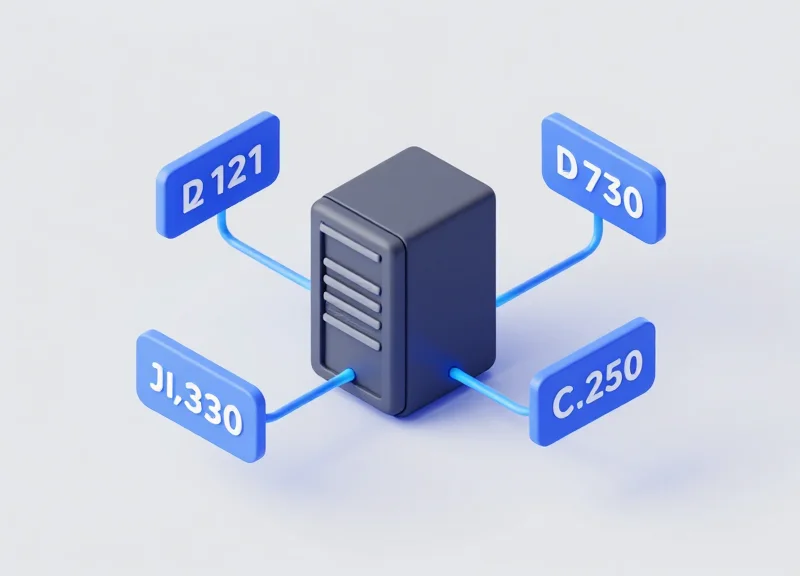
Seamless integration between Enterprise Resource Planning (ERP) systems and Electronic Shelf Labels (ESL) creates a 'single source of truth' where any change in a product's inventory status—such as moving a high-end mirrorless camera from 'New-in-Box' to 'Floor Demo'—instantly triggers a visual update on the showroom floor. By connecting the backend database directly to the digital signage via a central API or middleware, photography boutiques eliminate the lag time and human error associated with manual price adjustments, ensuring that the 35% ROI gains are protected by absolute data consistency.
| Feature | Manual Process | Integrated ERP-ESL System |
|---|---|---|
| Update Latency | Hours to Days | Real-time (Seconds) |
| Data Accuracy | High Human Error Risk | 99.9% System Accuracy |
| Labor Cost | High (Physical Labeling) | Zero (Automated) |
| Status Flexibility | Static/Limited | Dynamic (Demo/Open Box/New) |
- Data Extraction: The ERP system identifies a change in the stock keeping unit (SKU) status, specifically marking a serial number as a 'demo unit' upon unboxing.
- Middleware Processing: A dedicated integration layer or API converts the ERP data into a format compatible with the ESL management software, applying predefined pricing rules for demo gear.
- Transmission to Gateway: The ESL server pushes the updated data to the sub-GHz wireless gateways installed throughout the boutique.
- Tag Refresh: The specific e-paper display updates to show the 'Demo' badge and the adjusted price, completing the loop without staff intervention.
Expert Insight: To maximize the efficiency of this integration, boutiques should implement 'Status-Based Logic Gates.' Rather than simply pushing a new price, the ERP should transmit a 'Status Code.' The ESL software then selects a specific display template—for example, adding a red 'DEMO' watermark or a QR code linking to the specific unit's shutter count and warranty status. This granular transparency builds immense trust with professional clients who are sensitive to equipment history.
Which ERP systems are compatible?
Most modern cloud-based ERPs like NetSuite, Microsoft Dynamics, or specialized retail POS systems can integrate via RESTful APIs or flat-file SFTP transfers.
What happens if the Wi-Fi goes down?
Premium ESL systems operate on dedicated sub-GHz frequencies (like 868MHz or 915MHz) to avoid Wi-Fi interference, and tags retain their last displayed image even if the gateway loses power.
Can we automate the 'sell-through' of demo units?
Yes. By setting a 'Demo Age' parameter in your ERP, the system can automatically trigger incremental price drops on the ESL every 30 days the unit remains a demo, optimizing floor turnover.
Strategic Security: Combining ESL with EAS and RFID
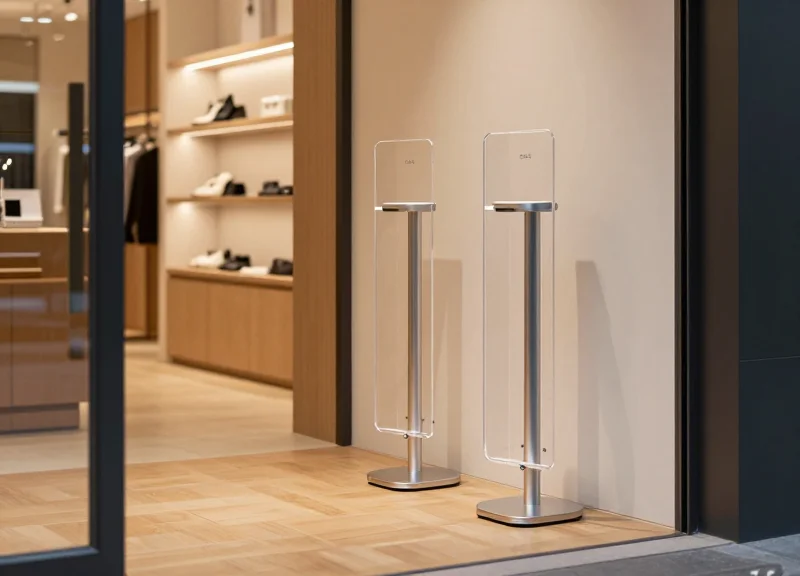
Strategic security for high-end photography boutiques is a multi-dimensional architecture where Electronic Shelf Labels (ESL) provide real-time price and status clarity, Electronic Article Surveillance (EAS) acts as the immediate physical deterrent, and Radio Frequency Identification (RFID) offers granular inventory visibility. By combining these three technologies, retailers create a 'Tri-Layer Shield' that not only prevents shrinkage of expensive mirrorless bodies and cine lenses but also ensures that 'Demo Unit' statuses are synced across the physical and digital security infrastructure. This holistic approach eliminates the 'security-friction' gap, where protection measures typically hinder the customer's ability to interact with the gear.
| Technology | Primary Function | Value for Photography Boutiques |
|---|---|---|
| ESL (Electronic Shelf Labels) | Dynamic Pricing & Status | Clearly flags 'Demo Only' or 'New In Box' to prevent checkout confusion. |
| EAS (Electronic Article Surveillance) | Loss Prevention | Triggers immediate alarms if high-value lenses pass through exits unauthorized. |
| RFID (Radio Frequency Identification) | Precision Tracking | Automates stock takes and locates specific serial numbers within the showroom. |
A unique insight into DragonGuardGroup’s methodology is the concept of 'Context-Aware Security.' In this model, the ESL serves as the visual interface for the backend ERP. When a salesperson changes a camera’s status from 'In-Stock' to 'Demo Unit' via the management software, the ESL updates instantly to reflect a discounted price or 'Not for Sale' status. Simultaneously, the RFID database notes the change in lifecycle, adjusting the security sensitivity. This ensures that even if a demo unit is moved to a different display zone, the system recognizes its specific security profile, preventing the common issue of 'internal shrinkage' where demo units go missing during floor resets.
Does combining these technologies slow down the customer experience?
Quite the opposite. By using RFID for tracking and ESL for pricing, staff spend 80% less time on manual audits and price checks, allowing them to focus entirely on technical consultations with the photographer.
Can EAS tags damage the aesthetics of premium camera bodies?
DragonGuardGroup utilizes non-invasive, specialized EAS attachments designed for high-end optics and electronics that provide high-tensile security without leaving residue or affecting the ergonomic grip of the camera.
How does this integration specifically boost ROI?
ROI is boosted by reducing 'Theft-Related Shrinkage' by up to 50% and eliminating 'Operational Shrinkage' caused by mislabeled demo units being sold as new gear or vice versa.
Expert Tip: To maximize the effectiveness of this strategic security stack, ensure your ESL system is 'Heartbeat Monitored.' This means the central hub regularly pings the labels to ensure they are online and displaying the correct 'Demo' status. If a label for a $5,000 Leica body goes offline, your security team should receive an automated alert immediately, as this is often a precursor to a sophisticated theft attempt.
Implementing ESL: A Step-by-Step Transition Guide
Transitioning to Electronic Shelf Labels (ESL) is a strategic migration from static retail to a dynamic ecosystem where pricing, inventory status, and 'Demo Unit' designations are synchronized in real-time. For photography boutiques, this process focuses on maintaining the aesthetic integrity of high-end camera displays while ensuring that technical specifications and promotional pricing are 100% accurate across the showroom floor. A successful implementation follows a structured roadmap of data auditing, infrastructure setup, and backend integration to eliminate manual errors and boost operational ROI.
- Phase 1: Inventory Data Hygiene Audit: Before installing hardware, clean your product database. Ensure every SKU has a clearly defined 'Condition' field (e.g., New, Open Box, Demo) and that your POS/ERP system is the single source of truth for pricing. Any discrepancies here will be magnified once automated.
- Phase 2: Network Infrastructure Deployment: Install ESL access points (gateways) to cover the showroom. Since photography shops often have metal display shelving and lens glass that can cause signal bounce, conduct a site survey to ensure consistent 2.4GHz or Sub-Ghz coverage without interfering with existing Wi-Fi networks.
- Phase 3: Logic Mapping for 'Demo' Status: Configure your software middleware to recognize status changes. For example, when a camera body's serial number is flagged as a 'floor model' in your ERP, the ESL should automatically trigger a pre-designed layout that includes the 'Demo' badge and the adjusted discount price.
- Phase 4: Physical Mounting & Tag Linking: Attach tags to shelves using specialized photography mounts. Use a handheld PDA or smartphone app to scan the product barcode and the ESL ID, instantly linking the digital display to the physical item.
- Phase 5: Validation & Staff Training: Conduct a 48-hour 'shadow period' where staff verify that ERP price changes are reflected on the tags within the target latency (usually under 60 seconds). Train the team on how to manually refresh a tag if a customer requests the absolute latest price update.
Expert Insight: To avoid 'Transition Friction,' I recommend the 'Ghosting Technique.' For the first week, keep your ESLs active but place them slightly behind the old paper tags in one display section. This allows your inventory manager to verify the dynamic data flow against the legacy system under real-world conditions without risking a pricing error on a $5,000 Leica or Hasselblad body.
| Feature | E-Ink (Standard) | Multicolor (BWR) | Premium (NFC-Enabled) |
|---|---|---|---|
| Best Use Case | General Accessories | Sales & Promo Items | Demo Units & Lenses |
| Visibility | High (Paper-like) | High (Contrast Red) | High + Mobile Interaction |
| ROI Impact | Low Labor Cost | Higher Sell-through | Maximum Customer Data |
| Battery Life | 7-10 Years | 5-7 Years | 5 Years |
Will the ESL signal interfere with wireless flash triggers or camera remotes?
No. Modern ESL systems operate on dedicated sub-GHz frequencies or specific Zigbee channels that are designed to coexist with standard 2.4GHz Wi-Fi and common photography radio triggers without interference.
How do we handle pricing for 'Kits' versus individual bodies?
The ESL middleware allows for 'Parent-Child' SKU mapping. When the price of a lens changes, the system can automatically recalculate and update the price for any kit that includes that specific lens.
Can customers interact with the tags?
Yes. We recommend using NFC-enabled tags for professional gear. A photographer can tap their phone to the tag to instantly download a PDF spec sheet or view sample images taken with that specific lens model.