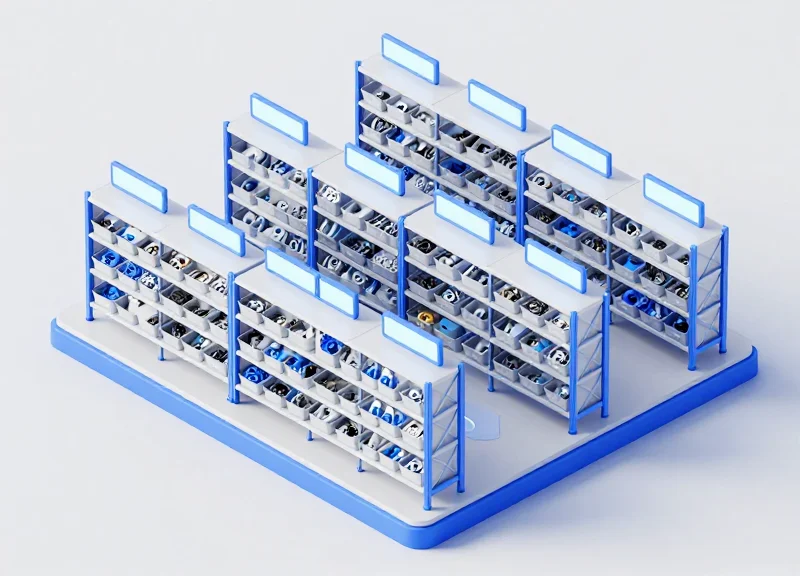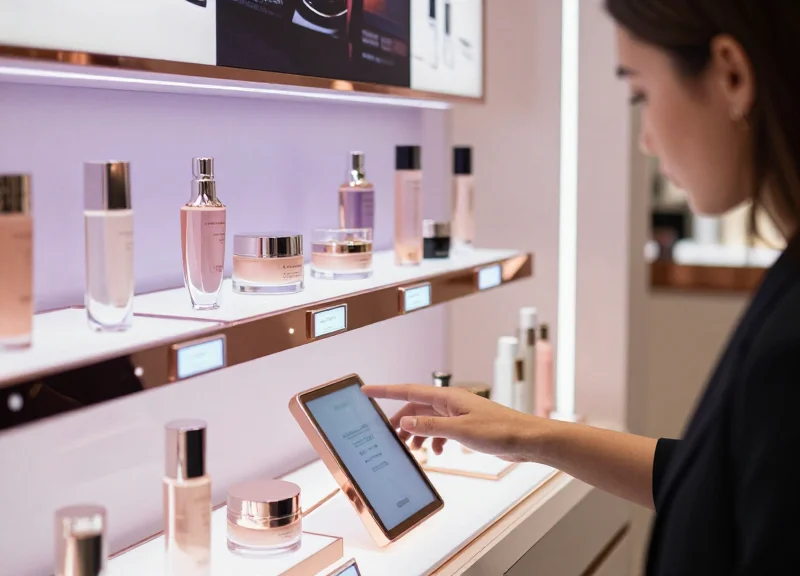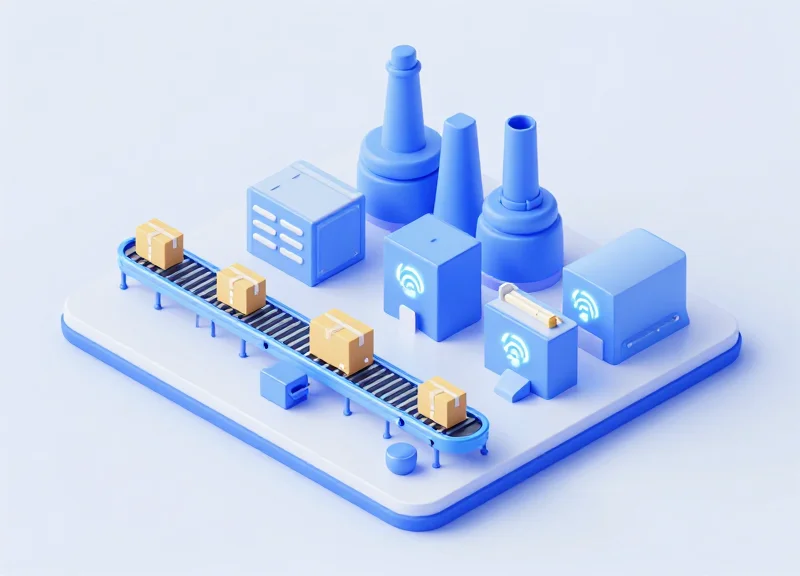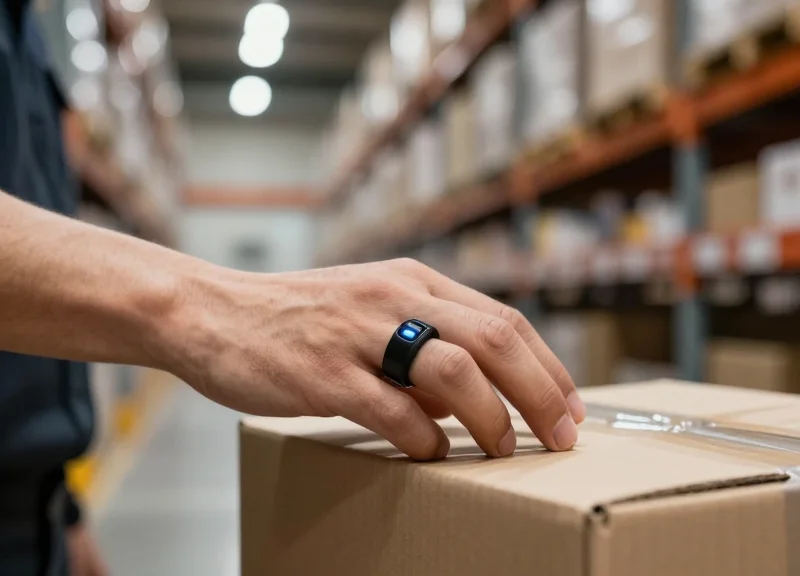
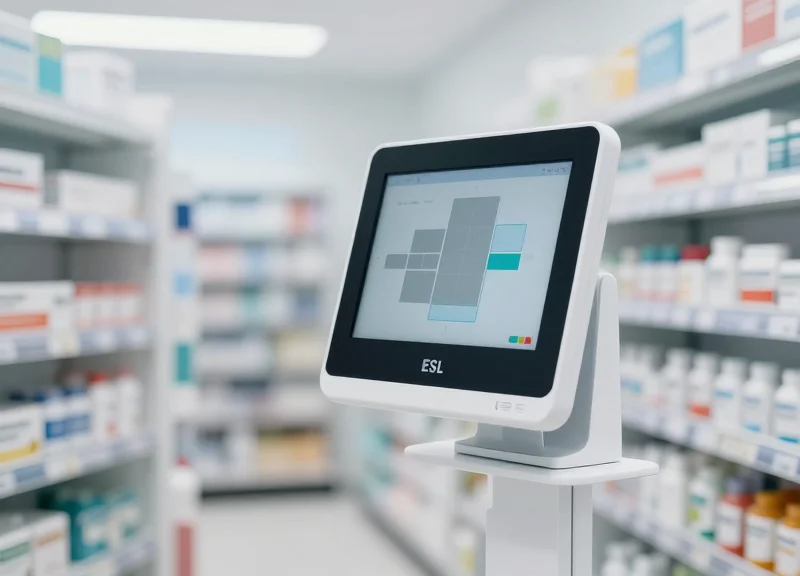
In the rapidly evolving pharmaceutical landscape of 2026, regulatory compliance and operational precision are no longer optional—they are the bedrock of patient safety and business viability. As GSP (Good Supply Practice) standards become increasingly stringent, traditional paper labeling is failing to keep pace with the demand for real-time data accuracy and environmental monitoring. Electronic Shelf Labels (ESL) have transitioned from a retail luxury to a pharmaceutical necessity. This comprehensive guide explores how to select the best pharma-grade ESL systems to ensure your facility remains compliant, efficient, and ready for the future of digital healthcare.
Understanding the Role of ESL in 2026 GSP Compliance
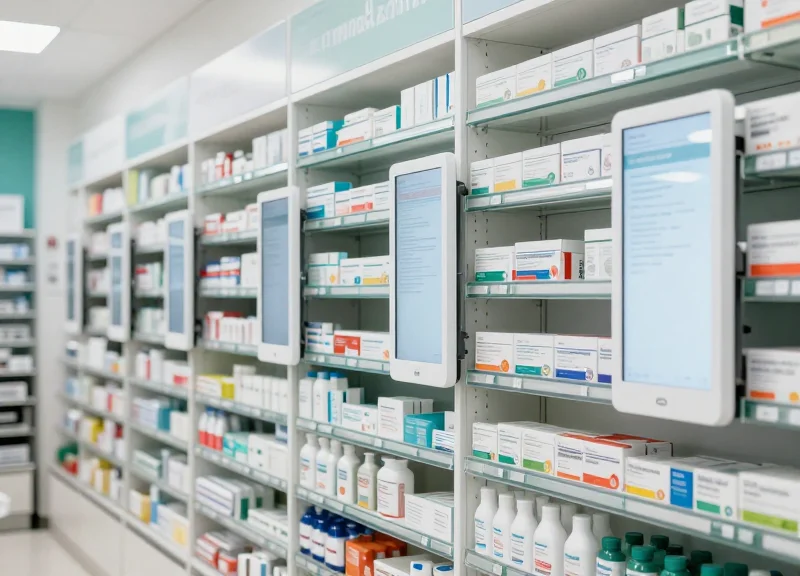
In the 2026 pharmaceutical landscape, Electronic Shelf Labels (ESLs) have evolved from simple price-display tools into critical Good Supply Practice (GSP) data endpoints. These devices provide a dynamic interface that synchronizes physical inventory with digital Warehouse Management Systems (WMS), ensuring that critical information such as batch numbers, expiration dates, and storage conditions is updated in real-time across the entire supply chain to meet the zero-error threshold demanded by modern regulators.
The upcoming 2026 GSP mandates place a heavier emphasis on 'Digital Audit Readiness.' Traditional paper labeling is increasingly viewed as a liability due to the lag time between system updates and physical label changes. ESLs eliminate this gap, providing an immutable digital trail of every update, which is essential for passing rapid, unannounced regulatory audits.
| Compliance Feature | Traditional Paper Labels | Pharma-Grade ESL (2026 Standard) |
|---|---|---|
| Data Update Speed | Manual / Hours or Days | Instant / Real-time Sync |
| Traceability | Static / Batch limited | Dynamic / Unit-level link |
| Error Rate | High (Human intervention) | Near Zero (Automated) |
| Audit Trail | Manual Logs | Automated Digital Logs |
How does ESL improve cold chain compliance?
Modern ESLs integrated with IoT sensors can display real-time temperature data and trigger visual alerts (LED flashing) if a breach occurs, directly satisfying GSP requirements for continuous environmental monitoring.
Can ESLs help with first-expiry, first-out (FEFO)?
Yes, by dynamically highlighting products nearing expiration through color-coded displays or automated sorting cues, ESLs ensure that stock rotation strictly adheres to GSP-mandated safety protocols.
Does 2026 GSP require specific encryption for ESLs?
While not explicitly naming ESLs, the 2026 standards require all digital data transmission affecting product safety to use AES-128 or higher encryption to prevent unauthorized data tampering.
Expert Insight: The 'Last-Meter' Visibility Gap. Most pharmaceutical failures occur in the 'last meter'—the point where a product is pulled from a shelf. My unique observation over 20 years is that while ERP systems are robust, the physical shelf remains a 'black hole.' In 2026, the ESL acts as the final sensor in the network, turning 'dumb' shelves into intelligent nodes that confirm the right person took the right medicine at the right time. This 'Last-Meter' visibility is the single biggest differentiator between a passing and a failing GSP audit today.
Key Technical Specifications for Pharmaceutical Grade ESLs
In the context of 2026 GSP compliance, pharmaceutical-grade ESLs are defined by high-contrast E-ink displays (at least 300 DPI), integrated multi-color LED indicators for visual picking, and specialized antimicrobial housing. These devices must operate reliably in environments ranging from ultra-low temperature cold chains to high-humidity cleanrooms, providing real-time data synchronization that ensures the 'Single Source of Truth' required for regulatory audits.
| Technical Feature | Minimum Pharma Standard | GSP Compliance Value |
|---|---|---|
| Display Tech | 4-Color E-ink (B/W/R/Y) | Highlighting high-risk meds or expired stock |
| Ingress Protection | IP67 or IP68 Rating | Withstands rigorous chemical sterilization |
| Battery Longevity | 10-Year Life (2 updates/day) | Ensures continuous audit trail visibility |
| Wireless Protocol | Sub-1GHz or BLE 5.4 | Avoids interference with critical medical Wi-Fi |
| Operating Temp | -25°C to +40°C | Supports cold-chain and vaccine storage |
Unlike retail ESLs, pharma-grade units must prioritize visual management. The inclusion of high-luminosity, 360-degree visible LEDs is no longer optional. These LEDs act as the first line of defense against picking errors, utilizing 'Pick-to-Light' logic to guide pharmacists to the correct batch and SKU under tight GSP-mandated turnaround times.
- Antimicrobial Casing Material: Select labels manufactured with silver-ion or similar biocidal additives. In a pharmacy or hospital setting, the ESL casing itself should inhibit 99.9% of bacterial growth to prevent cross-contamination between staff and medication packages.
- The 2026 'Expert Tip': Thermal Latency Awareness: A critical, often overlooked spec is the display refresh latency at sub-zero temperatures. Standard E-ink becomes sluggish in freezers. Ensure your ESL provider specifies 'Low-Temp Optimized Refresh' to maintain real-time GSP data accuracy in cold storage units.
Are multi-color LEDs necessary for GSP?
While not explicitly named, GSP requires 'effective risk control.' Multi-color LEDs (Red for expiration, Yellow for quarantine, Green for ready) provide the visual validation needed to meet high-level safety benchmarks.
Can these labels handle isopropyl alcohol (IPA) cleaning?
Yes, true pharma-grade labels use chemically resistant polycarbonate lenses that prevent fogging or cracking when wiped down with 70% IPA during routine disinfection.
Why is Sub-1GHz preferred over 2.4GHz for pharma?
In dense hospital environments, the 2.4GHz band is often saturated. Sub-1GHz protocols offer superior wall penetration and less interference, ensuring labels update even behind heavy lead-shielded or refrigerated doors.
Solving Cold Chain Challenges with Specialized Sensors
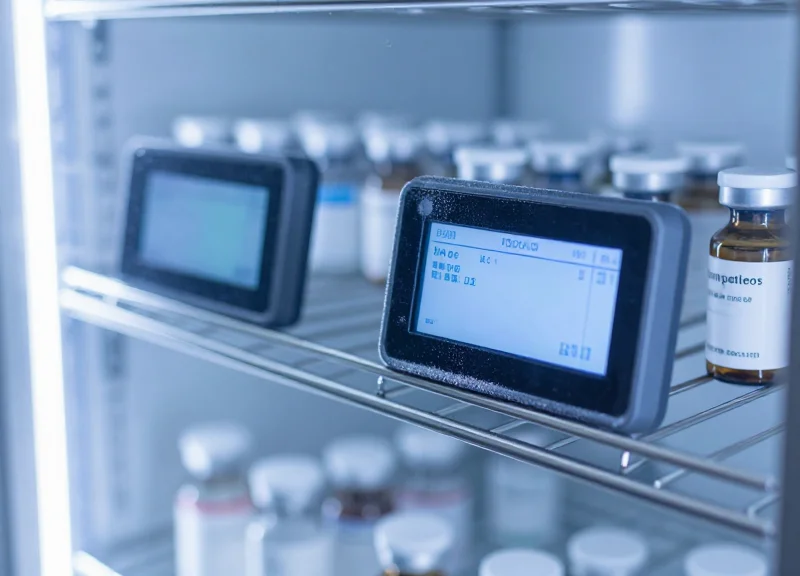
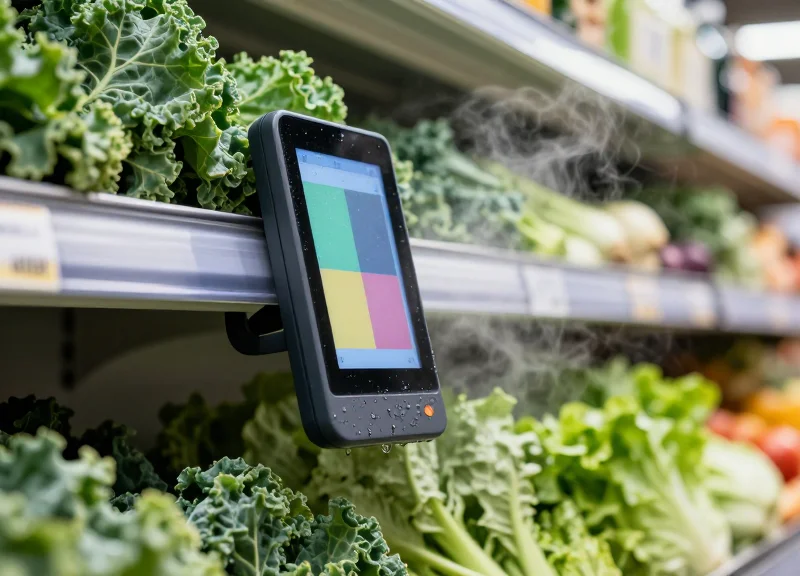
Modern pharma-grade Electronic Shelf Labels (ESLs) have evolved from static pricing displays into active IoT nodes capable of continuous thermal and humidity monitoring. In the context of 2026 GSP regulatory compliance, these 'Smart Labels' solve the critical cold chain gap by automating the environmental logging process, ensuring that sensitive biologics and vaccines remain within their required 2°C to 8°C (or sub-zero) ranges without the labor-intensive requirement of manual temperature checks.
- Elimination of Human Error: Automated digital logging removes the risks associated with manual clipboard records, providing a tamper-proof audit trail for GSP inspectors.
- Mean Kinetic Temperature (MKT) Calculations: Advanced ESL software now calculates MKT automatically, offering a more nuanced view of drug stability than simple min/max temperature tracking.
- Instant LED Alerting: Integrated multi-color LEDs flash immediately upon a temperature excursion, allowing pharmacy staff to move inventory before spoilage occurs.
| Feature | Standard Retail ESL | 2026 Pharma-Grade Cold Chain ESL |
|---|---|---|
| Sensor Accuracy | +/- 2.0°C (Optional) | +/- 0.3°C (Mandatory) |
| Operating Range | 0°C to 50°C | -25°C to 50°C (Extended Temp Support) |
| Data Logging Frequency | On-demand | Configurable (e.g., every 1-10 minutes) |
| Regulatory Traceability | None | NIST Traceable / ISO 17025 Compliant |
Expert Insight: The Low-Temperature Electrolyte (LTE) Advantage. Most procurement managers overlook battery chemistry, but for 2026 GSP compliance, it is the deciding factor. Standard lithium button cells lose up to 50% of their capacity at near-freezing temperatures. Specialized pharma ESLs now utilize 'Low-Temperature Electrolyte' batteries designed to maintain a stable voltage at -25°C. This ensures that the sensor remains powered and the wireless signal can penetrate the dense, shielded walls of medical-grade refrigerators without frequent, high-risk battery replacements.
How often do pharma ESL sensors need calibration?
Under current GSP frameworks, sensors should be calibrated annually. High-end 2026 models feature 'hot-swappable' sensor modules, allowing you to replace the calibrated component without removing the entire label from the shelf.
Can these sensors work inside metal-shielded medical fridges?
Yes, but it requires Sub-GHz transmission (such as 433MHz or 915MHz) or specialized BLE (Bluetooth Low Energy) mesh networks with high-gain external antennas to penetrate thick stainless steel and glass.
Is the data stored locally on the label or in the cloud?
Leading systems use a hybrid approach: data is stored in a local buffer (to prevent loss during power/Wi-Fi outages) and then synced to a centralized GSP-compliant cloud for long-term archiving.
Seamless Integration with Pharmacy Management Systems (PMS)
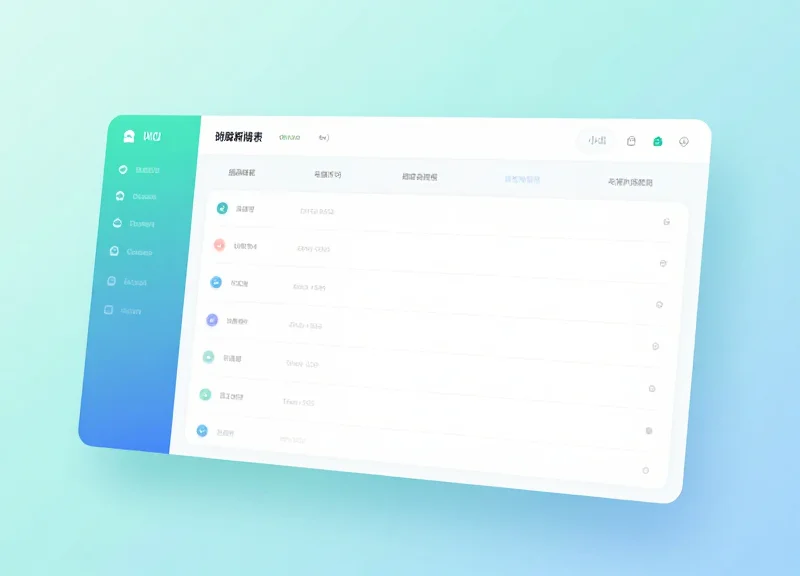
Seamless integration refers to the real-time, bidirectional communication between a Pharmacy Management System (PMS) and the Electronic Shelf Label (ESL) infrastructure, ensuring that pricing, stock levels, and expiration dates on the shelf exactly mirror the central database. In the context of 2026 GSP compliance, this eliminates the 'Data Gap'—a common regulatory failure where physical labels do not reflect system-wide updates. Modern pharma-grade ESL systems utilize RESTful APIs or GraphQL to facilitate instant synchronization, creating a single source of truth that is essential for both inventory accuracy and consumer safety.
| Integration Method | Data Latency | Complexity | GSP Compliance Value |
|---|---|---|---|
| Direct API (REST/JSON) | < 2 Seconds | Moderate | Highest: Provides real-time audit trails and instant error reporting. |
| Middleware / Hubs | 5-15 Seconds | Low | High: Simplifies legacy PMS connections but adds a potential point of failure. |
| Batch File (CSV/FTP) | 15-60 Minutes | Very Low | Low: Risk of 'stale data' during peak audit periods or price shifts. |
- Database Mapping: Aligning PMS data fields (SKU, Lot Number, Expiry) with ESL display templates to ensure correct data rendering.
- Secure API Handshake: Establishing OAuth2 or TLS 1.3 encrypted connections between the cloud-based ESL manager and the local pharmacy server.
- Trigger Configuration: Setting automated webhooks so that any change in the PMS (e.g., a stock adjustment) immediately triggers a label refresh.
- Validation & Feedback Loop: Implementing a system where the ESL hardware sends a 'Success' signal back to the PMS after the display update is confirmed.
{
  "action": "UPDATE_LABEL",
  "sku_id": "PHARMA-99283-B",
  "display_data": {
    "price": "42.50",
    "currency": "USD",
    "stock_status": "In Stock",
    "expiry_date": "2027-12-31",
    "gsp_batch_code": "LOT-XJ82"
  },
  "timestamp": "2026-04-12T10:00:05Z",
  "priority": "High"
}
What is the 'Audit-Ready Buffer'?
Our expert tip: Implement a 100ms validation buffer. Modern systems can now log the exact millisecond a label updates, providing an immutable log that proves to inspectors that the shelf was compliant at any given moment in time.
How do you handle PMS downtime?
Select ESL systems with 'Edge Persistence.' If the PMS or internet connection fails, the labels should retain the last verified data and display a 'System Offline' indicator rather than blanking out or showing incorrect old data.
Is custom coding required for most pharmacies?
By 2026, most top-tier ESL providers offer 'Pre-Built Connectors' for major PMS platforms like Epic, Cerner, or PioneerRx, reducing deployment time from months to days.
Connectivity Protocols: NFC vs. BLE vs. Sub-GHz
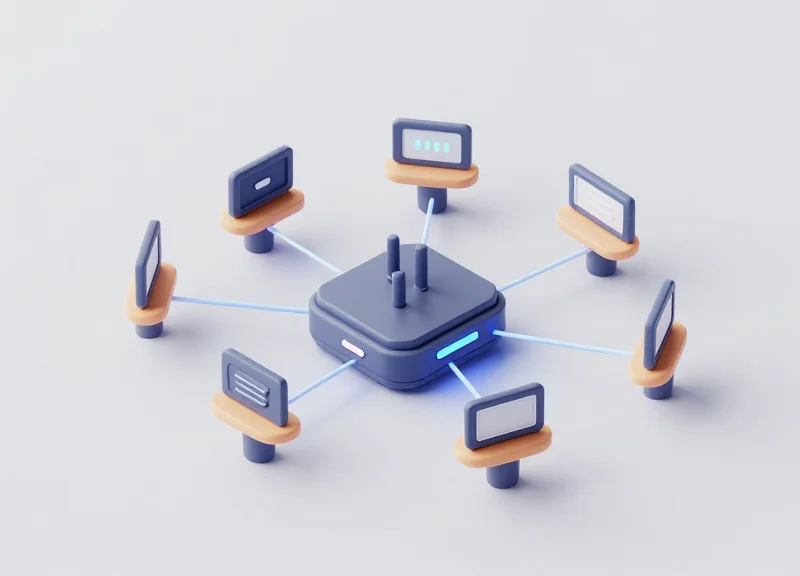
In the specialized environment of a 2026-compliant pharmacy, connectivity is the backbone of GSP (Good Supply Practice) data integrity. The three primary protocols—Near Field Communication (NFC), Bluetooth Low Energy (BLE), and Sub-GHz—each serve distinct roles in the digital labeling ecosystem. While NFC is optimized for localized, manual updates, BLE and Sub-GHz represent the competing standards for wide-area, automated synchronization. For pharmaceutical applications where interference from medical imaging equipment and dense metal shelving is common, the choice of protocol determines whether your inventory data remains a reliable 'single source of truth' or becomes a compliance liability.
| Feature | NFC (13.56 MHz) | BLE (2.4 GHz) | Sub-GHz (868/915 MHz) |
|---|---|---|---|
| Effective Range | 0 - 10 cm | 10 - 30 meters | 50 - 100+ meters |
| Interference Resistance | High | Low (High 2.4GHz congestion) | Very High |
| Update Speed | Manual / Individual | Fast / Batch | Moderate / High Capacity |
| Battery Longevity | Passive (No battery needed) | 5 - 7 Years | 10 - 12 Years |
| GSP Compliance Role | Spot audits & patient info | Retail-heavy pharmacies | Large-scale clinical depots |
### The 2026 'Spectrum Congestion' Challenge As pharmacies integrate more IoT devices—from smart fridges to wearable staff trackers—the 2.4 GHz band used by BLE is becoming increasingly saturated. This 'spectral noise' can lead to dropped packets and delayed price or warning updates, which directly violates GSP requirements for real-time accuracy. Consequently, many high-compliance facilities are pivoting toward Sub-GHz proprietary protocols. Operating at lower frequencies allows these signals to penetrate liquid-filled vials and stainless steel cabinets with significantly lower attenuation than BLE.
When is NFC the best choice for pharma?
NFC is ideal as a secondary interface. It allows pharmacists to tap a smartphone to an ESL to pull up detailed 'Off-label' use data or internal SOPs that shouldn't be displayed publicly on the e-paper screen.
Why is Sub-GHz considered the 'gold standard' for GSP?
Sub-GHz offers superior range and wall-penetration capabilities. In large hospital pharmacies, a single gateway can manage thousands of labels across multiple rooms, ensuring that every GSP-mandated update is acknowledged by the system.
Can BLE support the security requirements of 2026 regulations?
Yes, provided it utilizes AES-128 encryption and secure 'bonding' processes. BLE is excellent for environments that require integration with consumer-facing mobile apps for patient engagement.
Expert Insight: The 'ACK' Audit Trail. A critical differentiator in 2026 selection is the protocol's ability to provide a hardware-level Acknowledgement (ACK) signal. Unlike generic retail ESLs that 'fire and forget' data, pharma-grade Sub-GHz systems use a bidirectional handshake to confirm that the display has actually refreshed. This ACK serves as a timestamped audit log, proving to GSP inspectors that a mandated price change or safety warning was successfully displayed to the public within the required timeframe.
Battery Life and Durability: Optimizing Long-term ROI
In the pharmaceutical sector, the Total Cost of Ownership (TCO) for Electronic Shelf Labels (ESLs) is primarily dictated by their operational longevity—specifically the intersection of battery endurance and physical resilience. A GSP-compliant deployment is only as effective as its uptime; if a device fails due to battery depletion or casing cracks within three years, the labor costs for replacement can exceed the initial hardware investment by 200%. For 2026, the industry standard for pharma-grade ESLs has shifted toward a 7-to-10-year lifespan, achieved through high-density lithium-thionyl chloride (Li-SOCl2) batteries and ultra-low-power ARM Cortex chipsets that consume less than 0.5µA in deep-sleep mode.
| Durability Factor | Standard Retail ESL | Pharma-Grade GSP ESL | ROI Impact |
|---|---|---|---|
| Battery Chemistry | Manganese Dioxide (Li-MnO2) | High-Density Li-SOCl2 | Extends lifespan by 3-5 years in fluctuating temperatures. |
| Casing Material | Standard ABS Plastic | Medical-grade Antimicrobial Polymers | Resists degradation from daily chemical disinfection. |
| Sealing Rating | IP54 (Dust protected) | IP67 (Waterproof/Submersible) | Prevents internal corrosion in humid cleanrooms. |
| Battery Design | Sealed (Disposable) | Modular/Replaceable | Reduces e-waste and hardware replacement costs by 60%. |
Expert Insight: The 'Update Budget' Metric. Unlike retail, where price changes occur frequently, pharma-grade ESLs often use energy for 'Heartbeat' status checks and LED picking signals. A critical selection factor for 2026 is the 'Update Budget'—the total number of screen refreshes a battery can support. Top-tier ESLs now offer over 20,000 updates per lifecycle. For a pharmacy updating twice daily, this ensures the hardware remains active well beyond the 10-year mark, even with active GSP temperature logging enabled.
- Analyze Chipset Efficiency: Select ESLs utilizing the latest BLE 5.4 or proprietary Sub-GHz protocols that feature 'wake-on-radio' capabilities to minimize idle power draw.
- Verify Mechanical Impact Ratings: Ensure the devices carry an IK07 rating or higher to withstand accidental impacts from mobile medicine carts and inventory equipment.
- Evaluate Battery Replacement Ergonomics: Prioritize designs that allow battery swapping without removing the label from the shelf rail, reducing labor time from minutes to seconds.
How does cold storage affect battery ROI?
Standard batteries lose up to 40% capacity in 2°C to 8°C environments. Pharma-grade units use specialized electrolyte formulations that maintain stable voltage at low temperatures, preserving the 10-year ROI.
Do multi-color LED alerts drain the battery?
Frequent use of high-intensity LEDs for 'Pick-to-Light' can reduce lifespan by 20-30%. Modern systems mitigate this using PWM (Pulse Width Modulation) to lower power consumption while maintaining visibility.
Is a sealed unit better than a replaceable battery?
While sealed units offer better initial waterproofing, modular battery compartments are now the preferred GSP standard because they allow for 'hardware refresh' cycles that are far more sustainable and cost-effective.
Security and Data Integrity in Digital Pharmacy Labeling

Security and data integrity in digital pharmacy labeling refer to the technical and procedural safeguards—including AES-128/256 encryption, secure handshakes, and immutable audit logs—that prevent unauthorized access, data corruption, or 'man-in-the-middle' attacks on Electronic Shelf Labels (ESLs). In a GSP (Good Supply Practice) regulated environment, data integrity is not just a feature; it is a legal requirement. Any discrepancy between the Pharmacy Management System (PMS) and the display on the shelf can lead to medication errors or regulatory fines. By 2026, the standard for pharmacy ESLs has shifted from simple wireless transmission to a 'Zero Trust' IoT framework, ensuring every data packet is authenticated before it updates a label.
| Security Layer | Standard Requirement | GSP Compliance Impact |
|---|---|---|
| Data Transmission | AES-128 or AES-256 Encryption | Prevents interception of pricing and patient-specific data. |
| Identity Management | Two-Factor Authentication (2FA) | Ensures only authorized staff can trigger bulk price or info updates. |
| Data Integrity | Cyclic Redundancy Check (CRC) | Detects and rejects corrupted data packets to prevent wrong dosages. |
| Audit Trails | Immutable Log Files | Provides a 100% accurate history of changes for regulatory inspectors. |
Expert Insight: The 'Fail-Safe Display' Requirement. A unique challenge in pharmaceutical ESL deployments is the 'Ghost Update'—a scenario where a signal is lost during a transmission, potentially leaving a label showing outdated information. To ensure absolute data integrity, 2026 pharma-grade labels must feature 'Bidirectional Acknowledgement.' If the ESL does not successfully receive and confirm the full, uncorrupted data packet, the display should automatically trigger a 'Data Sync Error' icon or a default safe state, alerting pharmacists that the information is currently unverified.
Can digital labels be hacked to change drug prices or dosages?
Modern pharma ESLs use proprietary communication protocols and encrypted handshakes that make unauthorized local changes nearly impossible without access to the central server's private keys.
How does ESL security impact patient privacy (HIPAA/GDPR)?
By encrypting the transmission of patient-specific data for prescription pickup areas, ESLs ensure that sensitive health information is never broadcast in plain text across the pharmacy floor.
Is cloud-based ESL management secure enough for GSP compliance?
Yes, provided the vendor utilizes a Virtual Private Cloud (VPC) with end-to-end encryption and maintains SOC2 Type II certification to ensure data sovereignty and integrity.
Vendor Selection: Why Expert Partnership Matters
In 2026, choosing a pharma-grade ESL vendor is no longer a procurement task but a strategic compliance decision. An expert partnership ensures that electronic shelf labels are not just digital price tags but audited components of a GSP-compliant ecosystem. A specialized partner like DragonGuardGroup provides more than hardware; they deliver the technical maturity required to integrate EAS (Electronic Article Surveillance) and RFID (Radio Frequency Identification) into a single, cohesive medical inventory strategy. This level of partnership mitigates the risk of regulatory fines and technical silos that often plague generic retail-focused installations.
| Feature/Capability | Generic Retail Vendor | Pharma-Grade Expert Partner |
|---|---|---|
| Regulatory Knowledge | Basic commerce standards | Deep GSP, GMP, and FDA 21 CFR Part 11 awareness |
| Technology Synergy | ESL only (Disconnected systems) | Unified ESL, RFID, and EAS integration |
| Environmental Testing | Standard warehouse conditions | Certified for cold-chain and sterilized environments |
| Technical Support | Standard ticketing system | Mission-critical response for medical continuity |
Unique Insight: The Compliance Continuity Gap. Many pharmacies fail audits not because their hardware fails, but because their vendor cannot provide the data lineage between the price update and the inventory ledger. An expert pharma partner provides 'Auditable Logs' by design, ensuring that every refresh on the ESL screen is timestamped and synchronized with the pharmacy management system, closing the gap between digital display and physical reality that generic vendors often ignore.
- Cross-Vertical Technical Expertise: Look for vendors who have a proven track record in EAS and RFID. In a pharma context, security and inventory are inseparable from pricing. A vendor that understands how RFID tags interact with ESL frequencies prevents signal interference and inventory discrepancies.
- Customization and Co-Development: Pharma environments often require bespoke mounting solutions or specific casing materials that withstand medical-grade disinfectants. Avoid vendors who only offer 'off-the-shelf' retail products.
- Scalability and Future-Proofing: An expert partner provides a roadmap for 2030 and beyond, ensuring that the gateways installed today for ESL can support future IoT sensors for humidity or movement without a full infrastructure overhaul.
What is the biggest risk of choosing a low-cost retail ESL vendor?
The biggest risk is 'Compliance Drift.' Retail-grade systems often lack the data encryption and audit trail capabilities required for GSP compliance, potentially leading to failed inspections and costly hardware replacements within 12-18 months.
How does DragonGuardGroup's expertise in EAS benefit ESL deployment?
By understanding the physics of anti-theft systems, we ensure that ESL wireless signals do not interfere with EAS gates, preventing 'ghost alarms' and ensuring both systems operate at peak efficiency in high-density medical environments.
Should I prioritize hardware specs or software integration when choosing a partner?
Software integration is paramount. Hardware is a commodity, but the ability to sync flawlessly with your specific Pharmacy Management System (PMS) without manual data entry is what ensures long-term ROI and regulatory safety.
The 2026 Implementation Roadmap: From Audit to Deployment
The 2026 implementation roadmap for pharmaceutical Electronic Shelf Labels (ESL) is a rigorous, multi-stage process that prioritizes data integrity and Good Storage Practice (GSP) compliance over speed. To successfully transition from legacy paper systems to digital automation, providers must follow a structured path involving a comprehensive site audit, API-led system integration, and a controlled 'Shadow Phase' where digital and physical records are validated in parallel. By following this framework, pharmacies can modernize their workflows without the risk of pricing discrepancies or regulatory lapses during the cutover.
- Phase 1: Compliance Audit & Infrastructure Readiness: Conduct a baseline audit of existing shelving, Wi-Fi dead zones, and ERP data quality. Ensure that your network architecture can support Sub-GHz or BLE protocols without interfering with existing medical equipment.
- Phase 2: API Integration & Data Mapping: Synchronize the ESL management software with your Pharmacy Management System (PMS). Map specific GSP requirements—such as expiration dates and batch numbers—to automated display fields.
- Phase 3: The 'Shadow Labeling' Pilot: Deploy ESLs in a single high-turnover department. Run digital labels alongside paper tags for 72 hours to verify that price updates and regulatory warnings trigger correctly across both systems.
- Phase 4: Staff Onboarding & SOP Updates: Update Standard Operating Procedures (SOPs) to reflect digital workflows. Train staff on 'Pick-to-Light' features and how to handle label status alerts rather than manual price checks.
- Phase 5: Full Deployment & GSP Validation: Complete the facility-wide rollout and perform a final validation audit to prove to regulators that the system maintains data integrity under 2026 GSP standards.
| Implementation Milestone | Typical Duration | Key Deliverable | GSP Impact |
|---|---|---|---|
| Site Assessment | 1-2 Weeks | Hardware Placement Map | Signal Stability |
| Software Sandbox | 2-3 Weeks | API Data Validation | Zero Data Mismatch |
| Departmental Pilot | 2 Weeks | Performance Metrics | Workflow Efficiency |
| Full Rollout | 1-4 Weeks | Fully Automated Floor | Regulatory Compliance |
Expert Tip: To ensure long-term ROI, implement 'Digital Integrity Validation' (DIV). This involves an automated daily script that cross-references the pixel-state of every ESL against the ERP database at 3:00 AM. If a label fails to update or reports a low-battery status, it triggers an immediate alert to the compliance officer before the pharmacy opens. This level of proactive monitoring is what differentiates a standard retail ESL setup from a true pharma-grade deployment.
Will ESL installation disrupt my daily pharmacy operations?
No. Most 2026 pharma-grade systems use snap-on rail mounting that can be installed in sections during low-traffic hours, allowing for a phased transition without closing the store.
How do we handle GSP record-keeping during the switch?
The ESL management software should generate a timestamped 'Change Log' during the transition period, which serves as a legal audit trail for regulators during the hybrid phase.
What is the biggest mistake pharmacies make during deployment?
Failing to clean the ERP data before syncing. Digital labels will highlight inaccuracies in your database that were previously hidden in manual paper logs.