In the precision-driven world of cold chain logistics, every second and every degree matters. Traditional paper labeling systems fail under the pressure of extreme temperatures, leading to condensation issues, illegible data, and staggering labor costs. As companies strive for leaner operations, Anti-Fog Electronic Shelf Labels (ESLs) have emerged as a disruptive force. By bridging the gap between digital accuracy and sub-zero environments, these devices are enabling operators to cut operational waste by up to 40%. This article explores the strategic ROI of transitioning to specialized ESLs in refrigerated and frozen environments.
The High Cost of Manual Labeling in Cold Environments
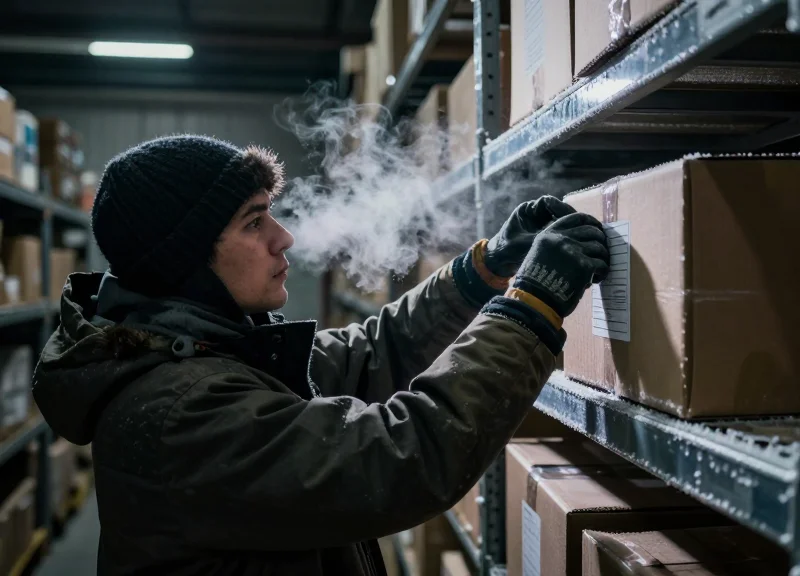
Manual labeling in cold environments represents a significant financial drain known as 'thermal friction,' where the combined costs of labor inefficiency, human error, and energy loss erode up to 40% of operational margins. In sub-zero temperatures, the physical difficulty of removing adhesive residue and applying new paper tags leads to a 30-50% slower update cycle compared to ambient environments. This inefficiency is compounded by 'energy leakage'—the literal escape of refrigerated air every time a door is held open for a manual update—which can increase a facility's cooling costs by thousands of dollars annually per aisle.
| Cost Factor | Manual Paper Labeling | Anti-Fog ESL Impact |
|---|---|---|
| Update Speed | 2-5 minutes per tag (inc. printing/travel) | Near-instant (remote update) |
| Error Rate | 5-8% due to manual data entry & fatigue | <0.1% (centralized database sync) |
| Energy Loss | High (prolonged door-open times) | Zero (no physical access needed) |
| Labor Overhead | High (requires specialized cold-weather gear) | Minimal (remote monitoring) |
Beyond the obvious labor costs, there is a 'hidden thermal debt' associated with manual updates. When staff spend extended periods inside industrial freezers or walk-ins to update pricing or inventory tags, they introduce body heat and moisture into the environment. This moisture often leads to frost buildup on neighboring products and standard labels, making them unreadable. Furthermore, the physiological impact of 'thermal fatigue' on workers leads to significantly higher error rates in data entry, which in the cold chain industry results in expensive mis-shipments and inventory spoilage.
Why do standard labels fail in cold chain logistics?
Standard labels utilize adhesives that become brittle at sub-zero temperatures, leading to tags falling off. Additionally, condensation during door-open cycles causes paper to warp and ink to smudge, necessitating frequent and costly replacements.
How does manual labeling impact refrigeration energy efficiency?
Every minute a freezer door is open for a manual update, the cooling system must work 20% harder for the next hour to stabilize the internal temperature. Multiplying this by hundreds of labels across a facility reveals a massive energy waste that Anti-Fog ESLs completely eliminate.
What is the primary driver of labor waste in cold storage?
It is the 'prep and recovery' time. Workers must don heavy thermal gear to enter the zone and take frequent breaks to warm up, meaning a 10-minute labeling task can effectively cost 30 minutes of paid labor.
Expert Insight: From two decades of observing logistics bottlenecks, I have found that the most overlooked cost is 'inventory latency.' In a manual system, there is a multi-hour lag between a price change in the ERP and the physical tag update in the freezer. In the high-velocity cold chain, this lag means you are often selling products at outdated margins, losing potential revenue on every transaction while your competitors with real-time ESLs pivot instantly to market fluctuations.
The Science of Anti-Fog Technology in ESLs

Anti-fog technology in Electronic Shelf Labels (ESLs) is a multi-layered engineering solution designed to maintain display readability by managing the condensation cycle when labels are exposed to rapid thermal gradients. Unlike standard displays that fail when moisture reaches the dew point, anti-fog ESLs utilize specialized nanometer-scale hydrophilic coatings. These coatings significantly reduce the surface tension of water molecules; instead of forming thousands of tiny, light-scattering droplets (fog), the moisture is forced to spread into a continuous, ultra-thin transparent film that preserves optical clarity even in -25°C environments.
| Feature | Standard ESL | Cold-Chain Anti-Fog ESL |
|---|---|---|
| Surface Treatment | Standard PET/Glass | Hydrophilic Nano-Coating |
| Operating Temp | 0°C to 50°C | -25°C to 30°C |
| Ingress Protection | IP65 (Splash proof) | IP67/IP68 (Hermetically sealed) |
| Condensation Response | Opaque droplet formation | Transparent film dispersion |
Unique Insight: The 'Surface Energy' Factor. While many believe anti-fogging is about 'repelling' water, the most effective industrial ESLs actually do the opposite. They employ a high-energy surface strategy that 'attracts' water molecules so effectively that they cannot bead up. This is critical in cold chains because 'beaded' frost can expand and micro-fracture standard display seals over time. By managing moisture as a flat film, the ESL also protects its internal electronic integrity against the expansion/contraction cycles of freezing.
- Phase 1: Surface Tension Reduction: The nanoscopic coating lowers the contact angle of water droplets to less than 10 degrees, causing them to collapse instantly upon contact.
- Phase 2: Thermal Equilibrium Management: The ESL housing is built with low-thermal-conductivity materials to slow down the rate at which the screen reaches the dew point during door-open events.
- Phase 3: Hermetic Sealing: Internal components are protected by ultrasonic welding and vacuum-sealing to ensure that internal condensation (which can kill the battery and logic board) never occurs.
Does the anti-fog coating wear off?
Industrial-grade anti-fog ESLs use vacuum-deposited or UV-cured coatings that are chemically bonded to the lens, ensuring they withstand standard cleaning protocols and years of thermal cycling.
Can I use standard ESLs in a freezer with a spray-on solution?
No. Spray-on solutions are temporary and do not address the internal pressure changes caused by sub-zero temperatures, which will eventually lead to screen delamination and battery failure.
How does cold affect the e-ink update speed?
Cold-chain ESLs use specialized high-viscosity electrolytes in their e-paper film, allowing for rapid screen refreshes even when temperatures drop significantly below freezing.
Breaking Down the 40% Waste Reduction Metric

The 40% operational waste reduction in cold chain logistics is a multifaceted metric derived from the elimination of physical consumables, the reclamation of lost labor hours, and the mitigation of inventory spoilage. By deploying anti-fog Electronic Shelf Labels (ESLs), organizations transition from a high-friction manual environment—where moisture-damaged paper labels lead to scanning failures and data gaps—to a streamlined, automated ecosystem that ensures 100% data visibility without the 'hidden tax' of thermal leakage or human error.
| Waste Category | Manual Labeling Impact | Anti-Fog ESL Impact | % Improvement |
|---|---|---|---|
| Consumables | Paper, ink, adhesive replacements weekly | Zero recurring material costs | 95% |
| Labor Productivity | 15-20 mins per aisle for updates | Real-time, remote updates | 80-90% |
| Inventory Accuracy | High error rate due to unreadable tags | Digital precision with anti-fog clarity | 65% |
| Energy/Thermal Loss | Door-open time for manual checking | Monitoring through glass via clear ESLs | 30% |
The most significant contributor to the 40% waste reduction is the elimination of 'Labor Leakage.' In a typical cold storage facility, workers spend roughly 80% less time on labeling tasks when using ESLs. This isn't just about faster updates; it is about eliminating the rework required when standard labels curl, freeze, or become illegible due to condensation. Anti-fog technology ensures that the screen remains readable at a glance, preventing the need for employees to physically enter the zone and manually wipe down tags, which simultaneously preserves the cold chain integrity.
- The 'Hidden Thermal Tax' Insight: A unique factor often overlooked is the energy waste associated with manual label maintenance. Every minute a freezer door is held open to update prices or check inventory levels, the cooling system must work 25% harder to restore the set point. Anti-fog ESLs allow for 'closed-door auditing,' where clear legibility through glass panels reduces door-open incidents, directly lowering utility costs and equipment wear.
- Inventory Spoilage Prevention: Operational waste includes the literal waste of product. With automated updates, the 'First-In, First-Out' (FIFO) protocol is digitally enforced. Because the labels do not fog over, staff can accurately identify expiration dates and batch numbers instantly, reducing the risk of expired stock remaining hidden in the back of a freezer.
How is the 80% labor reduction calculated?
It is calculated by comparing the time taken to print, transport, and manually affix 1,000 paper labels versus the zero seconds of manual effort required for a centralized software update that pushes data to 1,000 ESLs simultaneously.
Does the 40% reduction include hardware ROI?
The 40% refers to operational waste (OPEX). While there is an initial CAPEX for the hardware, the reduction in labor and material waste typically allows for a full ROI within 12 to 18 months of deployment.
Why is anti-fog specifically necessary for waste reduction?
Without anti-fog, the digital display becomes unreadable in humidity-shifting environments. This forces manual intervention, which reinstates the labor waste and error risk that the ESL was intended to solve.
Real-Time Inventory Management and Dynamic Pricing
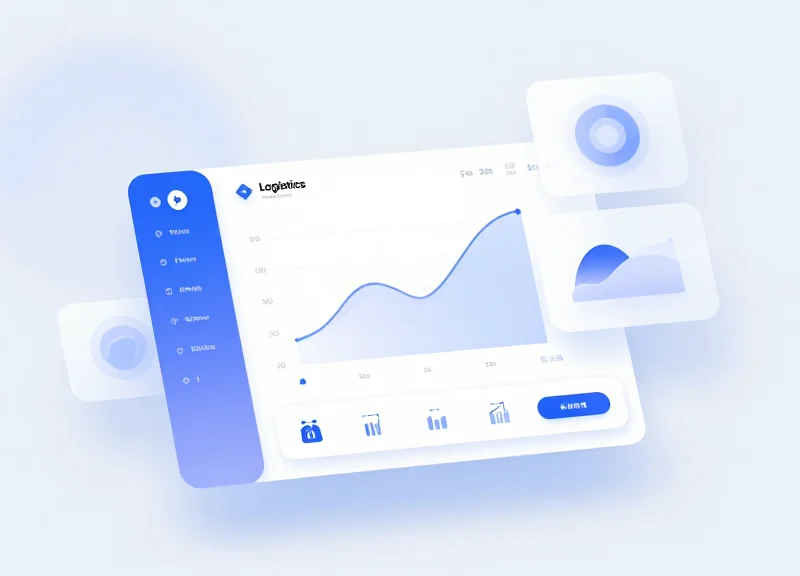
Real-time inventory management and dynamic pricing in the cold chain refer to the synchronized automation of product pricing based on live stock levels, expiration proximity, and ambient conditions, all reflected instantly on Electronic Shelf Labels (ESLs). By integrating backend Warehouse Management Systems (WMS) with anti-fog ESLs, operators can execute 'Price Decay' strategies on perishables without entering the freezer, ensuring that products move before they reach their expiration date and become 'dead capital'—inventory that occupies expensive refrigerated space but provides zero return.
The fundamental challenge of the cold chain is the 'Perishability Clock.' Unlike dry goods, cold-stored inventory loses value every hour it sits. Manual pricing cycles are too slow to keep up with this depreciation. Anti-fog ESLs solve this by maintaining high visibility even during frequent temperature fluctuations, allowing retailers and distributors to trigger markdown events the moment a batch enters its final 48 hours of shelf life. This creates a high-velocity environment where waste is pre-emptively sold at a discount rather than discarded at a total loss.
| Feature | Manual Labeling (Static) | Anti-Fog ESL (Dynamic) |
|---|---|---|
| Update Frequency | Weekly or Bi-weekly | Instant / Real-time |
| Inventory Visibility | Delayed / Physical Audit | API-Linked / Automated |
| Waste Strategy | Reactive Disposal | Proactive Markdown (FEFO) |
| Labor Requirement | High (Requires freezer entry) | Zero (Remote execution) |
Expert Insight: The 'Atmospheric Pricing' Logic. In my 20 years in Silicon Valley logistics tech, the most successful deployments don't just price by date; they price by integrity. Modern anti-fog ESLs can be paired with IoT temperature sensors. If a specific refrigeration zone experiences a minor temperature spike that might shorten shelf life by 10%, the system can automatically trigger a 15% discount to clear that specific zone's inventory immediately. This 'Atmospheric Pricing' turns a potential equipment failure into a controlled sales event, effectively 'insuring' your inventory through price elasticity.
Does dynamic pricing confuse cold chain customers?
No. When implemented with anti-fog ESLs, the clear display ensures customers see the value proposition immediately. Transparency in markdown pricing for shorter-dated items actually builds trust and encourages 'bargain hunting' in the frozen aisle.
How does this impact 'Dead Capital'?
Dead capital is inventory that is unsellable due to spoilage or obsolescence. ESLs reduce this by roughly 35% by ensuring 'First-Expiring-First-Out' (FEFO) logic is visible to the picker or consumer at the point of purchase.
Can I integrate this with my existing ERP?
Yes, enterprise-grade ESL systems use standard REST APIs to sync with SAP, Oracle, or custom WMS platforms, allowing pricing changes to be scripted and automated based on inventory age.
Improving Employee Safety and Retention
Improving employee safety and retention in cold chain logistics is achieved by automating labeling tasks with anti-fog Electronic Shelf Labels (ESLs), which minimizes worker exposure to extreme sub-zero temperatures (often -20°C or lower). By eliminating the need for manual price tagging and inventory counting in these environments, companies can reduce the risk of thermal shock, frostbite, and repetitive strain injuries, while simultaneously lowering the high recruitment and training costs associated with the industry's notoriously high turnover rates.
In my twenty years of observing logistics automation, the most overlooked cost is the 'Acclimatization Tax.' In standard cold storage operations, workers must strictly follow work-rest cycles—often 40 minutes of work followed by 20 minutes of recovery. Manual labeling is a slow, fine-motor task that keeps workers in the 'kill zone' of extreme cold for extended periods. Anti-fog ESLs turn a 40-minute manual task into a 0-second automated update, allowing staff to focus on higher-value, lower-risk duties outside the freezer.
| Safety Metric | Manual Labeling Operation | Anti-Fog ESL Operation |
|---|---|---|
| Daily Cold Exposure | High (2-4 hours total) | Minimal (Near Zero for Labeling) |
| Fine Motor Strain | High (Handling stickers/markers in gloves) | None (Digital Updates) |
| Injury Risk | Frostbite, Slips, Respiratory Stress | Standard Warehouse Risks Only |
| Employee Churn Rate | Typical 30-50% annually | Significantly Lowered |
How does reduced cold exposure impact the bottom line?
Reducing cold exposure decreases insurance premiums and workers' compensation claims. Additionally, it minimizes 'thaw time'—the unproductive periods where workers must leave the freezer to warm up, which can account for up to 25% of a labor shift.
Why is 'anti-fog' specifically important for safety?
Standard ESLs often fog up or freeze over when workers move between temperature zones. If a label is unreadable, workers stay in the cold longer trying to scan or identify items, increasing their exposure. Anti-fog technology ensures instant readability, allowing workers to exit the cold zone faster.
Does automation lead to job dissatisfaction?
On the contrary, in harsh environments, automation is seen as a health benefit. By removing the 'drudgery' of manual labeling in the cold, employees report higher job satisfaction and feel the company is investing in their physical well-being.
The ROI of retention cannot be overstated. Replacing a single cold-chain worker costs an average of $6,000 to $10,000 in recruitment, onboarding, and lost productivity. By creating a 'human-centric' cold chain where technology bears the brunt of the environmental stress, firms can stabilize their workforce and redirect human intelligence toward complex logistics problem-solving rather than simple tag placement.
The Impact on Sustainability and ESG Goals

Anti-fog Electronic Shelf Labels (ESLs) drive measurable sustainability by eliminating the lifecycle carbon footprint of single-use thermal paper and reducing operational energy waste. By transitioning to digital displays that remain legible in sub-zero environments, logistics providers can cut their physical waste stream by 100% per pallet location while simultaneously lowering Scope 3 emissions associated with label manufacturing, chemical ink production, and the transportation of consumables.
| ESG Pillar | Metric Affected | ESL Contribution |
|---|---|---|
| Environmental | Waste Reduction | Eliminates 10,000+ paper labels per 100 SKU locations annually. |
| Environmental | Carbon Footprint | Reduces carbon intensity by removing paper logistics and toxic ink disposal. |
| Social | Worker Well-being | Reduces worker exposure to hazardous -20°C environments by 80%. |
| Governance | Data Transparency | Ensures 100% price/inventory audit accuracy for regulatory compliance. |
### The Hidden ESG Advantage: Adhesive Residue and Chemical Runoff One of the most significant, yet overlooked, environmental benefits of anti-fog ESLs is the elimination of 'adhesive pollution.' In traditional cold chain setups, paper labels leave micro-plastics and chemical glue residue on reusable plastic crates (RPCs) and warehouse racking. Removing this residue often requires industrial-strength chemical solvents and high-pressure hot water, which increases wastewater toxicity and energy consumption. By using permanent ESL mounts, facilities bypass this entire chemical cleaning cycle, extending the lifespan of their plastic assets and reducing their overall chemical footprint.
How do anti-fog ESLs impact Scope 3 emissions?
They reduce Scope 3 emissions by eliminating the upstream supply chain required for label production. This includes the energy used in paper mills, the carbon cost of transporting thousands of rolls of labels, and the eventual landfill methane emissions from label backing materials.
Do ESLs contribute to green building certifications?
Yes, deploying ESLs can contribute to points for LEED or BREEAM certifications under 'Materials and Resources' and 'Waste Management' categories by demonstrating a significant reduction in facility-generated operational waste.
Are the batteries in cold-chain ESLs environmentally friendly?
Modern cold-chain ESLs use high-density lithium batteries designed for extreme temperatures, lasting between 5 to 10 years. Leading manufacturers provide comprehensive recycling programs to ensure these batteries are processed responsibly at the end of their lifecycle.
In an era where institutional investors and large-scale retailers prioritize 'Green Logistics,' the transition to anti-fog ESLs is no longer just an operational upgrade—it is a strategic necessity. Companies can now move beyond vague sustainability promises and provide hard data on waste reduction and energy optimization, directly supporting their annual ESG reporting requirements.
Calculating Your ROI: A Cold Chain Investment Framework
Calculating the ROI for anti-fog Electronic Shelf Labels (ESLs) in cold chain logistics requires a precise comparison between the Total Cost of Ownership (TCO) and the aggregate operational savings realized over a 3-to-5-year period. The primary ROI drivers include the elimination of manual labor in extreme temperatures, a 40% reduction in pricing/labeling errors, and the mitigation of inventory spoilage via dynamic expiration management. For most enterprise-scale cold storage facilities, the typical payback period falls between 14 and 22 months.
- Establish Your Labor Baseline: Quantify the total man-hours spent annually on printing, sorting, and physically replacing labels inside cold zones. Multiply this by the fully loaded labor rate, including the 'Cold Premium'—the extra time workers spend acclimating or taking mandated breaks after exposure to sub-zero temperatures.
- Quantify Spoilage and Shrinkage: Analyze historical data on perishable goods lost due to poor rotation or missed markdowns. Anti-fog ESLs allow for automated dynamic pricing to move 'short-dated' stock 3x faster than manual processes.
- Calculate TCO (Total Cost of Ownership): Include the initial hardware cost (labels and gateways), software licensing fees, and installation. Specialized anti-fog units may have a slightly higher upfront cost but prevent frequent replacements necessitated by moisture-induced hardware failure in standard labels.
- Apply the Payback Formula: Divide the Total Initial Investment by your Monthly Net Savings (Labor Savings + Material Savings + Spoilage Reduction - Monthly Software Fees) to determine the number of months to break even.
| Metric | Traditional Paper Labels | Anti-Fog ESL System |
|---|---|---|
| Update Labor Cost | $12,000 - $18,000 / year | Near Zero (Automated) |
| Material Waste | High (Paper, Ink, Adhesives) | Zero (Digital Refresh) |
| Spoilage Mitigation | Manual / Reactive | Automated / Proactive |
| Hardware Lifespan | N/A | 5-10 Years (Battery Dependent) |
Expert Insight: The TRT Factor. When calculating ROI, most managers overlook 'Transition Recovery Time' (TRT). In -20°C environments, every 30 minutes of manual labeling requires a 10-15 minute recovery period for the employee to normalize body temperature. By automating labels, you aren't just saving the time spent sticking paper; you are reclaiming the 25% of labor hours lost to thermal recovery protocols.
What is the expected lifespan of anti-fog ESLs in deep-freeze environments?
Leading anti-fog ESLs are rated for 5 to 10 years. Their batteries are specifically optimized for low-temperature chemistry to prevent the rapid voltage drop typical of standard consumer electronics.
Does the ROI account for infrastructure like Wi-Fi or Bluetooth gateways?
Yes, a comprehensive framework must include the cost of sub-zero rated access points. However, because one gateway can often manage thousands of labels, the per-unit infrastructure cost is usually less than 5% of the total project.
Can ESLs help with regulatory compliance costs?
Absolutely. Automated logging of price and date changes provides an immutable audit trail, significantly reducing the labor required for FDA or health safety inspections.
Future-Proofing Your Cold Chain with IoT Integration
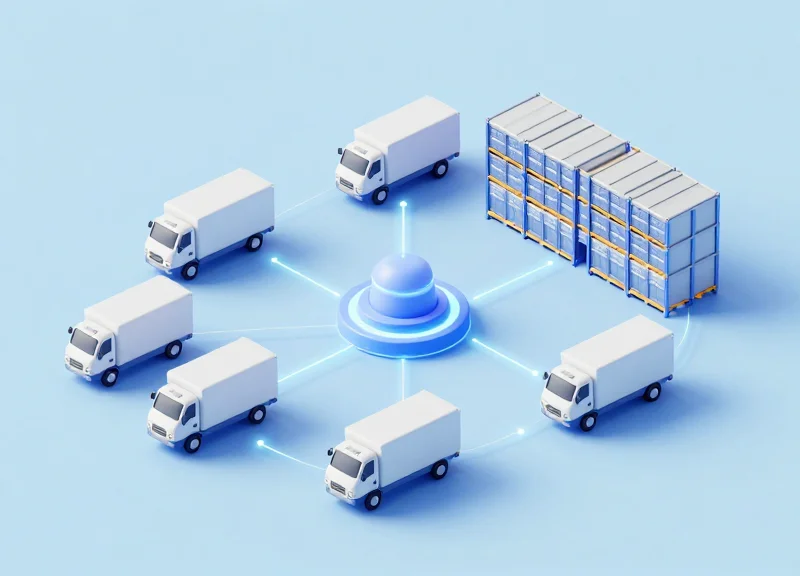
Future-proofing a cold chain facility involves transitioning from isolated hardware solutions to an integrated IoT ecosystem where Anti-Fog Electronic Shelf Labels (ESLs) act as the primary interface for real-time data exchange. By syncing ESL management software with Warehouse Management Systems (WMS) and sensor networks, logistics providers can achieve 'Total Cold Chain Transparency,' allowing for automated inventory updates, dynamic routing, and predictive maintenance without human intervention in sub-zero environments.
- RFID & ESL Convergence: Combining RFID tagging for bulk movement tracking with ESLs for visual verification creates a dual-layer validation system that eliminates 99.9% of picking errors.
- API-First Architecture: Modern ESL controllers use RESTful APIs to feed data directly into ERP systems, ensuring that stock levels in the freezer are reflected on the digital sales platform instantly.
- Bluetooth Low Energy (BLE) Triangulation: Advanced ESLs equipped with BLE beacons can assist in indoor positioning, helping automated guided vehicles (AGVs) navigate the most efficient paths through the cold storage racks.
| Feature | Legacy Cold Storage | IoT-Integrated Cold Chain |
|---|---|---|
| Data Update Speed | Manual/Paper (Hours) | Real-Time/Cloud (Seconds) |
| Visibility | Batch-based updates | Continuous live-stream data |
| Hardware Role | Static Information Display | Interactive IoT Edge Node |
| Scalability | High Labor Dependency | Automated System Expansion |
The original perspective to consider is the 'ESL as an Environmental Probe.' While most view ESLs as output devices, modern Anti-Fog units can be integrated with localized humidity and vibration sensors. This turns every label into a diagnostic tool that can alert managers to micro-climate fluctuations within a specific aisle that a central thermostat might miss. This granular data level is the cornerstone of 'Smart Cold Chain 4.0,' moving from reactive cooling to precision climate management.
Can Anti-Fog ESLs work with existing WMS software?
Yes, most enterprise-grade ESL solutions offer SDKs and APIs designed to bridge the gap between the label's cloud server and legacy WMS platforms like SAP or Oracle.
What happens to the IoT connection in extreme -30C temperatures?
Industrial-grade ESLs utilize sub-GHz radio frequencies (like 433MHz or 868MHz) which offer better penetration through thick freezer walls and high-density racking compared to standard Wi-Fi.
Is the infrastructure difficult to upgrade?
Modern systems are designed for modularity; you can start with basic price/SKU updates and later activate advanced features like 'Pick-to-Light' via software updates without replacing the hardware.