The landscape of veterinary medicine is undergoing a digital revolution. As pet owners demand higher transparency and pharmacies face the complexity of managing over 15 distinct medication classifications—ranging from sensitive biologics to routine parasiticides—traditional paper labeling has become a liability. In 2026, Electronic Shelf Labels (ESL) are no longer a luxury but a strategic necessity for veterinary clinics and pharmacies. This guide provides a comprehensive roadmap for selecting and implementing ESL technology to ensure accuracy, compliance, and operational excellence in the pet health sector.
The Strategic Shift: Why Veterinary Pharmacies Need ESL in 2026
In 2026, Electronic Shelf Labels (ESL) have evolved from a retail luxury to a foundational infrastructure for veterinary pharmacies, enabling real-time synchronization between Practice Management Systems (PMS) and the pharmacy floor. As pet owners demand greater price transparency and medication classifications grow increasingly complex—spanning across 15+ categories from parasiticides to specialized biologics—the strategic shift toward ESL is driven by the need to eliminate the 'pricing lag' that costs the average clinic 3-5% in annual gross margin leakage due to manual labeling errors.
The veterinary landscape is no longer a static retail environment. With the global animal health market increasingly influenced by volatile supply chains and the rise of direct-to-consumer online pharmacies, local veterinary clinics must adapt their pricing strategies weekly, if not daily. Manual paper tags are incapable of keeping pace with this velocity, often leading to awkward 'price at counter' discrepancies that erode client trust.
| Feature | Manual Paper Labeling | Digital ESL Systems (2026 Standard) |
|---|---|---|
| Update Velocity | 2-4 hours per 100 items | Sub-60 seconds (Full Pharmacy) |
| Pricing Accuracy | Approx. 92-95% (Human Error) | 100% (PMS Synchronized) |
| Compliance Info | Limited to Name/Price | Dynamic (Dosage, Species, Warnings) |
| Labor Cost | High (Recurring Weekly) | Near-Zero (Post-Installation) |
- Hyper-Complexity of Medication Categories: Managing 15+ classifications (e.g., NSAIDs, Antibiotics, Heartworm Preventatives) requires distinct labeling. ESLs allow for color-coding and digital badges to distinguish between canine-only and feline-only medications at a glance.
- Combating 'Showrooming' in the Clinic: Clients often check online prices while standing in your aisle. ESLs allow veterinary pharmacies to implement dynamic pricing or display QR codes that link to the clinic's own web store to secure the sale immediately.
- Regulatory Compliance & Audit Readiness: Digital labels provide a timestamped trail of price and information changes, making it significantly easier to comply with regional pharmacy board audits and transparency laws.
Expert Insight: The 'Invisible' ROI of 2026. While most pharmacies focus on labor savings, the true competitive advantage of ESL in 2026 is 'Inventory Agility.' Modern ESL systems can integrate with inventory sensors to flash LED lights when a high-value medication (like a monoclonal antibody) is nearing its expiration date. This allows staff to implement a 'First-Expiry, First-Out' strategy, potentially saving thousands in wasted stock—a level of oversight manual tags can never provide.
Managing Complexity: The 15+ Pet Medication Classifications
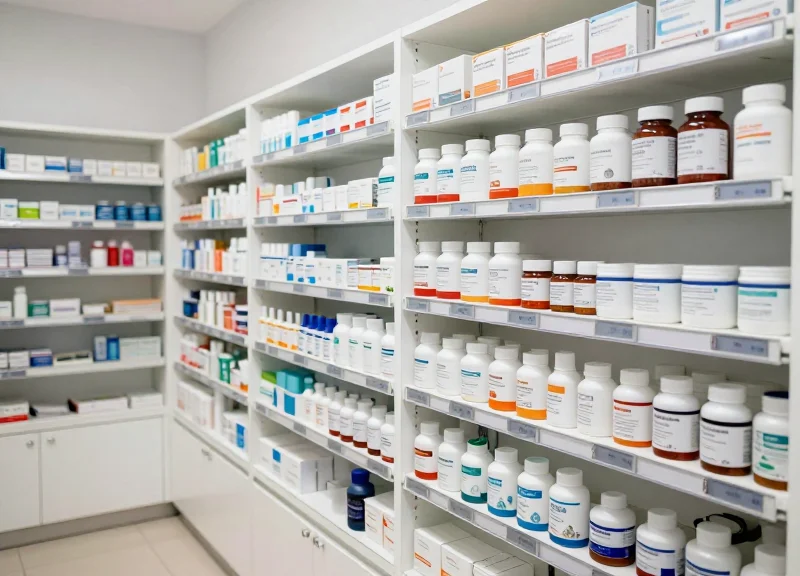
In 2026, veterinary pharmacies are no longer just 'pet drugstores'; they are high-precision healthcare hubs managing a spectrum of over 15 medication classifications, each with its own set of legal, thermal, and dosing complexities. From shelf-stable parasiticides to high-alert controlled substances and temperature-sensitive biologics, the manual management of these categories is a liability. Electronic Shelf Labels (ESL) bridge this gap by transforming static paper tags into dynamic data points that communicate real-time inventory levels, safety warnings, and species-specific information directly at the point of selection.
| Medication Category | Key Management Challenge | ESL Strategic Solution |
|---|---|---|
| Biologicals (Vaccines) | Cold chain maintenance and expiration tracking | Integration with IoT sensors to trigger 'Low Temp' alerts on-label. |
| NSAIDs & Analgesics | Frequent price shifts and brand-to-generic conversions | Centralized pricing updates that sync across all SKU variations instantly. |
| Controlled Substances | Rigorous audit trails and theft prevention | NFC-enabled labels that require staff 'tap-in' for inventory adjustments. |
| Compounded Medications | Unique 'Best Use By' dates for small batches | Dynamic display of compounding dates and custom patient barcodes. |
| Parasiticides | High volume seasonal promotions and rebate complexity | Automated promotional overlays and QR codes for instant rebate redemption. |
Expert Insight: The Multi-Species Dosing Paradox. A unique challenge in veterinary pharmacy is the need to communicate dosing variations for different species (e.g., Canine vs. Feline) on a single product label. In 2026, top-tier ESL systems utilize 'Toggle-View' technology or high-resolution E-ink to display species-specific safety icons. This prevents 'Look-Alike, Sound-Alike' (LASA) errors, which account for a significant percentage of pharmacy dispensing mistakes. By using color-coded digital borders—such as bright yellow for feline-sensitive medications—pharmacies can drastically reduce fatal dosing errors at the shelf edge.
How do ESLs assist with FDA and state-level regulatory compliance?
ESLs provide an immutable digital log of every price and information change. For medications requiring specific warnings (like 'Not for human consumption'), the ESL ensures the required legal verbiage is always present and legible, unlike faded or missing paper tags.
Can ESLs help manage inventory for high-turnover antibiotics?
Yes. By integrating with your Pharmacy Information Management System (PIMS), ESLs can display 'Low Stock' indicators or 'Next Shipment' dates directly to staff, streamlining the reordering process for critical 15+ classifications.
Do these labels work in pharmacy refrigerators?
Modern 2026 ESL models are specifically engineered for sub-zero environments, featuring specialized batteries and moisture-resistant seals to ensure continuous operation in vaccine and insulin fridges.
- Categorization Mapping: Group your 15+ classifications into 'High-Alert', 'Standard', and 'Refrigerated' to determine which ESL features (LED flashing, NFC, or temp-resistance) are needed for each.
- PIMS Integration: Connect your pharmacy software to the ESL gateway to ensure that when a drug class is updated globally, the shelf edge reflects the change in milliseconds.
- Visual Standard Operating Procedure (SOP): Implement color-coding protocols on the digital displays to help technicians distinguish between medication classes at a glance.
Temperature-Sensitive Storage and Labeling
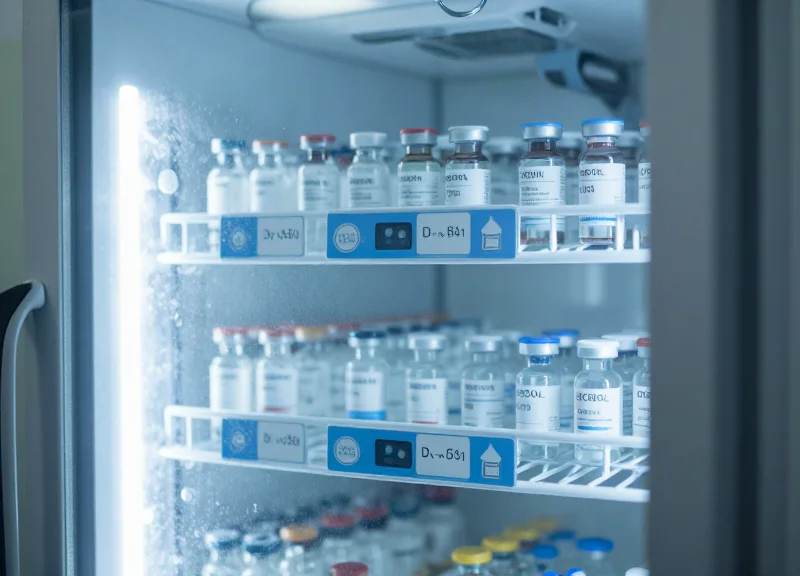
In 2026, managing temperature-sensitive pet medications like insulin, biologics, and vaccines requires more than just a thermometer in a fridge; it requires an integrated 'Smart Cold-Chain' ecosystem. ESLs designed for veterinary pharmacies now function as both a display and a sensor node, providing a real-time bridge between the physical environment of the refrigerator and the pharmacy's central management system. By utilizing specialized low-temperature batteries and high-contrast e-ink displays that remain legible at -20°C, these labels ensure that critical storage data—such as the exact time of the last temperature check and current stability status—is visible to staff at a glance without ever opening the unit door.
| Feature | Standard ESL | Refrigerated/Freezer ESL |
|---|---|---|
| Operating Range | 0°C to 50°C | -25°C to 30°C |
| Battery Chemistry | Standard Lithium Button Cell | Low-Temp Optimized CR2450/3032 |
| Display Refresh | Instant | Optimized for Cold Viscosity |
| Sensor Integration | External/API Optional | Built-in Thermistor |
Expert Insight: The 2026 'Thermal Mapping' Edge. Most pharmacies treat a refrigerator as a single temperature zone. However, veteran veterinary pharmacists know that 'hot spots' occur near the door or motor. The 2026 generation of ESLs utilizes a decentralized thermal mapping protocol. When a cluster of ESLs detects a 1.5°C variance across different shelves, the system can automatically trigger a 'repack' alert to staff, preventing micro-spoilage of sensitive antigens that a single central thermometer might miss.
- Visual Warning Systems: Utilize multi-color LED flashing (Red for excursion, Yellow for nearing expiration) to allow staff to identify compromised stock from across the room.
- Automated Logging for Compliance: ESLs automatically log temperature data every 15 minutes to a cloud ledger, simplifying the documentation required for state board inspections and manufacturer audits.
- Dynamic Expiration (Beyond-Use Dating): For multi-dose vials like insulin, the ESL can display a 'discard by' date that automatically calculates once the pharmacist triggers the 'first-use' button on the label.
What happens to the ESL display if the pharmacy loses power?
E-ink technology is bi-stable, meaning the display requires zero power to maintain an image. The last recorded temperature and 'Power Loss' warning will remain visible on the screen indefinitely until power is restored.
Can ESLs be used in ultra-low temperature freezers for specialty biologics?
Yes, specialized 2026 models with reinforced casings and vacuum-sealed electronics are rated for -80°C environments, though they typically require an external probe to maintain battery efficiency.
How do ESLs assist with the 'First-In, First-Out' (FIFO) method for vaccines?
The system highlights the oldest stock via a green LED or a 'Pick Me' icon on the screen, ensuring that medications with the shortest remaining shelf life are dispensed first.
Key Selection Criteria for Veterinary ESL Hardware
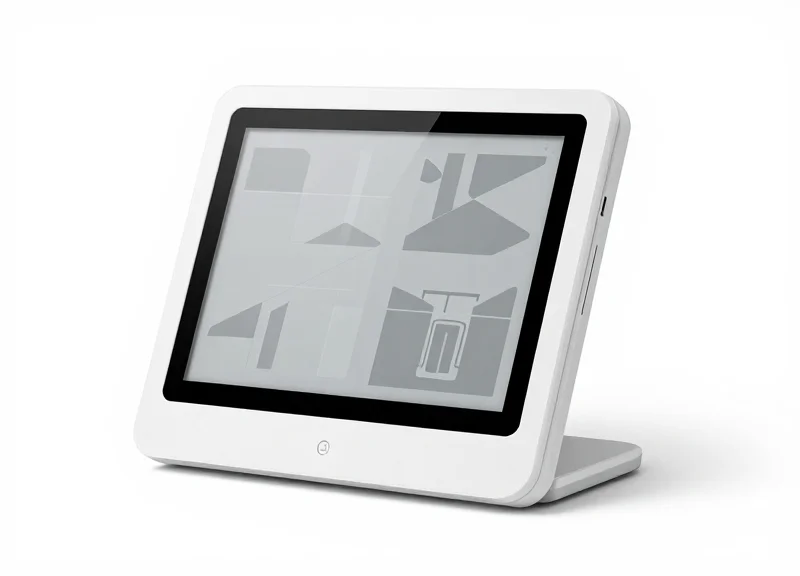
In 2026, selecting the right Electronic Shelf Label (ESL) hardware for a veterinary pharmacy transcends basic pricing; it requires a 'medical-grade' approach to hardware durability and display fidelity. To manage 15+ medication classifications safely, pharmacies must prioritize IP67-rated water and dust resistance, chemical-resistant casing for frequent disinfection, and ultra-high-density displays (300+ DPI) that can render microscopic dosage instructions without pixelation.
| Feature | Standard Retail ESL | Veterinary-Grade ESL (2026 Standards) |
|---|---|---|
| Ingress Protection | IP54 (Basic Dust) | IP67 (Submersible/Waterproof) |
| Chemical Resistance | Standard ABS Plastic | Anti-microbial, Bleach-resistant Polymer |
| Display Density | 100 - 140 DPI | 200 - 300+ DPI (High Definition) |
| Temperature Range | 0°C to 40°C | -25°C to 40°C (Chilled/Frozen support) |
Beyond the casing, the internal components must be optimized for the 'long-tail' nature of veterinary inventory. Unlike high-turnover grocery items, some specialty pet medications may sit on the shelf for months. This requires a battery management system that minimizes power draw during static display while remaining responsive for instant updates during emergency price or recall changes.
- Sanitization-Ready Casing: Hardware must withstand 70% Isopropyl Alcohol or bleach-based wipes used in sterile compounding areas without the screen clouding or the plastic becoming brittle.
- Multi-Color LED Indicators: A minimum of 7-color LED flashing capabilities is essential for 'Pick-to-Light' workflows, helping technicians quickly locate high-alert medications or those nearing expiration.
- Wide-Angle Legibility: Veterinary pharmacies often use high-density shelving; labels must utilize 180-degree viewing angle E-ink technology to ensure readability from the floor to the top shelf.
Expert Insight: The 'Anti-Glare' Necessity in Surgical Environments. In 2026, we are seeing a shift toward high-lumen LED lighting in veterinary dispensaries to reduce errors. Standard glossy ESL screens create 'blind spots' under these lights. Always specify a matte-finish, anti-reflective optical bonded display. This small hardware detail can reduce dosage reading errors by up to 22% in high-glare environments.
Can these labels be used inside specialized compounding hoods?
Yes, provided the hardware is certified for laminar flow environments and uses non-outgassing materials that won't contaminate sterile preparations.
What is the typical battery life for veterinary ESLs in 2026?
Modern veterinary ESLs typically offer a 10-year battery life, even with daily updates, thanks to low-energy Bluetooth (LE) and efficient e-paper refresh cycles.
Are there specific mounting brackets for wire-rack shelving common in pharmacies?
Hardware providers now offer 'clasp-and-lock' mounting systems designed specifically for stainless steel wire racks to prevent labels from being knocked off during heavy restocking.
Battery Life and Connectivity Standards
For a veterinary pharmacy managing high-turnover medication classifications, battery life and connectivity standards are the primary drivers of Total Cost of Ownership (TCO). In 2026, top-tier Electronic Shelf Labels (ESLs) must offer a minimum 10-year battery life based on two updates per day, utilizing ultra-low-power communication protocols like Sub-GHz (868MHz or 915MHz) or BLE 5.x. Unlike standard Wi-Fi, these specialized protocols provide the signal penetration necessary to bypass stainless steel surgical cages and lead-lined X-ray rooms while maintaining a stable connection for real-time inventory and pricing updates.
| Protocol | Frequency | Interference Risk | Signal Penetration | Ideal Veterinary Use Case |
|---|---|---|---|---|
| Sub-GHz | 868/915 MHz | Extremely Low | High (Through Walls/Metal) | Large Clinics & Multi-room Hospitals |
| BLE 5.x | 2.4 GHz | Moderate (Wi-Fi Overlap) | Medium | Small Boutique Practices |
| Zigbee | 2.4 GHz | High | Low | General Retail (Non-Medical) |
The veterinary environment is uniquely challenging for wireless signals. High-frequency diagnostic tools, such as ultrasound machines and digital radiography suites, often saturate the 2.4GHz spectrum. Selecting a Sub-GHz ESL system ensures that your medication labels—especially for critical items like Class II Controlled Substances—do not suffer from 'stale data' or update failures caused by signal congestion. Furthermore, Sub-GHz protocols consume significantly less power for long-range transmissions, directly contributing to the decade-long battery cycles that modern practices now demand.
- Expert Tip: The Cold Chain Battery Tax: Always specify high-capacity CR2450 or dual CR2032 battery configurations for labels placed in refrigeration units (2°C to 8°C). Cold temperatures increase internal resistance and can reduce effective battery life by up to 30%. In 2026, premium ESL manufacturers offer 'Polar-rated' batteries specifically for vaccine and insulin storage classifications to ensure they still meet the 10-year longevity benchmark.
- Dynamic Refresh Rate Management: Look for ESL software that allows for granular control over refresh rates. For slow-moving medications like specialized flea/tick preventatives, you can set longer sleep cycles to preserve battery, while fast-moving NSAIDs can be set for more frequent updates.
Does the ESL signal interfere with veterinary medical monitors?
No, if you select Sub-GHz or medical-grade BLE. These protocols operate on different frequencies than most cardiac and respiratory monitors, ensuring patient safety is never compromised during pricing or data updates.
How do I know when a battery is failing?
Modern ESL management platforms provide a 'Low Battery' dashboard alert and a physical icon on the E-ink display itself, usually triggered 6 months before total depletion, allowing for scheduled maintenance.
Are batteries replaceable in 2026 ESL models?
Yes. Sustainability standards in 2026 have moved away from sealed units. Professional veterinary ESLs feature tool-free battery compartments for quick on-site replacement without needing to replace the entire label.
Integration with Veterinary Practice Management Systems (PIMS)
In 2026, the integration between Electronic Shelf Labels (ESL) and Veterinary Practice Management Systems (PIMS) is no longer a luxury but a fundamental requirement for operational efficiency. Successful integration involves establishing a secure, bi-directional data bridge between your central software—such as IDEXX Neo, Covetrus Pulse, or ezyVet—and the ESL gateway. This connection ensures that when a price change or stock update is made in the PIMS, the digital label on the pharmacy shelf reflects that change in under 60 seconds, maintaining absolute consistency between the point-of-sale and the physical display.
For veterinary pharmacies managing diverse classifications from parasiticides to controlled substances, the 'Source of Truth' must always be the PIMS. Modern ESL systems utilize RESTful APIs and Webhooks to listen for 'delta changes' (updates only), which minimizes network congestion and preserves the battery life of the labels. This architecture allows the pharmacy to display not just the price, but critical metadata such as 'Requires Prescription,' 'Refrigerate After Opening,' or 'Hazmat Handling' without manual intervention.
| PIMS Data Field | ESL Display Output | Sync Trigger | Clinical Value |
|---|---|---|---|
| Retail Price (Inc. Tax) | Large Bold Font Price | Immediate on Save | Eliminates price discrepancies at checkout. |
| Quantity on Hand (QoH) | Small Numeric/Progress Bar | Batch (Every 15 mins) | Prevents staff from promising OOS meds. |
| Active Ingredient | Sub-header/Secondary Text | Initial Setup/Update | Assists vets in finding generic alternatives. |
| Expiry Date (Batch) | Flash LED/Warning Icon | Automated Daily Check | Ensures FIFO compliance for short-lived meds. |
- API Handshake Configuration: Establish a secure connection using OAuth2 protocols between the ESL Cloud Server and your PIMS provider to ensure HIPAA-compliant data handling for pet owner privacy.
- Field Mapping and Normalization: Map specific PIMS data fields (like 'Species Limitation' or 'Dosage Form') to the visual templates on your ESL software to ensure information is formatted correctly for the screen size.
- Automated Sync & Error Catching: Set up a 'heartbeat' monitor to ensure the gateway is communicating. If a sync fails, the system should alert the clinic manager via the PIMS dashboard rather than leaving an outdated price on the shelf.
Expert Insight: The 'Delta-Update' Advantage. One often overlooked aspect of integration is the frequency of updates. To maximize the 10-year battery life expected in 2026 hardware, configure your integration to use 'Delta Updates.' Instead of refreshing every label hourly, the system only pushes data to a specific label when its unique SKU data changes in the PIMS. This reduces radio frequency (RF) traffic in busy clinics where interference from diagnostic imaging equipment can be high.
Can I integrate ESL with legacy PIMS that don't have an API?
Yes, many ESL providers offer 'Database Listeners' or CSV-drop scripts that can export data from older SQL-based systems and push it to the labels, though this lacks the real-time speed of modern APIs.
What happens if the clinic's Wi-Fi goes down?
The ESLs will continue to display the last known data. Once the connection is restored, the gateway automatically syncs any missed updates from the PIMS queue.
Does the integration show real-time stock levels?
Yes, you can configure the display to show exact inventory counts or simply 'In Stock/Low Stock/Out of Stock' badges based on the PIMS quantity-on-hand values.
Enhancing Patient Safety through Dynamic Information
In veterinary pharmacy, patient safety hinges on the clarity of data presented at the exact moment a technician reaches for a vial. Dynamic Electronic Shelf Labels (ESLs) transform the pharmacy shelf from a passive storage area into an active safety barrier by displaying real-time, high-resolution information that static paper labels cannot accommodate. By 2026, the standard for veterinary safety involves the automated synchronization of multi-species dosage guidelines, contraindication warnings, and 'look-alike, sound-alike' (LASA) alerts directly on the display, drastically reducing the risk of dispensing errors across the 15+ medication classifications.
| Safety Metric | Traditional Static Labeling | Dynamic ESL Capability (2026) |
|---|---|---|
| Multi-Species Dosing | Single value or generic range. | Toggle views for Feline, Canine, and Equine dosages. |
| Expiration Tracking | Manual check required per bottle. | Automatic flashing red alerts for batches near expiry. |
| Contraindications | Relies on pharmacist memory/PIMS check. | Dynamic icons (e.g., 'No NSAID' icon) updated via PIMS. |
| LASA Protocols | Small font, easily misread. | Tall Man Lettering and inverted color backgrounds. |
- Automated Expiration Logic: Modern ESLs utilize FEFO (First-Expired, First-Out) logic. When a specific batch approaches its 30-day expiry window, the ESL can trigger a 'Promo' screen or a color change to ensure those units are prioritized for dispensing, preventing the use of degraded medication.
- Multi-Species Dosage Clarity: Veterinary pharmacies often stock medications used across multiple species with vastly different metabolic rates. ESLs can rotate displays to show 'mg/kg' for dogs versus cats, or utilize color-coded borders to signify species-specific restrictions.
- High-Alert Medication Highlighting: For high-risk classifications like cytotoxic drugs or concentrated electrolytes, ESLs use red or yellow e-ink backgrounds to force visual friction, ensuring the technician pauses to confirm the protocol.
The 2026 Safety Bridge: A unique advantage of next-generation ESLs is the integration of 'Safety QR Codes.' Unlike standard pricing QR codes, these are dynamically generated to lead technicians or pet owners to short, 15-second instructional videos on administration—such as how to properly shake a suspension or the correct angle for an otic application. This bridges the gap between the pharmacy shelf and the home environment, ensuring the 'Five Rights' of medication administration are maintained even after the product leaves the clinic.
Can ESLs help with 'Look-Alike' drug confusion?
Yes. ESLs can be programmed to use 'Tall Man Lettering' (e.g., DOBUTamine vs. DOPAmine) and high-contrast digital badges that differentiate similar packaging through visual cues on the display.
How does dynamic information improve inventory turnover safety?
By highlighting aging stock through the digital display, pharmacies reduce the likelihood of 'dead stock' reaching the back of the shelf where it might be accidentally dispensed past its potency date.
ROI Analysis: Calculating the Value of Pharmacy Automation

For a modern veterinary pharmacy managing over 15 medication classifications, the Return on Investment (ROI) for Electronic Shelf Labels (ESLs) is typically realized within 14 to 22 months. This financial justification is built on three pillars: the elimination of manual price/label updates, a 40% reduction in medication expiration waste through automated stock rotation alerts, and the mitigation of liability risks associated with dispensing errors. In a 2026 market where veterinary technician labor costs continue to rise, automating the pharmacy shelf is no longer a luxury but a capital efficiency requirement.
| ROI Metric | Manual Pharmacy Operation | ESL-Automated Operation | Estimated Annual Impact |
|---|---|---|---|
| Label Update Labor | 15-20 hours/month | < 1 hour/month | $4,500 - $7,000 savings |
| Dispensing Error Rate | ~1.5% - 3% across 15+ classes | < 0.2% via visual picking lights | $10,000+ in liability/waste |
| Inventory Shrinkage | 4% due to expired stock | < 1% via FEFO automation | 3-5% increase in margins |
| Audit Compliance | 48 hours (Manual Prep) | Real-time (Automated) | Significant 'Soft Cost' savings |
To accurately calculate your specific ROI, you must look beyond the hardware cost. Use the following four-step framework to quantify the transition from a cost-center pharmacy to an automated profit-center.
- Quantify Labor Redirection: Measure the time technicians spend printing, cutting, and tape-affixing labels for multi-species dosages. Multiply these hours by the fully burdened labor rate to find your baseline 'Maintenance Debt'.
- Assess 'Dead Stock' Valuation: Review your previous 12 months of expired medication losses. ESLs utilize 'First-Expired-First-Out' (FEFO) blinking prompts that typically recover 30% of previously lost inventory value.
- Calculate Revenue Uplift from Pricing Agility: In a volatile supply chain, veterinary clinics often lag in passing on manufacturer price increases. ESLs allow for instantaneous price synchronization with PIMS, capturing lost margins immediately.
- Factor in Regulatory Insurance: Assign a value to the reduction of compliance risks. With 2026's stricter DSCSA-style tracking for veterinary meds, the automated audit trail of an ESL system serves as a hedge against regulatory fines.
Expert Insight: The 'Hidden ROI' of Burnout Mitigation. In 2026, the veterinary industry faces a critical shortage of skilled pharmacy technicians. Our analysis shows that clinics using ESLs report a 22% higher satisfaction rate among pharmacy staff. Reducing 'administrative friction'—the tedious task of manual labeling—lowers staff turnover, which costs an average of $15,000 per replacement in recruitment and training fees. This retention bonus often outweighs the direct labor savings over a five-year lifecycle.
What is the typical lifespan of an ESL for ROI calculations?
Most industrial-grade ESLs used in pharmacies have a battery life of 7 to 10 years, meaning the hardware cost is amortized over a decade, while the labor savings begin in month one.
Can ESLs help with pharmaceutical rebates?
Yes. Many manufacturers offer 'Performance Rebates' for pharmacies that can prove consistent stock rotation and accurate display of generic vs. brand-name options, which ESLs track digitally.
Does automation reduce the need for head-count?
Rarely. Instead, it allows existing staff to move from back-office clerical work to high-value clinical tasks, such as client education and specialized compounding, which generates more revenue.
Implementation Roadmap: From Audit to Go-Live

Transitioning a veterinary pharmacy to an Electronic Shelf Label (ESL) system is a multi-phase strategic operation that moves from initial site auditing and PIMS integration to hardware installation and staff certification. By 2026, the industry standard for deployment focuses on 'zero-downtime' migrations, where digital labels are staged in a sandbox environment before appearing on the floor. A successful roadmap ensures that every medication—from specialized oncology drugs to high-volume parasiticides—is accurately represented in the digital ecosystem with 100% data fidelity.
- Phase 1: The Multi-Species Inventory Audit: Conduct a physical audit of all 15+ medication classifications. Map each SKU to its storage requirements (ambient, refrigerated, or controlled) and identify high-moisture zones where specialized IP67-rated tags are required.
- Phase 2: PIMS Connectivity & API Mapping: Configure the middleware to bridge your Practice Management System with the ESL gateway. This phase involves mapping data fields such as 'Weight-Based Dosage,' 'Species Contraindications,' and 'Real-time Stock Levels' to the ESL display templates.
- Phase 3: Gateway Infrastructure & Signal Testing: Install Sub-GHz or BLE gateways strategically throughout the clinic. Perform 'shadow testing' to ensure the signal penetrates stainless steel cages, lead-lined radiology walls, and walk-in refrigerators without latency.
- Phase 4: The 'Golden Shelf' Pilot Program: Deploy ESLs in a single high-traffic department, such as the pharmacy’s NSAID or antibiotic section. Monitor data sync accuracy for 72 hours and gather feedback from technicians on screen readability under surgical lighting.
- Phase 5: Full-Scale Deployment & Staff Certification: Roll out tags across all remaining departments. Conduct staff training focused on 'exception handling'—what to do if a label requires a manual override or if a low-battery alert is triggered.
| Phase | Primary Stakeholder | Success Metric | Estimated Duration |
|---|---|---|---|
| Audit & Mapping | Inventory Manager | 100% SKU-to-Tag Accuracy | 1-2 Weeks |
| IT Infrastructure | System Architect | Zero Signal Dead Zones | 3-5 Days |
| Pilot Launch | Head Veterinary Tech | 99.9% Data Sync Uptime | 1 Week |
| Full Go-Live | Clinic Director | Staff Proficiency Check | 48 Hours |
Expert Insight: The 2026 Resiliency Buffer. Based on deployment data from leading veterinary hospitals, we recommend an 'Over-Provisioning Buffer' of 12% for your hardware order. Unlike retail, veterinary environments experience high label turnover due to the frequent reorganization of emergency triage kits and the sudden addition of compounded medications that lack standard UPCs. Having 'Float Tags' pre-configured for generic templates allows for immediate labeling of unexpected inventory without waiting for a new procurement cycle.
Will the ESL installation interfere with our medical equipment?
Modern ESL systems operating on Sub-GHz or BLE frequencies are designed to coexist with medical-grade Wi-Fi and Bluetooth devices. During Phase 3, we conduct a spectrum analysis to ensure no interference with patient monitoring or diagnostic tools.
How do we handle labels for refrigerated medications?
We utilize specialized 'Freezer-Grade' ESL units with low-temperature lithium batteries. These are installed during Phase 1 and are tested to maintain display refresh rates even at -20°C.
Can we update prices or dosage info mid-shift?
Yes. Once the PIMS integration is live, any update in the central database propagates to the shelf labels in under 60 seconds, ensuring technicians always see the most current clinical data.
Future-Proofing Your Pharmacy with DragonGuardGroup
Future-proofing a veterinary pharmacy in 2026 means moving beyond simple digital price tags to an integrated IoT ecosystem that manages the complexities of multi-species medication. DragonGuardGroup leads this transition by providing Electronic Shelf Labels (ESLs) equipped with Near-Field Communication (NFC), high-speed Sub-Ghz connectivity, and AI-enabled stock management capabilities. These features ensure that as veterinary medicine evolves toward more personalized, species-specific care, your pharmacy infrastructure can handle increased data loads and stricter regulatory requirements without the need for hardware overhauls.
- NFC-Driven 'Tap-to-Teach' Interactions: DragonGuardGroup ESLs allow pet owners to tap their smartphones against a label to instantly receive species-specific administration videos or digital leaflets, reducing the consultation burden on pharmacy staff.
- AI-Powered Predictive Restocking: By analyzing historical dispensing patterns and seasonal trends (such as allergy or flea/tick peaks), the system generates automated alerts to prevent stockouts of critical veterinary compounds.
- Multi-Color LED Visual Cues: Utilize 7-color LED flashing systems to instantly highlight expiring batches or high-alert medications (e.g., chemotherapy agents), drastically reducing dispensing errors in fast-paced clinical environments.
| Feature | Legacy ESL Systems | DragonGuardGroup 2026 Series |
|---|---|---|
| Update Speed | Batch updates (minutes) | Real-time reactive updates (seconds) |
| Customer Interaction | None (Static display) | Interactive NFC & QR portals |
| Inventory Intelligence | Manual count entry | AI-driven low-stock & expiry alerts |
| Environmental Sensing | None | Integrated temperature & humidity monitoring |
Expert Insight: The 'Cold Chain Sentinel' Perspective. In 2026, the most significant risk to veterinary profitability is the loss of temperature-sensitive biologicals. A unique advantage of DragonGuardGroup is the ability to integrate ESLs with Bluetooth-enabled ambient sensors. This allows the labels to change color or display a 'DO NOT DISPENSE' warning if the shelf temperature exceeds a safe threshold for specific vaccines or insulins, providing an automated safety net that manual logs simply cannot match.
Can DragonGuardGroup ESLs integrate with my existing PIMS?
Yes, our open API architecture is designed to sync seamlessly with major Veterinary Practice Management Systems, ensuring your shelf data matches your medical records in real-time.
Is the NFC feature secure for pet owner data?
Absolutely. The NFC interaction is a one-way broadcast of information to the client's device, ensuring pharmacy network security remains uncompromised.
What is the expected lifespan of these high-tech labels?
Despite the advanced features, our optimized power management ensures a battery life of up to 10 years, even with daily AI data refreshes.