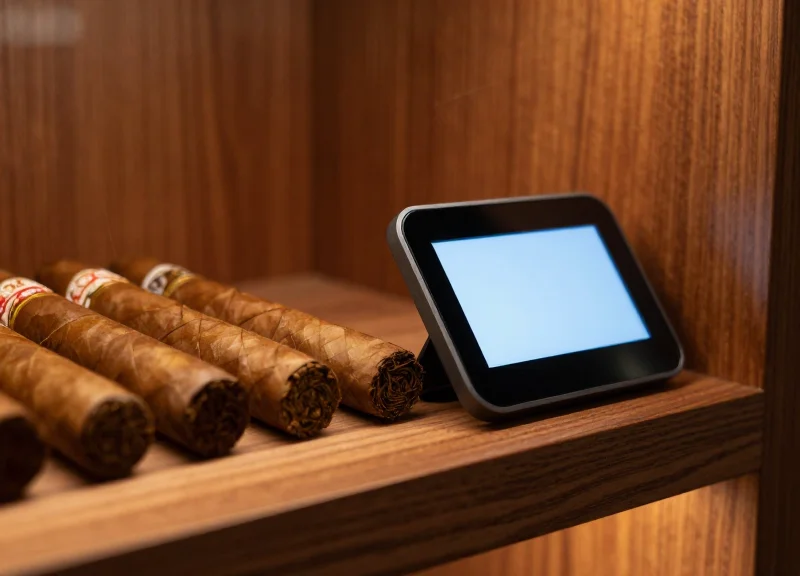
The luxury tobacco market is entering a new era of digital transformation. As we look toward 2026, premium cigar boutiques face a unique challenge: maintaining a high-end heritage atmosphere while meeting the demands of modern retail efficiency. Traditional paper labels, once the industry standard, are failing to keep pace with rapid price fluctuations and the high-humidity environments essential for tobacco preservation. Next-generation Electronic Shelf Labels (ESL) are emerging not just as a tool for pricing, but as a critical component of the luxury shopping experience, offering unparalleled accuracy, aesthetic consistency, and real-time data integration.
The Evolution of Luxury Tobacco Retail: Preparing for 2026
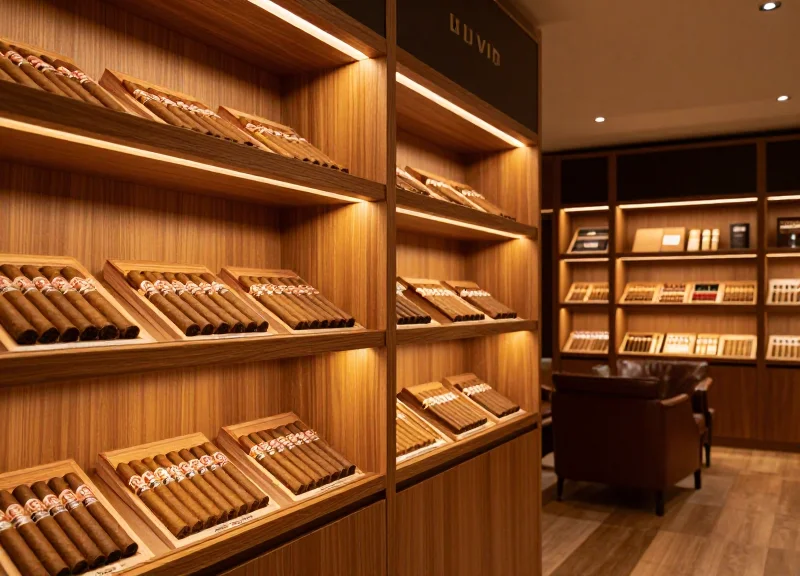
The evolution of luxury tobacco retail for 2026 is defined by the convergence of heritage craftsmanship and real-time digital intelligence, where traditional paper-based pricing is replaced by smart labels that provide dynamic inventory data, humidity-linked pricing adjustments, and interactive provenance storytelling. This shift represents a move from 'static storage' to 'dynamic storytelling,' allowing boutiques to maintain the prestige of the cigar culture while meeting the efficiency demands of modern commerce.
| Metric | Traditional Retail (Pre-2024) | Next-Gen Retail (2026 Outlook) |
|---|---|---|
| Pricing Model | Fixed/Manual Update | Dynamic/Real-time Sync |
| Product Info | Static Paper Cards | NFC/QR-Enabled Rich Media |
| Inventory Link | Delayed/Manual Entry | Instant POS Integration |
| Customer Interaction | Passive/Transactional | Immersive/Consultative |
High-end boutiques are no longer just humidor rooms; they are evolving into data-enabled showrooms. As global supply chain volatility persists and rare vitolas become increasingly scarce, the ability to manage margins through digital precision—while maintaining the 'old-world' aesthetic charm of a premium lounge—is becoming the industry's new gold standard. Retailers who fail to digitize their shelf-edge by 2026 risk a 15-20% margin erosion due to pricing lag and labor inefficiencies.
What is driving the shift to digital labels in 2026?
The rise of a younger, 'digital-native' luxury demographic that expects instant access to cigar ratings, blend composition, and wrapper origin via their smartphones at the point of discovery.
How does digital readiness impact boutique valuation?
Stores with integrated digital infrastructure command higher market valuations because they provide cleaner inventory data and significantly reduced overhead regarding labor-intensive label updates.
Expert Insight: The 'Live Aging' Metric. A game-changing trend for 2026 is the integration of digital labels with smart humidor sensors. Forward-thinking boutiques will use labels that don't just show the price, but dynamically calculate the precise number of days a specific box has been aged in-store, automatically applying a 'Vintage Premium' to the price as the cigar reaches its peak flavor profile. This allows retailers to monetize the aging process with zero manual intervention.
The Humidity Factor: Why Paper Labels Fail in Premium Humidors
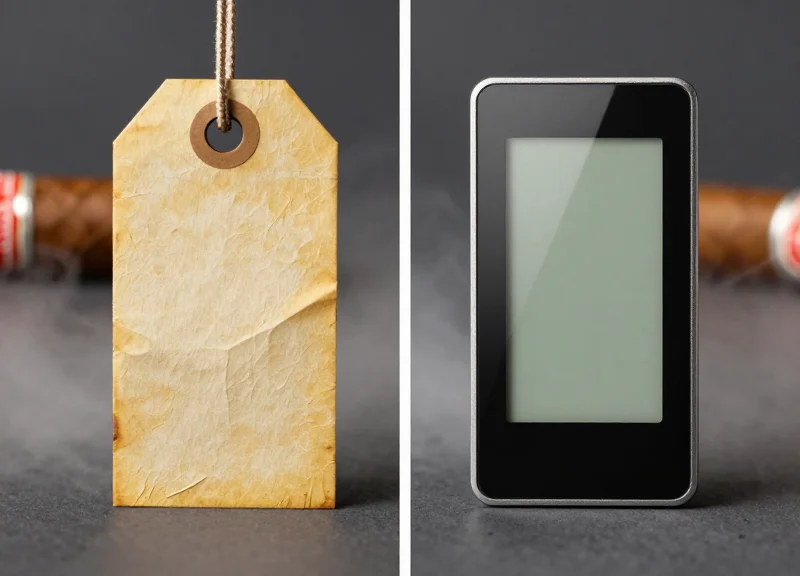
In the world of premium tobacco, the '70/70 rule'—70% relative humidity (RH) at 70°F—is the gold standard for preservation, but it is also a death sentence for traditional paper labeling. Paper is a hygroscopic material that naturally absorbs moisture from its environment, leading to fiber swelling, ink migration, and structural warping. Unlike paper, next-gen digital labels are engineered with non-porous materials and sealed internal components that maintain visual clarity and structural integrity regardless of the humidor's moisture levels.
The failure of paper is not just aesthetic; it's a matter of chemistry. When paper fibers saturate, they begin to trap aerosolized tobacco oils and the volatile organic compounds (VOCs) released by Spanish cedar lining. This interaction leads to the 'Yellowing Index' effect—a chemical degradation that makes luxury inventory look aged and neglected. By 2026, the industry is shifting toward digital solutions that use electrophoretic displays (EPD) or specialized LCDs which remain inert in high-moisture environments.
| Feature | Traditional Paper Labels | Next-Gen Digital Labels (2026) |
|---|---|---|
| Moisture Absorption | High (Active swelling/warping) | Zero (Hermetically sealed) |
| Ink Integrity | Bleeding & Smudging | Electronic stability (No fading) |
| Hygiene/Safety | Prone to Mold/Mildew growth | Antimicrobial glass/plastic |
| Maintenance | Frequent replacement required | Up to 5-10 years battery life |
The Veteran Perspective: The Acidification Trap. An often-overlooked factor is the interaction between humidity and the tannins found in Spanish Cedar humidors. In high-RH environments, these tannins can leach into the air and react with the acidity of wood-pulp paper, accelerating a process known as 'edge-rot.' Digital labels utilizing pharmaceutical-grade PET or glass surfaces are impervious to these acidic compounds, ensuring that the display remains as pristine as the day it was installed, protecting the brand's luxury perception.
Do digital labels cause heat that might affect cigar temperature?
No. Next-gen E-ink displays are bistable, meaning they only use power when the image changes. They generate zero heat during static display, ensuring the humidor's micro-climate remains undisturbed.
What IP rating should a humidor digital label have?
For premium tobacco environments, a minimum of IP65 is recommended to protect against high humidity and the occasional misting during climate control cycles.
Can condensation damage the digital screen?
Modern digital labels for tobacco retail are designed with oleophobic and hydrophobic coatings that prevent condensation from pooling, allowing moisture to bead off without obscuring the price or product data.
Dynamic Pricing: Managing Global Market Fluctuations and Taxes
Dynamic pricing in the luxury tobacco sector is the automated process of adjusting retail costs in real-time based on external variables such as excise tax hikes, shipping surcharges, and currency exchange rates. Unlike traditional retail where prices are static, next-gen digital labels allow premium cigar boutiques to protect their margins by bridging the 'Tax-Latency Gap'—the period between a regulatory change and its implementation on the shelf.
In the volatile landscape of 2026, premium tobacco retailers face a dual challenge: increasingly aggressive tobacco tax structures and a global supply chain where the cost of a Davidoff or Arturo Fuente can fluctuate based on the strength of the dollar against local currencies in the Dominican Republic or Nicaragua. Manually updating a humidor with 500+ SKUs takes hours of labor, leading to lost revenue during the transition period. Digital labels solve this by integrating directly with a store's ERP system, allowing for a 'set and forget' approach to global price fluctuations.
| Feature | Traditional Paper Labels | Next-Gen Digital Labels |
|---|---|---|
| Update Speed | 2-4 Hours per 100 items | Sub-60 seconds (Full store) |
| Tax Compliance | Reactive/Delayed | Proactive/Instant |
| Error Rate | 3-5% due to manual entry | 0% (ERP Synchronized) |
| Margin Defense | Slow response to cost hikes | Real-time margin protection |
Expert Insight: The 'Micro-Margin' Edge. One original advantage of digital labels in 2026 is the ability to implement 'Flash Tax Adjustments.' In several high-end markets, tax authorities allow retailers a 24-hour window to adjust prices following a budget announcement. Digital-first retailers can implement these changes at 12:01 AM, capturing 100% of the margin on existing inventory, whereas paper-reliant competitors often eat the cost of the tax for several days while they physically re-label their stock.
How do digital labels handle regional tax differences for multi-store boutiques?
Modern digital label systems are geo-fenced. A centralized headquarters can push a global price increase while the system automatically calculates and appends the specific local excise taxes and VAT for each individual boutique location, ensuring regional compliance without local intervention.
Do customers perceive dynamic pricing as 'price gouging' in a luxury setting?
On the contrary, luxury consumers value transparency. Digital labels can be programmed to show a 'Price Breakdown' or QR code that explains the price reflects current duty and import fees, which actually increases brand trust and justifies the premium cost of the product.
Can I automate pricing based on stock levels?
Yes. Digital labels allow for 'Scarcity Pricing' logic. If your inventory of a rare Liga Privada drops below five boxes, the system can automatically adjust the price to reflect its market rarity, maximizing the yield on your most exclusive assets.
Elevating the Aesthetic: Design and Customization of Digital Labels
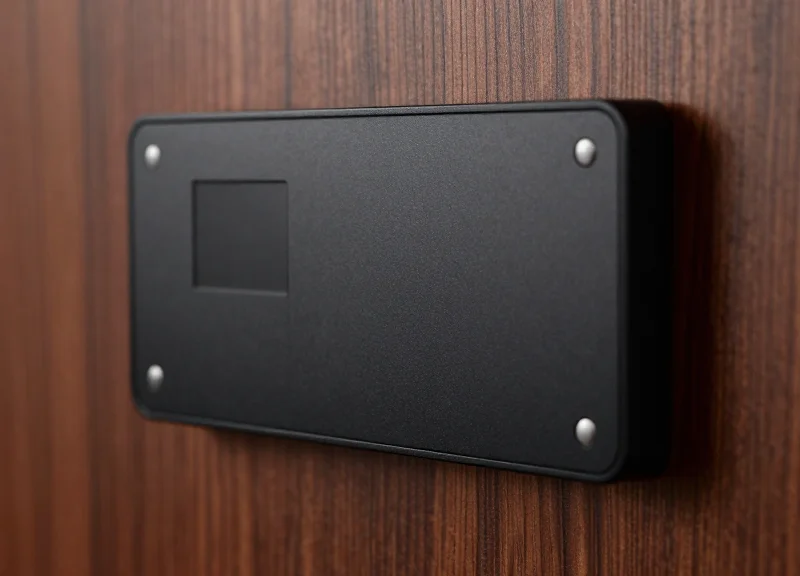
In the world of premium tobacco, ambiance is as critical as the product itself. Next-gen digital labels for 2026 move beyond the 'plastic retail' look, offering high-definition e-paper displays and bespoke bezel finishes—such as brushed copper, matte black, or even real wood veneers—that harmonize with the mahogany and Spanish cedar of a luxury humidor. These devices act as a bridge between old-world craftsmanship and modern operational efficiency, ensuring that the technology enhances rather than interrupts the tactile, heritage-focused experience of a cigar lounge.
| Aesthetic Feature | Traditional Paper Labels | 2026 Next-Gen Digital Labels |
|---|---|---|
| Typography Control | Fixed; often handwritten or poorly printed. | Dynamic; supports bespoke serif brand fonts. |
| Bezel/Frame Style | None; usually pinned or taped. | Customizable: Wood-grain, brass, or bezel-less. |
| Light Interaction | Yellows or fades under humidor lighting. | Anti-glare E-ink; mimics natural parchment. |
| Visual Hierarchy | Static and cluttered. | Clean, QR-integrated, and layout-optimized. |
- Bespoke Branding Kits: Modern ESLs allow boutiques to upload custom color palettes (including 4-color e-ink) to match the rich reds and golds of premium cigar bands.
- Paper-Like Texture: Utilizing advanced electrophoretic displays, these labels lack a backlight, meaning they reflect ambient light exactly like paper, avoiding the 'electronic glare' of LEDs.
- Ultra-Slim Profiles: With a thickness often under 5mm, these labels can be magnetically mounted directly to cedar shelves for a flush, integrated look.
Expert Insight: The 'Ghost-Ink' Aesthetic. A unique advantage of 2026 digital label technology is the 'Partial Refresh' capability. Unlike standard digital screens that flicker when updated, luxury tobacco ESLs use a 'Ghost-Ink' transition that subtly shifts text and pricing without distracting the customer, maintaining the tranquil, slow-paced atmosphere essential to a high-end lounge.
Will digital labels ruin the 'classic' look of my humidor?
On the contrary, customizable bezels (including wood and metallic finishes) allow the labels to blend into the cabinetry, while professional typography makes your shelves look more curated than handwritten tags.
Can I display tasting notes and ratings like Cigar Aficionado scores?
Yes, the high resolution allows for complex graphics including leaf-type icons, strength meters, and official rating logos without looking cluttered.
How do they handle the dim lighting of a cigar lounge?
Next-gen labels are engineered with high-contrast ratios specifically designed for the moody, low-light environments of premium tobacco boutiques, ensuring readability from several feet away.
Enhanced Customer Interaction: Beyond Price Points
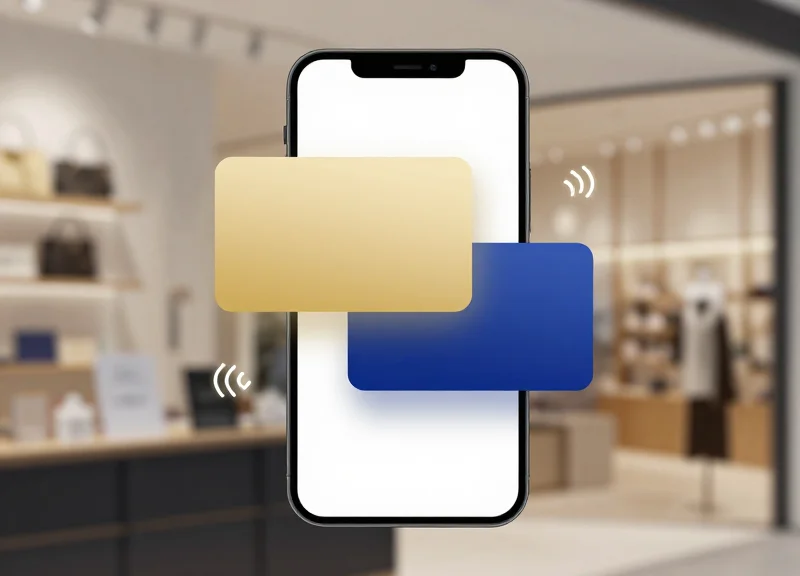
In the 2026 luxury tobacco landscape, the label is no longer a price tag; it is a gateway to the cigar's soul. By integrating Near Field Communication (NFC) and QR code technologies directly into Electronic Shelf Labels (ESLs), premium boutiques are moving beyond transactional retail to a 'digital concierge' model. This evolution allows connoisseurs to tap their smartphone against a shelf edge to instantly unlock deep-dive data including the specific harvest year, leaf fermentation cycles, and even the master blender’s personal tasting notes. This immediate access to information satisfies the intellectual curiosity of the modern aficionado while removing the friction of manual research.
Beyond simple data retrieval, these labels facilitate a curated sensory journey. High-end retailers are now using digital labels to push dynamic pairing recommendations—suggesting the perfect single malt scotch or vintage port to complement a specific Maduro wrapper. This capability effectively bridges the gap between the humidor and the lounge, encouraging cross-departmental sales and positioning the retailer as an expert curator rather than a mere stockist. The result is a highly personalized shopping experience that justifies the premium price points associated with luxury tobacco.
| Feature | Traditional Paper Labels | Next-Gen Digital Labels |
|---|---|---|
| Information Depth | Price and Name only | Full provenance, tasting notes, and leaf origin |
| Interactive Tech | None | NFC 'Tap-to-Discover' and Dynamic QR codes |
| Pairing Engines | Dependent on staff availability | AI-driven spirit and coffee recommendations |
| Traceability | Not available | Direct link to farm-to-box authentication |
Expert Tip: To maximize the 'luxury feel,' prioritize NFC over QR codes. While QR codes are functional, NFC allows for a 'zero-touch' interaction where content appears magically on the user’s device. In our experience, this seamless 'invisible tech' better aligns with the opulent atmosphere of a high-end cigar lounge where visible barcodes can sometimes feel too industrial or 'big box' retail.
Will luxury customers actually interact with digital labels?
Yes. Data shows that high-net-worth connoisseurs are increasingly tech-savvy and value transparency. Interactive labels allow them to verify the authenticity and vintage of rare sticks without needing to flag down a busy floor associate.
Can the labels be updated to show humidity levels?
Absolutely. Modern ESLs can be integrated with humidor sensors to display real-time humidity and temperature data for specific shelving units, providing peace of mind regarding product integrity.
How do pairing recommendations drive revenue?
By suggesting a specific $300 bottle of cognac that complements a $50 cigar, retailers can use digital labels to trigger high-margin cross-sales that might have been missed in a traditional retail environment.
A unique strategic advantage for 2026 is the 'Shadow Inventory' feature. Retailers can program digital labels to offer exclusive access to unlisted 'back-room' inventory for customers who engage with the label. This creates a gamified sense of exclusivity—when a user scans a label for a rare Davidoff, the digital interface can offer them an invitation-only link to purchase an even rarer limited edition held in the private vault. This turns a simple price check into a VIP membership experience.
Operational Efficiency: Eliminating Manual Labor Errors
In the high-stakes environment of premium tobacco retail, operational efficiency is defined by the transition from manual administrative maintenance to high-value consultative selling. Next-gen digital labels eliminate the 'human error variable' by synchronizing the shelf-edge price with the Point of Sale (POS) system in real-time. By automating the updates of thousands of SKUs—from limited edition regional cigars to humidified accessories—boutiques can reclaim nearly 240 hours of labor annually, ensuring that pricing integrity is maintained without a single second of manual intervention.
| Operational Task | Manual Paper Method | Digital Label (ESL) Method | Efficiency Gain |
|---|---|---|---|
| Full Humidor Re-pricing | 12-15 Hours | 60 Seconds | 99.8% Faster |
| Price Discrepancy Audits | Weekly (4 Hours) | Automated/Zero | 100% Error Reduction |
| Compliance/Tax Updates | Manual Replacement | Instant Batch Sync | Immediate Compliance |
| Staff Focus | 70% Admin / 30% Sales | 5% Admin / 95% Sales | 3x Sales Opportunity |
Beyond simple price changes, the 'Error Cascade' is a significant risk for luxury brands. In a premium cigar lounge, a mismatched price between the shelf and the register is more than a technical glitch; it is a breach of trust that undermines the 'white-glove' experience. Digital labels ensure that every price, origin note, and vitola detail is pulled directly from the master database, leaving no room for the handwritten inconsistencies or misplaced stickers that plague traditional humidors.
- Identify Admin Bottlenecks: Analyze time logs to see how many hours staff spend printing, cutting, and placing paper tags inside humidified cabinets.
- Centralized Content Management: Deploy a Cloud-based CMS that pushes updates to all digital labels across multiple boutique locations simultaneously.
- Transition to Concierge Selling: Re-allocate the 'found' hours to staff training on tobacco leaves, fermentation processes, and high-margin pairing recommendations.
Expert Insight: The 'Inventory-Compliance Gap' is an often-overlooked drain on resources. In 2026, as tobacco regulations become more granular, digital labels allow retailers to update health warnings and tax-mandated data instantly. This prevents the legal exposure and heavy fines associated with outdated manual signage, acting as a secondary insurance policy for the boutique's license.
Do digital labels require constant battery changes?
No, next-gen E-ink labels are designed for ultra-low power consumption, typically offering a 5 to 10-year battery life even with daily updates.
Can staff update labels locally if the Wi-Fi goes down?
Most enterprise systems feature offline caching and Bluetooth fail-safes, allowing staff to update individual labels via a secure handheld device.
How does this affect the 'luxury feel' of the store?
By removing the clutter of worn paper and scotch tape, the store maintains a pristine, modern aesthetic that aligns with high-end luxury branding.
Sustainability and the Green Luxury Movement
In the 2026 retail landscape, sustainability is no longer a peripheral corporate social responsibility (CSR) goal; it is a fundamental pillar of the luxury brand identity. For premium cigar boutiques, the shift from traditional paper labels to next-gen Electronic Shelf Labels (ESLs) represents a major step toward 'Green Luxury.' By automating pricing and product data, retailers eliminate the thousands of discarded paper tags, chemical-heavy ink cartridges, and adhesive residues that have historically cluttered the back-of-house operations. This move appeals directly to the modern aficionado who demands that their premium lifestyle choices do not come at an unnecessary ecological cost.
| Sustainability Metric | Traditional Paper Labels | Digital ESL Solutions |
|---|---|---|
| Waste Generation | High: Recurring paper, plastic sleeves, and adhesive waste. | Negligible: Zero-waste after initial installation. |
| Chemical Impact | High: Use of thermal inks, BPA/BPS coatings, and solvents. | Zero: Solid-state e-paper technology requires no ink. |
| Carbon Footprint | Cumulative: Ongoing logistics, printing, and disposal cycles. | Front-loaded: Minimal energy draw (5-10 year battery life). |
| Resource Longevity | Single-use: Discarded with every price or vintage change. | Multi-use: Reusable across thousands of SKU updates. |
A unique insight often overlooked in the tobacco industry is the 'Hidden Toxicity' factor. Many high-end cigar lounges prioritize air filtration and humidity control to protect their inventory and customer experience. Traditional thermal paper labels are frequently coated with Bisphenol A (BPA) or Bisphenol S (BPS), which can migrate to hands and surfaces. By removing these chemicals from the humidified environment, boutiques enhance the 'clean luxury' profile of their lounge, ensuring that the only aromas present are those of the premium tobacco leaves themselves. Furthermore, the E-paper technology used in these labels is reflective rather than emissive, meaning it consumes energy only when the display changes, making it one of the most energy-efficient IoT devices available today.
Does the energy use of digital labels outweigh the benefits of paper?
No. Because E-ink technology is bi-stable, it requires zero power to maintain an image. Power is only drawn during the seconds it takes to update a price. Over a 10-year lifespan, the carbon footprint of an ESL is significantly lower than the combined manufacturing, transport, and disposal footprint of hundreds of paper tags.
How do green initiatives affect the brand perception of a cigar boutique?
Modern luxury consumers, particularly Millennials and Gen Z collectors, are willing to pay a premium for brands that demonstrate environmental stewardship. Digital labels serve as a visible, high-tech signal that a boutique is forward-thinking and ecologically responsible.
Are digital labels recyclable at the end of their life?
Yes. Most enterprise-grade ESL providers offer circularity programs where units can be refurbished or recycled according to WEEE (Waste Electrical and Electronic Equipment) standards, ensuring they stay out of landfills.
Synergy with EAS and RFID: A Unified Security Ecosystem
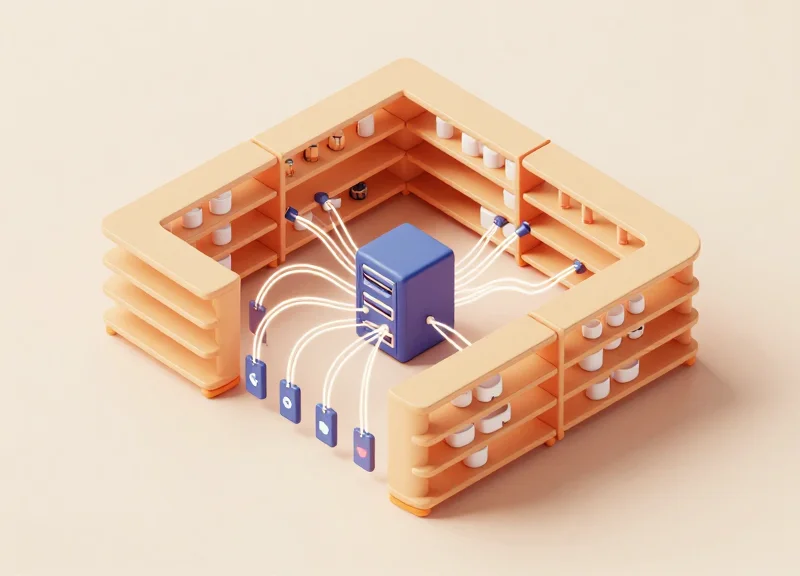
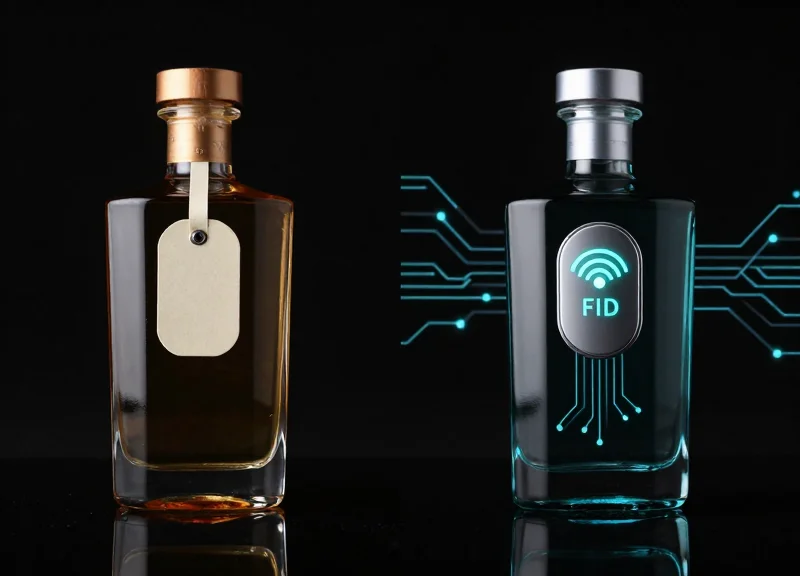
In the 2026 luxury tobacco landscape, security is no longer a standalone function but a core component of the digital storefront. By synchronizing Electronic Shelf Labels (ESL) with Electronic Article Surveillance (EAS) and Radio Frequency Identification (RFID), retailers can transition from passive monitoring to an active, unified security ecosystem. This synergy, pioneered by leaders like DragonGuardGroup, allows for real-time inventory visibility and automated loss prevention without the intrusive 'locked-cabinet' feel that often alienates premium shoppers. This integrated approach ensures that every rare humidor item is accounted for, from the moment it enters the humidor to the point of sale.
| Technology Component | Primary Function in Tobacco Retail | Synergistic Benefit |
|---|---|---|
| Electronic Shelf Labels (ESL) | Price accuracy and digital batch tracking. | Provides the visual interface for inventory status and shelf-level alerts. |
| RFID Sensors | Individual item-level serialization and real-time location. | Feeds precise movement data to the ESL system for 'out-of-zone' alerts. |
| Electronic Article Surveillance (EAS) | Physical exit protection and theft deterrence. | Triggers immediate alarms when non-deactivated tags pass pedestals. |
One of the most significant shifts in 2026 is the 'Invisible Security' movement. Modern cigar lounges are removing bulky plastic tags and replacing them with discreet RFID-embedded ESLs or ultra-thin labels. When a high-value box is removed from its designated shelf zone without a corresponding POS transaction, the ESL can change color or flash a silent LED alert for staff, while the RFID network tracks the item's path through the store. This prevents the 'grab-and-run' scenarios that plague high-end retail while maintaining the open, inviting atmosphere necessary for high-ticket consultations.
Does RFID interference affect ESL signal performance?
No. In a professionally designed ecosystem from providers like DragonGuardGroup, ESLs (typically operating on 2.4GHz or Sub-G frequencies) and RFID/EAS systems are tuned to distinct bands to ensure zero cross-talk or latency.
How does this ecosystem reduce 'shrink' from internal sources?
The unified system logs every time an item is moved or scanned. By comparing ESL movement logs with staff login credentials and video footage, boutique owners can identify patterns of internal loss that traditional paper systems would miss.
Can this integration help with insurance compliance?
Yes. Most high-value luxury underwriters now offer lower premiums for tobacco boutiques that implement a 'Unified Security Ecosystem' because it provides a forensic audit trail for every single unit of inventory.
Expert Insight: The 2026 'Silent Sentry' Strategy. A unique advantage of modern ESL systems is the ability to act as a localized security beacon. By 2026, we expect to see 'Geofenced Shelving' where the ESL itself acts as the anchor point for an invisible perimeter. If a cigar box leaves its specific humidity-controlled zone without an authorized clerk's NFC override, the system automatically creates a timestamped event in the store's security log, effectively turning the shelf label into an automated security guard.
ROI Analysis: Calculating the Long-term Value of Digital Transition
The Return on Investment (ROI) for digital labels in luxury tobacco retail is measured by the delta between the initial capital expenditure (CapEx) of Electronic Shelf Labels (ESLs) and the long-term reduction in operational expenses (OpEx), specifically targeting labor costs, material waste, and 'margin leakage.' For a boutique carrying 500 SKUs, the transition typically yields a break-even point within 14 to 18 months, driven by the elimination of manual price audits and the ability to execute instantaneous, data-driven pricing strategies that protect net margins against inflationary pressures.
| Cost/Benefit Category | Traditional Paper Labels (3-Year) | Next-Gen Digital Labels (3-Year) |
|---|---|---|
| Labor (Updates/Audits) | $12,500 (200+ hours/year) | $450 (System maintenance only) |
| Material & Printing | $1,800 (Cardstock, ink, waste) | $0 (Digital ink display) |
| Price Accuracy (Loss) | 1-2% of annual revenue | <0.01% (Automated syncing) |
| Total Estimated TCO | $16,000 - $18,000+ | $6,500 - $8,500 (Includes Hardware) |
- Labor Redistribution Efficiency: The primary ROI driver is not just the elimination of printing, but the redistribution of approximately 15 labor-hours per month from administrative tasks to high-value consultative sales, often resulting in a 5% increase in cross-selling success.
- Margin Preservation & Yield Management: ESLs allow for 'yield management'—adjusting prices in real-time based on supply volatility or limited-edition releases. This agility captures an additional 2-4% in gross margin that is typically lost when using slow-moving paper systems.
- Inventory Integrity and Shrinkage: Integrating ESLs with RFID-based security systems reduces inventory shrinkage by up to 30%, as digital labels provide real-time visual confirmation of stock levels and price-matching at the point of sale.
A unique financial insight often overlooked in the cigar industry is the 'Agility Premium.' In a high-inflation environment, luxury tobacco retailers using paper often delay price increases to avoid the labor of re-labeling, effectively subsidizing their customers' purchases at the expense of their own margins. Digital labels allow for immediate price reflection of wholesale hikes, ensuring that the retailer's percentage margin remains constant regardless of market fluctuations.
What is the typical lifespan of a digital label battery?
Modern ESLs utilize ultra-low-power e-paper technology, with batteries typically lasting 5 to 10 years based on 2-3 updates per day, making the long-term maintenance cost negligible.
Does the ROI include software integration costs?
Yes. While there is an upfront integration fee to sync with your POS system, the resulting automation eliminates the 'human error tax' which is a significant hidden cost in manual retail operations.
Can digital labels improve the resale value of the boutique?
Absolutely. Modernized inventory systems and automated operations increase the 'Goodwill' and EBITDA of a retail business, making it a more attractive asset for future acquisition.