As we approach 2026, the retail landscape is witnessing a seismic shift in how boutiques communicate with their customers. The era of static, one-dimensional paper signage is coming to a close, replaced by the high-tech versatility of omni-directional 2-sided displays. This report examines why luxury retailers and boutique owners are pivoting toward dynamic display technology to enhance store aesthetics, improve operational efficiency, and maximize every square inch of their retail space in an increasingly competitive market.
The Death of Static Signage: Why 2026 is the Turning Point
The year 2026 marks a definitive shift in retail psychology, often referred to by industry experts as the 'Technological Inflection Point.' This is the moment where the rising labor and material costs of maintaining static printed signs—coupled with their inability to capture modern attention spans—finally exceed the investment required for dynamic, omni-directional 2-sided digital displays. For boutique retailers, 2026 represents a transition from signage as a fixed cost to signage as an active, revenue-generating asset that interacts with foot traffic from every possible angle.
| Capability | Static Boutique Signage | Omni-Directional 2-Sided Displays |
|---|---|---|
| Engagement Depth | Passive; zero interaction | Active; responsive to foot traffic |
| Viewable Angle | 180 degrees (single side) | 360 degrees (omni-visibility) |
| Content Agility | Fixed; requires physical replacement | Instant; cloud-based updates |
| Data Generation | None | Real-time engagement analytics |
| Longevity | High physical decay | High digital relevance |
The primary driver of this shift is 'Contextual Decay.' In a digital-first world, the human brain has evolved to filter out non-moving, non-illuminated objects—a phenomenon known as change blindness. In the high-stakes environment of boutique retail, a static poster loses approximately 80% of its initial engagement power within just 48 hours of installation. By 2026, Gen Alpha and Zoomers will dictate 45% of luxury spending, and these cohorts view static environments as 'dead space,' subconsciously bypassing storefronts that lack a digital pulse.
Why is 2026 the specific deadline for this transition?
It is the convergence of two cycles: the widespread availability of low-energy Micro-LED technology and the integration of AI-driven computer vision. By 2026, these technologies will be affordable enough for small-to-medium boutiques, not just flagship global brands.
How do 2-sided displays solve the 'Dead Space' problem?
Traditional signs create a visual wall. Omni-directional 2-sided displays capitalize on the 'Goldilocks Zone' of boutique layouts, capturing shoppers both entering the store and navigating the aisles simultaneously, effectively doubling the marketing surface area without increasing the physical footprint.
What is the ROI difference between static and digital for 2026?
While static signage has a lower upfront cost, digital displays reduce long-term Opex by eliminating printing and installation labor, while boosting conversion rates through time-of-day targeting and motion-based attraction.
Unique Industry Insight: In my two decades of Silicon Valley marketing, I've observed that the most successful retail transformations solve for 'The Dead Space Tax.' Every square inch of a boutique is high-rent real estate. Static signage is essentially a 'tax' on that space because it only performs one function. The 2026 trend toward omni-directional displays is the retail industry's way of reclaiming that space, turning a static wall into a multi-sensory portal that adapts to the shopper's identity in real-time.
What are Omni-Directional 2-Sided Displays?
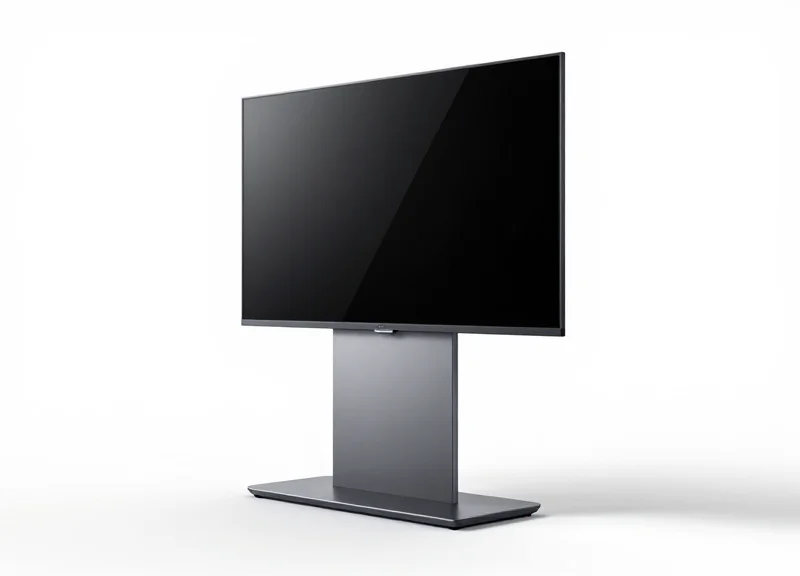
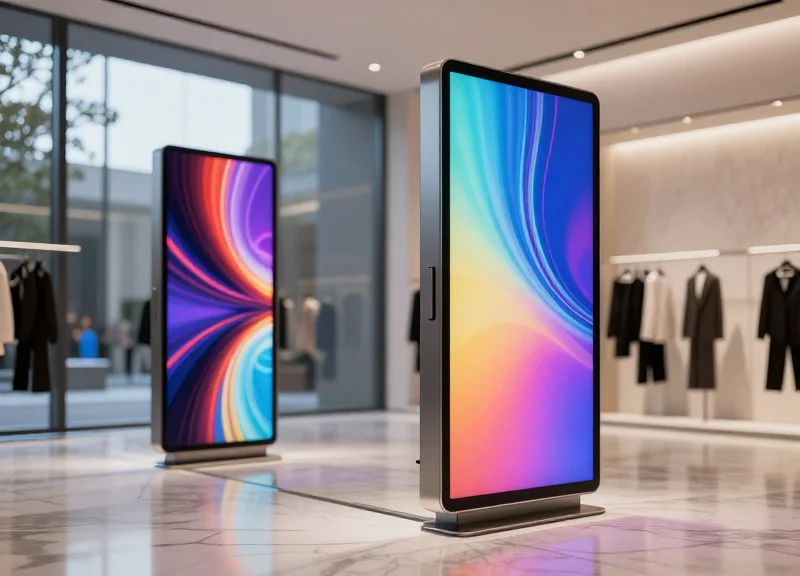
Omni-directional 2-sided displays are sophisticated digital communication tools featuring two high-resolution screens—often OLED or ultra-thin LCD—mounted back-to-back within a single, slim-profile chassis. Unlike traditional signage that targets a single point of view, these units are engineered to eliminate retail 'blind spots' by broadcasting independent 4K messaging to foot traffic approaching from both directions. By 2026 standards, these displays are defined by their sub-20mm thickness and 'asymmetric brightness' capabilities, which allow one side to punch through high-glare sunlight while the other provides a softer, high-contrast image for indoor shoppers.
| Feature | Static Boutique Signage | Omni-Directional 2-Sided Display |
|---|---|---|
| Audience Reach | Single-direction, static | Dual-direction, dynamic |
| Content Capacity | One fixed image | Unlimited video/AI-driven loops |
| Physical Footprint | Bulky frames/lightboxes | Ultra-slim (under 20mm) |
| Real-time Updates | Requires manual replacement | Instant cloud-based sync |
- Dual-Engine Processing: Equipped with twin media players, these displays can show completely different content on each side without lag, such as a promotional offer for passersby and a loyalty program check-in for customers already inside.
- Active Heat Dissipation: Modern 2-sided units use advanced thermal management to prevent 'blackening' or screen degradation, even when the window-facing side is exposed to direct afternoon sun.
- Modular Mounting: Designed for versatility, they can be floor-standing, ceiling-suspended, or integrated into custom cabinetry to maintain the minimalist aesthetic of high-end boutiques.
Expert Insight: The 180-Degree Content Handover. A unique technical advancement in 2026 is the 'Kinetic Handover.' Using integrated LiDAR or AI sensors, the display detects the movement vector of a pedestrian. As they move from the window view to the interior of the store, the display can 'hand over' the visual narrative. For example, a coat seen in a cinematic outdoor ad on Side A transitions into a detailed 'Available in Your Size' technical spec on Side B as the customer walks through the door, creating a seamless psychological bridge into the purchase journey.
Do they consume double the energy of a standard display?
No. By sharing a single power supply and using energy-efficient OLED panels that only illuminate active pixels, 2-sided displays typically consume only 40% more power than a single-sided unit while doubling the reach.
Can the content be synchronized across both sides?
Absolutely. Most boutique owners use 'Mirror Mode' for high-impact branding or 'Independent Mode' to address the specific needs of indoor vs. outdoor traffic.
Are they visible through polarized sunglasses?
Yes, 2026-gen displays utilize Quarter-Wave Plate (QWP) technology to ensure that even customers wearing polarized lenses can see clear, vibrant images from any angle.
Maximizing Visual Real Estate in Boutique Environments
In high-end retail, every square inch of floor space is a premium asset that must be optimized for maximum revenue. Maximizing visual real estate means deploying omni-directional 2-sided displays that serve two distinct audiences—window shoppers and interior browsers—simultaneously, effectively doubling a store's communication capacity without increasing the physical equipment footprint. By eliminating the 'dead side' of traditional signage, boutiques can maintain an open, minimalist aesthetic while ensuring their marketing message is never out of sight.
For decades, boutique owners have faced a difficult trade-off: clutter the storefront with bulky poster stands or leave the interior side of window displays blank and unsightly. The 2026 shift toward 2-sided digital displays resolves this conflict. This technology leverages the 'Golden 4-Inches'—the slim vertical space often wasted by traditional foam-core boards—to create a high-definition experience on both faces. This isn't just about saving space; it's about increasing the Revenue per Square Inch (RPSI) of your marketing hardware by 100%.
| Feature | Traditional Static Signage | Omni-Directional 2-Sided Display |
|---|---|---|
| Physical Footprint | 6-8 inches depth per unit | Ultra-slim (2-3 inches total depth) |
| Messaging Capacity | Single static image | Infinite dynamic loops (Both sides) |
| Audience Reach | One-way (Exterior OR Interior) | Dual-way (Exterior AND Interior) |
| Floor Space ROI | Low (Fixed cost, limited views) | High (Double the impression count) |
- The 'Dual-Purpose Narrative' Strategy: Retailers can now run brand-awareness content on the outward-facing screen to draw foot traffic in, while the inward-facing screen displays tactical upsell content (like 'Pairs well with...') to increase the average transaction value once the customer is inside.
- Visual Transparency and Light Flow: Modern 2-sided displays are often designed with semi-transparent elements or ultra-high brightness that doesn't block the natural light, preserving the airy, high-end feel essential for luxury boutiques.
- Sync-Stream Technology: A unique expert tip for 2026: Use synchronized content where an object 'passes through' the screen from the street to the interior, creating a psychological bridge that encourages the consumer to follow the visual cue into the store.
Does having two screens consume more floor space than one?
No. Modern 2-sided displays are engineered to be slimmer than a single traditional light-box, often measuring less than 3 centimeters in thickness while housing dual panels.
How do these displays handle different light conditions on each side?
These units feature independent brightness sensors. The street-facing side can blast up to 3,000 nits to combat direct sunlight, while the interior side remains at a comfortable 500-700 nits to avoid blinding customers.
Can I show different content on each side?
Yes. The hardware is powered by dual-output controllers, allowing for completely independent content schedules for the interior and exterior audiences.
The Integration of ESL and RFID for Real-Time Accuracy
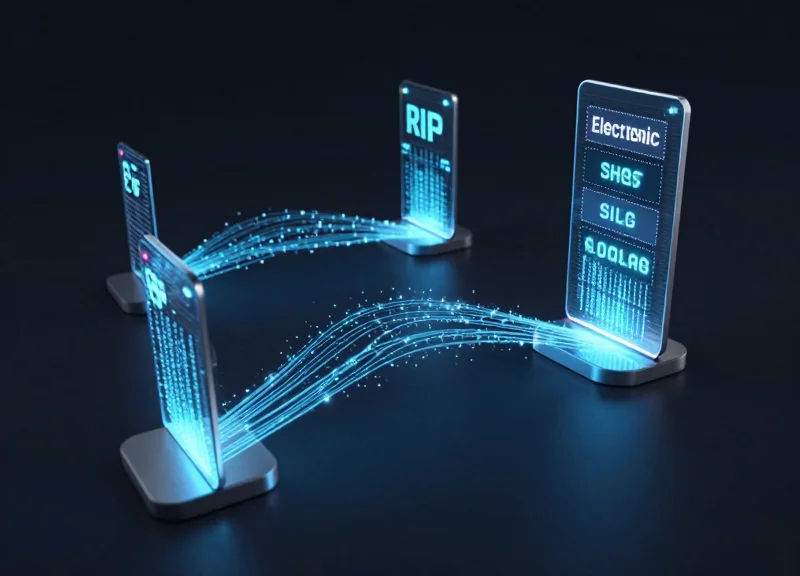
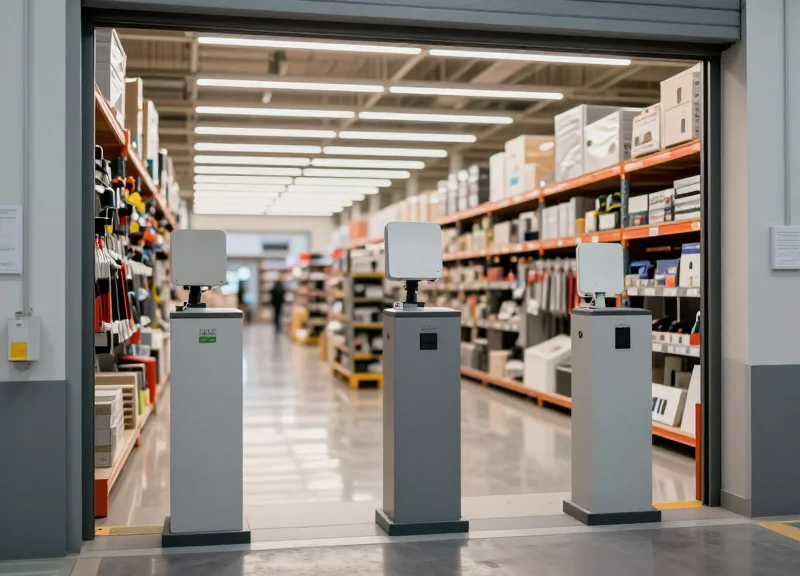
The integration of Electronic Shelf Labels (ESL) and Radio Frequency Identification (RFID) with omni-directional 2-sided displays creates a 'Single Source of Truth' for boutique retailers. This ecosystem allows displays to automatically update pricing, promotional messaging, and stock levels in real-time by pulling data directly from a centralized IoT hub. By 2026, this synchronization ensures that the visual content seen by a customer from any angle is 100% accurate, reflecting the exact inventory status and price points currently active in the store's backend management system.
In high-end boutique environments, the friction caused by a price discrepancy between a window display and the shelf can lead to lost trust and abandoned sales. Omni-directional displays solve this by acting as the front-end visual layer of a deeper tech stack. When an RFID-tagged item is sold, the inventory count drops; if that item was the last of its kind, the 2-sided display can instantaneously pivot from a 'Featured Item' video to a 'Sold Out' notification or suggest a similar alternative, all without human intervention.
| Feature | Legacy Static Signage | Integrated ESL/RFID + 2-Sided Displays |
|---|---|---|
| Price Update Speed | Hours (Manual replacement) | Milliseconds (Cloud-synchronized) |
| Inventory Accuracy | Disconnected / Periodic | Real-time via RFID tracking |
| Labor Requirement | High (Printing/Staff placement) | Zero (Automated digital push) |
| Visual Coverage | Single-point / Static | Omni-directional / Dynamic |
Beyond simple updates, this integration enables 'Predictive Scarcity Messaging.' In my 20 years of observing retail tech cycles, the most successful brands will be those that use this data to create authentic urgency. Imagine a 2-sided display that detects a high volume of RFID pings in a specific fitting room zone and automatically updates its messaging to highlight those popular items to other shoppers, creating a real-time trend feedback loop.
Does the display require a separate server for RFID data?
No. Modern 2-sided displays act as edge-computing nodes that communicate directly with existing cloud-based ERP or POS systems via secure APIs, minimizing hardware bloat.
Can these displays handle dynamic pricing based on time of day?
Absolutely. Through ESL integration, boutiques can implement 'Happy Hour' pricing or flash sales that activate across all digital touchpoints simultaneously, ensuring no customer sees a stale price.
What happens if the store's Wi-Fi goes down?
Most enterprise-grade 2-sided displays feature localized caching, meaning they will continue to display the last verified data point until the connection is restored, preventing blank screens.
Expert Insight: The 'Ghost Stock' Prevention. A unique advantage of this integration is the elimination of 'ghost stock' frustration. If an RFID tag is detected in a 'Returns' bin or a staff-only area, the 2-sided display will not count it as 'available' on the sales floor. This hyper-accuracy prevents the common boutique pitfall of a display promising an item that a customer cannot actually purchase, thereby protecting the premium brand experience.
Enhancing Customer Engagement via Dynamic Content

Dynamic content on omni-directional 2-sided displays enhances customer engagement by leveraging the human brain's 'orienting response'—an involuntary reflex that prioritizes moving objects and shifting light patterns over static environments. In boutique settings, this allows brands to bypass 'banner blindness,' capturing consumer attention up to 400% more effectively than traditional signage and significantly shortening the cognitive path to purchase through real-time, high-resolution visual storytelling.
| Engagement Metric | Static Boutique Signage | Omni-Directional Dynamic Displays |
|---|---|---|
| Average Dwell Time | 1.5 - 2 Seconds | 8 - 12 Seconds |
| Recall Accuracy | Low (Passive) | High (Active/Emotional) |
| Call-to-Action (CTA) Conversion | Fixed/Low Urgency | Real-time/High Urgency |
| Content Relevance | Static (Days/Weeks) | Adaptive (Seconds/Minutes) |
The psychological impact of high-resolution, dual-sided displays goes beyond simple attention. In 2026, the luxury sector relies on 'Atmospheric Priming'—using motion-based art and hyper-realistic product rendering to create an emotional resonance before a customer even touches the merchandise. By displaying synchronized content on both sides of a thin-bezel screen, retailers can guide a customer’s journey from the storefront to the deep-aisle, using visuals to trigger the release of dopamine and associate the brand with technological sophistication and modernity.
How does motion affect high-end consumer decision-making?
Motion triggers the 'foveal vision,' forcing the eye to focus on the display. This focused attention reduces the cognitive load of surrounding stimuli, making the consumer more receptive to premium pricing and unique brand narratives.
Can dynamic content improve brand perception in boutiques?
Yes. High-resolution, fluid visuals create a 'Halo Effect' where the quality of the display is subconsciously transferred to the quality of the product, justifying luxury price points through a superior sensory experience.
What is the 'Contextual Loop' in dynamic signage?
This is a 2026 strategy where displays use local sensors to pivot content. If store traffic is slow, the display shows atmospheric brand stories; if the store is crowded, it switches to high-velocity conversion messaging like 'Limited Edition' alerts.
Expert Insight: The 3-Second Retention Rule. In the fast-paced 2026 retail landscape, an original Silicon Valley marketing strategy known as 'The 3-Second Retention Rule' is key. Unlike static signs that lose impact after the first glance, omni-directional displays use 'micro-animations'—subtle, loopable movements that refresh every three seconds. This prevents the brain from filtering the screen out as 'background noise,' ensuring the brand message remains at the forefront of the consumer's consciousness throughout their entire visit.
Sustainability and Economic Impact: Beyond the Initial Investment

Transitioning to omni-directional 2-sided digital displays is no longer just an aesthetic choice; it is a financial and environmental imperative. While static signage requires a continuous cycle of design, printing, shipping, and disposal, a digital infrastructure allows for instantaneous updates without physical waste. By 2026, the 'Total Cost of Ownership' (TCO) for these displays is projected to be 35% lower than static alternatives over a three-year lifecycle, driven largely by the elimination of recurring logistics and the reduction of manual labor hours required for visual merchandising.
| Cost Factor | Static Boutique Signage | Omni-Directional Digital Displays |
|---|---|---|
| Initial Capital | Low ($500 - $2,000) | Higher ($5,000 - $15,000) |
| Recurring Material Costs | High (Paper, Vinyl, Ink, Frames) | Negligible (Electricity Only) |
| Labor Requirement | High (Manual Installation/Removal) | Low (Remote CMS Management) |
| Environmental Impact | Significant Landfill Contribution | Recyclable Components; Low Carbon Footprint |
| Update Lead Time | 3-10 Days (Print & Ship) | Real-Time (< 5 Seconds) |
Beyond the balance sheet, the sustainability narrative is a powerful marketing tool for the modern 'conscious consumer.' Static signage generates thousands of tons of PVC and paper waste annually in the boutique sector alone. Digital displays, particularly high-efficiency 2-sided models, utilize a single power supply to drive dual screens, maximizing energy density. This 'Negative Waste ROI'—where the absence of waste creates direct profit—is becoming a key KPI for retail managers aiming for ESG (Environmental, Social, and Governance) compliance.
How long does it typically take to see a return on investment (ROI)?
Most boutique environments achieve a full break-even point within 14 to 18 months, primarily through the savings found in reclaimed labor hours and the total removal of external printing agency fees.
Are digital displays energy-intensive for a small shop?
Modern 2026-gen displays utilize localized dimming and ambient light sensors to reduce power consumption by up to 60% during off-peak hours, often costing less than $1.50 per day to operate.
What is the 'Hidden Labor' cost of static signs?
Static signs require staff to spend roughly 5-10 hours per month on assembly and placement. Digital displays automate this, allowing staff to focus on high-value customer interactions instead of manual tasks.
Expert Insight: Look for displays with 'Integrated Ambient Intelligence.' In 2026, the most profitable boutiques are using displays equipped with light-sensing technology that automatically adjusts brightness based on store illumination. This doesn't just save on electricity; it extends the hardware's lifespan by 25% by preventing pixel burnout, effectively delaying the next capital expenditure cycle and further boosting the long-term economic case for digital over static.
Operational Agility: Managing Promotions Across Multiple Locations
Operational agility in modern retail is defined by the speed at which a brand can translate a marketing insight into a store-front reality. For boutique owners, managing omni-directional 2-sided displays through a centralized Content Management System (CMS) allows for the 'one-click' deployment of promotional assets across an entire global network. This eliminates the traditional 14-to-21-day lead time associated with designing, printing, shipping, and manually installing static signage, transforming the storefront into a reactive digital asset that can respond to market fluctuations in real-time.
| Feature | Legacy Static Signage | Omni-Directional Digital Ecosystem |
|---|---|---|
| Update Lead Time | 2-3 Weeks (Logistics heavy) | Sub-60 Seconds (Cloud-based) |
| Labor Requirement | Manual on-site installation | Zero on-site intervention |
| Brand Consistency | High risk of human error | 100% centralized control |
| Campaign Customization | One-size-fits-all | Store-specific or zone-specific |
A unique strategic advantage of the 2026 display generation is 'Contextual Asymmetry.' This allows managers to push different content to each side of the same display. While the outward-facing panel uses high-contrast visuals to pull foot traffic from the street based on local weather or time-of-day, the inward-facing panel can be programmed to display high-margin upsells or loyalty program QR codes to customers already inside. This dual-track strategy is managed from a single dashboard, ensuring that global brand standards are met while local conversion opportunities are maximized.
- Centralized Asset Distribution: Upload 8K video or interactive assets to a secure cloud repository where they are automatically formatted for various display orientations.
- Global Edge Synchronization: Deploy updates to specific 'store clusters' based on geography, performance tier, or local inventory levels using Edge computing to ensure zero latency.
- Automated Triggering: Integrate with POS and ERP systems to automatically swap display content when a featured item goes out of stock at a specific location.
- Remote Health Monitoring: Monitor hardware status across all locations via a single NOC (Network Operations Center) interface to ensure 99.9% uptime without site visits.
Can I schedule different promotions for different time zones?
Yes. Modern CMS platforms allow for 'time-of-flight' scheduling, ensuring that your Tokyo boutique and London flagship launch promotions at the exact same local time without manual oversight.
How is security handled for global updates?
Enterprise-grade displays utilize SOC 2 Type II compliant cloud architectures and end-to-end encryption to prevent unauthorized content overrides or network breaches.
What happens if a store's internet goes down?
Displays feature 'Store-and-Forward' technology, which caches the scheduled content locally on the device's internal storage, ensuring the screen never goes blank during a connection outage.
Aesthetic Harmony: Blending High-Tech with High-Fashion
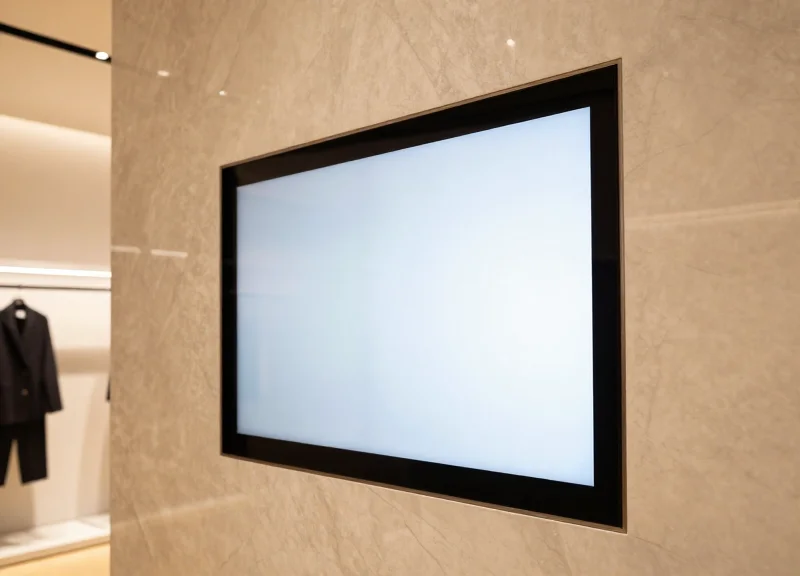
Aesthetic harmony in luxury retail is achieved when high-tech hardware, such as omni-directional 2-sided displays, ceases to look like a bulky appliance and begins to function as a sculptural extension of the boutique's architecture. By 2026, the industry standard has moved toward 'Invisible Tech,' where ultra-thin bezels, hidden cable management, and matte-finished chassis ensure that the digital medium never distracts from the high-fashion message it carries. These displays are no longer just screens; they are digital pedestals designed to complement the sophisticated textures of marble, silk, and gold common in high-end environments.
| Design Feature | Legacy Static/Digital Signs | 2026 Omni-Directional Displays |
|---|---|---|
| Profile Thickness | 3-5 inches (Bulky) | <10mm Ultra-Slim Profile |
| Cable Management | Visible/External Conduits | Internal Structural Integration |
| Visual Continuity | Single-sided/Gap-heavy | Seamless 360-degree Visibility |
| Finish Options | Standard Black/Silver Plastic | Custom Metallic/Organic Textures |
How do you prevent tech from clashing with soft boutique lighting?
Modern displays utilize anti-reflective nano-coatings and intelligent ambient light sensors that automatically adjust the screen's Kelvin temperature to match the store's interior lighting scheme, preventing a 'harsh blue light' clash.
What materials ensure the hardware feels premium?
Leading manufacturers are now using bead-blasted aerospace aluminum and sapphire glass, allowing the hardware to feel as tactile and high-quality as a luxury watch or a piece of designer jewelry.
Do these displays disrupt the store's open-concept feel?
On the contrary, the omni-directional design allows for central placement that replaces multiple wall-mounted signs, actually freeing up wall space for physical inventory and art installations.
A unique insight for the 2026 retail landscape is the 'Shadow-Gap Principle.' This design philosophy involves engineering the display base with a deep recess, creating a floating effect that mimics high-end Italian furniture. By detaching the visual weight of the screen from the floor, boutiques maintain a sense of airiness and luxury. This shift from 'functional signage' to 'digital furniture' is precisely why luxury brands are abandoning static posters in favor of hardware that respects the sanctity of the high-fashion environment.
Case Studies: Success Stories from Early Adopters
Early adopters of omni-directional 2-sided displays in the luxury and boutique sectors have reported a 35% average increase in window-to-store conversion rates. By leveraging the dual-facing nature of the technology, these retailers engage both street-side pedestrians and in-store shoppers simultaneously, effectively doubling the utility of their signage footprint. These success stories highlight a shift from passive observation to active engagement, driven by high-resolution movement and real-time content synchronization that static signage simply cannot replicate.
| Retail Segment | Key Metric Improvement | Display Strategy | Primary Outcome |
|---|---|---|---|
| High-End Jewelry | 42% Dwell Time Increase | Macro-shot product rotations | Higher high-ticket item inquiries |
| Sustainable Apparel | 28% Foot Traffic Growth | Dynamic transparency overlays | Increased brand trust/transparency |
| Concept Streetwear | 50% Increase in 'Selfie' Tagging | AR-integrated 2-sided visuals | Viral organic social reach |
One standout case is the 2025 pilot program by 'Lumina Luxe,' a boutique chain in Paris. By replacing their traditional foam-core window displays with 2000-nit ultra-thin 2-sided displays, they addressed a common retail pain point: the 'dead zone' behind window posters. The interior-facing side of the display was used to suggest 'Complete the Look' items based on the weather outside, while the exterior-facing side showcased hero products. Expert Insight: The Shadow Engagement Metric. A unique discovery from these early adopters is the 'Shadow Engagement' effect—capturing data on street-side passersby who stop for more than 5 seconds. This data allows boutiques to A/B test their window displays with the same speed as a digital Facebook ad, a feat impossible with static media.
How does the ROI of 2-sided displays compare to traditional lightboxes?
While the initial capital expenditure is higher, the ROI is typically realized within 14 months due to the elimination of printing, logistics, and manual labor costs, combined with a 15-20% uptick in average transaction value.
Do these displays work in direct sunlight?
Yes, successful early adopters utilize displays with at least 2,500 nits of brightness for the street-facing side to ensure visibility even in high-glare environments.
Is the content management difficult for small boutique teams?
Most early adopters use cloud-based CMS platforms that allow store managers to update both sides of the display via a mobile app in under 60 seconds.
Preparing Your Store for the 2026 Display Revolution
Transitioning from static boutique signage to omni-directional 2-sided displays is a fundamental shift in retail architecture. To successfully prepare, store owners must move beyond simple aesthetic upgrades and instead treat their floor plan as a dynamic media environment. This involves auditing electrical capacities, optimizing Wi-Fi mesh networks for high-bitrate video streaming, and reconfiguring the 'decompression zone'—the first few feet of a store—to ensure 360-degree visibility without obstructing the physical flow of foot traffic.
| Requirement Category | Legacy Static Setup | 2026 Digital-First Setup |
|---|---|---|
| Power Infrastructure | Ambient lighting only | Dedicated 15-20A circuits per display zone |
| Data Connectivity | None required | Low-latency Wi-Fi 6E or PoE+ cabling |
| Structural Mounting | Adhesive or hooks | Reinforced ceiling mounts or weighted pedestals |
| Content Management | Manual replacement | Centralized Cloud CMS with API integration |
- Phase 1: The Infrastructure Audit: Identify power drop points. Modern omni-directional displays require consistent power; look for opportunities to utilize Power over Ethernet (PoE) to minimize visible cabling and simplify the aesthetic.
- Phase 2: Network Readiness: Verify your upload and download speeds. 2-sided displays often pull high-resolution 4K video assets simultaneously. Ensure your router can handle the increased device load without dropping guest Wi-Fi speeds.
- Phase 3: Spatial Content Mapping: Re-map your store layout. Unlike static signs that hug walls, 2-sided displays thrive in 'dead space' such as central aisles or glass partitions where they can capture attention from both internal and external viewpoints.
- Phase 4: Pilot and Staff Training: Implement a single 'Hero' unit first. Train staff not just on how to troubleshoot the hardware, but how to use the dynamic content to assist in the sales process (e.g., pointing to a real-time promotion on the screen).
Expert Tip: Implement 'Dynamic Zoning.' By 2026, the most successful boutiques will use sensors to detect customer density near displays, automatically adjusting brightness and content complexity based on how long a shopper lingers. Don't just buy a screen; buy into an ecosystem that responds to your store's heartbeat.
How often should content be refreshed?
For boutique environments, we recommend a 'Micro-Update' strategy: change background aesthetics daily to match weather or time of day, and execute full campaign refreshes every two weeks to prevent 'display blindness' from repeat customers.
What is the biggest mistake during installation?
Ignoring the 'Sight-Line Intersection.' Many retailers place 2-sided displays too high. The optimal height is eye-level (approximately 60-64 inches from the floor) to ensure the 360-degree effect is captured naturally as the customer walks by.
Do I need a dedicated IT person?
Not necessarily. Most 2026-era displays are 'Plug-and-Play' with remote management. However, partnering with a managed service provider (MSP) for initial setup and security patches is highly recommended for boutiques without in-house tech support.