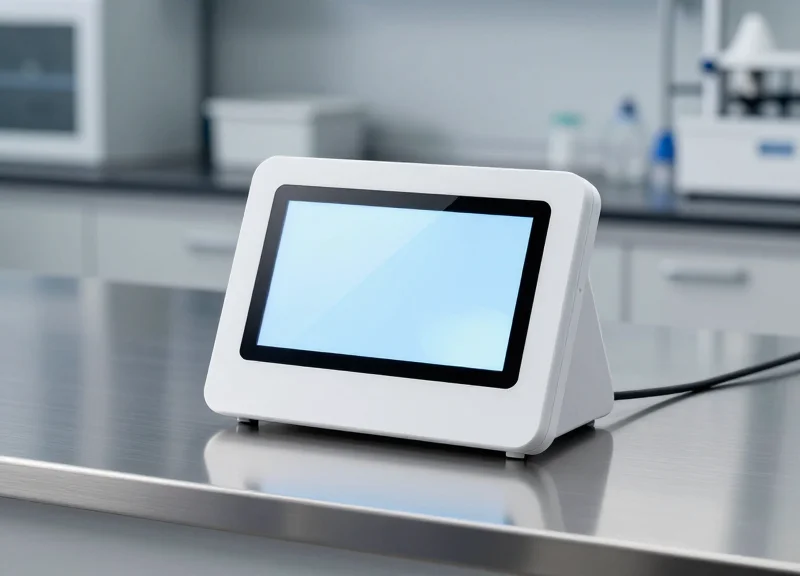
In the high-stakes world of pharmaceutical manufacturing and biotechnological research, the integrity of a Grade-A cleanroom is non-negotiable. As facilities transition toward digital transformation, Electronic Shelf Labels (ESL) have emerged as vital tools for real-time inventory and process tracking. However, introducing electronic hardware into sterile zones presents a unique challenge: preventing microbial proliferation. This guide delves into the advanced engineering required to develop antimicrobial coatings that shield your most sensitive environments, ensuring that technological progress never compromises sterility.
The High Stakes of Grade-A Cleanroom Integrity
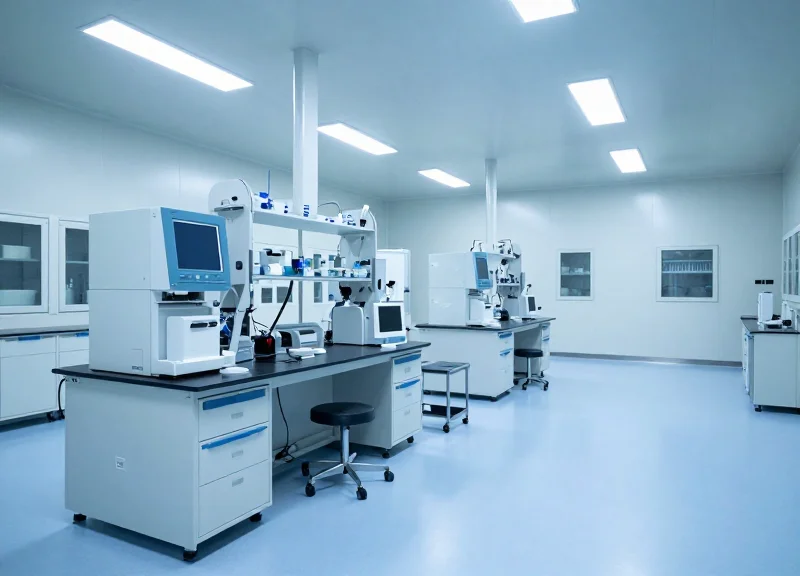
Grade-A cleanroom integrity refers to the maintenance of an environment virtually free from microbial and particulate contamination, typically reserved for high-risk operations such as aseptic filling and sterile compounding. Defined by EU GMP Annex 1 and ISO 5 standards, these zones require a state of 'zero-tolerance' for bio-burden. Any equipment introduced—including Electronic Shelf Labels (ESL)—must be engineered to resist microbial colonization and withstand rigorous decontamination protocols, as a single colony-forming unit (CFU) can compromise an entire production cycle.
| Parameter | Grade-A (Aseptic Zone) | Grade-C (Clean Area) |
|---|---|---|
| Airflow Pattern | Unidirectional / Laminar (0.36-0.54 m/s) | Non-unidirectional / Turbulent |
| Microbial Limit (CFU/m3) | < 1 (Target Zero) | 100 |
| Particle Limit (0.5µm/m3) | 3,520 (At rest & In operation) | 352,000 (At rest) |
| Typical Activity | Aseptic filling, open ampoules | Preparation of solutions for filtration |
In these environments, the risk isn't just the visible dust; it is the 'Hidden Biofilm Anchor.' Standard consumer-grade plastics used in electronic housings often possess microscopic surface porosity—valleys as small as 2 to 5 microns. These micro-crevices act as reservoirs where bacteria can hide from Vaporized Hydrogen Peroxide (VHP) sterilization cycles. For an ESL to survive in Grade-A, it must move beyond simple antimicrobial additives to a total surface engineering approach that seals these microscopic anchors.
Why can't standard retail ESLs be used in Grade-A cleanrooms?
Retail ESLs are typically made from ABS or Polycarbonate blends that outgas volatile organic compounds (VOCs) and degrade when exposed to the corrosive disinfectants (like Spor-Klenz or VHP) required for Grade-A maintenance.
What are the financial consequences of a contamination breach?
A single contamination event in an aseptic zone can lead to a complete batch rejection, with losses often exceeding $500,000, not including the cost of deep-cleaning, re-validation, and potential FDA warning letters.
How does equipment surface impact laminar airflow?
Non-specialized hardware with sharp edges or non-flush mounting can cause air turbulence. In Grade-A zones, this turbulence can pull particles from operators or the floor back into the sterile field.
Expert Insight: When auditing ESL hardware for Grade-A suitability, look for the 'Hydrophobic Seal Factor.' A truly cleanroom-ready antimicrobial coating doesn't just kill bacteria on contact; it lowers the surface energy of the device so significantly that liquid contaminants and bio-matter cannot physically adhere to the substrate, making the mechanical removal of pathogens during wipe-downs 99% more effective compared to untreated surfaces.
The Challenge: Why Standard ESLs Pose a Contamination Risk
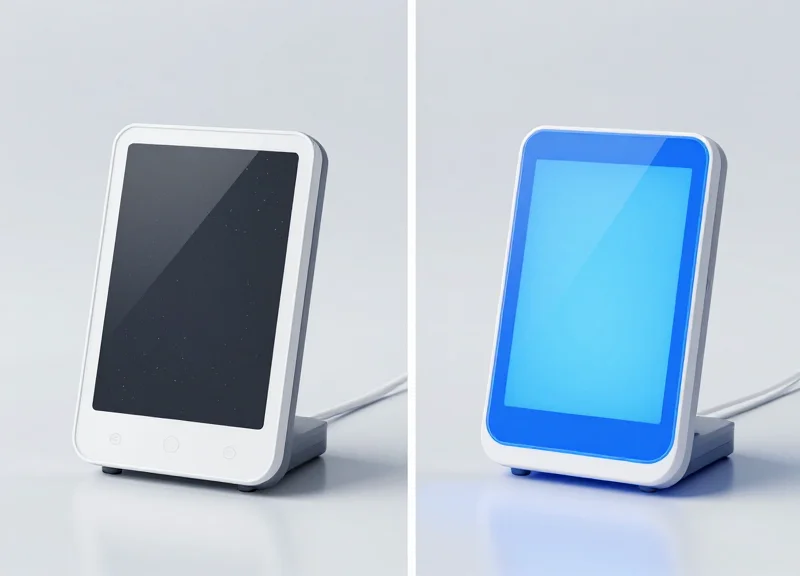
In Grade-A sterile environments, every square millimeter of surface area is a potential vector for biocontamination. Standard Electronic Shelf Labels (ESLs) designed for retail or general warehouse use are typically manufactured from injection-molded polymers like ABS or Polycarbonate that are ill-suited for aseptic processing areas. These materials fail to meet cleanroom standards because they are prone to microbial colonization, chemical degradation from aggressive disinfection protocols, and the generation of particulate matter through outgassing or electrostatic attraction. Without specialized engineering, an ESL becomes a 'Trojan Horse' for pathogens, compromising the ISO 5 air quality and sterility levels required for pharmaceutical and biotech manufacturing.
- Microbial Biofilm Sequestration: Standard plastics possess a microscopic surface porosity that allows bacteria to adhere and form biofilms. These biofilms act as protective shields, making the microorganisms up to 1,000 times more resistant to standard sanitizers.
- Electrostatic Particle Magnetism: Active electronics generate localized electromagnetic fields. In standard casings, this creates a 'dust magnet' effect, pulling viable and non-viable particles out of the laminar airflow and onto the device surface.
- Chemical Stress Cracking: Frequent exposure to Vaporized Hydrogen Peroxide (VHP) or 70% Isopropyl Alcohol (IPA) causes standard polymers to undergo micro-fracturing, creating deep crevices where contaminants hide from subsequent cleaning cycles.
| Feature | Standard Retail ESL | Grade-A Engineered ESL |
|---|---|---|
| Casing Material | Porous ABS / Polycarbonate | Non-porous, Medical-grade Antimicrobial Polymer |
| Chemical Resistance | Low (Yellows/Cracks with VHP) | High (VHP/IPA Compatible) |
| Surface Roughness (Ra) | > 1.6 μm (High) | < 0.4 μm (Ultra-smooth) |
| Electrostatic Discharge | High (Attracts Particulates) | Dissipative / Anti-static Treated |
The Expert Insight: The Micro-Fracture Trap. A critical but often overlooked risk is the 'Environmental Stress Cracking' (ESC) phenomenon. In my decades of observing facility audits, the failure point isn't usually the flat surface of the ESL; it's the microscopic crazing that occurs at the polymer's molecular level after just 20-30 sterilization cycles. These micro-fractures are smaller than the droplets of liquid disinfectants but larger than a Staphylococcus cell. This creates a physical sanctuary where bacteria survive the cleaning process, leading to 'phantom' contamination events that are notoriously difficult for Quality Control teams to trace.
Can't we just wipe down standard ESLs with IPA?
No. Standard ESL casings are not hermetically sealed and have high surface energy. Wiping may remove surface debris but can push contaminants into the seams of the device or trigger chemical leaching from the plastic into the sterile environment.
Why is outgassing a concern for Grade-A ESLs?
In closed sterile suites, Volatile Organic Compounds (VOCs) from standard plastics can settle on sensitive biological products or interfere with delicate analytical sensors, leading to batch rejection even if sterility is maintained.
Principles of Antimicrobial Coating Engineering
Antimicrobial coating engineering for Grade-A cleanroom Electronic Shelf Labels (ESL) is the process of modifying surface materials with active agents—most notably silver ions (Ag+) and photocatalytic compounds—to create a self-sanitizing barrier. Unlike passive surfaces that merely resist dirt, these engineered coatings utilize the oligodynamic effect and oxidative stress to proactively neutralize bacteria, fungi, and viruses upon contact. In high-stakes environments, this engineering ensures that even if a pathogen bypasses primary filtration, it cannot colonize the digital labeling hardware.
The most prevalent mechanism in specialized ESL engineering is Silver-Ion (Ag+) technology. These ions are embedded within the polymer matrix of the ESL housing. When moisture (even microscopic humidity) is present, silver ions are released to penetrate microbial cell walls. Once inside, they bind to essential enzymes and disrupt DNA replication, effectively 'suffocating' the microorganism. For Grade-A environments, this provides a 24/7 antimicrobial defense that does not rely on human intervention.
Complementing silver-ion technology is the use of Photocatalytic Agents, typically Titanium Dioxide (TiO2). When exposed to specific wavelengths of light, these agents act as catalysts to produce Reactive Oxygen Species (ROS) like hydroxyl radicals. These radicals are highly aggressive, chemically 'burning' organic contaminants and breaking them down into harmless water and carbon dioxide. This dual-action approach—combining ion disruption with oxidative cleaning—creates a robust defense-in-depth strategy for cleanroom electronics.
| Technology | Primary Agent | Mechanism of Action | Ideal Application |
|---|---|---|---|
| Silver-Ion | Ag+ Ions | Enzyme inhibition and DNA disruption | Constant antimicrobial protection in dark or low-light areas |
| Photocatalytic | Anatase TiO2 | Generation of ROS via light activation | Self-cleaning surfaces in well-lit cleanroom environments |
| Quaternary Ammonium | Silane Quats | Mechanical 'stabbing' of cell membranes | Non-leaching, long-term physical barriers |
Expert Tip: When engineering ESLs for Grade-A spaces, the 'leach rate' is the most critical metric. While you want active ions to neutralize microbes, an uncontrolled release can lead to outgassing or particulate shedding, which violates ISO 5 air cleanliness standards. True cleanroom-grade engineering ensures the antimicrobial agents are chemically bonded to the substrate, providing 'contact-kill' efficacy without compromising the surrounding air quality.
Does the antimicrobial coating wear off with frequent cleaning?
No, if engineered correctly. In high-quality ESLs, the agents are integrated into the polymer housing itself, not just sprayed on. This ensures that even after years of wiping with IPA or exposure to VHP, the antimicrobial properties remain intact.
Is photocatalytic coating effective under LED cleanroom lighting?
Modern photocatalytic engineering uses 'doped' TiO2 that can be triggered by visible light spectra, including the LEDs commonly found in Grade-A cleanrooms, rather than requiring pure UV light.
Can these coatings replace standard disinfection protocols?
No. These coatings are a supplemental layer of protection designed to inhibit growth between cleaning cycles and prevent the formation of biofilms on hard-to-reach hardware surfaces.
Material Compatibility with Harsh Disinfectants
Material compatibility in a Grade-A cleanroom environment is defined as a coating's ability to withstand repeated, aggressive decontamination cycles without losing its antimicrobial efficacy, structural integrity, or surface smoothness. In these sterile zones, coatings must survive frequent exposure to 70% Isopropyl Alcohol (IPA), Vaporized Hydrogen Peroxide (VHP), and peracetic acid. Failure occurs when these chemicals penetrate the polymer matrix, leading to swelling, micro-cracking, or the 'leaching' of antimicrobial agents, which compromises both the hardware and the sterile environment.
| Disinfectant Agent | Common Use Case | Risk to Standard Coatings | Engineering Requirement |
|---|---|---|---|
| 70% Isopropyl Alcohol (IPA) | Daily manual wipe-downs | Solvent swelling and plasticizer extraction | High cross-link density resins |
| Vaporized Hydrogen Peroxide (VHP) | Room-wide sterilization | Oxidation of silver-ion carriers | Oxygen-barrier topcoats |
| Peracetic Acid / Bleach | Sporicidal treatment | Surface pitting and delamination | Acid-resistant fluoropolymer additives |
| Quaternary Ammonium | General disinfection | Residue buildup and biofilm formation | Low-surface-energy finishing |
A critical engineering insight often overlooked is the 'Surface Tension Paradox.' To ensure effective disinfection, a coating must have a surface energy that allows disinfectants to wet the surface (spread out) rather than bead up, ensuring the required 10-minute contact time. However, excessive wetting can lead to chemical absorption. Veteran engineers solve this by utilizing UV-cured silane-based coatings that offer a 'dense-shell' architecture, blocking chemical ingress while maintaining a precise surface energy of 30-35 mN/m.
- Polymer Matrix Selection: Utilize thermosetting resins or UV-curable polymers that create a rigid, three-dimensional network resistant to solvent penetration.
- Incorporation of Inorganic Carriers: Embed antimicrobial agents within ceramic or glass zeolites to protect the active ions from chemical oxidation during VHP cycles.
- Accelerated Aging Protocols: Test coatings using the ASTM D543 standard, simulating five years of daily chemical exposure to ensure no yellowing or loss of adhesion occurs.
Does VHP affect the antimicrobial efficacy of silver-based coatings?
While VHP is a powerful oxidant, it generally does not neutralize silver ions; however, it can degrade the polymer carrier. Using a stabilized inorganic matrix ensures the silver remains active.
How can I tell if a coating is failing due to chemical incompatibility?
Visual cues include 'clouding' (hazing of the clear coat), tackiness (the surface feels sticky), or 'crazing' (fine networks of cracks under the surface).
Is a thicker coating always better for chemical resistance?
No. Excessively thick coatings can become brittle and are more prone to delamination under thermal stress during sterilization cycles. Precision thin-film engineering (10-20 microns) is typically optimal.
Surface Topology and Non-Porous Design
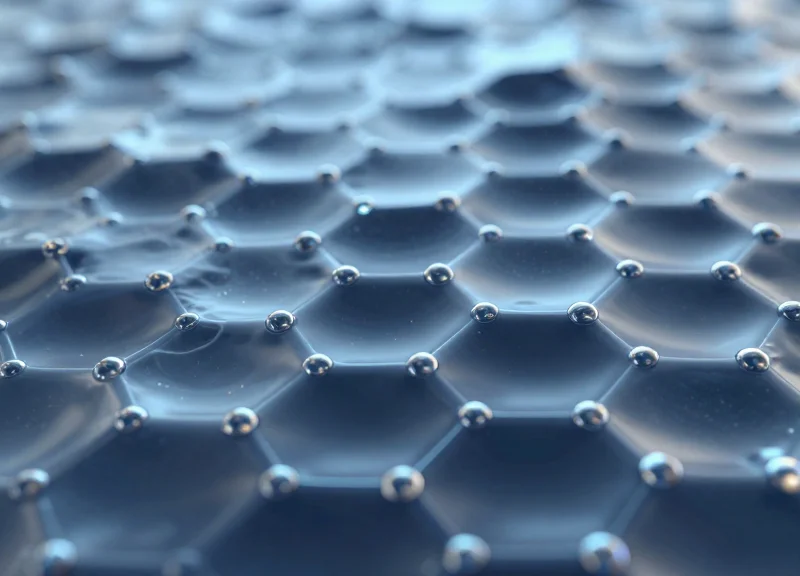
In Grade-A cleanrooms, the microscopic landscape of a device's surface—known as its surface topology—is just as critical as the chemical makeup of its coating. Surface roughness, measured as Ra (the arithmetic average of profile height deviations), determines how easily a microbial cell can 'anchor' itself to the Electronic Shelf Label (ESL). If a surface is porous or has high roughness, it provides micro-shelters that protect bacteria from mechanical wiping and chemical disinfectants, eventually leading to the formation of indestructible biofilms. To achieve pharmaceutical-grade sterility, ESL housings must be engineered with a non-porous, ultra-smooth finish that eliminates these microscopic hiding spots.
| Surface Finish Grade | Ra Value (µm) | Microbial Risk Level | Cleanroom Suitability |
|---|---|---|---|
| Standard Industrial | 3.2 - 6.3 | High: Deep pits harbor spores | Non-Sterile Only |
| Fine Machined | 1.6 - 3.2 | Moderate: Biofilms can form in grooves | Grade C/D |
| Pharmaceutical Grade | 0.4 - 0.8 | Low: Minimal anchoring points | Grade A/B (Standard) |
| Electropolished/Mirror | < 0.4 | Negligible: Surfaces are effectively hydrophobic | Grade A (Critical Path) |
An original engineering insight often overlooked in hardware design is the 'Bacteria-to-Valley' ratio. Common pathogens like Staphylococcus aureus are approximately 0.5 to 1.0 microns in diameter. If your ESL housing has an Ra value exceeding 0.8μm, the surface 'valleys' are physically large enough to cradle these bacteria, shielding them from the shear forces of a cleaning cloth. By driving the topology below the 0.8μm threshold—similar to the standards used in high-purity stainless steel piping—we create a 'topology-mismatch' where the bacteria are physically too large to settle into the surface grain, making them significantly easier to eradicate during VHP (Vaporized Hydrogen Peroxide) cycles.
Why is a non-porous design vital for ESLs?
Porous materials like standard ABS plastics contain microscopic voids that act as reservoirs for moisture and nutrients. In a non-porous design, the polymer matrix is high-density and sealed, ensuring that disinfectants remain on the surface where they can work, rather than leaching into the material where they become ineffective.
How do you verify the surface roughness of an antimicrobial coating?
Validation is performed using contact profilometry or optical interference microscopy. For Grade-A compliance, manufacturers should provide a Surface Finish Certification confirming that the batch meets the targeted Ra specifications.
Does a smoother surface affect the antimicrobial efficacy?
Yes, positively. While the silver-ion or photocatalytic agents provide the chemical kill, the smooth topology ensures that the microbial load is always in direct contact with those agents rather than being buried in surface imperfections.
Regulatory Compliance: Navigating ISO and GMP Standards
Regulatory compliance for antimicrobial ESLs in Grade-A cleanrooms is defined by the intersection of ISO 14644-1 (classification of air cleanliness) and EU GMP Annex 1 (manufacture of sterile medicinal products). To be deemed 'cleanroom-ready,' an ESL must demonstrate non-shedding properties consistent with ISO Class 5 limits and validated microbial efficacy via ISO 22196 testing. Compliance ensures that these digital assets do not become vectors for biocontamination or particulate interference during critical aseptic operations.
| Standard | Primary Focus | Grade-A Cleanroom Requirement |
|---|---|---|
| ISO 14644-1 | Particulate Concentration | Must meet ISO Class 5 limits for 0.5 µm particles. |
| ISO 22196 / JIS Z 2801 | Antimicrobial Surface Activity | Required >3 Log reduction (99.9%) of specific pathogens. |
| EU GMP Annex 1 | Sterile Manufacturing Logic | Integration into the Contamination Control Strategy (CCS). |
| ISO 10993-5 | Cytotoxicity & Biocompatibility | Ensures coating materials do not leach harmful toxins. |
Expert Insight: The 'VHP-Resilience Validation' is the new gold standard for Silicon Valley-level cleanroom tech. While many coatings pass the ISO 22196 test in a vacuum, regulators are now looking for data on how the coating maintains its structural integrity after 100+ cycles of Vaporized Hydrogen Peroxide (VHP) decontamination. If a coating micro-cracks or becomes brittle under chemical stress, it transforms from a protective layer into a 'particle generator,' effectively violating ISO 14644 status despite its antimicrobial properties. Always demand the 'Post-VHP Particle Shedding Report' to ensure long-term regulatory viability.
Does ISO 22196 certification guarantee GMP approval?
No. ISO 22196 only measures laboratory-based antimicrobial efficacy. GMP compliance also requires evidence of mechanical durability, chemical resistance to cleanroom-grade disinfectants, and documented integration into the facility's overall Contamination Control Strategy.
Are standard CE or FCC certifications sufficient for Grade-A zones?
Absolutely not. CE and FCC cover electrical safety and electromagnetic interference. For Grade-A environments, these are baseline requirements, but they do not address the critical concerns of outgassing, particle shedding, or microbial harborages.
What is the role of surface roughness (Ra) in regulatory audits?
Auditors look for a specific Ra value, typically <0.8 µm, to ensure the surface is easily cleanable. An ESL with an unvalidated coating may have microscopic pits that harbor bio-burden, leading to failed environmental monitoring (EM) swabs even if the coating is theoretically 'antimicrobial'.
Real-World Application: ESLs in Vaccine and Biotech Production
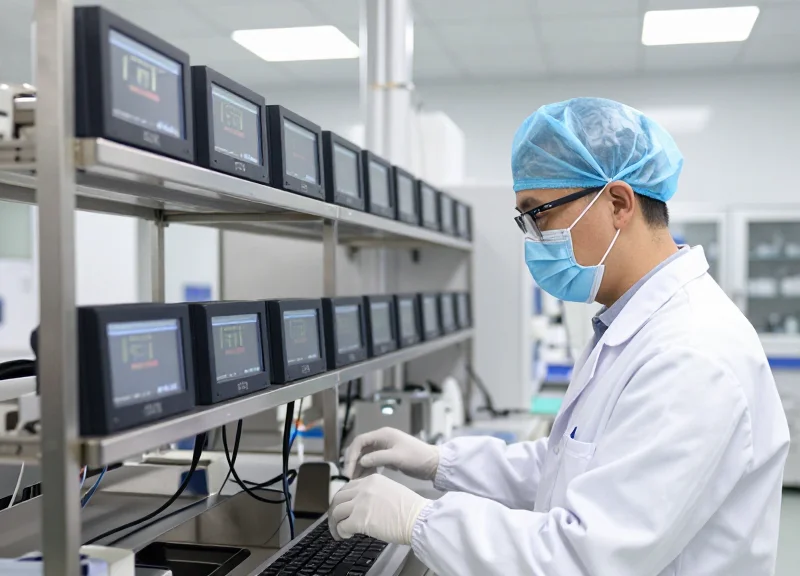
In vaccine and biotech production, Electronic Shelf Labels (ESLs) with antimicrobial coatings serve as dynamic data nodes that eliminate the contamination risks associated with traditional paper labeling. By integrating directly with Manufacturing Execution Systems (MES), these specialized ESLs allow for real-time batch tracking and status updates within Grade-A (ISO 5) environments without requiring personnel to enter the sterile zone to manually swap labels, thereby significantly reducing particulate shedding and bioburden risk.
| Feature | Traditional Manual Labeling | Antimicrobial ESL Integration |
|---|---|---|
| Contamination Risk | High (Paper fibers, adhesive residue, human transit) | Minimal (Non-porous, antimicrobial housing) |
| Update Velocity | Slow (Manual printing and physical placement) | Instant (Remote update via 2.4GHz or IR protocol) |
| Data Integrity | Prone to human transcription errors | High (Direct pull from LIMS/MES databases) |
| Sterilization Support | Requires removal during VHP cycles | Engineered for repeated VHP and IPA exposure |
One of the most critical applications is found in the 'Fill-Finish' stage of vaccine manufacturing. Here, containers holding bulk drug products must be tracked with absolute precision. Implementing antimicrobial ESLs on mobile cooling racks ensures that as a batch moves from cold storage to the filling line, its temperature history and expiration status are updated dynamically on the display. This removes the 'Shadow Contamination Factor'—the micro-bursts of particulates that occur every time a technician handles a physical clipboard or adhesive tag near the filling needles.
- System Mapping: Linking the ESL unique ID to specific bioreactors or batch numbers within the site's digital twin.
- Signal Validation: Ensuring the wireless infrastructure does not interfere with sensitive lab equipment or cleanroom monitoring sensors.
- Coating Verification: Conducting swab tests post-VHP (Vaporized Hydrogen Peroxide) cycles to confirm the antimicrobial coating remains active and the housing intact.
- Remote Deployment: Executing real-time data pushes to the labels to replace manual status boards and paper logs.
Can antimicrobial ESLs survive deep-freeze storage?
Yes, specialized biotech ESLs are engineered with wide-temperature E-ink displays and high-density batteries that operate reliably down to -25°C, making them ideal for monitoring vaccine batches in cold-chain transit.
Do the wireless signals impact sensitive biological assays?
Modern ESLs utilize low-power Zigbee or proprietary sub-GHz protocols designed to operate in high-density environments without causing electromagnetic interference (EMI) with precision medical instruments.
What is the Expert Tip for biotech deployment?
Focus on 'Gown-In Reduction': Use ESLs specifically to decrease the number of times personnel must enter a Grade-A zone for administrative tasks. Our data shows that reducing entry/exit events for label changes can lower the overall cleanroom bioburden by up to 22% over a 30-day production cycle.
The Future of Bio-Static Digital Infrastructure
The future of bio-static digital infrastructure represents a paradigm shift where cleanroom hardware, such as Electronic Shelf Labels (ESLs), moves beyond passive antimicrobial coatings toward integrated, self-sanitizing systems. This ecosystem utilizes molecular-level surface engineering combined with real-time bio-sensing technology to maintain a permanent inhibitory state against pathogens, effectively transforming digital displays into active participants in the cleanroom's sterility protocol. By embedding antimicrobial properties directly into the polymer matrices of the device housing, rather than relying on top-layer treatments, the next generation of sterile-certified hardware ensures life-long efficacy regardless of physical wear or chemical abrasion.
As we look toward the 2030 horizon, the convergence of Material Science and the Internet of Medical Things (IoMT) will redefine 'Grade-A' compliance. We are moving away from reactive cleaning schedules and toward autonomous hygiene. In this future, an ESL is not just a price tag or a data display; it is a sentinel that monitors its own surface health and the ambient microbial load of its immediate surroundings.
| Feature | Current (Passive Coating) | Future (Active Bio-Static) |
|---|---|---|
| Durability | Wears down with IPA/H2O2 use | Molecularly integrated (Life-long) |
| Detection | Manual swab testing required | Real-time surface bio-sensing |
| Sanitation | Manual application of chemicals | Self-sanitizing via UV-C or photocatalysis |
| Data Integration | Standalone hardware | Hygiene telemetry synced to MES/WMS |
Expert Insight: The Bio-Digital Feedback Loop. A breakthrough development currently in pilot phases is the 'Visual Efficacy Indicator.' Future ESLs will feature a specialized sensor layer that detects the depletion of silver ions or the degradation of the photocatalytic surface. If the antimicrobial effectiveness drops below a 99.9% kill-rate threshold, the ESL automatically updates its display to a warning state and sends an alert to the facility manager. This eliminates the 'invisible risk' of failed coatings in high-stakes environments like vaccine fill-finish lines.
- Phase 1: Nano-Embedded Substrates: Transitioning from spray-on coatings to 'intrinsic antimicrobial' plastics where silver and copper nanoparticles are compounded directly into the resin during injection molding.
- Phase 2: Light-Activated Sterilization: Integration of micro-LEDs within the ESL bezel that emit specific wavelengths to trigger photocatalytic agents on the surface, providing 24/7 sterilization without liquid chemicals.
- Phase 3: AI-Driven Hygiene Analytics: Using the ESL network as a distributed sensor grid to map 'hot zones' of microbial activity within a cleanroom based on touch frequency and environmental data.
Will future bio-static ESLs replace the need for manual cleaning?
While they will significantly reduce the required frequency and eliminate human error, they are designed to augment, not entirely replace, GMP-mandated sterilization protocols.
Are these next-gen materials safe for sensitive biotech products?
Yes. The move toward integrated bio-statics focuses on non-leaching technologies that prevent particulate shedding, making them safer for vaccine and cell-therapy production than current topical sprays.
How does bio-static infrastructure impact ROI?
By reducing the labor costs associated with manual sanitation and preventing catastrophic batch losses due to contamination, the total cost of ownership is lower despite higher initial hardware costs.