Wet markets are undergoing a digital revolution, but the unique environment—characterized by high humidity, moisture, and temperature shifts—presents significant challenges for standard retail technology. As we approach 2026, Electronic Shelf Labels (ESL) have become essential for operational efficiency and price transparency. However, choosing the wrong hardware can lead to costly failures. This guide outlines the critical selection criteria to ensure your digital labels endure the rigors of a modern wet market while providing long-term ROI.
The Evolution of Wet Markets: Why Digitalization is Essential by 2026
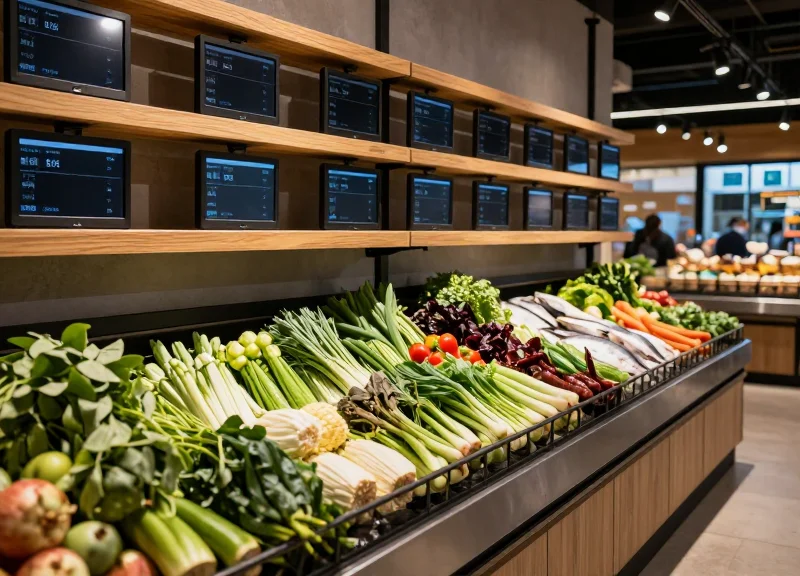
The evolution of wet markets into modernized digital hubs is driven by a need for real-time pricing accuracy and operational efficiency in high-moisture environments. By 2026, digitalization through Electronic Shelf Labels (ESL) will move from a competitive advantage to a survival requirement as global supply chains demand greater transparency and labor costs continue to rise. Transitioning to ESL technology allows wet market operators to synchronize prices instantly across thousands of items, ensuring that the volatility of fresh produce markets is managed without the hygiene risks associated with manual paper tagging.
| Feature | Traditional Manual Tagging | Modern Digital ESL (2026 Standard) |
|---|---|---|
| Update Speed | Hours (Manual replacement) | Seconds (Centralized update) |
| Hygiene Factor | High risk (Porous paper/wood) | Low risk (IP67+ waterproof plastic) |
| Price Accuracy | Prone to human error | 100% ERP synchronization |
| Sustainability | High waste (Single-use tags) | Eco-friendly (5-10 year battery life) |
Why is 2026 considered the 'Modernization Milestone'?
2026 marks the convergence of widespread 5G infrastructure in urban centers and the enforcement of stricter food safety traceability regulations globally, making digital record-keeping mandatory for fresh food vendors.
How does digitalization impact labor in wet markets?
It shifts staff focus from tedious manual updates to customer service and stock management, addressing the chronic labor shortages currently facing the traditional retail sector.
What is the 'Freshness-to-Price' algorithm?
It is an emerging trend where ESLs automatically adjust prices based on the time of day or shelf-life data to reduce food waste—a key goal for the 2026 sustainability targets.
Expert Insight: The Bio-Hygienic Advantage. One often overlooked reason for the 2026 digital push is 'Bio-Hygienic Digitalization.' Traditional price tags made of cardboard or low-grade laminate are breeding grounds for bacteria in humid wet market conditions. Modern ESLs for 2026 are being designed with anti-microbial coatings and sealed enclosures that can be pressure-washed. This doesn't just modernize the look; it fundamentally upgrades the health safety profile of the entire facility, a factor that will be a primary driver for government-led modernization grants in the coming years.
Criterion 1: Superior Ingress Protection (IP) Ratings for Water Resistance
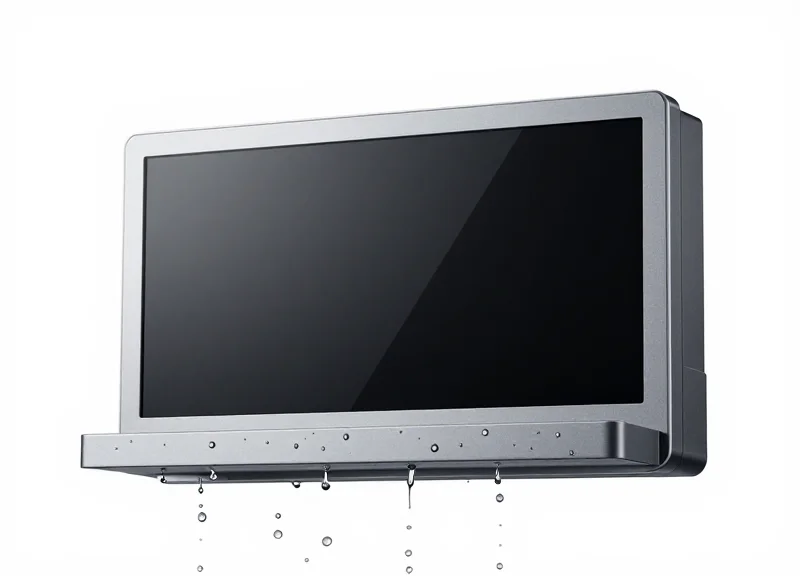
For 2026 wet market modernization, the International Protection (IP) rating is the definitive benchmark for hardware durability. Unlike standard retail environments, wet markets subject digital labels to constant humidity, melting ice, organic fluids, and rigorous cleaning cycles. To ensure a return on investment, procurement officers must mandate a minimum of IP67—signifying total protection against dust and the ability to withstand immersion in water up to 1 meter for 30 minutes—or IP68 for equipment that may face continuous submersion or high-pressure spray.
| IP Rating | Protection Level | Wet Market Suitability |
|---|---|---|
| IP54 | Splash-proof only | Unsuitable; high failure rate in produce/seafood sections. |
| IP65 | Resistant to water jets | Marginal; may fail during deep-cleaning with high-pressure hoses. |
| IP67 | Full immersion (1m) | Recommended; survives accidental drops in tanks and heavy rinsing. |
| IP68 | Continuous immersion | Optimal; the gold standard for high-intensity seafood and meat zones. |
Expert Insight: The Thermal Expansion Trap. Beyond simple water ingress, the hidden killer of ESLs in wet markets is 'thermal breathing.' When a label is moved from a cold seafood display (0°C) to a warm cleaning station (30°C+), the air inside the casing expands and contracts. Lower-quality seals act as a vacuum, sucking in moisture-laden air through the gaskets. For 2026 durability, prioritize labels that utilize ultrasonic welding rather than traditional glue-and-gasket seals to create a truly hermetic environment.
Is IP67 enough for high-pressure power washing?
While IP67 covers immersion, power washing involves localized high pressure. For markets using industrial cleaners, look for the IP69K rating, which specifically tests against high-pressure, high-temperature water jets.
Does a higher IP rating affect battery life?
Indirectly, yes. By preventing moisture ingress, you eliminate micro-corrosion on the PCB (Printed Circuit Board), which prevents 'parasitic drain' and ensures the battery reaches its full 5-to-10-year life expectancy.
Can I use standard retail ESLs if I put them in plastic covers?
This is a common mistake. Plastic covers trap condensation inside, creating a 'greenhouse effect' that corrodes electronics faster than direct exposure. Native IP67+ hardware is always superior.
When evaluating vendors, demand to see third-party certification reports rather than internal testing claims. A robust IP67/68 rating ensures that as your market scales toward 2026, your infrastructure remains resilient against the inevitable environmental stressors of the fresh food trade.
Criterion 2: Temperature Resilience in Fresh and Frozen Sections
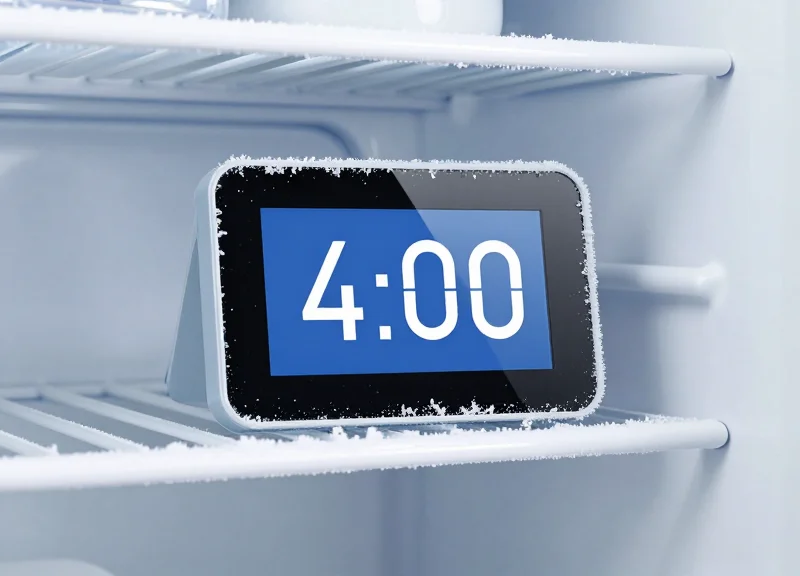
Temperature resilience in Electronic Shelf Labels (ESL) refers to the hardware's ability to maintain display integrity, wireless connectivity, and battery longevity while operating in environments ranging from sub-zero freezers to high-heat ambient stalls. For a 2026 wet market modernization, choosing labels with specialized wide-temperature E-ink film is critical. Standard ESLs often suffer from 'screen ghosting' or complete battery failure when exposed to the fluctuating temperatures common in fresh produce and seafood sections. True resilience ensures that pricing updates remain instantaneous and readable, regardless of the thermal stress applied to the device.
| Market Zone | Typical Temp Range | ESL Requirement | Key Technical Feature |
|---|---|---|---|
| Deep Frozen (Seafood/Meat) | -25°C to -15°C | Freezer-Grade Display | Low-temp electrolyte batteries |
| Chilled Display (Dairy/Poultry) | 0°C to 4°C | Refrigeration-Optimized | Condensation-resistant seals |
| Ambient Stalls (Produce/Dry) | 20°C to 35°C | Standard Operational | High-contrast E-ink film |
Beyond simple operation, the biggest challenge in 2026 wet market environments is 'Thermal Shock.' This occurs when a label is moved from a cold storage unit to a warm cleaning station, or when humid air hits a cold screen. Most buyers focus on the 'operating temperature,' but the real expert metric is the Refresh Threshold. In sub-zero temperatures, the liquid in E-ink capsules becomes more viscous, slowing down the movement of pigments. Top-tier ESLs utilize specialized waveforms to push these pigments faster, ensuring that a price change doesn't result in a messy, unreadable blur during peak hours.
Expert Tip: The 20% Battery Rule. In cold environments, standard lithium batteries can lose up to 50% of their effective capacity due to increased internal resistance. For 2026 modernization, insist on labels using Lithium-thionyl chloride (Li-SOCl2) chemistry. My recommendation is to specify a hardware lifespan of 10 years at 25°C, which realistically translates to 7-8 years in a wet market's frozen section—anything less will lead to a costly maintenance cycle by 2029.
Can I use the same ESL model for both frozen and ambient sections?
While possible, it is not cost-effective. Freezer-grade labels use more expensive specialized batteries and films. A hybrid deployment—using standard labels for ambient stalls and specialized 'Freezer' labels for cold cases—is the most strategic approach for a 2026 rollout.
Does high humidity combined with low temperature affect the wireless signal?
Indirectly, yes. Moisture buildup on the surface of labels can attenuate 2.4GHz signals. Selecting ESLs with Sub-Giga (e.g., 800-900MHz) communication protocols offers better penetration through the 'water-heavy' environment of a wet market's cold section.
What happens if an ESL freezes over?
If the label is not rated for those temperatures, the internal E-ink capsules may rupture, or the casing may crack. Look for 'non-condensing' certifications to ensure that internal moisture doesn't turn into ice, which can destroy the PCB.
Criterion 3: Screen Visibility and Anti-Fogging Technology

For 2026 wet market modernization, screen visibility is defined by the ability of an Electronic Shelf Label (ESL) to remain perfectly legible under extreme conditions, specifically high humidity and rapid temperature shifts. While standard retail labels often suffer from 'fogging'—where condensation forms either on the outer surface or within the air gap of the display—next-generation wet market ESLs utilize 3rd-generation E-paper (e-ink) technology and specialized anti-fogging coatings. These advancements ensure a 180-degree viewing angle and high contrast ratios, allowing customers to read prices clearly from a distance, even in the moisture-heavy environments of seafood and produce sections.
| Feature | Standard Retail ESL | 2026 Wet Market ESL |
|---|---|---|
| Display Tech | Standard E-ink / LCD | High-Contrast 3-Color E-paper |
| Viewing Angle | Approx. 120-140 Degrees | Full 180-Degree Visibility |
| Surface Treatment | Glossy or Basic Matte | Hydrophilic Anti-Fog Nano-Coating |
| Internal Build | Air-Gap Construction | Full Optical Bonding (Zero Gap) |
Expert Tip: The 'Internal Condensation' Trap. Many buyers focus only on external fogging, but the real failure point in wet markets is often internal moisture. I recommend looking for labels that utilize 'Full Optical Bonding.' By injecting a specialized resin between the E-paper layer and the protective lens, manufacturers eliminate the air gap where moisture can trap and condense. This doesn't just prevent fogging; it significantly improves the structural integrity of the display against physical impacts from heavy crates or cleaning equipment.
Why does my digital label look 'blurry' near the seafood ice beds?
This is likely caused by the dew point transition. When the cold air from the ice meets the warmer ambient air, condensation forms on the screen. ESLs with hydrophilic coatings spread this moisture into a thin, transparent film rather than tiny droplets, maintaining total clarity.
Does anti-fogging technology wear off over time?
Early generation coatings did degrade, but 2026-spec labels use plasma-integrated nano-layers that are chemically bonded to the glass or polycarbonate, offering a lifespan of 5-7 years even with daily wipe-downs.
Is E-paper really better than LCD for wet markets?
Absolutely. E-paper reflects ambient light just like real paper, which is crucial under the harsh, bright LED lighting typically found in modernized markets. LCDs often suffer from glare and 'wash out' when viewed from the side.
Criterion 4: Battery Longevity and Energy Efficiency in Damp Conditions
For wet market modernization, battery longevity is the primary driver of Total Cost of Ownership (TCO). In high-humidity environments, moisture acts as a physical barrier to wireless signals, often forcing Electronic Shelf Labels (ESL) to increase their transmission power or perform frequent 'retries' to communicate with the base station. To ensure a 2026-ready deployment lasts its intended 7-10 years without costly manual replacements, retailers must prioritize devices that utilize ultra-low-power communication protocols and high-capacity lithium-thionyl chloride (Li-SOCl2) batteries designed to resist internal self-discharge caused by ambient moisture ingress.
| Protocol Type | Frequency Band | Water/Obstacle Penetration | Battery Impact |
|---|---|---|---|
| Standard Bluetooth (BLE) | 2.4 GHz | Low (Absorbed by water) | High (Due to signal retries) |
| Zigbee / Proprietary | 2.4 GHz | Moderate | Medium |
| Sub-GHz (868/915 MHz) | Sub-1 GHz | Superior (High Penetration) | Optimized (Longest Life) |
Expert Insight: The 'Water Absorption' Battery Drain. A unique challenge in wet markets is that 2.4 GHz signals (used by standard Wi-Fi and BLE) are the same frequency used by microwave ovens to heat water. Consequently, moisture in the air and on the product surfaces absorbs these signals, leading to a 'shadowing' effect. To maintain connectivity, the ESL chip stays awake longer, draining the battery. By 2026, the industry standard for wet environments is shifting toward Sub-GHz protocols, which bypass water molecules more effectively, allowing the label to remain in 'deep sleep' for 99% of its life.
- Analyze Communication Efficiency: Select ESLs that use compressed data packets to minimize the time the radio chip is active during price updates.
- Verify Battery Passivation Resistance: Ensure the battery chemistry is optimized to prevent the buildup of high-resistance layers during long periods of inactivity in damp stalls.
- Audit the Base Station Density: In wet markets, more access points may be needed to keep ESL transmit power low, significantly extending individual label battery life.
Does high humidity drain ESL batteries faster?
Indirectly, yes. Humidity causes signal interference and potential parasitic power leakage if the internal PCB isn't properly coated, forcing the label to use more energy to maintain a connection.
What is the expected battery life for modern wet market ESLs?
By 2026 standards, a high-quality durable digital label should offer 5 to 10 years of life based on 1-2 daily price updates.
Can batteries be replaced in waterproof ESLs?
Most IP67/68 rated labels are ultrasonic-welded to prevent leaks, meaning they are often replaced as units, though some specialized modular designs allow for sealed battery compartments.
Criterion 5: Seamless Integration with Inventory and POS Systems
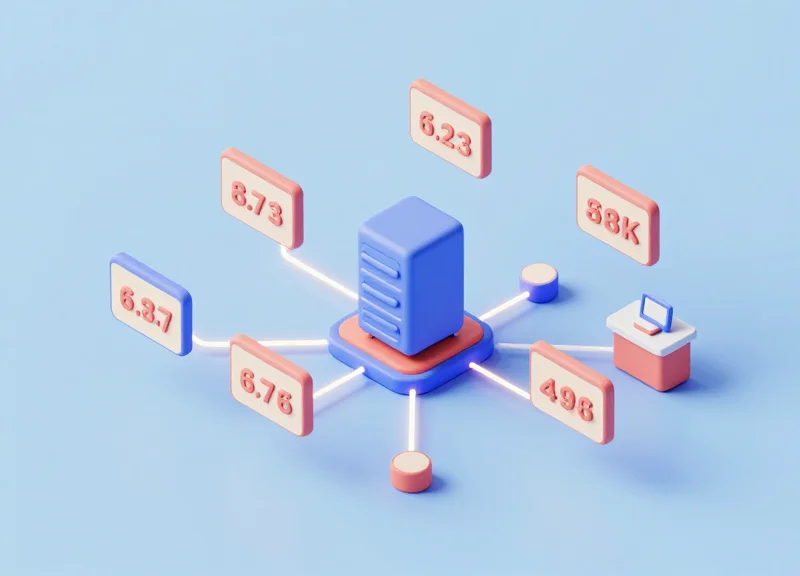
In the context of 2026 wet market modernization, seamless integration is the software-driven capability of an Electronic Shelf Label (ESL) system to synchronize instantly with the Point of Sale (POS) and Inventory Management System (IMS). This 'digital bridge' ensures that the price a customer sees on the wet market floor is identical to the price scanned at checkout, effectively eliminating the labor-intensive task of manual price tagging and reducing pricing errors to zero. For wet markets handling high-velocity perishables, this integration is the difference between a high-tech success and an operational bottleneck.
| Integration Feature | Modern Unified System (2026 Standard) | Legacy/Siloed System |
|---|---|---|
| Data Sync Speed | Near Real-Time (Under 3 seconds) | Batch updates (15-60 minutes) |
| API Architecture | Open RESTful APIs / Webhooks | Proprietary / Closed |
| Error Correction | Automatic Two-Way Handshake | Manual audit required |
| Scalability | Unlimited SKU expansion | Hard-coded SKU limits |
- The API-First Approach: Prioritize ESL vendors that offer open API documentation. This allows your developers to create custom triggers, such as automatically dropping the price of 'Catch of the Day' seafood as the market's closing hour approaches.
- Bi-Directional Communication: Ensure the system doesn't just push data to the labels. A top-tier system receives status reports back from the label, confirming the update was successful and reporting battery health.
- Cloud-Native Management: Modern 2026 systems should be managed via a centralized cloud dashboard, allowing market managers to update prices across multiple stalls or locations from a single mobile device.
Expert Insight: Dynamic Margin Protection. One original strategy for 2026 is the implementation of 'Waste-Mitigation Pricing.' By integrating your ESL with real-time inventory sensors, the system can automatically trigger micro-discounts as stock levels for highly perishable items (like leafy greens) exceed a certain age threshold. This 'Sell-Through' automation maximizes margins that are usually lost to shrinkage in traditional wet market environments.
Will this work with my current legacy POS?
Most modern ESL controllers use middleware that can 'scrape' data or ingest CSV exports from older POS systems, though a direct API integration is always preferred for speed.
What happens if the market's Wi-Fi goes down?
Premium ESL systems store the last known price on the label's E-ink display permanently. While updates will pause during an outage, the current price remains visible to customers.
How difficult is the initial data mapping?
With a well-integrated system, mapping involves simply linking the unique ESL ID (MAC address) to the Product SKU in your database, a process that can be done via a handheld scanner.
Food Safety Compliance: Choosing Non-Toxic and Easy-to-Clean Materials
For 2026 modernization, food safety compliance for Electronic Shelf Labels (ESL) means selecting devices manufactured from food-contact-safe polymers that are free from BPA and phthalates. Beyond the chemical composition, the hardware must feature a 'hygienic design'—characterized by smooth, non-porous surfaces and a lack of deep crevices where organic matter can accumulate and breed bacteria like Listeria or Salmonella. True compliance ensures that even if a label touches raw seafood or poultry, it does not leach chemicals into the food or provide a sanctuary for cross-contamination.
| Feature | Standard Office ESL | Wet Market Food-Grade ESL |
|---|---|---|
| Housing Material | Recycled ABS Plastic | Food-Grade PC/ABS (FDA/EU Compliant) |
| Surface Texture | Matte/Textured (Grip) | Polished/Smooth (Hydrophobic) |
| Assembly Method | Snap-fit or Screws | Ultrasonic Welding (Seamless) |
| Chemical Resistance | Low (Standard Cleaners) | High (Peracetic Acid/Bleach/Lactic Acid) |
- Verify Regulatory Certifications: Ensure the hardware supplier provides documentation for FDA 21 CFR or EU Regulation No 10/2011, certifying that the plastic casing is safe for indirect and incidental food contact.
- Audit the Physical Geometry: Look for labels with rounded edges and flush-mounted screens. Avoid designs with recessed screw holes or deep grooves around the display, as these are 'bio-accumulation zones' that are nearly impossible to sanitize fully.
- Chemical Compatibility Testing: Confirm the outer shell and screen lens can withstand frequent exposure to common wet market acids (citric acid from fruits) and alkaline detergents without crazing or clouding.
Expert Insight: The Ultrasonic Welding Advantage. While most articles focus on IP ratings, the real differentiator for 2026 is the assembly technique. Mechanical screws create micro-pockets where blood, scales, or juices can seep and putrefy, regardless of the water-resistance rating. High-tier wet market ESLs now use ultrasonic welding to fuse the front and back shells into a single, monolithic piece. This eliminates the need for gaskets that can degrade over time, ensuring the label remains a sterile, inert object throughout its entire 5-10 year lifecycle.
Can these labels be soaked in sanitizing solution?
Yes, provided they have an IP68 or IP69K rating. Food-grade labels are specifically designed to withstand immersion in chlorine-based or quaternary ammonium sanitizers used in professional food prep environments.
Are antimicrobial coatings necessary?
While not strictly required by law, silver-ion or similar antimicrobial additives in the plastic housing provide an extra layer of protection by actively inhibiting the growth of microbes on the label surface between cleaning cycles.
Do I need different materials for the meat vs. vegetable sections?
Standardizing on a single high-spec, food-grade material is more cost-effective. However, the meat section requires higher resistance to fatty acids and proteins, making high-density polycarbonate shells the preferred choice.
Cost vs. ROI: Long-term Benefits of Investing in Durable Hardware

The Return on Investment (ROI) for wet market Electronic Shelf Labels (ESL) is not found in the lowest purchase price, but in the lowest Total Cost of Ownership (TCO) over a 5-to-7-year lifecycle. While durable hardware requires a higher initial capital expenditure (CAPEX), it mitigates the 'hidden' operational expenses (OPEX) caused by high failure rates in humid, cold, or high-traffic environments. In a wet market setting, a cheap, non-industrial label typically has a failure rate 15-20% higher annually than a ruggedized counterpart, effectively negating any initial savings within the first 18 months.
| Financial Metric | Consumer-Grade ESL (Low Cost) | Industrial-Durable ESL (High ROI) |
|---|---|---|
| Initial Unit Cost | $5 - $8 | $12 - $18 |
| Annual Failure Rate | 12% - 25% | < 1.5% |
| Labor Cost (Replacement) | High (Frequent site visits) | Negligible |
| Battery Life in Humidity | 2 - 3 Years | 7 - 10 Years |
| 5-Year Total Cost | ~$28 per position | ~$19 per position |
How does durability impact labor costs?
Every time a label fails due to moisture ingress or physical damage, a staff member must identify the outage, unpair the device, and install a replacement. For a market with 500+ stalls, a high failure rate creates a constant labor drain that often exceeds the cost of the hardware itself.
Does better hardware improve price accuracy ROI?
Yes. Durable labels with superior connectivity ensure that price updates are reflected 100% of the time. This eliminates 'price friction' at checkout and avoids potential fines or loss of consumer trust caused by mismatched digital and POS pricing.
What is the 'Resale Value' factor?
Premium, durable hardware retains residual value. Should a market undergo a full technology refresh in 2030, high-quality IP67-rated labels can often be refurbished or sold to secondary markets, whereas cheap units are destined for e-waste.
Expert Tip: Look for the 'Seal-to-Circuit' ratio. In my experience auditing digital transformations, the most cost-effective labels for 2026 are those where the internal PCB is vacuum-sealed rather than just housed in a snapped-together plastic shell. This 'True-Seal' technology reduces micro-corrosion, which is the leading silent killer of ROI in seafood and poultry sections. By spending 40% more upfront on sealed hardware, you reduce your long-term maintenance labor by nearly 80%.
Implementation Strategy: Phasing Your ESL Rollout for Maximum Success
Implementing Electronic Shelf Labels (ESL) in a wet market environment requires a strategic, phased deployment to mitigate technical risks associated with high humidity and to facilitate vendor adoption. By transitioning from a localized pilot to a full-market rollout over a 4-to-8-week window, operators can validate hardware durability and backend synchronization without interrupting the sensitive flow of daily trade. The goal is to move from manual pricing to a fully automated 2026-ready infrastructure while maintaining 100% price accuracy at the point of sale.
- Infrastructure Audit & Network Hardening: Before any labels are deployed, conduct a signal penetration test. Wet markets, with their high water content and metal structures, can cause RF interference. Ensure that access points are strategically placed in moisture-resistant enclosures.
- The 'Zone Alpha' Pilot Program: Select a diverse zone—such as a mix of dry spice stalls and high-humidity seafood sections—to test the durability of the IP67-rated seals and the anti-fog coating under real-world conditions for 14 days.
- Vendor Onboarding and UI Training: Traditional stall owners must be comfortable with the handheld management devices. Focus training on 'emergency price overrides' and how to report a damaged tag immediately to the central system.
- Full Market Integration: Execute the full rollout during off-peak hours. Synchronize the ESL backend with the master inventory database to ensure that price changes triggered by market fluctuations reflect instantly on the floor.
| Phase | Key Objective | Duration | Success Metric |
|---|---|---|---|
| Pre-Deployment | Connectivity & API Sync | 1-2 Weeks | 99.9% Signal Strength |
| Pilot Stage | Durability Stress Test | 2 Weeks | Zero Condensation Failures |
| Full Rollout | Scale Operations | 1 Week | 100% Label Accuracy |
| Optimization | Labor Efficiency Audit | Ongoing | 30% Reduction in Labor Hours |
Expert Insight: The 'Shadow Run' Technique. In my two decades of digital transformations, the most successful wet market rollouts utilize a 48-hour 'Shadow Run.' Keep your legacy paper tags alongside the new ESLs for exactly two days. This serves as a fail-safe for vendors to verify digital accuracy and builds the necessary trust in the technology before the old system is permanently retired. This 'psychological safety net' significantly reduces vendor resistance during the modernization process.
How do we handle power outages during the rollout?
ESLs are bistable, meaning they retain the last displayed image without power. Ensure your implementation plan includes a battery-backed local server to maintain the database until main power is restored.
What is the biggest cause of rollout failure in wet markets?
Poor placement of Access Points (APs). Water is an efficient absorber of 2.4GHz signals; APs must be mounted higher than the average shelf height and use directional antennas to cut through the humidity.
Should we replace all labels at once?
No. Start with high-turnover items where price volatility is highest. This demonstrates the immediate ROI of the system to stakeholders before the full capital expenditure is realized.