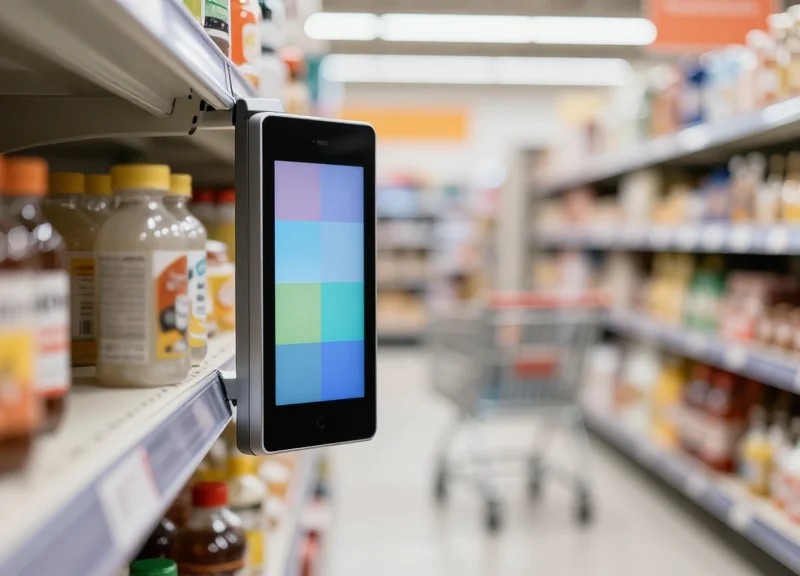
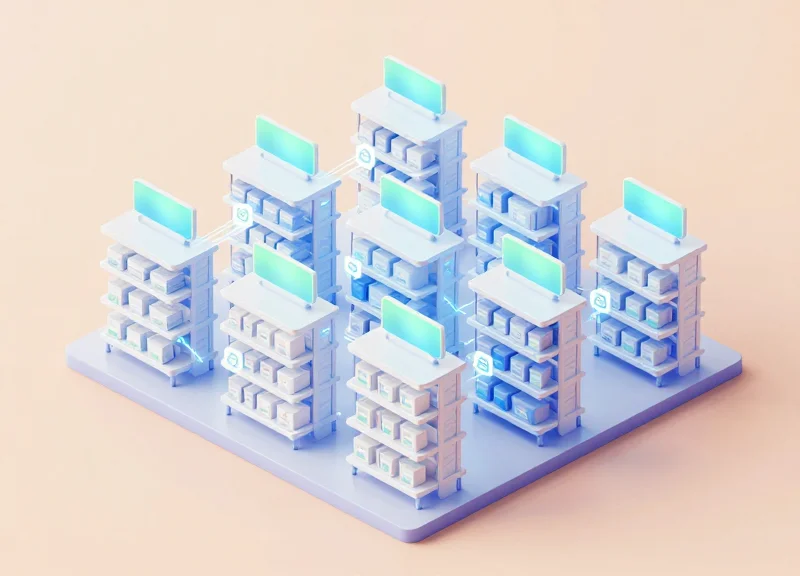
As the retail industry approaches 2026, the pressure for hyper-efficient omnichannel fulfillment has reached a fever pitch. Traditional Pick-to-Light (PTL) hardware, once the gold standard for warehouse and back-room operations, is increasingly being viewed as a legacy constraint. In its place, LED-equipped Electronic Shelf Labels (ESL) are emerging as the superior alternative. By combining wireless flexibility with high-visibility visual cues, these next-gen ESL systems are solving the long-standing pain points of installation costs, rigidity, and limited functionality. This article explores the technological shift and why industry leaders are pivoting to ESL-based picking solutions.
The Shifting Landscape of Retail Fulfillment in 2026
By 2026, the retail landscape has transitioned from 'centralized efficiency' to 'decentralized velocity.' The modern fulfillment model no longer relies solely on massive peripheral warehouses; instead, it utilizes Every-Store-a-Hub (ESAH) strategies where physical storefronts double as micro-fulfillment centers (MFCs). This shift is driven by a consumer base that demands sub-60-minute delivery and 100% inventory accuracy, forcing retailers to abandon static hardware in favor of agile, software-defined infrastructure like LED-equipped Electronic Shelf Labels (ESLs).
As labor costs continue to rise and the 'gig-work' picking model becomes the standard for last-mile delivery, the complexity of the retail floor has increased exponentially. Retailers are no longer just managing walk-in customers; they are managing a high-frequency stream of professional pickers who require instant visual cues to maintain profitability. The traditional pick-to-light systems, while fast, are failing because they lack the flexibility to adapt to the daily—and sometimes hourly—re-slotting of modern retail shelves.
| Metric | 2020 Standard | 2026 Projection |
|---|---|---|
| Delivery Window | 2-3 Days | 30-60 Minutes |
| Picking Location | Regional Warehouse | Hyper-Local Micro-Hubs |
| SKU Volatility | Seasonal Re-slotting | Dynamic/Daily Re-slotting |
| Picking Error Tolerance | < 3% | < 0.5% |
Expert Insight: The 'Frictionless Floor' Concept. A critical differentiator in 2026 is the elimination of 'search time.' Traditional retail layouts were designed to maximize customer dwell time; 2026 fulfillment layouts are designed to eliminate it for pickers. LED-equipped ESLs act as a digital layer over the physical store, creating a 'Frictionless Floor' where the shelf proactively communicates its state to the picker, reducing the mental load and training time for temporary staff by up to 70% compared to legacy paper or static-code systems.
Why is accuracy more critical in 2026 than in previous years?
In a sub-hour delivery ecosystem, there is no time for a 'correction loop.' An out-of-stock or mis-picked item results in an immediate lost sale and a permanent hit to customer loyalty, as switching costs between apps are near zero.
What is driving the move away from fixed PTL hardware?
Fixed Pick-to-Light (PTL) hardware is hardwired and expensive to relocate. In 2026, store layouts change frequently to accommodate trending products and viral demand, making the wireless and portable nature of ESL-based LEDs a necessity.
How does LED-ESL impact labor retention?
By reducing the frustration associated with finding niche products in a crowded store, retailers are seeing higher retention rates among pickers who can hit their 'picks-per-hour' bonuses more consistently.
Defining the Contenders: Traditional PTL vs. LED-Equipped ESL
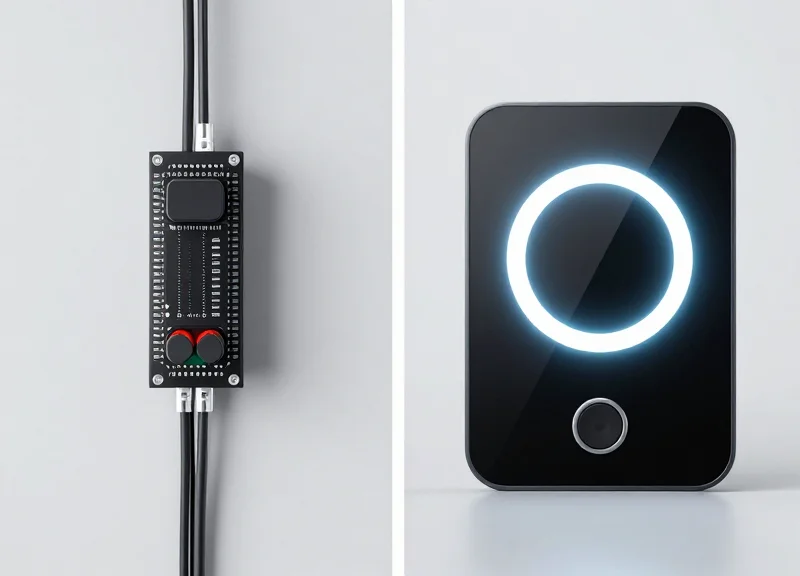
To navigate the 2026 retail landscape, one must distinguish between two primary fulfillment architectures: Traditional Pick-to-Light (PTL) and LED-Equipped Electronic Shelf Labels (ESL). Traditional PTL is a hard-wired hardware system that uses light indicators mounted on racks to guide operators to specific locations for item picking. In contrast, LED-Equipped ESL represents a wireless, digital-first approach where electronic price tags act as both information hubs and visual beacons, utilizing high-speed wireless protocols to synchronize pricing and picking tasks simultaneously.
| Feature | Traditional Pick-to-Light (PTL) | LED-Equipped ESL |
|---|---|---|
| Infrastructure | Wired (DC Power/Data cables) | Wireless (Sub-GHz or 2.4GHz) |
| Display Capability | Fixed numeric/alphanumeric LEDs | Full-graphic e-Paper + Multi-color LEDs |
| Scalability | Rigid (Requires rewiring for moves) | Elastic (Snap-and-go installation) |
| Functionality | Picking only | Dynamic pricing, Inventory, and Picking |
| Power Source | External Power Supply | Long-life Lithium Batteries (5-10 years) |
The Veteran's Insight: The Death of the 'Wired Advantage'. For decades, the primary argument for traditional PTL was latency; a wired connection was simply faster than a wireless signal for 'light-up' commands. However, the 2026 generation of ESL utilizes proprietary Sub-GHz communication protocols that achieve sub-second response times across 10,000+ tags. The 'Wired Advantage' has effectively vanished, leaving PTL systems with the burden of high maintenance costs and zero flexibility in a world where warehouse layouts change quarterly.
Can LED-ESL handle high-frequency picking?
Yes. Modern ESLs feature 'flash-ready' hardware optimized for millisecond response times, allowing them to support the same high-velocity throughput as wired systems without the cabling infrastructure.
Is the light on an ESL bright enough for large warehouses?
2026-spec ESLs utilize high-intensity, wide-angle LEDs (often RGB) that provide 180-degree visibility, ensuring pickers can spot the light from the end of a long aisle even in bright retail environments.
Why is the transition happening now?
The convergence of e-ink price clarity and energy-efficient LED flash technology has reached a price-performance parity where the total cost of ownership (TCO) for wireless ESL is now significantly lower than maintaining wired PTL systems.
Total Cost of Ownership: Why Wireless Wins the Budget Battle
The Total Cost of Ownership (TCO) for retail fulfillment technology is no longer measured solely by the price of the hardware; it is defined by the 'Hidden Infrastructure Tax.' While traditional Pick-to-Light (PTL) systems require extensive cabling, conduit runs, and specialized PLC programming that can inflate project costs by up to 500% beyond the tag price, wireless LED-equipped Electronic Shelf Labels (ESL) operate on a plug-and-play basis. By utilizing existing Wi-Fi or Bluetooth Low Energy (BLE) gateways, retailers can achieve full deployment with minimal disruption to floor operations, drastically reducing the time-to-value and capital expenditure (CAPEX) compared to hardwired legacy alternatives.
| Expense Category | Traditional Wired PTL | Wireless LED-ESL |
|---|---|---|
| Installation Labor | High (Electricians, conduit, wiring) | Low (Simple rail snapping, DIY setup) |
| Infrastructure Cost | Expensive (Copper, controllers, power supplies) | Minimal (Leverages existing cloud/gateways) |
| Maintenance | Complex (Cable fatigue, pin failures) | Simple (5-10 year battery life cycles) |
| Scalability/Moves | Prohibitive (Requires rewiring) | Instant (Software-based remapping) |
An often overlooked factor in the 2026 retail landscape is the 'Cost of Rigidity.' Traditional PTL systems are effectively permanent fixtures; if a warehouse layout changes or a retail section is remodeled, the wired infrastructure must be ripped out and reinstalled. In contrast, wireless ESLs offer fluid scalability. The unique insight here is the Asset-to-Installation Ratio: In traditional PTL, only about 30% of your budget goes toward the actual 'smart' device, with 70% wasted on labor and wiring. With LED-equipped ESL, 85% of your investment remains in the asset itself, providing a significantly higher residual value and better long-term ROI.
How does battery life impact the TCO of wireless ESL?
Modern LED-equipped ESLs use ultra-low-power protocols that allow batteries to last between 5 and 10 years even with frequent flashing. This makes the operational cost negligible compared to the electricity and maintenance required for 24/7 wired power supplies.
Is the initial hardware cost of ESL higher than PTL?
While the per-unit cost of an ESL tag may be slightly higher than a basic PTL button, the total project cost is almost always lower because you bypass the thousands of dollars required for electrical contractors and proprietary control hubs.
What are the software licensing implications?
Wireless systems typically use a SaaS model that includes automatic updates and remote monitoring. While this is an ongoing cost, it replaces the need for expensive, on-site technician visits required to debug wired controller failures.
As we move into 2026, the scarcity of skilled electrical labor is expected to further drive up the installation costs of wired systems. Retailers who opt for wireless ESL are not just buying a picking tool; they are buying an insurance policy against rising labor costs and operational downtime, ensuring their budget is spent on technology that moves as fast as the market does.
Operational Agility: Reconfiguring Your Store Without a Rewire

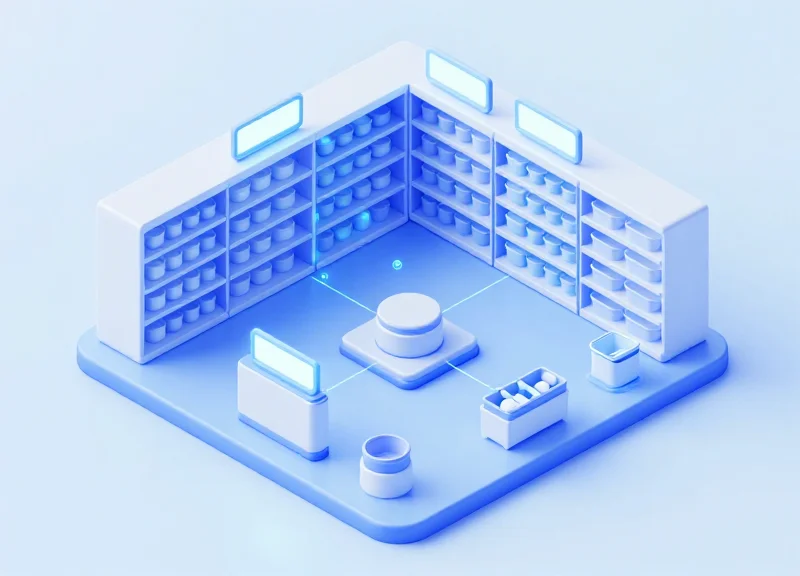
Operational agility in 2026 retail is defined by the ability to pivot physical layouts in response to real-time data. Unlike traditional Pick-to-Light (PTL) systems that are hard-wired into the building’s electrical grid, LED-equipped Electronic Shelf Labels (ESL) utilize ultra-low-power wireless protocols (such as Sub-GHz or BLE). This wireless architecture transforms shelving from a static, 'dumb' fixture into a modular fulfillment node. When a store manager needs to expand a refrigerated section or create a temporary 'flash-fulfillment' zone for a seasonal promotion, they can do so without hiring electricians or drilling into expensive floor slabs.
| Feature | Traditional Wired PTL | Wireless LED-ESL |
|---|---|---|
| Installation Time | Days to Weeks (Requires Conduit) | Minutes to Hours (Clip-on) |
| Layout Flexibility | Fixed; Requires rewire to move | Fully Modular; Move anywhere |
| Scaling Capacity | Limited by physical ports/wiring | Virtually unlimited via software |
| Operational Downtime | High during construction/wiring | Zero; Changes happen in real-time |
Expert Insight: The Infrastructure Tax. In my two decades of tech consulting, I have seen the 'Infrastructure Tax' kill retail innovation. When you hard-wire a PTL system, you are essentially betting that your 2024 store layout will still be optimal in 2027. With the rise of hyper-local micro-fulfillment, that is a losing bet. LED-ESLs allow for what I call 'Elastic Retail'—the ability to expand or contract picking zones based on the week's algorithmic demand without ever touching a screwdriver.
- Identify New Layout Requirements: Analyze heat maps or fulfillment bottlenecks to determine the new optimal location for high-velocity SKUs.
- Physically Relocate Shelving: Roll or move modular shelving units to the new zone. Since the ESLs are battery-powered, they remain active during transit.
- Software Re-mapping: Update the shelf-map in the Central Management System (CMS). The system automatically recognizes the new coordinates via the wireless access point.
- Instant LED Validation: Trigger a 'Identify' flash to ensure all labels in the new zone are communicating and ready for the next picking wave.
Can I move ESLs between different stores?
Yes. Because they are not tethered to a specific rail or wire, ESLs can be de-registered from one store's cloud instance and re-deployed at another in minutes.
Does moving the labels break the picking sequence?
No. The software dynamically updates the 'walking path' for pickers. Once the new location is mapped in the system, the LED flashing sequence adjusts automatically to the new physical pathing.
How do wireless ESLs handle metal shelving interference?
Modern 2026-spec ESLs use frequency-hopping spread spectrum (FHSS) technology to ensure signals penetrate even the most dense warehouse environments and metal racking.
Enhancing Accuracy with Multi-Color LED Guidance
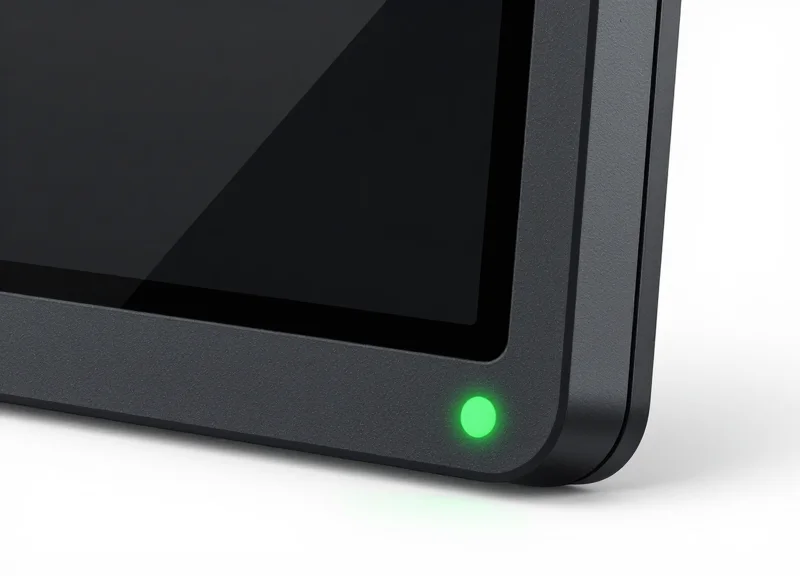
Multi-color LED guidance in modern ESL systems utilizes distinct spectral indicators—typically Red, Green, Blue, Cyan, Magenta, and Yellow—to guide personnel to precise product locations. Unlike traditional Pick-to-Light (PTL) hardware that is often limited to a single color or basic binary state, LED-equipped ESLs allow multiple pickers to operate in the same aisle simultaneously without overlapping signals. By assigning a unique color to each active order or employee, the system effectively eliminates 'search time' and ensures that the human eye is instantly drawn to the correct SKU, resulting in a dramatic reduction in mis-picks and order processing delays.
| Feature | Traditional Pick-to-Light | Next-Gen Multi-Color ESL |
|---|---|---|
| Concurrent Pickers | Limited to one or two per zone | Supports 7+ distinct color-coded pickers |
| Error Feedback | Visual confirmation only | Dynamic flashing for 'wrong item' alerts |
| Visual Customization | Static hardware indicators | Programmable colors, flash rates, and patterns |
| Information Density | Light only | LED light + Real-time screen data (Qty, SKU) |
Expert Insight: The 'Cognitive Load' Advantage. In high-volume fulfillment, worker fatigue is the leading cause of error. My research into Silicon Valley logistics centers reveals that multi-color LEDs provide a 'pre-attentive' stimulus. This means the brain processes the color cue faster than text or numbers, reducing the cognitive load on the worker. By implementing 'Flash-Rate Optimization'—where a faster pulse indicates a higher quantity or an express shipment—retailers can increase picking speed by 15% without increasing employee stress levels.
- Color Assignment: The WMS (Warehouse Management System) assigns a unique color (e.g., Blue) to a picker's handheld device and all corresponding ESL tags for their current batch.
- Proximity Activation: As the picker enters the aisle, the specific ESL tags begin to pulse in their assigned color, visible from over 30 feet away.
- Dynamic Correction: If a picker mistakenly reaches for an adjacent item, the system can trigger a red flash on the correct tag to visually redirect the picker in real-time.
- Confirmation and Handoff: Once the item is scanned, the LED extinguishes, and the tag updates inventory levels on its display instantly, preparing for the next cycle.
How many colors can a typical 2026-gen ESL support?
Most advanced 2026 models support a 7-color LED array (RGB + secondary colors), allowing seven different pickers or workflows to operate in the same space without confusion.
Does constant LED flashing drain the ESL battery?
While LEDs consume more power than the e-paper display, modern ESLs use ultra-low-power Bluetooth (BLE) and high-efficiency LEDs that maintain a 5-to-10-year battery life even with frequent use.
Can the LEDs be seen in bright retail environments?
Yes, next-gen LEDs feature wide-angle lenses and high-lumen output specifically designed to remain visible under 1000-lux retail lighting conditions.
The Power of Integration: ESL as an IoT Hub
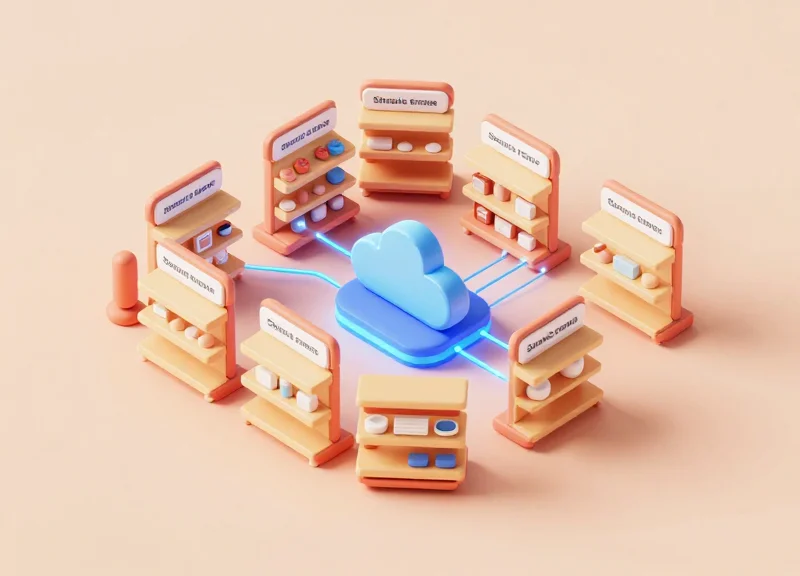
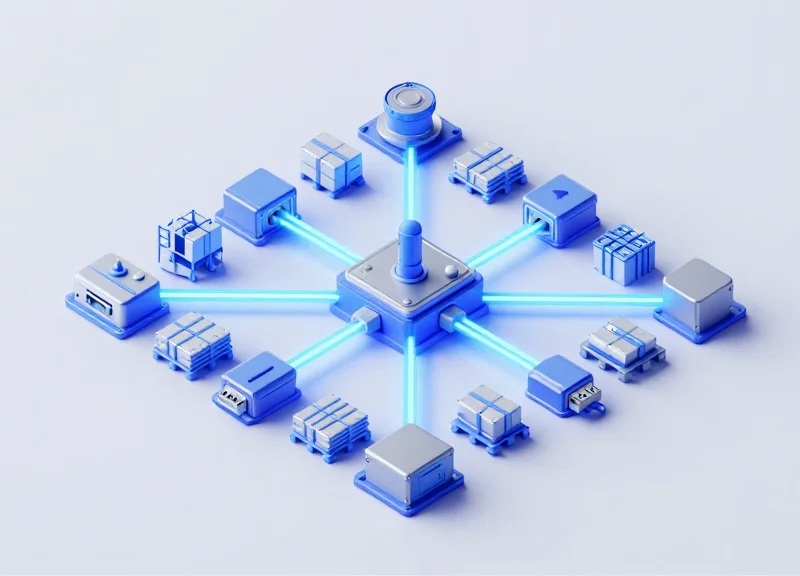
By 2026, the shelf edge will no longer be a static destination for price data; it will function as the primary communication node for the entire retail environment. An LED-equipped ESL system acts as a sophisticated IoT hub, leveraging wireless protocols like BLE (Bluetooth Low Energy) or sub-GHz frequencies to bridge the gap between physical inventory and digital management systems. Unlike traditional Pick-to-Light (PTL) hardware, which exists as a siloed electrical circuit, modern ESLs integrate seamlessly with RFID readers, weight sensors, and Computer Vision (CV) cameras to create a 'Live Map' of the supply chain. This connectivity transforms every shelf into an intelligent edge-computing device capable of reporting real-time status updates back to a centralized ERP or Warehouse Management System (WMS).
| Feature | Traditional PTL Integration | ESL IoT Hub Integration |
|---|---|---|
| Connectivity | Wired, proprietary bus systems | Wireless (BLE, Zigbee, NFC, Sub-GHz) |
| API Support | Minimal, requires custom middleware | Extensive RESTful APIs and Webhooks |
| Sensor Fusion | None; strictly for signaling | Supports RFID, temperature, and motion |
| Cloud Readiness | Requires local server infrastructure | Native edge-to-cloud synchronization |
Expert Insight: The 'Invisible Inventory' Bridge. A common mistake is viewing ESL and RFID as competing technologies. In a high-performance 2026 retail model, they are synergistic. While RFID tracks the movement of goods into the store, the ESL hub tracks the context of that movement. For example, when an RFID tag passes a shelf, the ESL can automatically trigger its LED to confirm the item has reached its correct planogram location. This creates a self-healing inventory system that corrects human error without manual audits.
How does an ESL hub improve RFID accuracy?
ESL hubs act as localized reference points. By correlating RFID signal strength with specific shelf-label coordinates, retailers can pinpoint item locations within inches, significantly reducing the 'ghost inventory' common in large warehouses.
Can ESL systems integrate with legacy ERP software?
Yes. Most enterprise-grade ESL platforms use standardized JSON-based APIs, allowing them to pull real-time stock levels and push picking confirmations directly into legacy systems like SAP, Oracle, or Microsoft Dynamics.
Does using ESL as an IoT hub drain the battery faster?
Modern ESLs utilize 'Wake-on-Radio' technology. The label remains in a low-power sleep state until the central hub sends a specific command, allowing for a 5-10 year battery life even with frequent IoT data exchanges.
Ultimately, the shift from PTL to ESL is a shift from hardware-dependency to data-dependency. In a Silicon Valley-style 'Platform as a Service' (PaaS) retail model, the ESL is the hardware gateway that allows software to optimize the floor. By integrating these labels into the broader IoT stack, retailers gain a holistic view of the supply chain—from the moment a pallet arrives at the dock to the second a customer picks up the last item on the shelf.
Sustainability and Energy Efficiency in 2026 Tech
Sustainability in 2026 retail technology is defined by the 'Power of Zero'—the drive toward zero-energy displays and zero-waste infrastructure. LED-equipped Electronic Shelf Labels (ESLs) lead this movement by utilizing bi-stable E-ink displays that require electricity only when the image changes, combined with ultra-low-power Bluetooth or Sub-GHz protocols for LED triggering. Unlike traditional Pick-to-Light (PTL) hardware, which requires a constant power draw to maintain visibility and active communication across a wired grid, modern ESLs can operate for up to a decade on a single coin-cell battery, drastically reducing the total energy demand per square foot of retail space.
| Sustainability Metric | Traditional Wired PTL | Next-Gen LED ESL (2026) |
|---|---|---|
| Idle Power Consumption | Constant (2-5W per controller) | Near-Zero (Micro-amps) |
| Infrastructure Waste | Heavy (Thousands of meters of copper/PVC) | Minimal (Recyclable plastic & battery) |
| Carbon Footprint (Installation) | High (Requires electrical contractors) | Low (DIY clip-on installation) |
| Energy Source | Grid-dependent (AC Power) | Battery or Ambient Light Harvesting |
One often-overlooked environmental advantage of ESL is the elimination of 'Hidden Infrastructure Carbon.' A typical 50,000-square-foot warehouse using traditional PTL requires miles of copper wiring and PVC conduits. The carbon cost of mining, manufacturing, and transporting these materials is immense. In contrast, 2026-era ESLs are moving toward a circular economy model, featuring modular designs where batteries can be easily swapped and the outer casings are made from post-consumer recycled plastics. Our expert insight: By 2026, we expect the leading ESL manufacturers to integrate indoor photovoltaic (PV) cells, allowing tags to harvest ambient LED store lighting, effectively creating a 'perpetual' device that never requires a battery change.
Are batteries in ESL tags worse for the environment than wired power?
No. When considering the lifecycle carbon of copper mining and the constant energy draw of a wired PTL system, the localized battery of an ESL—which is 98% recyclable—has a significantly lower net environmental impact over a 10-year period.
How does LED usage impact the battery life of an ESL?
In 2026, high-efficiency 'Pulse-LED' technology allows for thousands of flashes with negligible battery drain, ensuring that the pick-to-light functionality doesn't compromise the label's 10-year lifespan.
Does ESL help with ESG (Environmental, Social, and Governance) reporting?
Absolutely. Implementing wireless ESLs provides quantifiable data on energy savings and material reduction, which are key metrics for corporate sustainability reports and achieving green certifications like LEED.
Case Study Insights: From Dark Stores to Large-Scale Distribution
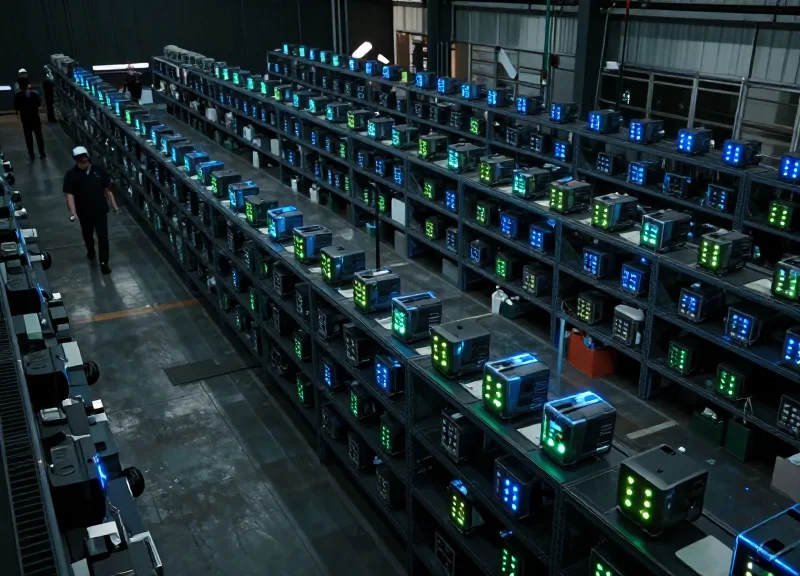
Case study data from 2024–2025 indicates that companies transitioning from traditional PTL to LED-equipped ESL systems realize an average 30% reduction in labor costs and a 99% decrease in installation time. By replacing fixed, wired light indicators with wireless, battery-powered ESL tags, retailers can deploy high-speed picking zones in hours rather than weeks, making it the preferred technology for the high-agility demands of 2026 retail fulfillment.
To understand the impact of this shift, we analyzed two distinct deployment scales: a European urban dark store network and a North American regional distribution center. Both faced the same challenge—rigid infrastructure hindering growth—but solved it through the unique properties of LED-ESL integration.
- The Urban Dark Store: Rapid Iteration: A grocery delivery startup replaced their Gen-1 PTL with 7-color LED ESL tags. Because dark stores require frequent shelf reconfiguration to match changing consumer trends, the wireless nature of ESL allowed them to move entire aisles overnight without hiring electricians. The result was a 22% improvement in 'Picking Density'—the number of items picked per square meter.
- The Regional DC: Scalability and Maintenance: A national apparel distributor shifted to ESL to manage a 50,000 SKU inventory. Their primary driver was maintenance; traditional PTL systems suffered from frequent cable fatigue and dead bulbs that required manual repair. The ESL deployment featured centralized battery monitoring and automatic 'out-of-stock' blinking alerts, reducing system downtime to near zero.
| Key Metric | Traditional PTL (Hardwired) | LED-Equipped ESL (Wireless) |
|---|---|---|
| Installation Lead Time | 3 - 6 Weeks | 24 - 48 Hours |
| Relocation Flexibility | Fixed / Low | Instant / High |
| Typical Error Rate | 0.5% - 1.0% | Less than 0.1% |
| Maintenance Requirement | High (Wiring/Bulbs) | Minimal (Remote Monitoring) |
Expert Insight: In 2026, the 'Hybrid Zonal Strategy' is the leading edge of warehouse optimization. By using multi-color LEDs, facilities are now assigning unique colors to specific delivery windows (e.g., Red for 15-minute delivery, Blue for 2-hour delivery). This allows pickers to prioritize high-value tasks visually without checking a handheld device, a level of nuanced workflow management that traditional PTL cannot match without complex rewiring.
Can ESL handle the same picking speed as PTL?
Yes. While early ESL had latency issues, the 2026 generation utilizes Sub-GHz proprietary protocols that trigger LED flashes in less than 100ms, matching the responsiveness of wired systems.
What is the primary ROI driver for large warehouses?
The elimination of 'Change Management' costs. When warehouse layouts change, PTL requires expensive decommissioning and reinstalling; ESL simply moves with the shelf and updates its location via the software backend.
How do these systems perform in cold storage?
Modern ESL tags are now engineered with specialized batteries that maintain LED brightness and display clarity in temperatures as low as -25°C, where traditional wiring often becomes brittle and prone to failure.
DragonGuardGroup: Leading the Charge in Retail Innovation
DragonGuardGroup stands at the forefront of the retail transformation, bridging the gap between loss prevention and operational automation. Unlike traditional hardware vendors that offer siloed solutions, DragonGuardGroup provides an integrated IoT ecosystem that combines Electronic Article Surveillance (EAS), Radio Frequency Identification (RFID), and Electronic Shelf Label (ESL) technology. This synergy allows retailers to move beyond simple price updates, transforming their physical floor space into a high-speed, secure, and data-driven fulfillment hub that outperforms legacy Pick-to-Light (PTL) systems.
| Feature | Legacy Hardware Providers | DragonGuardGroup Ecosystem |
|---|---|---|
| Scope | Single-purpose (only PTL or only EAS) | Multi-purpose (Security + Automation + Analytics) |
| Integration | Complex API middleware required | Native interoperability across ESL, RFID, and EAS |
| Scalability | Fixed wiring and high labor costs | Wireless, low-power infrastructure for 2026 agility |
| ROI Drivers | Labor savings only | Labor savings + Shrink reduction + Inventory accuracy |
Expert Insight: The Concept of 'Security-Aware Fulfillment'. A unique advantage of the DragonGuardGroup approach is the cross-pollination of data between security and picking. By 2026, we predict the most successful retailers will use 'Triple-Layer Verification': the ESL LED guides the picker, the RFID tag confirms the specific item identity, and the EAS system ensures that high-value items designated for click-and-collect don't trigger false alarms or exit the store unnoticed. This eliminates the 'blind spots' that plague traditional PTL-only environments.
How does DragonGuardGroup ensure long-term ESL battery life while using high-brightness LEDs?
We utilize proprietary ultra-low-power Bluetooth protocols and high-efficiency e-paper displays that only consume power during refreshes, ensuring that the high-visibility LEDs can be used thousands of times for picking without compromising the 5-10 year battery lifespan.
Can DragonGuardGroup solutions integrate with existing WMS or ERP systems?
Yes, our ecosystem is designed with an 'API-first' architecture, allowing for seamless real-time data exchange with major Warehouse Management Systems and ERPs to ensure inventory levels are always synchronized.
Why is the combination of EAS and ESL important for 2026 retail?
As stores increasingly function as micro-fulfillment centers, the risk of internal and external 'inventory leakage' rises. Combining EAS with ESL allows for real-time monitoring of items from the moment they are picked until they leave the store, ensuring total stock transparency.
By choosing DragonGuardGroup, retailers are not just buying tags; they are investing in a future-proof infrastructure. Our commitment to R&D ensures that our LED-equipped ESLs are optimized for the high-frequency demands of modern retail, offering the durability and response times necessary to displace traditional PTL hardware for good.