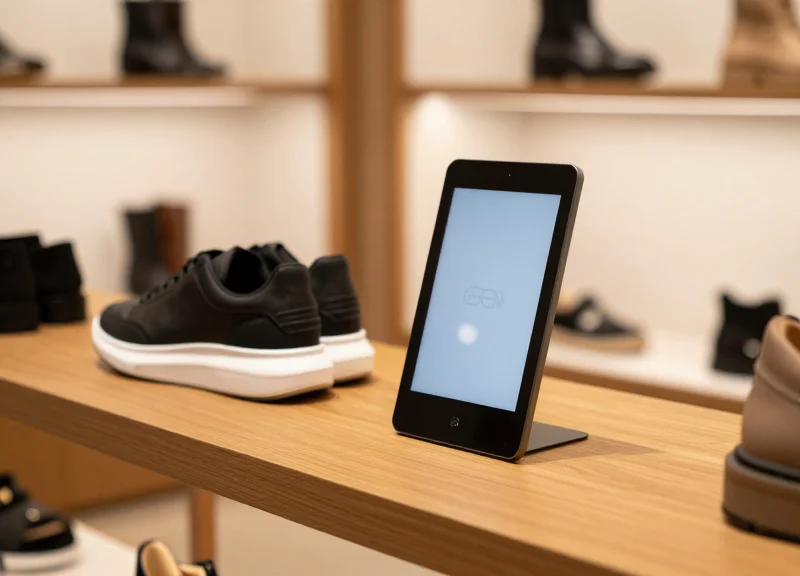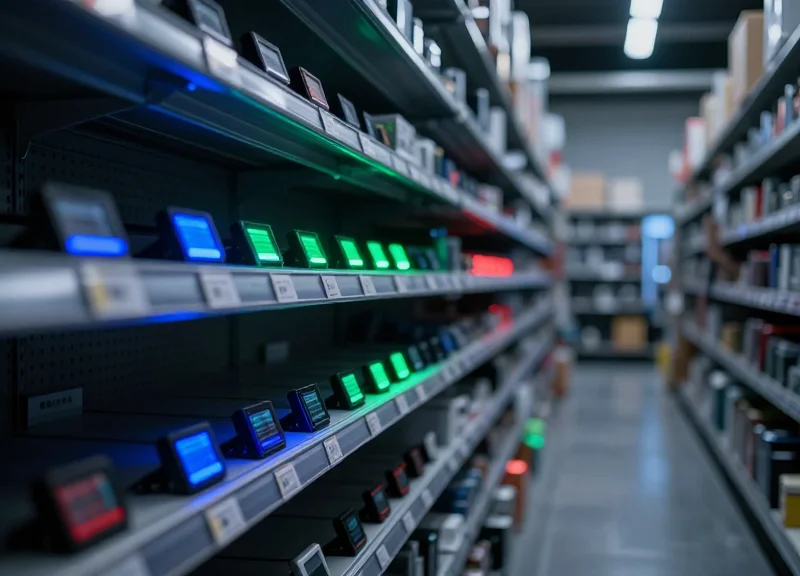
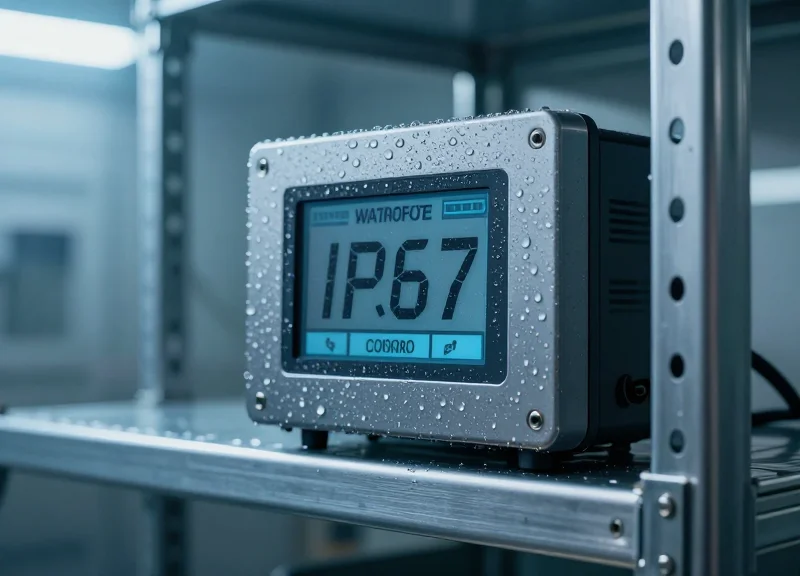
For years, Electronic Shelf Labels (ESL) have been the backbone of modern supermarkets, but the digital horizon is shifting. As we approach 2026, the demand for digitalization is moving beyond the air-conditioned aisles of retail into the grit and grime of industrial sectors. Whether it is the sub-zero temperatures of cold storage, the high humidity of garden centers, or the abrasive dust of construction warehouses, standard digital labels often succumb to environmental failure. This is where IP67+ ESL technology emerges as a critical differentiator. This article explores why ruggedized displays are no longer a niche luxury but a fundamental requirement for the next wave of global industrial digitalization.
The Evolution of ESL: From Grocery Aisles to Industrial Floors
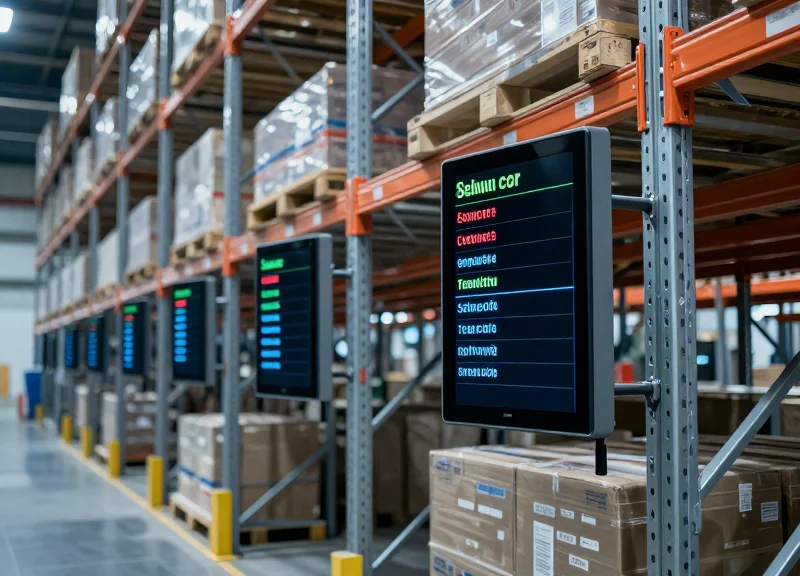
The evolution of Electronic Shelf Label (ESL) technology represents a shift from static labor-saving tools in grocery retail to dynamic, ruggedized communication hubs in the industrial sector. Originally designed in the early 1990s to automate price updates on supermarket shelves, ESLs have transcended their 'digital price tag' origins. By 2026, the market is pivoting toward IP67+ rated solutions—units capable of withstanding total immersion, chemical exposure, and extreme temperatures—to serve as the frontline data interface for the Industrial Internet of Things (IIoT).
| Feature | Traditional Retail ESL (Gen 1-2) | Industrial IP67+ ESL (Gen 3+) |
|---|---|---|
| Primary Environment | Climate-controlled stores | Cold storage, factories, outdoor depots |
| Durability Rating | Standard plastic (IP20/IP30) | Fully sealed (IP67, IP68, or IP69K) |
| Update Frequency | Once per day/week | Real-time logistics synchronization |
| Battery Life | 5 years (room temp) | 10+ years (low-power, wide temp range) |
| Data Integration | POS (Point of Sale) | ERP/WMS (Warehouse Management Systems) |
Expert Insight: In my two decades in the tech sector, I've observed that the 'Industrialization of ESL' isn't just about making tags tougher; it is about the decentralization of the ERP. By 2026, an IP67+ ESL isn't just a display—it is a 'Living Asset Label' that maintains data integrity where traditional mobile devices or paper labels fail due to humidity, grease, or sub-zero temperatures. This ruggedization allows for 100% inventory accuracy in the 'Last 50 Feet' of the supply chain, a feat previously impossible in harsh environments.
Why did ESLs move beyond the supermarket?
The transition was driven by the need for real-time visibility in environments where manual labeling is prone to error and physical wear, such as chemical processing and cold-chain logistics.
What does 'Harsh Environment Digitalization' mean?
It refers to the process of implementing digital monitoring and data display in areas with high dust, water exposure, extreme vibration, or temperatures ranging from -25°C to +50°C.
Is the 2026 trend focused only on durability?
No, while IP67+ durability is the foundation, the trend also includes advanced features like multicolor LEDs for pick-to-light operations and NFC for instant technician access to maintenance logs.
Decoding IP67+: What It Actually Means for Digital Labels
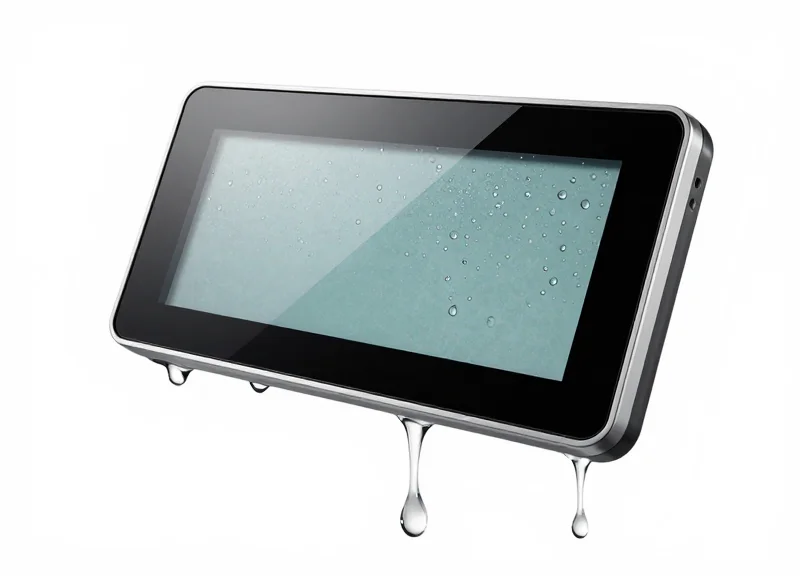
IP67+ for Electronic Shelf Labels (ESLs) is a specialized engineering benchmark denoting that a device is completely dust-tight (IP6x) and capable of withstanding water immersion up to 1 meter for 30 minutes (IPx7). The '+' designation typically signifies that the hardware exceeds standard laboratory tests, offering additional resilience against high-pressure cleaners, corrosive industrial chemicals, or rapid thermal cycling. For enterprises moving digitalization into 'harsh' zones—such as cold storage, garden centers, or chemical processing plants—this rating is the difference between a three-year lifecycle and a three-month failure.
| Component | Rating Detail | Industrial Reality |
|---|---|---|
| First Digit (6) | Dust-Tight | Protects internal circuitry from microscopic particulate matter like flour, cement dust, or metal shavings. |
| Second Digit (7) | Immersion (1m) | Prevents water ingress during accidental flooding, heavy rain, or deep-cleaning soak cycles. |
| The 'Plus' (+) | Enhanced Ruggedization | Indicates resistance to thermal shock (hot to cold transitions) and chemical surfactant exposure. |
From an engineering perspective, achieving IP67+ in an ESL requires more than just a rubber gasket. It involves ultrasonic welding of the polycarbonate housing to create a hermetic seal. Unlike consumer electronics, industrial ESLs must maintain this seal while being subjected to 'gas-out' effects—where internal air expands or contracts due to temperature swings in warehouses. Without the '+' enhancements, standard seals often fatigue and fail within the first year of operation.
Does IP67+ protect against high-pressure steam cleaning?
While IP67 covers immersion, the '+' often includes features of IP69K, designed to withstand high-pressure, high-temperature washdowns common in food processing and pharmaceutical sectors.
Is the battery life affected by the airtight seal?
Actually, a superior seal often extends battery life by preventing moisture-induced micro-corrosion on the PCB, which can cause subtle power leaks over time.
Can these labels be used in sub-zero environments?
Yes, but the IP67+ rating must be paired with low-temperature battery chemistry to ensure the screen refreshes correctly without cracking the protective casing.
Expert Insight: The Hidden Value of Pressure Equalization. A common failure point in 'rugged' labels is actually the seal itself breaking due to internal pressure buildup. True 2026-spec IP67+ labels often incorporate a microscopic, hydrophobic ePTFE membrane. This 'breather' allows air molecules to pass through to equalize pressure while blocking water and oil molecules entirely. This small engineering detail reduces mechanical stress on the adhesive and display, effectively doubling the operational lifespan in non-climate-controlled environments.
Why Standard ESLs Fail in Harsh Environments
Standard Electronic Shelf Labels (ESLs) fail in harsh environments because they are engineered for controlled retail climates with stable temperatures and low humidity, lacking the hermetic sealing and reinforced casing required to withstand moisture ingress, thermal shock, and mechanical impact. While traditional labels excel in grocery aisles, they succumb to 'Environmental Fatigue' when exposed to the high-pressure wash-downs of food processing plants or the sub-zero temperatures of industrial cold storage.
| Failure Vector | Standard Retail ESL | Industrial IP67+ ESL |
|---|---|---|
| Moisture Defense | Adhesive-only seals (Vulnerable to vapor) | Ultrasonic welding & Gasket seals |
| Temperature Range | 0°C to 40°C (32°F to 104°F) | -25°C to 50°C (-13°F to 122°F) |
| Impact Resistance | Unreinforced plastic casing | Polycarbonate/TPU shock absorption |
| Chemical Resistance | Reacts to industrial detergents | Chemically inert outer shell |
- Moisture Ingress and Electrochemical Migration: Standard ESLs often use simple adhesive bonding to hold the front and back shells together. In humid or wet environments, moisture permeates these seals, leading to electrochemical migration on the PCB. This results in dendrite growth between circuit paths, causing short circuits that drain batteries instantly or freeze the E-ink display.
- Battery Anode Passivation in Extreme Cold: Conventional CR-series lithium batteries used in retail ESLs experience increased internal resistance when temperatures drop below freezing. In industrial freezers, the chemical reaction slows to a crawl, causing a massive voltage drop when the label attempts to refresh, often leading to a permanent 'low battery' error even if the cell is relatively full.
- Micro-Fractures from Mechanical Stress: In warehouse settings, labels are subject to vibrations from heavy machinery and accidental impacts from pallet jacks. Standard ESL glass-based E-ink capsules are incredibly brittle. Without the internal potting or structural reinforcements found in IP67+ models, these micro-fractures lead to 'ink leakage' across the screen.
The Veteran's Insight: The 'Vapor Pressure Trap'. A common mistake is assuming a 'water-resistant' label is sufficient. In environments where temperature fluctuates rapidly—like moving a label from a loading dock to a refrigerated truck—the air inside a standard ESL contracts and expands. This creates a vacuum effect that actively sucks humidity through the charging ports or casing seams. Only IP67+ labels, which often utilize specialized venting membranes or full resin potting, can equalize this pressure without inviting internal condensation.
Critical Industries Driving the 2026 IP67+ Trend
The 2026 surge in IP67+ Electronic Shelf Label (ESL) adoption is driven by industries moving toward 'Deep-Tech Digitalization,' where real-time inventory precision is required in environments previously considered too hostile for sensitive electronics. This trend represents a shift from retail convenience to industrial operational resilience, specifically targeting sectors where sub-zero temperatures, high-pressure wash-downs, and corrosive atmospheres are daily operational realities.
| Industry Sector | Primary Environmental Stressor | IP67+ Value Proposition |
|---|---|---|
| Cold Chain & Frozen Logistics | Condensation and Sub-zero cycling (-25°C) | Vacuum-sealed internal components prevent battery crystallization and screen fogging. |
| Outdoor Gardening & Horticulture | UV exposure, fertilizers, and irrigation | Hermetic sealing protects circuits from high-salinity fertilizers and direct water contact. |
| Chemical Manufacturing | Volatile organic compounds (VOCs) and dust | Dust-tight integrity prevents particulate buildup that causes overheating or short-circuits. |
| Heavy Industrial Assembly | Metal filings and ultrasonic vibrations | Structural reinforcement prevents mechanical failure from high-frequency floor vibrations. |
A unique strategic pivot we are seeing for 2026 is the 'ESG-Durability Correlation.' Forward-thinking CTOs are no longer viewing IP67+ purely as a technical spec, but as a sustainability metric. In harsh environments, standard ESLs have a failure rate of 15-20% annually; by upgrading to IP67+, firms are effectively halving their electronic waste (e-waste) and reducing the Total Cost of Ownership (TCO) by extending device lifespans from 3 years to over 7 years. This 'buy once, cry once' mentality is becoming the cornerstone of industrial procurement strategies.
Why is Cold Chain the fastest growing sector for IP67+?
The main killer of electronics in cold chains isn't just the cold—it's the transition. When goods move from a -20°C freezer to a +10°C loading dock, internal condensation forms instantly. IP67+ labels utilize nitrogen-purged or vacuum-sealed housings to ensure there is zero internal moisture to freeze or short the board.
Can IP67+ ESLs handle industrial cleaning protocols?
Yes. In industries like pharmaceuticals or food processing, surfaces must be sanitized with pressurized water or chemical agents. The '+' in IP67+ often signifies resistance to high-pressure jets (approaching IP69K standards), allowing these labels to remain on the rack during deep-clean cycles.
How does UV protection factor into outdoor gardening centers?
Beyond water resistance, 2026-spec IP67+ labels include UV-stabilized polycarbonate lenses. Standard labels yellow and become brittle under direct sunlight, but ruggedized versions use optical-grade coatings to maintain display clarity and structural integrity in outdoor environments.
As we approach 2026, the 'Harsh Environment Digitalization' trend will be defined by the elimination of manual auditing in the world's most difficult workspaces. By deploying IP67+ technology, industries like chemical warehousing and outdoor lumber yards can finally achieve 99.9% inventory accuracy without risking hardware failure.
Cold Storage and Sub-Zero Logistics
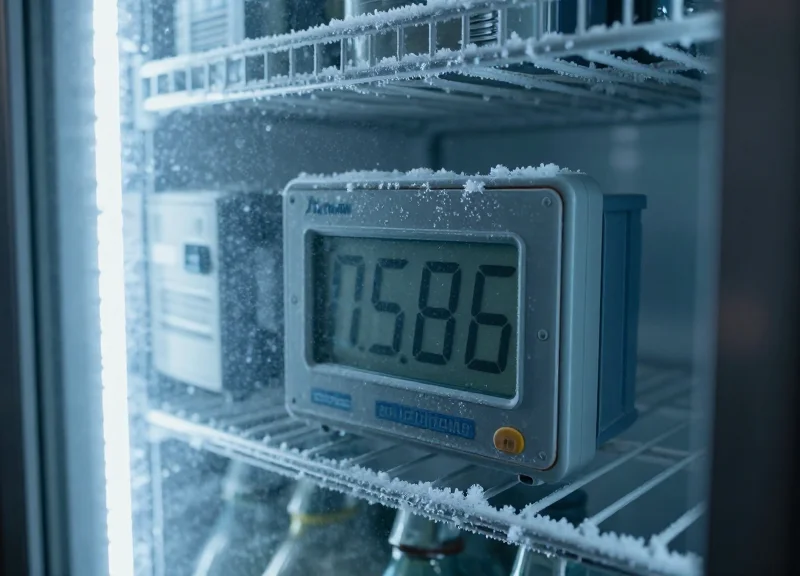
In cold storage and sub-zero logistics, traditional paper labeling fails due to frost buildup, while standard digital labels succumb to battery dormancy and internal moisture. IP67+ ESL technology solves these challenges by combining hermetically sealed housings with wide-temperature E-paper displays and specialized electrolyte chemistry designed to function at temperatures as low as -25°C (-13°F). This enables real-time inventory tracking and dynamic pricing in environments where human intervention is physically demanding and prone to error.
| Feature | Standard ESL | IP67+ Cold-Chain ESL |
|---|---|---|
| Operating Temp | 0°C to 50°C | -25°C to 40°C |
| Battery Chemistry | Standard Li-Manganese | High-Density Low-Temp Lithium |
| Moisture Protection | Water Resistant (IP54) | Hermetically Sealed (IP67+) |
| Screen Tech | Standard E-ink | Fast-Refresh Cryo-E-ink |
The most significant failure point in sub-zero logistics isn't just the cold; it's the 'Condensation Paradox.' When goods move from a -20°C freezer to a +5°C loading dock, moisture instantly condenses on every surface. In standard electronics, this moisture seeps into the casing through atmospheric pressure changes, causing short circuits. The IP67+ rating ensures a vacuum-like seal that prevents 'internal rain,' protecting the PCB from the thermal shock of rapid temperature transitions.
How does the battery survive extreme cold?
Unlike standard batteries that see a 70% drop in capacity at freezing, IP67+ labels use specialized battery chemistry with lower internal resistance and modified electrolytes that prevent the 'sluggish' ion flow typical of sub-zero temperatures.
Does the display ghost or freeze in the freezer?
Engineered IP67+ ESLs use specific waveforms for E-ink updates that are optimized for high-viscosity states, ensuring the screen remains legible and ghost-free even at -25°C.
What is the ROI for cold storage digitalization?
Labor costs in freezers are 2-3x higher due to required 'warm-up' breaks for staff; ESLs eliminate the need for manual price or SKU updates in these hostile zones, often seeing ROI in under 14 months.
Expert Tip: The Dew Point Defense. To truly future-proof your 2026 digitalization strategy, look for IP67+ labels that utilize a nitrogen-purged assembly process. By replacing oxygen-rich air with an inert gas during manufacturing, manufacturers can completely eliminate the possibility of internal fogging, which is a common 'hidden' failure in low-quality ruggedized labels during high-humidity defrost cycles.
Horticulture and Outdoor Retail
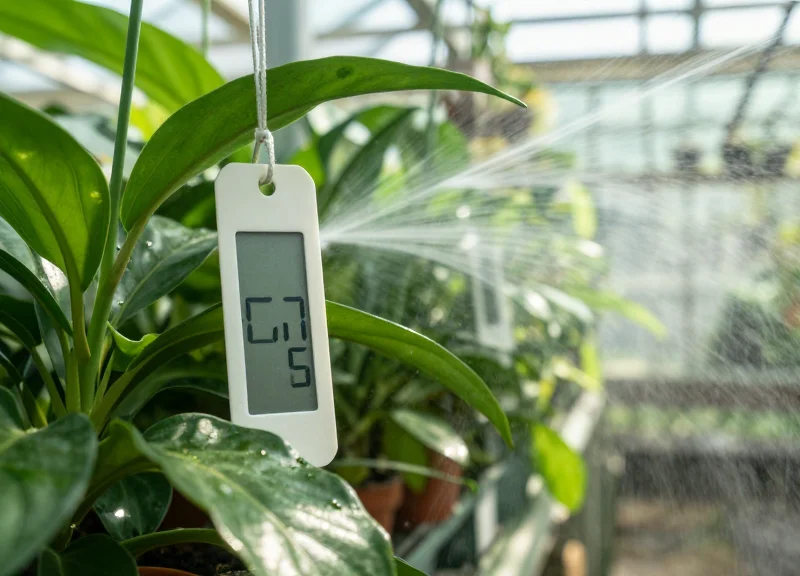
In horticulture and outdoor retail, digital transformation has historically been stalled by the 'Triple Threat': high-pressure irrigation, intensive UV radiation, and soil-based particulates. IP67+ ESL technology solves these challenges by providing a hermetically sealed enclosure that prevents moisture ingress during daily watering cycles while utilizing specialized UV-protective films to prevent e-paper screen yellowing or 'ghosting.' This allows nurseries and DIY centers to move from manual, weather-beaten paper signs to a dynamic, centralized pricing system that remains legible under the harshest midday sun and during torrential rain.
| Environmental Factor | Standard ESL Failure Point | IP67+ Ruggedized Advantage |
|---|---|---|
| Irrigation/Mist | Water vapor enters via battery seams | Sonic-welded seals resist 1m immersion |
| Direct UV Exposure | Screen degradation and heat-induced lag | UV-stabilized casing and reflective optics |
| Particulate Matter | Soil and pollen clog buttons/ports | Gapless design prevents dust accumulation |
| Cleaning Protocols | Chemical sensitivity to fertilizers | Chemically resistant high-density polymers |
Expert Insight: In 2026, the value proposition of IP67+ ESLs in horticulture extends beyond pricing. We are seeing a shift toward 'Phyto-Responsive Merchandising.' By integrating ruggedized ESLs with soil moisture sensors via Sub-GigaHertz networks, retailers can now automatically trigger 'Thirsty' alerts or care instructions directly on the label. This turns a simple price tag into a localized plant-care monitor, significantly reducing shrink rates caused by improper watering in large-scale outdoor environments.
Can IP67+ ESLs withstand professional high-pressure sprayers?
Yes. While IP67 covers immersion, many 2026-grade ESLs are rated to IP69K standards, specifically designed to withstand the high-pressure, high-temperature washdowns common in commercial nurseries and greenhouses.
Does the display remain readable in bright outdoor sunlight?
Absolutely. Modern IP67+ ESLs use high-contrast E-ink technology which, unlike LCD or LED screens, becomes more readable as ambient light increases, and incorporates anti-glare coatings to ensure visibility from all angles.
How do these labels handle exposure to fertilizers and pesticides?
Ruggedized ESLs are built with industrial-grade polycarbonate or PMMA housings that are chemically inert, ensuring that accidental contact with acidic fertilizers or corrosive pesticides does not compromise the structural integrity or clarity of the device.
The ROI of Ruggedization: Long-term Cost Efficiency

In harsh industrial and outdoor environments, the ROI of ruggedized IP67+ ESLs is typically realized within 18 to 24 months, as the initial 'ruggedization premium' is rapidly offset by a 400% increase in hardware longevity compared to standard retail-grade labels. While standard ESLs are designed for controlled indoor climates, IP67+ hardware eliminates the 'replacement churn' caused by humidity, dust, and temperature shocks, shifting the financial model from constant capital expenditure (CapEx) for repairs to a stable, long-term operational asset.
| Financial Metric (Per 1,000 Units) | Standard Retail-Grade ESL | Ruggedized IP67+ ESL |
|---|---|---|
| Annual Failure Rate (Harsh Env) | 15% - 25% | Less than 1% |
| Expected Lifespan | 1.5 - 2 Years | 5 - 7+ Years |
| Replacement Labor Cost | High (Frequent Re-pairing) | Minimal (Install and Forget) |
| 5-Year Total Cost of Ownership | ~$45,000 - $60,000 | ~$28,000 - $32,000 |
- The Procurement Phase: Standard ESLs have a lower entry price, often attracting procurement teams looking at immediate budget constraints. However, this 'savings' is illusory in environments like cold storage or garden centers.
- The Failure Inversion Point: By month 18, standard labels begin to fail due to seal degradation or battery fatigue. IP67+ units continue to operate at peak efficiency, marking the point where the ruggedized solution becomes more cost-effective.
- Operational Stabilization: In years 3 through 5, the organization with IP67+ tech sees zero replacement costs, while the 'standard' user is likely on their second or third full deployment cycle.
Expert Insight: Beyond the hardware price, the most overlooked expense is the 'Ghost Cost of Re-Syncing.' In my 20 years in the tech sector, I've seen that the labor cost to identify a failed label, remove it from the shelf, re-pair a new unit to the cloud, and physically reinstall it is often 2x the cost of the hardware itself. Ruggedization isn't just about protecting the screen; it is a labor-mitigation strategy that prevents your facility managers from becoming full-time ESL repair technicians.
Does the higher initial cost of IP67+ labels impact the project's break-even point?
Yes, it shifts the break-even point slightly further out (from 12 to 18 months), but it ensures the project actually reaches break-even rather than collapsing into a cycle of constant hardware failure.
How does ruggedization affect battery life ROI?
IP67+ seals prevent moisture from causing micro-shorts on the PCB, which is a primary cause of premature battery drain in humid environments, ensuring you get the full 5-10 year battery life promised.
Can I mix and match standard and IP67+ labels to save money?
It is a viable strategy to use IP67+ labels for 'wet' or high-traffic zones and standard labels for protected interior shelves, provided they run on the same centralized management infrastructure.
Technical Innovations Powering the 2026 ESL Shift
The 2026 transition to IP67+ Electronic Shelf Labels (ESLs) is defined by three core pillars: the adoption of ultra-low-power Sub-GHz wireless communication to bypass industrial interference, the use of hydrophobic nano-coatings on internal circuitry, and the development of 'Wide-Temp' electrophoretic displays that maintain legibility at -30°C. Unlike previous generations that relied on bulky rubber gaskets, the new standard utilizes sonic-welding and high-density polycarbonate-glass hybrids to achieve complete hermetic sealing without increasing the device's footprint.
| Feature | Standard Retail ESL (Pre-2024) | Industrial IP67+ ESL (2026 Trend) |
|---|---|---|
| Casing Material | Standard ABS Plastic | Reinforced PC-PBT with UV Inhibitors |
| Sealing Method | Compression Gaskets | Ultrasonic Welding & Nano-Coating |
| Wireless Protocol | Standard 2.4 GHz (WiFi Overlap) | Sub-GHz or BLE 6.0 (Low Interference) |
| Display Tech | Standard E-Paper (0°C to 40°C) | Low-Viscosity Fluid E-Paper (-25°C+) |
- Thermal-Sensing Dynamic Refresh (TSDR): A 2026-specific innovation where the ESL's internal controller adjusts the drive voltage based on real-time ambient temperature. This prevents 'ghosting' in cold storage and prevents battery drain by up to 40% compared to static-voltage labels.
- Hydrophobic Nano-Circuity: Beyond external sealing, the internal PCBA is now treated with vapor-phase deposition coatings. Even if a seal is compromised by physical impact, the electronics remain immune to condensation-induced short-circuiting.
- Interference-Resilient Sub-GHz Communication: To solve the problem of signal dropouts in metal-heavy industrial environments, 2026 ESLs are moving toward 800/900MHz bands. This allows signals to penetrate through shelving and heavy machinery much more effectively than standard 2.4GHz signals.
Expert Insight: The most overlooked innovation for 2026 is 'Optical Bonding.' By removing the air gap between the e-paper film and the protective lens, manufacturers are eliminating the internal condensation point that plagues standard ESLs when they move between varying temperature zones, such as a loading dock and a refrigerated truck.
How does Sub-GHz communication improve reliability in warehouses?
Sub-GHz frequencies have longer wavelengths, allowing them to diffract around metallic obstacles and penetrate concrete walls better than the crowded 2.4 GHz spectrum used by standard WiFi and Bluetooth.
Why is 'Low-Viscosity Fluid' important for 2026 displays?
In traditional e-paper, the fluid containing the ink particles thickens in the cold, leading to slow or failed updates. The new low-viscosity formulations ensure that labels can be updated in real-time, even inside deep-freeze environments.
Does IP67+ technology significantly increase the price per unit?
While the initial manufacturing cost is approximately 15-20% higher, the total cost of ownership (TCO) is lower due to a 300% reduction in failure rates and the elimination of protective plastic enclosures.
Integrating IP67+ ESL into Existing IoT Ecosystems
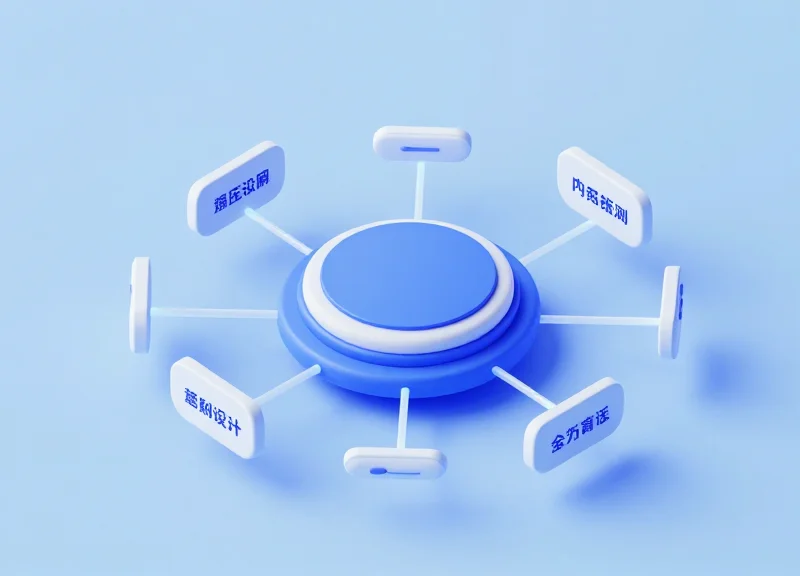
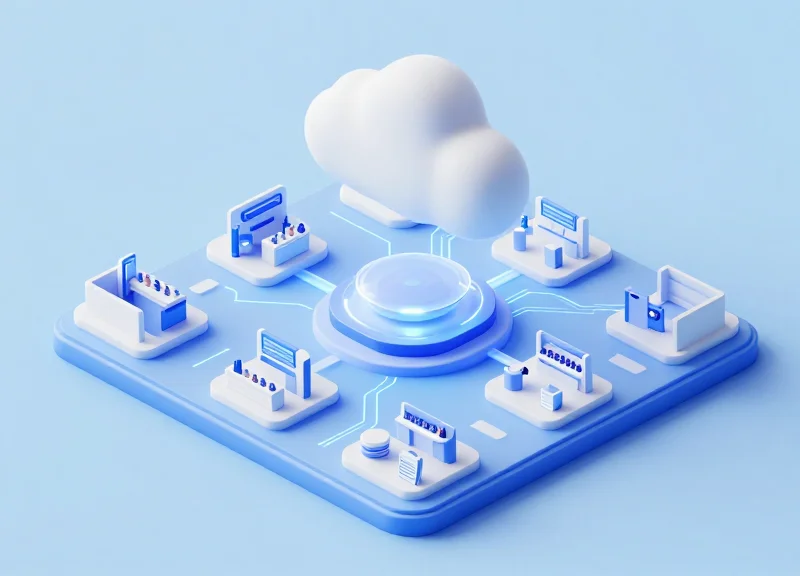
Modern industrial integration involves linking rugged IP67+ ESLs with Enterprise Resource Planning (ERP) and Warehouse Management Systems (WMS) via cloud-native APIs or industrial gateways to create a high-fidelity 'Digital Twin' of the physical floor. Unlike standard consumer-grade displays, these ruggedized endpoints act as bidirectional communication nodes that survive where mobile devices or paper labels fail, ensuring that every inventory update in a cold-chain facility or chemical plant is reflected instantly across the entire IoT stack. By serving as the final link in the data chain, IP67+ ESLs eliminate the 'information gap' between backend digital records and physical assets in harsh conditions.
| Integration Layer | Primary Function | Key Protocols |
|---|---|---|
| Cloud/ERP Layer | Centralized data orchestration and logic | RESTful APIs, MQTT, GraphQL |
| Gateway Layer | Protocol translation and edge processing | Zigbee, Bluetooth 5.x, Wi-Fi 6 |
| Edge/Endpoint Layer | Physical data display and localized sensing | NFC, Sub-GHz, BLE |
- API Handshake & Authentication: Establish secure HTTPS or OAuth2 connections between the ESL management server and the existing WMS/ERP to allow automated data fetching.
- Data Mapping & Synchronization: Align database fields (e.g., SKU, Batch ID, Temperature) to the ESL display template to ensure real-time accuracy during stock movements.
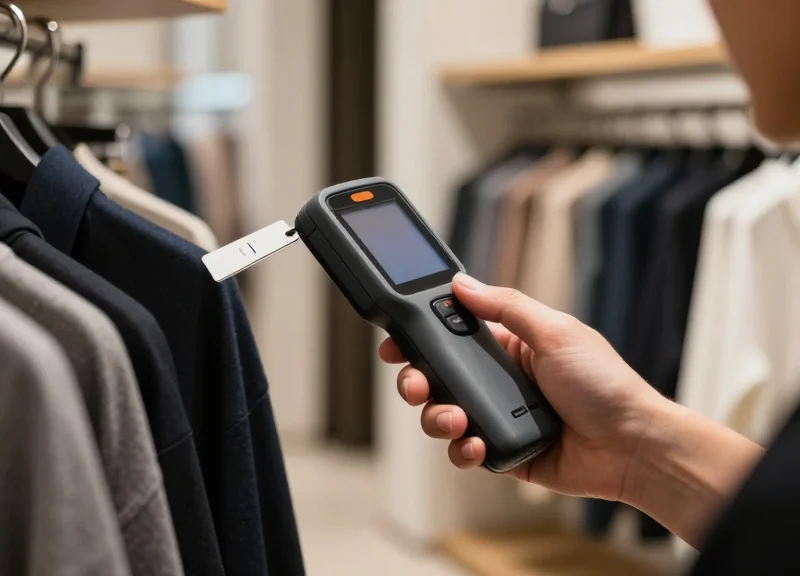
- RFID Hybridization: Leverage NFC-enabled IP67+ ESLs to allow field workers to update digital records via handheld RFID scanners, bridging the gap between manual labor and digital systems.
Expert Insight: The 'Active Edge' Strategy. In 2026, the trend is shifting from passive displays to 'Active Edge' nodes. My recommendation for Silicon Valley-level architecture is to utilize the internal sensors of IP67+ ESLs (like temperature and humidity) as secondary data streams for your IoT dashboard. This effectively turns your labeling system into a distributed sensor network, providing environmental telemetry from every single pallet or shelf without the cost of a dedicated sensor grid.
Can IP67+ ESLs work with legacy ERP systems?
Yes, most enterprise-grade ESL platforms offer middleware or 'headless' API connectors that translate legacy CSV or SQL database exports into modern JSON payloads for the labels.
How does moisture impact wireless signal integration?
Industrial-grade IP67+ ESLs often use Sub-GHz frequencies or optimized Bluetooth stacks specifically designed to penetrate high-humidity or metal-heavy environments where standard Wi-Fi might struggle.
What is the role of the Digital Twin in this setup?
The Digital Twin is the virtual representation of your harsh-environment assets; the ESL provides the physical UI for that twin, allowing workers to see the status of the 'digital' object in the 'real' world.
Future-Proofing Your Business with DragonGuardGroup
Future-proofing your business with DragonGuardGroup means moving beyond a simple hardware purchase to establish a strategic partnership that integrates military-grade IP67+ durability with modular IoT scalability. As we approach 2026, the 'digital twin' of the warehouse or outdoor retail space requires endpoints that don't just survive but actively communicate under extreme stress. DragonGuardGroup offers a pathway to this resilience by providing hardware that is engineered for longevity in the most punishing environments, ensuring your infrastructure remains relevant as technology standards evolve from basic automation to predictive analytics.
- Agile R&D and Customization: DragonGuardGroup specializes in rapid prototyping for bespoke industrial needs, allowing for custom mounting, specific frequency tuning for high-interference zones, and unique casing materials.
- Interoperability Assurance: Our systems are built on open-protocol foundations, ensuring that your 2026 ESL deployment integrates seamlessly with legacy ERPs and future AI-driven management platforms.
- Lifecycle Sustainability: By focusing on ultra-low-power electronics and field-replaceable components, we minimize electronic waste and maximize your return on investment over a 10-year horizon.
| Feature Category | Generic ESL Vendor | DragonGuardGroup Strategy |
|---|---|---|
| Environment Rating | IP54 (Splash-resistant) | IP67/IP68+ (Submersible/Chemical Resistant) |
| Integration Support | Software API only | Full-stack hardware/software co-design |
| Strategic Outlook | Short-term retail trends | 10-year industrial roadmap (Industry 5.0) |
| Failure Mitigation | Reactive replacement | Proactive diagnostic monitoring |
Expert Insight: The 'Invisible Cost' of 2026 will not be hardware price, but data latency caused by environmental interference. DragonGuardGroup’s proprietary signal-hardening technology ensures that even in high-humidity or high-metal density environments, your data packet delivery remains at 99.99%. This is the 'Active Shield' approach—where the hardware protects the integrity of the data just as much as it protects the internal circuitry.
Why is IP67+ non-negotiable for 2026?
As industrial spaces become more automated, cleaning protocols involve harsher chemicals and higher pressure. Only IP67+ can withstand these rigorous hygiene standards without internal fogging or failure.
How does DragonGuardGroup handle global supply chain risks?
We maintain diversified manufacturing and local support hubs, ensuring that scaling your ESL ecosystem is never delayed by regional logistics bottlenecks.
Can these ESLs support real-time sensor data?
Yes, our next-generation ruggedized labels are designed to act as IoT hubs, capable of reporting temperature and humidity data back to your central system alongside price updates.