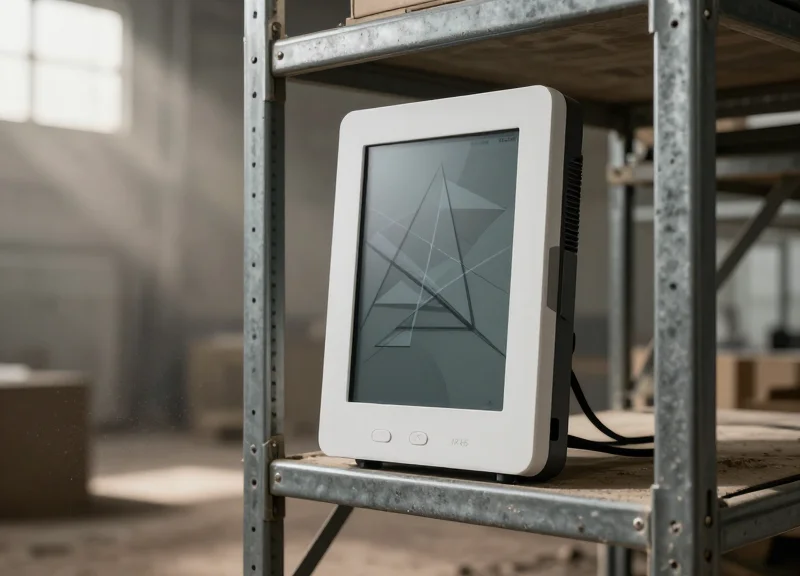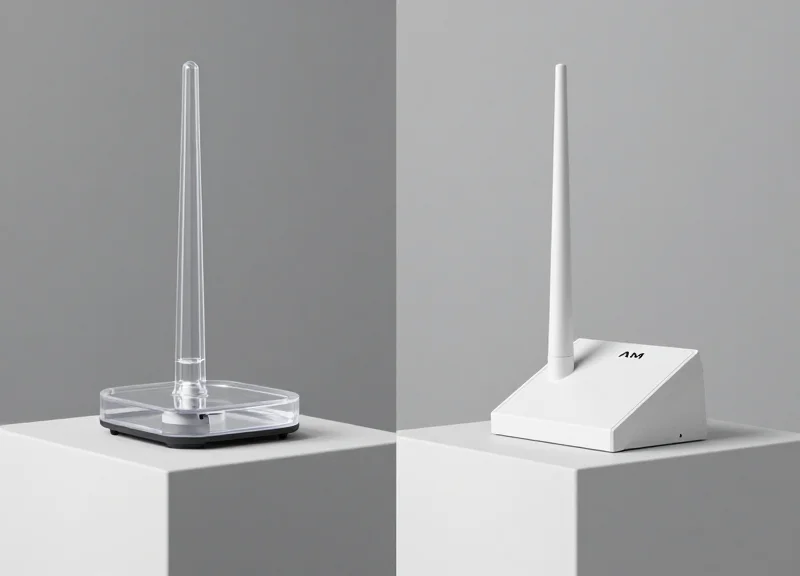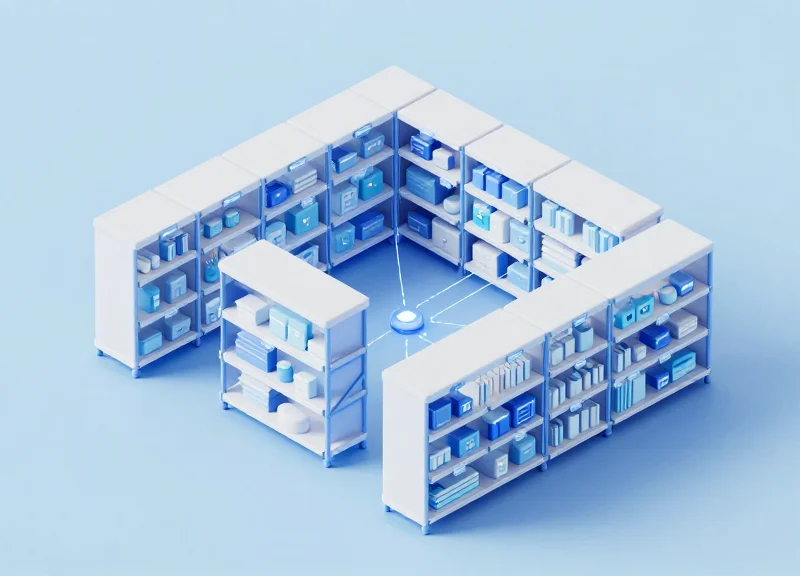
In the rapidly evolving world of high-end retail, the intersection of luxury and technology has become a necessity. As we look toward 2026, premium footwear boutiques are moving beyond traditional paper labels to sophisticated Electronic Shelf Label (ESL) systems. These systems do more than just show prices; they provide real-time inventory management, bridge the gap between online and offline shopping, and enhance the prestigious aesthetic of a boutique store. This guide provides an authoritative roadmap for decision-makers looking to implement the best ESL solutions tailored specifically for the footwear industry.
The Strategic Shift: Why Footwear Boutiques Need ESL in 2026
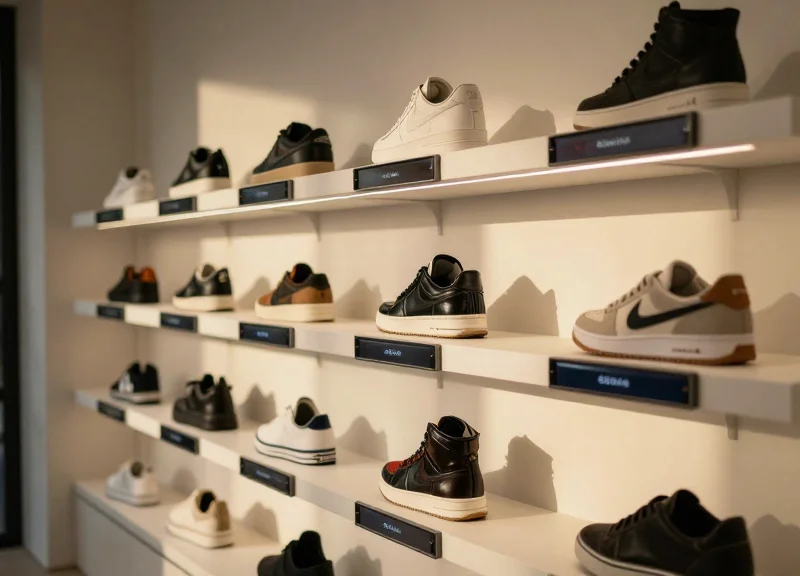
By 2026, the adoption of Electronic Shelf Labels (ESL) in high-end footwear boutiques marks a transition from static retail to 'Contextual Commerce.' This strategic shift enables luxury retailers to synchronize global pricing instantly, maintain perfect aesthetic consistency across showrooms, and leverage real-time inventory data to drive exclusive in-store experiences. For the modern boutique, ESL is no longer a tool for efficiency; it is a critical infrastructure for brand equity protection in a hyper-digital market.
The luxury shoe market faces unique pressures as we approach 2026. With the rise of secondary market volatility and rapid-release cycles, premium brands must ensure that their physical storefronts reflect the same real-time accuracy as their digital platforms. Traditional paper labels often create a 'visibility gap' where in-store prices lag behind online promotions or currency fluctuations, leading to customer friction and lost revenue. ESL systems resolve this by providing a digital-first interface that respects the tactile beauty of high-end retail environments.
| Feature | Legacy Paper Labels | 2026 ESL Systems |
|---|---|---|
| Update Frequency | Hours or Days (Manual) | Seconds (Automated) |
| Brand Perception | Inconsistent/Dated | Cutting-edge/Premium |
| Omnichannel Parity | Prone to errors | 100% Guaranteed |
| Customer Engagement | Static Information | Interactive (NFC/QR) |
Why is real-time pricing critical for footwear in 2026?
With the fluctuation of material costs (like premium leathers) and the speed of 'sneaker-culture' resale values, boutiques must adjust prices dynamically to match market demand and protect margins without the delay of manual re-labeling.
How do ESLs enhance the luxury aesthetic?
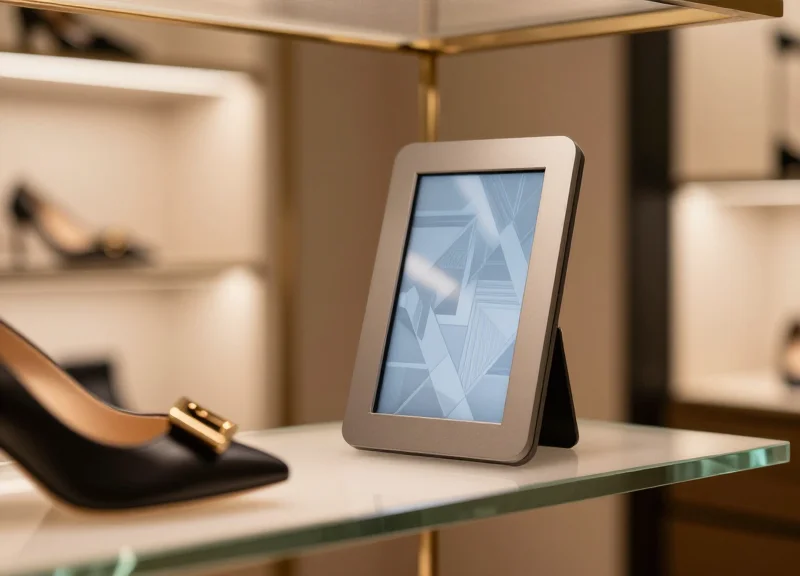
Modern ESLs use high-contrast E-ink technology that mimics high-quality matte stationery. Custom frames and minimalist mounts allow these digital displays to blend seamlessly into custom cabinetry and high-end display units.
Do ESLs assist with inventory management?
Yes, high-end ESL systems integrate with back-of-house ERPs to show staff real-time stock levels of specific sizes and colors directly on the display, preventing the 'let me check the back' delay that disrupts the luxury sale process.
Expert Insight: The Haptic-Digital Bridge. A unique advantage of 2026 ESL technology is the integration of 'Digital Provenance.' High-end footwear shoppers increasingly demand proof of authenticity and sustainability. Modern ESLs act as an NFC gateway; a customer can tap their phone to the tag to instantly view the shoe’s craft journey, blockchain-verified authenticity, and carbon footprint. This transforms a simple price tag into a powerful storytelling tool that justifies a premium price point.
Aesthetics and Brand Consistency: Choosing the Right Design
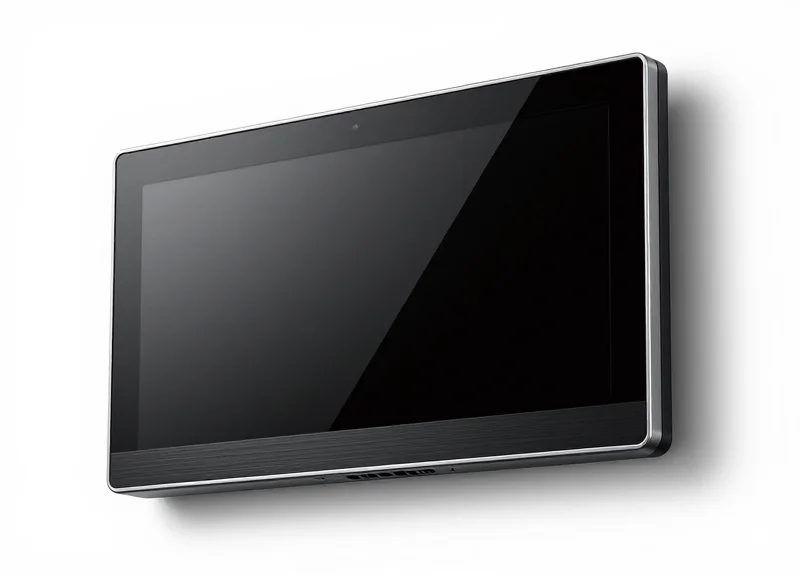
For high-end footwear boutiques, the aesthetic of an Electronic Shelf Label (ESL) is not secondary—it is central to the luxury brand identity. Choosing the right design means selecting ultra-high-resolution e-paper displays (300+ DPI) that mimic the texture of fine stationery, paired with customizable bezels that match store architecture. In 2026, the goal is 'digital invisibility,' where the ESL functions as a seamless extension of the display shelf rather than a disruptive piece of technology.
| Feature | Standard Retail ESL | Luxury Boutique ESL |
|---|---|---|
| Display Quality | 100-150 DPI (Grainy text) | 300+ DPI (Crisp, print-like typography) |
| Color Palette | Black/White/Red only | Full-color Spectra or Wood-tone E-ink |
| Bezel Material | Molded White/Grey Plastic | Brushed Metal, Matte Acrylic, or Wood Veneer |
| Form Factor | Bulky, utilitarian profile | Ultra-slim 'Blade' designs (<5mm thickness) |
The 'Sensory Cohesion' Principle: In a boutique setting, customers often touch the shelving or pick up shoes near the display. A high-end ESL must utilize anti-glare, scratch-resistant glass and premium tactile materials. If your store features Italian marble or reclaimed oak, a standard plastic-housed ESL will immediately devalue the perceived quality of the $1,200 sneakers sitting next to it.
- Full-Bleed Graphic Capability: Ensure the system supports edge-to-edge graphics to display brand logos and custom fonts without awkward margins.
- Bespoke Bezel Customization: Look for vendors offering PVD (Physical Vapor Deposition) coatings to match Rose Gold, Champagne, or Gunmetal hardware found in-store.
- Ambient Light Adaptation: Choose displays with high-contrast ratios that maintain legibility under focused spotlighting common in luxury shoe galleries.
Expert Insight: The 2026 'Ghost Frame' Trend. A major shift we are seeing in Silicon Valley retail tech is the move toward 'Ghost Frames'—mounting systems where the ESL is recessed directly into the shelving or magnetic tracks. This eliminates visible brackets, making the digital price tag appear as if it is floating or etched into the furniture itself.
Can we use our brand's custom typography on the labels?
Yes. Modern high-resolution ESLs support custom bitmap and vector font uploads, ensuring that your signature brand serif or minimalist sans-serif is rendered perfectly.
Do the labels look 'cheap' under boutique spotlights?
Only if they use plastic screens. To maintain a premium look, specify glass-fronted E-ink displays which eliminate the 'rainbow effect' and glare caused by high-intensity overhead lighting.
Connectivity Standards: Comparing Bluetooth, RF, and Zigbee
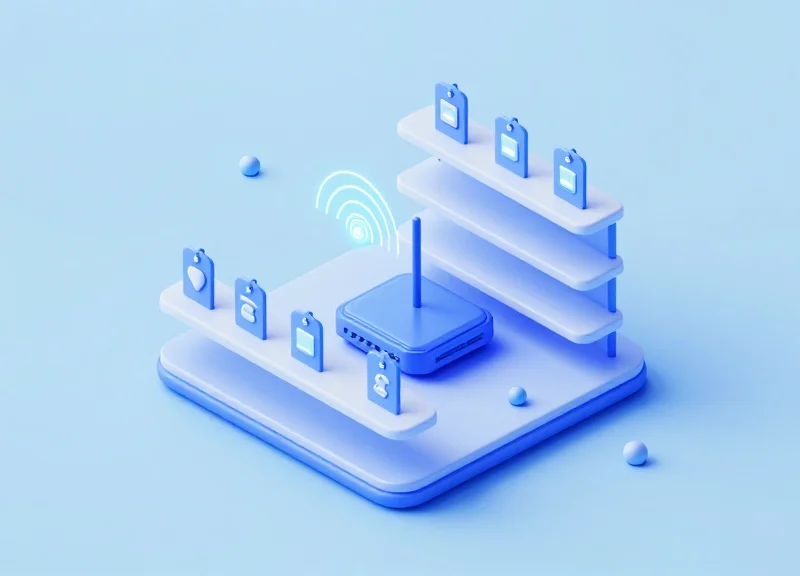
For a high-end footwear boutique in 2026, connectivity is the invisible backbone that ensures price integrity and inventory accuracy. The choice between Bluetooth Low Energy (BLE), Zigbee, and Proprietary Radio Frequency (RF) determines more than just speed; it dictates how well your labels penetrate physical barriers—like metal shoe racks or mirrored walls—and how frequently you will need to replace batteries across thousands of units.
| Feature | Bluetooth (BLE 5.4/6.0) | Zigbee (802.15.4) | Proprietary RF (Sub-GHz) |
|---|---|---|---|
| Transmission Speed | Highest (Up to 2Mbps) | Moderate (250kbps) | Lowest (Low latency focus) |
| Interference Risk | High (2.4GHz congestion) | Moderate (Mesh-protected) | Lowest (Dedicated bands) |
| Power Consumption | Very Low | Low | Ultra-Low |
| Range | 10-30 Meters | 10-100 Meters (Mesh) | 100+ Meters |
| Smartphone Sync | Native Support | Requires Gateway | Requires Gateway |
In the context of 2026 luxury retail, Bluetooth Low Energy (BLE) has become the frontrunner for boutiques that prioritize customer interaction. BLE allows footwear labels to communicate directly with a shopper's smartphone, enabling 'Tap-to-Buy' or personalized loyalty offers without intermediate hardware. However, for sheer infrastructure stability, Zigbee remains the gold standard for large-scale deployments because its 'mesh' networking capability allows labels to pass data to one another, eliminating dead zones caused by complex boutique layouts.
- The 'Mirror Effect' Insight: A common technical pitfall in high-end footwear stores is the heavy use of floor-to-ceiling mirrors and metallic display shelving. These surfaces create multipath interference, particularly for 2.4GHz signals (Bluetooth/Zigbee). My expert tip: For boutiques with high-gloss or metallic interiors, prioritize Sub-GHz RF systems or ensure your Zigbee mesh density is 20% higher than standard retail recommendations to maintain 99.9% update reliability.
Why does transmission speed matter for footwear?
In limited-edition 'drop' scenarios, prices or stock levels may change every minute. Bluetooth offers the highest throughput, allowing full-color high-res display updates in under 2 seconds, whereas older RF systems might take up to 30 seconds.
Will Zigbee interfere with my store's Wi-Fi?
Since both operate on the 2.4GHz band, there is a risk. Modern 2026 ESL controllers use 'Channel Agility' to automatically scan for clear frequencies, but a professional site survey is recommended to segment your Wi-Fi and ESL channels.
Is Bluetooth 6.0 relevant for ESL?
Yes. Bluetooth 6.0 features like 'Channel Sounding' provide centimeter-level distance awareness. This allows the label to trigger an update or a highlight LED only when a customer is standing directly in front of the shoe display.
Battery Life and Operational Longevity: Reducing Maintenance
In the context of 2026 retail technology, battery life is the primary determinant of Total Cost of Ownership (TCO) for electronic shelf labels. For high-end footwear boutiques, operational longevity means selecting ESL units capable of 10 to 15 years of continuous service without a battery change. This is achieved through a synergy of high-capacity lithium-thionyl chloride (Li-SOCl2) batteries, energy-efficient e-paper displays that only consume power during image refreshes, and advanced sleep-mode protocols that keep the wireless radio in a low-power state for 99% of the day.
| Battery Technology | Typical Lifespan | Best Use Case | Maintenance Requirement |
|---|---|---|---|
| Standard CR2450 Lithium | 5-7 Years | Standard retail environments | Moderate; periodic monitoring |
| Li-SOCl2 (High Density) | 10-15 Years | Luxury boutiques, low-frequency updates | Minimal; near-zero intervention |
| Thin-Film / Solid State | 8-10 Years | Ultra-thin aesthetic labels | Low; optimized for sleek profiles |
| Solar/Ambient Harvest | Indefinite | High-light storefront displays | Zero; self-charging capabilities |
Expert Insight: The 'Dynamic Waveform' Advantage. A unique trend emerging for 2026 is the use of proprietary 'Dynamic Waveform' modulation in ESL firmware. Unlike standard labels that use a fixed electrical pulse to flip e-ink capsules, high-end systems now analyze the target image and apply the minimum necessary voltage to achieve the desired contrast. For footwear boutiques that often use minimalist black-and-white typography, this intelligent refresh logic can extend battery life by an additional 20-25% compared to generic off-the-shelf labels.
Does frequent price changing significantly drain the battery?
While every refresh consumes power, modern ESLs are rated for 30,000 to 50,000 updates. In a footwear boutique where prices change seasonally or during promotions, the drain is negligible compared to the static 'keep-alive' power consumption.
How does signal interference affect longevity?
Poor connectivity is a hidden battery killer. If a label struggles to communicate with the base station, it will repeatedly attempt to reconnect, draining power. Choosing a system with 'Polite Spectrum Access' ensures the label only transmits when the channel is clear, preserving energy.
Can batteries be replaced in high-end ESL units?
Yes, most professional-grade labels feature modular battery compartments. However, for luxury environments, the goal is to select a system where the battery outlasts the typical 10-year store renovation cycle, making replacement a non-issue.
To ensure long-term stability, boutique owners should also prioritize systems with 'Health Monitoring' dashboards. These cloud-based tools provide real-time alerts for low-battery units or labels experiencing signal degradation, allowing for proactive maintenance before a display goes dark. In high-end retail, a blank or dead price tag is a failure of brand experience; operational longevity is therefore as much about software-driven reliability as it is about hardware capacity.
Seamless Integration with Modern POS and ERP Systems
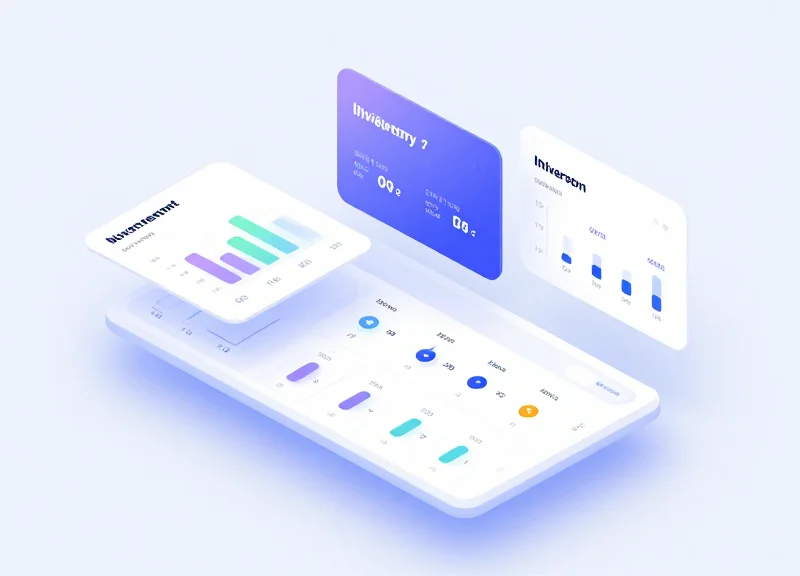
Seamless integration is the technical capability of an Electronic Shelf Label (ESL) system to function as a live extension of a boutique's central nervous system—its Point of Sale (POS) and Enterprise Resource Planning (ERP) software. In the 2026 retail landscape, this means that any price adjustment in the cloud or inventory update in the warehouse is reflected on the physical shoe display within seconds, eliminating price discrepancies that erode luxury brand trust. Modern systems utilize RESTful APIs and webhooks to ensure that the data flow is not just a scheduled batch update, but a continuous, event-driven conversation between software and shelf.
For high-end footwear retailers, the stakes of integration are particularly high. Limited-edition releases and seasonal markdowns require surgical precision across multiple channels. If a customer sees a different price on your web store than on the boutique floor, the 'prestige' experience is immediately compromised. Therefore, choosing a system that supports native connectors for industry leaders like SAP, Microsoft Dynamics 365, or specialized fashion POS systems is no longer optional—it is a prerequisite for operational excellence.
| Integration Method | Data Latency | Best For | Complexity |
|---|---|---|---|
| API-First (REST/GraphQL) | Near Instant (<2s) | Real-time omnichannel sync | Moderate (Requires Dev) |
| Cloud Middleware | Low (<30s) | Connecting disparate legacy systems | Low (Turnkey) |
| Batch File (CSV/FTP) | High (Minutes/Hours) | Non-critical daily updates | Very Low |
- API Audit: Confirm the ESL provider offers a documented, open API that matches your current ERP’s capabilities to avoid costly custom development.
- Automated Webhook Triggers: Set up event-based triggers so that an 'Out of Stock' flag in the ERP automatically changes the ESL to 'Display Model Only' or 'Available for Order'.
- Conflict Resolution Protocols: Define 'source of truth' rules to determine which system wins if there is a data mismatch during a high-traffic sale event.
Expert Tip: The 2026 Edge—Bi-directional Data Flow. Most retailers view ESL as a 'read-only' medium. However, the most advanced 2026 systems allow for bi-directional communication. This means the ESL can send data back to your ERP—such as confirming the tag is currently 'on-shelf,' reporting its ambient temperature to protect high-grade leather, or even signaling if a customer has interacted with a tag via NFC. This turns your display system into an IoT sensor network, providing deep analytics on floor engagement that traditional POS systems miss entirely.
What happens if the boutique Wi-Fi goes down?
Top-tier ESL systems store the last received data locally on the tag. While updates will pause during a network outage, the current price remains visible, and the system will auto-sync pending changes once connectivity is restored.
Can I manage 50 different boutique locations from one hub?
Yes, modern cloud-native ESL platforms allow for centralized management where a global price change can be pushed to all stores simultaneously, or localized based on regional inventory levels.
Does integration require a dedicated server on-site?
By 2026, most luxury boutiques have shifted to 'Serverless' ESL architectures where the base stations connect directly to the cloud, removing the need for bulky on-site hardware.
Interactive Features: Utilizing NFC and QR Codes for Clienteling
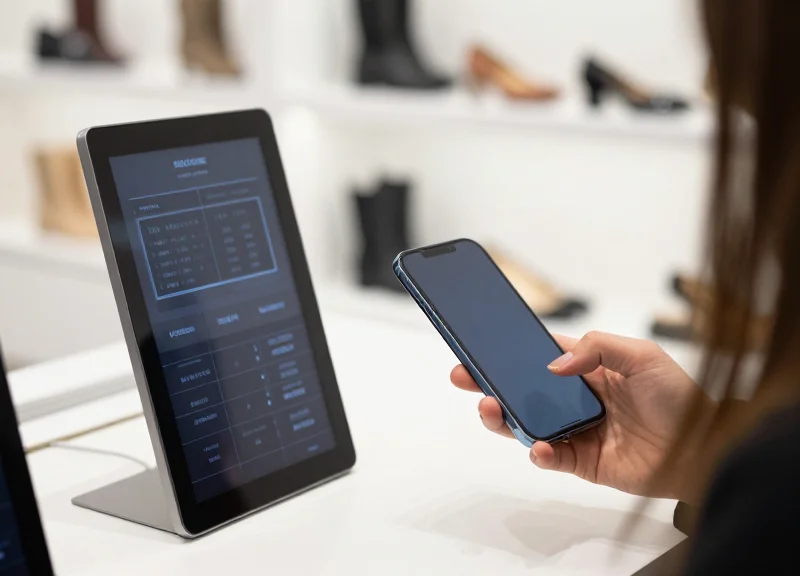
In the high-end footwear sector, Electronic Shelf Labels (ESLs) serve as a 'Digital Portal' for clienteling, moving beyond simple pricing to become a strategic touchpoint. By integrating Near Field Communication (NFC) and QR codes, boutiques can instantly connect a physical shoe display to a rich digital ecosystem. This allows customers to access heritage storytelling, check real-time size availability across all branch locations, or request a fitting via a smartphone tap, effectively bridging the gap between tactile luxury and digital convenience.
- Heritage & Craftsmanship Storytelling: Use QR codes to lead customers to high-definition videos showing the artisanal process behind a specific pair of boots or the sustainable sourcing of the leather, justifying premium price points through immersive media.
- The 'Endless Aisle' Concept: Displaying only one size is common in boutiques. NFC tags allow customers to instantly see if their specific size is in the backroom or at a nearby flagship, reducing friction and preventing lost sales.
- Digital Try-On & Styling Suggestions: Integrate AR filters via ESL links that allow customers to see how a shoe looks with different outfits or lighting, or suggest complementary accessories available in the boutique.
| Feature | NFC (Near Field Communication) | QR Code (Quick Response) |
|---|---|---|
| User Effort | Minimal (One-tap contact) | Low (Camera scan required) |
| App Requirement | None (Native OS support) | Camera app/Browser |
| Analytics Depth | Individual 'Tap' tracking | Traffic/Session tracking |
| Ideal Use Case | Instant Loyalty Login/Mobile Pay | Detailed content/Web menus |
Expert Tip: For 2026, we are seeing a shift toward 'Zero-Friction Attribution.' By assigning unique tracking IDs to every ESL unit, footwear boutiques can now identify exactly which display pedestal in the store is generating the most digital interest. This 'hover and tap' data provides a heat map of customer intent that was previously invisible in physical retail.
Does NFC require a specific app for the customer to use?
No, modern smartphones (iOS and Android) have native NFC readers built into the OS. A customer simply brings their phone near the ESL to trigger the action automatically.
Can these interactive features work with our existing loyalty program?
Yes, ESLs can be programmed to pass unique store and product IDs to your loyalty app, allowing for instant point redemption or personalized VIP pricing based on the logged-in user profile.
Managing Seasonal Sales and Limited Edition Drops
In the world of high-end footwear, timing is everything. Electronic Shelf Labels (ESL) allow boutiques to execute complex pricing strategies during seasonal clearances and limited-edition sneaker drops by enabling instantaneous, synchronized updates across all displays. By eliminating the need for manual re-labeling, retailers can implement time-sensitive flash sales, dynamic scarcity pricing, and automated 'drop' timers that align perfectly with online launch windows, ensuring a 100% accurate omnichannel brand experience even during peak traffic surges.
- Batch Pre-Scheduling: Retailers can pre-load thousands of price changes weeks in advance for seasonal sales like Black Friday or End-of-Season Clearances. These updates are stored in the ESL cloud and push to the floor at a specific millisecond, ensuring the physical store matches the website exactly.
- Real-Time Inventory Scarcity: For limited edition drops, the ESL can be programmed to display 'Only 5 Pairs Left' or 'Size 10 Out of Stock' by pulling live data from the ERP. This creates an authentic sense of urgency and manages customer expectations at the shelf edge.
- Dynamic Markdown Cascades: Automate the transition from full price to 20%, 40%, and 60% off based on sell-through rates. If a specific colorway isn't moving as expected during a seasonal sale, the system can adjust the price instantly without staff intervention.
| Feature Requirement | Seasonal Sales Strategy | Limited Edition Drops |
|---|---|---|
| Update Volume | High (Entire collections) | Low (Specific SKU) |
| Update Frequency | Daily or Weekly shifts | Millisecond precision |
| Display Priority | Discount percentage & MSRP | Stock levels & 'Hype' timers |
| Success Metric | Inventory liquidation speed | Zero price discrepancy/disputes |
Expert Tip: To truly differentiate in 2026, boutiques should utilize 'Shadow Updating.' This is a technical maneuver where the new price and promotional content are cached in the tag's local memory minutes before the event starts. This prevents network congestion during high-traffic 'drop' moments, ensuring that when the clock hits zero, every tag in the building flips simultaneously without the 'popcorn effect' of staggered updates.
Can ESL tags display live countdown timers for a sneaker drop?
Yes. Advanced 2026 ESL models with high-refresh E-ink can display active countdowns or 'Coming Soon' graphics, which automatically switch to the retail price and 'Buy Now' QR codes the moment the drop goes live.
How do ESLs prevent customer disputes during price transitions?
Modern systems use a 'Confirmation Loop.' The tag sends a signal back to the central server once the screen has successfully refreshed. If a tag fails to update due to an obstruction, the POS can be alerted to hold the old price for that specific unit, preventing checkout friction.
Security and Hardware Protection in Boutique Environments
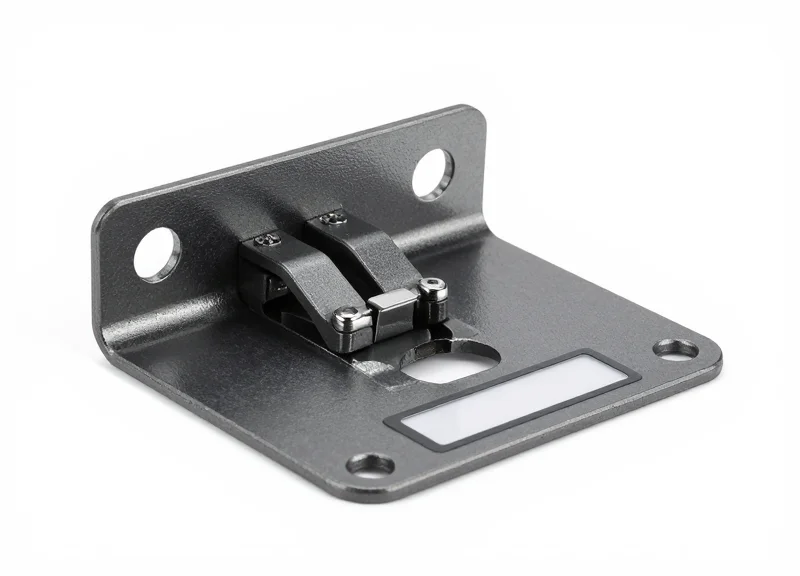
For high-end footwear boutiques, ESL security is not just about preventing theft; it is about maintaining the pristine visual presentation of the showroom while protecting a significant hardware investment. Security in 2026 focuses on 'invisible protection'—hardware that is virtually impossible to remove without specialized tools but remains aesthetically integrated into luxury shelving. Effective protection strategies involve reinforced polycarbonate casings, lockable mounting rails, and software-driven movement alerts that notify staff the moment a tag is tampered with.
| Protection Feature | Target Risk | Boutique Aesthetic Impact |
|---|---|---|
| Mechanical Lock-in Rails | Unauthorized tag removal/theft | Low: Integrated into shelf edge |
| Polycarbonate Shielding | Impact damage from footwear/cleaning | Minimal: High-transparency finish |
| 3-Axis Accelerometer Alerts | Vandalism or 'peel-and-run' theft | None: Entirely internal/digital |
| Tamper-Evident Brackets | Professional shoplifting attempts | Moderate: Requires sleek industrial design |
Expert Insight: In 2026, the leading edge of ESL security is 'Spatial Heartbeat' monitoring. Unlike traditional passive tags, modern boutique-grade ESLs utilize low-power Bluetooth (BLE) or sub-GHz signals to maintain a constant handshake with the local access point. If a tag is moved outside a designated 'Geofence' (such as the boutique entrance), the system can trigger a silent alert to the staff's mobile devices or integrated security cameras. This allows boutique owners to use minimalist, open-display mounting that invites customer interaction without the fear of shrinking inventory.
How do I prevent customers from accidentally knocking labels off low-profile displays?
Utilize 'Snap-Fit' recessed mounts that sit flush with the shelving material. These mounts eliminate protruding edges that can catch on shoes or shopping bags during the 'try-on' process.
Do protective covers interfere with NFC or QR code scanning?
No, provided you select RF-transparent materials. High-end systems use specialized polymers that protect the screen from scratches while maintaining 99% signal transparency for customer smartphone interactions.
Is physical tethering recommended for high-end boutiques?
Generally, no. Tethering creates visual clutter that contradicts luxury branding. We recommend 'Active Digital Tethering' which uses software to track tag proximity to the shelf instead of physical wires.
Evaluating ROI: Beyond the Initial Capital Expenditure
In high-end footwear retail, the Return on Investment (ROI) for Electronic Shelf Label (ESL) systems is achieved through a combination of 'Hard ROI'—measurable reductions in labor and material costs—and 'Soft ROI'—intangible benefits like brand prestige and customer trust. By 2026, the industry standard for a successful deployment focuses on a 14-to-22 month break-even point, driven by the elimination of manual pricing errors and the ability to execute instantaneous global price adjustments across entire boutique networks.
Expert Insight: The 'Friction-Free Premium'. While most retailers calculate ROI based on hours saved, luxury boutiques should prioritize 'Brand Equity Retention.' A single pricing discrepancy on a $1,200 designer sneaker can erode a VIP client's trust instantly. ESLs act as a hedge against this 'friction,' ensuring that the physical environment matches the digital precision of your brand's online presence.
| Financial Lever | Traditional Paper Labels | ESL System Impact (Year 1-3) |
|---|---|---|
| Labor Costs | 15-20 mins per shelf/week for updates. | Automated; 0 mins per shelf/week. |
| Material Waste | Continuous spend on cardstock, ink, and plastic. | Zero recurring material waste. |
| Revenue Capture | Static pricing leads to missed peak-demand margins. | Dynamic pricing increases margins by 3-5%. |
| Compliance Risk | High risk of outdated sale tags and fines. | 100% price accuracy across all channels. |
- Audit Annual Labor Displacement: Calculate the total man-hours spent printing, cutting, and placing paper labels annually. Multiply this by the average hourly wage of your floor staff to find your immediate OpEx savings.
- Project Dynamic Pricing Lift: Estimate the revenue gain from adjusting prices based on local events, inventory levels, or competitor moves. High-end boutiques typically see a 2-4% lift in sales conversion when prices are optimized in real-time.
- Quantify Clienteling Efficiency: Measure the time saved by staff using ESL-integrated QR codes to check warehouse stock rather than leaving the customer to check a back-office terminal.
- Factor in Asset Longevity: Calculate the Total Cost of Ownership (TCO) over a 7-year lifespan, including battery replacements and software licensing, to determine the long-term net present value.
What is the typical battery lifespan in a 2026 ESL model?
Most high-end ESLs now feature a 7-to-10 year battery life, assuming 3 to 4 daily updates. This longevity significantly lowers the 'hidden' maintenance costs associated with older digital displays.
Can ESLs reduce the cost of seasonal liquidations?
Yes. By utilizing 'stepped discounting'—gradually lowering prices by 2% every few days via ESL—boutiques can find the maximum price a customer is willing to pay, avoiding the 'race to the bottom' of a flat 50% off sale.
How does ESL impact the resale value of the boutique?
Modernized infrastructure increases the valuation of a retail business by demonstrating operational maturity and data-readiness, making it a more attractive asset for acquisition or investment.