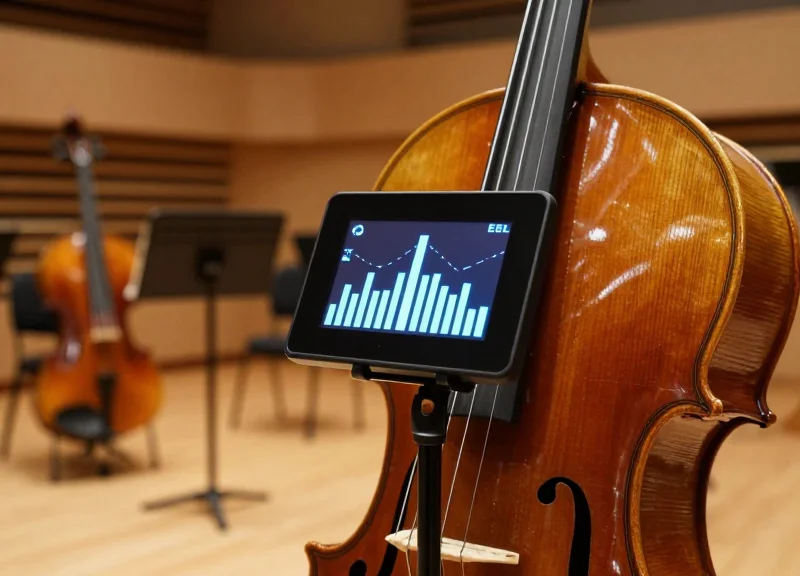
In the world of music, precision is everything. Yet, for decades, the retail environments serving world-class musicians and conservatories have relied on the imprecise, labor-intensive method of paper price tags. As we look toward 2026, a significant shift is occurring. Next-gen conservatories and high-end music retailers are increasingly abandoning static paper in favor of Smart Electronic Shelf Labels (ESL). This transition isn't just about changing a price tag; it is about synchronizing the digital and physical storefront to meet the demands of a tech-savvy generation of musicians and institutional buyers.
The Evolution of Music Retail: Harmonizing Tradition with Digital Innovation
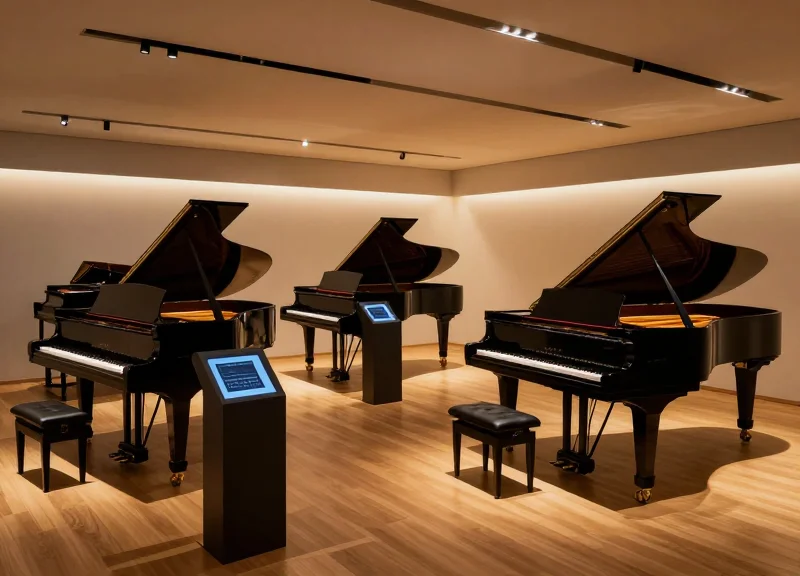
The evolution of music retail represents a strategic shift from the 'Analog Archive' model—where hand-written tags and static displays reigned supreme—to the 'Interactive Conservatory' of 2026. This transition is defined by the integration of Smart Electronic Shelf Labels (ESLs) that bridge the gap between the tactile, emotional experience of selecting a premium instrument and the data-driven efficiency of modern e-commerce. By harmonizing tradition with digital innovation, next-gen conservatories are replacing labor-intensive paper systems with real-time digital interfaces that manage pricing, inventory, and rich product storytelling simultaneously.
For decades, music shops relied on the prestige of their inventory to drive sales. However, the complexity of modern instrument specifications—ranging from tonewood origins to electronic components—has outpaced the capacity of a 2x3-inch paper card. Today's conservatory must cater to a hybrid consumer who researches online but seeks the 'soul' of an instrument in-store. Static paper tags have become a friction point, often displaying outdated prices or missing critical provenance data that sophisticated buyers demand.
| Feature | Legacy Paper Tags | 2026 Smart ESL Ecosystem |
|---|---|---|
| Price Agility | Manual updates (hours/days) | Instant, centralized synchronization |
| Data Depth | Basic price & model name | NFC-linked specs, luthier videos, & reviews |
| Store Aesthetics | Cluttered, inconsistent, aging | Sleek, uniform, high-end digital finish |
| Inventory Sync | Disconnected from POS | Real-time stock & 'On-Order' visibility |
Why is the music industry finally abandoning paper tags?
The volatility of global supply chains and the rise of dynamic pricing in the digital market make manual paper updates impossible to maintain. Retailers lose margin when in-store prices don't match their web store, and ESLs eliminate this discrepancy entirely.
Does digital tech ruin the 'vibe' of a traditional conservatory?
On the contrary, modern ESLs are designed with E-ink technology that mimics paper, maintaining a premium aesthetic while removing the visual 'noise' of tattered, yellowing cards and handwritten corrections.
How do smart tags improve the customer experience?
Customers can tap their phone to a tag via NFC to immediately hear a professional sound sample of that specific guitar or piano, effectively providing a digital 'sales assistant' for every item on the floor.
The Veteran’s Insight: The real breakthrough for 2026 isn't just about 'changing prices.' It is about 'Dynamic Provenance.' In premium music retail, the story sells the instrument. Smart ESLs allow retailers to rotate 'Story Blocks' on the display—such as the specific humidity levels the instrument has been kept in or the date of its last professional setup. This level of transparency builds a layer of trust that static paper simply cannot compete with, turning a commodity purchase into a curated gallery experience.
Why 2026 is the Tipping Point for Music Conservatories

The transition to Smart Electronic Shelf Labels (ESLs) in 2026 marks a 'tipping point' because it is the exact moment where the cost of manual price maintenance officially exceeds the investment required for digital infrastructure. As music conservatories and high-end instrument retailers face unprecedented price volatility due to supply chain fluctuations and global inflation, the ability to update a showroom's entire inventory—from student-grade violins to rare Steinway pianos—in under sixty seconds has become a survival requirement rather than a luxury upgrade.
| Market Driver | The Old Standard (Manual) | The 2026 Standard (ESL) |
|---|---|---|
| Price Syncing | 24-48 hour delay from web to shelf | Instantaneous millisecond updates |
| Labor Allocation | Staff spends 15% of time relabeling | 0% time spent on physical labeling |
| Customer Trust | Mismatched prices at checkout | 100% pricing accuracy across channels |
| Inventory Data | Requires physical count of tags | Real-time digital stock visibility |
Expert Insight: The 'Appraisal Gap' in Rare Instruments. A unique factor driving the 2026 shift is the increasing fluidity of the secondary market for vintage instruments. In previous years, a Stradivarius or a vintage Gibson might have a price tag that stayed static for six months. However, in the current high-velocity auction environment, value can fluctuate based on global demand in real-time. Smart ESLs allow conservatories to reflect 'market-indexed pricing,' ensuring they don't lose thousands of dollars in margin by selling an appreciating asset at an outdated paper-tag price.
How does inflation specifically trigger the move to ESLs in 2026?
Inflation-driven price changes are occurring more frequently. Manually printing and replacing hundreds of tags every month creates a 'hidden tax' on labor that is no longer sustainable for boutique music retailers.
Why is 'Omnichannel Consistency' more important now than ever?
Modern conservatory students research instruments online before visiting. If the showroom price is even slightly higher than the website due to a forgotten paper tag, it erodes trust and often kills a high-ticket sale.
What role does ESG (Environmental, Social, and Governance) play?
By 2026, corporate sustainability mandates will make the disposal of thousands of paper and plastic tag holders unacceptable. ESLs provide a zero-waste alternative that aligns with the green initiatives of modern educational institutions.
Ultimately, the 2026 tipping point is defined by the maturity of the technology itself. With 10-year battery lives and high-definition E-ink displays that can now render complex musical notation or QR codes for audio samples, ESLs have finally achieved the aesthetic and functional standards required by the world's most prestigious music institutions.
The Hidden Costs of Static Paper Tags in High-Value Environments
In high-value music retail, the true cost of static paper tags extends far beyond the price of cardstock; it encompasses a 'maintenance debt' fueled by intensive manual labor, recurring printing waste, and devastating revenue leakage. When a $150,000 concert grand piano or a rare vintage cello carries an outdated price tag due to a lag in manual updates, the resulting price discrepancy doesn't just erode profit margins—it compromises the brand's integrity and the consumer's trust in a high-stakes purchasing environment.
| Expense Category | Static Paper Tags | Smart ESL Systems |
|---|---|---|
| Labor Allocation | 15-30 hours/month per showroom for manual updates. | Near-zero; updates occur globally in seconds. |
| Price Accuracy | High risk of human error; lag time during promotions. | 100% accuracy synced with POS/ERP systems. |
| Material Waste | Constant disposal of paper, ink, and plastic holders. | Zero-waste digital display with 10-year battery life. |
| Revenue Impact | Significant leakage via 'expired' discount tags. | Dynamic optimization for real-time market shifts. |
How does paper tagging contribute to 'Instrument Depreciation Drift'?
In a volatile economy, the replacement cost of high-end instruments (often imported) fluctuates with currency and raw material costs (like rare tonewoods). Paper tags often remain static for months, meaning a retailer might sell an item for less than its current replacement value, essentially losing money on the replacement inventory.
What is the impact of pricing errors on high-ticket sales?
A 1% error on a $50,000 instrument is $500—more than the cost of outfitting the entire piano wing with ESLs. Static tags frequently lead to 'price matching' awkwardness at the register when the digital price has risen but the tag has not been swapped.
Why is 'Visual Clutter' considered a hidden cost?
Premium music conservatories and showrooms trade on aesthetics. Yellowing, curled, or handwritten paper tags diminish the perceived value of the instrument, forcing staff to spend extra time 'beautifying' tags instead of closing high-value commissions.
Expert Insight: The 2026 'Market Sensitivity' Factor. As we move toward 2026, the music industry is seeing a sharp increase in the frequency of MSRP adjustments from manufacturers of orchestral strings and brass. Retailers still using paper are finding themselves in a perpetual state of 'tagging debt'—where by the time the last paper tag is printed and placed, the first one is already obsolete. Smart ESLs solve this by decoupling the physical display from the physical effort, allowing curators to focus on acoustics rather than logistics.
Real-Time Dynamic Pricing: Managing Instrument Fluctuations

Real-time dynamic pricing in music retail is the automated adjustment of instrument prices across all physical and digital touchpoints using Electronic Shelf Labels (ESLs). By 2026, this technology has become the primary defense against the volatility of the global instrument market. Unlike static paper tags, ESLs allow conservatories and retailers to respond instantly to external economic triggers—such as rare tonewood shortages (CITES regulations), fluctuating currency exchange rates for imported brass, or sudden shifts in manufacturer MSRP—ensuring that the price on the floor is always accurate and optimized for current margins.
| Price Trigger | Traditional Response Time | ESL Response Time | Revenue Impact |
|---|---|---|---|
| Currency Fluctuation (e.g., JPY to USD) | 3-5 Business Days | Under 60 Seconds | High: Prevents margin erosion on imports |
| Flash Conservatory Promotion | 4-8 Labor Hours | Instant Deployment | Medium: Increases foot traffic conversion |
| Material Scarcity (Ebony/Rosewood) | Bi-Weekly Review | Real-time API Sync | Very High: Captures market value spikes |
The true power of ESLs in 2026 lies in centralized orchestration. For a multi-location conservatory or a national music chain, the 'Head of Procurement' can push a global price update from a single dashboard. This eliminates the 'price lag'—a phenomenon where a high-end cello might sell at an outdated, lower price in a remote branch because the local staff hadn't yet swapped the paper tag. Furthermore, the integration with AI-driven pricing engines allows for 'The Luthier’s Index'—a unique 2026 data trend where retailers automatically adjust prices based on the specific availability of master-grade tonewoods across the global supply chain.
- Identify Volatility Triggers: Connect your ERP system to external data feeds such as currency exchange rates and raw material indices for spruce, maple, and brass.
- Set Pricing Guardrails: Define minimum and maximum price thresholds to ensure the AI-driven pricing engine maintains brand integrity and customer trust.
- Automate the Update Loop: Enable API triggers that push new pricing data to ESLs across all locations simultaneously when market conditions meet predefined criteria.
Does dynamic pricing hurt customer trust in high-end instrument sales?
Actually, it enhances it. By including a QR code on the ESL that links to the 'Market Value Transparency' report, customers can see exactly why a price changed, aligning with the 2026 trend of radical retail honesty.
Can ESLs handle 'Student Discounts' automatically?
Yes. Next-gen ESLs can display multi-tier pricing, showing the 'Standard Price' and the 'Conservatory Member Price' on the same screen, reducing friction during the sales process.
What happens if the Wi-Fi goes down during a price update?
Modern ESL systems use sub-GHz radio frequencies (like LoRa or proprietary protocols) that are more reliable than Wi-Fi and feature 'Last Known Good State' memory to ensure tags never display erroneous data.
Enhancing the Student and Faculty Experience with Smart Tags

In the context of next-gen music conservatories, Smart ESLs act as a digital bridge between the physical instrument and the wealth of data required to make an informed high-value purchase. Beyond mere price updates, these tags serve as interactive portals where a simple QR code scan delivers comprehensive instrument histories, high-fidelity audio samples, and technical specifications directly to a student's smartphone. This shift moves the retail environment from a passive browsing space to an active, educational resource that empowers both the buyer and the educator.
- Instant Technical Specifications: Detailed data on wood aging, string tension, and luthier origins that would never fit on a standard 2x3 inch paper tag.
- Integrated Performance Videos: Students can instantly watch a professional play the exact model they are viewing, showcasing its tonal range in a concert hall setting.
- Faculty-Curated Recommendations: Department heads can leave digital 'stamps of approval' or specific practice notes for instruments they deem suitable for certain curriculum levels.
| Feature | Traditional Paper Tags | Next-Gen Smart ESLs |
|---|---|---|
| Information Depth | Static price and model name only. | Unlimited metadata via QR/NFC integration. |
| Multimedia Support | None. | Direct links to audio clips and video reviews. |
| Faculty Interaction | Requires physical presence/verbal advice. | Digital endorsements and pedagogical notes. |
| Stock Visibility | Requires staff inquiry. | Real-time availability of accessories/cases. |
Unique Expert Insight: By 2026, the 'Faculty Endorsement Protocol' will become a standard in elite music retail. This allows professors to create private digital collections. When a student scans an ESL, the tag can detect the student's ID and highlight if that specific instrument was recommended by their teacher for their current skill level, creating a frictionless, trust-based sales cycle that benefits the conservatory's pedagogical goals.
Can students save instrument data for later comparison?
Yes. Scanning the Smart ESL typically adds the instrument's digital twin to a student's 'wishlist' or profile, allowing for side-by-side comparison of tonal qualities and price history later.
Do faculty members need special software to leave notes?
Most systems use a centralized dashboard where faculty can log in and tag specific SKUs with their recommendations, which then update globally across all ESLs instantly.
How does this improve the faculty's workload?
It reduces the time spent repeating technical advice to students, as the pedagogical guidance is pre-embedded into the shopping experience.
Operational Efficiency: Streamlining Conservatory Inventory
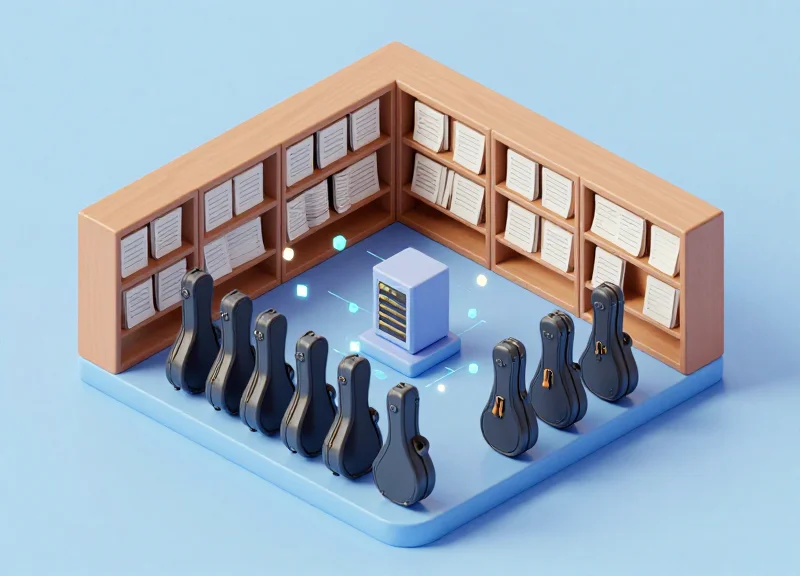
Smart Electronic Shelf Labels (ESLs) streamline conservatory operations by automating the synchronization of price and inventory data across thousands of items, reducing the time spent on manual label updates by up to 90%. In high-touch music retail environments, this efficiency allows the workforce to shift from clerical paper-management to specialized tasks like instrument setup, acoustic tuning, and personalized student consultations. By removing the friction of manual inventory audits, ESLs allow staff to maintain a real-time 'digital twin' of the showroom floor, ensuring that every violin, bow, and sheet music folio is accurately represented without human intervention.
| Operational Task | Manual Paper Tags (Hours/Mo) | Smart ESL System (Hours/Mo) | Efficiency Gain |
|---|---|---|---|
| Price Audits/Updates | 40 | 2 | 95% |
| Inventory Verification | 25 | 5 | 80% |
| Promotional Swaps | 15 | 1 | 93% |
| Staff Training on Tags | 10 | 1 | 90% |
The Silicon Valley Rule of Specialization applies perfectly to 2026 music retail: highly trained luthiers and piano technicians should never spend their peak cognitive hours handling cardstock and adhesive. My unique insight for 2026 is the Staff Utility Pivot (SUP). By implementing ESLs, a mid-sized conservatory retail wing can reallocate approximately 600 hours of skilled labor per year directly into 'Luthier-as-a-Service' or premium consulting models, effectively turning a cost center (inventory management) into a profit center (billable technical services). This shift doesn't just save money; it generates new revenue streams by freeing experts to be experts.
- Audit Clerical Leakage: Map out every hour spent by technicians on non-technical inventory tasks to identify the true cost of manual tagging.
- Centralize ERP Integration: Connect your conservatory’s inventory database directly to the ESL gateway for zero-latency updates across all display units.
- Execute the Specialist Pivot: Re-brief staff on their new priorities, shifting their focus from tag maintenance to customer engagement and high-margin instrument services.
Does ESL integration require technical staff for maintenance?
No, modern ESL systems are designed for 10-year battery life and plug-and-play cloud management, requiring far less technical oversight than traditional printers and paper supplies.
How does this impact inventory accuracy?
By removing human error from the tagging process, inventory accuracy typically rises to 99.9%, which is critical for conservatories managing high-turnover accessories like strings, reeds, and rosin.
Sustainability and the Green Conservatory Movement
In 2026, the 'Green Conservatory' is no longer a niche concept but a standard for world-class music institutions. Sustainability in music retail and education centers on the transition from high-waste physical inventory management to digital infrastructure. Smart ESLs (Electronic Shelf Labels) serve as a primary catalyst in this movement by eliminating the multi-stage waste cycle of paper production, chemical ink consumption, and the logistics-heavy distribution of static signage. By adopting ultra-low-power E-ink technology, next-gen conservatories are aligning their operational hardware with their ESG (Environmental, Social, and Governance) goals, effectively reducing their carbon footprint while maintaining a premium aesthetic.
| Sustainability Metric | Traditional Paper Tags | Smart ESL Solution |
|---|---|---|
| Material Waste | Thousands of sheets of paper/cardstock annually | Zero paper; reusable hardware for 10+ years |
| Chemical Impact | Bleached paper and toxic printer toners | Inert E-ink encapsulated in recyclable polymers |
| Carbon Footprint | High: Frequent shipping and printing energy | Low: Single installation and minimal battery draw |
| Recyclability | Difficult due to laminates and adhesive residues | Circular: 95% of components are e-waste recyclable |
Beyond simple waste reduction, ESLs represent a 'Digital Transformation for Decarbonization' (DX4D). In a conservatory setting where thousands of accessories, sheet music folios, and instruments are inventoried, the sheer volume of paper labels required for seasonal price changes or curriculum updates is staggering. An ESL system allows a facility to transition to a 'Dark Operations' model—where lighting and climate control for inventory areas can be optimized because human staff no longer need to manually patrol aisles to update tags. This synergy between digital signage and building automation is what defines the 2026 green music retail standard.
Do ESLs contribute to electronic waste (e-waste)?
While ESLs are electronic devices, their lifespan of 7 to 10 years significantly outweighs the environmental cost of tens of thousands of paper tags used in the same period. Leading manufacturers now offer buy-back and circular recycling programs specifically for music institutions.
How much energy do these smart tags actually consume?
Smart ESLs use E-ink technology, which only consumes power during a screen refresh. This means they can run on a single coin-cell battery for nearly a decade, making their energy draw negligible compared to standard lighting.
Can ESLs help with CITES compliance and sustainable wood sourcing?
Yes. This is our unique insight: ESLs can be programmed to display 'Green Pedigree' data, such as CITES certification for exotic woods in guitars or violins, ensuring that sustainability documentation is always digitally present and transparent for the buyer.
Expert Tip: For conservatories seeking LEED or similar green building certifications, the removal of 'disposable' retail materials in favor of long-term digital assets like ESLs can contribute points toward waste reduction and indoor environmental quality categories. It is a strategic move that markets the institution as a forward-thinking, ecologically responsible leader in the arts.
Integrating ESL with EAS and RFID for Total Asset Protection
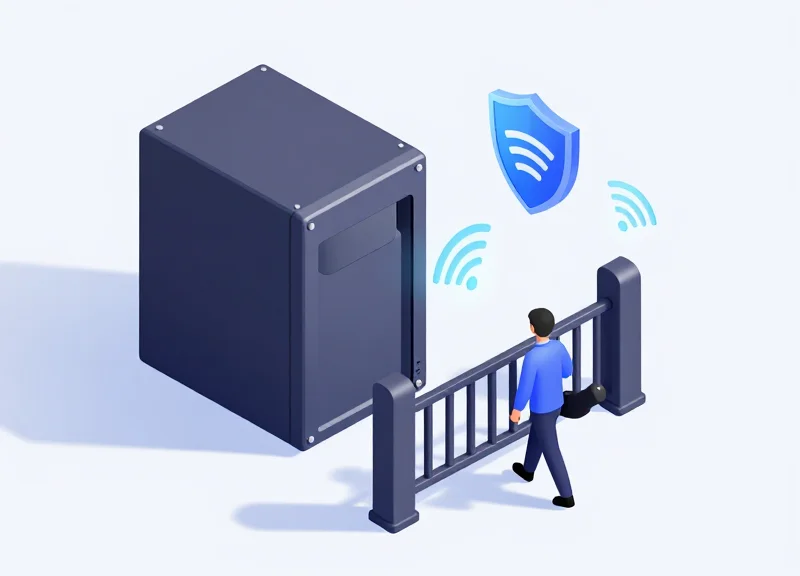
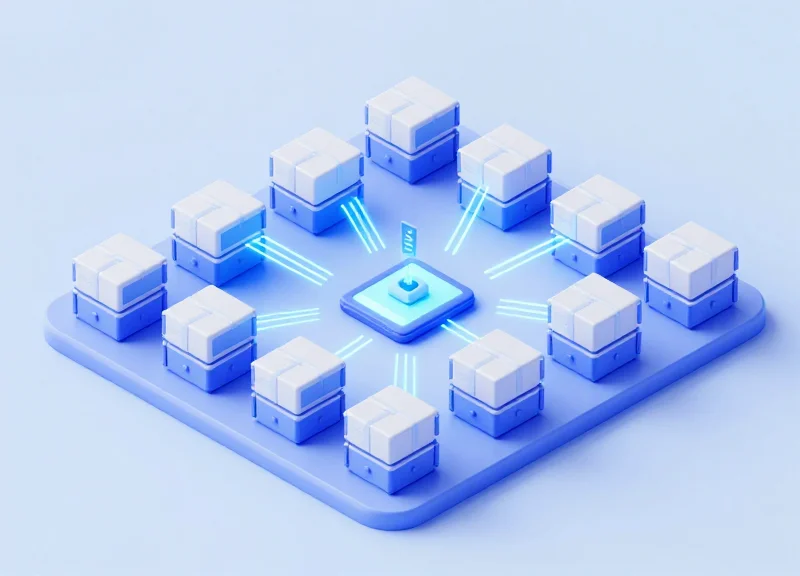
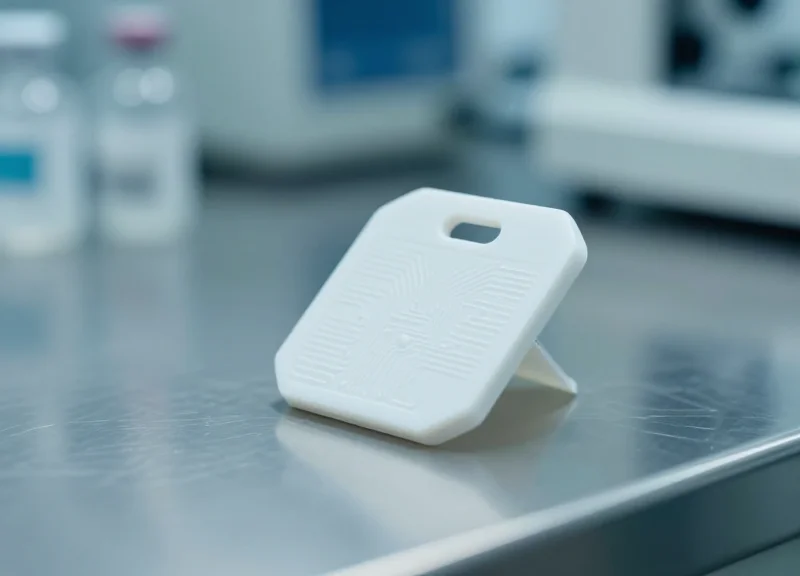
Integrating Electronic Shelf Labels (ESL) with Electronic Article Surveillance (EAS) and Radio Frequency Identification (RFID) creates a unified 'Total Asset Protection' (TAP) ecosystem that goes beyond simple price tagging. This holistic architecture allows next-gen conservatories and high-end music retailers to synchronize dynamic pricing with real-time inventory tracking and robust theft prevention. By embedding RFID chips within or alongside ESL units, DragonGuardGroup solutions enable an invisible, data-rich perimeter that secures $50,000 cellos and vintage saxophones with the same precision as a digital database, ensuring that every asset is accounted for, priced correctly, and physically secured 24/7.
| Technology | Primary Function | Asset Protection Value |
|---|---|---|
| Electronic Shelf Labels (ESL) | Price/Info Management | Tamper alerts and shelf-presence synchronization. |
| Electronic Article Surveillance (EAS) | Theft Deterrence | Immediate alarm triggers for unauthorized movement. |
| RFID Systems | Inventory Intelligence | Individual item tracking and automated stock auditing. |
In a traditional conservatory setting, managing high-value instrument loans or floor displays involves a disjointed workflow. The integration of these three technologies removes manual friction. When an ESL is paired with an RFID-tagged instrument, the system creates a 'digital handshake.' If that instrument is moved without an authorized transaction, the EAS system identifies the specific item via its RFID signature, providing security staff with immediate, granular data rather than just a generic alarm. DragonGuardGroup specializes in this synchronized layer, providing a unified dashboard where the status of every asset is visible in real-time.
- Tag Association: Each instrument is assigned a unique RFID identifier and a corresponding ESL unit, linking physical inventory to the digital price cloud.
- Real-Time Monitoring: The system monitors the location and status of the asset; if an ESL is tampered with or removed, a silent alert is sent to conservatory administrators.
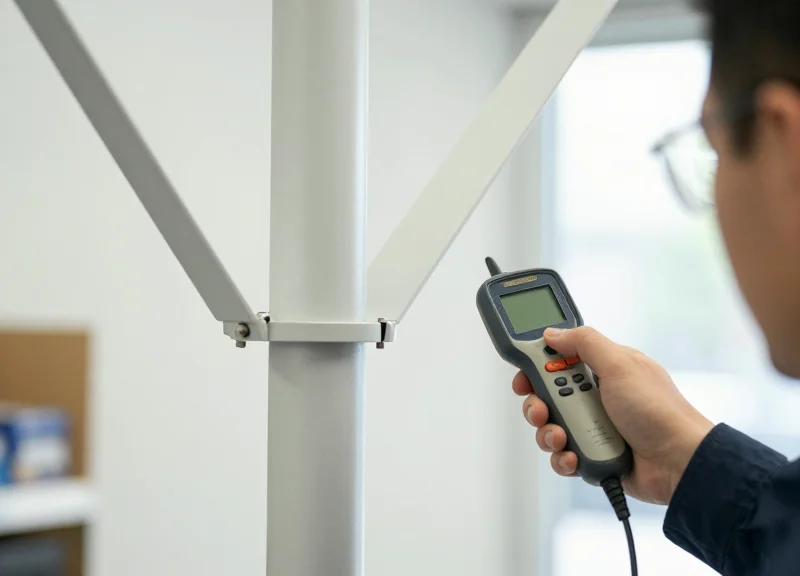
- Automated Inventory Audits: Instead of manual counting, handheld or overhead RFID readers ping both the instrument and the ESL to confirm floor placement in seconds.
- EAS Exit Protection: If an item reaches a restricted exit point without a 'sold' or 'on-loan' status update, the EAS gate triggers an alarm linked to the item's specific serial number.
Beyond security, this integration provides an unprecedented level of business intelligence. Retailers can track which high-value items are frequently picked up but rarely purchased, suggesting a need for a price adjustment or faculty review. This is where the 'Total' in Total Asset Protection truly shines: it protects the profit margin just as much as it protects the physical wood and brass.
Does RFID interference affect sensitive instrument acoustics?
No. Modern passive RFID tags used in DragonGuardGroup solutions operate at frequencies that do not interfere with the natural resonance or electronic pickups of musical instruments.
Can these tags be used on smaller accessories like bows or mouthpieces?
Yes. Micro-RFID tags and specialized small-form ESLs are designed specifically for high-value accessories, ensuring the entire conservatory inventory is protected.
How does this system handle 'Trial-at-Home' programs?
The integrated system updates the asset status to 'Out on Trial' the moment the instrument passes the checkout point, automatically pausing floor alerts while maintaining its digital history.
Expert Tip: To truly future-proof your conservatory, look for ESLs equipped with built-in NFC and environmental sensors. This allows the ESL to function as a 'Climate Guardian' for sensitive instruments. By integrating temperature and humidity monitoring into the ESL tag, the system can alert you if a $100,000 piano or a rare violin is exposed to conditions that could cause wood cracking or warping. Asset protection in 2026 isn't just about stopping thieves; it's about preserving the physical integrity of the art itself.
Technical Readiness: Overcoming Implementation Barriers
Technical readiness for Electronic Shelf Label (ESL) implementation in next-gen conservatories is defined by the seamless synchronization between a facility's core Inventory Management System (IMS) or ERP and the ESL Cloud via secure API protocols. Overcoming implementation barriers requires a shift from manual data entry to an automated 'single source of truth' architecture, where updates to instrument status, pedagogical notes, or pricing are pushed instantly from the back-office to the showroom floor. By utilizing Sub-GHz wireless frequencies, conservatories can bypass common Wi-Fi congestion issues, ensuring that even soundproofed practice rooms maintain 100% connectivity with digital asset tags.
| Integration Component | Legacy Approach (Barriers) | Next-Gen ESL Approach (Solutions) |
|---|---|---|
| Data Synchronization | Manual CSV uploads or paper reprinting | Real-time API/Webhook triggers |
| Network Reliability | High Wi-Fi interference in music labs | Sub-GHz (868/915MHz) for superior penetration |
| System Compatibility | Siloed POS systems | Middleware connectors for ERP/EMS integration |
| Power Management | Constant battery replacement in peripherals | Low-power E-ink with 10-year battery life |
- Phase 1: API Surface Mapping: Identify the key data fields in your current Conservatory Management Software—such as instrument serial numbers, rental rates, and faculty assignments—that need to be reflected on the labels.
- Phase 2: Gateway Infrastructure Deployment: Install specialized ESL Gateways that utilize Dynamic Frequency Hopping to ensure the signal penetrates the heavy insulation and acoustic treatments typical of conservatory environments.
- Phase 3: Middleware Configuration: Establish a middleware bridge that translates your ERP's database language into the ESL platform's command set, ensuring that a change in the database results in a label update in under 60 seconds.
- Phase 4: Pilot Serialization: Assign unique digital IDs to high-value assets (e.g., Steinway pianos or rare violins) to test the bi-directional communication between the physical tag and the digital record.
Expert Insight: To prevent network bottlenecking during high-traffic periods like semester registration, implement 'Micro-batching synchronization.' Instead of a full-system refresh, only 'delta changes' (modified data points) are transmitted. Furthermore, utilizing Sub-GHz frequencies rather than standard 2.4GHz Wi-Fi is critical in music schools; it prevents signal dropouts caused by the dense copper wiring and lead-lined soundproofing found in modern performance halls.
Will implementing ESLs require us to replace our current POS?
No. Modern ESL platforms are designed to sit atop existing infrastructure. We use middleware and APIs to pull data from your current software without requiring a total system overhaul.
How do we handle the technical challenge of soundproofed rooms?
DragonGuardGroup tags utilize Sub-GHz communication protocols, which offer much longer wavelengths than Wi-Fi, allowing the signal to easily pass through the acoustic baffling and double-walled construction of music conservatories.
What is the downtime during the technical transition?
Zero. Because the ESL system runs on its own dedicated frequency and cloud-based management layer, the physical installation and software syncing can occur in the background without interrupting daily conservatory operations.
Conclusion: Preparing Your Music Business for the 2026 Tech Wave
Preparing your music business for the 2026 tech wave means moving beyond the 'wait and see' approach to Electronic Shelf Labels (ESL) and embracing a digital-first infrastructure. For high-end conservatories and retailers, the transition from paper to smart tags is no longer a luxury but a strategic necessity to manage volatile supply chains, fluctuating wood costs, and the demand for omnichannel transparency. By integrating ESL technology now, businesses can reclaim thousands of lost operational hours, eliminate pricing discrepancies, and provide the interactive, data-rich environment that the next generation of musicians expects.
| Phase | Action Item | Strategic Outcome |
|---|---|---|
| Audit Phase | Identify high-churn inventory categories. | Prioritizes ESL deployment where ROI is fastest. |
| Integration Phase | Sync POS/ERP with ESL cloud middleware. | Ensures 'Single Source of Truth' for pricing. |
| Staff Training | Shift staff from manual tagging to advisory roles. | Enhances the white-glove conservatory experience. |
| Customer Rollout | Enable QR-code interactions on digital tags. | Drives higher engagement and 'Save-the-Sale' metrics. |
Expert Insight: The Rise of 'Curriculum-Responsive Pricing'. One original advantage for 2026 is the ability to implement what I call 'Curriculum-Responsive Pricing.' By linking your ESL system to local conservatory or university music department schedules, retailers can automatically highlight and adjust promotions for specific instruments or accessories exactly when students receive their new syllabus. This level of hyper-local agility is physically impossible with paper tags but becomes a seamless background task with a centralized ESL network.
Is ESL technology too expensive for smaller boutique music shops?
While the upfront cost is higher than paper, the 2026 landscape offers flexible 'as-a-service' models. When factoring in the reduction of labor costs and the elimination of pricing errors, most boutiques see a full ROI within 14 to 18 months.
Can digital tags handle the aesthetic requirements of a premium piano gallery?
Modern ESLs, such as those from DragonGuardGroup, feature sleek, ultra-thin designs and high-contrast E-ink displays that mimic the premium feel of printed stationery, ensuring they complement rather than distract from high-value instruments.
How does ESL impact the resale value of instruments?
By providing instant access to the instrument's digital pedigree, service history, and wood sourcing via a QR code scan on the tag, retailers build the trust necessary to maintain higher price points and better resale margins.
As we approach 2026, the divide between 'traditional' and 'next-gen' conservatories will be defined by their digital agility. Implementing Smart ESLs today ensures your business isn't just reacting to the market, but actively conducting it. Don't let your retail operations remain stuck in the analog era while your customers move into the future.