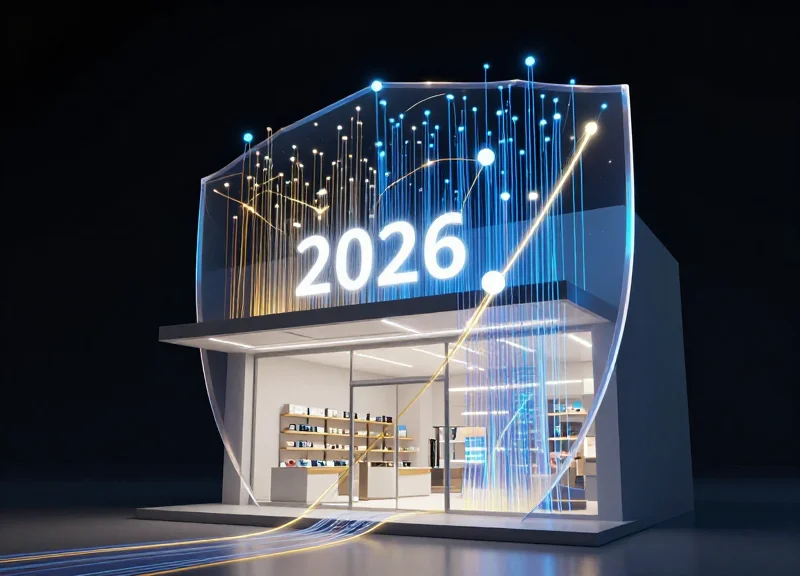

As we approach 2026, the definition of a library is shifting from a silent repository of books to a dynamic, hyper-connected information hub. The 'traditional stacks' are being replaced by intelligent environments where automation, real-time data, and interactive classification systems empower both librarians and patrons. This evolution is driven by the need for greater operational efficiency, enhanced security, and a seamless user experience that competes with digital-first platforms. In this comprehensive guide, we explore the cutting-edge technologies—from advanced RFID ecosystems to AI-driven shelving—that will define the library landscape over the next three years.
The Paradigm Shift: Libraries as Smart Ecosystems
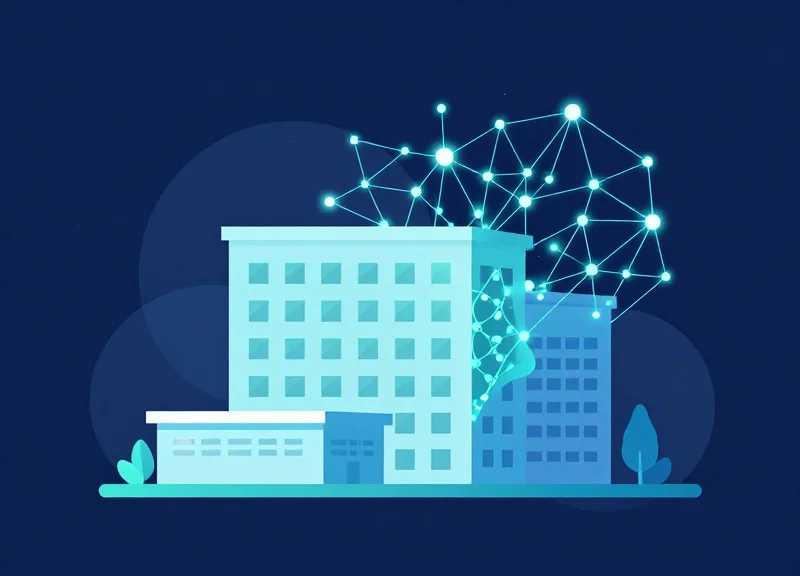
The paradigm shift in library management represents a transition from 'Passive Storage' to 'Active Intelligence.' By 2026, a smart library ecosystem is defined as an integrated network where Internet of Things (IoT) sensors, Artificial Intelligence (AI), and automated logistics converge to transform physical spaces into responsive knowledge hubs. This evolution moves beyond simple digitization, focusing instead on spatial intelligence and the seamless flow of data between the physical book, the digital catalog, and the human patron.
| Feature | Traditional Library Model | 2026 Smart Ecosystem |
|---|---|---|
| Data Utilization | Retrospective (What was borrowed?) | Predictive (What will be needed?) |
| Inventory Control | Manual/RFID Batch Scanning | Real-time Computer Vision & IoT |
| User Interaction | Linear Search (OPAC) | Contextual & Spatial Discovery |
| Space Management | Fixed Shelving & Static Zones | Dynamic Modular Layouts via Heatmapping |
A critical component of this shift is the decentralization of information. In the traditional model, the 'stack' was a destination; in the 2026 ecosystem, the stack is a node. This means that books are no longer just indexed by their spine labels but are part of a 'living' metadata layer. Expert Tip: The most successful libraries are now implementing 'Ambient Intelligence,' where the building itself senses patron density and lighting needs, while simultaneously updating the availability of nearby resources on the patron's personal device.
What is the primary driver of the 'Smart Ecosystem' shift?
The primary driver is the integration of 'Edge Computing,' which allows libraries to process data locally and instantly, enabling real-time book tracking and interactive shelf displays without latency.
How does interactive book classification differ from Dewey or LC?
While traditional systems remain as the backbone, interactive classification adds a dynamic layer of 'User-Defined Metadata,' where real-time trends and AI-generated clusters group books by current relevance rather than just static subjects.
Is the physical book becoming secondary in these ecosystems?
On the contrary, the physical book becomes more valuable as it is 'augmented.' Smart ecosystems use AR overlays to provide reviews, related digital content, and navigation paths directly to the physical copy.
Strategic differentiation in 2026 relies on the 'Library-as-a-Service' (LaaS) mentality. By viewing the collection not as an inventory but as a stream of actionable data, institutions can provide personalized 'curation-as-an-experience.' This involves leveraging machine learning to analyze local community interests and automatically adjusting the physical prominence of certain collections—a process known as Algorithmic Merchandising.
Advanced RFID: The Backbone of Library Automation
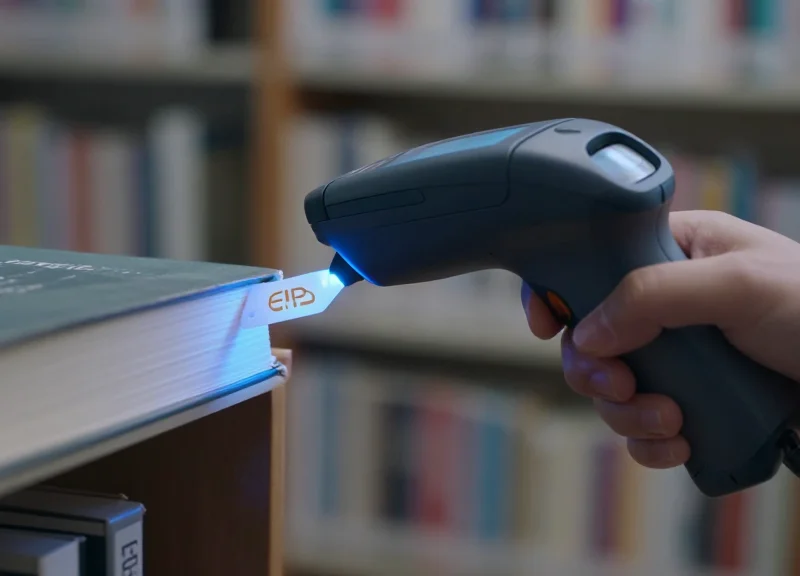
In 2026, Advanced RFID (Radio Frequency Identification) transcends its role as a mere barcode replacement, acting as the sensory nervous system of the smart library. By utilizing Ultra-High Frequency (UHF) Gen2V3 protocols and hybrid sensory tags, libraries now achieve persistent, sub-centimeter visibility into entire collections. This evolution enables 'zero-touch' inventory management and automated shelf-integrity audits, allowing systems to detect misplaced or 'lost' items with 99.9% accuracy without human intervention.
| Feature | Legacy RFID (Pre-2022) | Advanced RFID (2026+) |
|---|---|---|
| Frequency Range | High Frequency (HF) 13.56 MHz | Ultra-High Frequency (UHF) 860-960 MHz |
| Read Range | Short (up to 30-40 cm) | Long (up to 12+ meters) |
| Data Capacity | Simple ID/Security Bit | Encrypted Metadata & Sensor Logs |
| Tracking Type | Point-of-Interaction (Desks/Gates) | Ambient Spatial Tracking (Real-time) |
One of the most significant breakthroughs in 2026 is the integration of 'Digital Twin' technology via RFID. Every physical book is paired with a dynamic digital profile that tracks not just location, but environmental conditions. Advanced 'Active' RFID tags now include ultra-thin printed sensors that monitor humidity and temperature near rare manuscripts. This unique insight, which I call 'Asset Health Intelligence,' allows curators to move from reactive maintenance to proactive preservation, ensuring the longevity of physical stacks through automated environmental alerts triggered directly by the items themselves.
Does UHF RFID interfere with other library electronics?
No. Modern Gen2V3 tags use frequency-hopping spread spectrum (FHSS) technology to ensure they do not interfere with Wi-Fi, Bluetooth, or assistive listening devices.
How does advanced RFID improve the patron experience?
Patrons can use 'Wayfinding' apps that leverage the library's RFID grid to navigate directly to a specific book on a shelf, similar to GPS for indoor environments.
What is the cost-benefit of upgrading from HF to UHF?
While initial hardware costs are higher, the operational ROI is realized within 18 months through a 90% reduction in manual inventory labor and the near-elimination of unrecoverable asset loss.
Expert Tip: When implementing 2026-grade RFID, prioritize 'Over-the-Air' (OTA) programmable tags. As library standards evolve, the ability to update tag security protocols or metadata structures remotely via the library’s antenna array—without physically re-labeling thousands of books—is the ultimate future-proofing strategy for your infrastructure.
The Evolution of Interactive Book Classification
Interactive book classification is the transition from static physical markers, such as Dewey Decimal or Library of Congress labels, to a dynamic, IoT-driven ecosystem where shelves communicate directly with patrons. By 2026, this evolution will replace paper-based spine tracking with smart digital signage, e-paper displays, and LED-guided wayfinding systems that react in real-time to user queries and inventory changes, effectively turning the library stacks into a searchable, physical database.
| Feature | Traditional Classification | Interactive Classification (2026) |
|---|---|---|
| Signage | Static printed labels | Dynamic E-ink & OLED displays |
| User Guidance | Manual map reading | Real-time 'Follow-the-Light' (LED) paths |
| Search Speed | 5-10 minutes per item | Sub-60 seconds with haptic/visual cues |
| Re-shelving | Labor-intensive manual audit | Automated shelf-location mismatch alerts |
The core of this evolution lies in 'Dynamic Re-classification.' Unlike traditional systems where a book's location is fixed by a rigid alphanumeric code, interactive systems allow libraries to create 'Fluid Collections.' For instance, a library can instantly re-tag a section of physical books for a 'Climate Change' theme by updating the digital shelf-edge labels and triggering color-coded LEDs, all without physically relocating a single volume. This capability shifts the library's role from a storage facility to an active, curated experience.
- The Query Phase: A user searches the library app or a kiosk; the system identifies the exact XYZ coordinates of the item using ultra-wideband (UWB) or RFID sensors.
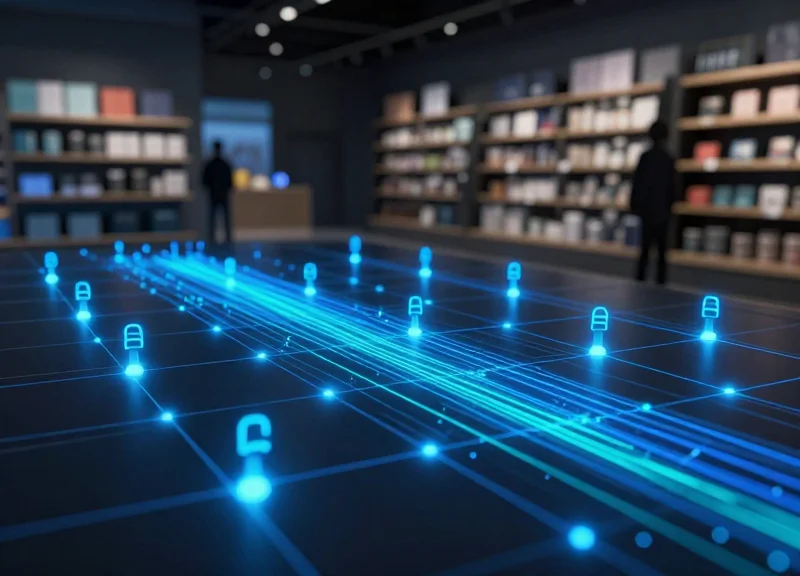
- Visual Wayfinding Activation: Smart floor projections or digital endcap signs light up to guide the user to the specific aisle.
- Shelf-Level Identification: As the user approaches the shelf, an LED strip beneath the specific book pulses softly, or an e-paper label displays the user's name or a unique color code for confirmation.
Expert Insight: The most significant breakthrough for 2026 is 'Predictive Pathing.' By analyzing real-time foot traffic and heatmaps via LiDAR sensors, smart libraries can now adjust digital signage to direct patrons through lower-traffic aisles, optimizing the flow of the building while highlighting 'serendipity picks'—books related to the user's search that are currently sitting on the path they are walking.
Does interactive classification require replacing all current shelves?
No, most systems are designed as retrofits. E-paper shelf-edge labels and LED strips can be mounted onto existing wood or metal stacks with minimal wiring, often using Power-over-Ethernet (PoE).
What happens if a book is misplaced?
Interactive systems use shelf-embedded sensors to detect the RFID tag of the 'wrong' book. The shelf-edge display will flash a subtle alert to staff, or simply update its digital display to show the current location until a librarian can move it.
Is this accessible for visually impaired patrons?
Yes, evolution in this space includes haptic feedback via mobile devices and audio-spatial cues that sync with the interactive signage to provide precise navigation.
AI and Machine Learning in Collection Management

AI and Machine Learning (ML) in collection management represent the transition from reactive inventory tracking to proactive ecosystem optimization. By 2026, smart libraries will use deep learning algorithms to synthesize circulation data, local demographic trends, and socio-economic shifts to automate the entire lifecycle of a book. This shift moves beyond simple circulation counts, employing 'Prescriptive Analytics' to tell librarians not just what happened, but exactly which titles to acquire, move, or retire to maximize community engagement and resource utility.
| Feature | Traditional Management | AI-Driven Management (2026) |
|---|---|---|
| Acquisition | Manual selection based on budget/requests. | Automated procurement based on predictive demand modeling. |
| Weeding (Deselection) | Periodic manual audits (CREW method). | Continuous algorithmic assessment of 'Dust Velocity'. |
| Shelf Placement | Static Dewey/LC classification. | Dynamic placement based on cross-disciplinary heat mapping. |
| User Profiling | Anonymized aggregate statistics. | Behavioral personas identifying 'Latent Interest' gaps. |
One of the most transformative shifts is the rise of 'Dynamic Heat Mapping.' By analyzing the physical path users take through stacks via IoT sensors and RFID data, ML models can identify 'dead zones' in the library. If a high-value collection is under-circulating, the AI doesn't just suggest weeding; it suggests a new physical location within the library that aligns with current foot traffic patterns, effectively treating the library floor like a high-end retail environment optimized for discovery.
- Data Aggregation: The system pulls data from circulation history, digital search logs, and local event calendars to build a comprehensive community interest profile.
- Demand Forecasting: Predictive models identify upcoming trends—such as a surge in demand for specific technical manuals or award-winning fiction—before they hit the mainstream.
- Automated Weeding Recommendations: Algorithms identify 'stale' assets that have low 'Discovery Resonance,' suggesting them for digital conversion, donation, or storage.
- Prescriptive Fulfillment: The AI automatically triggers purchase orders for high-demand titles or initiates inter-library transfers to balance regional inventory.
Expert Insight: The 'Shadow Inventory' Strategy. In 2026, the most advanced libraries will focus on what I call 'Shadow Inventory'—using ML to track 'zero-result' searches and abandoned digital browses. By analyzing the books people tried to find but couldn't, AI allows libraries to curate collections that fulfill unexpressed needs, closing the gap between community curiosity and available physical resources.
Will AI replace the librarian's role in selection?
No. AI acts as a co-pilot, handling the data-heavy lifting of identifying trends and managing bulk inventory, allowing librarians to focus on high-level curation, community programming, and specialized research assistance.
How does ML handle bias in collection management?
Modern ML frameworks for libraries include 'Diversity Auditing' parameters that ensure a balanced representation of voices, preventing the algorithm from creating an echo chamber based purely on popular demand.
What is the primary ROI of AI in libraries?
The primary ROI is found in 'Circulation Efficiency'—reducing the cost-per-circ by ensuring that every square foot of shelf space is occupied by a book that has a high probability of being read.
Smart Shelving and Automated Sorting Systems

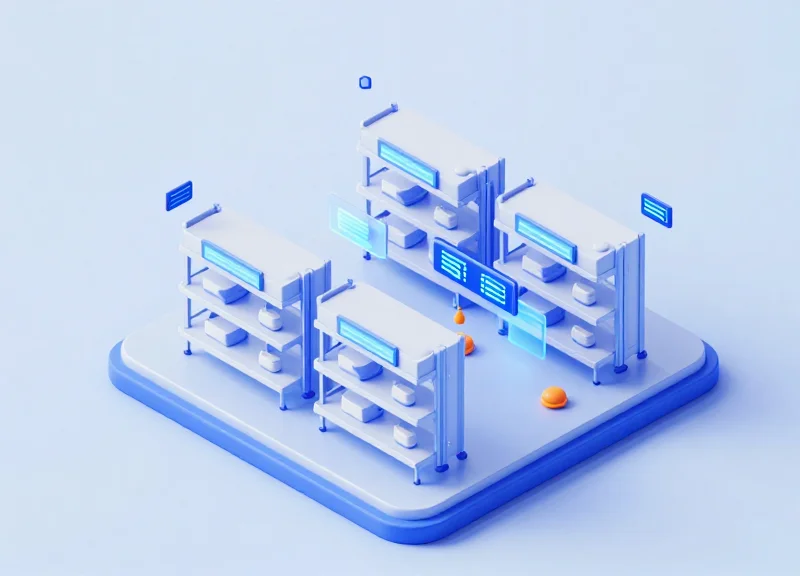
Smart shelving and automated sorting systems represent the physical manifestation of the modern library's 'brain.' By integrating weight sensors, light-guided indicators (Pick-to-Light), and high-speed robotic sorters, these systems create a self-monitoring infrastructure. In 2026, the goal is no longer just storage; it is 'inventory fluidness,' where every book’s location is updated in the Integrated Library System (ILS) the millisecond it touches a shelf, effectively ending the era of the 'lost' or 'misplaced' item.
| Feature | Traditional Library Stacks | 2026 Smart Infrastructure |
|---|---|---|
| Inventory Check | Manual / Periodic | Real-time / Constant |
| Misplacement Rate | High (Human Error) | Near Zero (Sensor Corrected) |
| Reshelving Speed | 24-72 Hours | Under 4 Hours (Robotic) |
| Space Utilization | Fixed Height/Static | Dynamic/High-Density ASRS |
A critical component of this evolution is the Automated Storage and Retrieval System (ASRS). Unlike the warehouse-sized systems of the past, 2026 implementations are modular and designed for public visibility, often acting as a 'kinetic sculpture' within the library. These systems use micro-shuttles to fetch items from high-density bins, allowing libraries to dedicate 60% more floor space to community learning and maker spaces rather than static storage.
- Automated Intake: Patrons return books via smart slots that instantly scan RFID tags and verify the item's condition using high-resolution vision sensors.
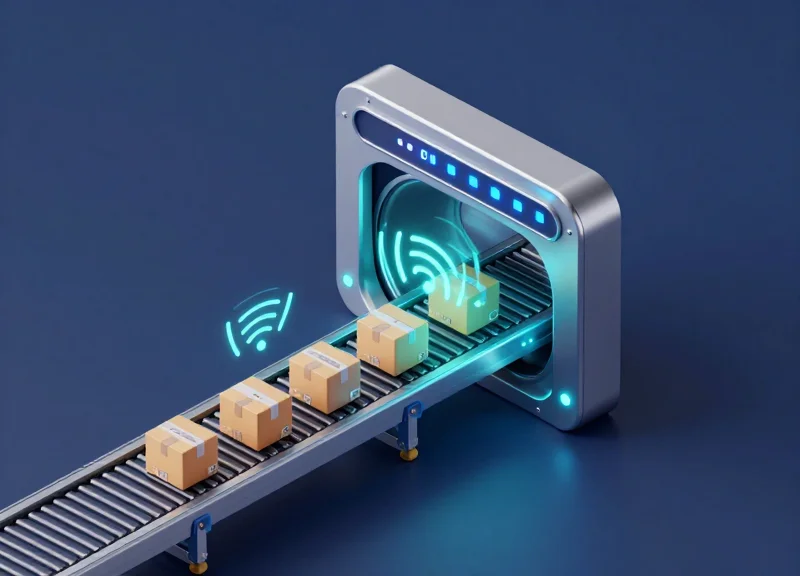
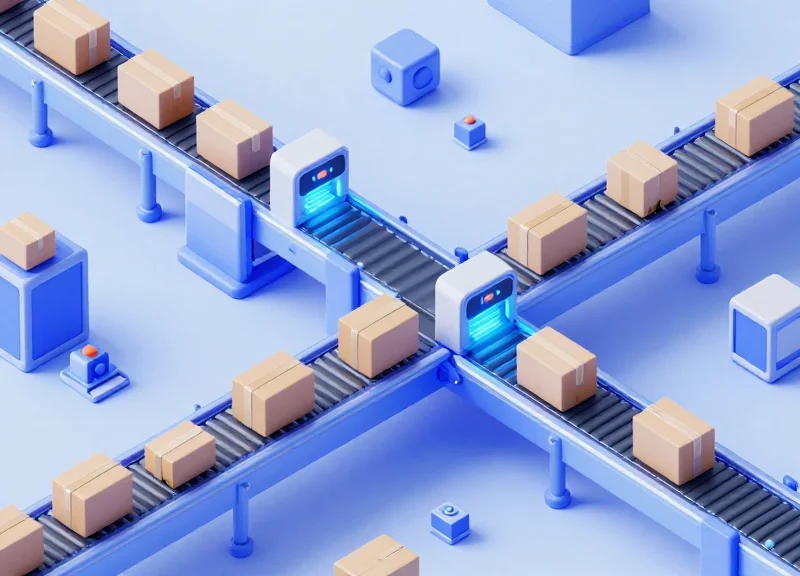
- High-Speed Divert Sorting: Conveyor systems use AI-driven logic to sort books into bins based on their final destination—whether it's a specific floor, a reservation hold, or an off-site branch.
- Robotic Reshelving Assistance: Collaborative robots (cobots) assist staff in high-volume areas, placing books back into designated slots with precision, ensuring the spine is perfectly aligned for optical recognition.
The 'Self-Healing' Stack Insight: In my two decades of tech analysis, the most significant shift I foresee for 2026 is the 'Self-Healing Stack.' Using embedded shelf sensors (Pressure + RFID), libraries can now detect when a book is placed in the wrong slot. Instead of waiting for a manual inventory check, the shelf emits a subtle LED alert for staff or triggers a nightly robotic 'sweep' to relocate the item. This ensures that the digital catalog and physical reality are always 100% synchronized.
Do smart shelves require special book covers?
No. Modern smart shelves rely on embedded RFID strips and weight sensors that work with standard library binding and protection.
What is the typical ROI for automated sorting?
Most medium-to-large libraries see a full return on investment within 3 to 5 years through reduced manual labor costs and significantly lower book replacement rates.
Is the technology noisy for a library environment?
The latest generation of magnetic drive conveyors and soft-touch robotics operate at decibel levels lower than a standard conversational whisper.
Enhancing Security with Modern EAS and IoT Integration
Modern library security has evolved from passive deterrents into proactive, IoT-enabled ecosystems where Electronic Article Surveillance (EAS) works in tandem with networked sensors to provide real-time, invisible protection for assets without compromising the user experience. By 2026, the 'security gate' has been reimagined as an intelligent data node that distinguishes between accidental removals and organized theft, while simultaneously providing traffic analytics and environmental monitoring.
The integration of IoT with EAS technology represents a shift from reactive alarms to 'Situational Awareness.' Traditional systems operated in isolation, often resulting in embarrassing false positives or undetected bypasses. Modern integrated systems utilize ultra-high-frequency (UHF) RFID and Bluetooth Low Energy (BLE) to create a 'Digital Fence' around the library's most sensitive collections, allowing for immediate intervention before an item even reaches the exit.
| Feature | Legacy EAS Systems | Modern IoT-Integrated EAS |
|---|---|---|
| Detection Type | Acousto-Magnetic or RF simple resonance | UHF RFID + Sensor Fusion |
| Connectivity | Standalone / Offline | Cloud-Native / API-Integrated |
| Data Output | Simple alarm count | Granular item-level ID and dwell time |
| User Experience | Intrusive physical gates | Discreet overhead or floor-embedded sensors |
Expert Insight: The Rise of 'Ghost Security'. In the Silicon Valley tech-library landscape, we are seeing a move toward 'Ghost Security'—systems that are entirely invisible to the patron. By utilizing phased-array antennas hidden in ceilings and entryways, libraries can maintain a welcoming, open-plan aesthetic while achieving 99.9% detection accuracy. This prevents the 'fortress' vibe that traditional gates often project, fostering a more trust-based community environment.
How does IoT integration reduce false alarms in libraries?
IoT systems cross-reference every tag passing through a gate with the real-time 'Checked Out' status in the Library Management System. If a tag is detected but the status is 'Available,' the system identifies the specific book and alerts staff silently via mobile apps, rather than triggering a loud, public alarm.
Can modern EAS systems track assets within the building, not just at exits?
Yes. By deploying IoT 'anchors' throughout the stacks, libraries can create a real-time heat map of asset movement. This helps prevent the 'internal theft' of high-value items that are moved to hidden corners of the library for later removal.
Is the transition to IoT-EAS cost-prohibitive for smaller libraries?
While initial hardware costs are higher, the ROI is found in reduced loss rates and lower labor costs. Predictive maintenance through IoT also ensures the system stays online without expensive on-site technician visits.
The User Experience: Frictionless Borrowing and Returning
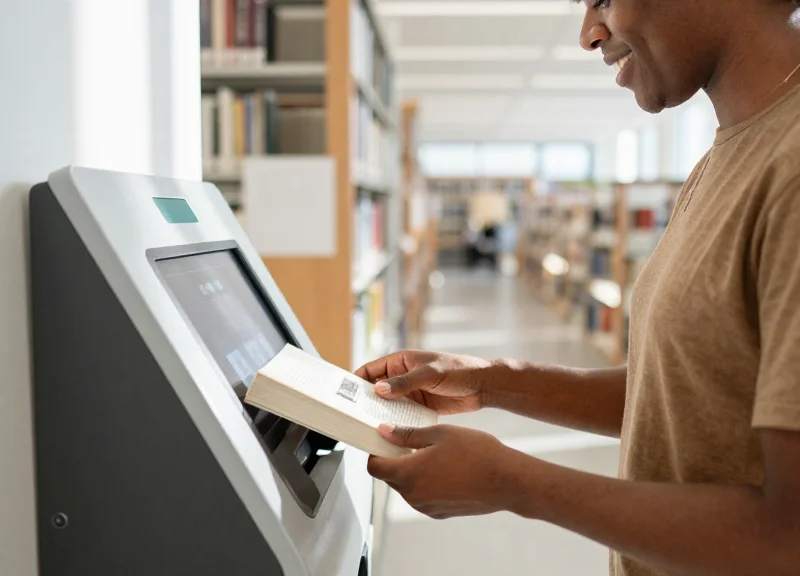
Frictionless borrowing in 2026 is defined as a 'zero-barrier' transaction ecosystem where library patrons can identify themselves, verify items, and sync due dates via mobile-first protocols or biometric authentication without human intervention or hardware bottlenecks. By integrating Ultra-Wideband (UWB) technology and geofencing, the modern library environment transitions from a transactional facility into a fluid, self-service hub where the checkout process is nearly invisible to the end-user.
| Feature | Legacy Kiosks (2015-2022) | 2026 Smart Experience |
|---|---|---|
| Identification | Physical Plastic Cards / Barcodes | Biometric (Facial/Palm) or Mobile NFC |
| Checkout Speed | 30-60 Seconds (Manual Scanning) | Sub-3 Seconds (Bulk RFID/UWB) |
| Return Process | Single-item chute with manual receipt | Multi-item 'Bulk-Drop' with instant cloud sync |
| Connectivity | Wired Local Server | Edge Computing & 5G Integration |
The shift toward 'Ambient Checkout' allows users to simply walk through a smart portal with their selected books. The library's internal management system performs a digital 'handshake' with the patron’s smartphone, instantly updating their account and deactivating security tags in a single motion. This eliminates the 'checkout line' entirely, a major pain point identified in user retention studies.
- Biometric Authentication: Patrons opt-in to palm-vein or facial recognition, allowing for 'cardless' entry and borrowing, particularly useful for families with multiple accounts.
- Mobile-First Integration: PWA (Progressive Web Apps) allow users to manage holds, pay late fees via Apple Pay/Google Pay, and extend loans via haptic notifications.
- Smart Return Portals: High-capacity return bins equipped with multi-stack RFID sensors that provide immediate digital receipts to the user's device upon contact.
Expert Insight: The 'Anticipatory Stage' Strategy. One of the most significant shifts we are seeing in high-end Silicon Valley library projects is the 'Anticipatory Hold' system. By using geofencing, the library system detects when a patron with an active hold is within 500 meters of the building. The robotic sorting system (discussed in Section 5) automatically moves their reserved items to a 'Fast-Track' locker near the entrance, ensuring the book is literally waiting for the user the moment they step through the door.
How does the library handle privacy with biometric checkouts?
2026 systems utilize decentralized identity (DID) and salt-hashed biometric templates, meaning the library never stores actual images of faces or palms, only encrypted mathematical representations.
Can users still borrow items if their phone battery is dead?
Yes. While mobile-first is the trend, 2026 kiosks maintain physical interaction layers including touchscreens and legacy barcode scanners to ensure accessibility for all demographics.
What happens if an item is returned damaged?
Modern return portals use high-resolution cameras and weight sensors to perform an 'Integrity Scan,' flagging items with significant structural changes (like water damage) for staff review immediately upon return.
Electronic Shelf Labels (ESL) for Dynamic Information
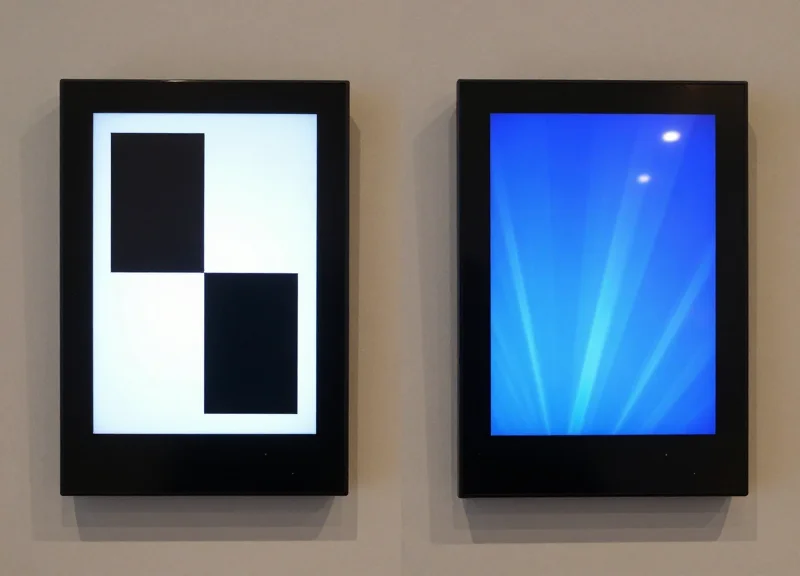
In the 2026 library landscape, Electronic Shelf Labels (ESL) have transitioned from retail pricing tools to critical nodes of the Internet of Things (IoT) infrastructure. These battery-powered, E-ink display units attach directly to shelving units, wirelessly connecting to the library's central management system. Unlike traditional stickers, ESLs offer a dynamic interface that reflects real-time data changes—such as shelf location updates, reservation statuses, or trending popularity—ensuring that the information a patron sees at the shelf perfectly mirrors what they see on their mobile app or web portal.
| Feature | Traditional Static Labels | 2026 Smart ESL Systems |
|---|---|---|
| Update Frequency | Manual / Monthly | Real-time / Instant |
| Data Richness | Title & Call Number Only | Reviews, Availability, Media Links |
| Staff Labor | High (Printing/Re-labeling) | Zero (Automated API Updates) |
| Interactivity | None | NFC Taps & QR Code Support |
- Real-Time Availability Sync: ESLs automatically change display text to 'On Hold' or 'Available for Pickup' as soon as a book is scanned at the front desk, reducing patron frustration.
- Social Proof Integration: Displaying live star ratings from platforms like Goodreads or internal community reviews directly under the book title to drive engagement.
- Pick-to-Light Efficiency: Embedded LED indicators on labels can flash specific colors to help staff quickly locate books for hold requests or identify misplaced items.
An original insight for 2026 is the emergence of 'Contextual Beaconing.' By utilizing Bluetooth Low Energy (BLE) within the ESL hardware, the shelf itself becomes a location-aware assistant. When a patron approaches a shelf with their library app open, the ESL can trigger a haptic 'nudge' on their smartphone, highlighting a book on the shelf that matches their 'to-read' list or personal interests. This turns the physical act of browsing into a digitally augmented experience, bridging the gap between an infinite digital catalog and a finite physical collection.
How long do ESL batteries last in a library environment?
Because E-ink only consumes power when the image changes, modern ESL units typically last 7 to 10 years on a single coin-cell battery.
Can ESLs display languages other than English?
Yes, high-resolution dot-matrix displays support multi-language scripts and even simple graphics or icons for accessibility.
How do ESLs handle library security?
While they do not replace EAS security tags, ESLs are often equipped with anti-theft mounting brackets that require a proprietary tool for removal.
Sustainability and ROI in Smart Library Investments
Return on Investment (ROI) in smart library automation is defined by the convergence of operational efficiency, asset longevity, and the reduction of the facility's carbon footprint. By 2026, the shift from traditional shelving to automated storage and retrieval systems (ASRS) and IoT-enabled management will allow libraries to reduce manual labor costs by up to 40% while simultaneously lowering energy consumption through intelligent climate and lighting control. True sustainability in this context is achieved when a library maximizes its 'Total Value of Ownership' (TVO) by repurposing recovered physical space for community-centric services that generate social capital and long-term institutional relevance.
| Metric | Traditional Library Operations | Smart Library (2026 Standard) |
|---|---|---|
| Energy Efficiency | Static HVAC/Lighting schedules. | Occupancy-aware IoT sensors (30% savings). |
| Staff Utilization | 60% time spent on manual sorting/shelving. | 15% time spent on tech-assisted curation. |
| Asset Loss Rate | 2-5% annual shrinkage (misplaced/stolen). | Less than 0.5% with RFID/UHF tracking. |
| Space Utilization | Fixed shelving limits square footage. | Dynamic ASRS reclaims 50% of floor space. |
Expert Insight: The 'Shadow Inventory' Recovery. A unique financial benefit of smart automation often overlooked is the reclamation of 'shadow inventory.' In traditional stacks, roughly 15-20% of a collection may be effectively 'lost' due to misfiling or lack of visibility. Automated classification and real-time sensor tracking act as an immediate capital injection by bringing these invisible assets back into the circulation loop, effectively increasing the library's active value without a single new acquisition.
How long does it take to see a positive ROI on smart shelving?
Most institutions see a break-even point within 3.5 to 5 years, primarily driven by the reduction in manual inventory audits and the mitigation of replacement costs for lost materials.
Does smart technology increase the library's carbon footprint?
While the hardware requires electricity, the net impact is usually negative (beneficial). Smart systems allow for 'Dark Stacks'—areas where lights and climate control are only activated when a robot or staff member is present, drastically reducing total building KWh.
Can automation help with library grant funding?
Yes. Modern grant providers prioritize 'Green Infrastructure' and 'Digital Inclusion.' Demonstrating a transition to energy-efficient, automated systems significantly strengthens applications for federal and private technology grants.
Ultimately, the transition to smart automation is an investment in the library as a 'living' platform. By automating the mundane tasks of book classification and retrieval, libraries can pivot their budget toward high-impact community programming, ensuring the institution remains a vital, sustainable hub in the digital age.