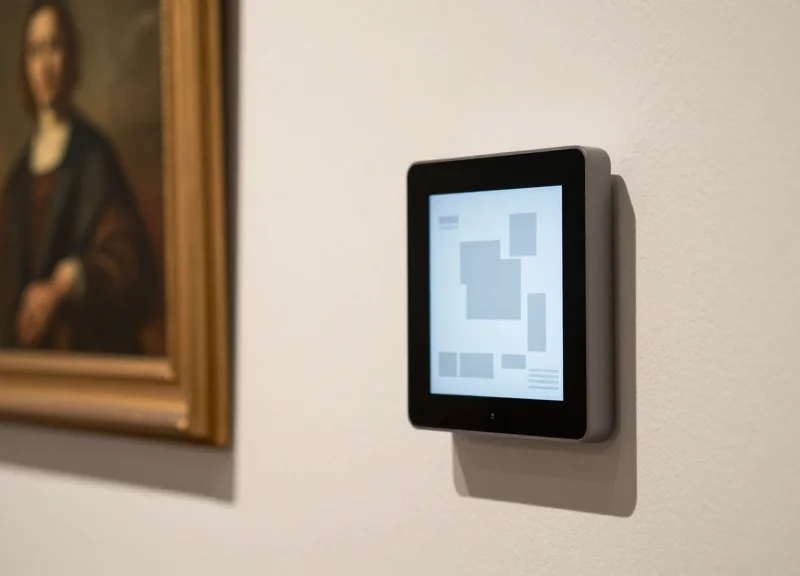
For decades, curators and gallery managers have been trapped in an endless cycle of manual reprints, where every small typo or factual update requires expensive paper waste and labor-intensive replacement. As we approach 2026, Electronic Shelf Label (ESL) technology has matured far beyond its retail origins to meet the sophisticated demands of the cultural sector. Transitioning to a museum-grade digital labeling system is no longer just about operational efficiency; it is about enhancing the visitor experience through dynamic, accurate, and aesthetically pleasing information. This guide outlines the seven non-negotiable standards your institution must evaluate to ensure a seamless digital transition that honors the integrity of your collection.
The High Cost of Static Labeling in Modern Museums

Static labeling represents a deceptive 'sunk cost' for museums, where the initial low price of cardstock and ink masks a high Total Cost of Ownership (TCO). In 2026, the cost of static labeling is no longer just about materials; it is defined by the operational friction of manual reprints, the labor-intensive process of physical installation, and the institutional risk of displaying outdated or inaccurate information. For a mid-sized institution, managing 500+ static labels can consume hundreds of staff hours annually, diverting curators and designers from high-value creative work to repetitive administrative tasks.
| Cost Factor | Static Paper Labels | Museum-Grade ESL Systems |
|---|---|---|
| Update Velocity | Hours to Days (Design, Print, Install) | Near-Instant (Centralized Digital Update) |
| Labor Requirement | High: Requires 3+ departments for one change | Low: Single-operator remote management |
| Material Waste | High: Non-recyclable adhesives and plastics | Zero: Reusable digital hardware (10-year life) |
| Information Accuracy | Delayed: Labels often lag behind research | Real-time: Syncs with Collections Databases |
- The Labor Drain: Every single update to a static label requires a designer to format the file, a technician to print and trim the media, and a gallery assistant to manually swap the display. This 'hidden' payroll expense often exceeds the cost of digital hardware within 18 months.
- The 'Information Decay' Risk: As new provenance research or loan data becomes available, static labels become instantly obsolete. The delay between discovery and physical replacement creates a period of 'Information Decay' where the museum provides inaccurate data to the public.
- Environmental Impact: Modern sustainability mandates are making single-use signage a liability. The cumulative carbon footprint of specialized inks, high-grade cardstock, and mounting adhesives contradicts the 'Green Museum' initiatives of the 2020s.
Expert Insight: The Curatorial Bottleneck. After 20 years in digital transformation, I have observed that the true cost of static labeling isn't just the money spent—it is the 'Agility Gap.' When a curator wants to change a narrative or update a price for a traveling exhibition, the friction of the printing process often leads to them simply not doing it. Static labels effectively freeze your museum's knowledge in time, preventing the dynamic storytelling that modern audiences demand.
Criterion 1: Display Fidelity and 'Paper-Like' Aesthetics
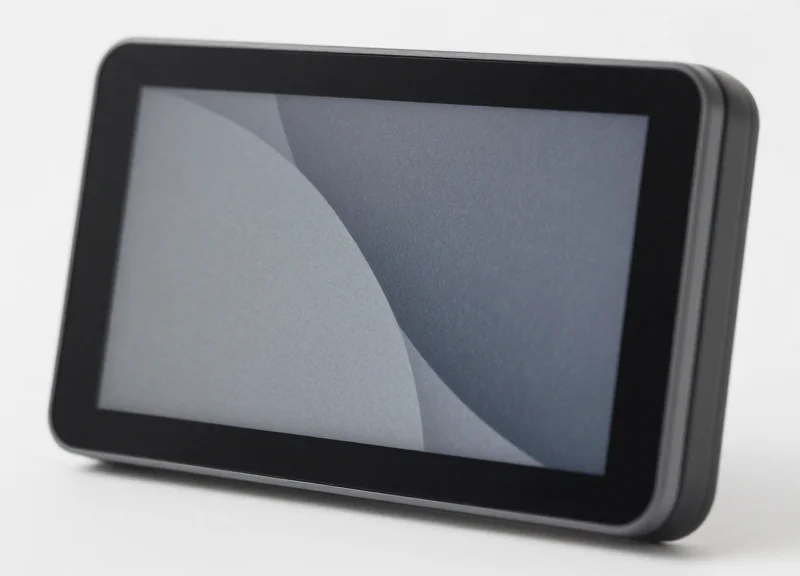
In the context of museum-grade Electronic Shelf Labels (ESL), display fidelity refers to the ability of a digital screen to replicate the matte, non-emissive texture of traditional ivory or white cardstock. For a digital labeling system to be truly 'museum-grade' in 2026, it must utilize advanced Electrophoretic Display (EPD) technology that eliminates backlighting, offering a 180-degree viewing angle that ensures legibility from any position without the digital 'shimmer' or glare typical of consumer tablets. This 'visual invisibility' is critical because the label should never compete with the artwork for the visitor’s attention.
The transition from static to digital often fails when museums opt for standard retail-grade ESLs. Retail tags are designed for distance viewing in bright aisles, whereas museum labels are scrutinized at close range (12-18 inches) under specialized gallery lighting. To maintain the prestige of an exhibition, curators must demand high-density pixel counts—typically 200 DPI (dots per inch) or higher—to ensure that fine serif fonts and multi-language scripts remain crisp and legible, preventing the 'pixelation' effect that can make a high-end gallery feel like a discount electronics store.
| Feature | Standard Retail ESL | Museum-Grade ESL (2026) |
|---|---|---|
| Pixel Density | 110 - 130 DPI | 200 - 300+ DPI |
| Surface Treatment | Glossy or Semi-Matte Plastic | Anti-Refractive Acid-Etched Glass |
| Refresh Technology | Standard Flash | Partial Refresh (Ghosting-Free) |
| Viewing Angle | ~160 Degrees | Full 180-Degree Hemispherical |
Expert Insight: The 'Substrate-Matching' Principle. A common mistake is selecting a display with a 'cool white' background for a gallery using 'warm' 2700K LED spots. In 2026, the most sophisticated ESL systems allow for 'Color Temperature Calibration.' This means the EPD background is engineered to match the specific reflectance of the museum's preferred physical cardstock (e.g., Museum Board White vs. Cream), ensuring that when a visitor glances between the wall and the label, the transition is seamless. Always request a 'reflectance profile' from your vendor to ensure the white state of the display matches your gallery walls.
Does the screen produce glare under track lighting?
Museum-grade displays use specialized anti-glare coatings or acid-etched glass to diffuse direct light, ensuring the text is readable even when high-intensity spotlights are aimed directly at the display area.
Why is 'Paper-Like' texture more important than color?
While multi-color ESLs exist, the texture (reflectivity) is what determines if a label looks 'cheap.' A high-contrast black-and-white display that mimics paper fibers is often more elegant for fine art than a low-resolution color screen.
How does viewing angle affect visitor flow?
If a label has a narrow viewing angle, visitors must stand directly in front of it to read, causing 'bottlenecks.' A 180-degree viewing angle allows visitors to read the label as they approach the art from the side, improving gallery circulation.
Criterion 2: Infrastructure-Light Connectivity Protocols
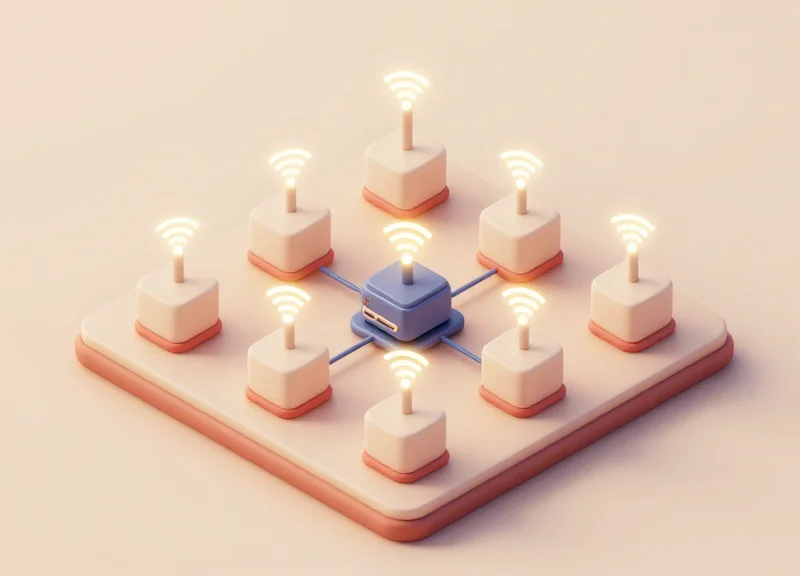
In a museum environment, infrastructure-light connectivity refers to Electronic Shelf Label (ESL) systems that utilize low-power, long-range wireless protocols—primarily Sub-GHz and Bluetooth Low Energy (BLE) 5.4—to transmit updates across vast galleries without requiring new electrical wiring or Ethernet drops at every display point. For institutions housed in protected historical buildings, this 'light' footprint is the difference between a modern digital upgrade and a prohibited structural alteration.
| Protocol | Penetration Power | Battery Life Impact | Interference Risk | Best Use Case |
|---|---|---|---|---|
| Sub-GHz (900MHz) | Superior (Thick Stone/Masonry) | Low (High Efficiency) | Minimal (Separate Spectrum) | Historical Sites & Large Galleries |
| BLE 5.4 (PAwR) | Moderate (Drywall/Glass) | Very Low (optimized) | Moderate (2.4GHz Crowding) | Interactive Displays & Modern Wings |
| Standard Wi-Fi | Poor (Signal Drops) | High (Heavy Drain) | High (Network Congestion) | Not recommended for ESL |
The primary challenge for museums in 2026 is overcoming the 'Faraday Cage' effect created by thick limestone, granite, or reinforced concrete walls found in heritage structures. While BLE 5.4 is gaining traction due to its bi-directional communication capabilities—allowing tags to confirm receipt of an update—Sub-GHz remains the gold standard for penetration. A museum-grade system should ideally support a hybrid approach, leveraging the long-range stability of Sub-GHz for core information delivery and BLE for visitor-facing interactive features.
Expert Tip: The 'Signal Bounce' Strategy. Unlike retail environments with open layouts, museums have complex geometries. Look for systems that offer 'Multi-Hop' mesh capabilities or Sub-GHz frequencies that leverage signal diffraction. This allows the signal to 'bend' around corners and reach labels in shadowed alcoves without requiring an access point in every single room, significantly reducing your hardware overhead.
How does Sub-GHz avoid interference with visitor Wi-Fi?
Sub-GHz operates on a much lower frequency band (typically 868MHz or 915MHz) than standard Wi-Fi (2.4GHz or 5GHz). This physical separation ensures that your digital labels remain responsive even when hundreds of visitors are using the museum's public Wi-Fi or Bluetooth devices simultaneously.
What is the 'Infrastructure-Light' impact on installation costs?
By utilizing battery-powered labels and long-range base stations, museums can reduce installation labor by up to 70%. In most cases, a single Sub-GHz access point can cover multiple galleries, requiring only a single PoE (Power over Ethernet) connection rather than hundreds of individual power drops.
Can BLE 5.4 handle the high density of labels in a small exhibit?
Yes. The introduction of Periodic Advertising with Response (PAwR) in BLE 5.4 allows the system to communicate with thousands of tags in synchronized time slots, making it highly efficient for dense displays like coin collections or archives.
Criterion 3: Long-Term Battery Autonomy and Sustainability
For a museum, an Electronic Shelf Label (ESL) is only as effective as its uptime; if a battery dies in a gallery with 20-foot ceilings, the 'cost-saving' digital solution becomes a maintenance liability. Long-term autonomy refers to the system's ability to operate for a decade or more on a single power cycle through a combination of high-density lithium-thionyl chloride (Li-SOCl2) cells, ultra-low-power display drivers, and modern energy-harvesting technologies like photovoltaic film. In 2026, the industry benchmark has shifted from 'long-lasting' to 'infrastructure-permanent,' ensuring that the label's lifecycle matches the typical duration of a permanent exhibition.
| Feature | Standard Retail ESL | Museum-Grade (2026 Standard) | Next-Gen Solar-Harvesting |
|---|---|---|---|
| Typical Battery Life | 3–5 Years | 10–12 Years | Indefinite (Theoretical) |
| Power Source | CR2032/CR2450 | Li-SOCl2 / Dual-Capacitor | Ambient PV Cell + Supercap |
| Updates Per Day | 1-2 | Up to 5 (Full Screen) | Unlimited (in >200 Lux) |
| Maintenance Requirement | Periodic Swaps | Install and Forget | Zero Battery Waste |
Expert Insight: The 'Micro-Current Paradox'. While most buyers focus on battery capacity (mAh), the true differentiator in 2026 is the quiescent current draw. Museum-grade labels now utilize 'Deep Sleep' modes that consume less than 0.5µA. This means the hardware uses more energy to refresh the screen once than it does to remain powered for an entire month of static display. When evaluating vendors, ask for the 'Static State Consumption' data—if they cannot provide it, the system isn't truly museum-grade.
- Eliminate 'Lift-and-Shift' Labor Costs: In galleries with high ceilings or integrated vitrines, accessing a label requires specialized equipment and potentially moving sensitive artifacts. A 10+ year battery ensures these risks are mitigated over the entire exhibition lifecycle.
- Ambient Light Harvesting (ALH): Modern museum lighting (even at low 50-lux levels for sensitive works) can often provide enough photons to trickle-charge a label's internal capacitor, effectively making the device self-sustaining.
- Sustainability and ESG Compliance: Managing thousands of coin-cell batteries creates a significant recycling burden. Systems that prioritize longevity or solar power drastically reduce the museum’s hazardous waste footprint.
Does low gallery lighting affect solar ESLs?
Advanced indoor PV cells are now optimized for low-lux environments (as low as 50-100 lux). Even in 'darker' galleries, these cells can extend traditional battery life by 50-70% by handling the energy-intensive wireless handshake.
How do we monitor battery health across 5,000 labels?
Museum-grade systems include a centralized management dashboard that reports 'Heartbeat' data, including precise voltage levels for every label, allowing for predictive maintenance years before a failure occurs.
What happens to the display if the battery finally dies?
Because e-paper is bi-stable, the last image remains visible indefinitely without power. This prevents the 'blank screen' look, though the info may become outdated until the unit is serviced.
Criterion 4: Centralized Content Management System (CMS) Integration
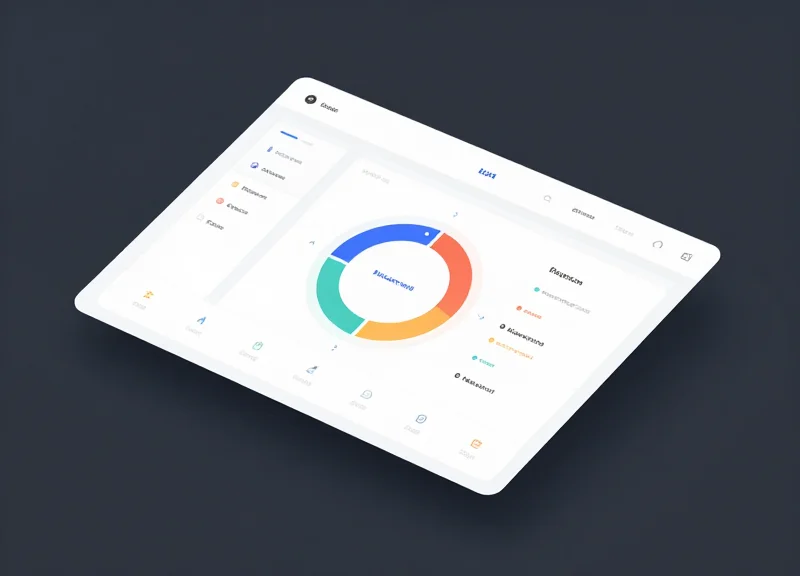
In 2026, a museum-grade Electronic Shelf Label (ESL) system is only as powerful as its ability to communicate with your existing digital ecosystem. Centralized CMS Integration refers to the seamless API-driven bridge between the ESL software and your Museum Management System (MMS) or Collection Database. This architecture creates a 'Single Source of Truth,' where an update made by a curator in the database—such as a changed attribution or a newly discovered date—automatically pushes to the gallery floor in seconds, eliminating the need for manual data entry and the risk of scholarly discrepancies.
| Feature | Legacy Manual Workflow | 2026 Integrated CMS Workflow |
|---|---|---|
| Data Entry | Duplicate entry (MMS then Print) | Single entry in MMS only |
| Sync Speed | Hours/Days (Design & Print) | Near Real-Time (< 60 seconds) |
| Error Risk | High (Typographic/Version errors) | Zero (Direct database mirror) |
| Staff Labor | Manual physical replacement | Automated remote updates |
### The Shift to 'Headless' Museum Labeling Modern museum tech stacks are moving toward 'headless' architectures. When selecting an ESL vendor, prioritize systems that offer robust RESTful APIs or GraphQL endpoints. This allows the ESL hardware to act as a peripheral display for your primary database, rather than a standalone silo that requires its own proprietary management. For 2026, look for 'plug-and-play' connectors for industry standards like TMS (The Museum System), Axiell, or EMu.
- Bi-directional Data Flow: The system should not only receive data but report back status (e.g., confirming a successful display update or reporting a low battery).
- Dynamic Template Mapping: Automatically format raw database text into curated layouts based on the object type or gallery theme without manual design tweaks.
- Multi-Language Logic: The CMS should automatically pull and display translated fields for international visitors based on the exhibition's current digital profile.
Expert Insight: The 'Verification Callback' Loop. A common pitfall in digital signage is the 'Ghost Update,' where the software thinks a label updated, but interference prevented the hardware from changing. Silicon Valley's 2026 standard for museum ESLs is the Verification Callback. This protocol requires the E-paper display to send a cryptographic hash of its currently rendered image back to the CMS to verify that what the visitor sees exactly matches the database record. Never settle for a system that assumes an update was successful without hardware-level confirmation.
Can we integrate ESLs if our database is on-premise?
Yes, look for vendors offering 'Hybrid-Cloud' gateways that securely bridge on-premise SQL or Oracle databases with the ESL cloud management platform via a secure local proxy.
What happens if our MMS goes offline?
Top-tier systems cache the current state locally. The labels will continue to display the last verified data until the connection is restored, preventing blank screens in the galleries.
Criterion 5: Specialized Mounting and Physical Security
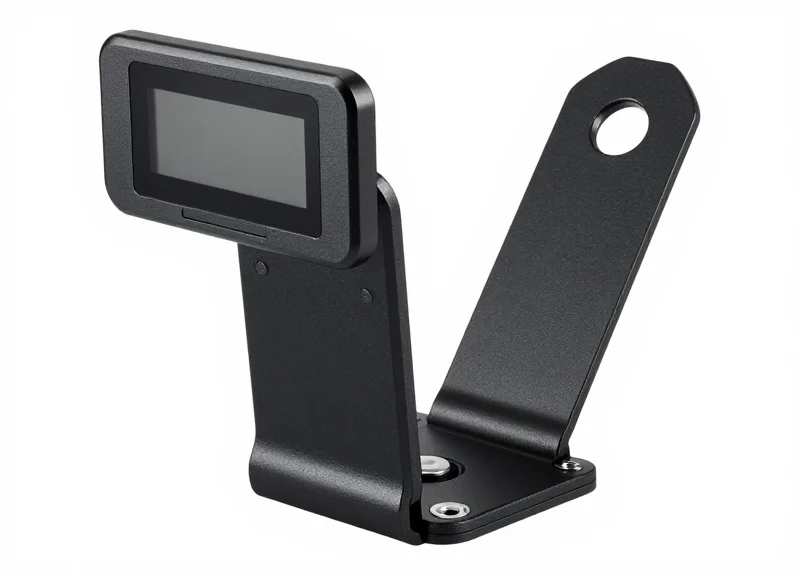
Specialized mounting for museum-grade ESL systems refers to the engineering of brackets and housings that prioritize three pillars: aesthetic invisibility, structural permanence, and heritage-safe attachment. Unlike retail environments where speed of deployment is king, museum installations require 'zero-footprint' designs that blend into vitrines or historical stonework while preventing unauthorized removal by curious visitors. In 2026, the gold standard for security is no longer just a screw-in bracket, but a multi-layered locking system that requires specialized tools or electronic authentication to release.
| Mounting Style | Security Level | Best Use Case | Heritage Impact |
|---|---|---|---|
| Magnetic Lock | High | Metal pedestals and temporary exhibits | Zero (Non-invasive) |
| Mechanical Security Rail | Maximum | High-traffic public galleries | Moderate (Requires fixings) |
| Invisible Adhesive Bond | Medium | Glass vitrines and acrylic cases | Low (Residue-free removal) |
| Counter-Sunk Flush Mount | Very High | Permanent custom cabinetry | High (Integrated into build) |
- Anti-Tamper Accelerometers: Modern ESL units include internal sensors that detect sudden movement or prying. If a label is forcibly moved, it sends an immediate alert to the museum's security dashboard via the wireless mesh.
- Discreet Tool-Access Only: Avoid any mounting that uses standard Phillips or Flathead screws. Specialized security bits or magnetic 'keys' ensure that only authorized conservation staff can swap labels.
- Vandal-Resistant Housing: Impact-resistant polycarbonate covers protect the e-paper display from scratches, spills, or intentional impact without adding significant bulk or glare.
The Silicon Valley Expert Tip: The 'Invisible Anchor' Strategy. In 2026, we are seeing a shift toward 'Smart-Tethering.' This involves using ultra-thin, high-tensile steel micro-cables (0.5mm) that are hidden within the display stand. This allows for a 'floating' aesthetic where the ESL looks like it is resting freely on a surface, yet it is physically anchored to the structure. This satisfies curators who hate the look of bulky frames while providing the theft deterrence necessary for open-access galleries.
Can these labels be mounted on uneven historical surfaces like stone?
Yes. Museum-grade systems offer articulated mounts with vacuum-sealed or non-reactive gel pads that conform to irregular textures without the need for drilling into heritage materials.
How do you prevent children from pulling labels off low-level displays?
Use 'Friction-Lock' enclosures. These require a specific 90-degree rotation and a pressurized key-release, making it impossible for a person to remove them by pulling or twisting with bare hands.
Do security mounts interfere with the wireless signal?
Premium mounts use signal-transparent polymers (rather than full metal jackets) to ensure the 2.4GHz or Sub-GHz frequencies used by the ESL remain unobstructed.
Criterion 6: Multi-Language Support and Dynamic QR Capabilities
In 2026, museum-grade Electronic Shelf Labels (ESLs) are no longer just digital replacements for paper; they are 'Infinite Labels.' Multi-language support and dynamic QR capabilities refer to a system's ability to render complex Unicode characters (including Right-to-Left scripts) and generate real-time, programmable QR codes that redirect visitors to deep-dive content, audio guides, or interactive AR experiences based on current exhibit data.
- Unicode and Font Rendering: The system must support UTF-8 encoding to accurately display diverse scripts such as Arabic, Mandarin, and Cyrillic without character corruption or layout breaking.
- On-Demand Localization: Modern ESLs allow visitors to toggle languages via a physical button or a mobile-triggered command, instantly updating the screen to the visitor's native tongue.
- Dynamic URL Redirection: Unlike printed QRs, dynamic ESL codes can be updated centrally to point to new videos, guest curator interviews, or temporary exhibition microsites without touching the hardware.
| Feature | Legacy Static Labels | 2026 Museum-Grade ESL |
|---|---|---|
| Language Density | Limited to 1-2 languages due to space. | Unlimited via digital cycling or QR portals. |
| QR Functionality | Static URL (hard to track/update). | Dynamic (trackable, variable by visitor type). |
| Accessibility (ADA) | Fixed font size, no audio link. | High-contrast modes and direct audio-guide sync. |
Expert Insight: The Engagement Heatmap Value. An often-overlooked advantage of dynamic QR capabilities is the 'Physical-to-Digital' data loop. By assigning a unique, dynamically generated ID to every ESL's QR code, museum directors can generate engagement heatmaps in real-time. This allows you to see exactly which artifacts are capturing the most attention and at what time of day, providing quantitative data to justify future acquisitions—a level of insight impossible with traditional manual printing.
Can ESLs support high-resolution QR codes for small displays?
Yes. Museum-grade labels in 2026 typically offer 300 DPI (dots per inch), ensuring that even on a 1.5-inch screen, a QR code is easily scannable by modern smartphone cameras in varied lighting.
How does multi-language support impact battery life?
Minimal. Since E-paper only consumes power during a screen refresh, switching languages only uses a tiny burst of energy. Advanced CMS platforms pre-render these images to ensure the update is fast and efficient.
Are these systems compliant with accessibility standards?
Top-tier ESL systems facilitate WCAG and ADA compliance by allowing users to scan a code and view the label content on their own devices with personalized font sizes or screen readers.
Criterion 7: Total Cost of Ownership (TCO) vs. Initial ROI

In 2026, the primary financial metric for museum-grade Electronic Shelf Label (ESL) systems has shifted from simple upfront procurement costs to a comprehensive Total Cost of Ownership (TCO) analysis. While the initial capital expenditure (CAPEX) for digital labels is higher than traditional printed placards, the Return on Investment (ROI) is typically realized within 18 to 24 months. This is achieved by eliminating the recurring costs of high-quality substrate printing, manual labor for installation, and the 'hidden' cost of gallery downtime during exhibition refreshes. A true museum-grade TCO must account for hardware durability, software licensing, and the drastic reduction in human error that results in costly emergency reprints.
| Cost Category | Traditional Print (5-Year Est.) | Museum-Grade ESL (5-Year Est.) |
|---|---|---|
| Materials | High ($15,000+ for recurring paper/acrylic) | Low ($0 after initial hardware purchase) |
| Labor Hours | 600+ hours (Printing, cutting, mounting) | 20 hours (System oversight and updates) |
| Gallery Downtime | Significant (Zones closed for label swaps) | Zero (Instant wireless updates) |
| Maintenance | Minimal per unit | Moderate (Battery/Network management) |
The 'Agility Dividend' Expert Insight: Beyond standard labor savings, forward-thinking institutions are now measuring the 'Agility Dividend.' This is the quantified value of being able to update exhibition narrative or donor recognition in real-time. In my 20 years of observing tech transitions, the most successful museums are those that treat ESL not just as a display tool, but as a risk-mitigation strategy against 'Late-Stage Content Drift'—where printed information becomes obsolete weeks before an exhibition ends. By switching to digital, you recapture approximately 12% of a senior curator's annual workflow that was previously wasted on proofing physical proofs.
- Phase 1: Baseline Audit: Calculate the current annual spend on specialty inks, museum-grade paper, and the man-hours required for a single 50-label rotation.
- Phase 2: Hardware Longevity Factor: Apply a 10-year depreciation schedule to the ESL hardware, ensuring the chosen labels have a verified MTBF (Mean Time Between Failures) of at least 8 years.
- Phase 3: Integration Savings: Deduct the cost of manual database entry if the ESL system integrates directly with your existing Collection Management System (CMS).
How does the TCO change for temporary vs. permanent galleries?
Temporary galleries see a 3x faster ROI because the frequency of updates is higher. The more often you change content, the faster the ESL pays for itself compared to disposible printed materials.
What is the biggest hidden cost in ESL systems?
Proprietary software 'lock-in' fees. Always choose a system with transparent annual licensing or an open API to avoid unexpected cost spikes in year three.
Can ESLs help with museum sustainability goals?
Yes. By eliminating thousands of pounds of chemically treated paper and plastic waste over a decade, ESLs significantly reduce the institution's environmental footprint, which can often be leveraged for 'Green Grants' to offset the initial ROI.
Looking Ahead: The Role of AI and Automation in 2026
In 2026, the transition from 'digital labels' to 'context-aware display ecosystems' will be complete. Museum-grade ESL systems are moving beyond simple data synchronization to incorporate Adaptive Aesthetic Intelligence. This technology allows systems to analyze the surrounding environment and the content itself to make real-time adjustments. Rather than a curator manually formatting every screen, the AI will automatically reconfigure layouts to maintain visual harmony regardless of text length, language complexity, or the specific dimensions of the display hardware.
- AI-Driven Layout Optimization: Algorithms will automatically adjust kerning, leading, and font weights to ensure maximum legibility for visitors with visual impairments while adhering to the museum's strict branding guidelines.
- Lux-Responsive Dimming: Integrated ambient light sensors will feed data to an AI that modulates e-paper contrast and front-light intensity, ensuring the display is never too bright for sensitive oil paintings or too dim in a sunlit atrium.
- Predictive Behavioral Analytics: ESLs will utilize low-power proximity sensors to 'wake up' or display more detailed information as a visitor approaches, saving battery life while providing a more interactive experience.
| Feature | 2024 Standard (Manual/Rules-Based) | 2026 Standard (AI-Driven/Autonomous) |
|---|---|---|
| Content Layout | Fixed templates requiring manual overflow checks. | Dynamic, fluid layouts that auto-adjust for 50+ languages. |
| Lighting Control | Static brightness set at installation. | Real-time synchronization with gallery lux levels. |
| Maintenance | Reactive: Staff find broken/dead units during rounds. | Proactive: AI predicts battery failure 3 months in advance. |
Expert Insight: The 'Curatorial Guardrail' Strategy. A unique advancement for 2026 is the implementation of 'Style Constraints' within AI engines. This ensures that while the AI automates layouts, it cannot deviate from pre-defined historical aesthetics. For example, a 17th-century Dutch Master exhibit will have AI-automated typography that strictly follows Baroque-era design principles, ensuring technology enhances—rather than distracts from—the period-appropriate atmosphere.
Will AI-generated layouts undermine curatorial control?
No. Curators set the 'Master Style' and boundaries; the AI simply handles the tedious task of ensuring content fits the frame perfectly across hundreds of labels and multiple languages.
How does automated brightness adjustment help with conservation?
By constantly monitoring ambient light, the system ensures that the ESL never emits more light than is necessary, helping to maintain the strict micro-climates and low-lux requirements needed for fragile artifacts.
Can AI predict when an ESL battery needs replacement?
Yes. By analyzing usage patterns, signal strength, and temperature fluctuations, the AI can alert staff to replace batteries during scheduled downtime before a unit actually fails.