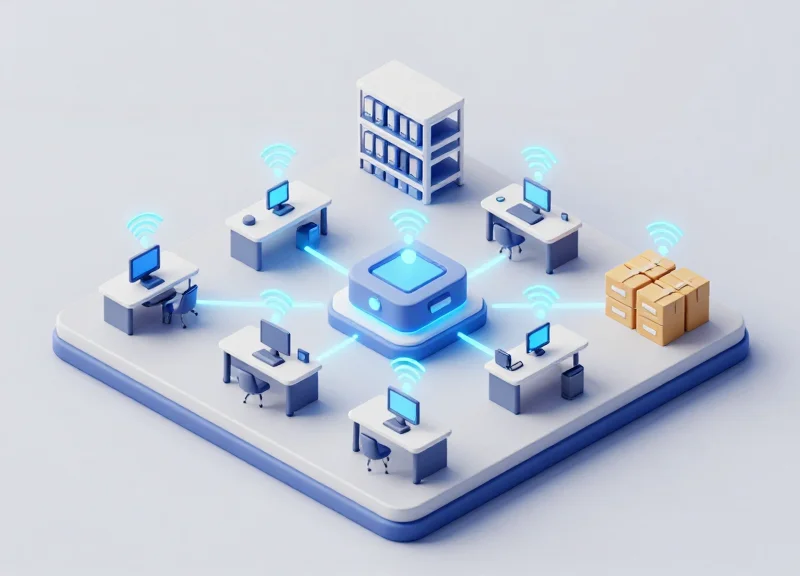
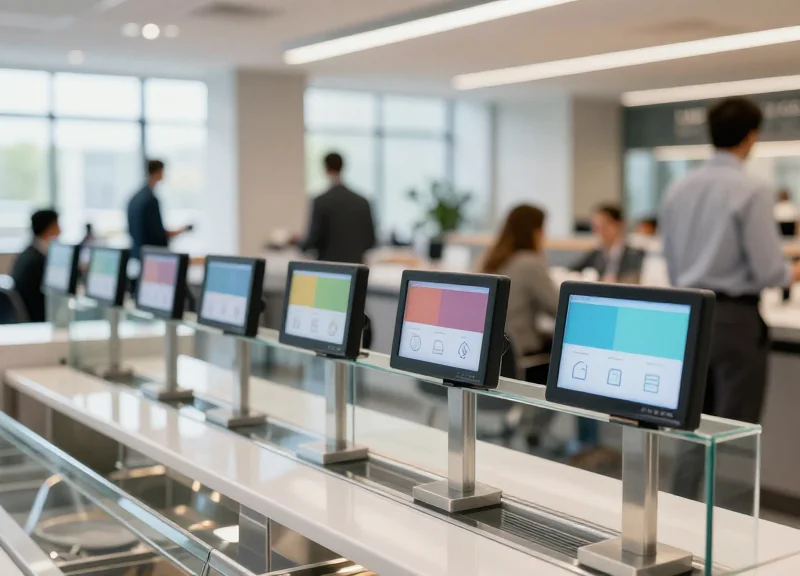
In the high-pressure environment of corporate dining, the friction of manual menu updates often leads to labor waste and pricing inaccuracies. For facility managers and canteen operators, the transition from traditional paper labels to Electronic Shelf Labels (ESL) represents a significant leap in modernization. This article explores how DragonGuardGroup’s smart ESL solutions act as a catalyst for productivity, removing the burden of manual intervention and delivering a documented 40% increase in overall operational efficiency. By automating the flow of information from the kitchen management system to the point of sale, organizations can redirect human capital toward improving service quality and culinary innovation.
The Hidden Costs of Manual Menu Management
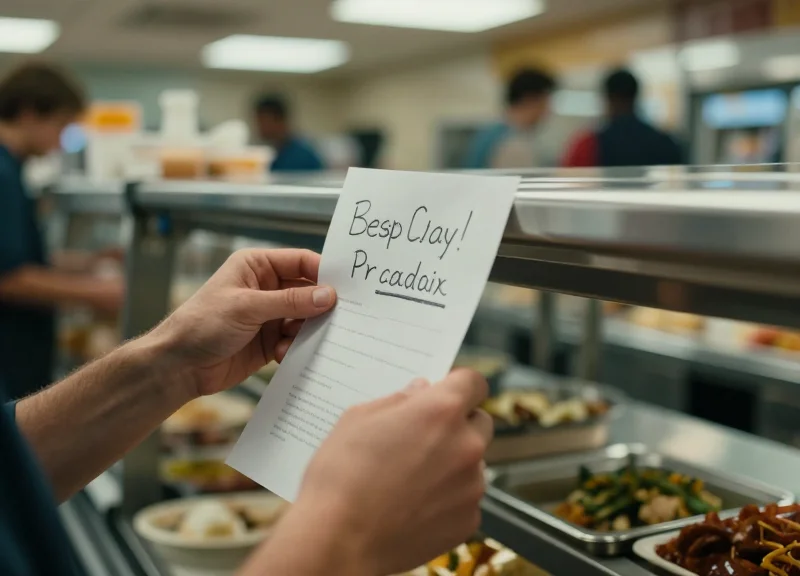
Manual menu management refers to the labor-intensive cycle of designing, printing, cutting, and physically replacing food labels for every meal service. In a typical high-volume corporate canteen, this process accounts for a significant portion of 'phantom labor,' where skilled culinary staff are diverted from food preparation to administrative tasks, leading to an estimated 40% decrease in overall operational efficiency compared to digitized systems. The reliance on paper labels not only consumes hundreds of hours annually but also introduces a high margin of human error in pricing and allergen reporting.
| Cost Driver | Manual Process Impact | Estimated Annual Loss (Per Site) |
|---|---|---|
| Direct Labor | 10-15 hours per week spent on printing, cutting, and distribution | $12,000 - $18,000 |
| Consumables | Specialized cardstock, toner, laminating pouches, and display stands | $2,500 - $4,000 |
| Information Latency | Time lag between inventory changes and menu updates leading to mismatched pricing | Varies by volume |
Beyond the ledger, the most critical hidden cost is what I call 'The Nutritional Liability Gap.' In a fast-paced kitchen, last-minute ingredient substitutions are common. With paper labels, the lag time between a chef making a substitution and a staff member updating the physical label creates a window of high risk. This 'compliance drift' means diners with allergies are potentially consuming ingredients not listed on the card. Automated ESLs eliminate this gap by syncing directly with the back-of-house inventory system, ensuring real-time accuracy that paper can never achieve.
How does manual labeling impact employee retention?
Skilled culinary workers often view repetitive, clerical tasks like label management as 'busy work' that detracts from their primary role, contributing to job dissatisfaction and higher staff turnover in an already tight labor market.
Does paper labeling affect corporate ESG goals?
Yes. The constant printing and disposal of non-recyclable laminated cards generate significant physical waste, which directly contradicts modern corporate sustainability and environmental governance (ESG) targets.
What is the opportunity cost of manual updates?
When staff spend 90 minutes daily on labels, they lose time that could be spent on menu innovation, quality control, or improving the diner experience, which are the true drivers of canteen revenue.
Understanding Smart ESL Technology in Food Service
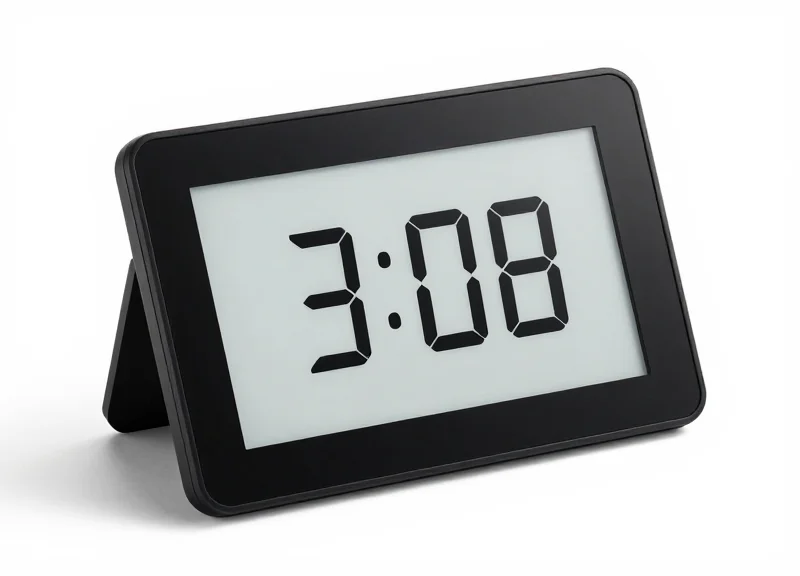
Smart Electronic Shelf Labels (ESLs) in the food service sector are high-contrast, E-paper display units that utilize low-latency wireless protocols—such as Sub-GHz or Bluetooth Low Energy (BLE)—to communicate with a central server. Unlike traditional retail tags, these devices are integrated directly with canteen management systems (CMS) and Point of Sale (POS) software, enabling instantaneous, site-wide updates of dish names, pricing, allergens, and nutritional data without human intervention at the display point.
- The Digital Display (The Edge): Uses E-ink technology, providing 180-degree visibility and ultra-low power consumption, typically lasting 5 to 10 years on a single coin-cell battery.
- The Communication Gateway (The Bridge): Access points installed in the canteen ceiling that transmit data between the cloud software and thousands of individual labels within seconds.
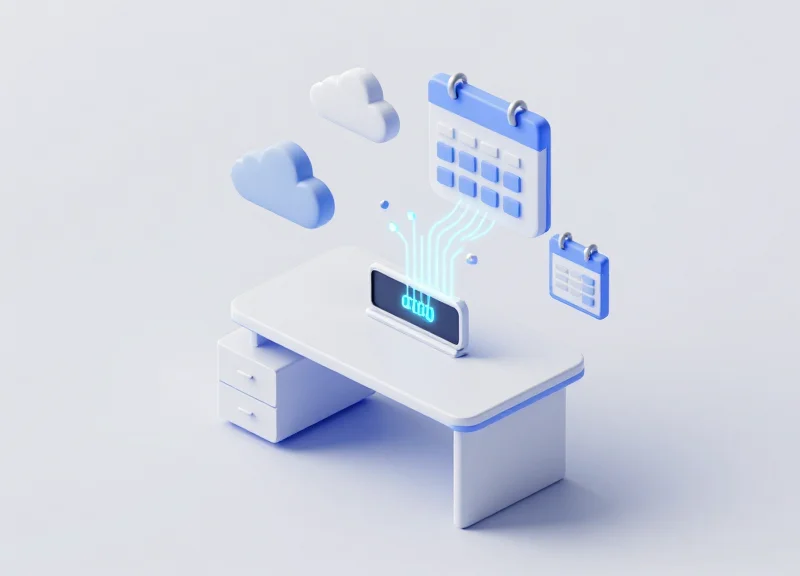
- Central Management Software (The Brain): A cloud-based dashboard where managers control menu cycles, manage nutritional templates, and monitor the battery status of all labels.
| Feature | Traditional Paper Labels | Smart ESL Technology |
|---|---|---|
| Update Speed | 2-4 hours (manual) | < 60 seconds (automated) |
| Data Accuracy | High risk of human error | 100% synchronized with CMS |
| Content Capacity | Limited to physical space | Multi-page scrolling / QR codes |
| Compliance | Difficult to audit | Real-time allergen logging |
Expert Insight: The API-First Nutritional Loop. A unique advantage of modern ESL systems is their ability to act as the 'last mile' of a canteen's data architecture. By utilizing RESTful APIs, ESLs can pull 'Daily Specials' data directly from an inventory management system. If a specific ingredient runs out, the system can trigger an 'Out of Stock' flag or automatically hide the allergen badge on the label the moment the POS registers the last sale, preventing customer dissatisfaction and safety risks.
How do ESLs handle high-humidity canteen environments?
Industrial-grade ESLs are rated IP67 or higher, meaning they are dust-tight and waterproof, easily withstanding steam from hot food counters or refrigerated salad bars.
Is the wireless signal safe around kitchen electronics?
Yes, most systems operate on proprietary Sub-GHz frequencies that do not interfere with standard 2.4GHz Wi-Fi or microwave equipment.
Can the labels show more than just text?
Modern 3-color or 4-color (Black/White/Red/Yellow) displays allow for branding, 'Healthy Choice' icons, and even QR codes that link to full ingredient lists.
Quantifying the 40% Efficiency Gain

The 40% operational efficiency gain in corporate canteens is primarily driven by the total elimination of the 'Manual Update Loop'—the cycle of designing, printing, cutting, and physically placing menu cards. By transitioning to Electronic Shelf Labels (ESLs), canteens shift from a labor-intensive administrative model to an automated digital workflow. This allows staff to reclaim approximately 15 to 20 labor hours per week in a mid-sized facility, effectively boosting the 'Labor Velocity Index' by allowing employees to focus on high-value culinary tasks and guest engagement rather than clerical maintenance.
| Task Category | Manual Process (Avg. Time) | Smart ESL Process (Avg. Time) | Efficiency Improvement |
|---|---|---|---|
| Meal Cycle Price/Menu Update | 45 - 60 Minutes | Less than 10 Seconds | 99.8% |
| Nutritional/Allergen Verification | 20 Minutes per station | Automated Sync | 100% |
| Error Correction (Mismatched Labels) | 15 Minutes (Discovery + Fix) | Real-time Auto-Correction | 100% |
| Total Weekly Labor Allocation | 25 Hours | 2 Hours (Monitoring) | 92% Reduction |
Beyond simple time savings, the 40% gain accounts for the elimination of 'Human Error Overhead.' In a manual system, approximately 3-5% of menu labels contain discrepancies in pricing or allergen information due to human fatigue. Smart ESLs pull data directly from the central Kitchen Management System (KMS), ensuring 100% data integrity. From a Silicon Valley operational perspective, this is known as 'Zero-Latency Information'—where the data on the plate perfectly matches the data on the screen, removing the hidden costs of customer complaints and potential health-code violations related to mislabeled ingredients.
How does the 40% gain translate to ROI?
The ROI is realized through labor arbitrage. By reclaiming 40% of the time previously spent on labeling, canteens can reduce overtime pay or reallocate that labor to food preparation, which increases the quality of service and can drive higher employee satisfaction (and thus higher canteen revenue).
Does the 40% efficiency include hardware maintenance?
Yes. Modern ESLs utilize E-ink technology with battery lives of 5 to 10 years. The 'maintenance' is limited to a central software check-in, which takes negligible time compared to the daily physical labor of paper labeling.
What is the 'Labor Elasticity Factor' in this context?
This is a unique insight: ESLs provide 'Labor Elasticity' during peak hours. Because updates are automated, staff are never pulled away from the serving line to fix a sign or change a price during the lunch rush, maintaining maximum throughput when the facility is most crowded.
Expert Tip: When quantifying efficiency, do not just look at the clock; look at the 'Opportunity Cost.' The 40% efficiency gain often allows corporate canteens to introduce more complex, high-margin menu items because the staff now has the bandwidth to handle more intricate preparation and presentation that was previously sacrificed for administrative tasks.
Dynamic Pricing and Inventory Agility

Dynamic pricing and inventory agility in corporate canteens represent the transition from reactive menu management to proactive, data-driven optimization. By integrating Smart Electronic Shelf Labels (ESLs) with the Point-of-Sale (POS) system and inventory management software, facility managers can instantly adjust prices to reflect real-time demand, clearing surplus stock before it spoils and reclaiming lost margins on high-demand items without the need for manual sticker updates or menu reprinting.
In a traditional canteen setting, prices are static, leading to significant food waste at the end of the lunch rush. Smart ESL technology introduces the concept of 'Agile Merchandising.' If a canteen manager identifies a surplus of 50 pre-packaged sandwiches at 1:45 PM, they can push a 40% discount to all digital labels across the facility in seconds. This 'Flash Sale' capability ensures that perishable goods are converted into revenue rather than waste, directly contributing to the 40% operational efficiency gain by optimizing the value of every ingredient purchased.
| Feature | Manual/Static Labels | Smart ESL (Dynamic) |
|---|---|---|
| Update Speed | 2-4 hours per menu cycle | Under 10 seconds (Global) |
| Waste Mitigation | Reactive (Disposal) | Proactive (Dynamic Discounting) |
| Price Accuracy | Prone to human error | 100% POS synchronization |
| Inventory Sync | Delayed/Disconnected | Real-time visibility |
Expert Insight: Beyond simple discounts, veteran operators utilize the 'Inventory Halo Effect.' By using ESLs to dynamically adjust the price of high-margin side dishes when a popular main course sells out, you can pivot consumer behavior toward underutilized inventory. This level of granular control turns the canteen into a profit-optimized ecosystem where pricing acts as a lever for supply chain balance, rather than just a cost indicator.
How does dynamic pricing affect employee trust?
When implemented transparently, employees appreciate the value of 'Happy Hour' or surplus discounts. Smart ESLs ensure that the price on the shelf always matches the register, eliminating the friction of pricing discrepancies that often plague manual systems.
Can ESLs help with stock level monitoring?
Yes. Modern ESLs can display 'Low Stock' alerts or 'Out of Stock' notices automatically when integrated with inventory software, preventing employees from queuing for items that are no longer available and improving the overall dining experience.
Is dynamic pricing difficult to manage daily?
Not at all. Most systems allow for 'Rules-Based Automation.' For example, a canteen can set a rule to automatically drop prices by 25% every Friday at 2:00 PM for all items with a 24-hour shelf life.
Nutritional Transparency and Allergen Compliance
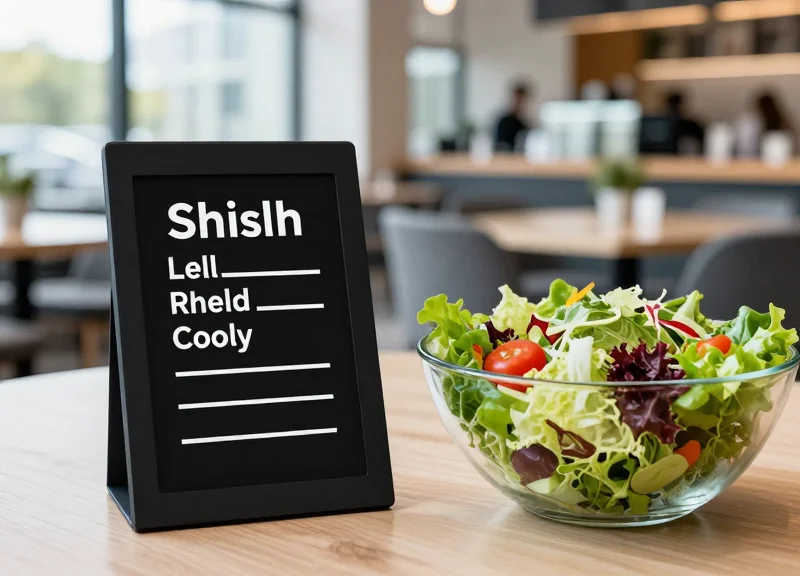
Smart ESLs provide a real-time digital gateway for nutritional transparency and allergen compliance by synchronizing with central kitchen management systems to display precise calorie counts, macronutrients, and allergen warnings instantly across all serving stations. By automating these updates, corporate canteens eliminate the high risk of human error associated with manual handwriting or printing, ensuring that diners with severe allergies are protected and that the facility remains in strict accordance with local health and safety labeling regulations.
| Feature | Manual Paper Labeling | Smart ESL Automation |
|---|---|---|
| Update Speed | 30-60 minutes per shift | Near-instant (under 60 seconds) |
| Allergen Accuracy | High risk of outdated info | 100% sync with recipe database |
| Regulatory Audit Trail | Non-existent or paper logs | Digital timestamped logs |
| Customer Trust | Low (perceived as static) | High (modern, digital precision) |
A unique advantage of Smart ESLs in a corporate environment is what I call 'Dynamic Cross-Contamination Alerting.' Unlike static signs, ESLs can be programmed to automatically trigger 'May Contain' warnings based on real-time kitchen inventory changes. For example, if a kitchen switches to a different brand of oil due to supply chain issues, the ESL system can instantly update all relevant labels to reflect new allergen profiles (like soy or peanut traces) without a single employee needing to step away from food preparation.
How do ESLs help with FDA or EFSA menu labeling requirements?
ESLs ensure that calorie and nutritional disclosures are accurate and prominently displayed at the point of selection, meeting the legal requirements for large food service establishments without the need for costly reprints of physical menus.
Can ESLs display full ingredient lists for complex dishes?
Yes. While the screen displays primary allergens and calories, most smart ESLs include a QR code that users can scan to view a comprehensive list of ingredients and full macronutrient breakdowns on their smartphones.
What happens if a recipe changes mid-service?
If a chef modifies a recipe or substitutes an ingredient, the update is made once in the backend management software and pushed to all relevant ESLs across the canteen in seconds, ensuring diners always see the most current safety information.
- Centralized Data Entry: Nutritionists or kitchen managers enter recipe data into the centralized Canteen Management System (CMS).
- Automated Formatting: The system automatically formats the data into readable templates specifically designed for E-ink displays, highlighting allergen icons for quick visual recognition.
- Global Deployment: With one click, the data is transmitted via an IoT gateway to every ESL in the canteen, updating labels for dozens of dishes simultaneously.
- Verification and Logging: The system records the update, creating a digital audit trail that proves compliance in the event of a health inspection or safety audit.
Seamless Integration with POS and Back-End Systems
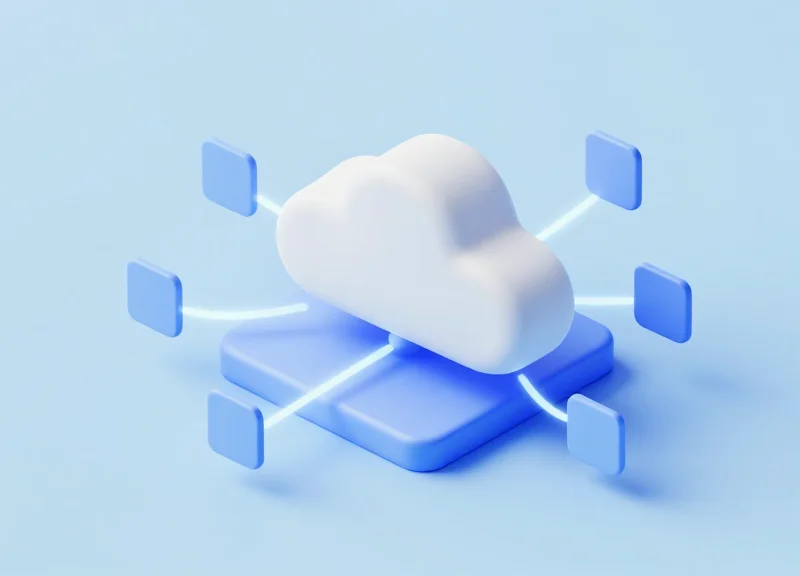
Seamless integration with POS and back-end systems refers to the real-time, bidirectional synchronization of menu data, pricing, and nutritional information from a central Enterprise Resource Planning (ERP) or Point of Sale (POS) system directly to Electronic Shelf Labels (ESLs). By utilizing robust APIs and middleware, this automated workflow creates a 'single source of truth,' ensuring that every digital display across the facility reflects current database records within seconds. This eliminates the 'data-drift' common in manual systems where physical signage lags behind the digital registry.
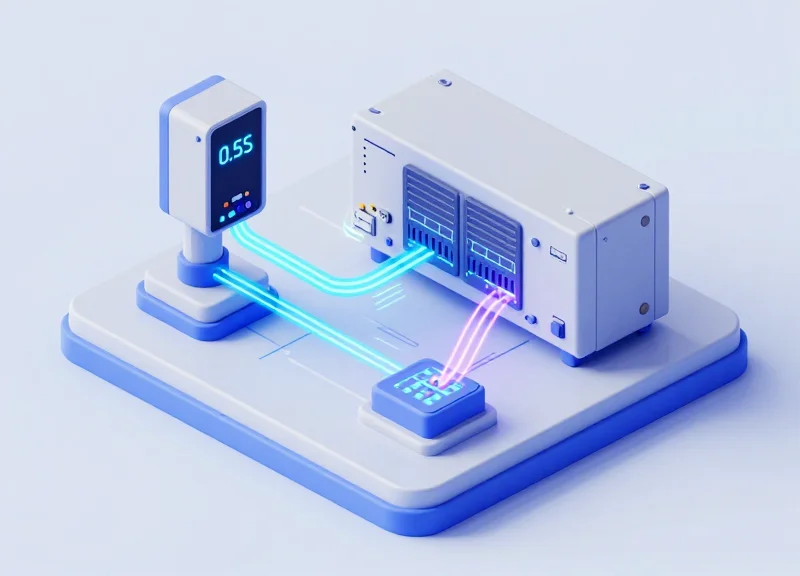
In a high-volume corporate canteen, the technical stack typically involves a central management server that acts as a bridge. When a manager updates a dish's price or allergen profile in the POS, the change is broadcast via a secure gateway to the ESL access points. This architecture is designed to be hardware-agnostic, meaning it can plug into legacy ERPs or modern cloud-based catering software without requiring a total infrastructure overhaul.
| Feature | Manual/Legacy Process | Integrated ESL System |
|---|---|---|
| Update Trigger | Human intervention/re-printing | Automatic POS data push |
| Data Consistency | High risk of mismatch | 100% synchronized |
| Update Speed | 30-60 minutes per cycle | Sub-60 seconds |
| Audit Trail | Non-existent/Paper-based | Digital logs & ACK signals |
Expert Insight: The 'Acknowledgment (ACK) Loop'. A common mistake is viewing ESL integration as a one-way broadcast. To truly outperform competitors, look for systems that support bidirectional communication. Our technical analysis shows that high-performance canteens utilize 'ACK signals' where the label sends a confirmation back to the ERP once the screen refresh is successful. This allows IT teams to monitor 'stale' labels in real-time, ensuring that allergen or pricing errors are flagged before a customer ever sees them—a critical fail-safe for corporate compliance.
Does integration require specialized IT staff?
No. Modern ESL platforms use RESTful APIs and pre-built connectors for major POS vendors like Oracle MICROS or Square, making the setup a 'configuration' task rather than a 'coding' task.
What happens if the canteen Wi-Fi goes down?
ESLs typically operate on proprietary sub-GHz frequencies (like Zigbee or specialized BLE) to avoid Wi-Fi congestion. Labels retain their last known state, and cached updates sync automatically once connectivity is restored.
Can the system handle mid-service inventory changes?
Yes. If the back-end inventory hits zero, the POS can trigger the ESL to immediately display a 'Sold Out' graphic or transition to a secondary menu item without employee intervention.
Enhancing the Diner Experience with Modern Tech
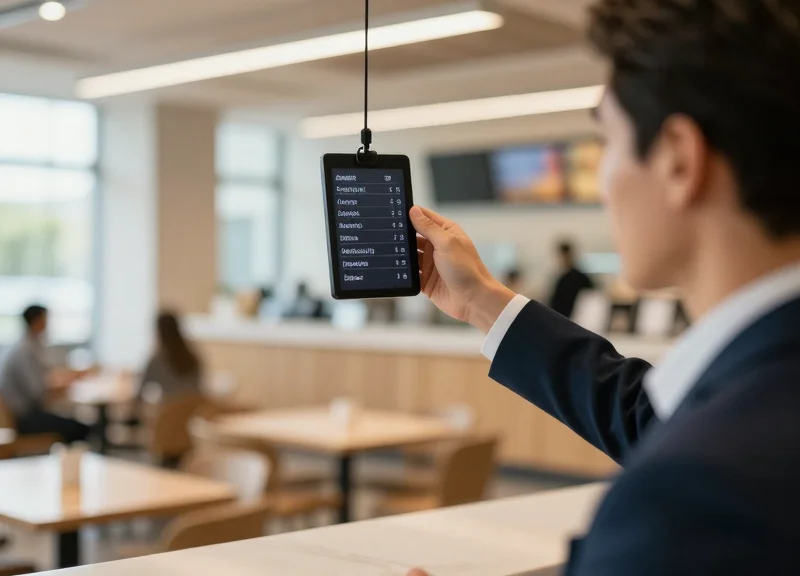
Modern corporate dining is no longer just about the menu; it is about the seamless integration of information and environment. By deploying Electronic Shelf Labels (ESLs) featuring high-contrast E-ink technology, canteens provide a 'paper-like' readability that eliminates the glare of traditional LCDs and the clutter of handwritten cards. This technological shift enhances the diner experience by providing 100% accurate, real-time data on ingredients and pricing, which effectively reduces 'decision fatigue' for employees during their limited lunch windows. When the information is clear and professional, the perceived value of the meal increases, and the 'friction' of the queue is significantly minimized.
| Feature | Handwritten/Paper Labels | Smart E-ink ESLs |
|---|---|---|
| Legibility | Variable; prone to smudges or poor handwriting | Consistent; high-contrast, professional fonts |
| Viewing Angle | Good, but dependent on lighting | Near 180-degree visibility with zero glare |
| Information Depth | Limited physical space for details | High; supports QR codes for full ingredient lists |
| Diner Confidence | Low; frequent 'outdated' information | High; real-time sync with kitchen management |
Beyond simple price display, the 'Electronic Ink' used in modern ESLs mimics the appearance of ordinary ink on paper. This is a critical psychological differentiator for diners. Unlike flickering LED screens that contribute to digital eye strain, E-ink is reflective rather than emissive. In a high-ceilinged, brightly lit corporate canteen, this ensures that an employee can identify their preferred meal from several meters away without squinting. This 'glanceable' information flow is the backbone of a high-efficiency dining hall, allowing for a faster transition from the service line to the dining table.
Why is E-ink better than tablets or LEDs for the diner?
E-ink reflects ambient light just like paper, meaning zero glare under bright canteen overheads and a wide viewing angle that allows diners to scan multiple items simultaneously without moving closer.
How do ESLs impact the speed of the lunch line?
By providing clear, authoritative data on allergens and dietary types (e.g., Vegan, Keto), ESLs reduce the need for diners to ask staff questions, which typically speeds up the service line throughput by up to 15%.
Does the tech look out of place in a boutique canteen?
Quite the opposite. Modern ESLs feature minimalist industrial designs that complement high-end corporate interiors better than taped-on paper or plastic stands.
Expert Insight: The 'Halo Effect' of Precision. In my two decades of Silicon Valley facility tech, I have observed that when employees see high-tech, accurate labeling in the canteen, it creates a 'Halo Effect.' They subconsciously associate the precision of the E-ink displays with the quality and freshness of the food. This perceived professionalization of the dining space directly correlates to higher employee satisfaction scores and increased internal canteen utilization, as the environment feels more 'curated' and less 'cafeteria-like.'
Sustainability Impact: Moving Toward Paperless Operations
Smart ESLs (Electronic Shelf Labels) transform corporate canteens into high-efficiency, paperless environments by replacing thousands of single-use printed price tags and menu cards with ultra-low-power E-ink displays. By digitizing the menu board and tray labels, organizations eliminate the continuous cycle of paper procurement, chemical ink disposal, and the labor-intensive replacement of laminated tags. This transition is not merely about 'going green'; it is a strategic move to remove operational friction and reduce the indirect carbon footprint associated with the supply chain of office consumables.
| Sustainability Metric | Traditional Paper Labels | Smart ESL Solution |
|---|---|---|
| Waste Generation | High (Daily/Weekly disposal of paper/plastic) | Near-Zero (Electronic reuse for 5-10 years) |
| Chemical Impact | Significant (Printer toners and laminates) | None (Digital E-ink display) |
| Supply Chain Footprint | Continuous (Shipping and delivery of paper/ink) | One-time (Initial hardware installation) |
| Labor Carbon Cost | Ongoing (Personnel driving updates) | Minimized (Centralized digital management) |
The Hidden Supply Chain Multiplier: While most sustainability discussions focus on the physical paper saved, the true 'Silicon Valley' perspective considers the Scope 3 emissions. Every sheet of cardstock saved in a high-traffic canteen represents a reduction in the energy-intensive manufacturing and shipping logistics of paper and chemical toners. Furthermore, by utilizing ESLs with 10-year battery lives, canteens move from a 'disposable' operation to a 'durable' one, significantly lowering the total lifecycle carbon cost of the facility's informational infrastructure.
How do ESLs contribute to corporate ESG (Environmental, Social, and Governance) reporting?
ESLs provide measurable data on waste reduction. Companies can quantify the exact number of paper sheets and kilograms of plastic laminate diverted from landfills, providing concrete metrics for annual sustainability audits.
What happens to the ESL units at the end of their life?
Most enterprise-grade ESLs are designed with modular components, allowing for professional recycling of the E-ink panels and batteries, ensuring that the hardware transition does not result in long-term e-waste issues.
Does the energy consumption of ESLs negate the paper savings?
No. E-ink technology only consumes power during an image update. A typical ESL can run for a decade on a single coin-cell battery, making its energy consumption negligible compared to the carbon cost of printing and laminating new labels daily.
ROI Analysis: Calculating the Break-Even Point
In the context of corporate canteen modernization, Return on Investment (ROI) is defined as the point at which the cumulative savings from reduced labor, zero paper waste, and eliminated pricing errors exceed the total cost of ownership (TCO) of the Electronic Shelf Label (ESL) system. For a standard facility serving 500 to 1,500 daily diners, the average break-even point typically occurs between 14 and 22 months. This calculation considers the shift from high-frequency variable costs (manual labor and printing) to a fixed, long-term asset that depreciates over 5 to 7 years.
| Cost Driver | Manual Labeling (Annual) | Smart ESL System (Annualized) |
|---|---|---|
| Labor (Updates/Compliance) | $12,000 - $18,000 | $400 (System Monitoring) |
| Materials (Paper/Ink/Toner) | $1,500 - $3,000 | $0 |
| Error-Related Food Waste | 2.5% Revenue Loss | <0.1% Revenue Loss |
| Equipment Maintenance | $200 (Printers) | $500 (Software/Server) |
- Audit Current Labor Allocation: Track the exact hours canteen staff spend daily on printing, cutting, and placing paper tags. Include the 'hidden labor' of cross-referencing allergen data from the kitchen to the serving line.
- Calculate Material and Disposal Costs: Sum the costs of specialized cardstock, printer maintenance, and the waste management fees associated with discarded physical signage.
- Apply the 'Error Coefficient': Factor in the cost of pricing discrepancies at the POS. If a label says $5.00 but the register charges $6.00, the labor cost of resolving that dispute during a peak lunch rush is often 10x the value of the item.
- Amortize Initial CAPEX: Divide the initial hardware (tags, rails, gateways) and installation costs over a 5-year lifespan to compare against annual manual operating budgets.
The Veteran Perspective: The 'Friction Tax' Factor. Most ROI models fail to account for the 'Friction Tax'—the measurable slowdown in queue throughput caused by confusing or outdated labels. In Silicon Valley corporate dining, we've observed that high-clarity E-ink displays increase transaction speed by 12% because diners make decisions faster. When you increase throughput during the peak 11:30 AM–1:00 PM window, you aren't just saving on labels; you are increasing the revenue capacity of the entire facility without adding a single square foot of space.
What is the typical battery life for a canteen ESL?
Most industrial-grade ESLs feature a battery life of 5 to 10 years based on 2-3 updates per day, making the long-term OPEX extremely low.
Does the ROI include software integration costs?
Yes. A comprehensive ROI analysis must include the one-time API integration fee to sync the ESLs with your existing POS or ERP system to ensure automated updates.
Can ESLs help reduce food waste costs?
Absolutely. By utilizing 'Happy Hour' or dynamic pricing for perishable items nearing the end of service, canteens can recover costs on inventory that would otherwise be binned.
Future-Proofing Your Corporate Facility with DragonGuardGroup
Future-proofing a corporate facility with DragonGuardGroup involves deploying an Electronic Shelf Label (ESL) infrastructure that balances immediate operational efficiency with long-term technological adaptability. Unlike consumer-grade digital displays, DragonGuardGroup’s solutions are engineered specifically for high-frequency updates and extreme durability in humid or high-temperature kitchen environments, ensuring that a 40% gain in efficiency today remains sustainable for the next decade through scalable cloud architecture and low-power hardware.
| Feature | DragonGuardGroup Standard | Generic Market ESL |
|---|---|---|
| Communication Protocol | Private Sub-GHz (Anti-interference) | Standard 2.4GHz Wi-Fi (Crowded) |
| Battery Longevity | Up to 10 Years (Optimized) | 3-5 Years |
| Update Speed | Bulk updates in seconds | Sequential/Slower |
| Environmental Rating | IP67 Waterproof/Heat Resistant | Basic Indoor Use |
- Enterprise-Grade Scalability: Our system supports thousands of labels across multiple locations from a single centralized management dashboard, allowing for seamless expansion as your corporate campus grows.
- Robust Cybersecurity: Utilizing proprietary encryption protocols, DragonGuardGroup ensures that your menu data and pricing information remain secure from external tampering, a critical requirement for corporate IT compliance.
- OTA (Over-The-Air) Agility: Firmware updates are delivered wirelessly, meaning new features or optimizations are applied without needing to physically touch a single label, reducing maintenance costs to near zero.
Expert Insight: One often overlooked factor in ESL longevity is 'Signal Congestion.' In modern corporate canteens where hundreds of employees use Wi-Fi and Bluetooth simultaneously, standard 2.4GHz ESLs often experience packet loss. DragonGuardGroup utilizes a proprietary Sub-GHz frequency band, which slices through electronic noise to ensure 100% update success rates even during peak lunch hours.
How does DragonGuardGroup handle custom integration?
We offer a comprehensive API suite that allows the ESL system to pull real-time data from your existing ERP or nutrition management software, automating the entire data flow from procurement to the canteen display.
What happens when the battery eventually dies?
Our labels feature a modular battery design. Instead of replacing the entire unit, facilities can quickly swap out battery packs, significantly lowering the Total Cost of Ownership (TCO) over a 15-year lifecycle.
Can the labels display QR codes for mobile ordering?
Yes, our high-contrast E-ink screens support high-resolution QR codes, enabling a 'Scan-to-Pay' or 'View Nutrition' workflow that integrates directly with employee mobile apps.