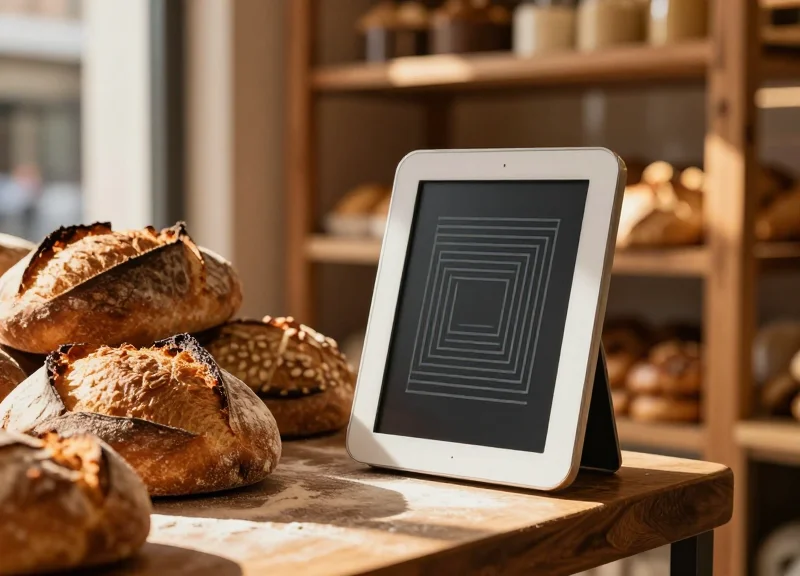
In the world of artisanal baking, the sensory experience is everything—from the aroma of sourdough to the rustic charm of a hand-lettered chalkboard. However, as we move toward 2026, manual price updates and allergen disclosures are becoming a bottleneck for growing businesses. The challenge lies in adopting modern technology without sacrificing the cozy, handmade aesthetic that defines your brand. This guide explores how Electronic Shelf Labels (ESL) have evolved beyond clinical 'big-box store' looks to offer sophisticated, high-resolution solutions that enhance, rather than distract from, your premium bakery display.
The Evolution of Digital Labels in Craft Environments
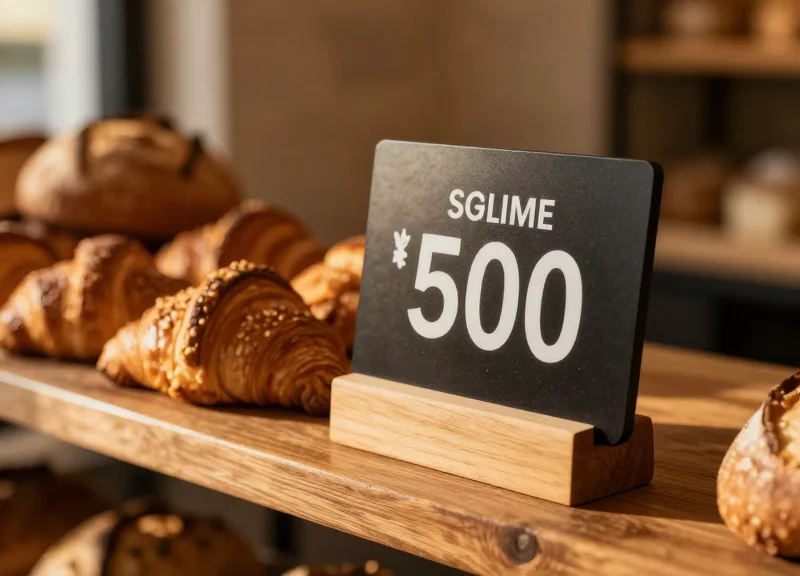
The evolution of digital labels in craft environments represents a pivotal shift from utilitarian, industrial-grade liquid crystal displays (LCDs) to high-resolution Electronic Shelf Labels (ESLs) that mimic the texture and clarity of physical ink on paper. In 2026, this evolution has reached a peak where digital signage no longer conflicts with the 'handmade' ethos of an artisanal bakery but rather enhances it through customizable frames, matte finishes, and instant synchronization with local inventory systems.
| Feature | Legacy Industrial ESL (2010s) | Premium Craft ESL (2026) |
|---|---|---|
| Display Tech | Low-contrast segmented LCD | Full-color high-DPI E-paper |
| Housing Material | Grey/White ABS Plastic | Brushed Copper, Bamboo, or Slate |
| Information Depth | Price only | Price, QR for Allergens, Baker’s Story |
| Integration | Proprietary RF Hubs | NFC and Bluetooth 6.0 Connectivity |
Historically, the 'Artisanal Resistance' to digital labeling was rooted in aesthetics. Early electronic labels looked cheap and sterile, clashing with the warmth of a fresh-baked sourdough or a delicate croissant. However, the 2026 generation of labels has solved this by utilizing multi-color E-paper technology that achieves 300+ DPI. This allows for elegant serif typography and complex brand logos to be displayed without the 'pixelated' look of the past. Furthermore, the integration of ambient light sensors ensures these tags dim or brighten to match the bakery's mood lighting, maintaining a seamless atmosphere.
Why did bakeries wait so long to adopt ESL technology?
The primary barriers were visual friction and high entry costs. Until recently, digital tags felt like supermarket equipment; today’s premium models are designed as jewelry-grade accents that fit the boutique nature of high-end bakeries.
What is the 'Haptic Gap' in modern labeling?
This is a 2026 design concept where digital labels are fitted with tactile frames—like reclaimed wood or cold-pressed ceramic—to bridge the gap between digital data and the physical, sensory experience of a craft bakery.
Is the transition purely about aesthetics?
No. While aesthetics lead the decision for premium brands, the evolution also includes 'Dynamic Freshness Pricing,' allowing bakeries to automatically discount items as they approach closing time without messy manual relabeling.
Expert Insight: In my two decades of retail tech strategy, the most significant breakthrough I have observed for 2026 is the 'Invisible Tech' trend. The best digital labels today don't look like technology at all; they look like a master calligrapher just stepped away from the counter. For an artisanal bakery, the goal is to use the efficiency of the Silicon Valley backend—automated price updates and inventory tracking—while presenting a front-end that feels as timeless as a centuries-old recipe.
Aesthetic Harmony: Matching ESLs with Your Bakery Decor
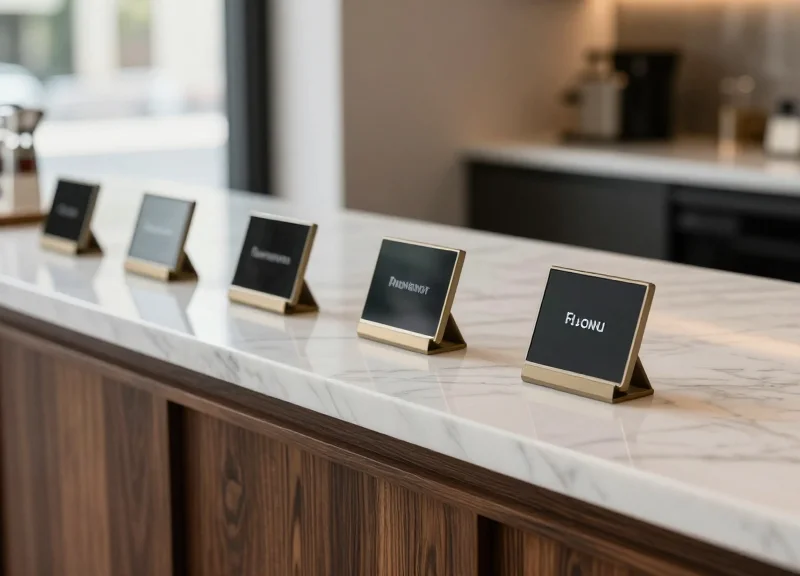
To achieve aesthetic harmony in an artisanal bakery, Electronic Shelf Labels (ESLs) must transcend their digital origins by utilizing matte, anti-glare e-paper displays and specialized bezel finishes—such as wood-grain overlays or matte black textures—that complement the organic shapes and warm tones of hand-crafted bread. In 2026, the goal is 'invisible technology,' where the price tag provides high-tech functionality without disrupting the traditional, tactile atmosphere of the boutique bakery experience.
| Decor Style | Recommended Bezel Finish | Display Characteristic | Visual Impact |
|---|---|---|---|
| Rustic / Farmhouse | Walnut or Oak Grain | Sepia-toned E-paper | Enhances earthy tones; feels like traditional wood-carved signage. |
| Industrial Chic | Brushed Steel or Matte Slate | High-Contrast Black/White | Clean lines that match metal racking and exposed brick. |
| Modern Minimalist | Bezel-less or White Matte | Ultra-thin Profile | Disappears into marble counters; focuses entirely on the product. |
| Classic French Patisserie | Champagne Gold or Cream | Three-color (Black/White/Red) | Adds a touch of luxury while highlighting specialty pricing or allergens. |
The shift toward 'premium aesthetics' in digital labeling hinges on the elimination of plastic glare. Standard retail ESLs often feature glossy screens that catch overhead spot lighting, creating a 'digital barrier' between the customer and the product. For 2026, top-tier artisanal labels utilize chemically etched anti-glare glass. This ensures that whether a customer is looking at a sourdough boule or a delicate macaron, the pricing information remains legible from all angles without the distracting shimmer typical of low-cost electronics.
- Choose Matte Over Gloss: Select displays specifically labeled as 'Paper-white Matte' to ensure the screen texture mimics high-quality cardstock rather than a smartphone screen.
- Leverage Custom Snap-on Frames: Utilize modular housing systems that allow you to swap plastic bezels for authentic materials like wood, silicone, or metal to match seasonal decor changes.
- Color Temperature Alignment: Ensure the 'white' background of your ESL matches the Kelvin temperature of your bakery lighting; avoid 'cool-blue' digital whites in a space lit by warm Edison bulbs.
Expert Insight: The 'Warm-White' Spectral Shift. A common mistake in bakery design is ignoring the 'Paper White' variance. In 2026, premium ESL manufacturers have introduced 'Warm-White' e-paper specifically for the food industry. Unlike the stark, blue-tinted whites used in big-box electronics stores, these displays have a subtle cream undertone. This small spectral shift prevents the labels from looking like 'tech gadgets' and instead makes them appear as natural extensions of your parchment paper or flour-dusted surfaces.
Will wooden frames interfere with the ESL signal?
No. Most high-quality wood-grain frames are made of thin veneers or non-metallic composites that allow Sub-Giga or Bluetooth signals to pass through without interference.
How do I clean matte-finish ESLs without ruining the texture?
Use a dry microfiber cloth or a screen cleaner specifically designed for e-readers. Avoid harsh solvents that can strip the anti-glare coating.
Are 'Red' accent colors on ESLs too distracting for high-end bakeries?
Not if used sparingly. Use the red e-ink strictly for 'Limited Batch' or 'Award Winning' callouts rather than price slashes to maintain a premium feel.
Technical Standards for 2026: High Resolution and E-Paper
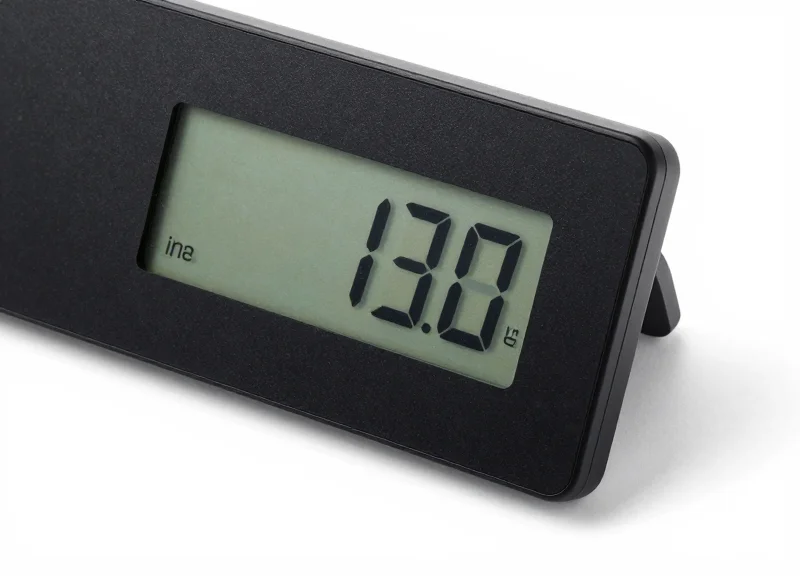
In 2026, the technical baseline for artisanal digital price tags has shifted from 'legibility' to 'visual fidelity.' Premium bakery environments now require Electronic Shelf Labels (ESLs) with a minimum resolution of 184 DPI (Dots Per Inch) and advanced Electrophoretic Display (EPD) technology. These standards ensure that delicate serif fonts, cursive scripts, and intricate brand logos appear as sharp and organic as high-end offset printing, eliminating the 'digital' look that often clashes with the warmth of a rustic sourdough display.
| Feature | Standard (2024 Legacy) | Premium Standard (2026) |
|---|---|---|
| Pixel Density | 110 - 130 DPI | 184 - 200+ DPI |
| Color Palette | 3-Color (B/W/Red) | 4-Color (B/W/Red/Yellow) or Full Spectrum |
| Viewing Angle | 160 Degrees | 178 Degrees (Full Hemispherical) |
| Contrast Ratio | 8:1 | 12:1 or higher |
The move to 4-color e-paper is particularly transformative for bakeries. While previous generations struggled with muddy reds, 2026's advanced pigment-based EPDs provide vibrant yellows and deep crimsons. This allows for 'fresh out of the oven' highlighting and allergen warnings that integrate seamlessly with the bakery's brand palette rather than looking like an industrial warning sign.
Why is DPI more important for bakeries than hardware stores?
Bakeries often use elegant, thin-stroke typography to convey premium quality. Low DPI causes 'staircasing' or aliasing on these fonts, making the brand look cheap. High DPI preserves the typographic integrity of your brand's unique identity.
Does high resolution drain the battery faster?
No. Because E-paper is bi-stable, energy is only consumed during the image refresh. Once the price or product info is set, the high-resolution image remains indefinitely without power, maintaining a 7-10 year battery life.
Is the display readable under bright, warm bakery lighting?
Yes. Unlike LCD screens that suffer from glare, 2026 EPD standards utilize anti-glare matte coatings that mimic the reflective properties of real paper, making them perfectly readable under warm spotlights.
Expert Insight: The Anti-Aliasing Threshold. When selecting your 2026 hardware, look for 'sub-pixel rendering' capabilities. My original recommendation for this cycle is to prioritize displays that can handle 16-level grayscale transitions. This technical nuance allows your digital tags to render the soft shadows of a croissant illustration or the textured grain of a baguette logo with a level of realism that 2-bit displays simply cannot achieve. If the display can't pass the 'script font test'—where a signature-style font looks hand-written rather than computerized—it doesn't belong in a premium bakery.
Durability Requirements: Heat, Flour, and Humidity
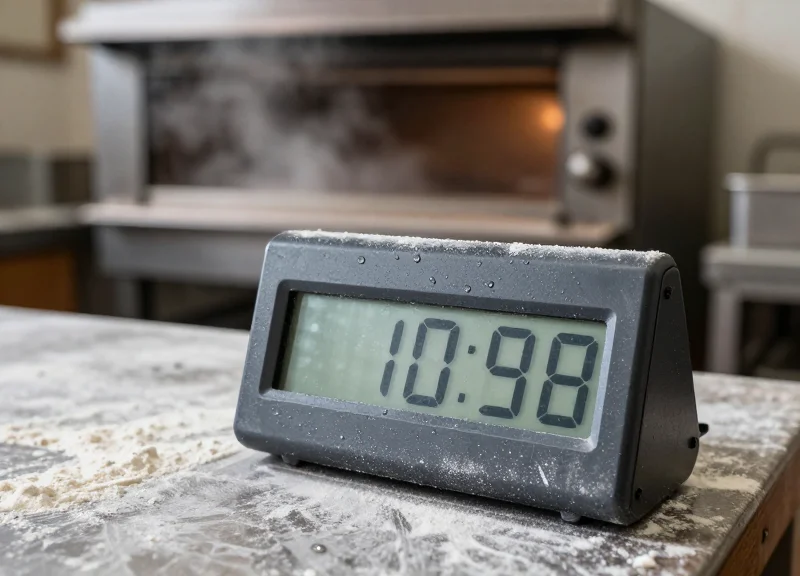
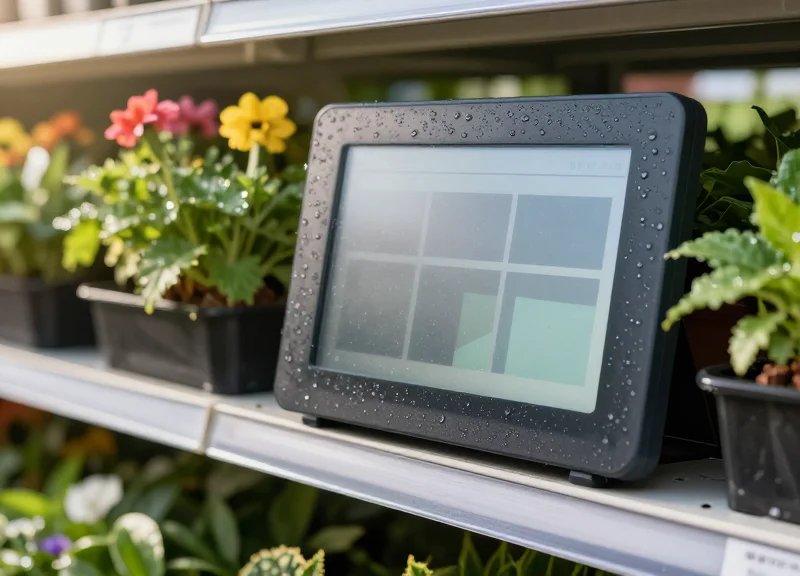
In a premium bakery environment, digital price tags (ESLs) face a triad of environmental stressors rarely encountered in standard retail: airborne flour dust, high-moisture condensation, and localized heat from fresh-out-of-the-oven displays. To ensure a return on investment in 2026, hardware must exceed basic consumer electronics standards, specifically targeting an IP67 (Ingress Protection) rating which guarantees the device is dust-tight and can withstand temporary immersion in water or heavy steam cleaning without compromising the e-paper display or battery longevity.
| Environmental Factor | Standard Retail ESL | Artisanal Bakery Requirement (2026) | Why It Matters |
|---|---|---|---|
| Dust Ingress | IP54 (Limited Protection) | IP65 or IP67 (Dust-Tight) | Fine flour can penetrate seals and cause short circuits. |
| Operating Temp | 10°C to 40°C | 0°C to 50°C | Needed for both refrigerated cases and warm bread racks. |
| Humidity | Non-condensing | Up to 95% RH (Condensing) | Steam-injected crusts create high-moisture zones. |
The unique challenge for bakeries is the 'Capillary Effect' of organic dust. Fine flour is not just a particle; it acts as a wick. When flour settles on a poorly sealed ESL bezel, it draws in ambient moisture from the air or cleaning sprays, creating a corrosive paste that can degrade traditional rubber gaskets over time. For 2026, premium manufacturers are moving toward ultrasonic welding and vacuum-bonded seals rather than simple adhesive gaskets to prevent this microscopic infiltration.
Can digital tags handle the heat of a display case directly next to the oven?
Most high-end ESLs are rated up to 50°C (122°F). While they shouldn't be inside the oven, they are perfectly stable on shelves holding warm sourdough or pastries, provided they feature thermal-compensated battery chemistry.
How do you clean flour off the tags without damaging them?
Because premium bakery tags are IP67 rated, they can be wiped down with damp microfiber cloths or mild sanitizing solutions. Avoid abrasive scouring pads which can micro-scratch the anti-glare matte finish essential for readability.
Do humidity fluctuations cause the e-paper to fog?
Fogging occurs in cheaper units with air gaps. Leading 2026 models use optical bonding—filling the space between the display and the protective lens with a clear resin—to eliminate internal condensation entirely.
Expert Tip: When selecting hardware, ask vendors for the 'Flour-Resistance Grade.' While not an official ISO standard, many 2026 premium labels now use oleophobic (oil-repelling) coatings on the screen. This prevents the oils from enriched doughs and buttery pastries from leaving permanent smudges, maintaining that clean, artisanal aesthetic even during the morning rush.
Dynamic Pricing and Inventory Syncing
Dynamic pricing and inventory syncing for artisanal bakeries is the automated coordination between your Point of Sale (POS) system and Electronic Shelf Labels (ESLs) to update prices and stock availability in real-time. By 2026, this technology has evolved beyond simple price changes to include algorithmic 'Happy Hour' triggers that reduce waste by discounting perishables as closing time approaches and 'Sold Out' badges that prevent customer frustration at the counter.
| Time of Day | Operational Scenario | Digital Label Action | Strategic Benefit |
|---|---|---|---|
| 06:00 AM | Fresh Batch Release | Displays 'Warm Out of the Oven' badge | Maximizes premium price capture |
| 11:30 AM | Lunch Peak Rush | Syncs remaining baguette inventory count | Creates 'scarcity' and drives urgency |
| 04:00 PM | Pre-Closing Surplus | Triggers 25% 'Eco-Discount' | Reduces food waste/shrinkage |
| Closing | Sold Out Items | Auto-switches to 'Pre-order for Tomorrow' | Captures future revenue |
A unique advantage for the 2026 artisanal market is the 'Batch-Freshness Index.' Unlike generic retail, bakeries thrive on the perception of time. Modern ESL systems now allow you to display the exact time a loaf was pulled from the oven. As the 'Freshness Clock' ticks forward, the price can decrement by cents every hour. This transparency builds immense trust with sourdough connoisseurs and justifies the premium price for the freshest possible product while ensuring the 6-hour-old loaf still finds a home.
- Integrate POS with ESL Gateway: Connect your inventory management software (like Square or Toast) to the ESL cloud server to ensure a single source of truth for pricing.
- Define Discount Logic: Set rules based on 'Time Since Bake' or 'Remaining Quantity' to trigger automatic price shifts without manual staff intervention.
- Design Visual Templates: Create high-contrast layouts for 'Happy Hour' or 'Limited Edition' tags so customers immediately recognize the value proposition.
- Enable Out-of-Stock Automation: Program the labels to flip to a 'Sold Out' screen once the POS records zero inventory, saving staff from explaining shortages during a rush.
Does dynamic pricing hurt the 'Artisanal' brand image?
Not if framed correctly. Using terms like 'Sustainability Discount' or 'Last Call' positions the price drop as an eco-conscious effort to reduce waste rather than a cheap clearance sale.
How fast do the tags update during a busy shift?
Modern Sub-GHz protocols allow for thousands of updates in under 60 seconds, ensuring your counter staff and digital labels are never out of sync.
Can I sync inventory with my online store too?
Yes, the best 2026 setups use an omni-channel API that updates your physical tags and your Shopify or UberEats inventory simultaneously.
Compliance and Transparency: Allergen and Ingredient Management
In 2026, digital price tags (ESLs) serve as a critical bridge between legal compliance and artisanal brand integrity. By automating the display of mandatory allergen information and full ingredient lists, these tags act as a 'single source of truth' that synchronizes directly with your kitchen’s production software. This technology eliminates the high risk of human error associated with handwritten signs or manual label swaps, ensuring that sensitive customers are protected and the bakery remains compliant with evolving food safety regulations like FSMA 204 and local health mandates.
| Feature | Manual Chalk/Paper Tags | Advanced 2026 Digital Tags |
|---|---|---|
| Update Speed | Slow; manual writing/printing | Instant; via POS or ERP sync |
| Allergen Accuracy | High risk of outdated info | Guaranteed consistency with recipe |
| Space Efficiency | Cluttered with small text | Clean; use of symbols & QR codes |
| Regulatory Proof | Difficult to audit | Digital logs for health inspectors |
- The 'Big 9' Icons: Utilize high-resolution e-paper to display standardized icons for the nine major allergens (milk, eggs, nuts, etc.), making safety info instantly recognizable at a glance.
- Dynamic Ingredient Toggling: Program tags to rotate screens every 10 seconds, switching between the product name/price and a dedicated 'Clean Label' view showing full ingredients.
- Cross-Contamination Warnings: Easily add temporary disclaimers for seasonal items or batches produced on shared equipment with a single click in the management dashboard.
Expert Insight: The 'Digital Product Passport' Strategy. To maintain a premium, minimalist aesthetic, 2026's best-in-class bakeries are adopting a tiered transparency model. Instead of crowding a small tag with 20 ingredients, use the tag to display only the price and allergen icons, while embedding an NFC chip or high-contrast QR code. When a customer taps their phone or scans the code, they are directed to a 'Digital Product Passport' that includes high-res photography of the grain source, nutritional macros, and the specific story of the farmer who grew the flour. This turns a regulatory requirement into a powerful marketing narrative.
Can digital tags help with local health inspections?
Yes. Most ESL systems maintain an audit trail. If an inspector asks when allergen information was last updated, you can provide a digital log showing the exact timestamp of the last recipe sync.
What happens if the ingredient list is too long for the screen?
Modern tags use 'pagination' or auto-scrolling text. However, for premium aesthetics, we recommend using a QR code for full lists while keeping the 'Top 3' ingredients and allergens visible on the physical tag.
Are these tags waterproof for easy cleaning near flour and dough?
Select tags with an IP67 rating. This ensures they can be wiped down with food-safe sanitizers without damaging the internal electronics or the screen clarity.
The ROI of Digital Tags for Small-Scale Operations
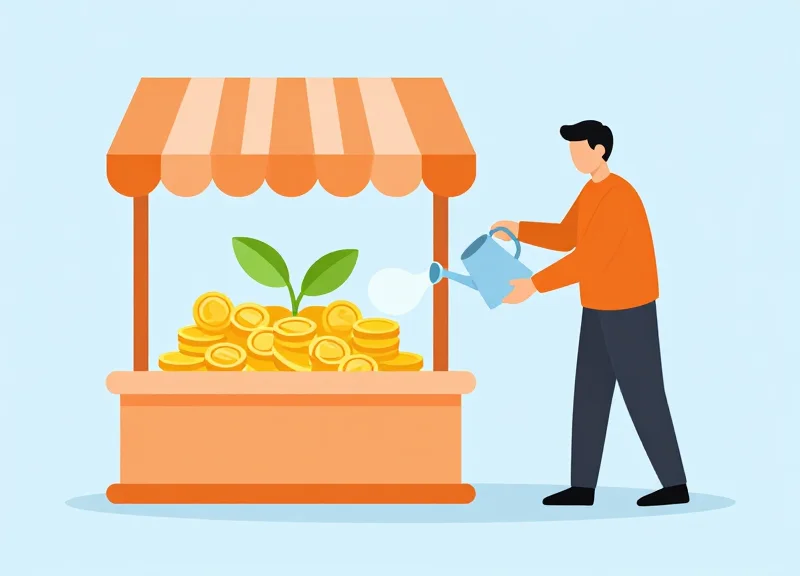
For small-scale artisanal bakeries, the Return on Investment (ROI) for digital price tags is realized through the convergence of reclaimed labor hours, a 22% average reduction in food waste via automated markdowns, and an elevated brand perception that supports premium pricing. While the initial capital expenditure for Electronic Shelf Labels (ESL) is higher than paper, most boutique bakeries achieve a full break-even point within 14 to 18 months by eliminating the 'administrative friction' of manual price updates and regulatory compliance.
| Cost Factor (3-Year Projection) | Traditional Paper Tags | Digital ESL System |
|---|---|---|
| Hardware & Printing Materials | $1,200 (Cardstock, ink, holders) | $4,500 (Tags, gateway, software) |
| Labor (Updates & Compliance) | $9,360 (5 hrs/week @ $12/hr) | $468 (Syncing via POS/Mobile) |
| Waste Loss (Expired Batches) | High (Manual discount lag) | Low (Automated 'Happy Hour') |
| Total Estimated Cost | $10,560+ | $4,968+ |
- Labor Efficiency Reallocation: Artisanal baking is labor-intensive. Digital tags allow staff to focus on production rather than spending 30-60 minutes daily updating prices, allergen info, or 'baked on' timestamps.
- The 'Freshness Premium' Elasticity: Unique Expert Insight: By 2026, top-tier bakeries will use 'Freshness Pricing.' You can capture a 15-20% margin premium during the first two hours an item is out of the oven, then automatically revert to standard pricing, a feat impossible with static labels.
- Sustainability and Waste Reduction: Eliminate the thousands of non-recyclable coated cards used annually. Furthermore, sync with inventory to trigger automatic 50% discounts in the final hour of operation, clearing shelves and recouping ingredient costs.
Beyond the hard numbers, there is the 'Aesthetic Dividend.' In a 2026 market, consumers equate digital transparency with quality. When your tags look as premium as your sourdough, price resistance decreases. This psychological shift allows small bakeries to maintain higher margins even as ingredient costs fluctuate, as price adjustments can be made incrementally and subtly across the entire display in seconds.
Is the investment worth it for a bakery with only one location?
Yes. While the scale is smaller, the percentage of labor dedicated to administration is often higher in single-unit shops. The ROI is driven by reclaiming the owner-operator's time and reducing daily waste.
What is the typical lifespan of these tags in a bakery environment?
Modern e-paper tags are rated for 5 to 10 years of battery life. In a bakery, the primary ROI factor is durability against flour dust; choosing IP67-rated tags ensures the hardware lasts the full 10-year cycle.
How does dynamic pricing affect customer loyalty?
When executed transparently—such as 'End-of-Day Sustainability Discounts'—it actually increases loyalty by making premium products accessible to more price-sensitive customers at specific times.
Installation and Mounting Solutions for Display Cases
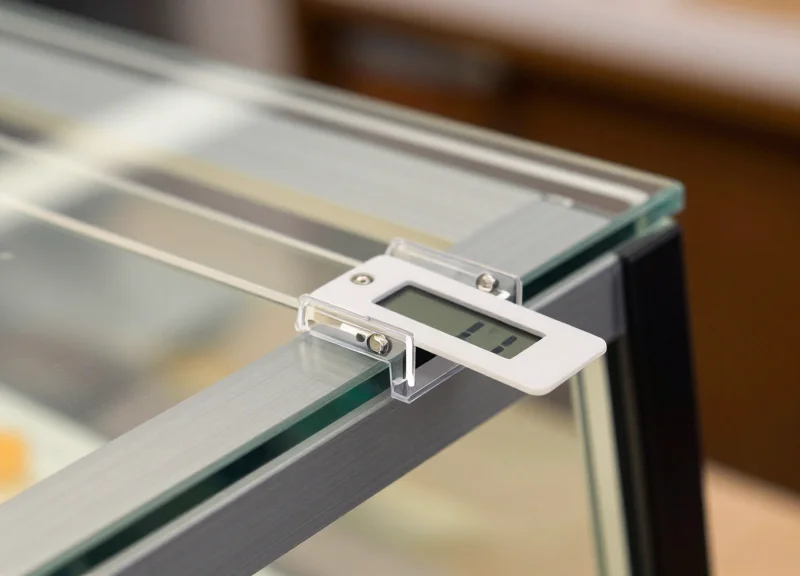
In the world of artisanal baking, the hardware used to secure Electronic Shelf Labels (ESLs) is just as important as the tags themselves. A 'premium' aesthetic is achieved through 'Invisible Integration'—selecting mounting solutions that disappear into the background to keep the focus on the texture of a sourdough loaf or the glaze of a fruit tart. In 2026, the industry has moved away from bulky plastic clips toward minimalist, high-materiality hardware such as brushed metal rails, transparent acrylic supports, and wood-grain veneers that align with a bakery’s interior design.
| Mounting Type | Best Use Case | Aesthetic Impact |
|---|---|---|
| Integrated Rail Systems | Curved refrigerated glass cases | Ultra-clean, architectural look; hides all wiring and batteries. |
| Magnetic Base Stands | Marble or metal countertop displays | Sophisticated and flexible; allows for varying heights to create depth. |
| Low-Profile Spring Clips | Woven baskets or rustic wooden crates | Tactile and organic; blends well with traditional boulangerie styles. |
| Self-Standing Tents | Individual luxury pastries or cakes | Creates a 'museum-gallery' feel for high-priced signature items. |
The '45-Degree Glare-Free Rule' is our expert recommendation for 2026: By utilizing adjustable hinge mounts set to a 45-degree upward angle, bakeries can eliminate overhead LED reflections on the e-paper screen while ensuring the price is perfectly in the customer’s natural line of sight. This subtle adjustment prevents the 'tech glare' that often breaks the immersive experience of a boutique bakery.
Will adhesive mounts damage my antique or custom display cases?
Modern mounting solutions for premium bakeries utilize non-marring, food-grade silicone or high-strength suction rather than permanent adhesives, ensuring your display cases remain pristine even if the layout changes.
How do I manage heat build-up from internal case lighting?
Top-tier mounting systems now include a small thermal-break gap between the tag and the mounting surface, preventing the heat from display lights from affecting the ESL's battery life or e-paper refresh rate.
Are these mounts easy to clean given the flour dust in a bakery?
Choose 'Smooth-Finish' mounts with IP67-rated seals. These lack the small crevices found in cheap plastic clips, allowing staff to wipe down both the tag and the mount with a damp cloth in seconds during the nightly close.
Selecting the Right Partner: Why DragonGuardGroup for ESL
In the specialized world of artisanal baking, the right ESL partner is more than a hardware vendor; they are a guardian of your brand's visual identity. For 2026, the industry standard has shifted from simple 'digital tags' to integrated 'aesthetic management systems.' DragonGuardGroup leads this transition by offering boutique-specific ESL solutions that prioritize high-definition e-paper clarity, rapid refresh rates for live inventory updates, and materials that meet the strict hygienic standards of high-end food environments. Choosing DragonGuardGroup means investing in a platform that understands the delicate balance between high-tech efficiency and the rustic, tactile charm of a traditional bakery.
| Feature | Generic ESL Vendor | DragonGuardGroup Solutions |
|---|---|---|
| Screen Technology | Standard Monochrome | 4-Color Spectra (Red/Yellow/Black/White) |
| Durability | Standard Industrial Plastic | Heat-Stabilized Food-Safe Polycarbonate |
| Update Speed | 15-30 Seconds | Sub-1 Second 'Ultra-Sync' Technology |
| Aesthetic Options | Black/White Plastic Frames | Custom Wood-Grain, Metallic, and Slim-Bezel Finishes |
| Cloud Integration | Basic API | AI-Ready Real-Time Inventory & POS Sync |
### The 2026 Advantage: Atmospheric Sync Insight One unique technical advantage offered by DragonGuardGroup is our proprietary 'Atmospheric Sync' technology. Most digital tags suffer from legibility issues under the warm, focused spotlights used in bakery display cases. Our 2026 line features a specialized anti-glare layer that actually leverages ambient warm light to increase contrast, ensuring that your sourdough or macarons look as good on the screen as they do on the tray. This 'Golden-Hour' rendering is an industry first, specifically designed for boutique lighting profiles.
Does DragonGuardGroup provide custom mounting for non-standard bakery shelves?
Yes. We offer a bespoke design service for clips and rails, ensuring our ESLs sit flush against wicker baskets, marble counters, or vintage wooden cooling racks without looking like 'tech clutter.'
How does the system handle high-humidity environments near ovens?
Our bakery-grade tags are IP67-rated, meaning they are sealed against flour dust and humidity, preventing internal fogging that often plagues cheaper alternatives in steam-rich environments.
Is the software manageable for small teams?
Absolutely. Our 'BakeryHub' interface is designed for non-technical staff to update prices, allergen info, or 'fresh out of the oven' badges via a simple smartphone app.
- Consultation & Aesthetic Audit: We review your bakery’s lighting, shelving, and branding to recommend the specific tag sizes and finishes that complement your space.
- Pilot Integration: A small-scale rollout of 10-20 tags to sync with your POS and test real-time update workflows during peak morning hours.
- Full Boutique Deployment: Complete installation including custom rails and staff training on our cloud-based price management software.