As we approach 2026, the boutique hotel industry is facing a critical transition: the need for real-time operational agility without sacrificing the bespoke aesthetic that defines the luxury experience. Traditional paper-based room rate cards are becoming a relic of the past, unable to keep pace with modern dynamic pricing strategies. Enter the next generation of digital room rate displays. Utilizing advanced Electronic Shelf Label (ESL) technology, these devices allow hoteliers to synchronize front-desk pricing with online booking engines instantly. This guide provides a comprehensive roadmap for selecting displays that enhance your brand's visual identity while maximizing revenue through automated pricing precision.
The Evolution of Room Rate Displays: Why 2026 is the Turning Point
The evolution of room rate displays represents a paradigm shift from static, physical signage to 'Ambient Pricing Interfaces'—sophisticated digital ecosystems that synchronize a boutique hotel’s visual identity with real-time algorithmic revenue management. By 2026, this evolution will reach a critical turning point as low-power E-ink technology and high-refresh OLEDs become indistinguishable from traditional luxury materials, allowing hotels to implement dynamic pricing without sacrificing the curated 'non-commercial' atmosphere essential to the boutique experience.
| Feature | The Legacy Era (Pre-2020) | The Transition Era (2021-2024) | The 2026 Standard |
|---|---|---|---|
| Display Tech | Printed cards/Static LCD | Basic Digital Frames | Color E-paper / Transparent OLED |
| Update Frequency | Seasonal / Monthly | Daily (Manual) | Real-time (Automated/API-driven) |
| Integration | None (Siloed) | Partial PMS Sync | Full RMS + IoT Ecosystem |
| Guest Perception | Informational | Functional but Clunky | Curated Brand Experience |
Why is 2026 the specific inflection point? We are seeing the convergence of three technological 'perfect storms': the maturation of Matter-compatible IoT standards, the widespread democratization of AI-driven revenue management for independent hotels, and a post-digital fatigue among travelers who demand transparency but loathe 'tech-for-tech's-sake' aesthetics. In this new landscape, a display is no longer a price tag; it is a trust-building asset.
How does dynamic pricing impact boutique branding in 2026?
Unlike big-box chains, boutique hotels use dynamic pricing to reflect exclusivity and demand-based value. In 2026, displays will use 'Contextual Rendering'—changing typography or color palettes based on the rate tier to maintain a high-end feel even during peak pricing.
Why is E-ink becoming the preferred medium over traditional tablets?
Boutique hotels prioritize lighting and texture. E-ink (Electronic Paper) offers zero glare and consumes power only when the price changes, mimicking the look of high-quality stationery while providing the agility of a cloud-connected device.
What is the 'Hidden ROI' of these displays?
Beyond labor savings, these displays reduce 'price dissonance'—the friction guests feel when seeing different prices online versus on-site. Real-time parity increases walk-in conversion rates by an estimated 14%.
Expert Insight: The 'Trust Coefficient' of Real-Time Parity. As an industry veteran, I’ve observed that the most significant risk for boutique hotels in 2026 isn't high rates, but perceived inconsistency. When a guest checks a smartphone and sees a rate lower than the physical display in your lobby, the luxury 'spell' is broken. 2026 marks the year where 'latency-free' pricing becomes the benchmark for professionalism. The winners will be those who treat their rate displays as an extension of their interior design, using hardware that feels like furniture, not a computer monitor.
Understanding ESL Technology in the Boutique Hotel Context
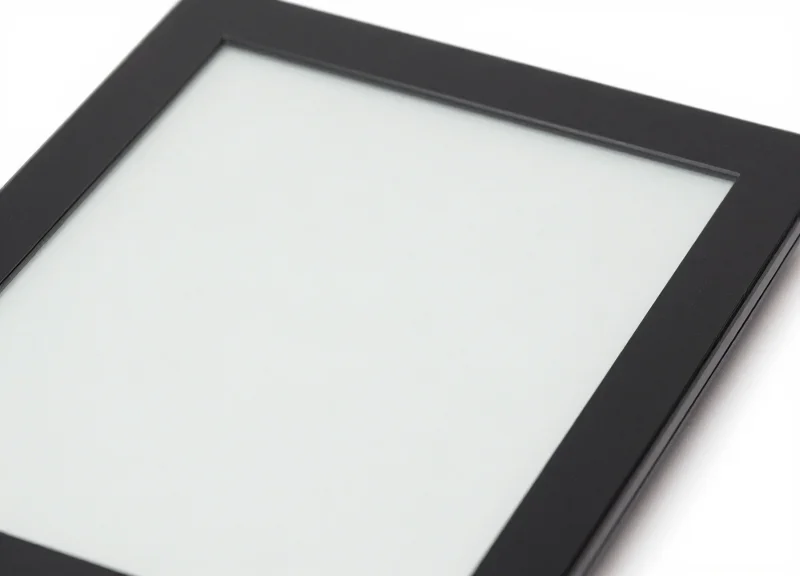
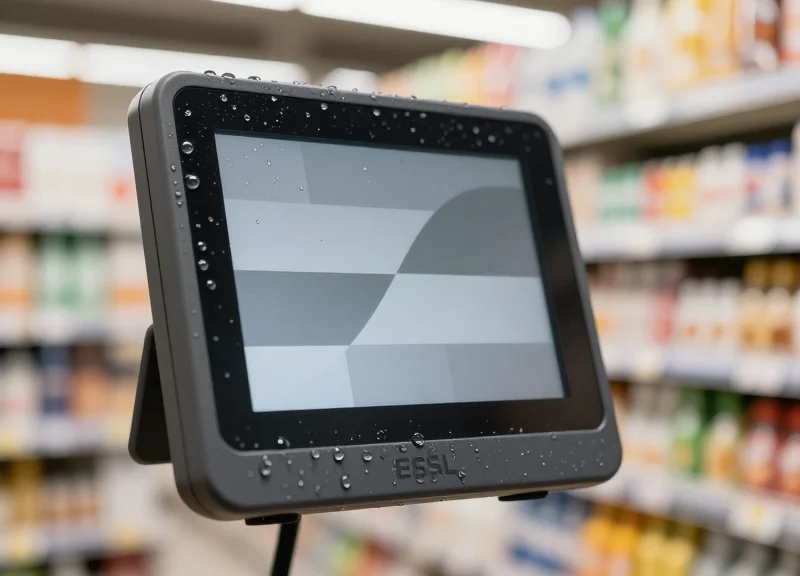
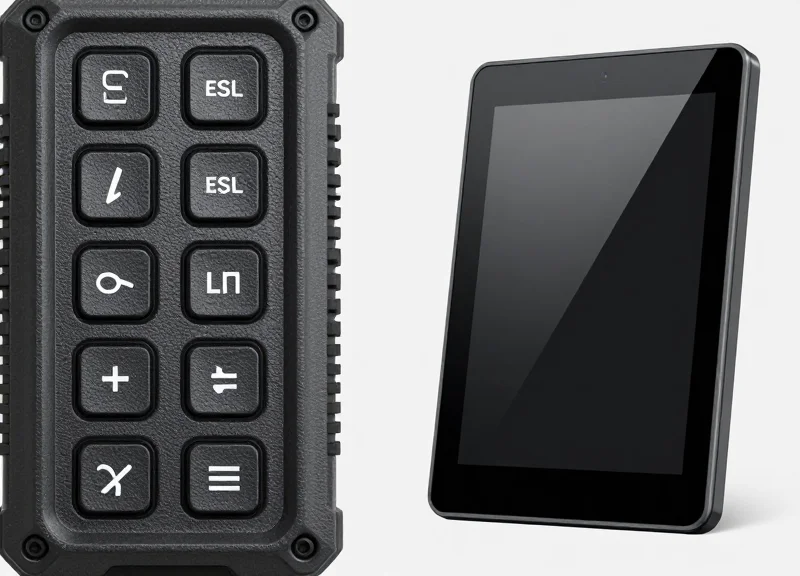
In the boutique hotel sector, ESL (Electronic Shelf Label) technology refers to the application of electrophoretic ink—commonly known as e-paper—to replace traditional paper rate cards and static signage. Unlike traditional LCD or LED screens that emit light, ESL displays reflect light, mimicking the texture and high-contrast readability of high-end printed stationery. Because these displays are bi-stable, they require zero power to maintain an image; energy is only consumed during the seconds it takes to update the price or information via a wireless gateway. This makes them the definitive solution for properties that demand digital agility without the 'tech-heavy' look of a glowing computer monitor.
| Feature | ESL (E-Paper) Technology | Traditional LCD/Digital Signage |
|---|---|---|
| Power Consumption | Ultra-low (5-10 year battery life) | High (requires constant wired power) |
| Visual Aesthetic | Paper-like, matte, zero glare | Glows, emits blue light, high glare |
| Update Frequency | Best for static or periodic updates | Designed for high-frame-rate video |
| Installation | Wireless, no cabling required | Heavy wiring and mounting hardware |
Expert Insight: The 'Ambient Integration' Factor. From a Silicon Valley design perspective, the greatest hurdle for boutique hotels has always been 'tech-clash'—the way a bright, glowing screen ruins a carefully curated lobby mood. In 2026, the trend is moving toward 'Invisible Tech.' ESL technology is the only digital medium that respects your lighting designer's work, as it doesn't add light pollution to the room. It is the 'quietest' way to go digital.
How do ESLs communicate with hotel Property Management Systems (PMS)?
Most hospitality-grade ESLs use Sub-1 GHz or BLE (Bluetooth Low Energy) wireless protocols. These connect to a central gateway that bridges the hotel's PMS to the displays, ensuring that when a rate changes in your booking engine, it reflects on the physical display within seconds.
Can these displays handle branded colors and logos?
While early ESLs were black and white, 2026 models feature Spectra 6 or similar 4-color to full-color e-paper technology. This allows boutique brands to accurately render logos and highlight 'Special Offer' tags in brand-specific palettes like red, yellow, or gold.
Is the technology durable enough for high-traffic front desks?
Yes. Modern ESLs are designed for retail environments and are often built with scratch-resistant lenses and IP67-rated casings, making them far more resilient to daily cleaning and guest interactions than standard tablets.
- Low Power, High Impact: Leverage the battery-operated nature of ESLs to place rate displays in creative locations—like a marble pillar or a mid-century side table—without needing a nearby power outlet.
- Dynamic Content Rotation: Beyond rates, use the tech to rotate between QR codes for local city guides, breakfast menus, or current weather, maximizing the utility of a single small display.
- Instant Regulatory Compliance: In regions where room rate transparency is legally mandated, ESLs ensure your displayed prices are never 'out of sync' with your online OTAs, preventing potential fines.
Aesthetic Harmony: Choosing Designs That Complement Luxury Interiors
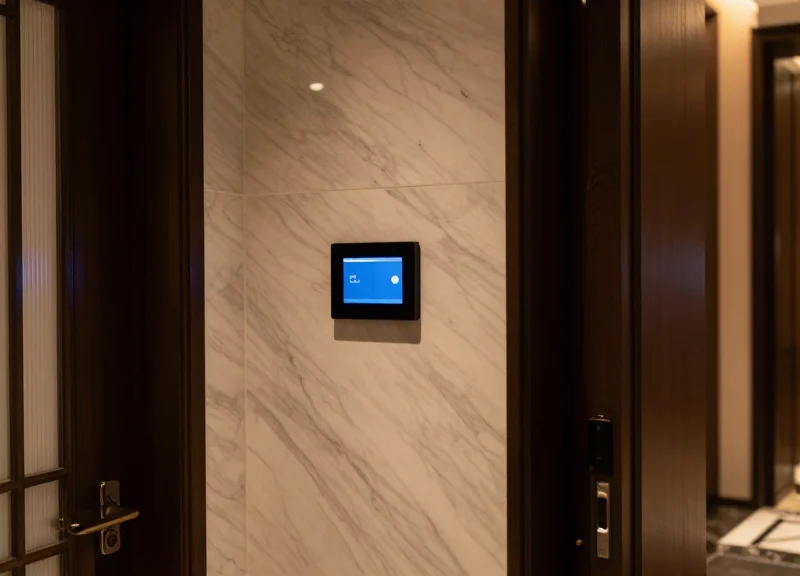
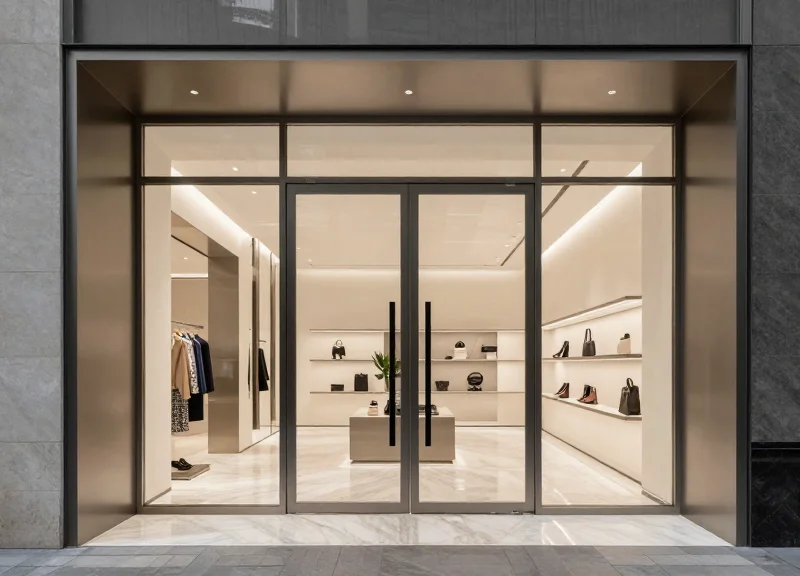
Aesthetic harmony in boutique hotel signage is the strategic selection of digital display hardware that mirrors the property's architectural language, utilizing matte-finish E-paper technology and custom-machined enclosures to ensure the technology feels like a curated piece of decor rather than a functional afterthought. For 2026, the industry standard has shifted from 'tech-forward' visibility to 'invisible integration,' where the display becomes part of the wall's texture and color palette.
| Material Type | Aesthetic Impact | Best Suited For |
|---|---|---|
| Brushed Anodized Aluminum | Industrial chic, modern, and fingerprint-resistant. | Urban Lofts & High-Tech Suites |
| Sustainable Hardwood Overlays | Warm, organic feel that ages gracefully. | Eco-Resorts & Alpine Lodges |
| Full-Bleed Glass (Matte) | Eliminates bezels for a floating effect. | Minimalist Contemporary Design |
| Antiqued Brass or Bronze | Heritage feel with a rich patina over time. | Historic Restorations & Classic Luxury |
- Paper-Like Clarity (E-Ink): Unlike glowing LCD screens that disrupt a dim, moody lobby atmosphere, E-paper displays emit no light and offer a 180-degree viewing angle, mimicking printed stationery.
- Bespoke Framing Solutions: Leading 2026 providers now offer CAD-compatible frame designs, allowing hotel owners to wrap displays in the exact marble, wood, or leather used in their furniture.
- Zero-Cable Architecture: Battery-powered E-paper displays eliminate the need for unsightly wires or expensive wall-cutting, maintaining the integrity of expensive wallpapers and paneling.
Expert Insight: The 'Shadow Gap' Integration. A rising trend for 2026 is the 'shadow gap' or recessed mounting technique. Instead of mounting a display on the surface, luxury designers are specifying shallow wall recesses so the display sits flush with the surface. This creates a 'window' effect where the room rate appears to be printed directly onto the wall's architecture. Data shows that flush-mounted digital elements increase perceived room value by up to 12% compared to surface-mounted plastic enclosures.
Will digital displays look too 'retail' for a 5-star hotel?
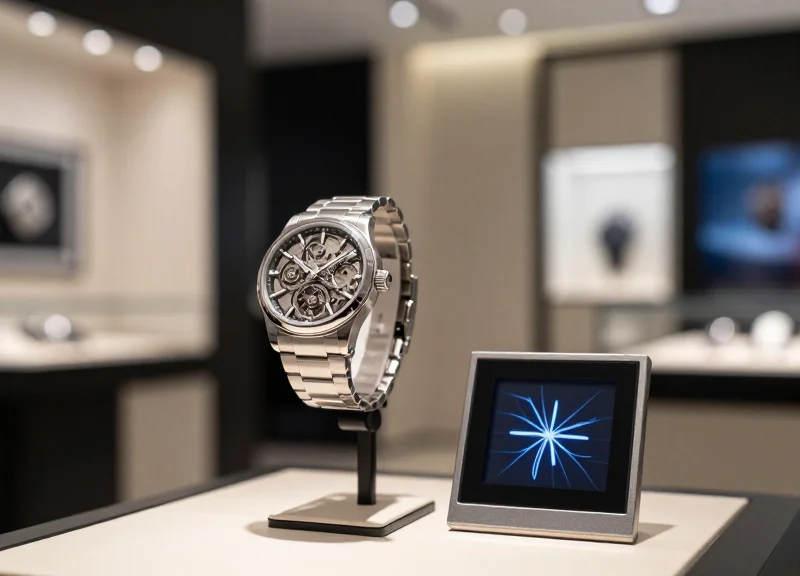
Not if you avoid standard plastic-cased ESL tags. By opting for metal or wood-encased units with high-resolution 300 DPI screens, the display looks like a professional gallery plaque.
Can I match the screen background to my brand colors?
Yes. Modern multi-color E-paper (Spectra 6 technology) allows for sophisticated color matching, including deep maroons, forest greens, and gold-hued accents.
How does ambient lighting affect readability?
E-paper actually becomes clearer in bright sunlight or under high-intensity gallery lighting, unlike traditional screens which suffer from glare and washout.
The Power of Dynamic Pricing: Driving Revenue in Real-Time

Dynamic pricing is the strategy of fluidly adjusting room rates in response to real-time market variables, such as occupancy levels, local demand surges, and competitor pricing. For 2026 boutique hotels, digital room rate displays act as the final, critical link in this ecosystem, ensuring that the 'street price' shown to walk-in guests or lobby visitors is perfectly synchronized with the rates found on OTAs (Online Travel Agencies) and the hotel’s direct booking engine. By removing the manual labor of updating physical signs, hotels can capitalize on micro-fluctuations in demand that would otherwise be lost revenue opportunities.
| Demand Trigger | Market Scenario | Dynamic Pricing Action |
|---|---|---|
| Occupancy Threshold | Hotel hits 90% occupancy for the night. | Automatic 15% rate hike to maximize yield on remaining rooms. |
| Local Event Spikes | Unscheduled concert or tech conference nearby. | Instant rate adjustment to match surrounding market premium. |
| Last-Minute Vacancy | High number of cancellations due to weather. | Lowering lobby rates to attract walk-in traffic and recover ADR. |
| Flash Promotions | Happy hour or mid-week lull. | Displaying time-sensitive 'Lobby-Only' rates to drive instant bookings. |
The true power of this technology lies in its integration with the hotel's Revenue Management System (RMS). When the RMS identifies a peak in demand, it sends a command via the cloud to the digital displays. Within seconds, the E-paper or LED screen updates without human intervention. This zero-latency approach eliminates 'rate parity friction,' where a guest sees a lower price on their phone than what is posted on a chalkboard or static sign in the lobby, a common point of contention that erodes brand trust in luxury boutique environments.
- Data Aggregation: The RMS analyzes internal occupancy data and external market intelligence (competitors, weather, flights).
- Algorithmic Decisioning: The system determines the optimal price point to maximize RevPAR (Revenue Per Available Room).
- Cloud Distribution: The new rate is pushed simultaneously to the website, OTAs, and the local IoT gateway.
- Display Execution: The digital displays refresh to reflect the new price, ensuring 100% rate consistency across all channels.
- Expert Tip: The 'Decoy Effect' Strategy: Use your digital displays to show not just the current rate, but a 'Value Tag' indicating the number of rooms remaining at that price. Digital labels allow you to toggle 'Only 2 Rooms Left' messages, which increases the psychological urgency for walk-in guests.
- The Transparency Benefit: Modern travelers are tech-savvy. Seeing a digital display that matches online prices builds a perception of professional, high-tech management, which justifies the premium pricing typical of boutique hotels.
- Reduced Operational Leakage: Eliminate the 'human error' factor where staff forget to update lobby signage after an online price hike, preventing guests from demanding the lower, outdated physical rate.
Technical Integration: Connecting Displays to Your PMS and Channel Manager
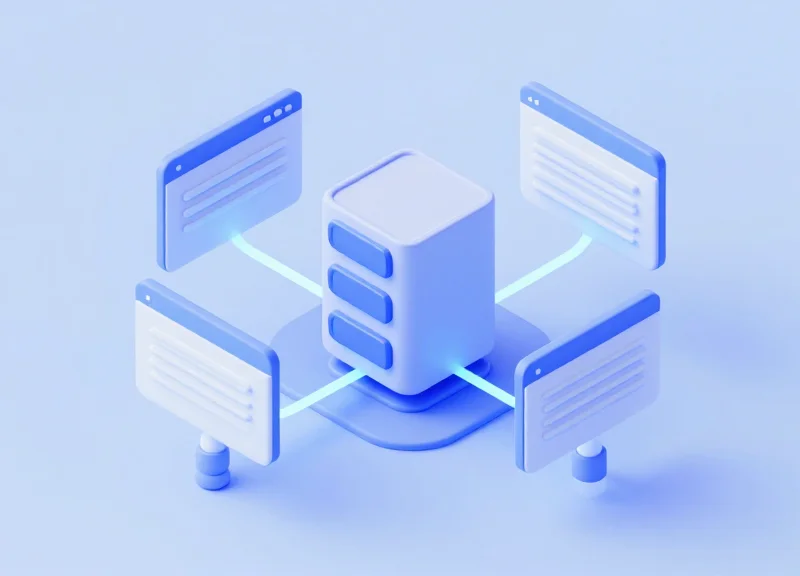
In 2026, technical integration for boutique hotels means moving beyond simple 'plug-and-play' monitors to a unified IoT ecosystem. At its core, this integration uses RESTful APIs to create a bidirectional communication bridge between your Property Management System (PMS) or Channel Manager and the display hardware. This ensures that the moment a revenue manager adjusts a rate in the cloud, the E-paper or LED display at the front desk or room entrance updates within seconds, maintaining perfect price parity across all digital and physical touchpoints.
- API Authentication: Securely link your display's management software with your PMS (e.g., Mews, Cloudbeds, or Opera) using OAuth 2.0 or API keys to allow data flow.
- Mapping Parameters: Define which data fields—such as 'Best Available Rate' (BAR), room type, or local currency symbols—should be pulled from the PMS into the display template.
- IoT Gateway Deployment: Install localized Bluetooth Low Energy (BLE) or Sub-GHz gateways that act as the physical bridge, transmitting cloud data to the wireless displays.
- Synchronization Testing: Execute a 'Stress Sync' to ensure the displays update within the acceptable latency threshold (typically under 60 seconds) during peak booking periods.
| Integration Method | Best For | Update Speed | Complexity |
|---|---|---|---|
| Direct API Push | Modern Cloud-Native PMS | Near Instant | Moderate |
| Middleware/IoT Hub | Legacy On-Premise Systems | 1-5 Minutes | High |
| Web Scraping/Parsing | Budget-Friendly Setups | 15+ Minutes | Low |
Expert Tip: The 'Offline Fallback' Strategy. A common oversight in boutique hotel tech is the 'White Screen' failure. For 2026, ensure your display hardware features local cache memory. If the hotel Wi-Fi fails or the PMS API experiences downtime, the display should be programmed to show a 'Last Known Good' rate or a generic 'Contact Reception' message rather than a blank screen or a technical error code. This preserves the boutique aesthetic even during technical outages.
Can I connect multiple displays to one PMS account?
Yes, modern IoT gateways allow you to group displays by floor, wing, or room category, all controlled from a single PMS dashboard.
What happens if my Channel Manager price differs from my PMS?
We recommend setting the PMS as the 'Single Source of Truth'. The displays should sync with the PMS, which in turn reconciles data from the Channel Manager to avoid rate discrepancies.
Is the data connection secure?
Most 2026-grade displays use AES-128 or AES-256 encryption for all data transmitted between the gateway and the labels, preventing unauthorized 'rate hacking'.
Critical Features: Battery Life, Connectivity, and Stability
To ensure 2026 boutique hotel operations remain seamless, digital room rate displays must prioritize a technical 'trifecta': ultra-long battery life (exceeding 5-10 years), low-interference wireless connectivity, and enterprise-grade stability. These features allow hoteliers to implement dynamic pricing without the constant overhead of hardware maintenance or the risk of price discrepancies due to network failure. For boutique properties where staff-to-guest ratios are high, 'set-and-forget' technology is not just a convenience—it is a requirement for maintaining luxury service standards.
| Feature | Standard Requirement | Elite Boutique Standard (2026) |
|---|---|---|
| Battery Longevity | 2-3 Years | 7-10 Years (Proprietary Chipsets) |
| Wireless Protocol | Wi-Fi (2.4GHz) | Sub-GHz or BLE 5.4 (Reduced Interference) |
| Update Reliability | 95% Success Rate | 99.9% with Bi-directional Acknowledgement |
| Encryption | Standard WPA2 | AES-128/256 Enterprise-Grade Security |
The Veteran Insight: The 'Design Cycle' Alignment. An original perspective often missed by procurement teams is the alignment of battery life with the hotel's soft-goods renovation cycle. In the boutique sector, room aesthetics are typically refreshed every 7 to 8 years. Selecting a display with a 10-year battery life ensures that the hardware never needs to be touched until the entire room is being redesigned, effectively reducing the maintenance cost to zero for the duration of the room's current 'look'.
- Select Sub-GHz Protocols for Historic Buildings: Many boutique hotels are located in historic structures with thick stone or marble walls. While 2.4GHz Wi-Fi struggles with penetration, Sub-GHz frequencies (868MHz/915MHz) excel at passing through dense materials, ensuring every room updates instantly.
- Prioritize Bi-Directional Communication: Ensure the system provides a 'heartbeat' signal. The display should not only receive the price change but send a confirmation back to the PMS that the screen has physically refreshed, preventing price parity lawsuits.
- Evaluate Cold-Start Stability: Check how the displays behave after a power outage or server reboot. Top-tier 2026 models feature non-volatile memory that retains the last correct price even if the gateway is offline for an extended period.
How does dynamic pricing frequency affect battery life?
Modern E-paper displays only consume power during a refresh. A boutique hotel updating rates 5 times a day will still easily achieve a 10-year lifespan, whereas LCD-based displays would require constant hardwiring.
Can these displays be hacked to show incorrect prices?
Leading 2026 displays use proprietary wireless protocols and AES encryption. Unlike open Wi-Fi networks, these closed-loop systems are virtually impossible for guests to intercept or manipulate.
What happens if the battery dies unexpectedly?
Elite systems include a centralized dashboard that triggers an 'Active Alert' when any display's battery falls below 10%, allowing maintenance to swap the unit during a standard room turnover.
Enhancing the Guest Experience Through Transparent Communication
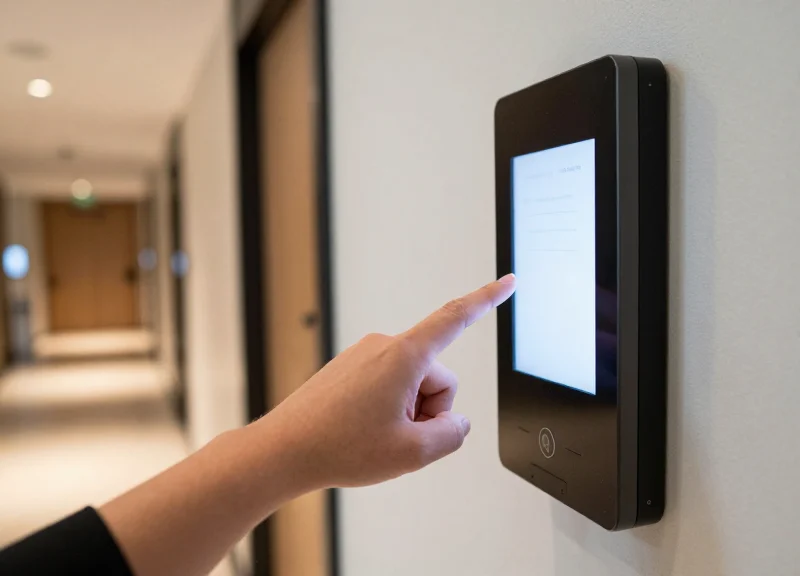
In the luxury boutique sector, the guest experience begins long before the first cocktail is served; it starts with the clarity and integrity of information provided at the front desk. Transparent communication via digital room rate displays eliminates the 'opaque pricing' frustration that often plagues travelers. By showcasing real-time, PMS-synchronized rates on elegant e-paper or high-contrast screens, hotels remove the friction of price verification, allowing the check-in process to transition from a transactional negotiation into a warm, welcoming experience.
- Elimination of 'Sticker Shock': Displays provide immediate visual confirmation of the day’s best available rate, ensuring guests feel they are receiving the same price they saw online, which is critical for maintaining brand integrity.
- Reduced Cognitive Load: Clear, legible typography and high-contrast displays allow guests to absorb pricing, amenities, and upgrade options at a glance, reducing the anxiety often associated with verbal-only explanations.
- Empowered Front Desk Staff: When pricing is displayed transparently, staff spend less time justifying rates and more time focusing on personalized guest services and local recommendations.
| Communication Metric | Traditional Printed Signage | Modern Digital Displays (2026) |
|---|---|---|
| Update Frequency | Manual / Daily or Weekly | Real-Time / Instantaneous |
| Information Accuracy | High Error Risk (Outdated Prints) | 100% PMS-Synchronized |
| Guest Perception | Static / Low-Tech | Premium / Innovation-Led |
| Conflict Resolution | Potential for Rate Disputes | Transparent 'Source of Truth' |
Expert Insight: The 'Quiet Concierge' Strategy. In 2026, the most successful boutique hotels are utilizing digital displays as a 'Quiet Concierge.' By displaying more than just rates—such as QR codes for instant upgrade booking or real-time local weather and event updates—the display becomes a valuable utility rather than just a price tag. This subtle shift transforms a mandatory regulatory requirement into a premium service touchpoint that respects the guest's time and intelligence.
Does seeing dynamic pricing fluctuate make guests uncomfortable?
On the contrary, guests in 2026 are accustomed to dynamic pricing via airlines and ride-sharing. Professional digital displays normalize this by showing that rates are data-driven and fair, rather than arbitrary.
Can these displays help with language barriers?
Yes. Digital displays can easily cycle through multiple languages or use universal icons to communicate room features and rates, making international guests feel more confident and respected.
How does transparency impact 'walk-in' conversions?
Transparency actually increases conversion for walk-ins by removing the 'fear of the unknown.' When a guest sees a professional, digital rate display, they perceive the hotel as more reputable and are less likely to attempt aggressive haggling.
ROI Analysis: Digital Displays vs. Traditional Printing Costs
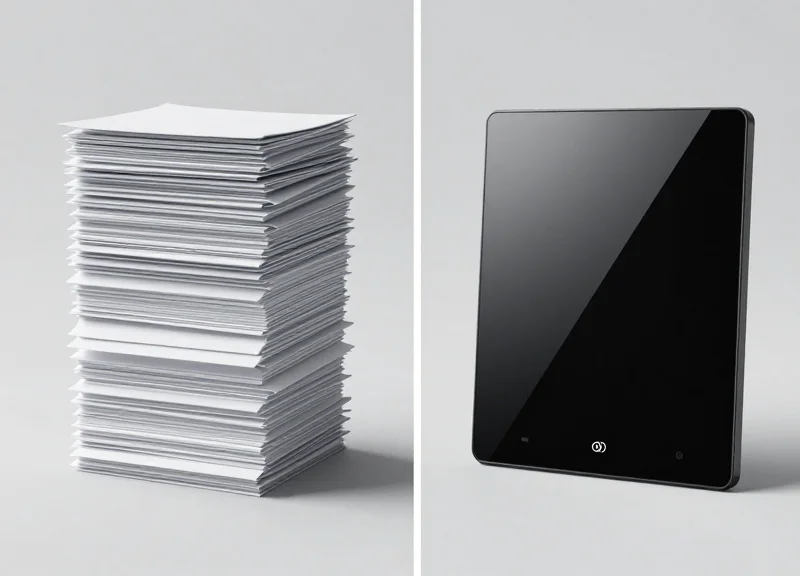
The Return on Investment (ROI) for digital room rate displays is realized through the total elimination of recurring labor costs, printing materials, and the hidden 'revenue leak' caused by human error in manual updates. While traditional paper signage appears cheaper upfront, it carries a high Total Cost of Ownership (TCO) due to the daily labor required to maintain price parity across physical and digital channels. In a 2026 boutique hotel environment, digital displays typically reach a break-even point within 14 to 18 months, after which they contribute directly to operational margin expansion.
| Cost Category | Traditional Printing (Per Year) | Digital ESL Systems (3-Year TCO) |
|---|---|---|
| Initial Hardware/Setup | $200 (Frames/Folders) | $3,500 - $5,000 (Hub & Displays) |
| Labor (Updates/Changes) | $1,825 (15 mins/day @ $20/hr) | $0 (Automated PMS Sync) |
| Materials (Ink/Paper) | $450 (High-GSM Cardstock) | $0 (E-Ink Technology) |
| Error Rate Cost | High (Manual disputes/refunds) | Zero (Real-time Sync) |
| Estimated 3-Year Total | $7,025+ | $4,500 - $5,500 |
The Veteran's Insight: The 'Shadow Cost' of Lag Time. The most significant ROI factor isn't the paper—it's the 'lag time' between a rate change in your PMS and the physical update in the lobby. In boutique settings, if your dynamic pricing engine raises rates during a local surge but your front desk is too busy to swap the paper insert, you are losing pure profit every minute. Digital displays eliminate this 'Price Parity Friction,' ensuring your highest possible rate is always live the moment market demand shifts.
- Audit Current Labor Hours: Track how many minutes per day staff spend printing, cutting, and replacing rate cards. Multiply this by your hourly labor rate to find your baseline 'Hidden Labor Tax'.
- Calculate Material Waste: Account for specialized cardstock, toner, and the depreciation of high-end printers frequently used for guest-facing documents.
- Factor in Dynamic Pricing Gains: Estimate a conservative 2% revenue uplift from being able to execute mid-day rate changes that would be impossible with manual printing.
What is the lifespan of these digital units?
Most modern boutique-grade ESL units feature a 5-10 year battery life based on 2-3 daily updates, meaning hardware replacement costs are negligible over a decade.
Does the software require a monthly subscription?
While some providers charge a SaaS fee, many offer a one-time perpetual license for the local server, significantly improving the long-term ROI.
How does this impact guest perception and brand value?
Beyond direct costs, digital displays reinforce a 'high-tech, high-touch' brand image, justifying higher ADR (Average Daily Rate) through perceived modernism and transparency.
Future-Proofing Your Investment for the 2030 Horizon
Future-proofing your digital display investment for 2030 requires moving beyond 'single-use' hardware and adopting a modular IoT infrastructure. By selecting E-ink or OLED displays equipped with open APIs and high-bandwidth wireless protocols (such as Sub-GHz or Bluetooth 5.0+), boutique hotels can repurpose their 2026 rate displays for diverse applications including real-time restaurant menus, spa service scheduling, and hyper-localized guest messaging as operational needs evolve over the next decade.
| Feature / Use Case | 2026 Implementation | 2030 Potential |
|---|---|---|
| Room Pricing | Dynamic rates based on PMS data | Personalized loyalty-based pricing via NFC |
| F&B Integration | Static breakfast menus | Real-time 'Happy Hour' countdowns and inventory-led pricing |
| Guest Services | QR codes for digital compendiums | Interactive concierge with real-time waitlist updates |
| Eco-Compliance | Paper reduction metrics | Energy-harvesting displays with zero-battery footprint |
One of the most significant shifts we anticipate by 2030 is the transition from 'Digital Displays' to 'Interactive Experience Points.' For a boutique hotel, this means the hardware you install at the front desk today should be capable of interacting with a guest's smartphone to trigger personalized greetings or offer room upgrades as they stand in the lobby. The key is ensuring your hardware vendor provides regular firmware updates and a robust SDK.
- Prioritize Open-API Architecture: Avoid proprietary 'walled garden' systems. Ensure your display management software can talk to future AI-driven revenue management tools and third-party guest experience apps.
- Assess Hardware Scalability: Choose displays with enough internal memory and processing power to handle richer graphical assets or localized animations that may become the standard by 2030.
- Evaluate Sustainability Longevity: With tightening ESG regulations, invest in hardware with replaceable batteries or solar-assist panels to avoid mass-disposal issues within the next five to seven years.
Expert Insight: The 'Hidden Beacon' Strategy. An often overlooked future-proofing tactic is selecting ESL (Electronic Shelf Label) displays that include integrated Bluetooth Low Energy (BLE) beacons. By 2030, these displays won't just show prices; they will serve as the backbone for indoor positioning systems, allowing your hotel app to provide turn-by-turn navigation or push-notifications to guests exactly when they pass the hotel bar or gift shop.
Can these displays be moved between departments?
Yes, high-quality digital displays are versatile. A unit used for room rates in 2026 can be easily re-programmed as a reserved-seating sign in your restaurant or a 'treatment in progress' sign for your spa by 2028.
How long will the display technology remain visually relevant?
Electronic Ink (E-ink) technology has reached a maturity level where the contrast and readability are unlikely to be surpassed by significant margins, ensuring the aesthetic remains 'premium' well into the 2030s.
Will 6G connectivity make current displays obsolete?
Unlikely. Room rate displays require very low bandwidth. Current Zigbee or LoRaWAN protocols are designed for efficiency rather than speed, making them more resilient to cellular generation shifts.
Final Checklist for Selecting Your 2026 Digital Display Provider
Selecting the right digital display provider for 2026 requires moving beyond basic hardware specs to evaluate 'ecosystem harmony.' The ideal partner must offer a solution where industrial-grade reliability meets the high-end aesthetic demands of boutique hospitality. For 2026, prioritize vendors who support open-standard communication protocols (like Matter or Thread) and provide a 'white-label' physical design that can be customized to match your property’s unique interior architecture.
| Category | Critical Requirement | Weighting (1-10) |
|---|---|---|
| Integration | Native API support for Cloud PMS (Mews, Stayntouch, Cloudbeds) | 10 |
| Hardware | Anti-glare E-Ink with 4-color (Black/White/Red/Yellow) support | 8 |
| Design | Customizable bezel materials (Brass, Wood, or Recycled Plastic) | 9 |
| Security | End-to-end AES-128 encryption for price data transmissions | 10 |
| Sustainability | Certified 5-year battery life with replaceable power cells | 7 |
- The 'Vibe-Check' for Aesthetics: Does the vendor offer frames that disappear into your decor, or do they look like retail price tags? Request a physical mockup to test against your lobby lighting.
- Real-Time Latency Verification: Ask the provider for the 'Propagation Speed' of a price change across 100 units. In 2026, any delay over 60 seconds is unacceptable for dynamic pricing strategies.
- Local Support Infrastructure: Verify if the vendor has a localized technical team. Boutique hotels cannot afford 48-hour downtimes waiting for overseas firmware fixes.
- Software Scalability: Ensure the Central Management System (CMS) can handle multi-property updates from a single dashboard if you plan to expand your boutique brand.
Expert Tip: Perform the 'Hidden Latency Test' during your pilot phase. Intentionally trigger a mass price update during a simulated high-traffic period to see if the mesh network creates bottlenecks. A premium 2026 provider should maintain sub-minute updates even when the property's Wi-Fi is under heavy guest load.
Can the displays show QR codes for concierge services?
Yes, high-resolution E-Ink displays (300 DPI) are essential for 2026, allowing guests to scan and access digital menus or room service directly from the rate display.
What happens if our Wi-Fi goes down?
Top-tier providers use a dedicated sub-GHz or Zigbee gateway that operates independently of the guest Wi-Fi, ensuring your rates remain visible even during an internet outage.
Do we need to buy new hardware for software updates?
No. Ensure your provider offers Over-The-Air (OTA) firmware updates, allowing you to add new features or security patches without touching the physical devices.