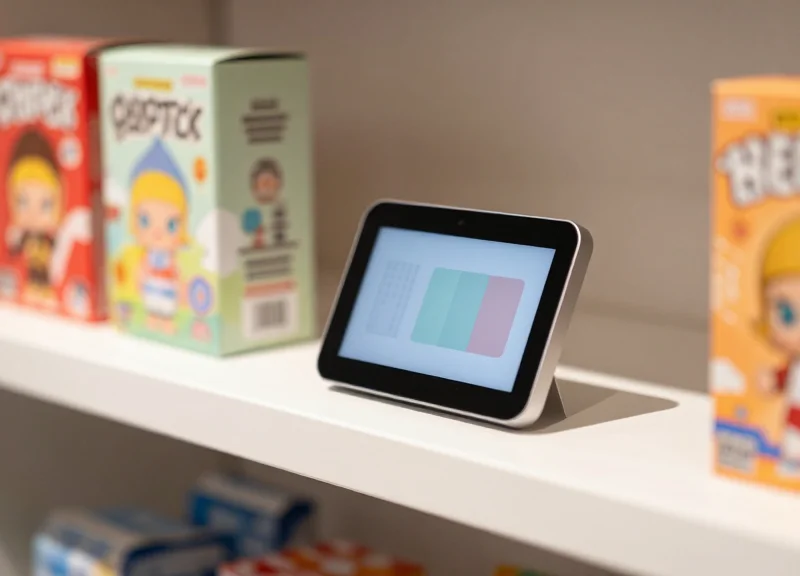
The landscape of toy and hobby retail is undergoing a radical digital transformation. For boutique owners specializing in high-demand items like blind boxes and limited-edition collectibles, traditional paper labels no longer suffice in a market where prices fluctuate based on rarity and demand. As we look toward 2026, Electronic Shelf Labels (ESL) have emerged as the gold standard for operational efficiency. This guide explores how to select the perfect ESL system that balances aesthetic appeal with technical robustness, specifically tailored for the unique needs of the hobbyist and toy boutique sectors.
The Strategic Importance of ESL in Toy Retail for 2026
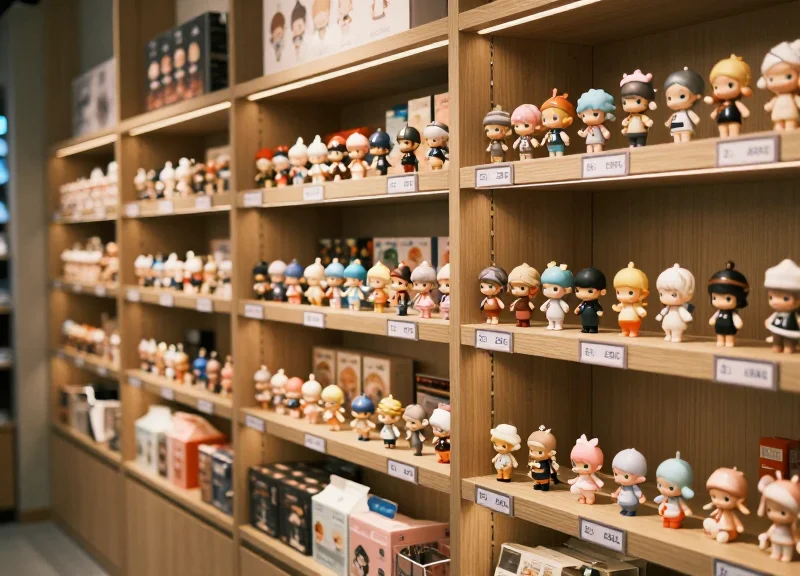
For toy boutiques and hobby retailers entering 2026, Electronic Shelf Labels (ESL) are no longer a luxury but a strategic necessity. ESL technology provides a centralized digital system to manage dynamic pricing, inventory levels, and product storytelling across physical store shelves. In the fast-paced world of blind boxes and limited-edition collectibles, where market values can fluctuate daily, ESLs empower retailers to synchronize their in-store pricing with online marketplaces instantly, eliminating the labor-intensive process of manual re-labeling and ensuring price integrity across all sales channels.
| Feature | Traditional Paper Labels | 2026 Smart ESL Systems |
|---|---|---|
| Update Speed | Hours to Days (Manual) | Seconds (Automated/Batch) |
| Price Accuracy | High Error Risk | 100% ERP Synchronization |
| Customer Interaction | Static Information Only | QR/NFC Integration for Content |
| Labor Cost | High (Recurring) | Low (One-time Setup) |
| Market Agility | Reactive | Predictive/Real-time |
Expert Insight: The Rarity-Value Synchronization. A unique challenge for 2026 toy retailers is the 'Secondary Market Ripple.' When a specific blind box character trends on social media or spikes in value on collector platforms, retail prices must adjust to prevent arbitrage and maximize margins. Modern ESLs allow retailers to link their pricing engine to secondary market data APIs. This ensures your boutique is never 'the last to know' about a value spike, effectively turning your shelves into a live trading floor for high-demand hobby items.
Does ESL really improve the customer experience in hobby shops?
Yes. Beyond pricing, ESLs in 2026 act as information portals. Customers can scan a label to see unboxing videos, check 'pull rates' for blind boxes, or join a digital waitlist for upcoming releases, creating a high-tech 'treasure hunt' atmosphere.
What is the expected ROI for a boutique toy store?
Most retailers see a full ROI within 14 to 18 months through reduced labor costs and a 3-5% increase in gross margins due to more aggressive, data-driven promotional pricing.
Can ESLs handle the small shelving units used for figurines?
Modern ESLs come in 'micro-tags' (as small as 1.5 inches) specifically designed for the dense shelving common in blind box displays and gachapon stations.
Ultimately, the shift toward ESL is driven by the 'Experience Economy.' In 2026, hobbyists expect a seamless blend of digital transparency and physical discovery. By automating the mundane task of price management, boutique owners can refocus their staff on community building and expert curation—the two things that truly differentiate a local hobby shop from a global e-commerce giant.
Display Technology: E-Ink vs. LCD for Hobby Displays
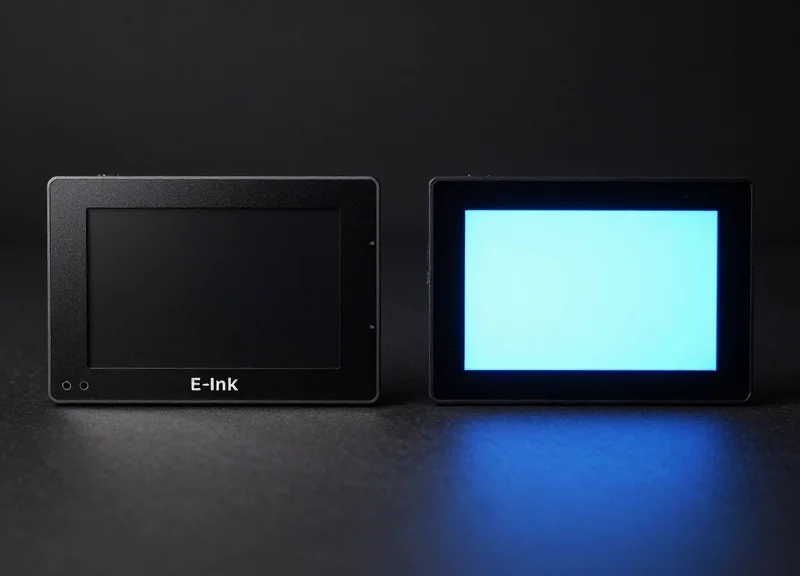
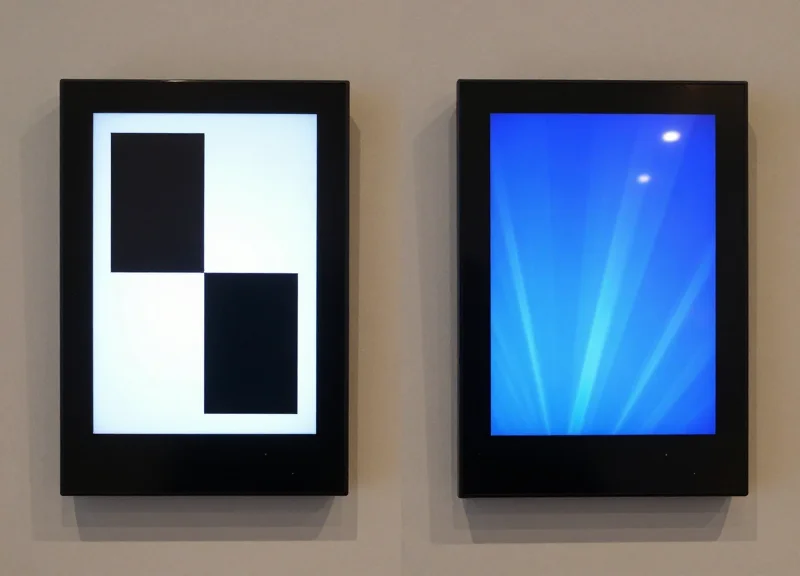
In the context of 2026 toy retail, the choice between E-Ink and LCD represents a trade-off between ambient integration and high-intensity engagement. E-Ink (Electronic Ink) mimics the appearance of traditional paper and consumes power only when the image changes, making it ideal for shelf-edge pricing. Conversely, LCD (Liquid Crystal Display) offers vibrant, backlit movement suitable for high-traffic promotional end-caps. For toy boutiques—where the product packaging itself is a work of art—the goal is to select a technology that complements the 'blind box' aesthetic without overpowering the collectible's visual appeal.
| Feature | E-Ink (EPD) | LCD / TFT |
|---|---|---|
| Battery Life | 5-10 Years (CR2450) | 1-3 Weeks (Rechargeable) |
| Viewing Angle | Near 180° (No Glare) | Narrow (Reflective) |
| Color Support | 4-Color (Black, White, Red, Yellow) | Full Color (16.7M Colors) |
| Refresh Rate | Static (Seconds to update) | Dynamic (60Hz / Video) |
| Primary Use | Pricing & Product Details | Active Video Promotions |
### The Expert Perspective: The 'Visual Harmony' Factor. In my two decades of retail tech analysis, I have observed that high-end hobbyists are uniquely sensitive to 'blue light pollution.' While LCDs attract attention, they can often 'cheapen' the look of premium collectible figures by creating a jarring contrast with the matte or soft-touch finishes of high-quality blind boxes. E-Ink, specifically the 2026 generation of 4-color displays, provides a sophisticated, gallery-like feel that enhances the perceived value of the toy, leading to higher conversion rates for premium items.
- Why E-Ink wins for most Boutique Shelves: E-Ink eliminates glare from store spotlights, ensuring that price points and QR codes are scanable from any angle—even on the lowest or highest shelves.
- When to deploy LCD in Toy Retail: LCD is best reserved for 'Hero' displays or unboxing stations where showing a 3D render or a commercial of the toy's hidden features is necessary to drive impulse buys.
- Maintenance Considerations: The labor cost of recharging hundreds of LCD labels weekly is prohibitive for small boutiques; E-Ink's 'set it and forget it' 10-year battery life remains the standard for scale.
Does E-Ink support the bright colors of my toys?
Modern 4-color E-Ink (Black, White, Red, Yellow) is designed specifically to highlight 'New Arrival' or 'Sale' statuses that match the primary colors used in most toy branding.
Can customers see E-Ink in low-light store sections?
While E-Ink is not backlit, modern toy boutiques use directional LED lighting. E-Ink’s high contrast ratio ensures it is more legible under store lights than a glossy LCD screen.
Is there a hybrid solution available for 2026?
Yes, many retailers are now using E-Ink for 90% of their shelves and integrating 10% LCD 'Digital Headers' for high-motion brand storytelling.
Dynamic Pricing for Rare Collectibles and Blind Boxes
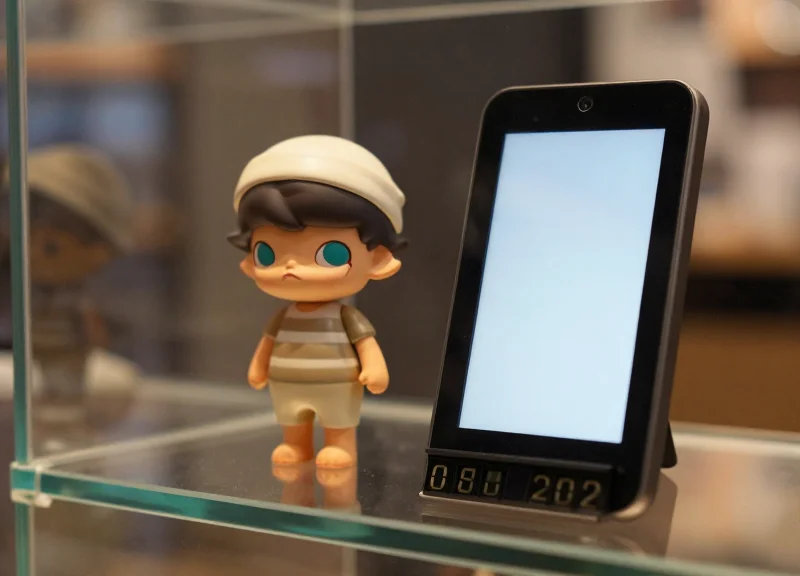
Dynamic pricing for collectibles is the strategic practice of adjusting retail prices in real-time based on fluctuating market demand, secondary market values (like StockX or eBay trends), and remaining inventory levels. For toy boutiques, Electronic Shelf Labels (ESL) serve as the essential hardware bridge that allows these price updates to happen instantly across hundreds of items without manual labor, ensuring that 'chase' figures and rare blind boxes are never undervalued during a sudden market surge.
| Pricing Metric | Static Pricing Impact | ESL Dynamic Pricing Impact |
|---|---|---|
| Market Spike | Lost margin; item sells out too fast. | Automatic price lift to match market value. |
| Stagnant Stock | Dust-gathering inventory; tied up capital. | Flash sales triggered by age of inventory. |
| Scalper Arbitrage | Resellers buy stock to flip elsewhere. | Incremental price increases as stock thins. |
A unique advantage of the 2026 ESL ecosystem is 'Anti-Scalper Logic.' Retailers can now program their Backend systems to monitor the rate of sale; if a specific blind box series sells 50% of its stock in under an hour, the ESL can automatically increment the price by 5-10%. This 'friction pricing' discourages bulk resellers looking for easy arbitrage while preserving stock availability for your loyal, local collectors who visit throughout the day.
- API Integration: Connect your POS and ESL software to secondary market aggregators to pull real-time 'Last Sold' data for rare figurines.
- Rule-Based Automation: Set 'If/Then' parameters, such as: 'If stock < 3 units and Market Value > MSRP, then set price to Market Value minus 5%.'
- Visual Verification: Use the ESL's LED flash feature to alert staff when a price change occurs, allowing them to reposition high-value items to more secure or prominent locations.
Does dynamic pricing hurt customer trust?
In the hobby world, collectors are accustomed to market-based pricing. Transparency is key; many retailers use the ESL's sub-display to show 'Market Trend' data, justifying the price to the consumer.
How often should prices change?
For most toy boutiques, a daily sync at opening is sufficient. However, for high-heat release days, hourly updates may be necessary to reflect rapid shifts in desirability.
Can I automate discounts for damaged packaging?
Yes. ESLs allow you to assign unique digital IDs to specific boxes on the shelf. You can apply a 'Box Damage' discount code in the system that reflects immediately on that specific unit's tag.
NFC and QR Integration: Enhancing the Collector Experience
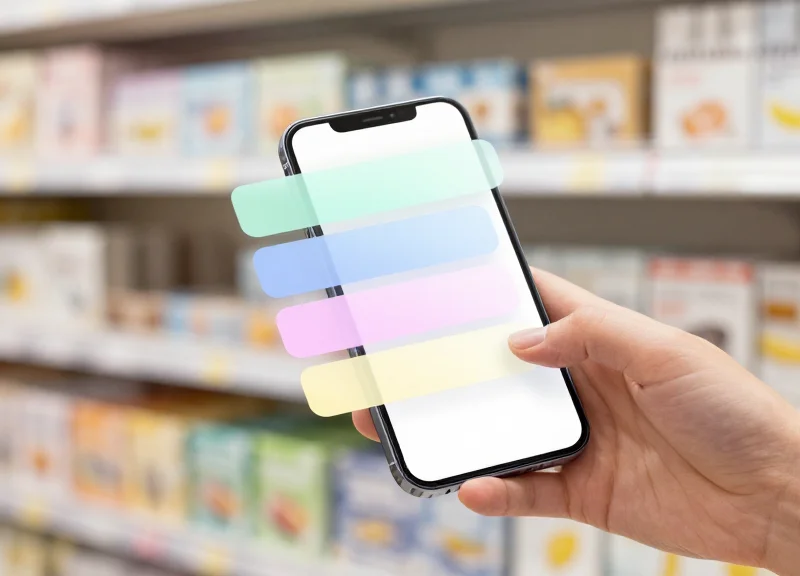
In 2026, the best Electronic Shelf Labels (ESLs) for toy boutiques serve as interactive gateways rather than mere price tags, utilizing Near Field Communication (NFC) and QR code integration to bridge the physical toy with its digital ecosystem. By enabling a 'tap-to-reveal' or 'scan-to-explore' experience, retailers can provide collectors with instant access to rarity distributions, character backstories, and secondary market valuations, effectively converting curious shoppers into high-intent buyers through data-driven engagement.
The collector's journey in a hobby shop is driven by information and the 'thrill of the hunt.' Unlike traditional retail, where a price is the final piece of information needed, a hobbyist often requires context: Is this a 'Secret' pull from a blind box series? Does this designer have a following on social media? Integrated ESLs solve the 'information gap' at the point of sale without cluttering the aesthetic of the boutique.
| Feature | QR Code Implementation | NFC Integration |
|---|---|---|
| User Accessibility | Universal; requires camera app. | Frictionless; requires a single tap (iOS/Android). |
| Primary Use Case | Deep-dive content (Lore, Videos). | Quick actions (Loyalty points, App triggers). |
| Boutique Benefit | Visible visual cue for interaction. | Cleaner display aesthetics; tech feels 'hidden'. |
| 2026 Trend | Dynamic QR for unique serial tracking. | Secure authentication for high-end figures. |
How can ESLs display rarity charts for blind boxes?
ESLs can use QR codes that link directly to a real-time rarity probability table for the specific series. As stock levels change, the digital page can update to show which figures have been recently pulled if your store tracks individual box outcomes.
Can NFC facilitate 'Community Hub' interactions?
Yes. By tapping their phone to an NFC-enabled label, collectors can be instantly directed to a Discord channel or Instagram hashtag dedicated to that specific toy line, fostering a sense of community right in your aisles.
Is it possible to track which toys are being 'browsed' digitally?
Retailers can track 'Tap-Through Rates' (TTR) on ESLs. This data reveals which products are generating interest but failing to convert, allowing for strategic price adjustments or display relocation.
Expert Insight: The 'Digital Certificate of Authenticity' (DCOA). For 2026, our procurement recommendation is to prioritize ESLs with high-frequency NFC chips that support encrypted handshakes. In the high-end hobby market, these labels can act as a temporary validator; when a customer taps the ESL, they receive a time-stamped digital token on their phone proving the item's provenance and purchase location. This 'digital proof of origin' is becoming a massive selling point for collectors who worry about the rising tide of sophisticated bootlegs in the designer toy market.
Seamless Integration with POS and Inventory Systems
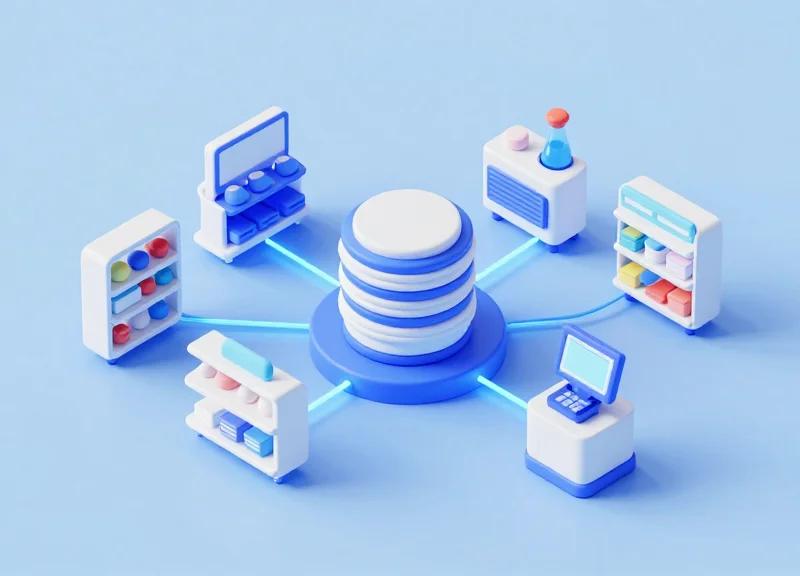
For a toy boutique in 2026, seamless ESL integration is defined as the automated, bi-directional communication between Electronic Shelf Labels and the Retail Management System (RMS). This connection ensures that when a price is adjusted in the Point of Sale (POS) or a stock level changes in the Inventory Management System (IMS), the update is reflected on the shelf edge in under 60 seconds. For hobby retailers dealing with high-frequency price shifts on collectibles, this integration eliminates manual errors and protects profit margins by ensuring the 'shelf price' always matches the 'checkout price'.
| Integration Type | Technical Method | Best For | Setup Complexity |
|---|---|---|---|
| Direct API Plugin | RESTful API / Webhooks | Modern SaaS POS (Shopify, Lightspeed) | Low - Plug & Play |
| Middleware Connector | Third-party 'Bridge' Software | Legacy On-Premise Systems | Medium - Custom Mapping |
| Cloud-to-Cloud Sync | Database Polling | Multi-store Boutique Chains | Low - Configurable |
| Local File Exchange | SFTP / CSV Export | Very Old Custom Databases | High - Manual Coding |
Expert Insight: The 'Ghost Stock' Buffer Strategy. A unique advantage of modern ESL integration for toy retailers is the ability to program 'Ghost Stock' logic. In the world of rare figurines or limited-edition blind boxes, displaying 'only 2 left' can trigger local scalper rushes. Veteran retailers now use their ESL integration to display 'In Stock' until a specific threshold is met, then switch to 'Last Few' only when the POS confirms a low-stock trigger, effectively managing foot traffic and buyer psychology without manual intervention.
- Audit Your Current Tech Stack: Ensure your POS provider offers an open API (Application Programming Interface). Without an open API, you may be forced into expensive custom middleware development.
- Map Your Data Fields: Decide which data points move to the tag. Beyond price, toy shops should map 'Series Name,' 'Rarity Tier,' and 'Pre-order Status' from the inventory database.
- Establish a Fail-Safe Protocol: Configure your system to alert staff if an ESL goes offline or fails to update after a POS price change, ensuring 100% pricing compliance.
Will ESL integration slow down my store's Wi-Fi?
No. Most 2026 ESL systems operate on Sub-GigaHertz frequencies or dedicated Zigbee channels, meaning they do not compete with your guest Wi-Fi or payment terminals for bandwidth.
Can I sync online prices with my physical store tags?
Yes. This is the primary benefit of 'Omnichannel Sync.' When your web store changes a price for a flash sale, the ESLs in your boutique will update simultaneously.
What happens if my internet goes down?
Modern ESL systems cache the current data. The tags will continue to display the last known correct price until the connection to the POS server is restored.
Durability and Battery Life: Long-term ROI Considerations
For 2026, the Return on Investment (ROI) for Electronic Shelf Labels in toy boutiques is no longer measured by the initial purchase price, but by the 'Zero-Maintenance Lifecycle.' In high-traffic environments where rare collectibles and blind boxes are frequently handled, the true cost of ownership is determined by a label's ability to withstand physical impact and its power management during high-frequency pricing updates. A premium ESL system should offer a minimum 10-year battery life based on two daily updates, ensuring that the hardware outlasts typical store renovation cycles.
| Feature | Standard Retail Requirement | Toy/Hobby Boutique Specification | ROI Impact |
|---|---|---|---|
| Impact Resistance | Basic plastic casing | IK07+ Rated Polycarbonate | Reduces replacement costs from accidental drops by 40%. |
| Battery Life | 5-7 Years | 10-12 Years (CR2450 or Dual-Cell) | Eliminates labor costs for battery swaps for a decade. |
| Ingress Protection | IP54 (Dust resistant) | IP67 (Water/Dust proof) | Protects against spills and cleaning agents in play areas. |
| Operating Temp | Standard Room Temp | Extended range (0°C to 40°C) | Prevents screen ghosting in high-heat display window cases. |
Expert Insight: The 'NFC-Drain' Factor. A unique challenge for 2026 hobby retailers is the increased power consumption caused by customer interaction. Every time a collector taps an ESL with their phone to check a 'chase' rarity chart via NFC, a tiny amount of power is drawn. In a popular boutique, thousands of pings per month can reduce battery life by up to 15%. When procuring, demand hardware with 'Passive NFC' chips that draw energy from the customer's smartphone rather than the label's internal battery to preserve your 10-year ROI.
- Select High-Capacity Lithium Manganese Batteries: Prioritize ESLs using CR2450 or dual CR2032 cells. These provide the high peak current needed for rapid e-ink refreshes during flash sales without degrading the cell's chemistry.
- Audit the 'Deep Sleep' Protocol: Ensure the system's wireless protocol (e.g., Sub-Ghz or BLE 5.4) allows labels to remain in a low-power state for 99.9% of the day, waking up only for scheduled data packets.
- Verify Protective Lens Quality: Hobby shops often have bright spotlights. Choose ESLs with anti-glare, scratch-resistant glass covers to maintain readability and prevent the 'yellowing' of plastic lenses over time.
Can the batteries be replaced, or is the unit disposable?
While most 2026 models offer 10-year lives, look for 'modular battery packs.' Disposable units create e-waste and long-term liability, whereas replaceable cells allow you to extend the hardware life to 15+ years.
How does frequency of price changes affect the warranty?
Most manufacturers guarantee battery life based on 1-2 updates per day. If your strategy involves 'Dynamic Pricing' (updating hourly for rare toys), you must negotiate a 'High-Frequency' service level agreement (SLA).
Are 'Ruggedized' bumpers necessary for toy stores?
Yes. For bottom-shelf displays accessible to children, silicon bumpers or recessed rail mounting are essential to prevent the mechanical failure of the e-ink capsule layer upon impact.
Aesthetic Customization: Matching Brand Identity
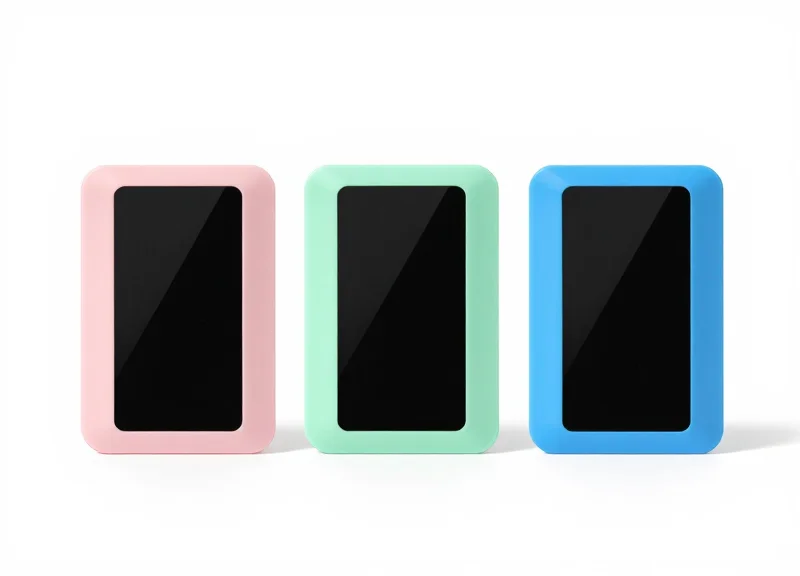
In the world of blind boxes and high-end collectibles, the store's atmosphere is as much a product as the items on the shelves. Aesthetic customization in ESL procurement involves selecting label frames, screen layouts, and mounting solutions that align with your boutique's unique 'vibe'—ensuring that digital price tags enhance the tactile, magical experience of toy shopping rather than looking like cold, industrial hardware. By 2026, the industry standard has shifted from 'one-size-fits-all' white plastic to modular designs that allow for bespoke branding.
| Boutique Style | Recommended ESL Frame | Mounting Style | Screen Aesthetic |
|---|---|---|---|
| Kawaii / Pastel | Soft-touch matte or custom pastel shrouds | Mini-angled desktop stands | Rounded fonts with playful iconography |
| High-End / Designer | Metallic (Gold/Silver) or minimalist black | Magnetic invisible shelf mounts | High-contrast, serif-heavy minimalist layouts |
| Retro / Hobbyist | Wood-grain finish or primary-color bezels | Clip-on rail systems | Pixel-art accents or bold block lettering |
- The 2026 'Invisible Tech' Strategy: Modern boutiques are moving toward 'invisible' ESL integration. This involves using 3D-printed custom shrouds that snap over standard ESL units, allowing retailers to change the look of their tags seasonally without replacing the hardware.
- Digital Skinning & UI Branding: Beyond the physical frame, the E-Ink display should use custom fonts and borders that match your brand’s style guide. High-resolution 3-color or 4-color displays (Red/Yellow/Black/White) allow for brand-accurate color accents.
- Mounting for 'Blind Box' Density: For high-density blind box displays, avoid bulky rail systems. Use ultra-slim vertical mounts or tiered acrylic risers with integrated ESL slots to maintain a clean, organized 'wall of toys' look.
Expert Insight: The 'Digital Texture' Breakthrough. A key trend for 2026 is the use of micro-etched screen overlays. These thin, transparent films can be applied to the ESL face to give the digital screen a texture—such as a matte paper feel or a glossy vinyl finish—to better match the packaging of the toys they are promoting. This subtle touch removes the 'gadget' feel and replaces it with a premium retail finish.
Can I custom-order ESL colors for my brand?
Yes, most Tier-1 manufacturers now offer Pantone-matching for orders over 500 units. For smaller boutiques, using snap-on silicone covers is a more cost-effective way to achieve a custom color palette.
Will custom frames interfere with the wireless signal?
Only if using heavy metallic materials. For toy boutiques, we recommend high-grade polymers or wood veneers, which are transparent to the RF signals (Zigbee or BLE) used by ESL systems.
How do I prevent the tags from looking cluttered on small shelves?
Opt for 'Mini' ESL sizes (1.5 to 2.1 inches) and use recessed mounting clips that hide the mounting hardware behind the shelf edge or the product packaging.
Scalability for Expanding Hobby Chains
For expanding hobby chains, scalability in Electronic Shelf Label (ESL) systems refers to the platform's capacity to manage thousands of distinct SKUs across multiple geographic locations from a single, centralized dashboard. By 2026, the gold standard for scalability is a cloud-native architecture that allows a boutique owner to add new branch stores or pop-up galleries to the network in minutes, ensuring that pricing strategies and rarity information remain consistent across the entire brand footprint without requiring local IT intervention at every site.
| Feature | Legacy On-Premise ESL | Next-Gen Cloud ESL (2026) |
|---|---|---|
| New Store Setup | Weeks (Hardware + Local Server) | Days (Plug-and-Play Access Points) |
| SKU Limit | Hard cap based on local RAM | Elastic; scales with cloud database |
| Price Update Speed | Serial processing (one by one) | Parallel processing (global sync) |
| Regional Pricing | Manual per-store adjustments | Automated dynamic regional tiers |
- Centralized Fleet Management: A single HQ can push firmware updates and battery health checks to 50+ stores simultaneously, reducing the need for on-site maintenance staff.
- Multi-Tenant Architecture: Ensures that if one store experiences a network surge during a 'Midnight Drop' event, the rest of the chain's ESL performance remains unaffected.
- High-Density Bandwidth: Hobby retailers often have 5x the SKU density of grocery stores (e.g., hundreds of small blind box figures in one aisle). Scalable systems must support high-density access points to prevent signal interference.
One original expert insight for 2026: Prioritize 'Burst Throughput' capability. In the hobby and blind box market, product launches create sudden, massive data spikes as inventory levels for hundreds of collectibles shift in seconds. A truly scalable system isn't just about the number of tags; it's about the 'Transaction Per Second' (TPS) capacity of the base station to update tags during these high-velocity sales windows without causing a lag in the digital price display.
Can I use the same ESL system for a temporary pop-up shop?
Yes, look for systems that offer 'Portable Gateways.' These allow you to bring a subset of your ESL tags to a convention or pop-up and sync them via 5G or mobile hotspot back to your main inventory database.
Does adding more tags slow down the update speed?
In older systems, yes. However, modern Sub-GigaHertz (Sub-GHz) protocols allow for massive parallel updates, meaning a store with 10,000 tags updates just as fast as a store with 1,000.
What happens if our headquarters' internet goes down?
Top-tier scalable solutions utilize 'Edge Caching,' where the local access point stores the last known data, ensuring tags stay active and accurate even during a temporary cloud disconnect.
2026 Procurement Checklist: 5 Questions to Ask Vendors
In 2026, procuring Electronic Shelf Labels (ESLs) for a hobby boutique is no longer about buying hardware; it is about selecting a long-term digital partner. As the blind box market becomes more data-driven, your vendor must provide a system that is as agile as your inventory turnover. A successful procurement process requires moving beyond surface-level specs like 'battery life' to interrogate the underlying architecture and the vendor's long-term viability in an evolving retail landscape.
| Vendor Category | Best For | Key 2026 Risk |
|---|---|---|
| Enterprise Giants | Massive hobby chains with 100+ locations. | High 'feature bloat' costs and slow custom support. |
| Specialty Niche Providers | Artisan boutiques and high-end collectibles. | Limited hardware stock during supply chain spikes. |
| Cloud-Native Startups | Agile shops focused on social commerce. | Potential for acquisition/platform discontinuation. |
Does the system support 'Zero-Touch' mass updates for flash drops?
Ask if the gateway can handle updating 1,000+ tags simultaneously in under 60 seconds. For blind box 'new series' launches, high latency can lead to price discrepancies between the shelf and the POS, frustrating collectors.
Is the API 'Restful' and compatible with niche hobby POS systems?
Don't settle for 'we integrate with Shopify.' Demand to see documentation for webhooks that allow your ESLs to trigger based on rarity data or community-driven price spikes on secondary markets.
What is the 'True TCO' over a 5-year hardware lifecycle?
Request a breakdown of cloud subscription fees, gateway maintenance, and battery replacement labor. Some vendors offer low upfront hardware costs but charge exorbitant 'activation fees' for every new SKU added.
How does the system handle 'Edge Failover' during internet outages?
In a 2026 smart-store, if your Wi-Fi drops, your prices shouldn't disappear. Ask if the ESL gateway stores local pricing cache to ensure your boutique remains operational offline.
What is your hardware 'Buy-Back' or circularity policy?
With sustainability regulations tightening, ask if the vendor has a program for recycling E-ink displays or upgrading internal PCB boards without replacing the entire plastic chassis.
Expert Insight: The 'Vendor Portability' Audit. As a 20-year veteran of the tech industry, my top recommendation is to ask about 'Hardware Unlocking.' In 2026, many vendors use proprietary encryption that 'bricks' your labels if you cancel their software subscription. Always negotiate a clause that allows your hardware to remain functional or compatible with open-standard controllers should the vendor's service level drop below your standards.
What is the typical lead time for custom-branded frames?
For boutiques, aesthetics are key. Expect 8-12 weeks for custom colors, but ensure the vendor maintains a 'safety stock' of standard units for emergency replacements.
Does the software include a 'Heat Map' of customer interactions?
Modern ESLs can track NFC taps. Ask if the vendor's dashboard provides data on which toy series are being 'tapped' for more info, even if they aren't being bought immediately.
Is the system multi-tenant for multi-location management?
Ensure you can manage pricing for three different hobby shops from a single login without having to log in and out of different instances.