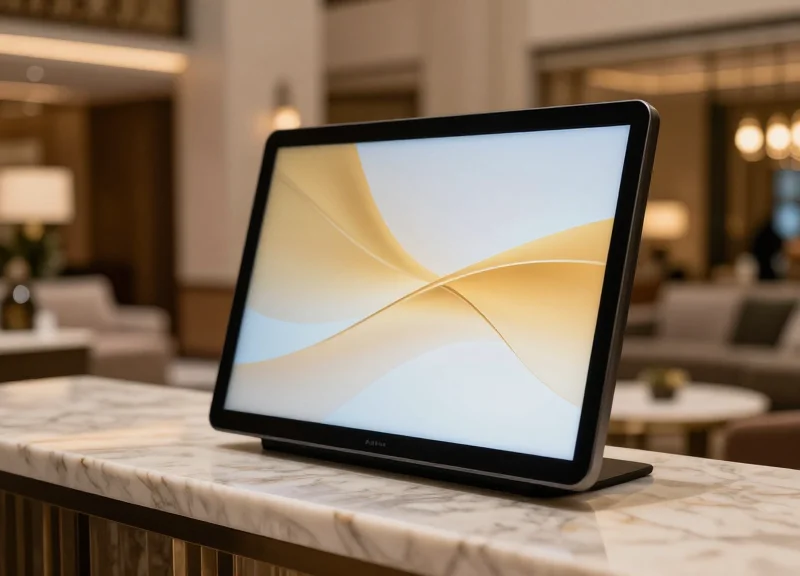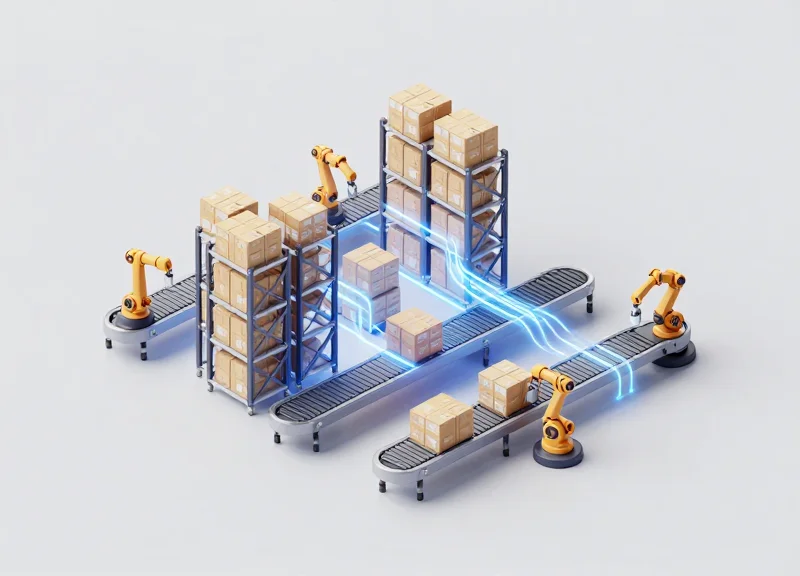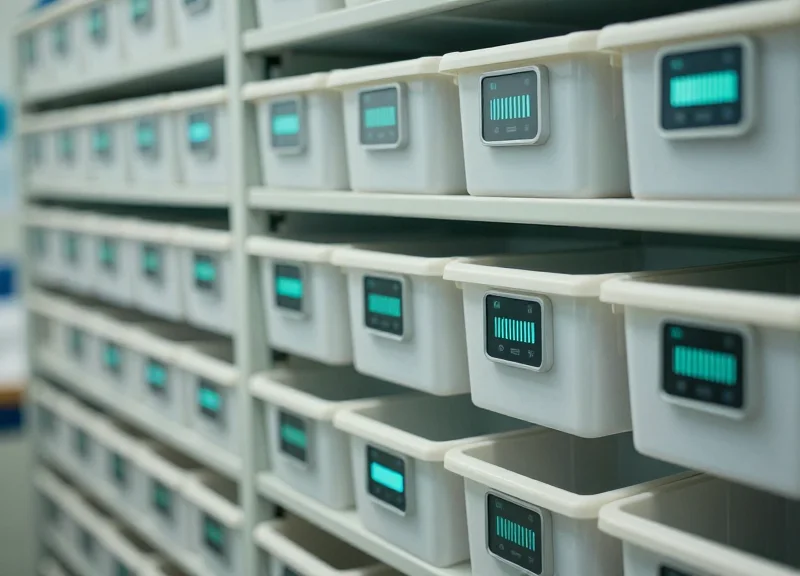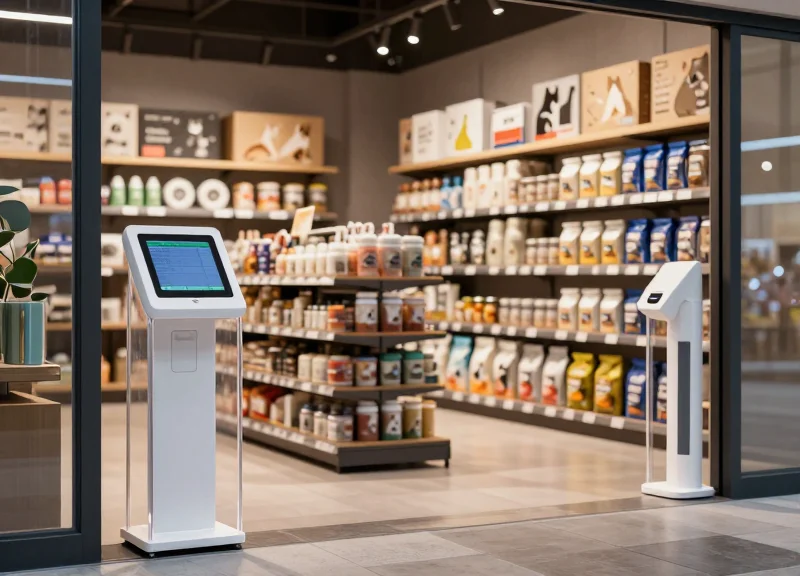
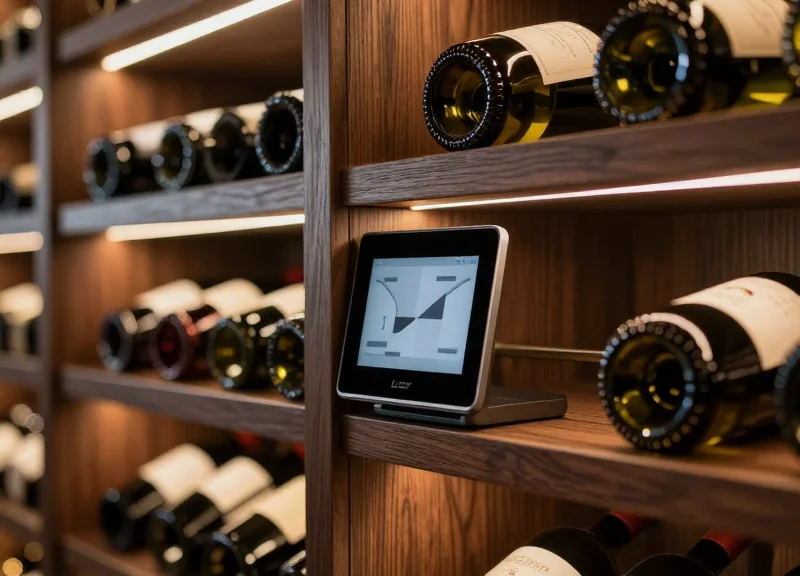
The luxury wine market is undergoing a digital transformation where tradition meets cutting-edge technology. For high-end retailers and cellar managers, the challenge of maintaining accurate pricing for fluctuating vintages while preserving a premium aesthetic has never been greater. As we approach 2026, Electronic Shelf Labels (ESL) and Digital Vintage Displays have evolved from niche novelties into essential tools for streamlining operations and enhancing the connoisseur's journey. This guide provides an authoritative look at selecting the right digital solutions to protect your inventory's value and your brand's prestige.
The Evolution of Luxury Wine Retail in 2026
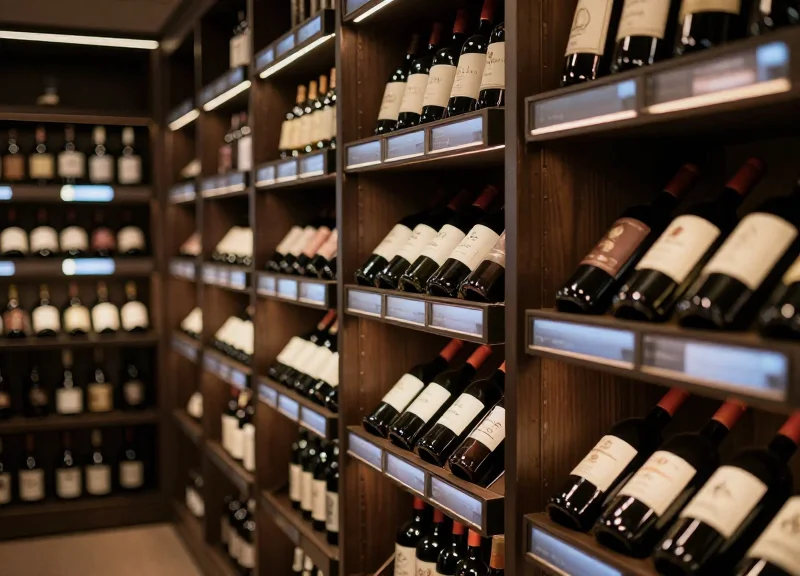
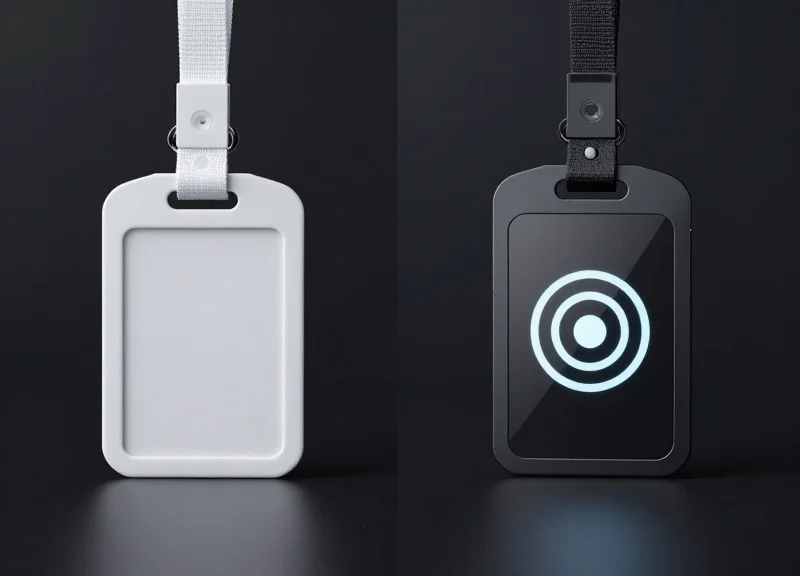
In 2026, luxury wine retail has transitioned from a purely physical transaction to a 'phygital' ecosystem where Electronic Shelf Labels (ESL) and digital vintage displays serve as the primary interface for consumer engagement. This evolution is driven by the need for absolute price transparency, real-time inventory synchronization across omnichannel platforms, and a growing consumer demand for authenticated provenance data directly at the shelf edge. The modern wine cellar no longer relies on static paper tags; it utilizes high-definition, e-paper technology to communicate dynamic vintage scores, current market valuations, and climate-controlled storage history.
| Feature | Traditional Wine Retail (Pre-2022) | Luxury Wine Retail 2026 |
|---|---|---|
| Pricing Strategy | Manual updates, static labels | Dynamic pricing synced with market trends |
| Product Info | Basic varietal and year | Full provenance, QR-linked terroir stories |
| Inventory Control | Manual stock counts, high error rate | Real-time IoT-enabled ESL tracking |
| Customer Experience | Passive browsing | Interactive digital vintage intelligence |
One of the most significant shifts we are seeing in 2026 is what I call 'Dynamic Vintage Valuation.' For the first time, retailers are integrating secondary market auction data directly into their ESL systems. This means a rare Bordeaux's price on the shelf can adjust automatically based on global market fluctuations or recent critic re-ratings. This level of technical sophistication not only protects the retailer's margins but also builds immense trust with high-net-worth collectors who treat wine as an asset class.
Why is ESL adoption accelerating in 2026?
ESL adoption is accelerating because it eliminates the labor-intensive process of manual price updates and allows for instant updates across global locations, ensuring consistency in the luxury segment.
How do digital displays improve the collector's experience?
Digital displays provide instant access to tasting notes, aging potential, and food pairings through NFC or QR codes, offering a self-guided sommelier experience.
What role does sustainability play in this evolution?
The shift to e-paper ESLs significantly reduces paper waste and the carbon footprint associated with printing thousands of specialized tags for rotating wine collections.
Expert Tip: To truly differentiate your retail space in 2026, look for ESL solutions that support multi-color e-paper (Black, White, Red, and Yellow). This allows you to highlight 'Investment Grade' or 'Limited Edition' vintages through color-coded digital borders, subtly guiding the collector's eye toward high-margin selections without breaking the aesthetic of a premium cellar.
Why Wine Cellars Require Specialized ESL Solutions
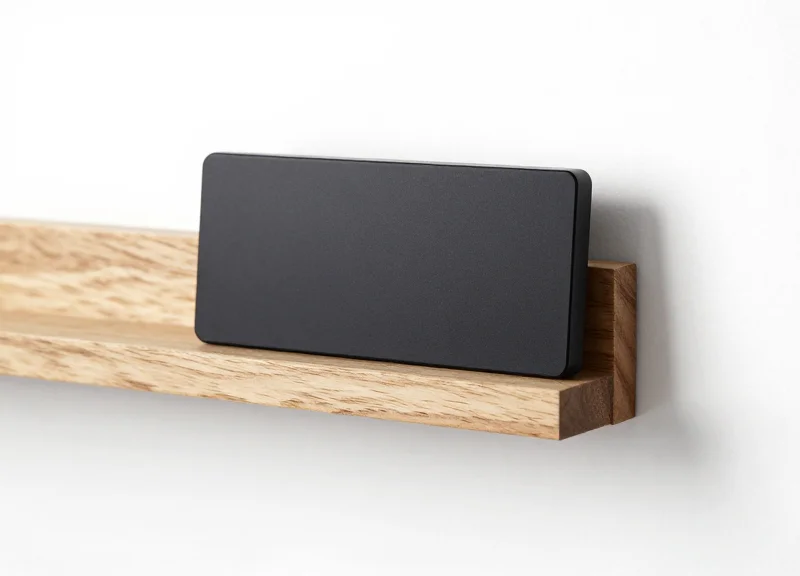
Wine cellar environments are fundamentally hostile to standard electronics, requiring Electronic Shelf Labels (ESLs) specifically engineered for high humidity, low temperatures, and minimal light interference. Unlike standard retail displays, specialized wine ESLs utilize IP67-rated enclosures to prevent moisture ingress and low-temperature-optimized battery chemistries that maintain a 5-10 year lifespan in 10°C (50°F) conditions. These systems ensure that inventory management remains automated without compromising the chemical stability or the premium presentation of high-value vintages.
| Feature | Standard Retail ESL | Specialized Wine Cellar ESL |
|---|---|---|
| Humidity Resistance | Basic (Non-sealed) | High (IP67/IP68 Waterproof) |
| Operating Temp | 15°C to 40°C | 0°C to 20°C (Optimized) |
| Display Tech | Standard LCD/E-ink | High-Contrast, Zero-UV E-ink |
| Battery Chemistry | Standard Lithium | Low-Temp Cold-Chain Grade |
| Aesthetic | Plastic/Functional | Premium Wood/Metal Accents |
Why is humidity the biggest killer of digital labels in cellars?
Most cellars maintain a 60-70% humidity level to keep corks from drying out. Standard ESLs suffer from internal condensation and circuit corrosion within months in these conditions. Specialized labels use ultrasonic welding and specialized gaskets to remain hermetically sealed.
How does lighting affect wine quality in digital displays?
UV light and heat can cause 'light-struck' flavors in wine. Specialized ESLs use bistable E-ink technology which emits no light of its own and reflects only ambient light, ensuring the wine's chemical structure remains undisturbed while providing 180-degree visibility for sommeliers.
Can standard batteries last in a chilled environment?
No. Cold temperatures increase the internal resistance of standard batteries, leading to premature failure. Wine-grade ESLs use specialized electrolyte formulas designed for cold-chain logistics to ensure long-term reliability without frequent maintenance.
Expert Insight: The Micro-Vibration Paradox. As a 20-year veteran of retail tech, I often see luxury retailers overlook the impact of hardware maintenance. In a wine cellar, the goal is 'quiet'—not just in sound, but in physical disturbance. Traditional paper labels require manual replacement, which creates physical vibration and air movement around the bottles. Specialized ESLs allow for 'Zero-Touch' inventory updates. Once the label is snapped into its rail, the wine is never disturbed by human hands until the moment of sale, preserving the 'dépôt' (sediment) in aged reds that is critical for a premium tasting experience.
Technical Specifications: E-Ink vs. High-Contrast Displays
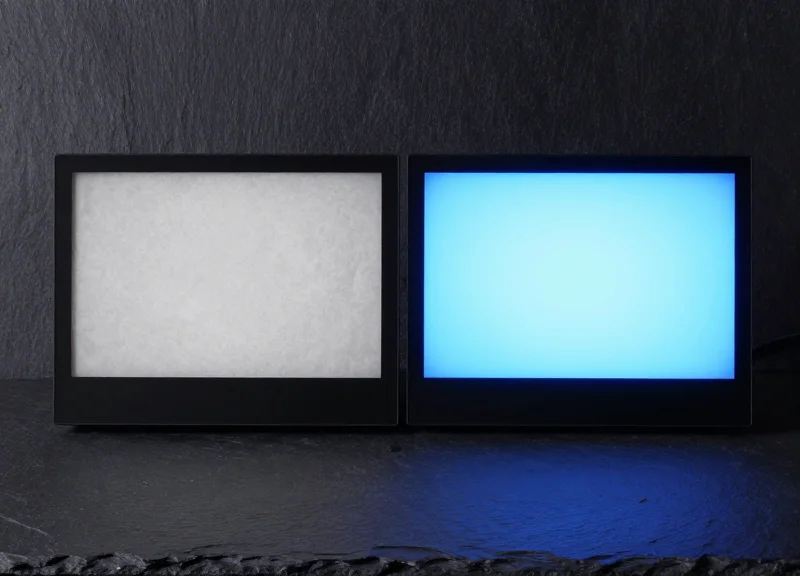
For 2026 luxury wine environments, the choice between E-Ink (electrophoretic) and High-Contrast (OLED/LCD) displays is defined by the tension between 'passive elegance' and 'active engagement.' E-Ink remains the gold standard for long-term aging rooms due to its zero-light emission and paper-like aesthetics, while High-Contrast displays are increasingly favored for tasting rooms and point-of-sale displays where vibrant metadata and video storytelling are required to drive conversion.
| Feature | E-Ink (Electronic Paper) | High-Contrast (OLED/LCD) |
|---|---|---|
| Power Consumption | Ultra-low (battery lasts 5-10 years) | High (requires hardwiring or frequent charging) |
| Viewing Angle | 180 degrees (readable from any side) | 120-160 degrees (loss of contrast at angles) |
| Light Emission | Reflective (zero blue light) | Emissive (backlit or self-lit pixels) |
| Refresh Rate | Slow (0.5 to 2 seconds) | Instantaneous (60Hz+) |
| Visual Aesthetic | Classic, matte, ink-on-paper feel | Modern, vibrant, cinematic |
Expert Insight: The Photonic Stability Factor. While most retailers focus on price, the veteran perspective prioritizes the chemical integrity of the wine. High-contrast OLED displays, though beautiful, emit photons that can penetrate clear or light-green glass bottles (common in Rosé and White wines), potentially accelerating 'light-struck' defects (goût de lumière). In contrast, E-Ink uses ambient light reflection, making it the only truly 'wine-safe' digital solution for 2026 cellars hosting light-sensitive inventory.
Does humidity affect E-Ink more than High-Contrast displays?
Modern E-Ink modules are now IP67-rated, utilizing specialized GORE-TEX membranes that allow pressure equalization without letting moisture ingress, making them slightly more durable in high-humidity cellars than standard LCDs.
Can E-Ink displays show color in 2026?
Yes, the latest Spectra 6 and Gallery 3 technologies allow for up to 65,000 colors, enabling retailers to display accurate vineyard branding and vintage labels without the power drain of a traditional screen.
Which display is better for QR code scanning in low-light cellars?
High-Contrast displays are superior for QR scanning in dark environments because they provide their own light source; however, E-Ink with a front-light 'glow' feature is the preferred compromise for maintaining cellar ambiance.
Integration with Modern Inventory Management Systems
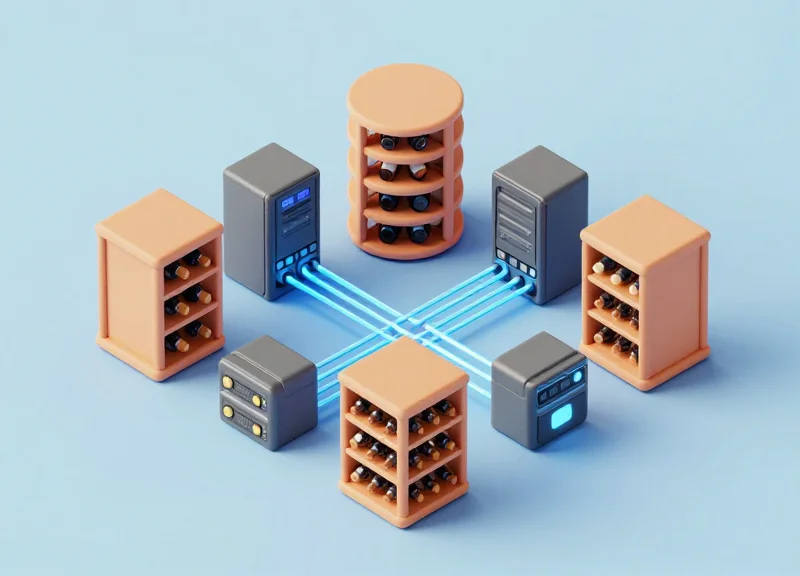
In 2026, the integration of Digital Vintage Displays with modern Inventory Management Systems (IMS) is defined by the move from batch processing to 'Event-Driven Architecture.' This technical synergy ensures that the physical shelf edge acts as a live mirror of your digital database, typically connected via RESTful APIs or GraphQL. For luxury wine retailers, this means that as soon as a rare Bordeaux is sold online or moved from the cellar to the tasting room, the display updates automatically. This 'Single Source of Truth' eliminates the brand-damaging friction of price discrepancies or 'out of stock' errors at the point of sale.
- Establish the API Bridge: Connect your ESL controller to your ERP (like SAP, Oracle, or specialized wine software) using high-security API keys. This allows for the bidirectional flow of data between the inventory database and the display cloud.
- Field Mapping and Data Enrichment: Map specific data fields such as SKU, Vintage, Critic Scores (e.g., Robert Parker points), and current stock levels to the corresponding design elements on your digital labels.
- Set Webhook Triggers: Configure webhooks so that any change in the IMS—such as a price update for a flash sale or a decrease in inventory—immediately pushes an update notification to the ESL server.
- Execution of the Acknowledgment Loop: The system must confirm back to the ERP that the physical display has successfully updated its image, providing a 100% audit trail for compliance and inventory accuracy.
| Feature | Legacy Manual Sync | 2026 Integrated Digital Sync |
|---|---|---|
| Update Speed | 2-24 Hours (Manual Entry) | < 5 Seconds (Automated) |
| Data Accuracy | 85-90% (Prone to human error) | 99.9% (System-validated) |
| Staff Labor | High (Weekly label swapping) | Zero (Software-controlled) |
| Dynamic Pricing | Impossible for large cellars | Fully automated based on demand |
Expert Insight: The 'Micro-Provenance' Protocol. A unique trend for 2026 is the integration of environmental sensor data back into the inventory system. Advanced ESLs can now relay the exact temperature and humidity of the specific shelf where a bottle is located. If the cellar's climate fluctuates, the IMS can automatically flag those specific bottles for quality review or adjust their 'provenance score' in the digital catalog, ensuring the luxury buyer's investment is protected by real-time data.
Can these displays integrate with boutique-specific cellar software?
Yes, most 2026 ESL solutions provide open SDKs that allow for custom integration with niche software like CellarTracker or specialized winery management platforms.
What happens if the store's internet connection fails?
Modern systems utilize 'Edge Caching.' The displays will continue to show the last verified data, and the controller will queue all pending updates from the IMS to be pushed the moment connectivity is restored.
Does constant syncing drain the ESL battery life?
No. Because E-Ink technology only consumes power when the image changes, even hourly updates for 10,000 labels will typically allow for a battery lifespan exceeding 7 to 10 years.
Enhancing the Vintage Story with Digital Information
Digital information displays in luxury wine retail serve as a 'Digital Sommelier,' bridging the gap between a cold bottle and its rich heritage. By leveraging high-resolution ESLs and auxiliary digital screens, retailers can present dynamic content—including real-time critic scores from Wine Spectator or Robert Parker, peak maturity windows, and immersive tasting notes—that empowers customers to make informed, high-value purchases without needing constant staff intervention.
In 2026, the 'vintage story' is no longer static. Modern digital displays allow for 'Narrative Layering,' where the primary label shows the essential price and name, while secondary digital layers (often triggered by proximity sensors or QR codes) provide the deep dive that connoisseurs crave. This approach reduces cognitive friction, allowing the buyer to validate their choice through data-driven confidence.
| Data Point | Strategic Value | Consumer Impact |
|---|---|---|
| Critic Ratings & Scores | Third-party validation | Increases trust and justifies premium pricing. |
| Drinking Window | Utility-based information | Encourages immediate consumption or long-term investment. |
| Food Pairing Icons | Contextual selling | Triggers multi-bottle purchases for specific occasions. |
| Terroir & Origin Maps | Emotional storytelling | Connects the buyer to the physical heritage of the vineyard. |
- The 'Three-Second' Rule for Digital Sommeliering: Expert Tip: Do not overcrowd the display. Research shows luxury buyers decide within three seconds. Prioritize the 'Drinking Window' and 'Key Note' (e.g., 'Oak & Vanilla') over technical ABV or sulfite details, which can be relegated to a secondary QR link.
- Dynamic Content Rotation: Utilize the refresh capabilities of 2026 ESLs to rotate between 'Current Score' and 'Awards Won' every 30 seconds to catch the eye without the jarring flash of traditional LCDs.
- NFC-Enabled Provenance: Integrate Near Field Communication (NFC) so collectors can tap their phone to the display to instantly download the bottle's blockchain-verified authenticity certificate and storage history.
How often should tasting notes be updated?
Ideally, notes should be updated seasonally or when a new critic report is released. Automated API integrations with platforms like CellarTracker or Delectable can keep this data fresh without manual entry.
Can digital displays show video content for wine stories?
While E-Ink ESLs are limited to static images, high-contrast digital vintage displays (LCD/OLED) placed at the end of aisles can play 4K drone footage of the vineyard to create an immersive atmosphere.
Does too much digital info cheapen the luxury feel?
Not if executed with 'minimalist density.' Use elegant fonts (Serif styles) and significant whitespace on the digital display to mirror the aesthetic of a high-end physical wine list.
Aesthetic Considerations for Premium Brand Alignment
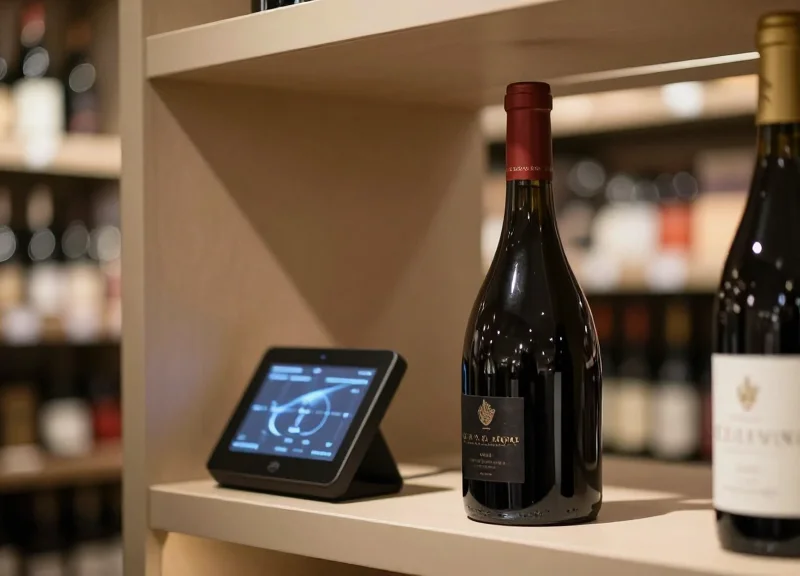
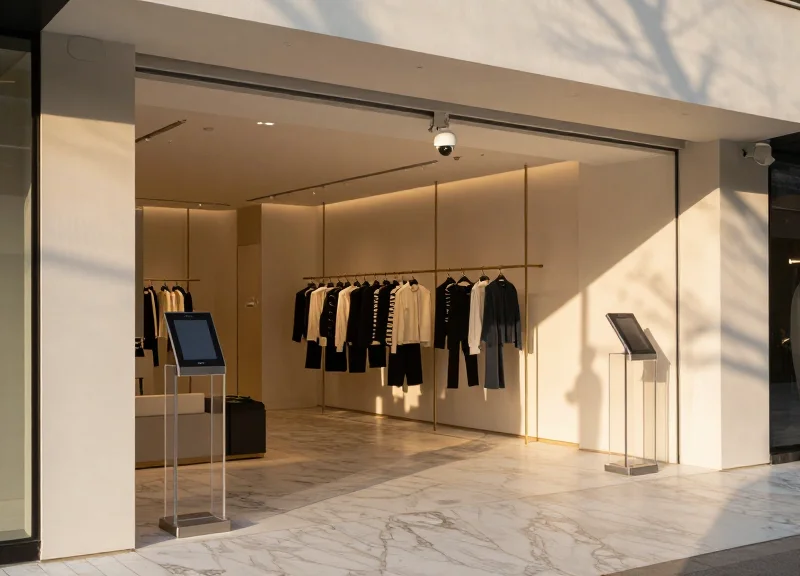
In the world of luxury wine retail, the digital display must not merely function; it must belong. Premium brand alignment is achieved when Electronic Shelf Labels (ESL) transcend their plastic-commodity origins to become an integrated architectural element. For 2026, the industry standard for high-end cellars focuses on 'The Invisible Tech' philosophy—ensuring that digital hardware enhances the vintage ambiance through the use of tactile materials like brushed brass, hand-stitched leather, and sustainably sourced wood veneers that mirror the cellar's bespoke cabinetry.
The visual transition between a centuries-old bottle and a modern digital display is a critical friction point. To maintain a premium atmosphere, retailers are moving away from standard white plastic casings toward custom-milled frames. These frames serve a dual purpose: they protect the e-ink technology from humidity while ensuring the device feels like a curated artifact rather than a piece of office equipment. My expert tip for 2026: Prioritize 'Cold-Touch' materials. In luxury environments, consumers subconsciously associate the thermal conductivity and weight of metal or stone with authenticity and value, whereas plastic suggests temporary convenience.
| Frame Material | Aesthetic Match | Durability Rating | Luxury Impact |
|---|---|---|---|
| Anodized Champagne Gold | Modern Architectural Cellars | High | Sophisticated, high-tech elegance |
| Distressed Bronze/Brass | Traditional & Gothic Styles | High | Timeless, heritage feel |
| Solid Walnut/Oak Veneer | Bespoke Wooden Cabinetry | Medium | Seamless organic integration |
| Matte Charcoal Aluminum | Industrial/Minimalist | High | Understated, focus on data |
Beyond materials, mounting solutions are the 'secret sauce' of luxury integration. Visible plastic clips or exposed wiring instantly degrade the perceived value of a $5,000 bottle of Bordeaux. The 2026 selection guide emphasizes flush-mount solutions where the ESL is recessed directly into the wooden shelf edge. Magnetic mounting systems are also gaining traction, allowing for a completely clean profile without visible fasteners, enabling staff to update displays or reposition bottles with surgical precision.
How do I ensure the digital screen doesn't ruin the cellar lighting?
Specify e-ink displays with a 'matte-paper' finish and avoid backlighting. This ensures zero glare and maintains the low-lumen, moody atmosphere essential for luxury cellars.
Can ESL frames be color-matched to existing cabinetry?
Yes, top-tier 2026 ESL providers offer Pantone matching for aluminum frames and custom wood-grain hydro-dipping to ensure the hardware is indistinguishable from the shelving.
What is the 'Golden Ratio' for luxury digital displays?
Luxury displays should maintain a frame-to-screen ratio of at least 1:3. A larger, high-quality frame makes the digital content feel like a framed piece of art rather than a price tag.
NFC and QR Code Connectivity: The 2026 Standard
By 2026, connectivity in luxury wine retail has evolved from a novelty feature to a mandatory standard for provenance and customer engagement. Near Field Communication (NFC) and dynamic QR codes embedded in Electronic Shelf Labels (ESLs) allow clients to instantly bridge the physical bottle with a rich digital ecosystem. This interaction provides high-net-worth collectors with immediate access to vertical tasting notes, real-time sommelier-led food pairing advice, and immutable proof of origin via blockchain-backed ledger records—all without requiring a dedicated mobile application.
| Feature | NFC (Near Field Communication) | Dynamic QR Codes |
|---|---|---|
| User Friction | Zero (Tap-to-interact) | Low (Scan-to-interact) |
| Lighting Requirements | Operates in total darkness | Requires moderate ambient light |
| Primary Use Case | Instant verification & VIP loyalty | Mass informational access & pairing |
| Security Level | High (Encrypted chips) | Medium (URL-based) |
The 2026 standard emphasizes the 'Sommelier-in-Pocket' experience. Expert Tip: In low-light cellar environments where QR codes may struggle with camera focus, NFC is the superior choice. It allows a customer to simply tap their smartphone to the wood-framed ESL to receive a haptic vibration and an immediate popup of the bottle's humidity history and current drinking window.
- Select the Connectivity Protocol: Choose ESLs that support dual-mode connectivity (NFC + QR) to ensure 100% device compatibility across all customer demographics.
- Map the Digital Twin: Link each unique tag ID to a digital twin in your inventory management system, including high-resolution terroir maps and video content.
- Implement Haptic Feedback: Configure NFC triggers to provide tactile confirmation on the user's phone, signaling a successful authentication of the vintage.
- Monitor Interaction Analytics: Use the backend data to see which vintages are being 'tapped' most frequently, even if they aren't purchased immediately, to gauge latent interest.
Unique Insight for 2026: The 'Ghost Tap' Security Protocol. A leading edge for retailers this year is the use of time-stamped NFC tokens. Unlike static QR codes that can be photographed and shared, these NFC tags generate a one-time-use cryptographic token upon each tap. This prevents fraudulent provenance claims and ensures that the person accessing the high-value data is physically standing in your cellar.
Does the customer need to download an app?
No. Modern NFC and QR implementations utilize 'App Clips' or web-based interfaces that launch instantly in the native mobile browser for a frictionless experience.
How do these tags handle the humidity of a wine cellar?
Industrial-grade ESLs for 2026 are IP67-rated, meaning the NFC antennas and display electronics are hermetically sealed against moisture ingress.
Can NFC tags be updated remotely?
While the physical chip ID remains the same, the destination URL or 'Action' triggered by the tap is managed through your central cloud software, allowing for real-time updates to pairing suggestions or pricing.
Evaluating ROI: Operational Efficiency and Error Reduction
In the 2026 luxury retail landscape, the Return on Investment (ROI) for Wine Cellar ESL systems is calculated by the elimination of 'labeling latency'—the critical time gap between a database price adjustment and the physical update on the shelf. For a cellar with 5,000 SKUs, switching to digital vintage displays typically reduces labor overhead by 85% in the first year alone, while simultaneously removing the brand-damaging risk of pricing discrepancies that often plague high-value manual inventory.
| Metric | Manual Paper System | Automated ESL System (2026) |
|---|---|---|
| Update Time per 100 SKUs | 4 - 6 Labor Hours | Sub-60 Seconds |
| Annual Error Rate | 3% - 5% (Human Error) | < 0.01% (System Sync) |
| Information Depth | Price & Name only | Live Scores, Pairing & NFC Link |
| Operational Focus | Administrative Maintenance | Customer Experience & Sales |
Beyond the immediate labor savings, the 'Hidden Margin Recovery' is where the most significant ROI is found. In luxury wine retail, prices are increasingly dynamic, fluctuating based on live auction data, updated critic scores, or scarcity. A manual system cannot keep pace with these market shifts, leading to 'missed margin' where bottles are sold below their current market value because the label hasn't been updated. Digital displays ensure that your floor price reflects real-time value, capturing every dollar of appreciation instantly across your entire collection.
How long is the typical payback period for a luxury wine ESL installation?
For most premium retailers, the break-even point occurs between 14 and 22 months. This accounts for the initial hardware CapEx and integration, offset by the immediate reduction in specialized labor costs and higher accuracy in high-margin sales.
Does digital labeling affect the perceived value of rare vintages?
Counter-intuitively, the 2026 consumer associates high-tech transparency with authenticity. By providing instant access to provenance and blockchain-verified data via the display, the perceived value—and price elasticity—of the bottle increases.
What is the primary driver of error reduction in these systems?
The 'Single Source of Truth' architecture. Because the ESL pulls directly from your ERP or Inventory Management System, there is no opportunity for a mismatch between the POS checkout price and the shelf display, eliminating friction at the point of sale.
Expert Tip: To maximize ROI, look for ESL systems that offer 'Low-Power E-Ink' with a battery life exceeding 10 years. In a temperature-controlled cellar environment, battery degradation can be a hidden OpEx. Choosing 2026-spec hardware ensures that your maintenance cycle is almost non-existent, allowing your staff to focus entirely on the sommelier experience rather than technical upkeep.
Sustainable Solutions: Battery Life and Energy Efficiency
In 2026, sustainable Electronic Shelf Label (ESL) solutions for luxury wine retail are defined by 'Zero-Power' bi-stable E-Ink displays and ultra-low-energy wireless protocols such as BLE 5.4 and Sub-GHz. These systems are engineered to consume power only during a content refresh, allowing a single CR2450 or Li-SOCl2 battery to sustain a label for 10 to 15 years. This longevity is critical for wine cellars where frequent manual intervention can disturb the delicate temperature and humidity balance required for aging fine vintages.
Energy efficiency in the 2026 landscape isn't just about the battery; it's about the entire ecosystem's carbon footprint. Modern gateways now utilize Power over Ethernet (PoE) to minimize cabling waste, and the software backends use edge computing to reduce the frequency of high-energy transmissions. For premium retailers, this translates to a 'set it and forget it' infrastructure that aligns with corporate social responsibility (CSR) goals while maintaining the aesthetic integrity of a bespoke cellar.
| Usage Profile | Updates Per Day | Estimated Battery Life (2026 Tech) | Environmental Impact |
|---|---|---|---|
| Vintage Storage | 1 update / month | 15+ Years | Negligible / Near-Zero Waste |
| Standard Retail | 1-2 updates / day | 10-12 Years | Low / Recyclable |
| High-Turnover | 5+ updates / day | 7-9 Years | Moderate / Battery Cycle Managed |
How do ESLs handle the cold, damp environment of a wine cellar?
2026 wine-specific ESLs are IP67-rated and utilize specialized battery chemistries (like Lithium Thionyl Chloride) that maintain peak performance in high humidity and temperatures as low as 10°C without capacity loss.
Are these digital displays truly eco-friendly?
Yes. By eliminating paper waste, ink cartridges, and the carbon cost of manual re-labeling, ESLs typically reach carbon neutrality within 18 months of installation in a high-volume luxury environment.
What happens to the batteries at the end of their life?
Leading 2026 providers offer 'Circular Economy' programs where labels are returned for battery replacement and component upcycling, ensuring zero hardware ends up in a landfill.
Expert Insight: A breakthrough for 2026 is the integration of 'Ambient Light Harvesting' (ALH) modules. For wine displays located in retail showrooms with consistent overhead lighting, these microscopic solar strips can trickle-charge the ESL's capacitor. Under the right conditions, this creates an 'Infinite Life' label that never requires a battery change, effectively removing the maintenance variable from your operational ROI entirely.