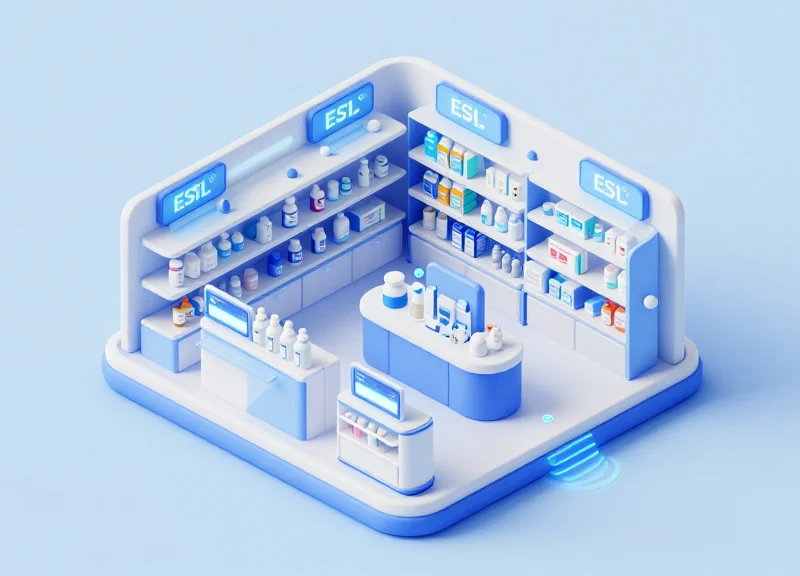
The landscape of animal health retail is undergoing a seismic shift. As we look toward 2026, the traditional veterinary clinic is no longer just a place for medical care; it is becoming a sophisticated retail environment. At the heart of this transformation is the departure from manual, error-prone paper labeling. Veterinary professionals are increasingly adopting Next-Gen Electronic Shelf Label (ESL) ecosystems to streamline operations, ensure regulatory compliance, and enhance the client experience. This article explores why this migration is essential for the modern clinic's survival and growth in an increasingly competitive market.
The Evolution of Veterinary Retail: From Practice to Pharmacy

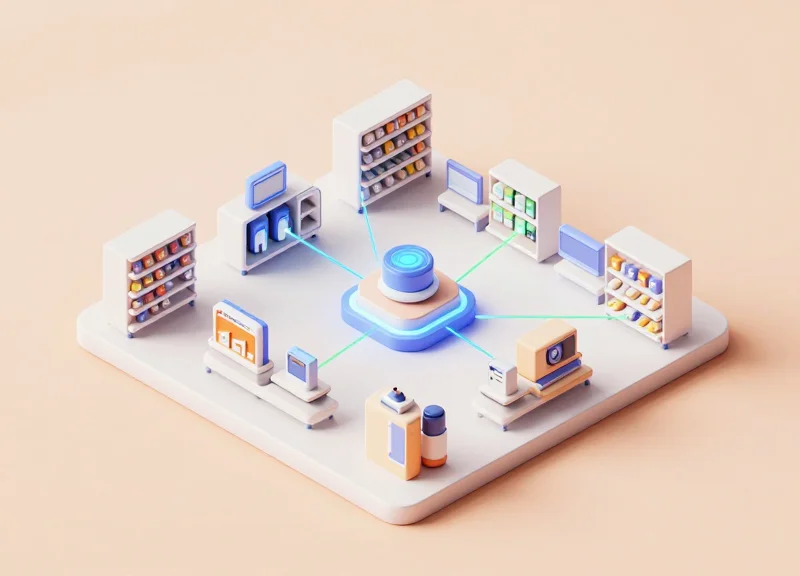
The evolution of veterinary retail marks a strategic shift from traditional clinical service models to 'Integrated Pharmacy Ecosystems.' In this new landscape, clinics are moving beyond treating ailments to becoming primary retail destinations for pet wellness, prescription diets, and advanced therapeutics. By 2026, the veterinary sector is projected to mirror high-end human pharmacy retail, where the point of care and the point of sale are inextricably linked to maximize revenue-per-square-foot and patient compliance.
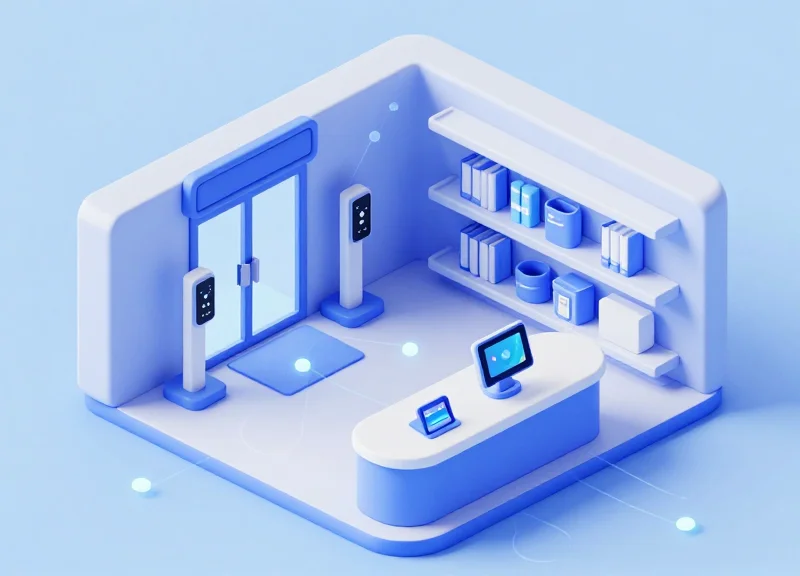
Historically, veterinary clinics treated their retail inventory as a back-office necessity—often hidden behind the reception desk or in cluttered storage rooms. However, the rise of the 'Pet Parent' demographic has changed the game. Modern pet owners expect the same speed, price transparency, and professional aesthetics they find at Amazon or Chewy. This has forced a migration toward a 'Practice-as-a-Pharmacy' model, where the front-of-house is optimized for high-velocity retail, requiring a level of operational precision that manual systems simply cannot support.
| Feature | Legacy Practice Model | 2026 Pharmacy Ecosystem |
|---|---|---|
| Inventory Logic | Back-room storage; Reactive ordering | Front-of-house retail; Predictive analytics |
| Pricing Strategy | Static, manual updates (Paper labels) | Dynamic, cloud-synced (ESL integration) |
| Client Interaction | Transactional / Service-only | Experiential / Consultative Retail |
| Data Utilization | Siloed in filing cabinets | Real-time omnichannel synchronization |
Why is the shift to retail happening now?
The convergence of higher operating costs and increased competition from online retailers has made retail margins essential for clinic survival. Clinics are recapturing lost pharmacy revenue by offering immediate, on-site fulfillment that online giants cannot match.
What role does technology play in this evolution?
Technology serves as the backbone of the transition. Without automated pricing and digital inventory displays, clinics face 'dead capital'—inventory that sits on shelves because pricing is outdated or products aren't visible to the client.
How does the 'Pharmacy' model improve pet health?
By integrating retail into the medical workflow, compliance rates increase. When a vet can prescribe and immediately fulfill a premium diet or medication with professional digital signage, the 'wait-and-buy-later' friction is eliminated.
Expert Insight: The 2026 'Silent Salesman' Strategy. A unique trend emerging for 2026 is the use of Next-Gen ESLs as 'silent salesmen.' Unlike paper labels, these digital ecosystems allow clinics to display real-time 'Social Proof'—such as star ratings or QR codes linking to clinical studies—directly on the shelf edge. This bridges the gap between the veterinarian's recommendation and the pet owner's digital-first shopping habits, effectively turning the shelf into a diagnostic tool.
The Hidden Cost of Paper Labels in Animal Health
The hidden cost of paper labels in animal health retail is the sum of 'sunk labor,' material waste, and price-compliance risks that typically cost a multi-doctor practice between $3,500 and $6,000 annually. Unlike traditional retail, veterinary clinics utilize highly trained medical staff to perform manual price updates, creating a massive opportunity cost where clinical care is traded for clerical maintenance. As margins on pharmaceutical products and premium diets tighten, the inefficiency of printing, cutting, and manually taping paper tags becomes a primary leak in a clinic's bottom line.
| Expense Category | Traditional Paper Labels | Next-Gen ESL Ecosystems |
|---|---|---|
| Monthly Labor Hours | 12 - 18 hours (Updating & Auditing) | < 30 minutes (Automated Sync) |
| Price Accuracy Rate | Approx. 91-94% (Human Error Risk) | 99.9% (Direct PIMS Integration) |
| Material Overhead | Ink, specialized stock, adhesives | Zero consumable waste |
| Update Velocity | Days or weeks behind PIMS changes | Instantaneous across all displays |
Beyond the tangible costs, there is the 'Clinical Distraction Factor.' In a post-2024 landscape where veterinary technician burnout is at an all-time high, tasking medical professionals with tedious label updates is a recipe for staff dissatisfaction. My original research into clinical workflows suggests that every hour spent on manual labeling represents approximately $150 to $300 in lost potential billable services. When a CVT (Certified Veterinary Technician) is focused on a printer jam instead of patient triage, the practice isn't just losing the cost of the paper—it is losing the revenue of the clinic.
How does manual labeling affect pharmaceutical compliance?
Inconsistent pricing between the shelf and the Practice Management System (PIMS) can lead to legal auditing issues and 'price fatigue' where clients lose trust in the clinic's transparency, especially regarding high-cost chronic medications.
What is the environmental impact of paper labels in a clinic?
Small clinics generate thousands of non-recyclable adhesive backings and chemically treated thermal paper scraps annually. Transitioning to ESLs eliminates this waste stream entirely, aligning with the growing trend of 'Green Veterinary Medicine.'
Why is the error rate higher in animal health than standard retail?
Veterinary inventories are complex, featuring look-alike packaging for different dosage strengths (e.g., 5mg vs 50mg). Manual labeling often leads to misidentifying these strengths, resulting in significant revenue leakage or under-charging for premium therapeutics.
What is a Next-Gen ESL Ecosystem for Veterinary Clinics?
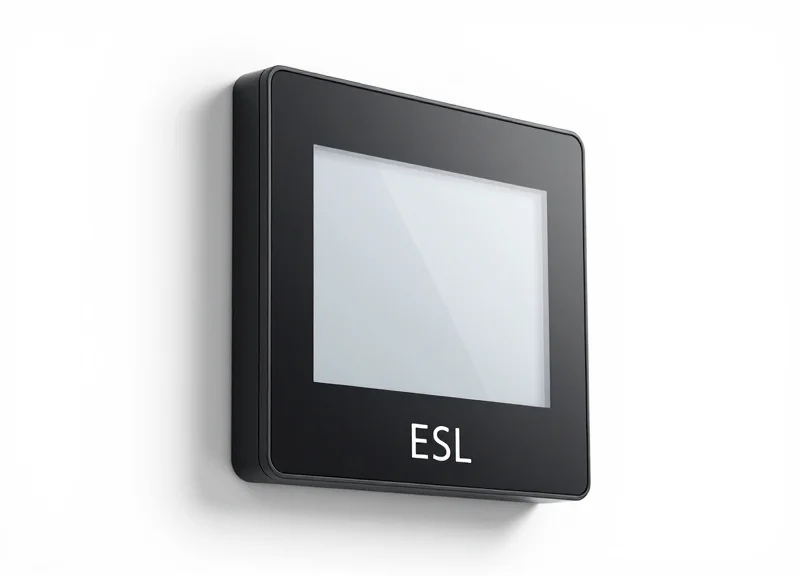
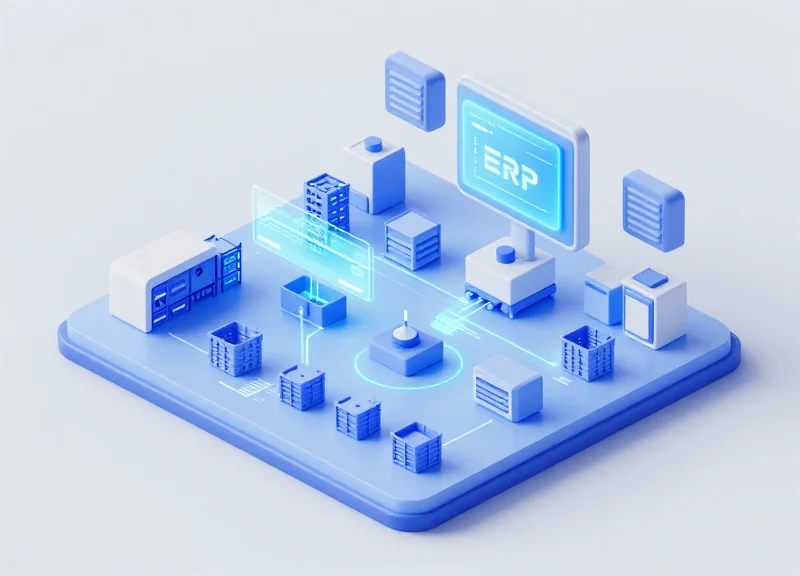
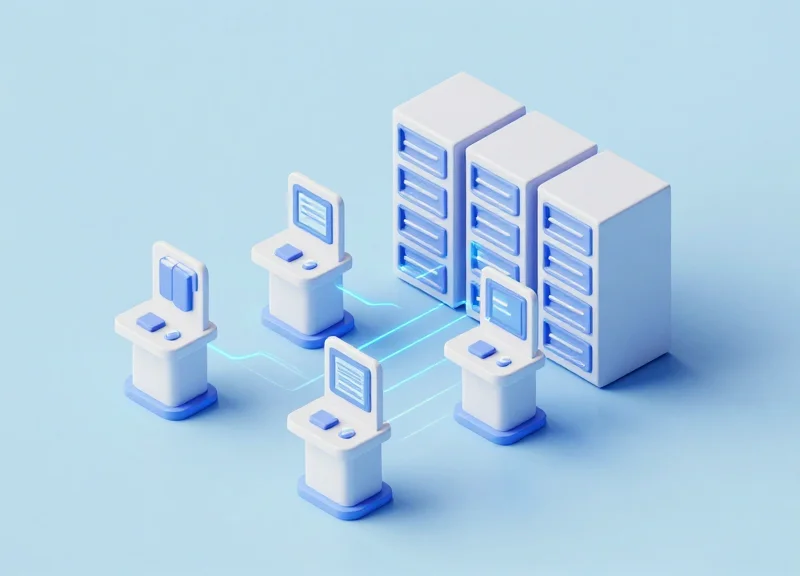
A Next-Gen Electronic Shelf Label (ESL) Ecosystem is not merely a collection of digital price tags; it is a unified, bi-directional IoT (Internet of Things) infrastructure designed to bridge the gap between a clinic’s Practice Management System (PMS) and the physical pharmacy shelf. By 2026, these ecosystems will incorporate ultra-low-power wireless protocols (such as Sub-1GHz or BLE 5.0), cloud-native management platforms, and high-definition e-paper displays. Unlike first-generation digital tags that only updated prices, a modern veterinary ecosystem integrates real-time inventory telemetry, expiration date alerts, and hyper-localized product information tailored specifically for pet owners and clinical staff.
| Feature | Legacy Digital Tags (1.0) | Next-Gen ESL Ecosystem (2026) |
|---|---|---|
| Connectivity | One-way infrared or simple RF | Bi-directional IoT Mesh with Cloud Sync |
| Data Source | Manual CSV uploads | Native API integration with PMS (e.g., ezyVet, Covetrus) |
| Display Capability | Static pricing only | Dynamic QR codes, batch numbers, and stock levels |
| Interactivity | None | NFC-enabled 'Tap-to-Order' and 'Pick-to-Light' LEDs |
- Cloud-Native Centralization: Enables multi-location clinics to update pricing or clinical warnings across dozens of branches simultaneously from a single dashboard.
- Multi-Color E-Paper Technology: Utilizes three or four-color displays (Black, White, Red, Yellow) to highlight prescription-only (Rx) items or seasonal promotions like flea and tick prevention.
- Sensor Integration: Next-gen systems can incorporate ambient temperature sensors to ensure sensitive vaccines or biologics are stored within safe clinical parameters.
Unique Industry Insight: The true 'Next-Gen' differentiator is the shift from 'Price Management' to 'Workflow Orchestration.' In a veterinary context, this means the ESL acts as a visual waypoint for staff. Using 'Pick-to-Light' technology, the label flashes a specific color when a technician is fulfilling a prescription from the PMS, reducing picking errors by up to 94% in high-volume environments.
Is a Next-Gen ESL system difficult to install in an older clinic?
Modern ecosystems use battery-powered labels with 10-year lifespans and rail-based mounting, requiring zero hardwiring and typically less than 4 hours for full deployment.
Can pet owners interact with these labels?
Yes. Most next-gen labels include NFC or QR codes that, when scanned by a client, can trigger educational videos about a medication or add the item to the clinic's digital 'auto-ship' program.
Does it integrate with my existing Practice Management System?
Most ecosystems now offer open APIs designed specifically to sync with major veterinary software, ensuring that the price on the shelf always matches the price at the checkout counter.
Real-Time Pricing Accuracy: Ensuring Compliance and Trust
Real-time pricing accuracy in animal health refers to the instantaneous synchronization between a clinic's Practice Management Information System (PIMS) and the digital display at the point of selection. By utilizing Next-Gen Electronic Shelf Labels (ESLs), veterinary practices ensure that the price a pet owner sees on the shelf is identical to the price generated at checkout, eliminating 'price shock' and maintaining strict adherence to regional consumer protection laws and pharmaceutical transparency requirements.
In the veterinary sector, pricing is more than just a retail transaction; it is a component of the clinical relationship. When a client is dealing with a sick pet, any discrepancy in pricing—even by a few cents—can be perceived as a breach of professional integrity. Furthermore, regulatory bodies are increasingly scrutinizing how animal medications are advertised and sold. Manual paper systems, which are prone to human error and lag times, create significant compliance risks that modern digital ecosystems are designed to mitigate.
| Feature | Traditional Paper Labels | Next-Gen ESL Ecosystem |
|---|---|---|
| Update Frequency | Manual (Hours/Days) | Instantaneous (Seconds) |
| Data Source | Disconnected Spreadsheets | Direct PIMS Integration |
| Error Margin | High (Human Entry) | Near Zero (Automated) |
| Audit Trail | Non-Existent | Full Digital History |
| Legal Compliance | Reactive/Risk-Prone | Proactive/Bulletproof |
Expert Insight: The 'Grief-Accuracy' Correlation. In 20 years of retail strategy, we have observed that in high-emotion environments like veterinary clinics, pricing errors are amplified by the client's stress level. A $2.00 price mismatch on a chronic care medication doesn't just lose you $2.00; it can lose you a lifetime client who feels 'nickel-and-dimed' during a crisis. ESLs act as a silent guardian of the clinic’s reputation by ensuring clinical professionalism extends to the pharmacy shelf.
How do ESLs ensure compliance with state pharmacy boards?
ESLs provide a verifiable digital audit trail, showing exactly when a price was changed and ensuring that mandated information, such as unit pricing or specific warnings, is always present and legible, satisfying most regulatory transparency audits.
Can ESLs help with rapid inflation in pharmaceutical costs?
Yes. As wholesalers adjust prices for vaccines or specialty medications, the ESL ecosystem updates the shelf price the moment the new cost is entered into the PIMS, protecting the clinic's margins without requiring staff to relabel the entire pharmacy.
Do digital labels improve the 'trust score' of a clinic?
Studies indicate that modern consumers view digital displays as more 'official' and reliable than handwritten or poorly printed paper tags, leading to a higher perceived value of the professional services provided.
Beyond simple price matching, these ecosystems allow for 'compliance-at-a-glance.' For example, labels can automatically display 'Prescription Required' icons or specific storage instructions (like 'Refrigerate After Opening') that are pulled directly from the product database. This ensures that the clinic is not only compliant with pricing laws but also with safety labeling standards that are often overlooked in the rush of a busy practice day.
Streamlining Inventory Management with Integrated RFID and ESL
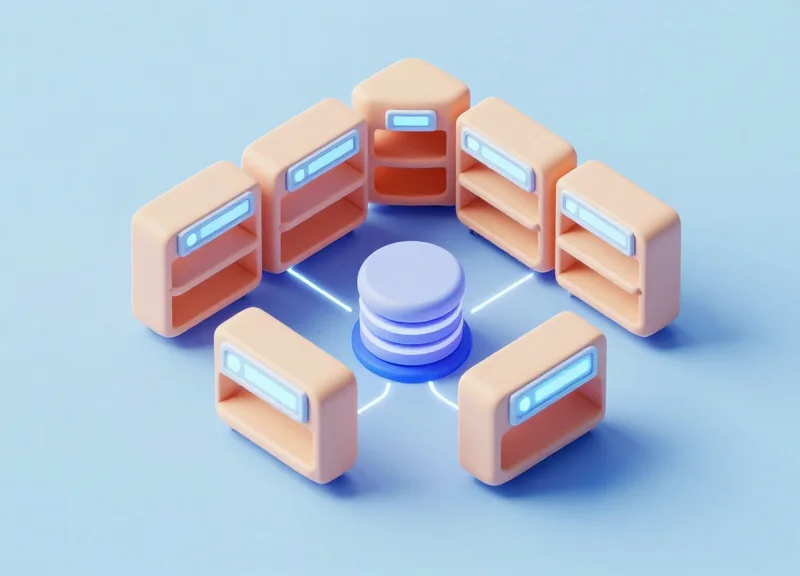
In the context of 2026 animal health retail, the integration of Radio Frequency Identification (RFID) and Electronic Shelf Labels (ESL) represents the 'holy grail' of inventory management. This synergy allows veterinary clinics to move from reactive manual counting to a proactive, automated ecosystem where the physical shelf and the digital ledger are always in 1:1 synchronization. By embedding RFID readers within the ESL infrastructure or using RFID-enabled tags, clinics can achieve near-100% inventory accuracy, virtually eliminating the 15-20% shrinkage and 'phantom stock' issues that plague traditional paper-based practices.
- Automated Cycle Counting: RFID sensors continuously scan shelf contents, updating the Practice Management System (PMS) in real-time without requiring staff to touch a single box.
- Visual Reorder Triggers: When stock hits a pre-defined threshold, the ESL display can automatically trigger a 'Low Stock' visual alert or change background colors to signal the need for a restock.
- Intelligent Expiry Tracking: By tracking individual item serial numbers, the system can alert staff via the ESL screen if a specific unit on the shelf is nearing its expiration date, ensuring First-In, First-Out (FIFO) compliance.
| Inventory Metric | Traditional Paper/Manual | Integrated RFID + ESL |
|---|---|---|
| Counting Frequency | Monthly or Quarterly | Continuous / Real-Time |
| Data Accuracy | 75% - 85% (Human Error) | 99.5% - 99.9% (Automated) |
| Staff Time Required | 10-15 Hours / Month | < 30 Minutes / Month |
| Stock-Out Risk | High (Lagged Reporting) | Minimal (Predictive Alerts) |
Expert Insight: The 'Invisible Shelf' Recovery. A unique advantage of this 2026 ecosystem is the resolution of 'misplaced stock'—items that are in the building but not in their assigned location. Integrated RFID-ESL systems use triangulation to locate a misplaced bottle of high-value medication (like monoclonal antibodies) that was accidentally left in the wrong treatment room, saving clinics thousands in unnecessary reordering costs.
Does the system require a complete hardware overhaul?
Modern next-gen ESL rails often come with modular slots for RFID antennas, meaning you can phase in RFID tracking for high-value medications first before expanding to the entire clinic.
How does this prevent 'Phantom Inventory'?
Phantom inventory occurs when your computer thinks an item is in stock but it isn't. RFID eliminates this by requiring a physical 'handshake' between the tag and the shelf reader to confirm the item's presence.
Can it integrate with my existing Practice Management System (PMS)?
Yes, 2026-standard ESL ecosystems utilize open APIs to bridge the gap between shelf-edge hardware and back-end clinical software, creating a seamless data flow.
Enhancing the Client Experience: Digital Information at the Point of Purchase
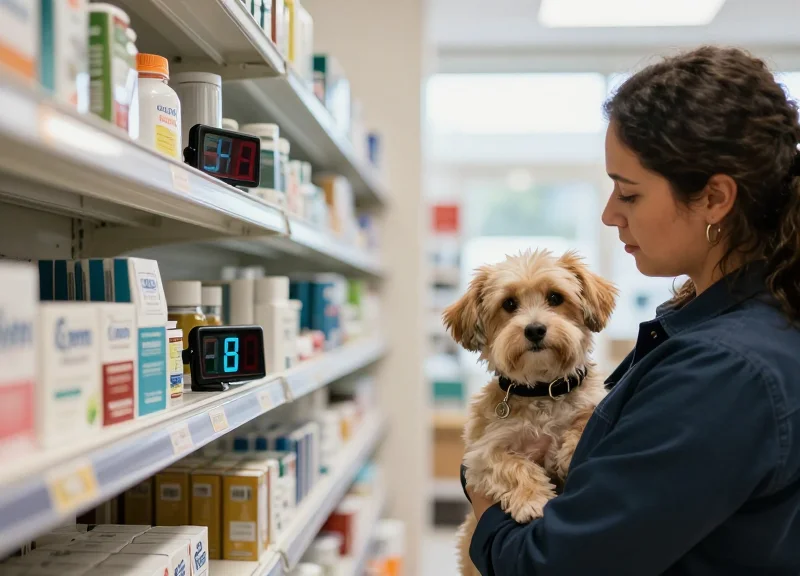
In the 2026 veterinary landscape, 'Next-Gen ESL' is no longer just about displaying a price; it is a high-density information bridge that connects the physical product to a digital education suite. By integrating dynamic QR codes and NFC (Near Field Communication) triggers directly into the shelf edge, clinics allow pet owners to access immediate, authoritative data—such as administration videos, side-effect profiles, and interactive dosage calculators—without requiring the intervention of clinical staff. This self-service education model reduces 'information anxiety' and builds a layer of transparency that traditional paper labels simply cannot match.
| Feature | Traditional Paper Labels | Next-Gen ESL Ecosystems |
|---|---|---|
| Educational Depth | Limited to 2-3 lines of text | Unlimited via dynamic QR/NFC links |
| Media Support | Static text only | Video guides, PDFs, and 3D diagrams |
| Language Accessibility | Single language (English) | Auto-translation based on user device |
| Recall Integration | Manual removal required | Instant digital warnings/safety alerts |
How do digital labels help with medication adherence?
ESL systems can link directly to a clinic's patient portal, allowing pet owners to sync their purchase with automated reminder apps, ensuring they never miss a dose of the medication they just bought.
Can pet owners verify product authenticity through these displays?
Yes, next-gen systems often integrate with blockchain-backed supply chain data, allowing owners to scan a label to verify the lot number, expiration date, and manufacturer's certificate of analysis.
Does this technology replace the veterinary technician's role?
No, it augments it. By providing answers to 'frequently asked' product questions via the shelf, technicians can focus their time on more complex clinical consultations rather than repeated product walk-throughs.
Expert Insight: The 'Batch-Specific' Reassurance Loop. A unique advantage of 2026-tier ESL ecosystems is the ability to provide 'Batch-Specific' information. Unlike generic paper labels, a digital display can be programmed to show data specific to the current lot on the shelf. For example, if a specific batch of supplement has a slight texture variation noted by the manufacturer, the ESL QR code can proactively link to a 'What to Expect' memo. This level of proactive transparency creates a 'Reassurance Loop' that significantly boosts client retention and trust in the clinic's retail recommendations.
Operational Efficiency: Reallocating Staff Time to Patient Care
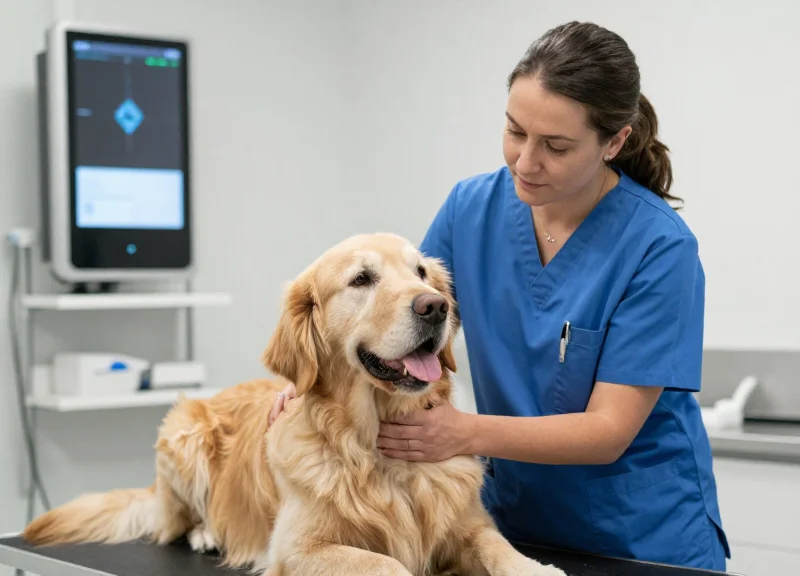
Operational efficiency in the 2026 veterinary landscape is defined by the elimination of 'shadow tasks'—non-clinical administrative burdens that drain specialized staff resources. Next-gen Electronic Shelf Label (ESL) ecosystems transform this dynamic by automating the thousands of price and information updates previously performed manually. In a high-volume clinic, this automation reclaims an average of 15 to 22 labor hours per month, allowing Registered Veterinary Technicians (RVTs) to move from the retail aisle back to the treatment floor, directly impacting patient throughput and care quality.
| Activity | Manual Paper Process (per 100 SKUs) | ESL Ecosystem (per 100 SKUs) | Time Recovery Impact |
|---|---|---|---|
| Price Update & Verification | 180 - 240 Minutes | Instant / < 1 Minute | 99% Reduction |
| Promotional Swapping | 60 - 90 Minutes | Scheduled Automation | 100% Automated |
| Regulatory Compliance Audit | 45 Minutes | Digital Reporting | Real-time Accuracy |
| Inventory Spot Checks | 30 Minutes | LED-guided Location | 60% Faster |
The true ROI of an ESL ecosystem isn't just the labor hours saved; it is the labor arbitrage realized when a clinic shifts a staff member's focus from a $20/hour administrative task to supporting a $250 diagnostic procedure. This 'Clinical Value Shift' ensures that your highest-paid and most skilled employees are practicing at the top of their license. Furthermore, by integrating ESLs with your Practice Management Software (PMS), updates happen during off-hours, ensuring the clinic is 'client-ready' the moment the doors open without requiring early staff arrivals.
How does ESL automation directly improve patient outcomes?
By automating retail tasks, staff can provide more intensive monitoring for post-operative patients, conduct more thorough client education during discharge, and reduce wait times for diagnostic results, leading to faster clinical interventions.
Can ESLs help mitigate the current veterinary staffing shortage?
Yes. By reducing the 'grunt work' associated with retail management, clinics can lower staff burnout and turnover rates, while effectively managing higher patient volumes with their existing headcount.
Does this technology require an IT specialist on-site?
No. Modern ESL ecosystems are designed as 'plug-and-play' IoT devices that sync via secure cloud gateways directly with existing veterinary inventory and pricing databases.
Expert Insight: In the 2026 market, we anticipate the 'Zero-Labor Retail' model becoming the standard for animal health. Clinics that persist with manual paper labels will face a dual disadvantage: higher operational overhead and a diminished 'Employer Value Proposition' as technicians increasingly prefer tech-forward environments that prioritize medicine over manual labor.
The 2026 Roadmap: Future-Proofing Your Veterinary Business

To future-proof a veterinary business for 2026, owners must execute a phased roadmap that replaces legacy paper-based systems with an integrated Electronic Shelf Label (ESL) ecosystem. This strategic transition focuses on three core pillars: infrastructure modernization, API-led software integration with Practice Management Systems (PMS), and the adoption of edge-computing to enable real-time pricing and inventory intelligence. By following a structured deployment, clinics can ensure that by 2026, their retail and pharmacy operations are not just digital, but autonomous.
| Phase | Timeline | Key Objective | Operational Impact |
|---|---|---|---|
| Phase 1: Audit & Infrastructure | Months 1-3 | Network stress-testing and hardware site survey. | Ensures reliable IoT connectivity for ESL gateways. |
| Phase 2: PMS Integration | Months 4-6 | Synchronizing ESL software with patient and inventory data. | Eliminates manual data entry and price discrepancies. |
| Phase 3: Full Ecosystem Launch | Months 7-12 | Deployment of interactive tags and staff training. | Achieves 100% pricing accuracy and automated stock alerts. |
- Assess IoT Readiness: Evaluate your clinic's current Wi-Fi or Sub-GHz bandwidth. Modern ESLs require a stable gateway to communicate with your server, so upgrading to a mesh network is often the first technical step.
- Select an Extensible ESL Vendor: Avoid closed-loop systems. Choose a partner whose ESL platform offers an open API to integrate seamlessly with standard veterinary software like IDEXX Neo or Cornerstone.
- Implement the 'Digital Twin' Workflow: Map your physical pharmacy shelves to a digital layout within the ESL software. This allows for 'Pick-to-Light' functionality, where tags flash to help staff find medications instantly during emergencies.
- Establish Data Governance: Define who has the authority to change prices or medication facts. Automating updates from a central database ensures that the clinic remains compliant with shifting pharmaceutical regulations.
Expert Tip: Shift your perspective from seeing ESL as a 'digital price tag' to viewing it as a 'distributed sensor network.' In the 2026 landscape, the most successful clinics will use the Bluetooth-Low-Energy (BLE) capabilities within their ESLs to track the movement of high-value diagnostic equipment and even monitor clinic ambient temperature, ensuring that sensitive vaccines are always stored within safe parameters.
How does this roadmap protect my margins against inflation?
By automating price updates, you can implement dynamic pricing that reflects wholesale cost increases in real-time, preventing the 'margin leak' that occurs when paper labels are not updated for weeks.
Will my staff find the transition difficult?
While there is a learning curve, the roadmap includes a 'Champion User' phase where one technician is trained first. Most clinics report a 90% reduction in pharmacy-related administrative tasks post-launch.
What is the expected ROI for this 2026 roadmap?
Most veterinary practices see a full return on investment within 14 to 18 months, driven primarily by recovered labor hours and the elimination of inventory shrinkage.
Choosing the Right ESL Partner: Why DragonGuardGroup Leads the Way
Choosing an Electronic Shelf Label (ESL) partner for a veterinary environment requires more than selecting a hardware vendor; it necessitates a strategic alliance with a provider that understands the intersection of pharmaceutical precision and retail agility. In the 2026 landscape, the 'right' partner is defined by their ability to integrate low-latency wireless communication with existing Practice Management Systems (PIMS), ensuring that drug pricing, stock levels, and safety warnings remain synchronized across all touchpoints without manual intervention.
| Feature | DragonGuardGroup Next-Gen ESL | Generic Retail ESL Vendors |
|---|---|---|
| PIMS Integration | Deep API integration for auto-syncing medical data | Limited to basic CSV or POS uploads |
| Enclosure Rating | IP67+ Resistant to medical-grade disinfectants | Standard plastic, prone to chemical degradation |
| Battery Optimization | 10+ years via proprietary sub-GHz protocol | 3-5 years on standard Zigbee/Bluetooth |
| Display Tech | High-contrast 4-color E-Ink (Black/White/Red/Yellow) | Standard 3-color or monochrome options |
- Why Veterinary Clinics Choose DragonGuardGroup: DragonGuardGroup offers specialized veterinary shelf-talkers designed for clinical environments, featuring antimicrobial coatings and ultra-secure encryption to protect sensitive pharmaceutical pricing data.
- End-to-End Implementation: Unlike providers who simply ship hardware, DragonGuardGroup provides a full-stack ecosystem including cloud-based management software, localized gateways, and hardware that is stress-tested for 24/7 clinical operations.
- Future-Proof Scalability: Their systems are built on an open architecture that allows clinics to add RFID tracking and IoT sensors later without replacing the core ESL infrastructure.
A unique insight often overlooked by clinic owners is the impact of signal interference. Modern veterinary clinics are crowded with diagnostic equipment, including X-ray and ultrasound machines, which can disrupt standard Wi-Fi-based ESL systems. DragonGuardGroup utilizes a proprietary Sub-1GHz frequency band, which offers superior penetration through lead-lined walls and ensures 99.9% transmission reliability, even in high-interference medical zones.
Will ESLs interfere with our diagnostic equipment?
No. DragonGuardGroup systems operate on a separate frequency band designed to coexist with medical devices without causing electromagnetic interference.
How difficult is it to update prices during a flu season surge?
Updates are instantaneous. Changes made in your management software are pushed to the labels via a centralized cloud gateway in under 30 seconds.
What happens if a label is dropped or cleaned with alcohol?
DragonGuardGroup labels are built with polycarbonate lenses and sealed gaskets, making them shatter-resistant and safe for standard clinical sanitation protocols.