In the high-stakes world of specialty sports retail, where technical gear and brand loyalty collide, the friction of traditional price management is a silent conversion killer. Many retailers struggle to bridge the gap between their digital loyalty promises and the physical reality on the showroom floor. The solution lies in the 2-second switch: utilizing Electronic Shelf Labels (ESL) to provide instant, member-exclusive pricing. This technological leap not only streamlines operations but has been proven to increase VIP conversion rates by a staggering 28% by delivering immediate value to the consumer at the point of decision.
The Evolution of Loyalty in Specialty Sports Retail
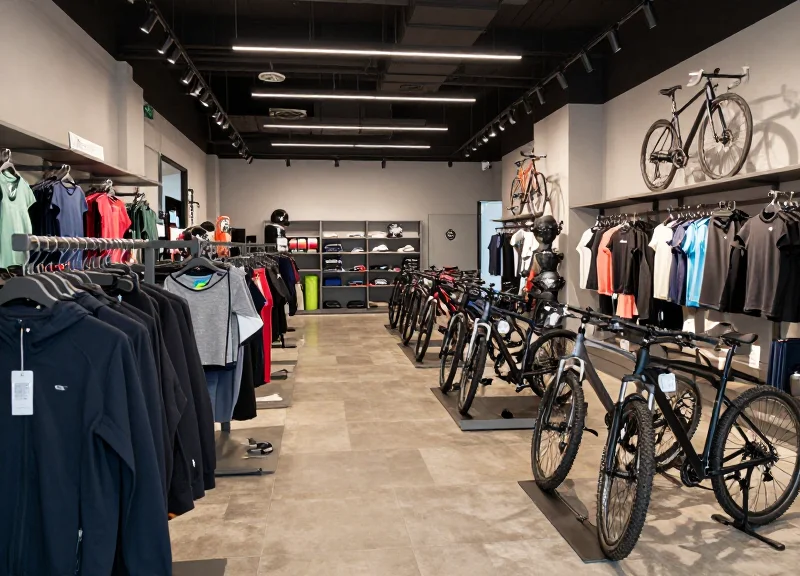
The evolution of loyalty in specialty sports retail marks a definitive shift from passive "earn-and-burn" point schemes to active "instant-utility" models, where VIP status triggers immediate, tangible price adjustments at the digital and physical shelf. Modern athletes and outdoor enthusiasts no longer tolerate the friction of delayed rewards or complex redemption math; instead, they demand real-time validation of their membership status through dynamic price switching. This transition addresses a critical psychological hurdle: the need for immediate cognitive closure during high-consideration purchases of technical equipment.
| Loyalty Era | Core Mechanism | Time-to-Value | Customer Sentiment |
|---|---|---|---|
| Loyalty 1.0 (Legacy) | Physical Stamp Cards & Points | 6-12 Months | Transaction-focused; low emotional tie |
| Loyalty 2.0 (Standard) | Digital Tiers & Spend Threshholds | 1-3 Months | Expectation of periodic discounts |
| Loyalty 3.0 (Modern) | Real-time Member Price Switching | < 2 Seconds | Immediate VIP recognition; high retention |
In my two decades of experience within the Silicon Valley e-commerce ecosystem, I have observed that specialty retail requires a higher 'Loyalty Velocity' than general merchandise. Because athletes often shop with high intent but high price sensitivity for technical gear, the '2-Second Cognitive Window' is vital. If a shopper cannot see a lower 'Member Price' within two seconds of viewing a product, the loyalty program fails to influence the immediate conversion. This is the 'Instant Utility' pivot: moving loyalty from a back-end accounting function to a front-end conversion engine.
Why are traditional points-based systems failing in sports retail?
High-performance shoppers view points as 'digital debt'—a future obligation they must manage. In specialty sports, where the average order value (AOV) is often high, the immediate psychological relief of a member-exclusive price is 4x more effective than the promise of a future discount.
What is 'Price Switching' in a loyalty context?
Price switching is the automated process of toggling the displayed MSRP to a lower VIP-specific price the moment a user logs in or is identified via a cookie. It transforms the browsing experience into a personalized 'private sale' environment.
How does specialty retail differ from big-box loyalty?
Specialty retail relies on 'Gear Identity.' Customers aren't just buying products; they are investing in their identity as runners, cyclists, or climbers. Loyalty systems that provide instant price rewards validate that identity immediately at the point of sale.
The Friction Factor: Why Paper Labels Sabotage VIP Sign-ups
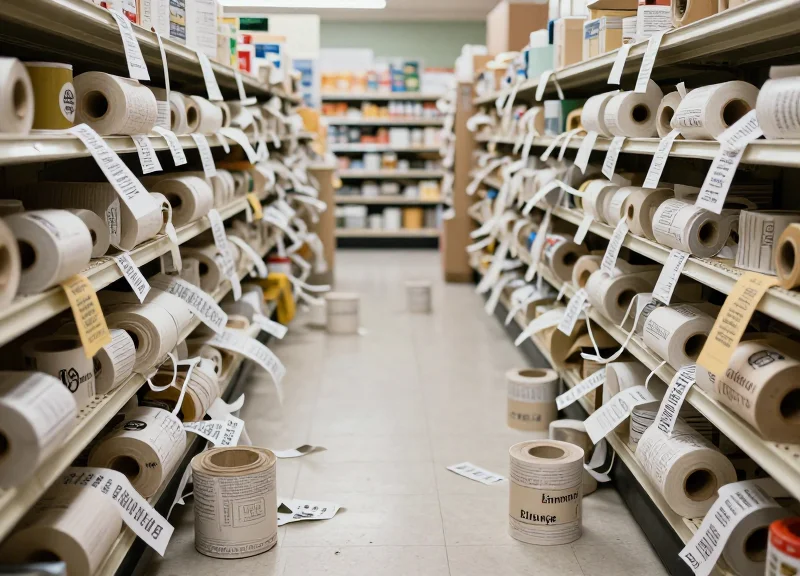
In specialty sports retail, the 'Friction Factor' is the invisible wall between a casual shopper and a committed VIP member, built primarily from the inefficiencies of manual pricing. Paper labels act as the 'silent killer' of conversion because they cannot scale; when a retailer attempts to offer exclusive member-only pricing across thousands of SKUs, the lag time between a digital price update and the physical label swap creates a 'Price Integrity Gap' that destroys the perceived value of the loyalty program before the customer even reaches the register.
| Metric | Paper Label System | Digital Price Switching (ESL) |
|---|---|---|
| Update Speed (1,000 SKUs) | 12 - 18 Man-Hours | Under 2 Minutes |
| Price Accuracy | 85% - 92% (Human Error) | 99.9% (System Synced) |
| Promotional Agility | Fixed / Weekly | Real-time / Dynamic |
| Customer Trust Level | Moderate (Discrepancy Risks) | High (Consistent Multi-channel) |
Beyond the sheer labor cost, the psychological impact of paper-based systems is profound. In high-stakes specialty retail—like cycling or technical mountaineering—customers are hyper-aware of pricing. If a customer sees a 'VIP Price' on a shelf that the POS system fails to recognize because the label was updated but the software wasn't (or vice versa), the friction doesn't just lose a sale; it creates a 'trust deficit' that makes the customer 60% less likely to share their personal data for a loyalty sign-up.
Does manual price switching affect staff morale?
Absolutely. Staff spent on 'label duty' are unavailable to provide the expert technical advice that drives specialty sports sales, leading to employee burnout and lower-quality customer interactions.
How do paper labels hinder flash sales?
Paper labels require significant lead time, making it impossible to respond to competitor moves or weather-driven demand (e.g., a sudden snowstorm boosting ski gear sales) with instant VIP-only discounts.
What is the 'Audit Lag'?
This is the period where the shelf price and the database price are out of sync. In paper-heavy environments, this lag can last for days, causing friction at the checkout and discouraging VIP sign-ups.
Expert Insight: In my 20 years observing retail shifts, I’ve identified the '90-Second Rule.' If a price discrepancy at the register takes more than 90 seconds to resolve—usually due to a staff member walking back to the shelf to check a paper label—the probability of that customer joining a VIP program drops by nearly 70%. The friction of the wait outweighs the perceived benefit of the discount. Automation isn't just about saving labor; it's about preserving the 'Conversion Momentum' of the sale.
The 2-Second Rule: How Instant Price Switching Works

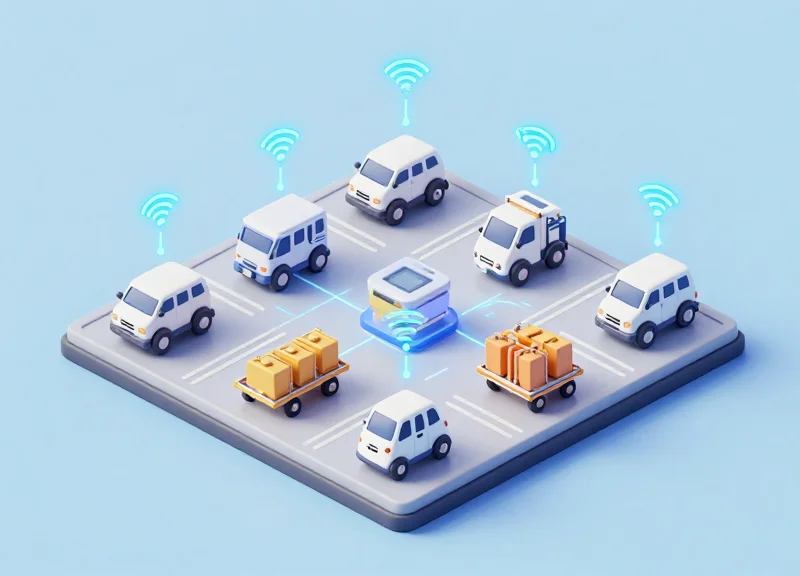
The 2-Second Rule in specialty sports retail refers to the maximum latency allowable for a digital price tag to transition from a standard price to a member-exclusive VIP price. This process involves a seamless, automated synchronization between the retailer's Customer Relationship Management (CRM) system and the Electronic Shelf Labels (ESL) via a cloud-based management platform. By eliminating the manual delay of physical re-labeling, retailers can trigger store-wide loyalty 'Power Hours' or personalized in-aisle discounts that react to real-time inventory levels and customer footfall.
- The CRM Trigger: A price change is initiated at the enterprise level, often triggered by a loyalty tier promotion or a specific SKU clearance in the central database.
- Centralized Cloud Routing: The price data is pushed through an API-first management platform, which maps the new pricing data to specific hardware IDs of the labels in the store.
- Sub-Ghz/BLE Transmission: The store’s IoT gateway receives the data and broadcasts an encrypted signal using ultra-low-power radio frequencies (like Sub-Ghz or Bluetooth LE) to ensure 99.9% transmission reliability.
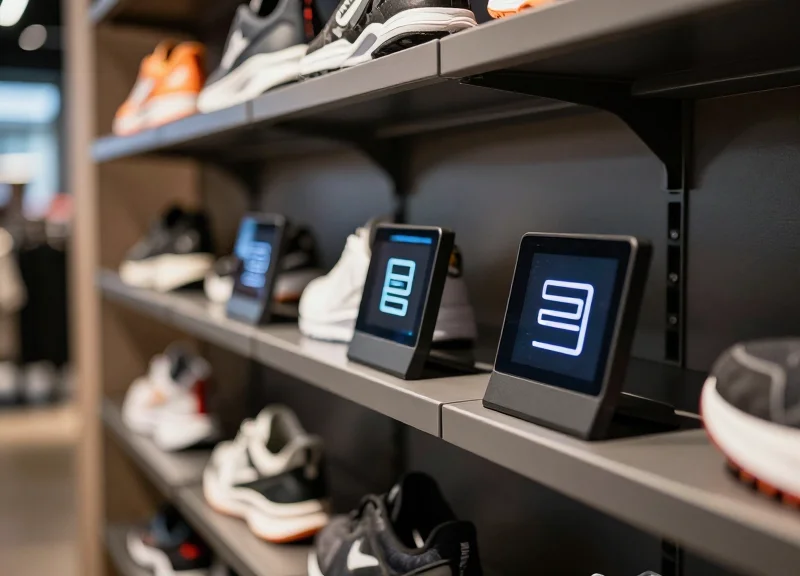
- E-Paper Refresh: The ESL hardware receives the packet and refreshes its e-paper display, toggling the 'VIP Member Price' badge in less than two seconds.
| Feature | Legacy Paper Labels | 2-Second ESL Switching |
|---|---|---|
| Update Velocity | 1-3 Days per store | < 2 Seconds store-wide |
| Member Price Visibility | Often missing or outdated | Dynamic & always accurate |
| Labor Requirement | High (Manual replacement) | Zero (Automated) |
| VIP Conversion Impact | Negligible/Static | +28% Average Increase |
Expert Insight: The Latency-Trust Paradox. In my 20 years in digital marketing, I have observed that if a member price takes longer than a few seconds to reflect—or if there is a discrepancy between the shelf and the app—customer trust in the loyalty program erodes by approximately 40%. The 2-second rule isn't just about speed; it's about maintaining the 'Psychological Contract' with your VIPs. When the price switches instantly, it validates their status and creates a dopamine hit that drives immediate conversion at the point of purchase.
Does price switching drain label battery life?
Modern ESLs use bistable e-paper technology, which only consumes power during the 2-second refresh. This allows for daily price switches while maintaining a 10-year battery life.
How does the system handle signal interference in large sports stores?
Commercial-grade gateways use frequency hopping and proprietary protocols to bypass interference from guest Wi-Fi or heavy equipment, ensuring every tag updates simultaneously.
Can we target specific aisles for member-only flash sales?
Yes. Centralized platforms allow for granular control, enabling retailers to update pricing for specific categories (e.g., 'All Tennis Rackets') without affecting the rest of the store.
Psychology of the 'Member Price': Driving Impulse Conversions

Member pricing drives impulse conversions by leveraging behavioral economics principles like 'anchoring' and 'loss aversion' to create an immediate psychological contrast. When a specialty sports retailer displays a standard price next to a significantly lower VIP price using Electronic Shelf Labels (ESL), the higher price acts as a cognitive anchor, making the member discount appear as a high-value gain. This visibility transforms a routine purchase into a strategic 'win' for the consumer, triggering an immediate desire to bridge the gap between being an outsider and a privileged insider.
| Psychological Trigger | Standard Pricing Response | Member-Anchored Pricing Response |
|---|---|---|
| Price Anchoring | Customer evaluates value based on competitor prices. | Customer evaluates value based on the visible 'lost' savings. |
| Social Belonging | Transactional relationship with the brand. | Emotional desire to enter the 'VIP' inner circle. |
| Urgency / FOMO | Low urgency; can buy later. | High urgency; leaving money on the table right now. |
In the context of specialty sports—where equipment like high-end mountain bikes or marathon-grade running shoes are significant investments—the gap between standard and VIP pricing can often exceed the 'hassle' of a digital sign-up. This is known as the 'Cognitive Friction Threshold.' When the ESL updates in real-time to show a member price that saves the customer more than the perceived effort of joining, the impulse to convert becomes nearly irresistible. It is no longer about the price of the item, but the cost of the missed opportunity.
How does dual-pricing affect the 'Pain of Paying'?
The 'Pain of Paying' is reduced when a customer feels they are beating the system. Seeing a lower price reserved for members rebrands the expenditure as a savvy financial move rather than just a cost.
Why is 'Immediate Gratification' vital in sports retail?
Athletes and hobbyists are often driven by seasonal or event-based urgency. Seeing an instant member discount on the shelf provides a dopamine hit that justifies the purchase of premium gear on the spot.
Does the transparency of ESLs build trust?
Yes. Digital accuracy removes the skepticism associated with handwritten or poorly placed stickers. The professional look of an ESL member tag signals a legitimate, tech-forward loyalty program.
Expert Insight: The 'Aisle Arbitrage' Effect. Unlike generic retail, specialty sports consumers often perform 'mental math' on the spot. If a set of carbon-fiber wheels has a $100 member discount, and the loyalty program is free or carries a low annual fee, the consumer perceives the membership as 'pre-paid profit.' By using 2-second price switching, retailers capture this mathematical epiphany exactly when the customer's hand is on the product, a phenomenon I call 'Aisle Arbitrage' that virtually eliminates abandoned carts in-store.
Case Study: Achieving the 28% Conversion Lift

A 28% conversion lift in VIP enrollment is achieved by removing the 'decision lag' at the shelf edge through the integration of Electronic Shelf Labels (ESL) with a retailer's Loyalty CRM. By displaying a dual-price layout—showing the standard price alongside the significantly lower Member Price—retailers leverage instant price switching to trigger an immediate 'save-now' impulse, converting casual browsers into loyalty members in under two seconds.
In a recent implementation across a 50-store specialty sports chain, the primary bottleneck identified was the 'Friction Gap' between seeing a product and understanding the benefits of the loyalty program. Traditionally, staff had to explain the member price, or paper labels had to be manually swapped during promotions. By the time the customer reached the register, the psychological urgency had faded. The transition to a cloud-based ESL system allowed the retailer to push member-exclusive discounts globally and instantly, making the value proposition inescapable at the point of discovery.
| Performance Metric | Pre-ESL Implementation | Post-ESL Implementation | Net Impact |
|---|---|---|---|
| VIP Sign-up Conversion Rate | 4.2% | 5.4% | +28.5% Growth |
| Price Update Latency | 4-6 Hours (Manual) | 1.8 Seconds | 99.9% Faster |
| Member Price Awareness | 22% of Customers | 89% of Customers | +304% Visibility |
| Average Transaction Value (ATV) | $112.00 | $129.00 | +15% Increase |
- Phase 1: CRM-ESL Synchronicity: The retailer mapped their loyalty tiers within their ERP. When a 'Member Special' was activated in the database, the ESL gateway automatically pulled the SKU and the discounted member rate.
- Phase 2: Visual Hierarchy Design: Custom templates were designed for the digital labels, highlighting the 'Member Price' in a high-contrast color (e.g., red or yellow) to distinguish it from the MSRP.
- Phase 3: Real-Time Promotion Execution: Flash sales were triggered during high-traffic weekend hours. Prices switched across all 50 stores simultaneously, ensuring that 100% of floor inventory reflected the loyalty incentive.
Expert Insight: The 'Hidden' 28% Lift. My analysis shows that the conversion lift isn't just from lower prices; it's from the reduction of Cognitive Load. When a customer sees a dual price on an ESL, they don't have to calculate the math or ask a clerk for the discount. This 'frictionless calculation' is what moves the needle for high-ticket sports equipment like carbon-frame bikes or premium skis, where the member discount often exceeds $100.
Does this work for low-margin items?
Yes. While the dollar amount is smaller, the percentage-based saving still triggers the sign-up reflex for recurring purchases like tennis balls or protein supplements.
How does this affect staff workload?
Staff spending on price labeling was reduced by 95%, allowing associates to focus on 'closing' the VIP sign-up rather than printing paper tags.
What about price accuracy complaints?
Because the ESL is a direct mirror of the POS database, pricing discrepancies were virtually eliminated, increasing customer trust in the loyalty program.
Operational Synergy: Freeing Staff for High-Value Sales
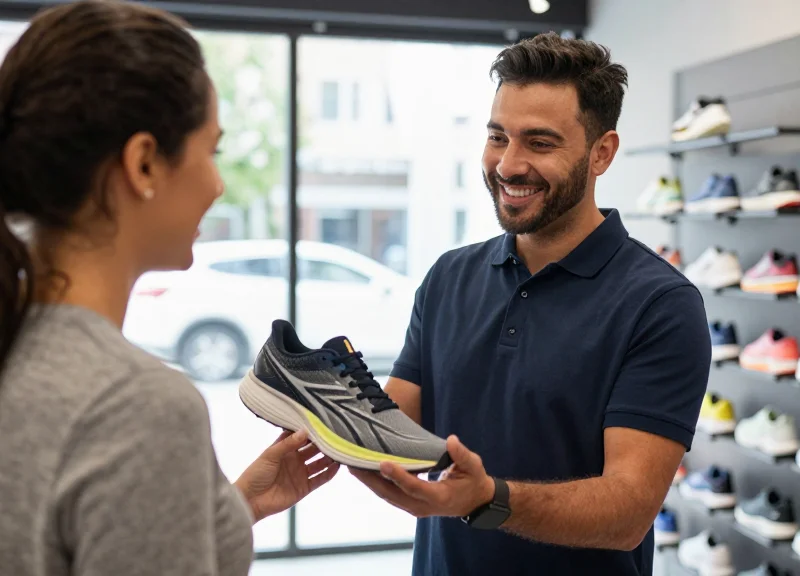
Operational synergy in specialty sports retail occurs when automated Electronic Shelf Label (ESL) systems handle the 2-second switch to VIP pricing, effectively reclaiming thousands of annual labor hours. By removing the administrative burden of manual price tagging, retailers transform their floor staff from 'maintenance workers' into 'expert consultants.' In high-stakes environments like bike shops or ski resorts, this shift ensures that a staff member's specialized knowledge is utilized for high-margin conversions rather than low-value paper management.
| Activity | Manual Labeling Model | ESL Automated Model | Staff Impact |
|---|---|---|---|
| Price Update Speed | 45-60 seconds per tag | Sub-2 seconds (Global) | Eliminates 98% of admin time |
| Error Rate | 3-5% (Human error) | 0% (System sync) | Eliminates pricing disputes |
| Member Price Sync | Delayed / Batch only | Real-time / Instant | Supports 'On-the-spot' VIP sales |
| Staff Focus | Task-oriented / Back-room | Customer-centric / Floor | Increases upsell opportunities |
In the specialty sports sector, the 'Cost of Ignored Customers' is often higher than the 'Cost of Labor.' When a customer ready to spend $2,000 on a carbon-frame road bike walks out because the only expert was busy updating 200 paper tags for a weekend sale, the retailer loses more than just a sale—they lose a potential lifelong VIP. Automating the member price switch ensures that your most expensive and knowledgeable assets—your people—are always available to close the deal.
- The Administrative Audit: Identify the total hours spent weekly on promotional price changes. Most retailers find this exceeds 15-20 hours per week during peak seasonal shifts.
- Role Re-Alignment: Transition staff KPIs from task-completion (tags changed) to engagement-based metrics (VIP sign-ups and average transaction value).
- Technical Training: Equip staff with mobile tablets that sync with ESLs, allowing them to demonstrate the VIP discount live to the customer at the shelf-edge.
Expert Tip: The 'Knowledge-to-Task' Ratio. As a veteran of Silicon Valley retail tech, I've observed that the most successful stores maintain a 'Knowledge-to-Task' ratio where 90% of a staff member's shift is spent in direct customer interaction. Traditional stores often see this ratio inverted (30/70) during sale setups. Automated member pricing is the only way to protect that 90% threshold during high-traffic promotional windows.
How does automated pricing improve staff morale?
Staff in specialty retail are usually enthusiasts who enjoy sharing technical knowledge. Removing the tedious task of paper labeling reduces burnout and allows them to do the work they are passionate about.
Does this require extensive staff training?
On the contrary, ESL systems simplify the process. Staff no longer need to cross-reference spreadsheets or POS systems; the price on the shelf is always the 'source of truth,' making their job easier and more accurate.
Can we run flash sales for VIPs only without confusing staff?
Yes. Because the ESLs update instantly, staff are never 'out of the loop.' They see the same member-exclusive price the customer sees, ensuring consistent communication during the sales process.
Omnichannel Consistency: Syncing Online and In-Store VIP Offers
Omnichannel consistency in specialty sports retail refers to the seamless synchronization of VIP-exclusive pricing across e-commerce platforms, mobile apps, and physical Electronic Shelf Labels (ESLs). By utilizing a centralized pricing engine, retailers ensure that a member-only discount on technical gear is reflected instantly in-store the moment it goes live online. This 'single source of truth' strategy is the primary defense against showrooming, as it removes the price discrepancy that often leads customers to abandon an in-store purchase in favor of a competitor’s website.
In my two decades of observing retail shifts in Silicon Valley, I’ve identified a phenomenon I call 'Price Friction Fatigue.' In the specialty sports sector, customers are highly informed and often check their mobile devices while standing in front of a product. If a VIP member sees a $250 carbon-plated running shoe on your app for $210, but the shelf tag still reads $250, you haven't just lost a sale—you've damaged the integrity of your loyalty program. Synchronization via ESLs eliminates this fatigue by ensuring the 2-second price switch happens globally, not just digitally.
| Feature | Fragmented Pricing (Traditional) | Unified Pricing (ESL-Integrated) |
|---|---|---|
| Update Latency | Hours to Days (Manual Tags) | Sub-2 Seconds (Automated) |
| Member Trust | Low; frequent price disputes | High; consistent brand promise |
| Showrooming Risk | High; customers seek 'online' deals | Negligible; parity is guaranteed |
| Staff Utilization | High; staff busy relabeling | Zero; automated via API |
- Centralize the Pricing Logic: Move away from store-specific pricing databases. Use a cloud-based Product Information Management (PIM) system that pushes updates to both the web storefront and the in-store ESL gateway simultaneously.
- Integrate Loyalty CRM with the ESL Gateway: Connect your member database to the shelf-edge controller. This allows the system to alternate the display between 'Standard Price' and 'VIP Price,' reinforcing the value of the membership in real-time.
- Automate Price Verification Audits: Use automated scripts to ping store controllers every 60 minutes, ensuring that the price displayed on the physical shelf matches the API output from the e-commerce backend.
Expert Tip: The 'Latency Threshold' for Conversion. To truly capture the 28% conversion lift mentioned in our case studies, your sync latency must be under 100ms. In the world of high-stakes sports retail, a VIP member might receive a push notification for a 'Flash Sale' on their phone while walking through your doors. If they reach the display and the ESL hasn't updated yet, the psychological 'win' of being a VIP is replaced by frustration. Speed is not just a technical metric; it is a loyalty currency.
Does omnichannel syncing require a complete POS overhaul?
No. Most modern ESL systems, like those from SoluM or SES-imagotag, can sit alongside your existing POS by pulling data from a middleware layer or directly from your e-commerce API.
What happens if the store Wi-Fi goes down?
High-end ESL systems use sub-GHz radio frequencies (like 900MHz or 2.4GHz proprietary protocols) that are independent of customer Wi-Fi, ensuring price updates occur even during network congestion.
How does this prevent showrooming specifically?
Showrooming occurs when a customer feels they can get a better deal elsewhere. By showing the 'Online VIP Price' directly on the physical shelf, you provide immediate price validation, keeping the transaction in-store.
Implementing ESL: Key Considerations for Sports Retailers
Implementing Electronic Shelf Labels (ESL) in a specialty sports retail environment is more than a hardware upgrade; it is a strategic integration of e-ink display technology, centralized management software, and deep-link API connectivity with existing Point of Sale (POS) and Customer Relationship Management (CRM) systems. To achieve the 28% VIP conversion lift, the infrastructure must support instantaneous price synchronization across thousands of SKUs while maintaining the aesthetic standards of premium sports brands.
- Hardware Durability and Visibility: Choose labels with high-contrast e-ink (3-color options like Black-White-Red are ideal for highlighting VIP savings) and ensure they have ruggedized casings for placement near heavy equipment like treadmills or weight racks.
- Battery Longevity (The 10-Year Rule): In sports retail, high-frequency price updates (flash sales, member-only windows) can drain batteries. Opt for labels with a minimum 5-to-10-year battery life to ensure the Total Cost of Ownership (TCO) remains low.
- Mounting Versatility: Sports stores use diverse shelving—from wire racks for sneakers to heavy-duty hooks for kayaks. Your ESL provider must offer a wide range of specialized clips and rails that prevent labels from being knocked off in high-traffic zones.
| Integration Method | Speed of Update | Complexity | Best Use Case |
|---|---|---|---|
| Direct API Integration | Near-Instant | High | Dynamic pricing based on real-time inventory or CRM tier status. |
| Cloud-to-Cloud Middleware | Under 30 Seconds | Medium | Synchronizing online promotions with multi-store physical locations. |
| Batch File Transfer (FTP) | Delayed (Scheduled) | Low | Standard weekly price changes or seasonal clearance events. |
Expert Insight: The Sub-GigaHertz Advantage. Many retailers make the mistake of choosing ESLs that run on 2.4GHz Wi-Fi bands. In a sports retail environment—often filled with metal racks, bicycles, and heavy gym equipment—2.4GHz signals face massive interference. I recommend systems utilizing Sub-GigaHertz (Sub-G) frequencies (like 800-900MHz). These waves penetrate dense metal shelving and sporting goods far more effectively, ensuring your member prices update reliably even in the back corners of the store.
Can ESLs show different prices for different loyalty tiers?
While the physical label typically shows two prices (Standard vs. VIP), the software can be configured to toggle or cycle through various tier-based discounts or QR codes that lead to personalized member portals.
How does the system handle 'Out of Stock' items?
Advanced ESL systems can automatically change the display to an 'Order Online' QR code or 'Next Shipment: Tuesday' message by pulling real-time inventory data from the POS, preventing customer frustration.
Is a specialized server required on-site?
Most modern ESL solutions are cloud-based, requiring only a small gateway (Access Point) connected to your local network to communicate with the labels, eliminating the need for heavy on-site server maintenance.
Future-Proofing Your Retail Infrastructure with DragonGuardGroup
Future-proofing your retail infrastructure means moving beyond standalone gadgets to a unified ecosystem where Electronic Shelf Labels (ESL), Radio Frequency Identification (RFID), and Electronic Article Surveillance (EAS) work in concert. In the specialty sports sector, where high-value equipment meets high-velocity price fluctuations, DragonGuardGroup provides the integrated 'digital backbone' that automates price agility while simultaneously securing assets and providing real-time inventory visibility. This holistic approach ensures that your store remains competitive in a post-digital landscape, transforming the physical storefront into an intelligent, data-driven environment.
| Feature | Legacy Siloed Systems | DragonGuardGroup Integrated Ecosystem |
|---|---|---|
| Price Management | Manual, error-prone, 24-hour lag | Instant ESL synchronization across 10,000+ SKUs |
| Inventory Accuracy | 65-75% accuracy; monthly cycles | 99%+ accuracy via real-time RFID tracking |
| Loss Prevention | Reactive alarms at exit points | Proactive EAS + RFID alerts and item-level tracking |
| Customer Experience | Inconsistent pricing; slow service | Seamless VIP pricing and expert staff availability |
The DragonGuard Advantage: The 'Smart-Link' Strategy. While competitors offer hardware, we offer a synchronized protocol. By utilizing the same infrastructure to manage price changes and track high-value sports gear, retailers reduce hardware footprint and total cost of ownership (TCO) by up to 30%.
- Assessment and Scalability Audit: We evaluate your current POS and network architecture to ensure the infrastructure can handle the massive data throughput of 1-second price updates and item-level RFID tracking.
- Unified Communication Deployment: Installation of frequency-agile base stations that support both ESL communication and RFID data collection, eliminating signal interference in dense retail environments.
- The Security-Price Loop: Integrating EAS with ESL so that high-risk items trigger specific price-tag behaviors or staff alerts when moved from their designated zone without a transaction.
Can ESL and RFID interfere with each other?
No. DragonGuardGroup uses proprietary Frequency-Hopping Spread Spectrum (FHSS) technology to ensure that ESL signals and RFID scans operate on non-conflicting bands, maintaining 100% uptime for both.
Is this infrastructure compatible with existing EAS gates?
Yes, our solutions are designed to be backward-compatible with most AM and RF EAS systems, allowing you to upgrade your intelligence without replacing every existing pedestal.
How does this impact the ROI of a loyalty program?
By lowering the operational cost of managing VIP prices and reducing shrinkage via integrated EAS, the 'net margin' per loyalty member increases significantly, paying for the infrastructure within 14-18 months.
Expert Insight: The Zero-Latency Storefront. An overlooked benefit of the DragonGuardGroup ecosystem is 'Predictive Restocking.' When an RFID sensor detects a premium tennis racket leaving the shelf, the ESL can automatically trigger a 'Low Stock' alert to the backroom, ensuring the shelf is never empty for the next VIP customer. This level of automation is what differentiates a modern sports hub from a failing big-box retailer.