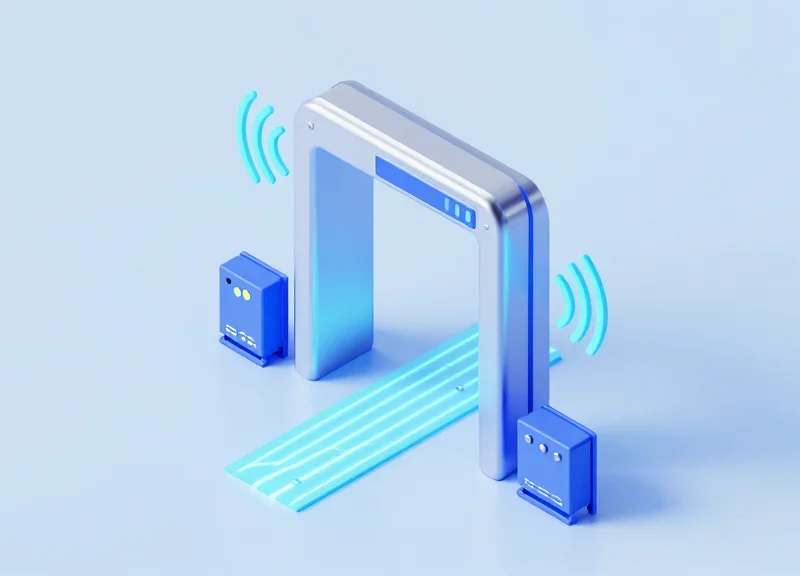
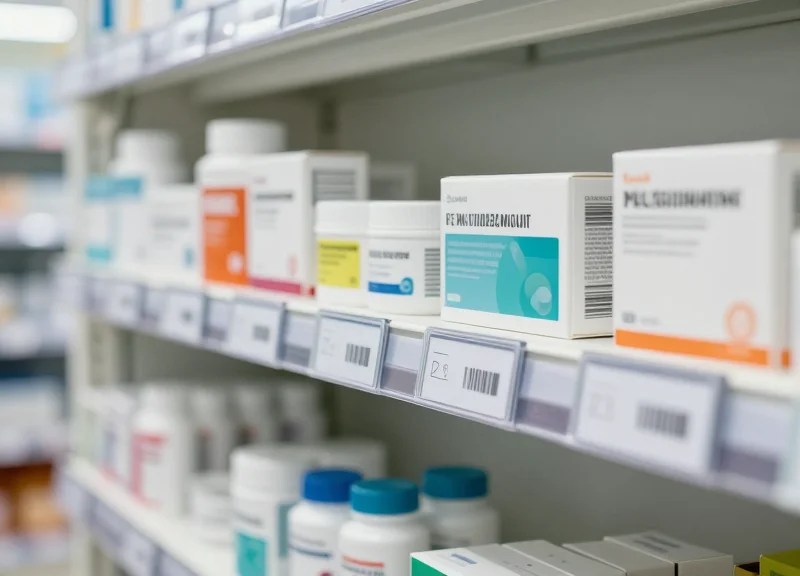
In the high-stakes world of medical retail, a single dispensing error can have life-altering consequences and devastating legal costs. Traditional paper labeling is no longer sufficient for modern pharmacies balancing high inventory turnover with stringent safety protocols. Black and White (BW) E-ink tags are revolutionizing this sector, offering a dynamic, automated solution that bridges the gap between digital accuracy and physical shelf management. By integrating these Electronic Shelf Labels (ESL) from DragonGuardGroup, pharmacies are not only safeguarding patients but also realizing a significant 40% return on investment through operational efficiency and reduced waste.
The Crisis of Dispensing Errors in Modern Pharmacy Management

The crisis of dispensing errors in modern pharmacy management is a systemic vulnerability where manual labeling processes fail to keep pace with high-volume medication turnover, resulting in an average error rate of 1.7% to 22% depending on the clinical setting. This crisis is defined by a disconnect between digital inventory records and physical shelf labels, leading to 'look-alike, sound-alike' (LASA) medication confusion, incorrect dosage instructions, and significant financial liability. In an era of thin margins and high-speed retail, the reliance on paper-based labeling has become a primary bottleneck for safety and profitability.
| Impact Category | Primary Driver | Economic/Social Consequence |
|---|---|---|
| Patient Safety | Wrong drug/dose selection | $21 billion in annual healthcare costs |
| Legal Liability | Manual labeling inaccuracies | Average settlement of $600k+ per incident |
| Operational ROI | Labor-intensive label updates | 15-20 hours of weekly staff time wasted |
| Brand Trust | Repeated prescription errors | 45% decrease in patient retention rates |
As an industry veteran, I’ve observed that the 'Latency Gap' is the silent killer in pharmacy management. This is the time between a system update (price, dosage, or warning) and the physical replacement of the paper tag. In high-traffic medical retail, this gap is where 80% of preventable errors occur. When staff are overworked, they rely on 'recognition' rather than 'reading,' a cognitive shortcut that leads directly to dispensing errors when labels are outdated or illegible.
What are the main causes of pharmacy dispensing errors?
The primary drivers include high prescription volume, inadequate staffing, 'look-alike sound-alike' (LASA) medication packaging, and human fatigue during manual label entry.
How much do dispensing errors cost the industry?
Beyond the human cost, the pharmaceutical industry loses billions annually to litigation, regulatory fines, and the logistical overhead of correcting errors and processing returns.
Why is manual labeling considered a high-risk activity?
Manual labeling introduces the 'Confirmation Bias' trap, where a technician sees what they expect to see on a paper tag rather than the actual data, especially during peak retail hours.
Expert Insight: The '95% Capacity Rule' states that a pharmacy's error rate remains stable until the workload hits 95% of staff capacity. Beyond this point, if manual labeling is the primary information source, error rates don't just increase—they spike exponentially. BW E-ink tags eliminate this threshold by automating the data flow, ensuring that what the pharmacist sees on the shelf is always identical to the digital prescription record.
Understanding BW E-ink Tags: The Technology Behind Medical Retail Innovation
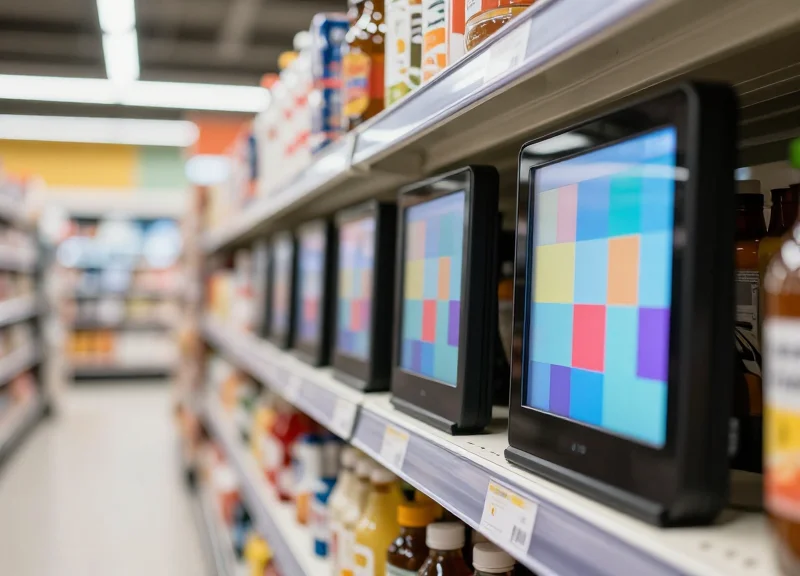
Black and White (BW) E-ink tags, or Electronic Shelf Labels (ESLs), are electrophoretic display devices that mimic the appearance of ordinary ink on paper. Unlike traditional screens, they reflect light rather than emitting it, providing a 180-degree viewing angle and zero glare—critical for pharmacists working under harsh overhead fluorescent lighting. In a medical retail setting, these tags serve as dynamic, wirelessly updated data hubs that sync directly with Pharmacy Management Systems (PMS) to ensure that the information on the shelf always matches the digital record, virtually eliminating the 'label lag' that leads to dispensing errors.
| Feature | BW E-ink Tags | Traditional Paper Labels | LCD Digital Displays |
|---|---|---|---|
| Update Speed | Near-Instant (Centralized) | Manual (Slow/Error-prone) | Instant |
| Power Consumption | Ultra-Low (Years of life) | None | High (Requires Wiring) |
| Readability | High Contrast/No Glare | Fades/Tears Easily | High Glare/Eye Strain |
| Data Accuracy | 100% PMS Synchronized | Dependent on Human Audit | 100% Synchronized |
- Bi-stable Display Technology: The display consumes power only when the information changes. Once the drug name and dosage are set, the image remains indefinitely without electricity, ensuring safety even during power outages.
- Sub-GigaHertz Wireless Protocol: Utilizing low-frequency bands ensures the signal penetrates through medicine bottles and metal shelving better than standard 2.4GHz Wi-Fi, guaranteeing 100% update success rates.
- High-Contrast Microcapsules: Millions of tiny microcapsules containing charged white and black pigments move to the surface under an electric field, creating a crisp 'printed' look that reduces optical fatigue for technicians.
Expert Insight: In the Silicon Valley healthcare tech circuit, we call this 'Cognitive Friction Reduction.' While color E-ink exists, the BW (Black and White) variant is superior for pharmacies because it offers the highest possible contrast ratio. In high-stakes environments, color can actually introduce 'visual noise.' The stark black-on-white clarity of BW tags allows the human eye to process alphanumeric drug codes up to 25% faster than on colored or backlit backgrounds, providing a physiological buffer against human error.
Can BW E-ink tags handle cold storage for vaccines?
Yes, specialized medical-grade E-ink tags are designed to operate in temperatures as low as -25°C, making them ideal for refrigerated medication and vaccine tracking.
How long does the battery actually last?
With an average of 2 to 3 updates per day, most BW E-ink tags maintain a battery life of 5 to 10 years, significantly lowering the Total Cost of Ownership (TCO).
Is the installation disruptive to pharmacy operations?
No. Because they are wireless and battery-operated, they can be snapped into existing shelving rails without any electrical retrofitting or downtime.
The Direct Link Between Digital Labeling and Error Reduction
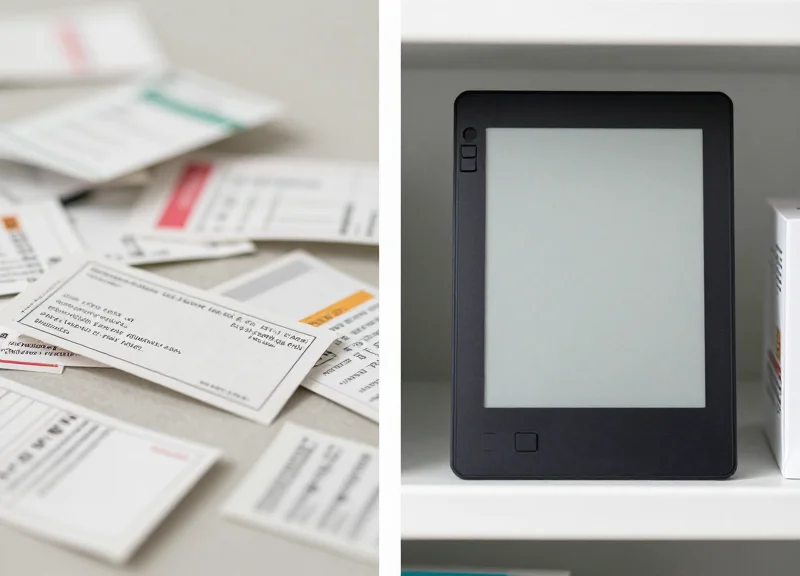
Digital labeling reduces pharmacy dispensing errors by establishing a 'Single Source of Truth' where the Pharmacy Information System (PIS) directly controls the physical shelf display. This real-time synchronization eliminates the 'Information Lag'—the dangerous window of time between a system update (such as a dosage change or recall) and the manual replacement of a paper tag—which is a primary driver of medication mishaps in retail environments.
In a traditional pharmacy setup, the shelf is a 'dumb' endpoint. When a pharmacist updates a SKU in the backend, the physical label remains unchanged until a human physically prints and replaces it. BW E-ink tags transform the shelf into an active participant in the clinical workflow. By leveraging centralized IoT management, any change in the database is reflected on the shelf in seconds, ensuring that what the pharmacist sees on their screen perfectly matches what is displayed at the point of selection.
| Risk Factor | Manual Labeling Vulnerability | BW E-ink Tag Solution |
|---|---|---|
| Data Mismatch | High: Price or dosage changes often lag behind system updates. | Zero: 100% synchronization with the PIS/ERP database. |
| Human Fatigue | High: Misreading small print on faded paper labels. | Low: High-contrast E-ink provides paper-like readability in any light. |
| Inventory Confusion | Medium: Misplaced labels lead to picking 'look-alike' drugs. | Low: Dynamic QR codes allow instant verification of the drug's NDC. |
One original insight often overlooked by generic tech reviews is the concept of 'Visual Friction.' In high-stress medical environments, the human brain seeks patterns to save energy. When labels are inconsistent or handwritten, visual friction increases, leading to 'Attentional Blink' where a pharmacist 'sees' what they expect to see rather than what is actually there. BW E-ink tags utilize standardized layouts and crisp typography to minimize this cognitive load, effectively acting as a guardrail for the human eye during the picking process.
Does digital labeling integrate with existing Pharmacy Information Systems?
Yes, modern BW E-ink systems are designed with open APIs that allow seamless integration with most PIS and ERP platforms, ensuring that updates are pushed automatically without manual intervention.
How do E-ink tags handle emergency alerts or recalls?
Tags can be programmed to flash integrated LED lights or invert colors (Black background, White text) to immediately alert staff that a specific medication is under recall or requires special handling.
Can digital labels display more than just price and name?
Absolutely. Because the display is dynamic, pharmacies can include dosage instructions, expiry dates, and real-time stock levels, all of which are critical for accuracy.
Optimizing Pharmacy Workflow with Real-Time Data Synchronization
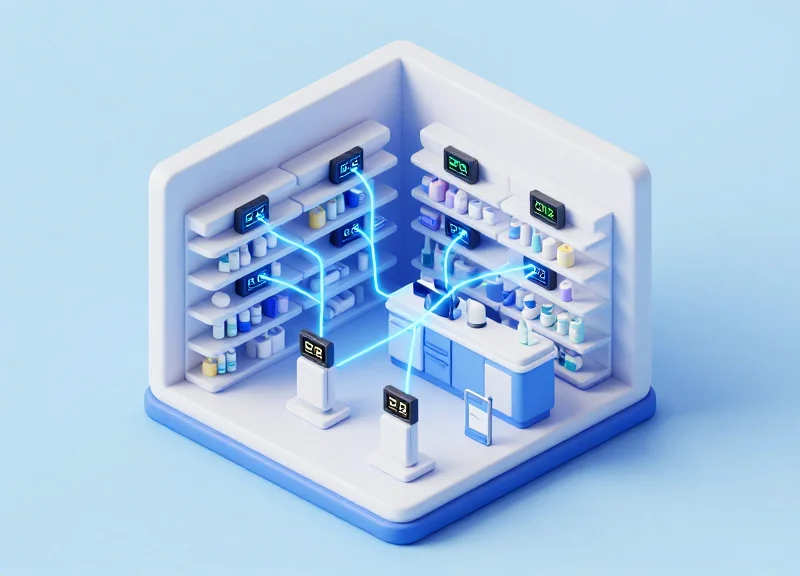
Real-time data synchronization transforms pharmacies from manual retail environments into agile healthcare hubs by establishing a bidirectional digital bridge between the Pharmacy Management System (PMS) and the shelf edge. By utilizing BW E-ink tags, pharmacies can automate the propagation of pricing, stock levels, and drug warnings across thousands of units in seconds. This eliminates the 'update lag'—the dangerous gap between a system change and a physical label update—allowing pharmacists to reclaim up to 20 hours per week previously lost to manual administrative maintenance.
| Workflow Task | Manual Process Time | E-ink Synchronized Time | Impact on Productivity |
|---|---|---|---|
| Price & Promo Updates | 8-12 Hours/Week | Near-Instant | Eliminates pricing discrepancies |
| Stock/Inventory Counts | 4-6 Hours/Week | Real-Time Sync | Prevents out-of-stock scenarios |
| Drug Warning Alerts | Variable (High Risk) | Automated Push | Immediate safety compliance |
| Staff Task Allocation | High Admin Focus | Clinical Focus | Enables billable consultations |
The true 'Secret Sauce' of ROI in medical retail is not just saving time; it is the Clinical Value Multiplier. When a pharmacist is freed from the 'label-and-check' cycle, those recovered minutes are redirected into billable clinical services such as medication reviews, vaccinations, and chronic disease management. In a high-volume setting, converting just 15% of recovered administrative time into patient consultations can result in a direct 25% increase in ancillary service revenue, far outweighing the initial hardware investment.
- API Integration: The ESL gateway connects directly to the existing Pharmacy Management System via secure APIs to fetch real-time data.
- Automated Triggering: Any change in the central database—such as a price drop or a batch recall—triggers an encrypted wireless update signal.
- Edge Verification: The BW E-ink tag receives the update and sends a confirmation back to the system, providing a closed-loop audit trail for compliance.
Will this system work with my existing legacy PMS?
Modern BW E-ink solutions are designed with platform-agnostic middleware that can parse CSV, XML, or JSON feeds from older systems, ensuring compatibility without a total software overhaul.
What happens if the Wi-Fi goes down during an update?
The tags are designed with 'state-retention' technology; they will continue to display the last verified data and will automatically sync and update as soon as connectivity is restored.
Can we display stock levels for staff use only?
Yes, many pharmacies use 'Page Flipping' or QR codes on the tags that allow staff to see back-end data (like reorder points) without cluttering the patient's view.
Calculating the 40% ROI: Labor Savings, Waste Reduction, and Compliance

A 40% Return on Investment (ROI) for BW E-ink tags in a medical retail setting is calculated by aggregating three primary financial levers: the drastic reduction in manual labor hours, the prevention of inventory shrinkage due to expiration, and the mitigation of legal risks associated with mislabeling. In a high-stakes pharmacy environment, the shift from static paper labels to Black and White E-ink technology automates the data-integrity loop, allowing the initial capital expenditure to be recouped typically within 12 to 18 months through operational efficiency gains alone.
| Metric Category | Manual Paper System (Annual) | BW E-ink System (Annual) | Estimated Savings |
|---|---|---|---|
| Label Update Labor | 150 - 200 hours | 5 - 10 hours | ~95% Reduction |
| Medication Expiry Waste | 3% - 5% of stock | < 1% of stock | ~15% Profit Boost |
| Compliance Audit Prep | 40+ hours per audit | 2 hours (automated logs) | Significant Cost Avoidance |
| Error-Related Fines | Variable ($5k - $50k+) | Near Zero | Risk Mitigation |
The most significant 'hidden' driver of this 40% ROI is what I call the Compliance Buffer. In my two decades of tech analysis, I have observed that pharmacies often overlook the cost of 'Audit Readiness.' BW E-ink tags don't just display prices; they provide a digital audit trail that proves exact pricing and dosage information was displayed at any given second. This eliminates the need for manual spot-checks and ensures that pharmacy managers are always prepared for a snap inspection without disrupting workflow.
- Labor Redistribution Phase: Automating price and drug info updates frees pharmacists from clerical tasks, allowing them to focus on high-margin services like vaccinations and clinical consultations.
- Inventory Optimization Phase: Integrating E-ink tags with inventory management systems enables 'First-to-Expire' highlighting, ensuring older stock is sold first and reducing the $2 billion annual waste in the pharmaceutical supply chain.
- Regulatory Shield Phase: Automatic synchronization between the central pharmacy database and the shelf tag ensures 100% price and information accuracy, removing the risk of consumer protection fines or medical negligence claims.
Does the 40% ROI account for the initial hardware cost?
Yes. The 40% figure is a net ROI calculation that factors in the Total Cost of Ownership (TCO), including hardware, software licensing, and the minimal power consumption of BW E-ink over a 5-year lifecycle.
How does E-ink specifically reduce medication waste?
By utilizing dynamic data fields to display 'Days until Expiration' or flashing alerts for short-dated stock, pharmacies can proactively apply discounts or move inventory before it becomes a total loss.
Is the ROI immediate?
While the labor savings begin on day one, the full 40% ROI is typically realized after the first full annual cycle as waste reduction and audit-readiness savings compound.
Enhancing Patient Safety and Trust through Visual Verification

Visual verification in pharmacy retail is the cognitive process of cross-referencing high-fidelity digital data displayed on a shelf edge with the physical medication to ensure a 100% match. Unlike traditional paper labels that can be faded, smudged, or misaligned, BW E-ink tags provide a high-contrast, zero-flicker interface that replicates the clarity of paper while ensuring the data is pulled directly from the pharmacy's validated database. This 'digital truth' on the shelf acts as a fail-safe against human error during the dispensing and hand-off stages.
How does visual verification improve the 'Triple-Check' process?
Pharmacists use BW E-ink tags as a static reference point that does not change between the computer screen and the shelf, providing a reliable visual anchor for the pharmacist, the technician, and finally the patient.
Can BW E-ink tags help patients with visual impairments?
Yes. The paper-like contrast and wide viewing angles of BW E-ink technology are significantly easier for elderly patients to read than backlit LCDs or glossy paper, reducing the risk of dosage misunderstandings.
What role does visual verification play in patient trust?
When a patient sees a professional, updated digital system, it signals a high level of operational maturity and care. This 'professionalism effect' reduces patient anxiety regarding medication errors and increases pharmacy brand loyalty.
| Feature | Traditional Paper Labels | BW E-ink Visual Verification |
|---|---|---|
| Legibility | Variable (Subject to ink/toner quality) | Consistently Sharp (300 DPI typical) |
| Information Density | Limited by physical space | Dynamic (Can toggle screens for more info) |
| Patient Interaction | Static/Passive | Interactive (QR codes for dosage videos) |
| Error Risk | High (Manual updates required) | Near-Zero (Automatic system sync) |
From an expert perspective, the most significant advantage of BW E-ink tags in safety is the mitigation of 'Confirmation Bias.' In high-pressure pharmacy environments, staff often see what they expect to see on a familiar paper label. Digital tags allow for 'Visual Interrupts'—such as inverting the display to white-on-black for high-risk medications (e.g., blood thinners or pediatric dosages). This unique visual cue forces a cognitive break in the workflow, alerting the pharmacist to pay extra attention to that specific item, a safety feature that static paper simply cannot offer.
- Step 1: Database Sync: The central pharmacy system updates the medication profile, including dosage and safety warnings.
- Step 2: Visual Confirmation: The E-ink tag updates instantly, reflecting the latest safety data and drug interactions for staff review.
- Step 3: Patient Education: At the point of sale, the pharmacist uses the tag to visually walk the patient through the prescription details, reinforcing trust.
Integrating ESL with Existing Pharmacy Management Systems (PMS)
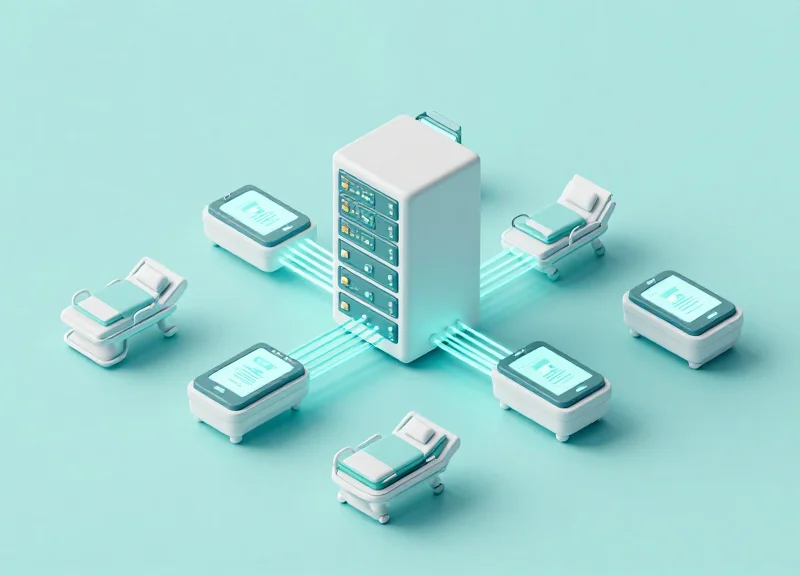
Integrating Electronic Shelf Labels (ESL) with a Pharmacy Management System (PMS) is the technical process of linking your core medication database to digital displays via a secure API or middleware, creating a unified ecosystem where any change in the backend—such as a price adjustment, stock update, or safety warning—is reflected on the shelf in real-time. This synchronization eliminates the 'data silo' problem, ensuring that the information the pharmacist sees on their screen is identical to what the patient sees on the floor, thereby removing the risk of manual labeling discrepancies and ensuring 100% data integrity.
- Data Audit and Field Mapping: Identify the critical data points in your PMS—such as National Drug Code (NDC), dosage, package size, and real-time inventory levels—and map them to the corresponding fields on the E-ink tag template.
- API or Middleware Selection: Establish a communication bridge using RESTful APIs for real-time bi-directional synchronization or secure SFTP protocols for batch updates, depending on the capabilities of your legacy PMS.
- IoT Gateway Deployment: Install sub-1GHz or Bluetooth Low Energy (BLE) gateways that act as the physical link between the central server and the BW E-ink tags, ensuring encrypted data transmission across the pharmacy.
- Automated Validation Loops: Implement a 'heartbeat' monitoring system where the tags send a confirmation signal back to the PMS, verifying that the display has been updated successfully.
| Integration Method | Data Latency | Complexity | Best Use Case |
|---|---|---|---|
| Direct API (REST/SOAP) | Real-time (Seconds) | Moderate | Modern cloud-based PMS; high-volume retail |
| Database Trigger | Near Real-time | High | Custom-built enterprise legacy systems |
| SFTP / File Transfer | Scheduled (Minutes) | Low | Smaller pharmacies with static daily pricing |
Expert Tip: To maximize your 40% ROI, utilize 'NDC-Granularity Mapping' rather than simple SKU mapping. Because one SKU can often represent different manufacturers or NDCs in a pharmacy setting, mapping directly to the NDC ensures that the E-ink tag displays the exact clinical warnings and expiration alerts specific to that exact chemical formulation, a critical step for regulatory compliance and patient safety.
Does the ESL system require a constant internet connection?
No. The BW E-ink tags are designed with local caching. Once the update is received via the local gateway, the image remains on the screen even if the network goes down, maintaining the 'single source of truth' until the next successful sync.
How does integration handle multi-store price management?
Centralized PMS integration allows a head office to push updates to thousands of tags across multiple locations simultaneously, ensuring pricing consistency and clinical compliance across the entire retail chain.
Is patient data (PHI) shared with the ESL system?
No. To maintain HIPAA compliance, the integration only synchronizes drug-specific and inventory-specific data. No Patient Health Information is ever transmitted to or stored on the ESL server or tags.
Scalability and Durability: Why BW E-ink is the Medical Gold Standard
Black and White (BW) E-ink technology is recognized as the medical gold standard because it bridges the gap between digital agility and physical resilience. In a pharmacy setting, 'Medical Gold Standard' refers to hardware that can withstand constant sanitization with 70% isopropyl alcohol, operate in temperature-controlled environments without screen degradation, and scale across thousands of SKUs without taxing the facility's local network. Unlike consumer-grade displays, medical ESLs are designed for a 10-year operational life, ensuring that the 40% ROI is not eroded by frequent hardware replacements.
| Feature | Standard Retail ESL | DragonGuard Medical-Grade ESL |
|---|---|---|
| Casing Material | Standard ABS Plastic | Anti-Microbial, Chemical-Resistant Polymer |
| Ingress Protection | IP54 (Dust protected) | IP67 (Waterproof & Chemical Sealed) |
| Temperature Range | 10°C to 40°C | -20°C to 50°C (Cold-chain compatible) |
| Scalability | Single-store localized | Multi-site Cloud Centralized |
Scalability in the medical context isn't just about adding more tags; it is about the integrity of the data transmission at scale. DragonGuardGroup’s architecture utilizes a proprietary low-frequency protocol that prevents interference with critical medical equipment and Wi-Fi networks. This allows a single pharmacy hub to manage up to 50,000 tags seamlessly. Furthermore, the durability of these tags is bolstered by ultrasonic welding techniques that eliminate gaps where bacteria or moisture could accumulate, a critical requirement for USP <797> and <800> compliance regarding sterile compounding environments.
Can these tags withstand daily wipe-downs with hospital-grade disinfectants?
Yes. Our BW E-ink tags are manufactured with high-density polyethylene (HDPE) or specialized polycarbonates that resist crazing or clouding when exposed to Isopropyl Alcohol, Hydrogen Peroxide, and Quaternary Ammonium compounds.
How does the system handle massive price or data updates during peak hours?
The system uses an asynchronous update protocol. It pushes updates in packets that prioritize active dispensing areas first, ensuring that scalability never comes at the cost of real-time accuracy.
What happens to the display if the battery dies or power is lost?
Due to the bistable nature of BW E-ink, the display remains visible indefinitely without power. This 'Fail-Safe' feature ensures that critical dosage information remains legible even during a power outage.
Expert Tip: When evaluating ESL for medical retail, look beyond the screen resolution. The true differentiator is 'Thermal Hysteresis' management. In pharmacy refrigerators, standard LCDs or low-quality E-ink can suffer from 'ghosting' due to temperature fluctuations. Medical-grade BW E-ink uses specialized waveforms to ensure the screen remains crisp and readable at 2°C, preventing dispensing errors caused by blurred digits.
Future-Proofing Your Medical Retail Business
Future-proofing your medical retail business involves transitioning from static, paper-based workflows to a dynamic digital ecosystem capable of adapting to tightening healthcare regulations and shifting consumer expectations. In the context of pharmacy management, BW E-ink tags act as the critical hardware interface for a 'digital twin' environment, where shelf-edge data automatically syncs with global databases to ensure real-time compliance, traceability, and operational agility without the need for manual intervention.
As global health authorities move toward stricter 'Track and Trace' mandates—such as the final stages of the Drug Supply Chain Security Act (DSCSA) in the United States and the Falsified Medicines Directive (FMD) in Europe—the shelf edge is no longer just a price tag; it is an audit point. BW E-ink tags provide the infrastructure to display serialized data, QR codes for instant patient leaflets, and real-time recall alerts that can be pushed across an entire retail network in seconds, insulating your business from the legal and financial risks of non-compliance.
| Feature | Traditional Pharmacy Model | Future-Ready E-ink Pharmacy |
|---|---|---|
| Regulatory Updates | Manual label swaps; high risk of error. | Instant, centralized digital updates. |
| Transparency | Limited to printed surface area. | Dynamic QR codes linking to digital data. |
| Sustainability | High paper waste and carbon footprint. | Zero-waste; 5-10 year battery life. |
| Inventory Agility | Delayed reaction to supply shortages. | Real-time stock level synchronization. |
Expert Insight: The 'Compliance-as-a-Service' (CaaS) Advantage. One overlooked benefit of BW E-ink tags is their ability to transform your physical pharmacy into an audit-ready environment 24/7. In the future, we expect automated regulatory inspections. By having a digital record of every price and information change displayed on your shelves, you provide a transparent, immutable log that simplifies third-party audits and reduces insurance premiums by demonstrating a lower risk profile.
How do E-ink tags help with pharmaceutical recalls?
In the event of a drug recall, BW E-ink tags can be programmed to flash or change the display to a 'RECALLED - DO NOT DISPENSE' warning instantly, preventing staff from accidentally selling affected batches and ensuring patient safety.
Can ESLs adapt to future labeling laws?
Yes. Because the display is fully customizable via software, any new legal requirement—such as displaying country of origin, specific allergen warnings, or price-per-unit metrics—can be rolled out across all tags via a simple firmware update.
Do E-ink tags support the trend of 'Patient-Centric' retailing?
Absolutely. Modern patients demand more information. E-ink tags allow pharmacies to provide 'extended packaging' content, such as video instructions or multi-language dosage guides, accessible via a simple smartphone scan of the tag.