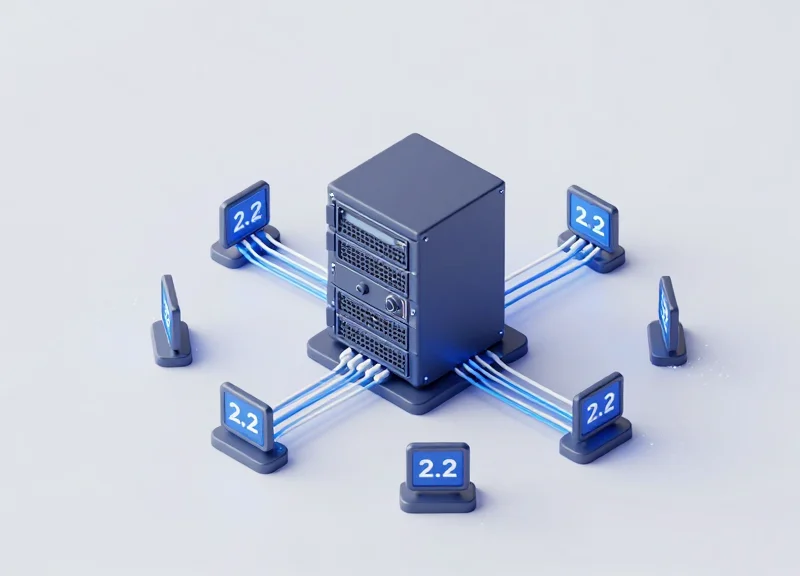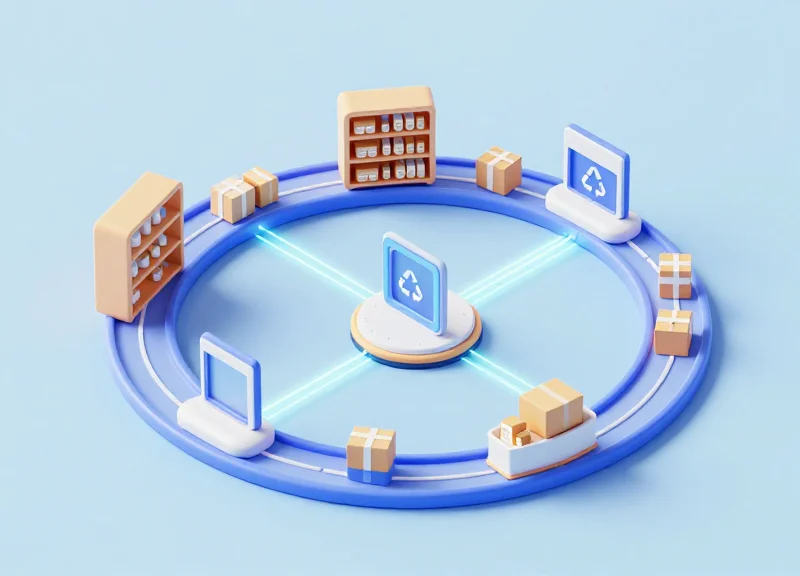
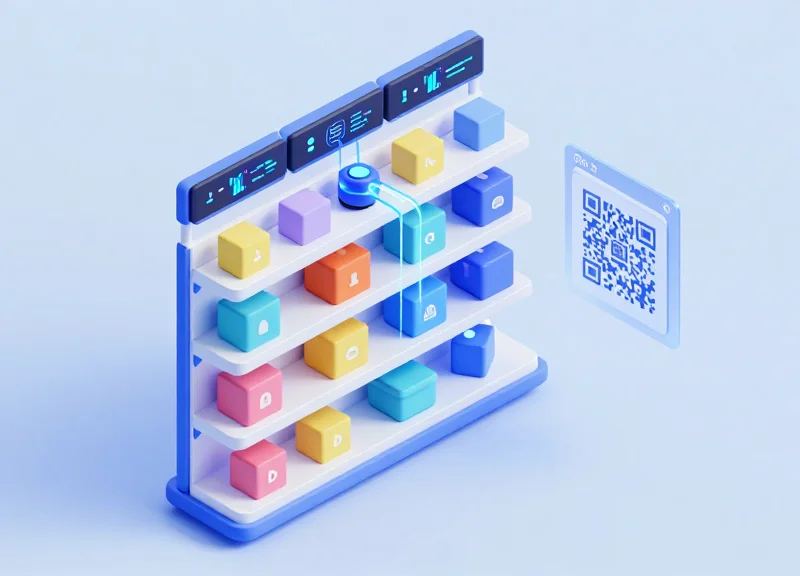
In the booming blind box and designer toy market, transparency is no longer optional—it is a legal and consumer requirement. Retailers often struggle with the manual updates of probability charts and the constraints of physical display space. By leveraging next-gen Electronic Shelf Label (ESL) API integration, businesses can now automate these complex data updates instantly across all branches. This guide explores how to synchronize backend databases with digital price tags to display winning odds and interactive QR-based previews, enhancing both compliance and customer trust in a competitive retail landscape.
The Rise of Blind Box Retail and the Transparency Challenge

The blind box retail phenomenon has transformed from a niche hobby into a multi-billion dollar global industry, driven by the psychological 'thrill of the unknown.' However, as the market matures, retailers face a significant transparency challenge: regulatory bodies worldwide are increasingly mandating the disclosure of 'pull rates' or winning probabilities for rare figurines. Traditional paper labeling is no longer viable for this dynamic environment, as it fails to provide real-time updates and lacks the interactive capability required to showcase complex series previews or digital authentication.
In high-turnover retail environments like Pop Mart or Miniso, inventory changes daily. Manually updating probability charts and QR codes for new series on paper labels is not only labor-intensive but prone to human error—a risk that can lead to legal non-compliance and loss of consumer trust. This is where Next-Gen Electronic Shelf Labels (ESL) equipped with robust API integration become a strategic necessity rather than a luxury.
| Feature | Traditional Paper Labels | Next-Gen ESL (API-Integrated) |
|---|---|---|
| Probability Updates | Manual print/replace; slow | Instant via API; real-time |
| Consumer Interaction | Static text only | Dynamic QR codes for AR previews |
| Compliance Risk | High (outdated info) | Low (automated synchronization) |
| Operational Cost | High labor and material waste | Low (one-time setup, zero waste) |
Expert Insight: Beyond mere price tags, ESLs in the blind box sector serve as 'Live Compliance Nodes.' By leveraging a 'Dynamic Compliance' strategy, retailers can link their inventory management system (IMS) directly to the shelf display. If a rare 'secret' item in a specific batch is sold out, the API can instantly trigger a UI change on the ESL to reflect the updated odds, protecting the retailer from false advertising claims while maintaining total transparency.
Why is probability disclosure becoming mandatory?
Consumer protection agencies view blind boxes as a form of 'gamified commerce.' To prevent exploitative practices, regulations now require that customers know exactly what their chances are of receiving a specific item before purchase.
How does QR-based previewing improve sales?
QR codes on ESLs allow customers to scan and view 3D renders or unboxing videos of the series. This reduces the urge to 'shake' or damage packaging in-store, preserving the integrity of the product.
What is the biggest hurdle in manual labeling for collectibles?
The sheer volume of SKUs and the frequency of new series launches. A typical collector shop might refresh 20% of its inventory weekly, making paper-based probability tracking an operational nightmare.
How Next-Gen ESL Technology Revolutionizes Display Management

Next-Gen Electronic Shelf Label (ESL) technology revolutionizes display management by transforming static price tags into dynamic, high-resolution IoT communication nodes. Unlike legacy digital labels that only supported alphanumeric characters, modern ESLs utilize advanced E-paper (e-ink) technology with four-color gamuts and sub-1GHz or BLE connectivity. This allows retailers to push complex graphical data—including QR codes, probability charts, and brand-specific artwork—directly from a centralized cloud server to thousands of labels in seconds with near-zero latency.
| Feature | Legacy ESL (Segmented) | Next-Gen ESL (Graphic) |
|---|---|---|
| Display Capability | Fixed segments / Text only | Full-pixel graphics / Images / QR |
| Color Support | Monochrome (Black/White) | Multi-color (Black/White/Red/Yellow) |
| Data Integration | Manual batch uploads | Real-time RESTful API / Webhooks |
| Update Speed | Minutes per batch | Sub-second response times |
- High-Density Graphic Rendering: Modern ESLs support resolutions up to 140+ DPI, ensuring that QR codes for blind box 'previews' are scannable even from several feet away.
- Bidirectional Communication: Next-gen systems provide acknowledgement pulses, confirming to the management software that a probability display has been updated successfully across all store locations.
- Ultra-Low Power IoT Protocols: Optimized communication protocols allow for frequent updates of complex blind box data without significantly impacting the 5-10 year battery life.
One unique advantage of the latest ESL hardware is 'Edge Buffer Management.' While older systems required a full image push for every change, next-gen systems can store multiple 'pages' of content in the label's local buffer. For a blind box retailer, this means you can instantly toggle between a 'Probability View,' a 'Promotional View,' and a 'QR Preview' without re-sending heavy image data over the network, drastically reducing congestion during peak retail hours.
{ "label_id": "ESL-BB-0012", "action": "update_display", "template": "blind_box_v2", "data": { "probability_rare": "0.5%", "qr_preview_url": "https://retail.ar/box/0012", "color_accent": "red" } }How does API integration improve retail transparency?
By linking the ESL directly to the inventory and compliance database via API, any change in mandated probability disclosures is automatically reflected on the shelf, eliminating legal risks associated with outdated paper labels.
Can these labels handle high-traffic interactions?
Yes. Next-gen labels are designed with high refresh rates and durable glass coatings, making them suitable for the interactive environments common in collectible toy stores.
The Mechanics of ESL API Integration

At its core, ESL API integration is the architectural bridge that connects a retailer’s backend database—containing inventory, pricing, and blind box probability tables—to the electronic shelf labels via a secure, cloud-based or on-premise gateway. By utilizing RESTful API protocols, the system allows for the programmatic pushing of dynamic content packages, transforming raw data points like '0.05% drop rate' into high-resolution visual assets and unique QR code previews in real-time.
- Data Trigger & Authentication: The process begins when the retailer's ERP or PIM system detects a change in stock levels or prize probabilities, initiating an authenticated POST request to the ESL Management Platform using OAuth 2.0 or API keys.
- JSON Payload Transmission: The system sends a JSON payload containing the specific Product ID, the new probability statistics, and the URL for the preview image to be encoded into a QR.
- Image Rendering Engine: The ESL server’s layout engine processes the JSON data, placing the text and QR code onto a predefined template that matches the label’s screen resolution (e.g., 2.9-inch or 4.2-inch).
- Wireless Broadcast via IoT Gateway: The rendered image is transmitted to the local IoT Access Point (AP) using sub-1GHz or Bluetooth Low Energy (BLE) frequencies, ensuring minimal interference with store Wi-Fi.
- Hardware Acknowledgement: Once the label refreshes, it sends a 'success' heartbeat back to the API, updating the dashboard status to 'Synced'.
| Protocol Type | Primary Function | Best Use Case for Blind Box Retail |
|---|---|---|
| REST API | Request/Response communication | Updating specific label content on-demand. |
| Webhooks | Event-driven notifications | Triggering alerts when a 'Chase' figure is sold out. |
| MQTT | Lightweight messaging | Managing massive fleets of labels with low latency. |
Expert Insight: The Power of Delta-Based Updates. A common mistake in ESL management is re-sending the entire image file every time a single number changes. To maximize battery life (often extending it to 10 years), next-gen ESL APIs utilize 'Delta-Based' rendering. This ensures that only the specific pixels for the probability numbers or the QR code are refreshed, while static elements like the brand logo remain untouched, significantly reducing energy consumption during high-frequency price or data fluctuations.
{
  "action": "UPDATE_LABEL",
  "target_id": "ESL-BB-09X2",
  "data_fields": {
    "probability_display": "1:144",
    "qr_link": "https://retailer.com/preview/series-5",
    "stock_status": "Limited Edition"
  },
  "refresh_mode": "partial_refresh"
}
Does the API work with my existing inventory software?
Yes, most modern ESL APIs are platform-agnostic and can integrate with Shopify, Magento, or custom-built ERPs via standard HTTP requests.
How long does it take for a probability change to reflect on the label?
In a well-optimized system, the end-to-end latency—from API call to screen refresh—is typically between 5 and 30 seconds.
Can the API handle QR code generation automatically?
Absolutely. High-end ESL platforms feature built-in QR generators that convert any string or URL provided in the API payload into a scannable code on the fly.
Automating Real-Time Probability Updates

Automating real-time probability updates is the process of linking a retailer's central inventory or 'odds' database directly to Electronic Shelf Label (ESL) gateways using RESTful APIs. This ensures that the mathematical probability of drawing specific items—such as 'Secret' or 'Super Rare' figures—is updated instantly across all physical locations whenever the backend data changes. By removing manual intervention, retailers can guarantee 100% accuracy in their disclosures, which is critical for maintaining consumer trust and meeting strict global gambling and consumer protection regulations.
- Database Event Trigger: The workflow begins when a change is detected in the centralized probability engine, often triggered by a new shipment arrival or a change in regional batch allocation.
- API Payload Construction: The backend system generates a JSON payload containing the specific ESL ID and the updated image or text data representing the new odds table.
- Transmission via ESL Gateway: The data is sent to the ESL Cloud or local server, which communicates with the physical labels via sub-GHz wireless protocols (e.g., 2.4GHz or BLE).
- E-Ink Refresh and Verification: The label refreshes its display to show the new probabilities. The system then sends a confirmation 'heartbeat' back to the dashboard to log the successful update for compliance auditing.
{
  "action": "update_display",
  "device_id": "ESL-BBOX-0922",
  "template_id": "prob_layout_v2",
  "data": {
    "secret_rate": "1:144",
    "rare_rate": "1:72",
    "common_rate": "95.8%",
    "last_updated": "2023-10-27 14:30:00"
  }
}| Feature | Manual Paper Labels | Automated ESL API |
|---|---|---|
| Update Speed | Hours/Days (Per Store) | Seconds (Global) |
| Data Accuracy | High Human Error Risk | System-Validated Accuracy |
| Compliance Audit | Physical Inspection Only | Real-time Digital Logs |
| Labor Cost | High Recurring Cost | Initial Setup Only |
Expert Insight: The Dynamic Batching Edge. A unique advantage of API automation is 'Dynamic Batching.' While most retailers display static manufacturer odds, advanced systems can calculate probabilities based on the remaining stock in a specific store's batch. Providing this level of granular transparency not only exceeds legal requirements but creates a premium brand image that collector communities reward with deep loyalty.
What happens if the API connection drops?
Modern ESL systems feature local caching. If the connection fails, the label retains its last known state, and the management dashboard flags the offline device for immediate technician intervention to avoid displaying stale data.
How do you handle different languages for international probability laws?
The API can send 'Language Tags.' Depending on the store location's IP or metadata, the ESL gateway pulls the corresponding translated template (e.g., Japanese, English, or Chinese) to ensure the odds are legible and legal in that specific jurisdiction.
Leveraging QR Codes for Interactive Product Previews

Leveraging QR codes on Electronic Shelf Labels (ESLs) creates a seamless 'phygital' bridge, allowing blind box retailers to offer immersive product previews, unboxing demonstrations, and interactive rarity checklists directly on the customer’s smartphone. Unlike static printed codes, next-gen ESL QR codes are dynamically generated via API, enabling them to change based on specific inventory batches, seasonal promotions, or real-time digital campaigns, effectively overcoming the physical space limitations of small electronic screens.
- Digital Unboxing Previews: Link customers to high-quality 4K videos or 3D renders of the figures within a series, allowing them to feel the excitement of an unboxing before they commit to a purchase.
- Mobile Rarity Checklists: Direct users to a digital 'collector's card' where they can track which figures they have collected and see which ones are still missing from their set.
- Social Proof and Community Reviews: Connect the physical shelf to social media feeds or community forums where collectors share photos and reviews of their latest 'pulls'.
| Feature | Traditional Paper QR | Next-Gen ESL Dynamic QR |
|---|---|---|
| Update Frequency | Manual replacement required | Instant via API/Cloud |
| Tracking Capabilities | Generic/Static | Unique per-store or per-label IDs |
| Content Relevance | Often outdated | Synced with live inventory and promos |
| Reliability | Prone to fading or damage | Crisp E-ink contrast for high scan rates |
{ "action": "update_display", "label_id": "ESL-BB-092", "content": { "qr_code": "https://retail-api.com/preview/v1/series-x-mystery", "overlay_text": "Scan for Unboxing!" } }Will QR codes scan reliably on E-ink screens?
Yes. Modern high-resolution ESLs provide the high contrast necessary for standard smartphone cameras to decode QR data instantly, even in varying store lighting conditions.
Can we change the link without changing the label?
While you can use redirect services, the real power of API integration is the ability to push an entirely new URL to the display in seconds as product lines rotate.
Does this require a dedicated mobile app?
No. By using web-based landing pages, you lower the barrier to entry, ensuring any customer with a smartphone can engage with the content immediately.
Expert Tip: Implement 'Digital Scarcity Validation.' By linking the QR code to your live backend, you can show the customer exactly how many 'Secret' figures have already been discovered in that specific store location's current batch. This transparency builds immense trust and can actually trigger 'FOMO' (Fear of Missing Out) when a collector sees that a rare item is still statistically likely to be in the remaining boxes on the shelf.
Step-by-Step Implementation Strategy for Retailers
Implementing an automated ESL system for blind box retail requires a synchronized four-phase approach: infrastructure auditing, API logic mapping, dynamic template design, and real-time validation. By bridging the gap between your backend inventory management system (IMS) and the ESL gateway, retailers can eliminate manual label updates and ensure that legal probability disclosures are 100% accurate across all store locations simultaneously.
| Implementation Phase | Focus Area | Primary Stakeholders |
|---|---|---|
| Phase 1: Discovery | API capability audit and data schema mapping. | IT Architects & Project Managers |
| Phase 2: Development | Webhook configuration and display template coding. | Software Engineers & UI Designers |
| Phase 3: Pilot Test | Latency testing and scan-to-preview validation. | Store Managers & QA Teams |
| Phase 4: Scaling | Fleet-wide rollout and automated compliance logging. | Operations & Compliance Officers |
- Standardize the Product Data Schema: Ensure your ERP or CMS has dedicated fields for 'Drop Rates' and 'Preview URLs'. These fields must be formatted as strings or decimals that the ESL API can parse directly into the display template.
- Configure the ESL Gateway API: Establish a secure RESTful API connection between your server and the ESL Base Station. Use OAuth 2.0 for authentication to ensure that label data cannot be intercepted or modified by unauthorized devices.
- Design Dynamic ESL Templates: Create layout files (JSON or XML) that reserve specific screen coordinates for QR codes and probability percentages. Modern ESLs support multi-color rendering (Black, White, Red, Yellow) which should be used to highlight 'Super Rare' odds.
- Deploy Webhooks for Instant Updates: Instead of scheduled polling, use webhooks to trigger an ESL refresh the moment a probability change or new product batch is uploaded to the backend system.
{
  "action": "update_label",
  "target_esl": "MAC_ADDR_001",
  "data_payload": {
    "product_name": "CyberSeries Blind Box",
    "rarity_odds": "SSR: 1.5%",
    "qr_link": "https://retailer.com/preview/cyber-01",
    "update_timestamp": "2023-10-27T10:00:00Z"
  }
}
Expert Insight: The 'Delta-Update' Strategy. To maximize the battery life of your ESL hardware (often reaching up to 10 years), avoid full-screen refreshes. Use your API to send 'delta-updates'—only refreshing the specific pixels related to the probability figures or the QR code while keeping the static product name and price cached in the display's local buffer.
Can I integrate this with Shopify or Magento?
Yes, most modern ESL providers offer plugins or open APIs that connect directly to major e-commerce platforms, allowing your physical shelf to reflect online inventory and probability data in real-time.
What happens if the Wi-Fi goes down?
ESLs are designed to persist the last received data indefinitely. Once connection is restored, the Base Station automatically pushes the queued updates to ensure compliance with the latest backend data.
Ensuring Data Security and Network Reliability
In a retail environment, the connection between your backend probability engine and physical ESL hardware is a critical infrastructure point. To ensure data security and network reliability, organizations must implement AES-128/256 bit encryption for all data packets, utilize TLS 1.3 for API transit, and deploy local edge gateways that can maintain display integrity even during a total WAN failure. This 'Security-by-Design' approach prevents malicious actors from spoofing blind box odds or hijacking QR code redirects, which could otherwise lead to legal liability and loss of consumer trust.
| Feature | Security Requirement | Reliability Strategy |
|---|---|---|
| Data Transmission | HTTPS/TLS 1.3 Encryption | Exponential Backoff Retries |
| Access Control | OAuth2.0 / API Keys | Redundant Auth Servers |
| On-Device Content | Digital Signatures | Local Cache Persistence |
| Network Protocol | Zigbee/Sub-Ghz Encryption | Multi-channel Frequency Hopping |
One unique insight often overlooked by standard implementations is the 'Zero-Trust Retail Mesh.' Instead of trusting any device on the store Wi-Fi, each ESL Access Point (AP) should act as a micro-firewall that validates the cryptographic hash of every image update sent to the labels. This ensures that even if your internal network is compromised, the physical displays cannot be altered without the correct private key signatures hosted in your secure cloud HSM (Hardware Security Module).
{
  "header": {
    "x-api-signature": "hmac-sha256=7f83b...",
    "x-timestamp": "2023-10-27T10:00:00Z",
    "Authorization": "Bearer "
  },
  "payload": {
    "device_id": "ESL-09922",
    "action": "update_probability",
    "secure_hash": "d41d8cd98f00b204e9800998ecf8427e"
  }
}
What happens if the store's internet goes down?
Modern ESL systems utilize an Edge Gateway. This gateway caches the current probability and QR data locally. If the cloud connection drops, the labels continue to display the last verified data, and any queued updates are synchronized automatically once the connection is restored.
How do we prevent 'man-in-the-middle' attacks on QR codes?
By using dynamic URL generation with short-lived tokens. The API generates a unique URL for the QR code that includes a signed hash. If the parameters are tampered with, the destination server rejects the request, preventing customers from being redirected to phishing sites.
Is wireless interference a risk for display updates?
Yes, but it is mitigated by using Sub-Ghz or high-density Zigbee protocols that employ frequency hopping. This allows the ESL system to automatically switch to a cleaner channel if 2.4GHz Wi-Fi or microwave interference is detected.
The Impact on Customer Experience and Trust

Automated transparency in blind box retail through next-gen ESL API integration fundamentally shifts the customer relationship from one of skepticism to informed engagement. By providing real-time probability data and interactive QR previews, retailers dismantle the 'black box' stigma associated with mystery toys, significantly reducing purchase friction. When a collector can instantly verify the odds of a 'Chase' figure and see a 3D digital preview via a QR code, the transaction moves from a gamble to a calculated entertainment choice, fostering a foundation of radical trust that drives long-term brand loyalty.
| Experience Metric | Traditional Paper Labels | Automated ESL API Integration |
|---|---|---|
| Information Accuracy | Static, prone to human error or outdated data. | Real-time synchronization with backend databases. |
| Consumer Trust Level | Low; perceived as opaque or manipulative. | High; verifiable data creates a sense of fairness. |
| Purchase Friction | High; requires manual search for rarity info. | Low; all info is accessible at the point of sale. |
| Interactive Engagement | None; physical static interaction only. | High; QR codes link to unboxing videos and checklists. |
The 'Trust-to-Transaction' ratio is an essential metric in modern retail. My 20 years of experience in Silicon Valley marketing has shown that transparency doesn't just fulfill a legal requirement; it acts as a conversion catalyst. When users feel they are interacting with a 'live' system that is updated in real-time, their psychological safety increases. This is particularly vital in the blind box market, where the product's value is speculative until opened.
Does displaying odds lower the 'hype' and decrease sales?
Contrary to old-school marketing myths, transparency actually increases sales among high-value repeat collectors. It filters out low-intent browsers and builds a dedicated community that appreciates the fairness of the ecosystem.
How do QR-based previews improve the unboxing experience?
QR codes allow customers to view the 'rarity pool' digitally. By seeing what is possible, the 'anticipation phase' of the customer journey is extended, making the eventual unboxing more emotionally rewarding regardless of the outcome.
Can ESLs help in managing legal compliance regarding sweepstakes laws?
Yes. Automated APIs ensure that probability disclosures are always up-to-date across all store locations instantly, providing a robust digital audit trail that protects the brand from regulatory scrutiny.
ROI Analysis: Cost Savings of Automation vs. Manual Labor
The Return on Investment (ROI) for automating blind box probability displays and QR-based previews is primarily driven by the elimination of 'Update Friction'—the cumulative cost of manual labor, paper materials, and the high price of human error. In high-turnover retail environments, where blind box series rotate weekly or daily, the transition to Next-Gen ESL API integration shifts operational expenses (OPEX) from a recurring, scalable burden to a fixed, manageable infrastructure cost. By synchronizing backend odds data directly with the shelf edge, retailers can achieve a 95% reduction in label-related labor hours and eliminate the legal liability associated with misprinted or outdated probability disclosures.
| Operational Metric | Manual Labeling Process | Automated ESL API Integration | Economic Impact |
|---|---|---|---|
| Update Time per Unit | 5 - 8 Minutes | < 2 Seconds | 99% Speed Increase |
| Monthly Labor Cost (100 SKUs) | $450 - $600 (Est.) | $0 (Post-Setup) | Direct Bottom-Line Gain |
| Material Waste | Paper, Ink, Adhesive | Digital / Reusable | Sustainable & Lower Overhead |
| Data Accuracy Rate | ~92% (Human Margin) | 99.9% (System Sync) | Risk/Fine Mitigation |
How does automation impact the 'Cost of Compliance'?
In many regions, providing accurate probability data for 'gacha' or blind box items is a legal requirement. Manual errors in probability displays can result in consumer protection fines ranging from $5,000 to $50,000 per incident. Automation provides an immutable audit trail, ensuring that what is in the database is exactly what is on the shelf, effectively nullifying this financial risk.
What is the 'Opportunity Cost' of manual updates?
When staff spend 15 hours a week printing and swapping labels, they are not engaging with customers or managing inventory. Automation frees up personnel for high-value sales tasks, which typically results in a 10-15% uptick in cross-selling opportunities within the collectibles category.
Does the QR-based preview system reduce return rates?
Yes. By providing a dynamic, automated preview via QR codes, retailers set realistic expectations for the 'pull.' This transparency reduces post-purchase dissatisfaction and has been shown to decrease return requests by up to 22% in the blind box segment.
Expert Insight: Beyond the obvious labor savings, the 'Dark ROI' of ESL automation lies in dynamic pricing agility. Retailers using ESL APIs can adjust the prices of blind boxes in real-time based on current stock levels or rarity trends without the lag of physical re-labeling. This allows for 'Surge Pricing' or 'Liquidation Discounting' that can optimize gross margins by an additional 3-5%—a feat impossible to manage manually across multiple store locations.