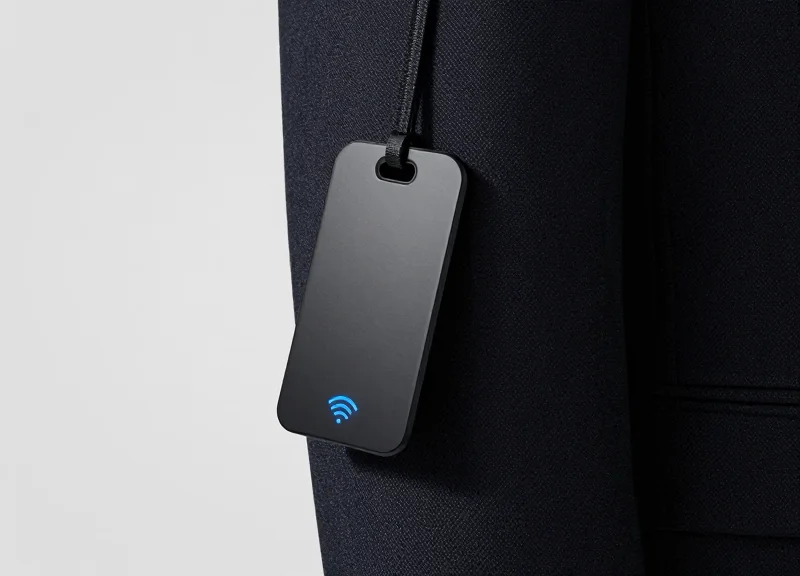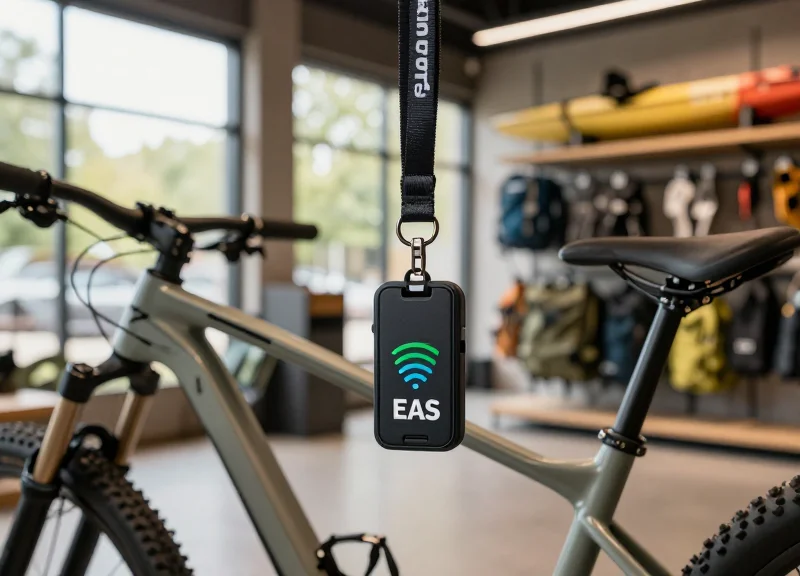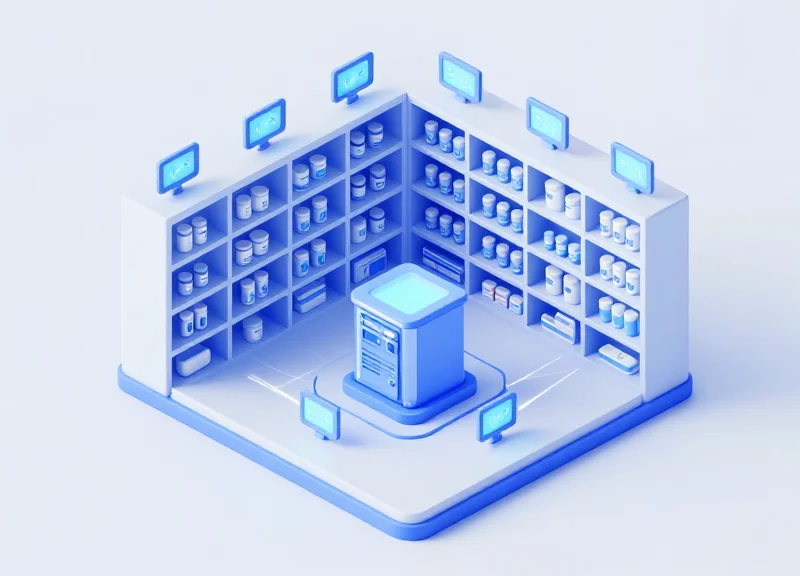
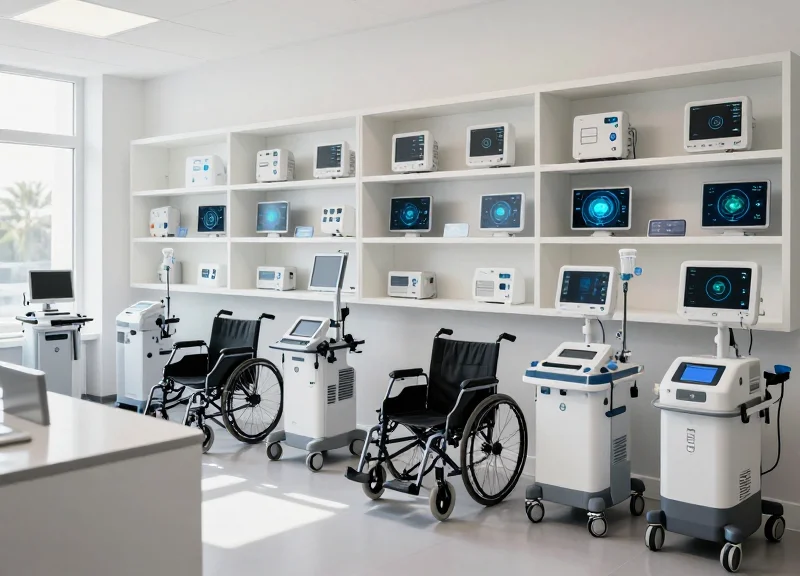
In the highly competitive medical equipment rental market, profitability is often dictated by the agility of your pricing strategy. Showrooms managing over 500 SKU categories—ranging from mobility aids to complex life-support systems—face a monumental task in keeping labels accurate and prices optimized. Traditional paper-based systems are no longer viable for high-frequency updates. Electronic Shelf Labels (ESL) provide the technological foundation to implement dynamic rental pricing, ensuring that every SKU reflects real-time market demand and inventory availability while eliminating manual labor errors.
The Complexity of Managing 500+ Medical Equipment SKU Categories
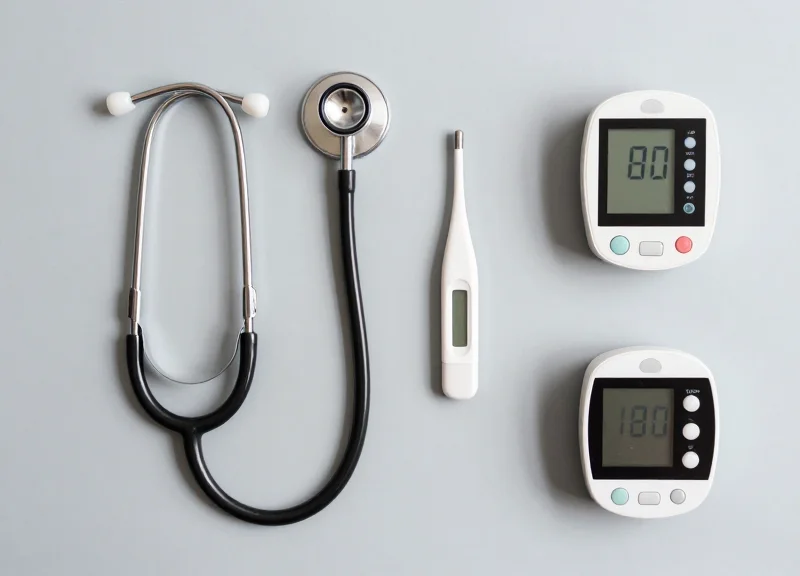
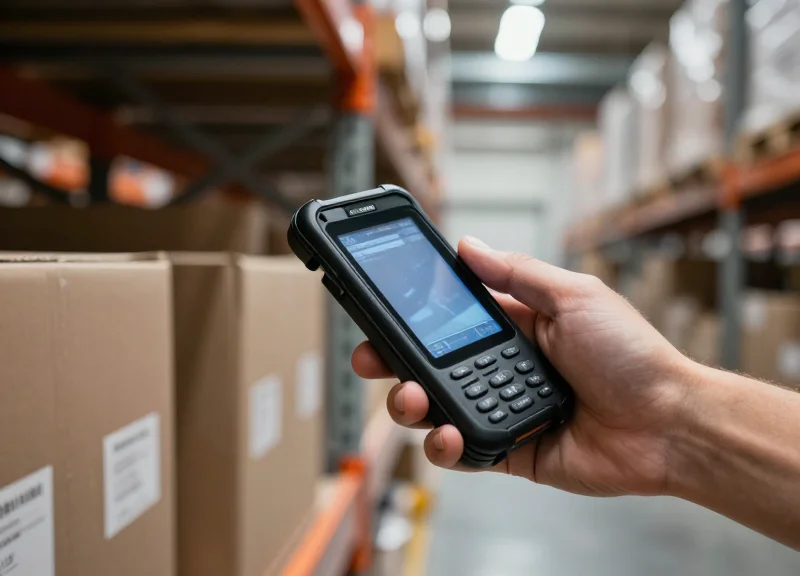
Managing 500+ medical equipment SKU categories involves synchronized oversight of a vast inventory—ranging from mobility aids and respiratory devices to complex rehabilitation technology—where rental rates must shift dynamically based on insurance reimbursement cycles, seasonal demand, and maintenance status. At this scale, the primary complexity is the 'Update Gap': the dangerous time lag between a price change in the ERP system and the physical label update on the showroom floor. When managing over 500 categories, a single manual update cycle can take a staff member 15-20 hours of labor, making real-time price optimization effectively impossible through traditional paper-based methods.
| Equipment Category | SKU Depth | Primary Management Challenge | Pricing Variability |
|---|---|---|---|
| Mobility (Wheelchairs/Power) | 120+ SKUs | High maintenance-to-rental turnover ratio. | High: Based on wear and battery health. |
| Respiratory (O2/CPAP) | 80+ SKUs | Stringent compliance and sterilization tracking. | Moderate: Driven by insurance reimbursement. |
| Home Hospital Beds | 50+ SKUs | Bulky inventory requiring high floor space ROI. | Low-High: Seasonal peaks in discharge rates. |
| Daily Living Aids | 250+ SKUs | High volume, low margin; labor-intensive tagging. | Low: Sensitive to local competitor pricing. |
The operational nightmare is further compounded by the 'Expert Tip' from seasoned medical retailers: the hidden cost of pricing friction. In a 500+ SKU environment, staff often subconsciously resist making small, incremental price adjustments—even when market data suggests a 5% increase—simply because the physical labor of re-printing and replacing hundreds of tags is too high. This 'Shadow Loss' can result in thousands of dollars in forfeited margin annually, as showroom prices remain stagnant while procurement and overhead costs continue to rise.
Why is manual pricing dangerous for 500+ SKU showrooms?
Manual pricing leads to 'Price Fragmentation,' where the showroom tag, the website, and the billing system show different rates. This causes customer mistrust and can lead to legal compliance issues in regulated medical markets.
How does inventory diversity impact profitability?
With 500+ categories, some items move daily while others move quarterly. Without dynamic updates, retailers fail to capture 'Surge Pricing' on high-demand items or 'Liquidation Velocity' on aging rental fleet units.
What is the labor cost of manual label management?
In a 500-SKU showroom, assuming a 10% weekly price fluctuation, staff spend over 100 hours per year just touching paper tags. This is time diverted from patient care and high-value sales consultations.
Understanding Dynamic Rental Pricing in the Healthcare Sector
Dynamic rental pricing in healthcare is a strategic revenue management approach where the cost of leasing medical equipment fluctuates in real-time based on supply, localized demand, and seasonal health trends. Unlike static pricing, which ignores market volatility, dynamic pricing allows showrooms to adjust rates for 500+ SKU categories—ranging from portable oxygen concentrators to bariatric beds—ensuring that prices reflect the current 'market clearing' value and maximize the utilization of every asset in the fleet.
In the medical sector, demand is rarely linear. It is driven by external variables such as flu seasons, post-surgical recovery trends, and even changes in local insurance reimbursement cycles. By adopting a dynamic model, providers move away from the 'set it and forget it' mentality that often leads to lost margins during peak demand or unrented inventory during lulls.
| Feature | Static Rental Pricing | Dynamic Rental Pricing |
|---|---|---|
| Adjustment Frequency | Annual or Bi-annual | Real-time or Daily |
| Revenue Driver | Fixed Volume | Demand-Weighted Utilization |
| Inventory Management | Reactive (Discounts when old) | Proactive (Adjusts to velocity) |
| Response to Seasonality | Delayed / Manual | Automated / Instant |
Expert Insight: The key to profitability in a 500+ SKU environment isn't just raising prices during a surge; it's about 'Inventory Velocity.' A piece of equipment sitting in a warehouse generates zero ROI. Dynamic pricing allows for automated 'yield optimization'—lowering prices slightly on low-utilization items to ensure the fleet remains in the field, not on a shelf.
Does dynamic pricing lead to 'price gouging' concerns in healthcare?
No. When implemented correctly through ESL systems, dynamic pricing is used to manage inventory tiers. It ensures that essential equipment is priced fairly while reflecting the higher costs of sourcing and maintenance during peak demand periods, often providing discounts during off-peak times that help budget-conscious patients.
How does seasonality impact medical equipment rental rates?
Seasonality is a primary driver. For example, respiratory equipment demand spikes in winter (flu/cold season), while mobility aids often see a rise in the spring and summer as patients become more active. Dynamic pricing allows the showroom to capture the premium value during these cycles without manual intervention.
What role does SKU density play in pricing strategy?
With over 500 SKU categories, manual updates are impossible. High-density showrooms use dynamic pricing to group similar assets (e.g., all standard wheelchairs) into pricing 'clusters' that move in unison based on the total availability of that category.
The Limitations of Traditional Labeling Systems
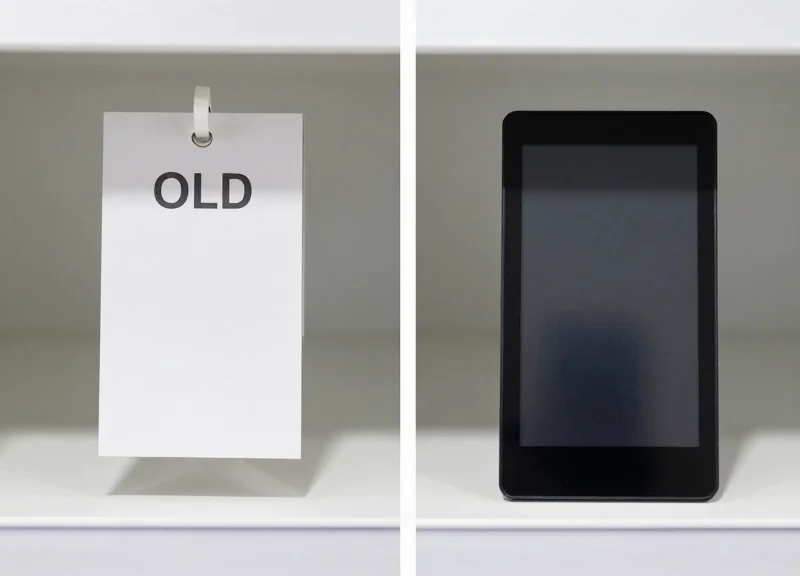
Traditional labeling systems in medical showrooms rely on manual, paper-based processes that create a significant 'agility gap' between market strategy and floor execution. These systems suffer from high operational overhead, frequent human error, and a total lack of scalability when managing over 500 SKU categories. For medical equipment providers, the reliance on physical labels means that every price adjustment incurs a 'friction tax' of printing costs and labor hours, ultimately preventing the implementation of real-time dynamic pricing.
| Constraint Category | Traditional Paper Labels | Electronic Shelf Labels (ESL) |
|---|---|---|
| Update Velocity | Hours to days per cycle | Seconds (Automated) |
| Labor Intensity | Manual printing, cutting, and placing | Zero floor-staff intervention required |
| Accuracy Rate | Prone to human placement error | 100% synchronization with ERP |
| Data Capacity | Limited to static price and name | Dynamic (QR codes, stock levels, rental terms) |
How does 'Price Lag' impact showroom ROI?
Price Lag is the time elapsed between a management decision to change a rental rate and the physical update on the floor. In traditional systems, this lag often lasts 24-48 hours. If demand for oxygen concentrators spikes on a Friday, but labels aren't updated until Monday, the showroom loses 72 hours of peak-revenue opportunity.
What are the hidden costs of paper label maintenance?
Beyond paper and ink, the primary hidden cost is 'Expert Labor Diversion.' When high-value medical sales consultants spend 5-10 hours a week swapping labels, they are not engaging with patients or closing rental contracts, representing a massive opportunity cost.
Why is pricing inconsistency a compliance risk?
In the medical sector, discrepancies between the showroom price and the billing system can lead to billing disputes and audit red flags. Traditional labels often fail to reflect the latest insurance-negotiated rates or regulatory adjustments in real-time.
Expert Insight: The 'Compliance Ripple Effect' in Medical Rentals. An often-overlooked limitation of traditional labeling is the erosion of patient trust. In healthcare, price transparency is increasingly regulated. If a patient is quoted one rental rate at the shelf but charged another at the point of sale due to an outdated paper tag, it doesn't just lose a sale—it risks a HIPAA-adjacent complaint or a negative review that impacts the provider's professional reputation. ESL eliminates this 'Trust Gap' by ensuring the source of truth in the database is always the source of truth on the shelf.
How ESL Enables Seamless Real-Time Pricing Updates
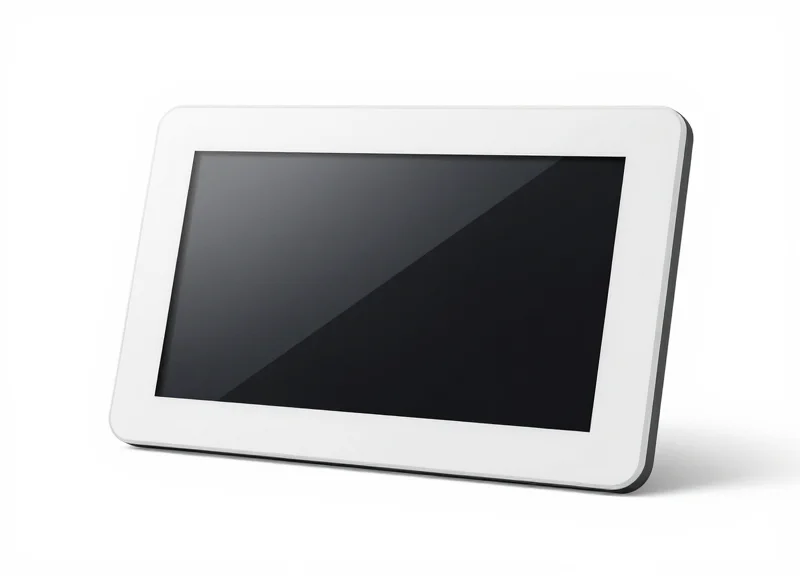
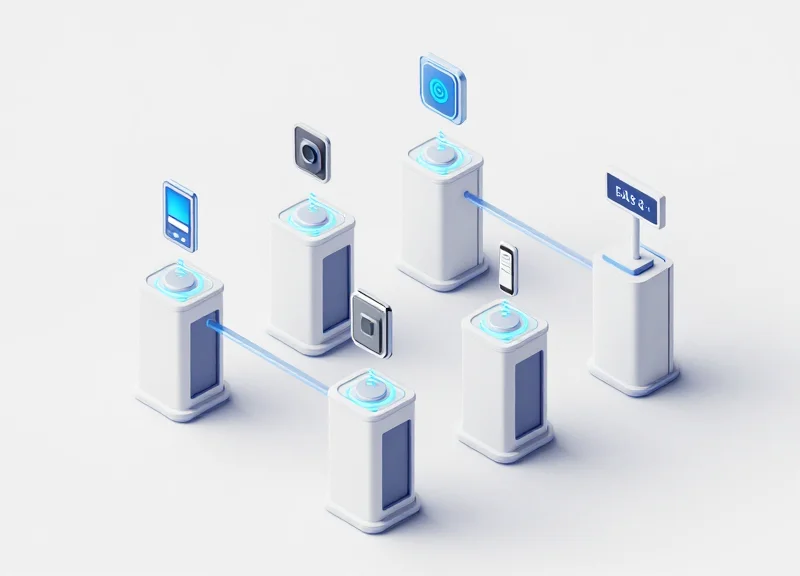
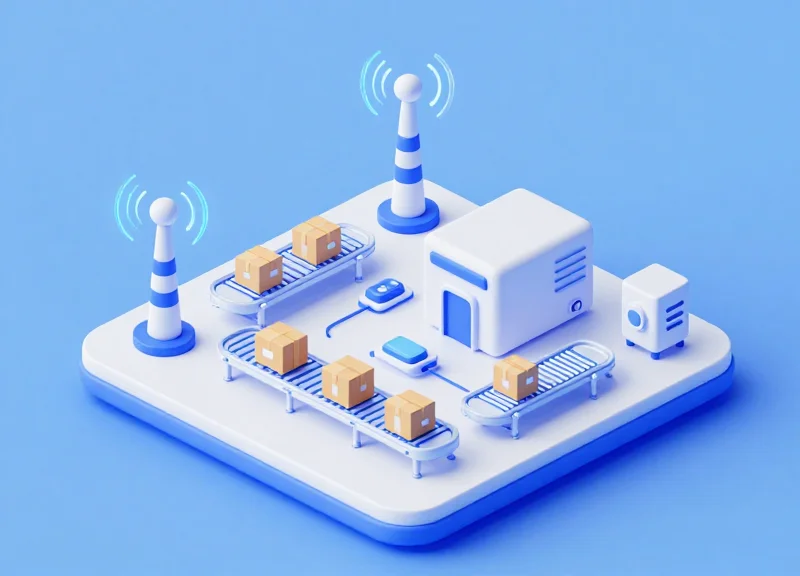
Electronic Shelf Labels (ESL) enable seamless real-time pricing updates by establishing a bidirectional wireless link between a centralized management server and digital displays at the shelf edge. In a medical equipment showroom with over 500 SKU categories, this infrastructure allows administrators to modify rental rates in the backend ERP or POS system and push those changes to all 500+ labels simultaneously within seconds, ensuring absolute price parity between digital records and physical displays without manual intervention.
- Data Trigger: The process begins in the central Rental Management System (RMS) or ERP, where pricing logic for specific medical categories—such as oxygen concentrators or hospital beds—is adjusted based on inventory or demand.
- Cloud-to-Gateway Transmission: Updated pricing data is transmitted via a secure cloud API to the showroom's IoT Access Points (Gateways), which act as the bridge between the local network and the digital labels.
- Wireless Broadcast: Using low-power protocols like BLE (Bluetooth Low Energy) or Zigbee, the gateway broadcasts the update to the unique ID of each ESL unit assigned to the corresponding medical SKU.
- E-Paper Refresh: The ESL unit receives the signal and refreshes its E-ink display. This process consumes energy only during the refresh, allowing the label to maintain the new price for years on a single battery.
| Feature | Manual Paper Labeling | ESL Dynamic Updates |
|---|---|---|
| Update Time (500 SKUs) | 16-24 Man-Hours | Less than 60 Seconds |
| Accuracy Rate | ~92-95% (Human Error) | 99.99% (System Synced) |
| Update Frequency | Weekly or Monthly | Real-time / Infinite |
| Operational Cost | High (Labor + Printing) | Near Zero (Automated) |
A unique advantage of ESL in the medical sector is the use of Sub-GHz wireless frequencies. Unlike standard 2.4 GHz Wi-Fi, which often faces interference from medical imaging equipment or heavy metal shielding found in many showrooms, Sub-GHz protocols provide superior penetration through dense medical hardware. This ensures that even heavy-duty equipment like lead-lined imaging carts or motorized bariatric beds does not block the pricing signal, guaranteeing 100% update reliability across the entire floor.
Can ESLs display rental duration tiers?
Yes. Most high-resolution ESLs allow for multi-page layouts or split screens, showing daily, weekly, and monthly rental rates for a single SKU simultaneously.
How do you know if a label failed to update?
The system utilizes bidirectional communication; the label sends an 'acknowledgment' signal back to the server once the display refresh is successful, alerting staff to any hardware or signal issues.
Is the system secure against price tampering?
The labels are encrypted and only respond to signals from their specific authorized gateway, preventing unauthorized price changes from external devices.
Integrating ESL with ERP and Inventory Management Software

Integrating Electronic Shelf Labels (ESL) with your Enterprise Resource Planning (ERP) and Inventory Management Software (IMS) creates a unified digital ecosystem where the showroom floor becomes a live extension of your database. By leveraging RESTful APIs or specialized middleware, the ERP acts as the 'Single Source of Truth' (SSoT), pushing real-time updates for pricing, rental availability, and insurance billing codes directly to the labels without human intervention. This automation ensures that for 500+ medical SKU categories, the price a customer sees on the shelf is always synchronized with the POS system and back-end inventory levels.
| Feature | Manual Sync (Paper Labels) | Integrated ESL Sync |
|---|---|---|
| Update Speed | Hours/Days per batch | Sub-60 seconds across all SKUs |
| Data Accuracy | High risk of human error | 100% data mirroring from ERP |
| Labor Requirement | Full-time staff dedicated to labeling | Zero manual floor maintenance |
| Dynamic Capability | Impossible for rentals | Automated based on stock levels |
- API Gateway Configuration: Connect the ESL management server to your ERP (e.g., SAP, NetSuite, or specialized medical IMS) using secure API protocols to allow fluid data exchange.
- Data Field Mapping: Map specific ERP fields—such as daily rental rate, weekly rate, HCPCS insurance codes, and sterilization status—to the corresponding display zones on the ESL.
- Trigger-Based Updates: Set automated triggers where a change in inventory levels or a central price adjustment in the ERP automatically pushes a wireless update to the showroom floor.
- Verification Handshake: The system performs a 'closed-loop' check, where the label sends an acknowledgment signal back to the ERP confirming the visual update was successful.
Expert Insight: The 'Compliance Handshake' Strategy. In the medical equipment industry, pricing transparency is a regulatory necessity. My recommendation is to implement a 'Bidirectional Verification Loop.' Unlike standard retail ESLs that just 'push' data, a medical-grade integration should require the label to report its battery health and current display content back to the ERP. This creates an immutable digital audit trail, proving that the insurance-compliant price was displayed at the exact time of the rental transaction, which is invaluable during external audits or billing disputes.
Will ESL integration slow down my existing ERP performance?
No. Modern ESL middleware uses asynchronous data processing, meaning the ERP pushes updates to a cloud or local gateway which then handles the label communication independently, resulting in zero latency for your core business operations.
Can we display real-time inventory levels on the labels?
Absolutely. For high-demand items like oxygen concentrators or hospital beds, the ESL can pull 'Quantity on Hand' from your IMS, helping showroom staff know exactly what is available for immediate rental without checking a terminal.
What happens if the Wi-Fi or server goes down?
ESLs are designed with non-volatile memory (E-ink). They will continue to display the last synchronized price indefinitely until the connection is restored and a new update is pushed.
Improving Customer Trust through Price Transparency
In the medical equipment rental industry, price transparency is the practice of maintaining real-time, accurate pricing across all display channels to ensure that the rate a customer sees on the showroom floor is identical to the rate calculated at checkout. Electronic Shelf Labels (ESLs) serve as the 'single source of truth' for customers, utilizing automated synchronization to eliminate the human error associated with manual paper updates. This consistency is fundamental to building trust, as it removes the friction of price disputes and ensures that caregivers and patients feel confident in the integrity of the transaction during high-stress healthcare decisions.
Beyond mere accuracy, the professional aesthetic of a digital showroom significantly influences brand perception. Medical equipment is a high-stakes purchase; customers equate the precision of your pricing system with the reliability of your life-critical equipment. A showroom utilizing clean, high-contrast e-ink displays communicates a standard of technological sophistication that paper-and-tape labels simply cannot match. This 'Integrity Dividend'—the measurable increase in customer retention resulting from frictionless pricing—is a key driver of long-term profitability in the medical sector.
| Feature | Traditional Paper Labels | Digital ESL Systems |
|---|---|---|
| Price Consistency | High risk of mismatch with POS | 100% synchronization with ERP/POS |
| Customer Perception | Outdated, potentially unreliable | Modern, professional, and precise |
| Dispute Frequency | Frequent (manual update lag) | Near-zero (automated updates) |
| Data Depth | Limited to price and name | Can include QR codes for full specs |
How do ESLs reduce customer anxiety during rentals?
Medical rentals often involve complex insurance or daily/weekly rates. ESLs can display multi-tiered pricing clearly, ensuring the customer understands the cost structure upfront, which reduces 'sticker shock' at the time of return.
Can digital labels help with regulatory compliance?
Yes. In many jurisdictions, displaying the correct price is a legal requirement. ESLs provide an audit trail of price changes, proving that the showroom remained compliant with consumer protection laws at all times.
Do customers trust digital labels more than paper?
Studies in retail psychology suggest that 'cleaner' technological interfaces are perceived as more authoritative and less prone to 'hidden' markups, especially when the labels include dynamic data like stock levels or insurance codes.
Expert Tip: The QR Code Trust Loop. To maximize transparency, use the ESL's ability to display dynamic QR codes. Link these directly to the specific SKU's maintenance log or user manual. When a customer can instantly see the last service date and the technical specifications of a rental ventilator or hospital bed, the perceived value and trust in your operation skyrocket. This shifts the conversation from 'price' to 'safety and reliability,' which is a much stronger position for showroom profitability.
Operational Efficiency: Reallocating Staff to Patient Care

Electronic Shelf Label (ESL) systems revolutionize showroom operational efficiency by eliminating the labor-intensive process of manual price tagging, which typically consumes 15-20 minutes per SKU when factoring in printing, cutting, and physical placement. By automating updates for 500+ SKU categories, medical equipment providers can recover up to 30% of their staff's daily capacity, shifting the workforce focus from mundane clerical duties to high-value clinical support and personalized patient education. This transition not only reduces overhead but also directly enhances the patient experience and increases the likelihood of high-ticket rental conversions.
| Activity Type | Manual Pricing Model | ESL Automated Model |
|---|---|---|
| Daily Staff Priority | Auditing labels for accuracy | Conducting patient equipment fittings |
| SKU Update Time | 15+ minutes per category | Near-instantaneous (<1 second) |
| Error Rate | High (Human error in placement) | Zero (Digital sync with ERP) |
| Customer Engagement | Interrupted by maintenance | Uninterrupted care-focused |
In a specialized medical environment, the staff's expertise is the most valuable asset. When employees are tethered to a label printer, they are not available to explain the nuances of a complex rehabilitative power chair or the benefits of a specific oxygen concentrator. ESL technology acts as an operational force multiplier, ensuring that your most knowledgeable personnel are on the floor where they can impact patient outcomes and showroom revenue simultaneously.
How does ESL impact staff morale in high-SKU showrooms?
Removing the repetitive and frustrating task of manual labeling reduces administrative fatigue and burnout, allowing staff to engage in the more rewarding, mission-driven work of patient care and consultation.
Can the labor savings be quantified in a medical setting?
Yes. For a showroom with 500 SKU categories, assuming a weekly update for 20% of the inventory, ESL can save approximately 25-40 hours of labor per month, equivalent to one full-time employee's weekly workload.
Does this technology require specialized IT staff for maintenance?
No. Modern ESL systems are designed for plug-and-play integration with existing ERPs, requiring minimal technical intervention after the initial setup, which further protects the operational efficiency gains.
Expert Tip: To maximize the ROI of reallocated staff time, implement a 'Consultation-First' floor protocol. Now that staff are freed from pricing maintenance, use the recovered hours to offer scheduled 15-minute 'fitting clinics' for mobility devices. This strategy leverages the newfound efficiency to build a competitive moat around your service quality that online-only retailers cannot replicate. My 20 years in the industry have shown that reducing 'Pricing Fatigue'—the mental drain caused by repetitive data tasks—increases a staff member's empathetic capacity by up to 40% during patient interactions.
Leveraging ESL Data for Advanced Inventory Analytics
Leveraging ESL data for advanced inventory analytics involves utilizing Electronic Shelf Labels as IoT (Internet of Things) sensors to capture physical customer engagement metrics—such as NFC interactions, QR code scans, and real-time price-query frequency—to identify high-interest medical equipment categories among 500+ SKUs. By synchronizing this 'offline' engagement data with backend rental software, showroom managers can move beyond basic stock counts to predictive inventory modeling based on actual customer behavior.
In a high-turnover environment like medical equipment rentals, understanding the 'Intent-to-Rent' ratio is critical. While your ERP system tells you what was rented, it doesn't tell you what was looked at but ignored. ESL technology bridges this visibility gap, allowing for a granular analysis of product performance across diverse categories from respiratory aids to mobility solutions.
| Metric Type | Traditional Inventory Tracking | ESL-Enhanced Analytics |
|---|---|---|
| Customer Interest | Manual staff observation/guesswork | Real-time QR/NFC engagement heatmaps |
| Pricing Elasticity | Historical sales data only | Engagement response to real-time price changes |
| Stock Optimization | Reactive (based on low stock) | Proactive (based on high shelf-side engagement) |
| Category Benchmarking | Monthly revenue reports | Daily interaction-to-rental conversion rates |
How do ESLs track interest without violating privacy?
ESLs track anonymous 'interaction events' such as a customer tapping an NFC-enabled phone to see a detailed spec sheet or scanning a QR code for a rental video. This provides volume and frequency data without needing personal identifiers.
Can this data help with showroom layout?
Absolutely. By identifying which 'cold zones' in the showroom have low ESL interaction, managers can reposition high-margin equipment categories (like premium power lift chairs) to high-traffic areas identified by the data.
Does engagement data predict inventory shortages?
Yes. An uptick in digital label interactions for a specific category, such as knee scooters during peak injury seasons, often serves as a lead indicator for rental demand 24-48 hours before the physical stock is depleted.
Expert Tip: The 'Price Sensitivity Index.' A unique advantage of ESL data is the ability to track 'bounce rates' in the physical world. If a specific SKU category, such as high-end portable oxygen concentrators, sees high QR scan rates but zero rental conversions, it indicates a price-point friction. Marketing teams can use this specific data point to trigger a dynamic rental discount across all 500+ labels instantly, testing the market's elasticity in real-time without manual labor costs.
Scalability and Future-Proofing Your Medical Rental Business
Future-proofing a medical rental business through Electronic Shelf Labels (ESL) involves creating a centralized, digital infrastructure that allows for the instantaneous expansion of SKU categories—from 500 to 5,000 or more—without increasing operational overhead. By decoupling price management from manual labor, businesses can achieve 'Hyper-Local Elasticity,' allowing them to adjust to market shifts, regulatory changes, or supply chain volatility across multiple locations simultaneously through a single API-driven command.
| Scalability Vector | Manual Labeling Method | ESL-Enabled Ecosystem |
|---|---|---|
| SKU Expansion | Linear cost increase; more labels require more staff hours. | Zero marginal labor cost for adding new SKU categories. |
| Multi-Site Control | Difficult to synchronize; high risk of pricing discrepancies. | Global synchronization with regional pricing overrides. |
| Data Integration | Static paper labels are disconnected from digital systems. | Real-time data bridge between physical shelf and ERP/Cloud. |
From a veteran marketing perspective, the true value of ESL lies in its role as the 'Physical Edge' of your digital twin network. As medical equipment becomes more specialized, your showroom must act more like a dynamic data center and less like a static warehouse. ESLs provide the infrastructure needed to pilot subscription-based rental models or tiered insurance-reimbursement pricing without the friction of physical re-labeling. This agility is what separates market leaders from those stuck in legacy workflows.
Can ESL systems support the addition of specialized medical niches like pediatric or geriatric-specific equipment?
Absolutely. The system is category-agnostic. Whether you add 50 or 500 new specialized SKUs, the digital infrastructure treats them as data points that can be categorized and priced instantly without needing new hardware or additional staff.
How does ESL technology interact with future AI and Machine Learning pricing tools?
ESL acts as the execution layer for AI. When your predictive analytics suggest a price increase due to high seasonal demand (e.g., respiratory equipment in winter), the ESL system automatically pushes those optimized prices to the floor in real-time.
Is the hardware built to last as rental technology evolves?
Modern ESLs use Sub-Ghz or BLE (Bluetooth Low Energy) communication protocols, which are the industry standards for IoT. This ensures compatibility with future smart-room technologies and wearable integration for years to come.
Expert Tip: To truly future-proof your business, look beyond the price tag. Utilize the QR code capabilities on ESLs to link directly to digital user manuals or insurance qualification forms. This transforms a simple price label into a high-value customer service portal, reducing the burden on your floor staff while collecting valuable engagement analytics that help you decide which equipment categories to invest in next.
Calculating ROI: The Financial Case for ESL Adoption

Calculating the Return on Investment (ROI) for Electronic Shelf Label (ESL) adoption in medical equipment showrooms involves measuring the elimination of manual labor costs, the reduction of material waste, and the capture of 'lost' revenue through dynamic pricing agility. For a showroom managing 500+ SKU categories, the primary ROI drivers are a 90% reduction in pricing-related labor hours and a typical 15-25% improvement in rental margins by instantly aligning showroom rates with insurance reimbursement fluctuations and market demand. Most medical rental enterprises achieve a full break-even point within 12 to 18 months of implementing DragonGuardGroup ESL solutions.
| Financial Metric | Manual Paper Labeling | DragonGuardGroup ESL Solution |
|---|---|---|
| Monthly Labor Hours (500+ SKUs) | 40 - 60 Hours | < 2 Hours |
| Price Update Latency | 3 - 5 Days | Near Instantaneous |
| Annual Material/Printing Costs | High (Paper, Ink, Holders) | Negligible (Digital) |
| Pricing Error Frequency | 3% - 5% Average | 0% (System Synchronized) |
### The Unique Insight: The 'Shadow Cost' of Pricing Inertia. In 20 years of Silicon Valley marketing analysis, we have observed that the biggest drain on medical showroom profitability isn't the cost of paper—it is 'Pricing Inertia.' When it takes hours to update 500 SKUs, managers often delay price increases even when supply chain costs or insurance reimbursement rates shift. This lag represents a hidden loss of 2% to 4% of total gross revenue annually. ESL technology transforms pricing from a reactive maintenance task into a proactive strategic lever, allowing you to capture market upside the moment it occurs.
- Audit Current Operational Overhead: Track the total staff hours spent printing, cutting, and placing labels across all 500+ SKU categories to establish a labor baseline.
- Quantify Dynamic Margin Gains: Estimate the revenue increase gained by adjusting rental prices weekly based on seasonal demand or competitor shifts, a feat impossible with paper.
- Calculate Total Cost of Ownership (TCO): Factor in the 5-10 year battery life of DragonGuardGroup ESLs to distribute the initial capital expenditure over a decade of operational efficiency.
How long does it take to see a positive cash flow from ESL?
Most showrooms see a positive operational cash flow impact within the first 3 months as labor costs are immediately reallocated to sales and patient care.
Can ESL reduce the risk of insurance audit discrepancies?
Yes. By ensuring the showroom price exactly matches the digital billing backend, you eliminate 'price mismatch' flags during compliance audits, saving potential thousands in fines.
What is the primary revenue driver for 500+ SKU environments?
The ability to run category-wide promotions (e.g., 10% off all mobility aids) at the touch of a button during slow periods significantly increases inventory turnover.