
In the world of high-end retail, elegance is often defined by the seamless harmony between product and presentation. However, even the most prestigious boutiques face a silent killer of brand reputation: pricing errors. When a luxury item carries a mismatched or outdated price tag, the illusion of perfection shatters. Electronic Shelf Labels (ESL) offer a transformative solution, bringing 99.9% pricing accuracy to the showroom floor. This article explores how quantifying precision through digital technology doesn't just improve operations—it fundamentally strengthens the brand equity of boutique retailers.
The Fragile Nature of Boutique Brand Equity
Boutique brand equity is the intangible value derived from a consumer's perception of exclusivity, quality, and meticulous attention to detail. In the luxury sector, equity is not merely a financial asset but a psychological contract; it is the 'Operational Elegance' that justifies a premium price point. When a boutique fails to maintain pricing accuracy, it creates a 'Precision-Perception Gap.' This gap occurs when the high-tech, high-touch promise of the brand is undermined by low-tech, manual errors, signaling to the consumer that the brand's internal standards may be as inconsistent as their shelf tags.
| Feature | Mass-Market Impact | Boutique/Luxury Impact |
|---|---|---|
| Pricing Error Sensitivity | Low: Expected as a 'system glitch.' | Critical: Perceived as a lack of integrity. |
| Consumer Reaction | Annoyance/Request for refund. | Erosion of trust and brand 'halo'. |
| Operational Expectation | Efficiency over accuracy. | Perfection as a baseline requirement. |
| Long-term Consequence | Minimal; customer returns for price. | High; customer defects to competitors. |
The 'Veblen Effect' suggests that for luxury goods, the high price is itself a signal of quality and status. However, this effect is fragile. If a customer discovers a price discrepancy at the point of sale—whether it is a higher price than marked or an uncommunicated discount—the illusion of the curated experience is shattered. In my twenty years of marketing analysis, I have observed the '1:10 Rule of Luxury Errors': for every $1 of pricing error discovered in a boutique setting, the brand effectively loses $10 in Customer Lifetime Value (CLV) due to the immediate degradation of the brand's perceived 'care' and 'exclusivity'.
How does pricing inconsistency affect the 'Luxury Halo'?
Pricing is the most direct communication a brand has with its customer. Inconsistency suggests that the brand's back-end operations are disorganized, which leads customers to subconsciously worry that the product quality or service might also be compromised.
Why is the manual price update process dangerous for boutiques?
Manual updates are prone to human error, which is the antithesis of luxury. A single paper tag left unchanged during a price shift creates a visual 'scar' in a high-end environment, distracting from the aesthetic appeal and the premium narrative.
What is the 'Frictionless Premium' standard?
It is the expectation that the transition from discovery to purchase should be invisible. Any friction—such as a price check at the register because the tag was wrong—forces the customer out of their emotional 'buy' state and back into a logical, critical state.
Ultimately, boutique brand equity is a measure of trust. While a grocery store can afford a 2% error rate, a boutique brand that prides itself on 'bespoke' or 'premium' experiences must target near-perfect accuracy. ESL (Electronic Shelf Labeling) technology isn't just an inventory tool; it is a brand-protection mechanism that ensures the physical reality of the store always matches the digital promise of the brand.
The High Cost of Pricing Inconsistency
Pricing inconsistency is the discrepancy between the advertised shelf-edge price and the actual price at checkout, a failure that typically results in a 1% to 3% loss in annual gross margins for retailers. In the boutique sector, the cost of these errors is disproportionately high; while a mass-market retailer might lose a few cents, a luxury boutique risks a 'trust deficit' that can permanently alienate high-net-worth individuals who equate price precision with product quality.
| Impact Category | Manual Pricing Error (Paper Tags) | ESL Accuracy (99.9%) |
|---|---|---|
| Financial Leakage | High: Undetected undercharges erode margins. | Negligible: Syncs directly with POS database. |
| Operational Overhead | 10-20 staff hours per week on tag audits. | Zero: Updates occur in seconds across all labels. |
| Customer Sentiment | Frustration: Perceived as lack of professionalism. | Confidence: Seamless and transparent experience. |
| Compliance Risk | Potential legal fines for price gouging. | Full compliance with weights and measures laws. |
How does pricing friction affect customer lifetime value (CLV)?
In boutique retail, the shopping experience is a ritual. A pricing error at the POS breaks the 'luxury immersion,' causing cognitive dissonance. Research suggests that a single negative checkout experience can reduce the likelihood of a return visit by up to 40% for premium shoppers.
What is 'Hidden Margin Leakage'?
This occurs when items are sold at an outdated, lower price because staff failed to update a paper tag during a price hike. For boutiques with high unit values, failing to update just 10 items can result in thousands of dollars in lost profit weekly.
Does manual pricing affect employee morale?
Yes. Constant price audits are tedious and prone to human error, leading to staff anxiety during checkout. Removing this manual burden allows boutique associates to focus on high-touch storytelling and relationship building.
Expert Insight: In the world of boutique commerce, there is a phenomenon I call the 'Precision Premium.' Discerning customers do not just pay for the fabric or the design; they pay for the peace of mind that every detail—including the pricing—is handled with surgical accuracy. When a price tag is wrong, the customer subconsciously questions the authenticity and craftsmanship of the product itself. Inconsistency isn't just an operational fluke; it's a brand-devaluing event.
The ESL Revolution: Digital Precision for Physical Spaces
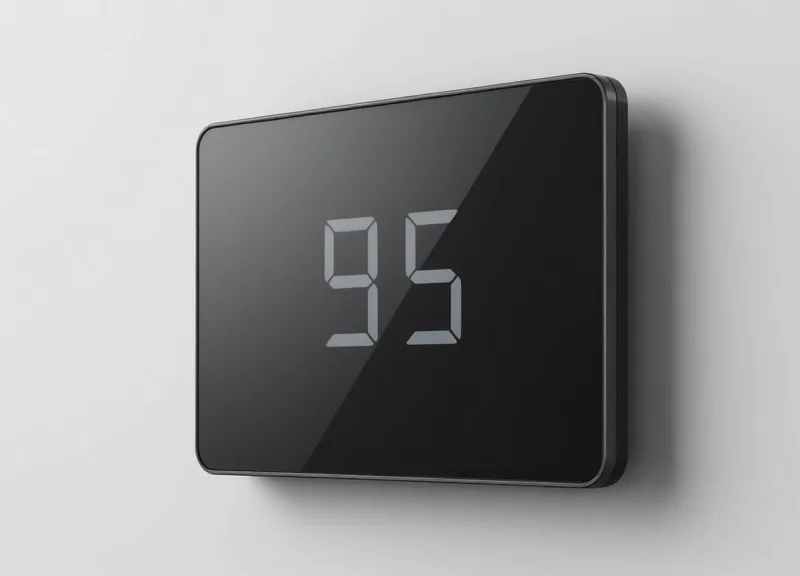
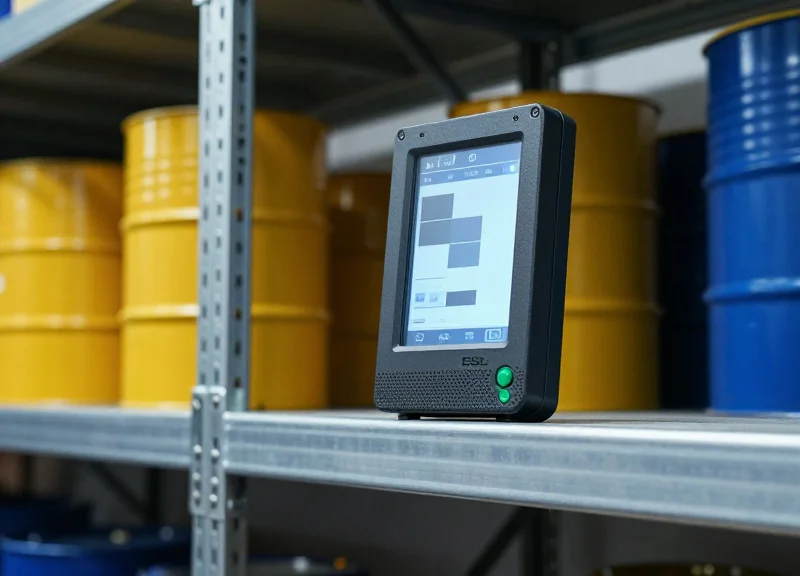
The ESL revolution in boutique retail is the strategic deployment of wireless, high-resolution E-ink display systems that synchronize physical shelf prices with digital inventory databases in real-time. By providing 99.9% pricing accuracy, ESLs eliminate 'omnichannel friction'—the damaging discrepancy where in-store prices differ from web prices—thereby preserving the brand's aura of perfection. In high-end environments, this technology acts as a silent digital concierge, ensuring that the price on the tag is as reliable and prestigious as the product it describes.
| Feature | Manual Paper Labeling | Modern ESL Systems |
|---|---|---|
| Update Frequency | Hours or Days (Manual Labor) | Near-Instant (Global Sync) |
| Pricing Accuracy | 92% - 95% (Prone to Human Error) | 99.9% (Database Driven) |
| Visual Consistency | Often mismatched or weathered | Uniform, brand-compliant digital display |
| Labor Utilization | Heavy focus on administrative tasks | 100% focused on high-touch sales |
| Sustainability | High paper and ink waste | Reusable, 10-year battery life |
Beyond simple price automation, the ESL revolution provides a unique opportunity for 'Typographic Fidelity.' Traditional boutique owners often fear that digital screens will look clinical or 'cheap.' However, modern 300 DPI E-ink displays allow brands to render custom serif fonts, specialized kerning, and brand-specific icons that mimic the texture of high-quality cardstock. Expert Tip: To maintain boutique elegance, look for ESL solutions that offer 'Snap-On' custom frames in materials like brushed brass, walnut, or matte aluminum to ensure the technology integrates invisibly into your store’s interior design.
Does ESL detract from the high-end sensory experience?
No. When implemented correctly, E-ink technology mirrors the visual properties of paper, reflecting ambient light rather than emitting it, which avoids the 'screen fatigue' common in low-end retail.
How does digital precision impact customer psychological safety?
High-net-worth individuals are highly sensitive to 'price integrity.' Seeing a digital tag that updates dynamically builds confidence that they are getting the current market price without the need for verification or negotiation.
Can ESLs display information beyond just the price?
Absolutely. Boutiques use them to display real-time stock levels, QR codes for 'extended aisle' digital browsing, and origin stories for sustainable or artisanal goods, enriching the narrative of the product.
How 99.9% Accuracy Protects the Luxury Narrative

In the boutique world, the luxury narrative is built upon the 'Illusion of Perfection.' When a discerning client encounters a price discrepancy—even a minor one—that illusion is shattered. 99.9% pricing accuracy via Electronic Shelf Labels (ESL) protects this narrative by ensuring total synchronization between the back-end ERP, the e-commerce storefront, and the physical shelf. By automating the update process, luxury retailers remove the 'human friction' that leads to brand-eroding errors, replacing it with a tech-forward reliability that signals modern sophistication.
| Feature | Manual Pricing System | ESL-Enabled 99.9% Accuracy |
|---|---|---|
| Update Latency | Hours to Days (Sequential) | Seconds (Simultaneous) |
| Error Rate | 5% - 10% (Industry Average) | Less than 0.1% |
| Brand Perception | Unreliable/Fragmented | Premium/Cohesive |
| Customer Journey | High Friction at Checkout | Zero Friction/Fulfillment |
The 'Price Drift Principle' is a unique phenomenon in luxury retail where the perceived value of an item begins to erode the moment its price is inconsistently displayed. Unlike big-box retail where a lower price might be seen as a bargain, in a boutique setting, a pricing error suggests a lack of attention to detail—a cardinal sin for premium brands. ESLs solve this by acting as an immutable 'Single Source of Truth,' ensuring that the price on the display is a digital twin of the central database, thereby neutralizing Price Drift before it affects the customer's psyche.
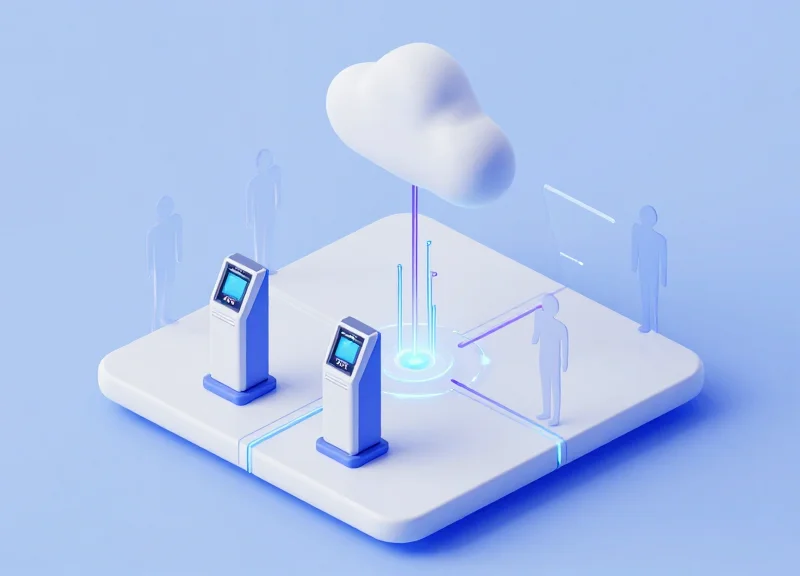
- Centralized ERP Update: The luxury brand manager updates the Global Pricing Table within the ERP system, reflecting currency fluctuations or seasonal shifts.
- Cloud-to-Gateway Broadcast: The ESL management software transmits the encrypted data via a secure sub-Giga Hertz or Bluetooth Low Energy (BLE) gateway to the local boutique.
- Real-Time Visual Validation: The e-ink display updates instantly, and the system performs a 'heartbeat' check to confirm the tag is displaying the correct price, closing the feedback loop.
Why isn't 100% accuracy the industry standard?
While 100% is the goal, 99.9% accounts for external variables such as temporary network interference or hardware transit. In the context of luxury, a 99.9% guarantee is essentially indistinguishable from perfection for the consumer.
Does ESL technology look too 'techy' for a heritage brand?
Modern ESLs utilize fully customizable e-ink frames and high-resolution displays that can be color-matched and integrated into bespoke wood or metal casings, maintaining the aesthetic of a classic boutique.
How does accuracy affect the boutique staff?
By offloading the stress of manual audits, staff can focus 100% of their attention on high-touch storytelling and clienteling, which is the cornerstone of luxury brand equity.
Building Customer Trust Through Pricing Integrity
In the boutique sector, pricing integrity is defined as the absolute alignment between the brand's promised value and the final transactional reality. Unlike mass-market retail where a pricing error is seen as a nuisance, in luxury retail, a discrepancy is viewed as a breach of character. When a customer identifies a mismatch between a shelf price and the point-of-sale, the 'luxury immersion' is instantly shattered, replaced by skepticism regarding the brand's operational competence and honesty. Achieving 99.9% pricing accuracy via Electronic Shelf Labels (ESL) transforms pricing from a potential point of failure into a silent validator of brand excellence.
| Trust Factor | Manual Pricing Impact | ESL-Driven Integrity |
|---|---|---|
| Price Discovery | Potential for 'Sticker Shock' at checkout due to missed updates. | Guaranteed consistency between shelf and register. |
| Brand Perception | Perceived as disorganized or potentially deceptive. | Perceived as technologically sophisticated and transparent. |
| Sales Associate Role | Often forced to apologize or negotiate over errors. | Empowered to focus on storytelling and relationship building. |
| Omnichannel Parity | Lag between online prices and physical tags. | Instant synchronization across all brand touchpoints. |
Unique Insight: The 'Frictionless Premium' and Cognitive Dissonance. High-net-worth individuals often shop to escape the logistical friction of everyday life. In psychology, a pricing error creates 'cognitive dissonance'—the mental discomfort experienced when a prestigious environment produces a low-quality error. By utilizing ESL to maintain near-perfect accuracy, boutiques ensure that the customer's cognitive energy is spent on the aesthetic and emotional value of the product, rather than verifying the math. The most effective technology in a luxury setting is the one that remains invisible because it never fails.
How does pricing transparency specifically impact repeat boutique visits?
Transparency removes the subconscious 'guard' customers hold. When pricing is reliably accurate, the transaction becomes secondary to the relationship, fostering a sense of security that encourages long-term loyalty.
Why is 99.9% accuracy the new benchmark for luxury?
In a world of instant information, consumers check prices on mobile devices while standing in the store. Anything less than 99.9% accuracy is statistically likely to result in a public-facing error that can go viral, damaging brand equity.
Can ESL help justify premium price points?
Yes. The clean, crisp digital display of an ESL unit reflects modern precision. It signals to the customer that the price is calculated based on real-time data and premium market positioning, rather than an arbitrary manual mark-up.
Ultimately, building trust through pricing integrity is about removing 'micro-stresses' from the shopping journey. For a boutique brand, every interaction is a deposit into or a withdrawal from the brand's 'trust bank.' ESL systems act as a safeguard for these deposits, ensuring that the final stage of the customer journey—the payment—is as elegant and flawless as the initial product discovery. This operational perfection is what separates enduring luxury icons from fleeting retail trends.
Operational Agility: From Manual Labor to White-Glove Service

Operational agility in the boutique sector is defined by the seamless reallocation of human capital from low-value, repetitive maintenance to high-value, brand-defining service. In a traditional setting, price updates are a source of 'operational friction'—a labor-intensive process where staff are tethered to printers and adhesive labels. By implementing 99.9% accurate Electronic Shelf Labels (ESLs), boutiques eliminate this administrative overhead, allowing the storefront to function with 'white-glove' precision. This shift ensures that the most expensive asset in the store—the skilled sales professional—is focused entirely on the client, not the inventory.
| Operational Metric | Legacy Manual Workflow | ESL-Driven Agility |
|---|---|---|
| Task Allocation | Clerical (Tagging, Sorting, Auditing) | Consultative (Styling, Clienteling) |
| Update Velocity | Hours to Days (Batch processing) | Seconds (Real-time synchronization) |
| Staff Sentiment | High Stress (Fear of pricing errors) | High Confidence (Focus on narrative) |
| Customer Perception | Discount/Utility-focused | Experience/Luxury-focused |
The 'Cognitive Load' Advantage: Beyond just saving time, ESLs provide a psychological shift for boutique staff. When employees are no longer burdened by the 'clerical anxiety' of ensuring every paper tag matches the POS system, their 'emotional bandwidth' increases. This allows for a deeper level of empathy and intuition during customer interactions—the true hallmark of a white-glove experience. In my 20 years of observing retail tech transitions, the most successful brands don't just use automation to cut costs; they use it to amplify the human element.
- Phase 1: Elimination of Static Tasks: Automated price synchronization removes the need for morning 'tag audits,' allowing staff to focus on store aesthetics and personalized prep before doors open.
- Phase 2: Transition to Brand Ambassador: Staff are retrained from 'store keepers' to 'brand ambassadors,' utilizing the time saved to master product storytelling and heritage details.
- Phase 3: Deep Clienteling: The recovered labor hours are reinvested into proactive outreach, private viewing sessions, and maintaining high-quality CRM data.
Does ESL automation actually save enough time to impact service?
Yes. On average, a boutique with 1,000 SKUs can save 15-20 labor hours per week during seasonal price shifts, which equates to nearly half a full-time employee's focus redirected to sales.
Will staff feel replaced by the technology?
On the contrary, ESLs remove the most tedious part of their job. When positioned correctly, staff view ESLs as an 'invisible assistant' that protects their professional reputation from pricing mistakes.
How does this impact the 'White-Glove' feel?
White-glove service is about attentiveness. If a staff member is on a ladder changing a tag when a VIP walks in, the brand has already failed. ESLs ensure the staff is always available to the client.
Design Meets Function: Integrating ESL into High-End Aesthetics

Integrating Electronic Shelf Labels (ESL) into a luxury boutique environment requires a shift from viewing the hardware as a 'digital tag' to seeing it as an interactive design element. Modern ESL technology utilizes high-resolution Electronic Paper (E-ink) that mimics the visual texture of premium cardstock, ensuring that digital pricing does not clash with artisanal decor or minimalist shelving. By selecting hardware with customizable bezels—such as wood, brushed metal, or matte finishes—and utilizing ultra-low-profile mounting systems, boutiques can achieve 99.9% pricing accuracy without sacrificing the tactile, curated atmosphere their clientele expects.
| Design Feature | Standard Retail ESL | High-End Boutique ESL |
|---|---|---|
| Display Tech | Low-res LCD or Basic E-ink | High-PPI E-paper (Paper-like texture) |
| Bezel Material | Injection-molded white/grey plastic | Customizable: Wood, Metal, or Nano-coated finishes |
| Mounting Style | Universal plastic rails | Magnetic, hidden, or recessed architectural mounts |
| Visual Noise | High (Visible logos/barcodes) | Low (Edge-to-edge display, hidden technical data) |
- Select Tone-on-Tone Hardware: Choose ESL frames that match your store’s primary fixtures (e.g., champagne gold or matte black) to make the technology 'disappear' into the architecture.
- Leverage E-ink for Ambient Lighting: Unlike backlit LED screens, E-ink reflects ambient light just like real paper, preventing distracting glare in softly lit boutique environments.
- Curate Typography and Layout: Design your digital templates using brand-specific serif fonts and generous white space to maintain the 'hand-labeled' aesthetic digitally.
Expert Tip: The 'Invisible Tech' Strategy. To truly elevate the experience, use the ESL's NFC (Near Field Communication) capabilities to link customers to digital storytelling without cluttering the tag with QR codes. This keeps the physical display pristine while offering an 'invisible' layer of information for the curious shopper.
Will digital tags ruin my store's lighting design?
No. Because E-ink is bistable and non-backlit, it does not emit its own light, meaning it won't interfere with your carefully calibrated spotlighting or mood lighting.
Can I hide the technical barcodes?
Yes. Luxury-grade ESL setups allow you to move internal inventory barcodes to a secondary digital screen accessible only by staff, keeping the customer-facing side purely focused on price and brand.
Are there sizes small enough for jewelry or accessories?
Modern ESLs come in ultra-compact 'micro' sizes (under 1.5 inches) specifically designed to sit elegantly next to high-jewelry and small leather goods.
Sustainability as a Luxury Value
Sustainability in the modern luxury sector is no longer a peripheral concern but a core brand pillar; by replacing traditional paper price tags with 99.9% accurate Electronic Shelf Labels (ESLs), boutiques eliminate thousands of sheets of non-recyclable treated paper and chemical-heavy ink annually, directly aligning their operational infrastructure with the values of the eco-conscious affluent demographic. This transition transforms pricing from a disposable administrative task into a permanent, high-tech commitment to environmental stewardship.
| Sustainability Metric | Traditional Paper Labels | ESL Sustainability Impact |
|---|---|---|
| Physical Waste | High: Daily/Weekly discards | Near Zero: 5-10 year lifespan |
| Chemical Usage | Bleached paper and petroleum inks | Solid-state E-ink (Reusable) |
| Supply Chain Load | Continuous shipping and logistics | One-time installation footprint |
| Brand Perception | Disposable and resource-heavy | Conscious, tech-forward luxury |
The Unique Insight: The Zero-Waste Aesthetic. In a high-end retail environment, visual clutter is the enemy of elegance. Traditional paper tags often suffer from 'micro-clutter'—curled edges, yellowing, or adhesive residue that degrades the brand's physical narrative. ESLs provide a 'Silent Eco-Ambassador' role; they maintain a pristine, high-definition digital interface that never ages. This introduces the concept of Operational ESG (Environmental, Social, and Governance), where the lack of physical waste becomes a luxury feature in itself, signaling to the customer that the brand values precision and the planet equally.
Don't the batteries in ESLs create a different kind of waste?
Modern ESLs utilize ultra-low-power e-paper technology, allowing a single coin-cell battery to last up to a decade. When compared to the cumulative carbon footprint of manufacturing, transporting, and disposing of paper tags every week for ten years, the electronic alternative is significantly more sustainable.
How does 99.9% pricing accuracy relate to environmental values?
Accuracy reduces the 'waste of error'—the need for re-printing, logistical corrections, and customer dissatisfaction. In luxury, precision is a form of respect; accurately communicating a price digitally ensures that resources are never wasted on correcting avoidable manual mistakes.
Do luxury consumers actually care about digital price tags being eco-friendly?
Yes. Recent market data suggests that over 70% of luxury shoppers are willing to pay a premium for brands with documented sustainability practices. Moving to ESL is a visible, quantifiable step that proves a boutique is modernizing its values, not just its inventory.
Future-Proofing Your Boutique with Data-Driven Pricing

Future-proofing a boutique through data-driven pricing involves using Electronic Shelf Labels (ESL) to transition from static, manual price management to an agile system that reflects real-time market value and inventory levels. Unlike mass-market retail, where dynamic pricing often triggers a 'race to the bottom,' boutique data-pricing focuses on surgical adjustments that maximize margins and protect brand equity. By integrating ESL with POS and CRM systems, boutique owners can synchronize online and offline pricing instantly, ensuring that the brand’s value proposition remains consistent across every touchpoint without the latency of physical updates.
| Feature | Traditional Boutique Pricing | Future-Proofed ESL Pricing |
|---|---|---|
| Update Frequency | Seasonal or monthly (manual) | Real-time / Instantaneous |
| Market Response | Reactive and slow | Proactive and automated |
| Omnichannel Parity | Frequent discrepancies | 99.9% accurate synchronization |
| Staff Utilization | Administrative / Labelling | High-touch clienteling |
| Profit Strategy | Flat margin targets | Dynamic yield management |
The 'Elasticity of Elegance' Insight: One unique advantage of ESL in the luxury sector is the ability to leverage 'Peak-Hour Premium' strategies. By analyzing foot traffic and historical conversion data, boutiques can subtly adjust prices for non-signature items during high-traffic events or trunk shows. This maximizes the yield from high-intent audiences without the brand-damaging optics of 'clearance' signs, as the ESL maintains a polished, digital-first aesthetic that consumers associate with modern innovation rather than desperation.
- Integrate Inventory Analytics: Connect your ESL software to real-time inventory tracking to automatically adjust prices based on stock scarcity or surplus.
- Monitor Competitor Positioning: Use automated scrapers to monitor luxury aggregators, allowing your ESL system to maintain price parity for multi-brand items.
- Execute Low-Friction Testing: A/B test pricing on select items across different locations or time slots to find the optimal 'prestige price' that customers are willing to pay.
Does dynamic pricing hurt my boutique's luxury image?
No. When executed via sleek ESL, pricing changes are perceived as technological sophistication. It avoids the 'sale' sticker aesthetic, maintaining a clean and premium environment.
Can I use data to reward loyal customers?
Yes. Modern ESL systems can integrate with NFC or QR technology, allowing loyalists to scan a tag and see a personalized 'Clienteling Price' on their smartphone while the public price remains on the display.
How long does it take to see an ROI?
Most boutiques see a return within 12-18 months through a combination of eliminated labor costs, reduced waste, and a 3-5% increase in average transaction value through optimized pricing.