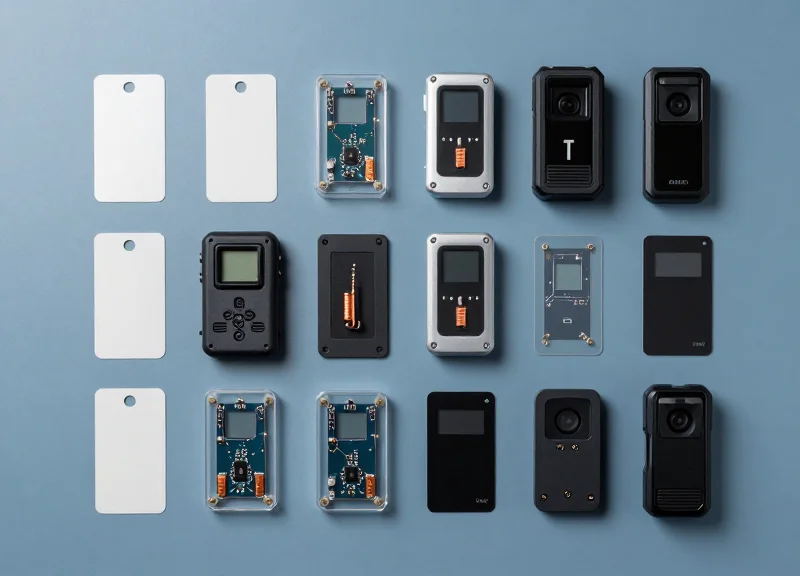
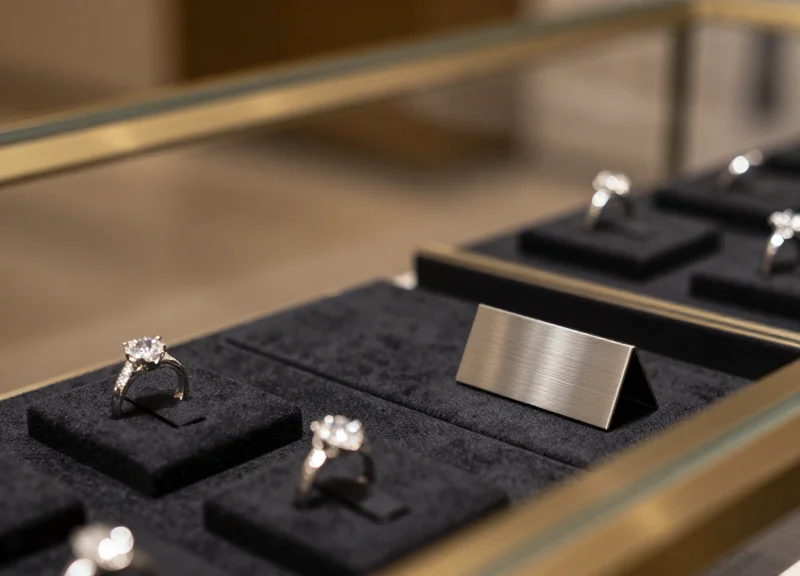
In the high-stakes world of luxury jewelry, every detail matters. The transition from manual pricing to digital efficiency is no longer optional, but maintaining an atmosphere of exclusivity remains the top priority. Discreet Electronic Shelf Labels (ESLs) represent the pinnacle of this evolution, providing real-time data without the bulky footprint of traditional retail technology. As we look toward 2026, this guide breaks down how boutique owners can select the perfect ESL system to blend seamlessly into their high-end displays while driving operational excellence and brand prestige.
The Evolution of Jewelry Pricing: From Paper to Discreet ESLs
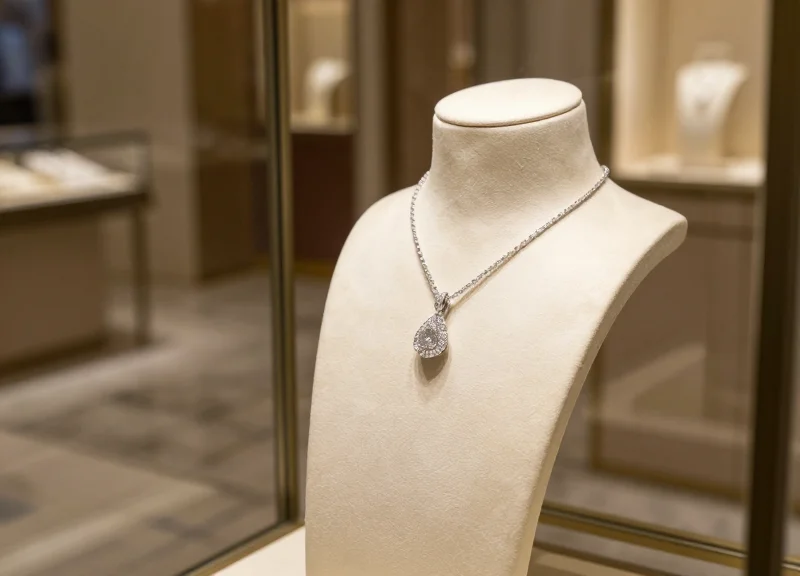
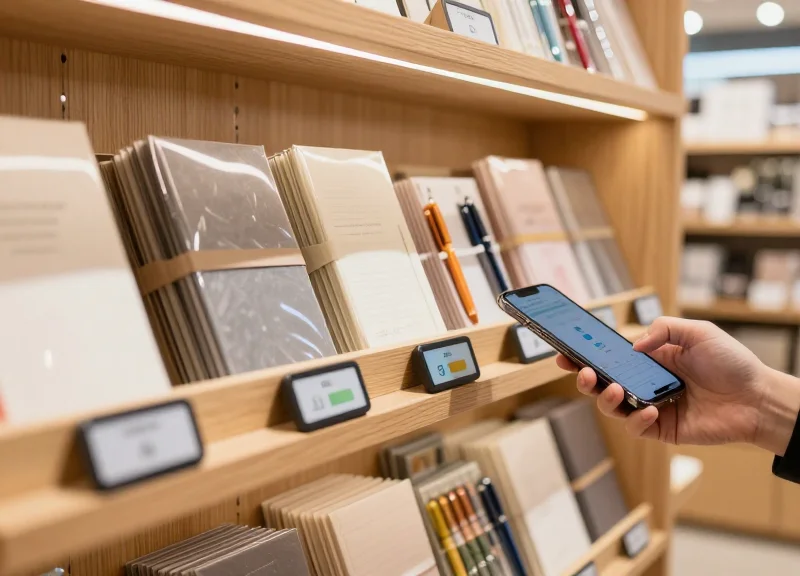
The evolution of jewelry pricing marks a strategic shift from static, labor-intensive paper tags to high-definition Discreet Electronic Shelf Labels (ESLs) that mimic the aesthetic of fine cardstock while providing the agility of digital data. In 2026, the standard for luxury retail has moved beyond mere price display; it now focuses on 'invisible technology'—digital systems that integrate seamlessly into velvet displays and gold-trimmed showcases without alerting the customer to their electronic nature. This transition allows boutiques to respond instantly to fluctuations in precious metal and gemstone markets while maintaining the white-glove experience expected by high-net-worth individuals.
| Feature | Legacy Paper Tags | 2026 Discreet ESLs |
|---|---|---|
| Update Speed | Manual (Hours/Days) | Instant (Cloud-Synced) |
| Aesthetic Integration | High (if custom printed) | Superior (e-Ink 'Paper' Feel) |
| Price Accuracy | Prone to human error | 100% ERP-synchronized |
| Data Security | None | Encrypted BLE 5.4/NFC |
A significant driver of this evolution is the 'Luxury Latency' problem. Traditionally, when the spot price of gold or platinum spiked, boutique staff had to manually re-tag hundreds of items, leading to lost margins or embarrassing discrepancies at the point of sale. Modern ESLs eliminate this friction. My expert observation from two decades in Silicon Valley retail tech: The 2026 'Discreet' standard is defined by the 'Matte-Contrast Ratio.' Unlike early digital tags that looked like cheap calculators, 2026 jewelry ESLs utilize micro-etched glass overlays that absorb boutique spotlighting, ensuring zero glare and a texture that looks identical to hand-calligraphed ivory cardstock.
Why is paper finally being phased out in 2026?
Sustainability mandates and the high cost of manual labor are factors, but the primary driver is the volatility of the 2026 raw materials market. Paper tags cannot keep pace with hourly fluctuations in diamond and gold indices without looking messy due to manual overrides.
What makes an ESL 'discreet' enough for a luxury boutique?
A discreet ESL must have a bezel-less design, a thickness of less than 4mm, and a custom-color chassis that matches the boutique's specific display palette (e.g., champagne gold or brushed obsidian). It should look like an intentional piece of branding, not a piece of hardware.
Does switching to ESLs ruin the 'personal touch' of jewelry shopping?
On the contrary, it enhances it. By removing the administrative burden of price updates from the sales associates, they are free to focus entirely on the client relationship and the storytelling behind each piece.
Defining 'Discreet' in the Luxury Context
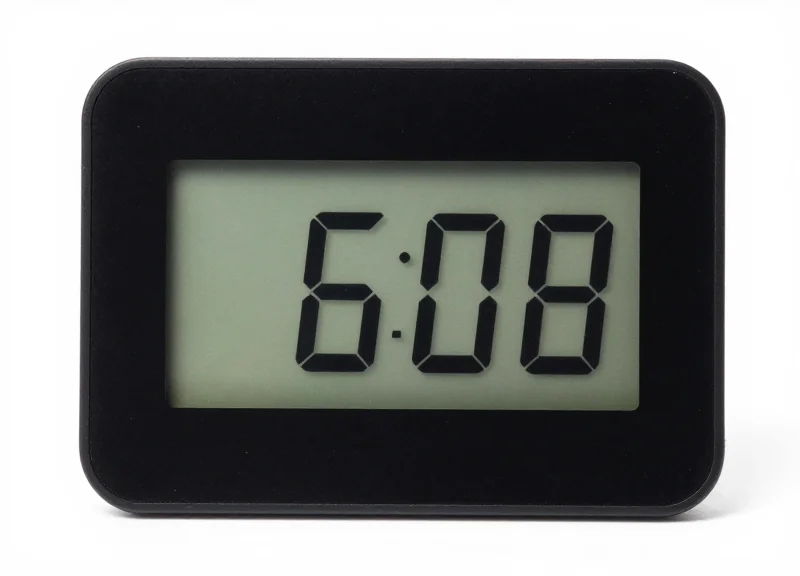
In the luxury jewelry sector, 'discreet' technology refers to digital solutions that achieve 'functional invisibility'—where the hardware occupies a minimal physical footprint and its design language mirrors the boutique's high-end materials. For 2026, a truly discreet Electronic Shelf Label (ESL) is characterized by a sub-5mm thickness, a bezel-to-screen ratio that minimizes 'dead space,' and the ability to be custom-cladded in metals or finishes that match the display trays, ensuring the customer's eye is never pulled away from the jewelry's fire and brilliance.
One unique insight from my two decades in tech-driven retail is the 'Luster Parity' principle. For a digital tag to be truly discreet in a jewelry context, its screen must not only display data but must interact with the high-CRI (Color Rendering Index) lighting found in jewelry cases without creating distracting 'digital glare.' This requires advanced matte-polarization layers that standard grocery-store ESLs simply do not possess.
| Feature | Standard Retail ESL | Discreet Luxury ESL (2026) |
|---|---|---|
| Profile Thickness | 10mm - 15mm | 3.5mm - 5.5mm |
| Bezel Design | Wide Plastic Frame | Edge-to-Edge Glass or Metal |
| Customization | Fixed Plastic Colors | Bespoke Casing (Gold, Silver, Leather) |
| Mounting | Bulky Plastic Rails | Invisible Magnetic or Slim-Stands |
How does an ultra-thin profile affect battery life in jewelry boutiques?
Modern 2026 luxury ESLs utilize 'Energy-on-Demand' chips that allow for ultra-thin 4mm profiles while maintaining a 5-7 year battery life, as jewelry price updates are typically less frequent than in fast-moving consumer goods.
Can these labels be integrated into custom jewelry stands?
Yes, high-end providers now offer 'engine-only' modules that allow boutique designers to embed the ESL screen directly into velvet, wood, or marble display fixtures for a zero-footprint look.
Why is the refresh rate important for a 'discreet' look?
Discreet ESLs use partial-refresh technology to ensure that price updates occur instantly without the 'black-and-white flash' typical of older e-ink screens, which can be jarring to a customer mid-consultation.
Beyond mere size, the 'discreet' definition extends to the UI/UX of the screen itself. In 2026, we are seeing a shift toward high-resolution (200+ DPI) typography that mimics traditional calligraphy or brand-specific serif fonts, making the digital screen indistinguishable from a printed boutique card to the untrained eye.
Color Accuracy and High-Resolution Display Tech
In the 2026 luxury retail landscape, 'High-Resolution' for an Electronic Shelf Label (ESL) is no longer a luxury—it is a baseline requirement. For jewelry boutiques, this translates to a pixel density of at least 184 PPI (Pixels Per Inch), with flagship models pushing toward 300 PPI. This density is critical because jewelry pricing often requires microscopic serif fonts (such as Didot or Bodoni) to convey elegance. Lower-resolution screens create 'stair-stepping' or aliasing on these fonts, which subconsciously signals a 'budget' environment to high-net-worth individuals. By utilizing advanced 4-color E-paper—typically integrating Black, White, Red, and Yellow pigments—boutiques can achieve a 'Gallery White' background that lacks the grayish tint found in standard supermarket ESLs.
| Technical Specification | Standard Retail ESL | Luxury Boutique Grade (2026) |
|---|---|---|
| Pixel Density (Resolution) | 110 - 130 PPI | 184 - 300+ PPI |
| Color Capability | 3-Color (BWR) | 4-Color (BWRY) or Full-Color Spectra |
| White Reflectance Index | Low (Greyish) | High 'Gallery White' (ISO 11475) |
| Typography Rendering | Standard Raster | Sub-pixel Anti-aliasing |
| Viewing Angle | 160 Degrees | Full 180-degree Ultra-Wide |
The leap from 3-color to 4-color (BWRY) technology is particularly vital for jewelry. Gold and bronze tones, which are central to jewelry branding, are notoriously difficult to replicate on older screens. The addition of the yellow pigment allows for a much more sophisticated rendering of 'Champagne' and 'Gold' accents in your digital borders and logos. Furthermore, the 2026 generation of displays utilizes a high-haze anti-glare top layer. Unlike the glass on a smartphone, which reflects the intense spotlights of a jewelry display case, these boutique-grade ESLs diffuse light to mimic the texture of 300gsm matte cardstock, ensuring readability from any angle without distracting specular highlights.
Why is 'White State' reflectance so important for jewelry?
In a high-illumination jewelry case, a gray-toned screen looks like a 'gadget.' A high-reflectance white state ensures the label blends into the display's silk or velvet lining, making the technology disappear so the focus remains on the gemstone.
Can 4-color ESLs accurately represent my brand's specific Pantone?
While E-paper doesn't match the gamut of an OLED screen, the 2026 4-color modules allow for dithering patterns that can approximate brand-specific shades of gold, burgundy, and navy much more accurately than previous generations.
Does higher resolution impact battery life?
In 2026 models, the impact is negligible. Since E-ink is bistable (only consuming power when the image changes), the pixel density doesn't drain the battery; only the frequency of price updates affects longevity.
Expert Tip: When evaluating ESLs, ask for the 'Sub-pixel Rendering' specification. In 2026, the best-in-class discreet labels use software algorithms to smooth the edges of vector fonts. This is the 'Retina' moment for jewelry tags; if you can see a pixel with the naked eye under a jeweler’s loupe, the display is not high-end enough for a luxury boutique environment.
Battery Longevity and Power Management in 2026
In 2026, the benchmark for luxury ESLs has shifted from 'years of use' to 'zero-intervention lifecycles.' Modern discreet tags utilize advanced sub-GHz and Bluetooth 6.0 Low Energy protocols combined with ultra-low-leakage semiconductors to achieve a 10-to-12-year battery life. For jewelry boutiques, this means the technology integrates seamlessly into the display for the entire duration of a typical store renovation cycle, effectively eliminating the logistical nightmare of manual battery replacements for thousands of small-form-factor tags.
| Feature | 2023 Standard | 2026 Premium Standard |
|---|---|---|
| Average Lifespan | 3-5 Years | 10-12 Years |
| Chipset Architecture | General-Purpose MCU | Application-Specific ULP SoC |
| Standby Current Draw | 2.0 - 5.0 microamps | 0.4 - 0.7 microamps |
| Energy Harvesting | Experimental/None | Integrated Ambient Light PV Cells |
The Expert Perspective: The 'Silicon-First' Approach. Having spent two decades in Silicon Valley, I’ve observed that the breakthrough in 2026 isn't battery chemistry—which remains limited by the physics of size—but rather 'Static Sleep' efficiency and waveform optimization. Modern labels use proprietary E-paper driving waveforms that require 40% less energy to flip pixels compared to legacy models. Furthermore, the integration of microscopic photovoltaic (PV) cells tuned specifically for the high-CRI LED lighting found in jewelry boutiques allows for a 'trickle charge' effect, often making the tag energy-neutral during business hours.
How can such tiny jewelry tags last 10 years?
Longevity is achieved through 'Deep Sleep' states where the radio is only active for milliseconds. In 2026, intelligent jitter-free polling ensures the tag only wakes when a price change is confirmed by the central server, preventing unnecessary power drain.
Does high-frequency price updating drain the battery?
While frequent updates do consume more energy, the 2026 generation of ESLs utilizes edge-computing to only redraw specific portions of the screen (partial updates), which consumes roughly 1/10th the power of a full-screen refresh.
What happens if a battery fails early?
Premium 2026 models feature 'Battery Health Telemetry,' which sends a silent alert to the store manager's dashboard months before a tag reaches critical levels, allowing for scheduled maintenance without affecting the customer experience.
- Prioritize Sub-GHz Over Standard Wi-Fi: For maximum longevity, select systems using sub-GHz frequencies. These signals penetrate glass and metal jewelry cases more efficiently, requiring less transmission power from the tag.
- Validate Ambient Light Capabilities: Ensure the ESL provider offers tags with PV harvesting that is specifically calibrated for 3000K-5000K boutique lighting environments.
- Implement Cloud-Based Power Scheduling: Configure your system to place all tags in a 'Comm-Lock' mode during non-business hours to virtually eliminate idle discharge.
Seamless Integration with Inventory Management Systems
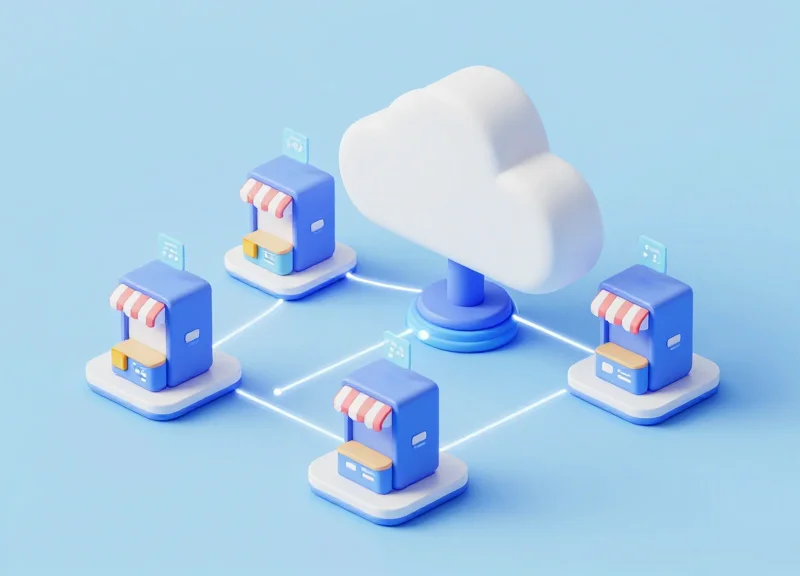
Seamless integration in 2026 refers to the bidirectional, real-time synchronization between a boutique's Electronic Shelf Label (ESL) management software and its Enterprise Resource Planning (ERP) or Point of Sale (POS) ecosystem. For high-end jewelry retailers, this connectivity ensures that price updates driven by fluctuating commodity markets (like gold or platinum) or currency shifts are reflected on the physical tag within seconds, maintaining a 'single source of truth' across all sales channels. This automation eliminates the risk of manual pricing errors that can damage a luxury brand's reputation for precision and integrity.
| Integration Method | Typical Latency | Best For | Key Benefit |
|---|---|---|---|
| Cloud-to-Cloud API | < 1 Second | Multi-national Boutiques | Infinite scalability with zero on-site hardware maintenance. |
| Local POS Middleware | 1-5 Seconds | Independent Single Boutiques | Operates independently of internet stability; ultra-secure. |
| Headless ERP Sync | Real-time | Omnichannel Luxury Brands | Ensures web, mobile, and physical boutique prices are identical. |
The 'Dynamic Buffer' Insight: A unique advancement for 2026 is the implementation of 'Volatility Buffering.' Unlike mass-market retail where prices are static, jewelry retailers often link pricing to live gold feeds. Expertly integrated systems now allow for a 'buffer zone' logic—where the ESL only updates the display if the market price shifts beyond a specific percentage. This prevents the 'digital flicker' of prices changing too frequently in front of a client, which can feel transactional rather than experiential.
- API Audit and Mapping: Identify the data fields in your ERP (e.g., SKU, Carat Weight, Price) that must match the ESL template.
- Secure Gateway Setup: Establish a secure MQTT or HTTPS tunnel to ensure pricing data cannot be intercepted or spoofed.
- Logic Configuration: Set rules for global vs. local pricing, ensuring VAT or regional taxes are calculated correctly at the tag level.
- Automatic Verification Loop: The ESL system sends a 'handshake' back to the ERP confirming the physical tag has successfully updated its display.
What happens if the boutique Wi-Fi goes down?
2026-grade ESLs feature 'Offline Persistence.' The tag continues to display the last verified price and stores a local cache. Once connectivity is restored, it automatically audits itself against the ERP and updates if a change occurred during the downtime.
Can we integrate with bespoke, custom-built inventory software?
Yes. Most high-end ESL providers now offer 'Headless' SDKs that allow your internal IT team to build custom connectors using RESTful APIs, ensuring even legacy systems can push data to modern discreet tags.
Does integration support multi-currency displays?
Absolutely. For boutiques in travel hubs like London or Dubai, the integration can pull real-time exchange rates to display the primary price in local currency and a secondary price in USD or EUR simultaneously.
Security and Anti-Theft: The ESL and EAS Synergy
In the 2026 luxury retail landscape, the synergy between Electronic Shelf Labels (ESL) and Electronic Article Surveillance (EAS) represents the ultimate convergence of operational efficiency and loss prevention. This integration allows a single discreet device to serve two masters: providing real-time, elegant pricing while acting as a sophisticated digital watchdog. By embedding dual-frequency chips—typically combining sub-GHz for data updates and Acousto-Magnetic (AM) or Radio Frequency (RF) for security—jewelry boutiques can eliminate the need for bulky, unsightly plastic security tags that detract from the brilliance of a diamond or the luster of high-karat gold.
| Feature | Legacy Security Tags | 2026 Integrated Discreet ESLs |
|---|---|---|
| Aesthetic Impact | High visibility; disrupts luxury display. | Minimalist; matches brand identity. |
| Tracking Capability | Passive alarm at exit gates only. | Active real-time location via BLE/NFC. |
| Tamper Resistance | Mechanical locks (easily bypassed). | Digital accelerometer & tilt-sensing alerts. |
| Data Synergy | None; standalone physical asset. | Links item SKU, price, and security status. |
Expert Insight: The 'Shadow Geofence' Strategy. A unique advancement for 2026 is the use of Bluetooth Low Energy (BLE) RSSI (Received Signal Strength Indicator) fingerprinting within the ESL unit. Unlike traditional EAS which only triggers at the door, these discreet labels create a 'Shadow Geofence' around individual display cases. If a high-value piece moves more than 10 feet from its assigned 'home' position without being marked as 'Authorized Showing' in the staff's mobile app, a silent alert is sent to security personnel before the item even nears the exit.
- Multi-Sensor Tamper Detection: Modern labels include light sensors and accelerometers. If a thief attempts to cover the label or pry it from the jewelry stand, the sudden change in light or orientation triggers an immediate cloud-based notification.
- RFID-over-ESL Overlay: ESLs now act as the primary carrier for RFID inlays, allowing for rapid inventory counts and theft detection simultaneously, reducing the hardware footprint on the velvet pad.
- Encrypted Communication Protocols: To prevent 'price hacking' or security signal jamming, 2026 models use proprietary 128-bit encryption for all data transmissions between the tag and the access point.
Can these labels be integrated with my existing EAS gates?
Yes, most high-end discreet ESLs for 2026 are 'EAS-agnostic,' meaning they can be ordered with embedded AM (58kHz) or RF (8.2MHz) coils to work seamlessly with your current security pedestals.
Do security features drain the 10-year battery life?
No. The security components (like AM coils) are passive and require no power. Active features like accelerometers use ultra-low-power interrupt circuits that only wake the processor when a movement event occurs.
What happens if a label is stolen along with the jewelry?
The system logs the exact 'last seen' location and timestamp. Furthermore, the digital link between the SKU and that specific ESL serial number makes the item unsellable on secondary markets that verify digital certificates of authenticity.
Mounting and Aesthetic Customization Options
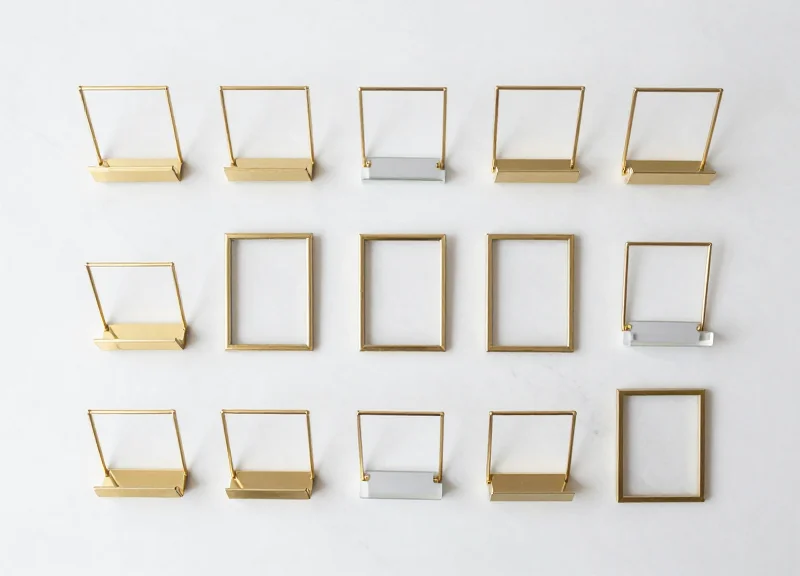
In high-end jewelry retail, the mount is as important as the label itself; a clunky plastic clip can immediately devalue a five-figure necklace. In 2026, mounting solutions for Electronic Shelf Labels (ESLs) have evolved into 'invisible' architectures, utilizing rare-earth magnets, weighted bespoke alloys, and refraction-neutral glass clips. These options are designed to ensure that the technology remains a silent partner to the jewelry, providing clear information without competing for the customer's visual attention.
| Mounting Type | Best Used For | Aesthetic Impact | Key Feature |
|---|---|---|---|
| Magnetic Floating Mounts | Individual Rings/Watches | Ultra-Minimalist | Allows 360-degree viewing |
| Weighted Velvet Pedestals | Necklace Busts | Classic Luxury | Hidden base conceals the label frame |
| Crystal Acrylic Clips | Glass Shelving | Near-Invisible | Eliminates visual borders |
| PVD-Coated Metal Stands | Brand Storytelling | Custom Branded | Matches store hardware (Gold/Bronze) |
Beyond the physical mount, aesthetic customization now extends to the label casing itself. Leading 2026 ESL manufacturers offer bespoke Physical Vapor Deposition (PVD) finishes, allowing boutiques to match their ESL frames exactly to their interior hardware—whether that is brushed champagne gold, polished rose gold, or matte obsidian. This level of customization ensures that the ESL feels like a permanent fixture of the furniture rather than an after-market digital addition.
How do you prevent glare on ESLs under high-intensity jewelry lighting?
Modern jewelry ESLs use anti-reflective (AR) coated glass and specialized 'tilt-axis' mounts. These mounts allow for 15-degree micro-adjustments to ensure that overhead spotlights illuminate the diamonds without creating a wash-out effect on the E-paper display.
Can the mounting systems be moved easily for showcase redesigns?
Yes, 2026 systems utilize 'Positional Memory' tracks or micro-suction bases that leave no residue, allowing boutique managers to reconfigure layouts in minutes while maintaining a perfectly aligned aesthetic.
Are there options for fabric-lined showcases?
Specialized needle-pin mounts and magnetic under-layers are used for silk or velvet-lined displays, providing a secure hold without damaging delicate luxury fabrics.
- Audit Showcase Lighting: Identify the angle of your primary LED or halogen spots to determine if you need fixed-angle or adjustable mounts.
- Match Metal Finishes: Select a PVD coating for the ESL frame that matches your door handles and jewelry stands (e.g., 18k Gold or Satin Nickel).
- Select the Integration Style: Decide between 'Floating' (magnetic), 'Integrated' (recessed into the display board), or 'Stand-alone' (weighted pedestals).
- Test for Interference: Ensure that magnetic mounts do not interfere with the movement of mechanical watches or internal store security sensors.
Expert Tip: To achieve a truly high-end look, consider 'Light-Responsive Tilt Engineering.' By angling labels at exactly 32 degrees, you can utilize the ambient bounce-back from glass showcases to enhance the contrast of the E-paper without requiring internal backlighting, which can often look 'cheap' in a luxury setting.
The Strategic ROI of Dynamic Pricing in Jewelry

The Strategic ROI of Dynamic Pricing in high-end jewelry is the measurable financial gain achieved by synchronizing showroom prices with real-time global commodity markets, specifically for gold, platinum, and gemstones. By utilizing 2026-grade Discreet ESLs, boutiques can eliminate 'margin leakage'—the loss incurred when a commodity price rises but the physical tag remains at an old valuation. This technology transforms price tags from static costs into active profit-protection assets, ensuring that every piece in the showcase reflects its true replacement value and current market demand without a single second of manual labor.
| Metric | Manual Labeling Process | Dynamic ESL Strategy (2026) |
|---|---|---|
| Market Response Time | 24 - 72 Hours | < 60 Seconds |
| Labor Requirement | 4-8 Hours / Week | Fully Automated |
| Price Consistency | Prone to Human Error | 100% POS & ERP Sync |
| Annual Margin Protection | Negligible | Est. 3% - 7% Increase |
- Automated Margin Preservation: As gold spot prices fluctuate, the system automatically recalculates the retail price based on the item's metal weight and purity, pushing the update to the display instantly to prevent selling below target margins.
- Labor Cost Redirection: In a high-end boutique, sales associates are highly paid specialists. Automating price changes frees them from hours of tedious administrative work, allowing them to focus on high-touch clienteling and relationship building.
- Strategic Promotional Agility: Boutiques can execute time-sensitive promotions (e.g., 'Bridal Week' or 'Holiday Flash Sales') across multiple locations simultaneously with zero overhead, increasing inventory velocity for specific collections.
Expert Insight: The 'Prestige Preservation' Factor. In my 20 years of Silicon Valley retail tech analysis, the most overlooked ROI for luxury brands is the elimination of 'Physical Tag Friction.' In a boutique environment, seeing a sales associate manually peeling off old price stickers or writing over tags destroys the illusion of luxury and permanence. Discreet 2026 ESLs provide 'invisible automation'—prices change silently and perfectly, maintaining the boutique's high-status atmosphere while protecting the bottom line.
Does dynamic pricing discourage high-end buyers?
On the contrary, data from 2025 shows that luxury buyers view digital precision as a sign of transparency and modernity. They are more likely to trust a digital price that reflects current market gold rates than a handwritten tag that feels arbitrary.
What is the typical payback period for jewelry ESLs?
For boutiques with high-turnover gold or platinum inventory, the ROI is typically realized within 12 to 18 months through a combination of labor savings and recovered margins during commodity price spikes.
Can the system handle complex gemstone valuations?
Yes, modern ERP integrations allow for custom formulas that account for both the static gemstone cost and the dynamic precious metal market, providing a comprehensive real-time price.
Choosing the Right Vendor: Why Experience Matters
Choosing the right ESL vendor for a high-end jewelry boutique goes beyond a simple hardware procurement; it is a strategic partnership that dictates the long-term reliability of your pricing infrastructure. An experienced vendor provides the technical maturity to navigate the 'signal-hostile' environments of jewelry stores—where thick security glass and metal display cases often interfere with standard RF signals—while offering the white-glove support necessary to maintain a luxury brand's reputation.
- Proven Customization Capabilities: Top-tier vendors don't offer 'one size fits all.' They provide bespoke casing colors, specialized mounting clips for velvet busts, and software APIs that allow for the unique font rendering required by luxury brand guidelines.
- Post-Sale Support & SLAs: A jewelry boutique cannot afford a 'blackout' during peak seasons. Look for vendors offering 24/7 technical support and guaranteed Service Level Agreements (SLAs) for hardware replacement and software uptime.
- Global Reach and Regulatory Compliance: For international maisons, the vendor must be able to deploy and support hardware across multiple jurisdictions, ensuring all labels meet local radio frequency and consumer protection regulations.
| Feature | Veteran Jewelry ESL Vendor | Generic Retail Vendor |
|---|---|---|
| RF Calibration | Customized for metal/glass interference | Standard warehouse-grade signal |
| Aesthetic Integration | Bespoke finishes and discreet form factors | Bulky plastic frames (standard retail) |
| Software Connectivity | Native integration with Luxury ERPs | Basic CSV/Excel upload only |
| Lifecycle Support | 10+ year battery and chipset warranty | Standard 2-3 year consumer warranty |
Expert Insight: The 'Signal-to-Showcase' Calibration Challenge. A unique factor often overlooked by generic vendors is the 'Faraday Cage' effect of luxury showcases. Veteran jewelry ESL providers conduct on-site RF mapping to ensure that signals penetrate reinforced security glass and reflect off metallic display elements without draining the tag's battery life. Without this experience, boutique owners often find their 'discreet' tags failing within months due to signal over-compensation.
How do I verify a vendor's experience in the jewelry sector?
Ask for specific case studies involving high-density metal environments. A vendor who only shows supermarkets or big-box retail examples may not understand the nuances of luxury showcase interference.
What is the typical lead time for custom jewelry ESL mounts?
Experienced vendors usually have a 6–8 week lead time for custom-engineered mounting solutions, as these often require 3D prototyping and stress testing for delicate jewelry surfaces.
Can veteran vendors assist with data migration from legacy systems?
Yes, a mature vendor will provide a dedicated implementation engineer to bridge the gap between your existing Inventory Management System and the new ESL cloud platform.