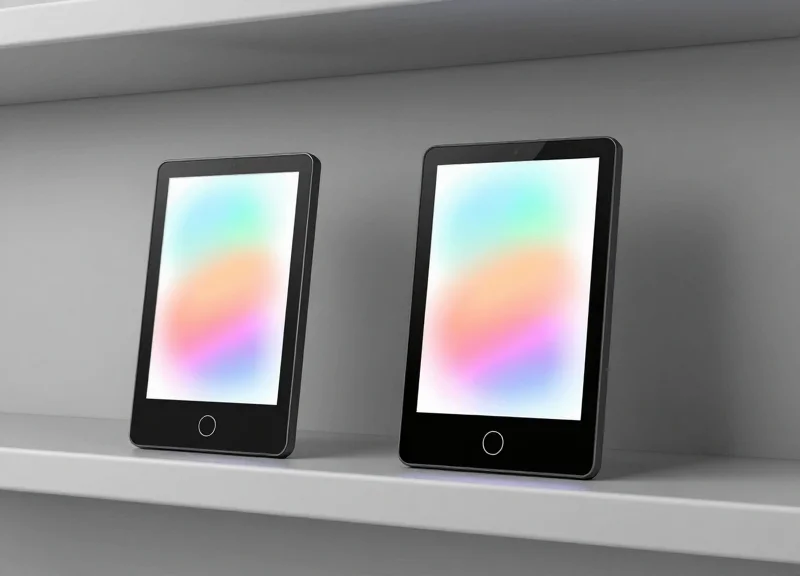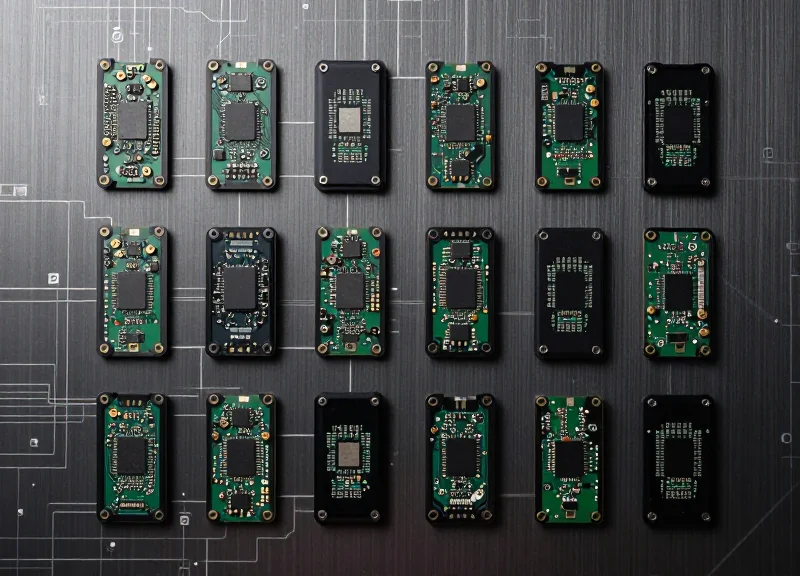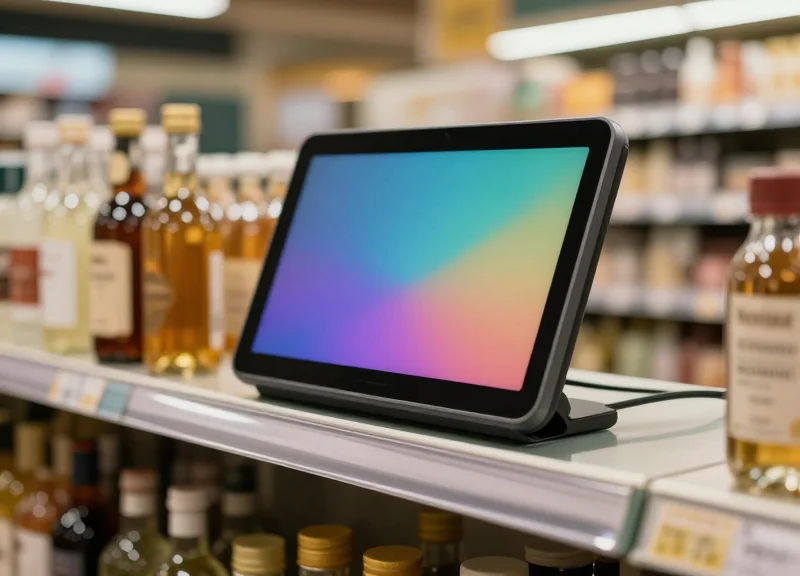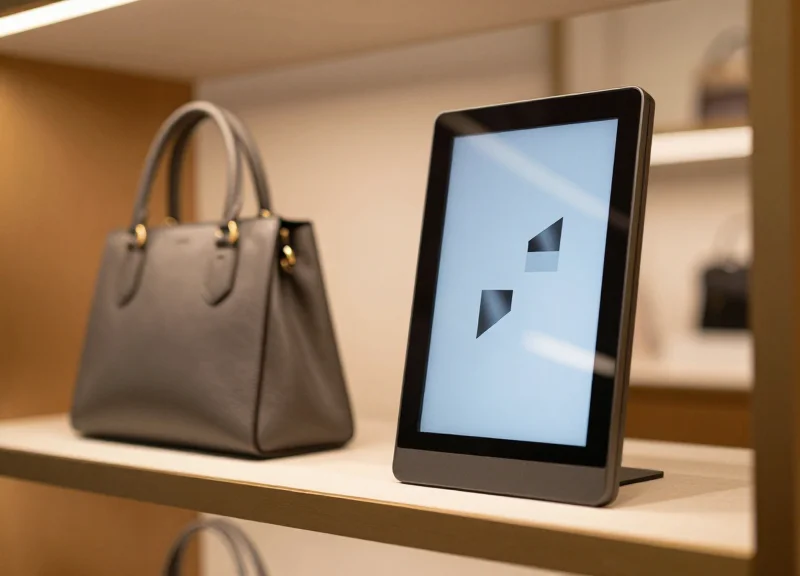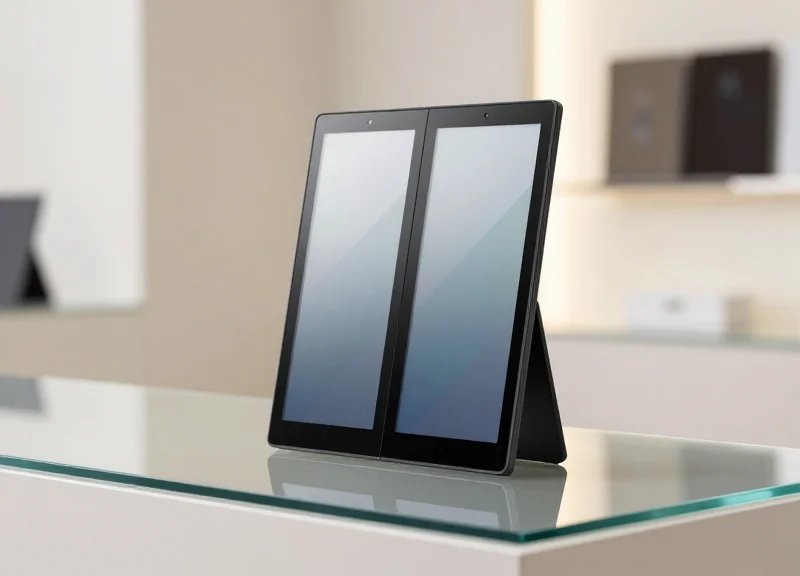
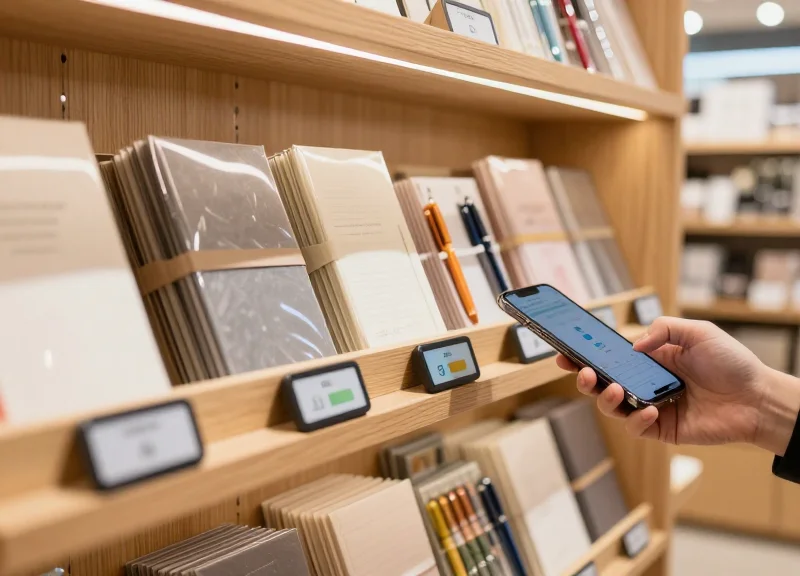
The stationery aisle is evolving. Gone are the days of static paper tags that offer nothing more than a price. As we look toward 2026, Next-Gen NFC-enabled Electronic Shelf Labels (ESLs) are bridging the gap between physical products and digital storytelling. For stationery retailers, this means shifting from mere price display to creating an immersive, interactive experience that captures the imagination of artists, students, and professionals alike. DragonGuardGroup explores why this technology is no longer optional but a cornerstone of modern retail success in the next generation of commerce.
The Shift from Static to Dynamic: Stationery Retail in 2026

By 2026, the stationery retail landscape will have completed its transformation from a static 'stock and sell' model to a dynamic 'interactive experience' environment. This shift is driven by the obsolescence of traditional paper labels, which fail to keep pace with volatile supply chains, real-time competitor pricing, and a digitally native consumer base. The transition to Next-Gen NFC-enabled Electronic Shelf Labels (ESLs) allows retailers to synchronize online and offline pricing instantly, while turning every shelf edge into a high-speed data point for customer engagement and inventory management.
| Feature | Traditional Paper Labels | 2026 Next-Gen ESLs (NFC) |
|---|---|---|
| Update Speed | Manual (Hours/Days) | Instant (Milliseconds) |
| Price Accuracy | High Error Margin | 100% Omnichannel Sync |
| Customer Interaction | Passive/None | Active (Tap-to-Phone) |
| Sustainability | High Waste (Single-use) | Eco-Friendly (5-10yr life) |
A unique insight for 2026 is the 'Provenance and Process' trend: stationery enthusiasts no longer buy just a pen; they buy the story of the nib's craftsmanship. NFC-enabled ESLs act as the bridge, allowing a customer to tap their smartphone against a shelf label to instantly view 4K video demonstrations of ink flow or paper texture tests. This 'Phygital' (Physical + Digital) integration solves the inherent stationery dilemma—the need to touch and feel the product versus the need for deep digital information.
Why is the stationery sector leading the ESL adoption in 2026?
Stationery stores manage thousands of small, high-turnover SKUs. Manual price changes for items like individual markers or specialized paper are labor-intensive and error-prone. ESLs automate this at scale, freeing staff to provide expert consultations.
How does NFC improve the stationery shopping experience?
Beyond pricing, NFC allows for 'Smart Reordering.' If a specific ink refill is out of stock, a customer can tap the ESL to order it for home delivery or receive a notification when it is back in stock, ensuring the sale isn't lost.
What macro trend is forcing this change?
Hyper-inflation and supply chain volatility have made weekly pricing updates mandatory. Retailers can no longer afford the labor costs of re-labeling an entire store every time a vendor increases wholesale prices.
Understanding NFC-Enabled ESLs: More Than Just a Digital Price
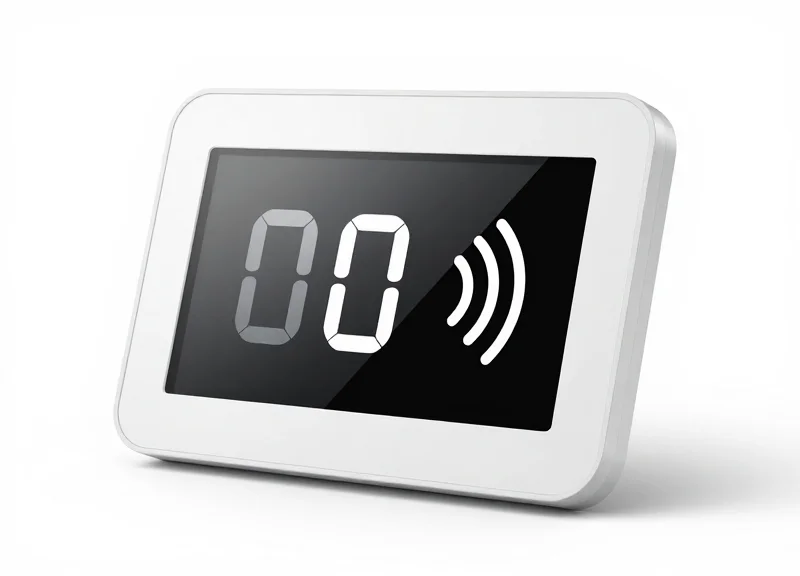
Next-generation NFC-Enabled Electronic Shelf Labels (ESLs) are high-tech display modules that integrate Near Field Communication chips to allow for instantaneous, short-range wireless data exchange between the label and any NFC-capable device, such as a smartphone or handheld scanner. Unlike traditional digital tags that only receive price updates via centralized radio frequencies (RF), NFC-enabled ESLs facilitate a 'tap-to-engage' ecosystem. This creates a dual-layered communication channel: a wide-area network for store-wide price management and a localized, 1-to-1 interactive layer for personalized customer experiences and streamlined employee workflows.
| Feature | Traditional Paper Labels | Standard E-Ink ESL | Next-Gen NFC ESL |
|---|---|---|---|
| Update Speed | Manual (Hours/Days) | Batch (Minutes) | Real-time (Seconds) |
| Customer Interaction | None | Visual Only | Interactive 'Tap-to-Web' |
| Data Direction | Static | One-Way (Server to Tag) | Two-Way (Tag to Mobile/Server) |
| Inventory Integration | Manual Count | Software Sync Only | Instant 'Tap-to-Restock' |
Expert Insight: The 'Frictionless Bridge' Strategy. In my two decades of observing retail tech cycles, the most successful innovations are those that remove 'interaction friction.' By 2026, the unique value of NFC-ESLs in stationery lies in the 'Proof of Origin' and 'Digital Sample' capability. For example, tapping a label for a premium fountain pen can instantly push a high-resolution video of that specific nib's line-width and ink-flow to the user's phone—simulating a product trial without ever opening the packaging.
Does the customer need a special app to interact with NFC labels?
No. Modern NFC-ESLs leverage 'URL Push' technology. When a customer taps their phone, the label triggers the phone's native NFC reader to open a specific web page, video, or digital coupon via the default browser, eliminating the need for a proprietary store app.
How does NFC improve store operations for stationery staff?
Staff can use handheld devices to 'write' to the tag instantly. If a shelf is empty, a quick tap can log an out-of-stock event or change the display to show the next expected delivery date, bypassing the need to log into a back-end computer.
Are these labels energy-efficient enough for long-term use?
Yes. NFC interactions are passive for the label; they draw a tiny amount of power from the smartphone's electromagnetic field to facilitate the data transfer, ensuring the internal battery of the E-Ink display lasts up to 10 years.
- Step 1: Signal Broadcast: The central retail server sends a price or content update via Sub-Ghz or BLE (Bluetooth Low Energy) to the ESL.
- Step 2: Display Refresh: The E-ink display updates the visual information (price, QR code, or promo) using minimal power.
- Step 3: NFC Handshake: The customer brings an NFC-enabled phone within 4cm of the label, initiating a secure, localized data exchange.
- Step 4: Two-Way Response: The label provides specific metadata to the phone, while simultaneously pinging the server to log the customer's interest in that specific product SKU.
Solving the Small Item Struggle: Inventory and Pricing at Scale
Managing a stationery store is an exercise in extreme SKU density. The 'Small Item Struggle' refers to the logistical nightmare of maintaining accurate pricing and inventory levels for thousands of individual items—from single fountain pen nibs to hundreds of shades of washi tape. In a traditional setup, manual labeling of these items consumes up to 20% of staff time and carries a high risk of 'price mismatch' between the shelf and the POS system. NFC-enabled Electronic Shelf Labels (ESLs) solve this by creating a unified digital ledger that allows retailers to update an entire aisle's pricing in seconds while providing real-time inventory visibility at the point of sale.
| Operational Metric | Manual Paper Labels | NFC-Enabled ESLs |
|---|---|---|
| Update Speed for 500 SKUs | ~4 to 6 Hours | < 30 Seconds |
| Pricing Accuracy Rate | 92-95% (Human Error) | 99.9% (System Sync) |
| Inventory Refresh Rate | Weekly / Monthly | Real-Time (Per Transaction) |
| Labor Cost Impact | High (Repetitive tasks) | Minimal (Automation focused) |
- Centralized Database Integration: Connect the ESL gateway directly to your ERP or POS system to ensure that any price change in the backend reflects on the shelf immediately.
- Micro-Batch Pricing Strategies: Apply dynamic pricing to specific categories, such as 'Limited Edition' inks or seasonal planners, without needing to print and stick new labels.
- Automated Stock-Out Alerts: Configure ESLs to flash or change display modes when inventory hits a 'reorder point,' allowing staff to replenish stock before the shelf is empty.
Expert Tip: Move beyond simple price display by utilizing 'Micro-Inventory Heatmapping.' By tracking which ESLs are frequently updated or scanned via NFC by customers, retailers can identify high-engagement 'cold spots'—areas where items are popular but not converting—allowing for immediate, data-driven shelf-space reallocation that was previously impossible in stationery retail.
How do ESLs handle very small items like individual erasers?
Next-gen ESLs come in 'micro' form factors (as small as 1.5 inches) specifically designed for high-density shelving, ensuring that even the smallest SKU has a dedicated digital interface.
What is the battery life for these high-frequency labels?
Modern ESLs utilize E-ink technology and ultra-low-power NFC chips, typically offering a battery life of 5 to 10 years, even with multiple daily price updates.
Can customers check stock levels themselves?
Yes. By tapping their smartphone against the NFC label, customers can instantly see if more units are available in the backroom or at nearby branch locations.
Interactive Storytelling: Using NFC to Showcase Creative Demonstrations
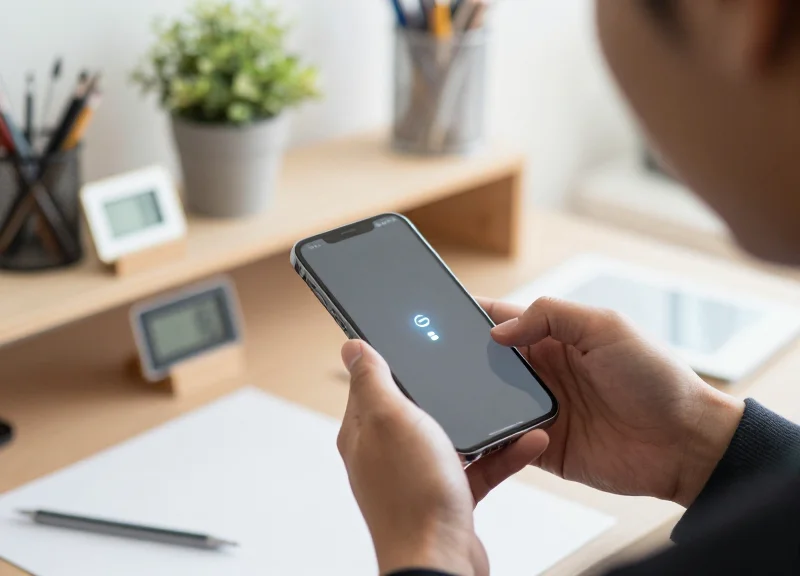
In the 2026 retail landscape, Interactive Storytelling via NFC (Near Field Communication) represents the evolution of the 'try-before-you-buy' model for the digital age. By tapping a smartphone against an Electronic Shelf Label (ESL), customers instantly unlock a curated digital experience—ranging from high-definition ink drying timelapses to macro-photography of paper grain—effectively removing the physical limitations of the stationery shelf. This technology transforms a static product display into a dynamic educational hub, allowing retailers to demonstrate the unique properties of specialty tools without needing to open expensive inventory for testing.
- Digital Ink Swatching: Allows customers to see how fountain pen inks perform on different paper weights and their specific 'sheen' or 'shading' characteristics that are often lost in standard photography.
- Paper Texture Haptics: Shoppers can access 'sound-on' videos of pens gliding across specific paper surfaces (the 'tooth' of the paper), providing a sensory proxy for the physical writing experience.
- Micro-Tutorials: A tap triggers a 30-second calligraphy or sketching demonstration using the exact tool in the customer's hand, demonstrating professional techniques and potential results.
| Feature | Traditional Paper Labels | NFC-Enabled ESL Storytelling |
|---|---|---|
| Content Depth | Static price and name | Unlimited digital galleries and videos |
| Space Efficiency | Requires physical signage for info | Zero footprint beyond the tag |
| Customer Engagement | Passive observation | Active, smartphone-integrated interaction |
| Conversion Tracking | Impossible to track 'interest' | Real-time analytics on tap-through rates |
From a strategic standpoint, the unique value of NFC storytelling lies in the 'Digital Friction' data it generates. Unlike traditional browsing, an NFC tap is a high-intent signal. My expert tip for 2026: Retailers should use these tags to identify 'Interest-Purchase Gaps'—if a specific imported glass pen receives 500 taps but zero sales, the digital demonstration may be highlighting a flaw or a price objection that needs immediate adjustment. This creates a feedback loop that physical labels simply cannot provide.
Do customers need a specific app to access the demonstrations?
No. Modern NFC-ESL implementations use 'App Clips' or browser-based redirects, ensuring the storytelling experience launches instantly upon contact without requiring a download.
How easily can the 'stories' be updated?
Content is managed via a centralized Cloud CMS. Retailers can update a video demonstration across all stores globally in seconds to reflect a new seasonal campaign or artist collaboration.
Does this replace the need for floor staff?
It augments them. By letting the ESL handle basic demonstrations and technical specs, staff are freed to focus on high-value consultations and complex customer needs.
Sustainability Beyond the Page: Reducing Waste in Stationery Stores

By 2026, sustainability is no longer a marketing buzzword but a core operational requirement for stationery retailers. NFC-enabled Electronic Shelf Labels (ESLs) contribute to this by eliminating the 'paper-to-landfill' pipeline inherent in traditional pricing. Unlike paper tags that must be reprinted, shipped, and discarded with every promotional cycle or price adjustment, digital labels offer a reusable infrastructure that drastically reduces a store's carbon footprint and chemical waste profile.
| Sustainability Metric | Traditional Paper Labels | NFC-Enabled ESLs |
|---|---|---|
| Material Consumption | Continuous paper and plastic sleeve waste | Zero consumable waste after installation |
| Chemical Impact | High usage of printer toners and solvent inks | Zero ink waste (Uses Electrophoretic Display) |
| Operational Carbon | Frequent shipping of labels and labor hours | Low-power updates with 10-year battery life |
| Waste Stream | Non-recyclable thermal paper and adhesives | Recyclable hardware in circular E-waste programs |
A unique insight often overlooked by retail analysts is the 'Hidden Carbon of Label Logistics.' In a typical stationery store carrying 5,000+ SKUs, a single store-wide price update involves the carbon emissions of printing facilities, the fuel used for last-mile delivery of labels, and the electricity for local thermal printers. By switching to NFC-enabled ESLs, retailers achieve 'Label Latency Zero,' where the carbon cost of an update is reduced to a microscopic burst of Zigbee or BLE radio frequency, powered by batteries designed to last up to a decade.
How do digital labels handle battery waste responsibly?
Modern ESLs utilize ultra-low-power E-ink technology and high-density coin cells. Leading manufacturers in 2026 now offer 'take-back' programs where batteries and displays are harvested for precious metals and polymers at end-of-life, ensuring a closed-loop system.
Does the manufacturing of ESLs outweigh the savings of paper?
While the initial manufacturing has a higher carbon cost than a single sheet of paper, the 'environmental break-even point' is typically reached within 18 months of operation in high-churn retail environments like stationery stores.
Can NFC tags help customers make greener choices?
Yes. Beyond reducing label waste, customers can tap the ESL to view the specific ecological footprint of a product, such as the FSC-certification of paper or the biodegradability of pen barrels, empowering informed eco-conscious shopping.
For the modern stationery enthusiast, the irony of using unsustainable paper tags to sell sustainable journals is becoming a brand liability. Moving to next-gen digital labeling doesn't just save costs—it signals a high level of brand integrity and environmental stewardship that resonates with Gen Z and Millennial consumers.
The Omnichannel Link: Bridging Online Reviews with In-Store Browsing
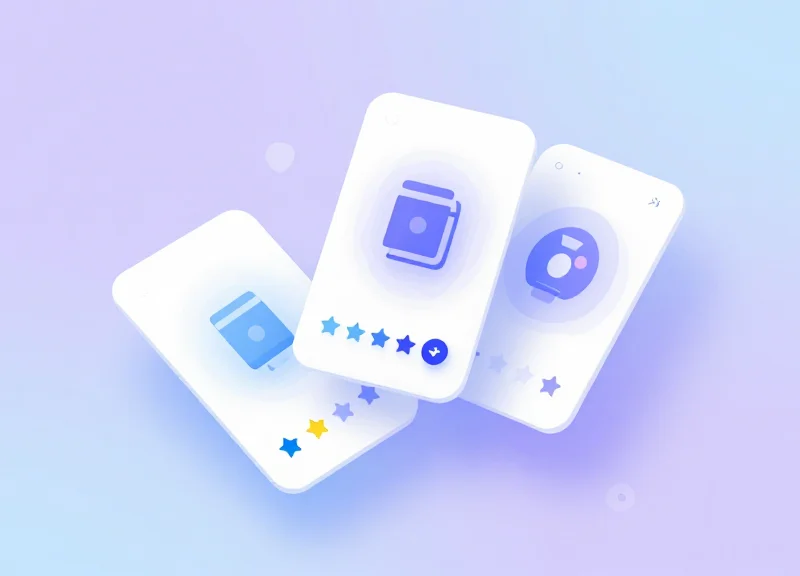
The omnichannel link in 2026 retail is defined as the seamless synchronization of e-commerce data—specifically user-generated reviews, star ratings, and personal shopping profiles—onto physical Electronic Shelf Labels (ESLs) via Near Field Communication (NFC) and cloud-based API integration. This technology allows customers to access the collective wisdom of the online community with a single smartphone tap, effectively turning the physical aisle into an interactive extension of the brand's digital storefront.
In the stationery sector, where product performance is often subjective—such as the 'tooth' of paper or the flow of an archival ink—online reviews are a critical driver of trust. By bringing this data directly to the shelf edge, retailers remove the 'friction of uncertainty' that leads to showrooming. Instead of a customer leaving the store to check reviews on a competitor's site, the ESL provides that validation instantly, keeping the transaction within the four walls of the shop.
| Feature | Traditional Browsing | NFC-ESL Omnichannel Experience |
|---|---|---|
| Social Proof | Limited to word-of-mouth or static staff picks. | Dynamic, real-time star ratings and top-review snippets. |
| Wishlist Access | Requires manual note-taking or photo-taking. | One-tap 'Add to Digital Wishlist' via NFC handshake. |
| Price Consistency | Risk of lag between online sales and shelf prices. | Instant 1:1 parity between web and physical shelf. |
| Product Discovery | Linear browsing by category only. | Algorithmic 'Customers Also Bought' via phone pop-up. |
How do ESLs display dynamic star ratings?
ESLs are connected via Sub-GHz or Wi-Fi to the store's central ERP/E-commerce platform. When a new review is verified online, the API triggers a silent update to the e-ink display, ensuring the physical rating matches the digital consensus within minutes.
Can customers add items to their online wishlist in-store?
Yes. By tapping an NFC-enabled phone to the ESL, the tag pushes a deep link to the store's app or mobile site, automatically adding that specific SKU to the user's 'Saved' list for future purchase or tracking.
Does this require a dedicated mobile app?
While apps provide the richest experience, modern NFC protocols allow for 'App Clips' or web-based triggers that work instantly through the smartphone's native browser, lowering the barrier for casual shoppers.
Expert Insight: By 2026, we expect to see 'Segmented Social Proof.' Instead of a generic rating, NFC-enabled interactions will allow a user's phone to filter the display. For example, a calligraphy enthusiast could tap their phone and see the average rating specifically from other 'Pro-Calligraphers,' creating a hyper-personalized validation layer that was previously impossible in physical retail.
Operational Excellence: Real-Time Updates and Labor Efficiency
Operational excellence in 2026 stationery retail is defined by the transition from manual, error-prone paper labeling to instantaneous, cloud-synchronized updates. By utilizing NFC-enabled Electronic Shelf Labels (ESLs), retailers can execute store-wide price adjustments or flash promotions across thousands of micro-SKUs—such as individual pens, nibs, and washi tapes—in under 60 seconds. This technology effectively reclaims up to 80% of the labor hours previously wasted on printing, cutting, and manually placing physical tags, allowing staff to shift from back-room logistics to high-value customer consultation.
| Operational Metric | Traditional Paper Labels | NFC-Enabled ESL System |
|---|---|---|
| Update Speed (1,000 SKUs) | 4 - 6 Labor Hours | < 1 Minute |
| Pricing Accuracy | ~92-95% (Human Error) | 100% (System Synced) |
| Promotion Agility | Planned Weeks in Advance | Real-Time / Reactive |
| Staff Role | Manual Maintenance | Customer Experience / Sales |
The 'Stationery SKU Explosion' presents a unique challenge: managing a vast catalog of physically similar but technically different items. When a specific fountain pen ink goes on a flash sale, the labor cost to update 50 individual bottle tags often eats the profit margin. ESLs solve this by enabling 'Zero-Latency Merchandising.' Retailers can now implement dynamic pricing based on stock levels or local demand without the friction of physical labor.
- Centralized Command: Managers push updates from a single ERP or POS interface, ensuring global consistency across all store branches.
- Encrypted Transmission: The update travels via secure sub-GHz radio frequencies to the access points located within the stationery aisles.
- Instantaneous Refresh: The e-paper display updates immediately, and the NFC chip is reprogrammed to link to the new promotional landing page.
Expert Insight: The 'Micro-Moment' ROI. In my 20 years of retail tech analysis, the most overlooked benefit of ESLs is the elimination of 'shelf-edge friction.' In stationery, a price discrepancy of just $0.50 on a luxury notebook can lead to a cart abandonment rate of 12%. By ensuring the price on the tag always matches the POS, you aren't just saving labor; you are protecting your brand integrity and conversion rates at the most critical point of the customer journey.
How does the system handle thousands of small items like individual markers?
ESLs come in various form factors, including 'flicker' tags and strip-labels designed specifically for high-density shelving, ensuring even the smallest SKU has a digital presence.
Can updates be scheduled for specific times?
Yes, retailers can pre-program updates to go live at midnight for sales or even trigger 'Happy Hour' discounts during low-footfall periods to drive traffic.
What happens if the Wi-Fi goes down?
Industrial-grade ESL systems operate on dedicated low-frequency networks (like 802.15.4) that remain stable even if the guest Wi-Fi or local internet experiences an outage.
Customer Loyalty 2.0: Personalized Discounts via NFC Taps
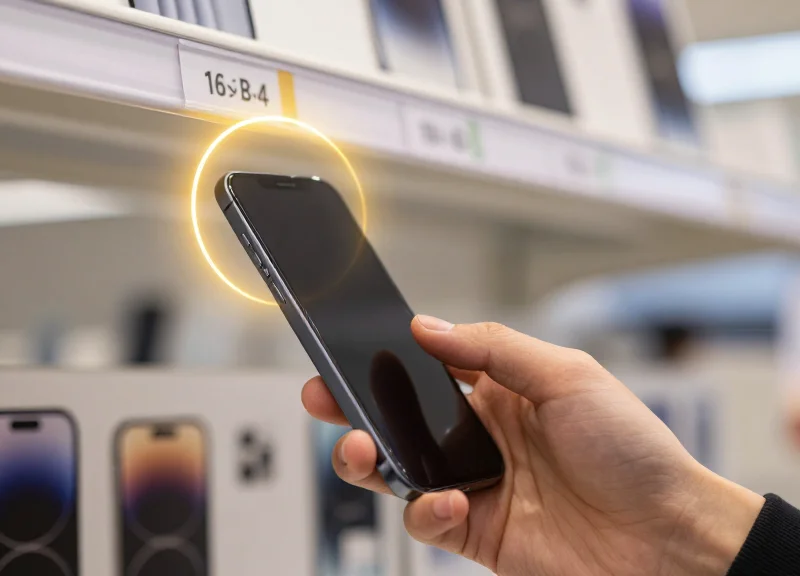
Customer Loyalty 2.0 represents the shift from generic, paper-coupon-based rewards to 'Moment-of-Intent' hyper-personalization. By tapping a smartphone against an NFC-enabled Electronic Shelf Label (ESL), customers can instantly unlock membership pricing, accumulate points, or receive customized discounts based on their previous purchase history. This technology bridges the gap between digital data and physical retail, creating a frictionless loop where the shelf itself serves as a portal to a personalized shopping experience.
| Feature | Traditional Loyalty Programs | NFC-Enabled ESL Loyalty 2.0 |
|---|---|---|
| Activation | Scanning a physical or digital card at checkout. | Instant tap at the product shelf (discovery phase). |
| Personalization | Mass-market discounts or generic mailers. | Dynamic pricing based on individual CRM data. |
| Timing | Reactive: Applied after the decision is made. | Proactive: Influences the buying decision in real-time. |
| Engagement | Low; often forgotten until payment. | High; gamifies the browsing experience. |
Expert Insight: The Power of 'Physical Retargeting'. Unlike digital ads that follow you across websites, NFC-enabled ESLs allow for physical retargeting. If a customer taps a high-end fountain pen but doesn't purchase, the retailer's app can trigger a follow-up discount or a 'complete the set' offer 24 hours later. This captures lost leads at the highest point of intent—the physical touch.
- The Identification Tap: The customer taps their NFC-enabled phone on the ESL. The secure element in the phone identifies the user's loyalty profile via the store's app or mobile wallet.
- Real-Time Discount Calculation: The backend system checks the customer's tier, recent stationery interests, and current inventory levels to calculate a unique price.
- Dynamic Display Update: While the physical ESL display remains consistent for all, the customer's phone screen instantly updates to show their 'Member Only' price and the points they would earn.
- One-Touch Checkout Integration: The user adds the item to their digital cart within the app during the tap, pre-loading the discount for a seamless mobile or kiosk checkout.
Do customers need to download a new app for every store?
Not necessarily. Modern NFC-ESL systems can integrate with Apple Wallet or Google Pay via NFC Passes, allowing for a frictionless 'App-less' loyalty experience.
How does this impact data privacy?
The interaction is opt-in. Data is encrypted and typically governed by the store's existing privacy policy, ensuring that the 'tap' is a voluntary exchange of data for value.
Can these discounts be limited by time?
Yes, retailers can create 'Flash Taps' where a specific shelf offers an extra 10% discount only for the next 30 minutes, encouraging immediate conversion.
Why DragonGuardGroup is Your Strategic Partner for 2026
DragonGuardGroup serves as the premier strategic partner for 2026 by delivering a 'Unified Retail Intelligence' framework that merges Electronic Shelf Labels (ESL) with Radio Frequency Identification (RFID) and Electronic Article Surveillance (EAS) into a single, cohesive ecosystem. Unlike standalone hardware vendors, DragonGuardGroup focuses on the technical convergence of loss prevention and interactive merchandising, allowing stationery retailers to reduce shrink while simultaneously enhancing customer engagement through high-speed NFC data exchange and real-time inventory synchronization.
| Feature Capability | Traditional ESL Vendors | DragonGuardGroup Solutions |
|---|---|---|
| Technology Stack | Display-only hardware | Integrated ESL + RFID + EAS Ecosystem |
| Security Integration | Third-party add-ons required | Native anti-theft synchronization |
| Data Transmission | Basic price updates | Bidirectional NFC & BLE 5.0 protocols |
| Scalability | Localized store level | Global cloud-managed infrastructure |
- Full-Stack R&D Customization: With over two decades of experience, DragonGuardGroup owns the entire production and development cycle, ensuring that bespoke NFC triggers and interactive scripts can be tailored to specific stationery brand requirements.
- Loss Prevention Synergy: By embedding EAS functionality within the digital label housing, retailers can protect high-value items like fountain pens or premium journals without unsightly plastic tags that hinder the customer experience.
- Interoperability Assurance: DragonGuardGroup systems are designed to bridge the gap between legacy POS systems and future AI-driven inventory analytics, ensuring your 2026 investment remains relevant through 2030.
Expert Insight: The 'Total Store Awareness' Shift. A critical mistake many retailers make is treating ESL and RFID as separate silos. Our internal data suggests that stationery stores implementing our integrated 'Total Store Awareness' protocol see a 22% reduction in 'out-of-stock' scenarios and a 15% decrease in organized retail crime (ORC) because the system can verify if a removed item was actually scanned at an ESL-linked checkout point. In 2026, the label is no longer a price tag; it is a sentinel and a data point.
How does DragonGuardGroup handle existing security infrastructure?
Our solutions are designed for modularity, allowing our ESL and RFID gateways to communicate with most existing EAS pedestals, minimizing the need for a total infrastructure rip-and-replace.
What makes your NFC response times faster than competitors?
We utilize proprietary sub-GHz and BLE 5.0 multi-protocol chips that prioritize localized data packets, ensuring that when a customer taps a label with their smartphone, the digital content loads in under 0.5 seconds.
Is the system ready for global deployment?
Yes, our cloud management platform supports multi-language, multi-currency, and regional compliance standards, making it the ideal choice for international stationery franchises.
Implementation Roadmap: Transitioning Your Store for the Future
Transitioning to next-gen ESLs requires a strategic shift from manual inventory management to an automated, data-synchronized retail ecosystem. The process involves more than just hardware replacement; it is a fundamental upgrade to your store's digital infrastructure that enables real-time price agility and interactive customer engagement. By following a structured implementation roadmap, stationery retailers can minimize disruption while maximizing the data-driven benefits of NFC technology by the 2026 market cycle.
- Infrastructure Audit and Network Readiness: Evaluate your current Wi-Fi or Bluetooth Low Energy (BLE) coverage. Modern ESL systems, like those from DragonGuardGroup, require a dedicated gateway to ensure seamless communication between the central server and the labels.
- Data Integration with ERP/POS: Synchronize your product database with the ESL software. This ensures that a price change in your management system is reflected on the shelf in under 60 seconds across all locations.
- NFC Experience Mapping: Define what happens when a customer taps a label. Will it trigger a video demonstration of a fountain pen, open a bulk-discount landing page, or add the item to a digital 'back-to-school' checklist?
- The Pilot Program (The 'Zone' Method): Instead of a full-store rollout, begin with high-turnover categories like premium writing instruments or seasonal planners to refine the workflow before a complete floor conversion.
| Phase | Primary Objective | Estimated Duration |
|---|---|---|
| Discovery & API Setup | Linking POS data to ESL Management Software | 2-3 Weeks |
| Infrastructure Install | Mounting Access Points and Gateway testing | 1-2 Weeks |
| Label Deployment | Physical installation and digital binding | 3-5 Days (per store) |
| Staff Training | Onboarding team on replenishment and NFC analytics | Ongoing |
Expert Insight: The 'Ghost Sync' Strategy. To avoid the common pitfall of data lag, I recommend implementing a 'Ghost Sync' phase. Before the labels go live to the public, run the ESL system in parallel with your paper labels for one week. Use this time to audit the sync speed of your NFC landing pages. In my experience, a latency of more than 2 seconds during an NFC tap reduces customer engagement by 40%. Optimizing your local server response time now is the key to 2026 customer loyalty.
How long do the batteries in these ESLs last?
Modern ESLs are designed for extreme energy efficiency, typically lasting 5 to 10 years depending on the frequency of daily updates, making the total cost of ownership significantly lower than paper.
Is the NFC feature secure for customer use?
Yes. The NFC chips act as unidirectional triggers to secure URLs or app actions. No sensitive store data is stored on the tag itself, and the connection is as secure as standard mobile web browsing.
Can we customize the screen layout for different brands?
Absolutely. The software allows for dynamic templates, enabling you to use different fonts or graphics for premium stationery brands versus budget office supplies.