In the fast-paced world of fresh grocery retail, the environment is a constant battle against moisture, humidity, and extreme temperature fluctuations. Traditional paper labels fail within hours in seafood or misted produce sections, leading to pricing errors and labor inefficiencies. As we look toward 2026, waterproof Electronic Shelf Labels (ESL) have transitioned from a luxury to a critical operational requirement. This guide provides an authoritative framework for grocery managers to select the most resilient, high-performance digital labeling systems that can thrive in the most demanding 'wet' environments while ensuring seamless price synchronization and customer trust.
The Evolution of ESL in Fresh Grocery Retail
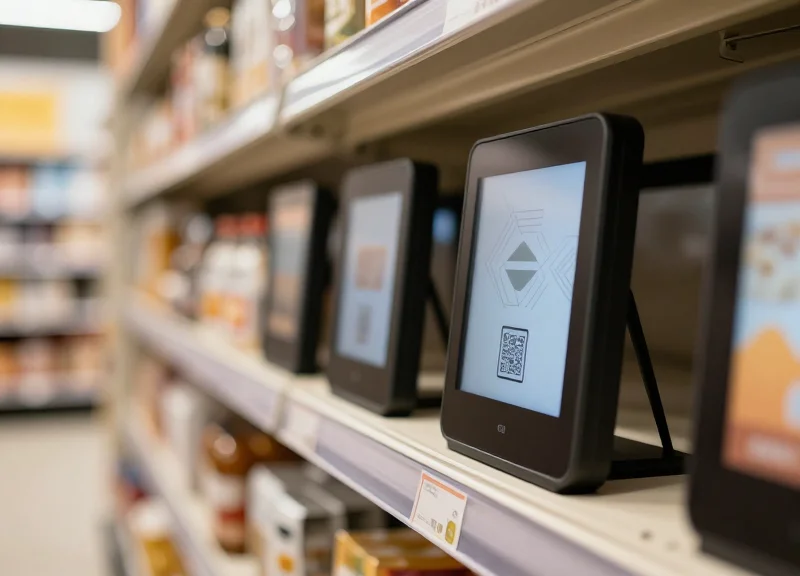
The evolution of Electronic Shelf Labels (ESL) in the fresh grocery sector represents a shift from simple price automation to the deployment of resilient, environment-specific IoT nodes. Originally designed for the dry aisles of ambient retail, ESL technology has undergone a decade of rigorous engineering to meet the 'Triple Threat' of the fresh department: high humidity, fluctuating temperatures, and aggressive sanitation protocols. By 2026, the standard for fresh grocery ESLs has moved beyond mere digital ink into the realm of fully submersible, ruggedized hardware that acts as the primary data point for real-time inventory and food safety compliance.
| Feature | Gen 1: The Paper Mimic (2010s) | Gen 2: The Connected Label (2020-2024) | Gen 3: The 2026 Fresh Standard |
|---|---|---|---|
| Primary Role | Price synchronization | Dynamic pricing & QR codes | Automated stock & waste management |
| Durability | None; prone to fogging | Water-resistant (IP65) | Submersible & Pressure-washable (IP68+) |
| Screen Tech | Segmented B&W display | 3-Color E-paper (BWR) | High-contrast 4-color with local AI |
| Battery Life | 2-3 years | 5 years | 10+ years (Advanced SoC) |
Early adopters of digital labeling in produce and seafood sections often faced high failure rates due to 'micro-seepage.' Standard ESLs were susceptible to the misting systems used to keep vegetables crisp, leading to internal corrosion and screen bleeding. Today’s landscape is different. Modern fresh grocers no longer view ESLs as a luxury; they are a critical tool for survival in a low-margin environment where labor costs are rising and food waste is under intense regulatory scrutiny.
Why is 2026 a turning point for ESL technology?
The convergence of ultra-low-power Bluetooth (LE), AI-driven dynamic pricing, and new polymer sealing techniques has finally made ESLs capable of surviving the 'wet' departments for a decade without maintenance.
How does evolution impact the bottom line?
By 2026, ESLs are integrated with shelf-edge sensors that detect humidity and temperature, alerting staff before spoilage occurs, which was impossible with earlier generations.
What role does sustainability play in this evolution?
Modern labels are now designed for circularity, with modular batteries and recyclable casings, meeting the strict ESG requirements of 2026 global retailers.
Expert Insight: The 2026 differentiator is 'Vacuum-Seal Engineering.' Unlike previous generations that relied on rubber gaskets (which degrade under UV light and cleaning chemicals), the latest high-end waterproof labels utilize sonic-welded, fully-encapsulated housings. This allows them to withstand professional-grade pressure washing, making them the only viable option for high-hygiene areas like butcher blocks and seafood counters.
Criterion 1: Decoding IP Ratings (IP67 vs. IP68)
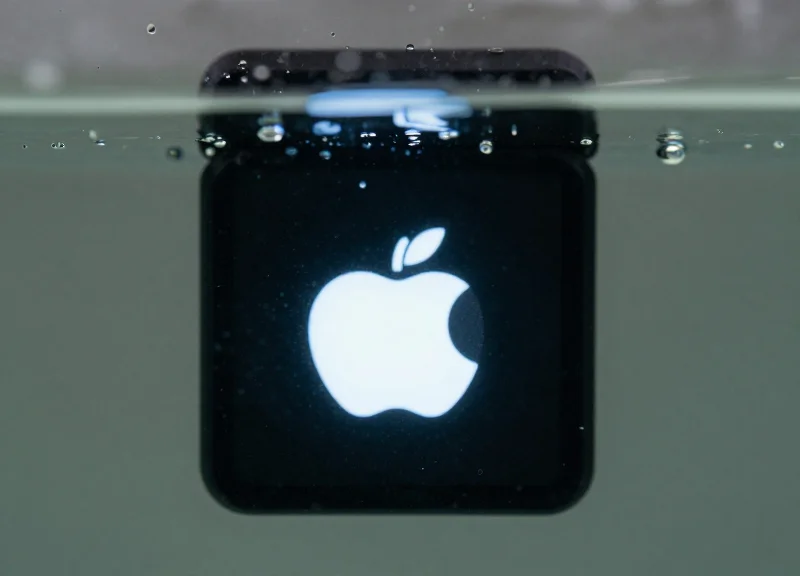
For grocers, Ingress Protection (IP) ratings are not just technical specs; they are the primary insurance policy against hardware failure. An IP rating consists of two digits: the first (6) confirms the device is completely dust-tight, while the second (7 or 8) defines its water resistance. While IP67 allows for temporary immersion up to 1 meter for 30 minutes, IP68 is engineered for continuous immersion under pressure. In the context of a 2026 fresh grocer operation—where automated misting systems and high-pressure cleaning are standard—the difference between 'temporary' and 'continuous' protection is the difference between a 5-year ROI and a 6-month replacement cycle.
| Feature | IP67 Standard | IP68 Standard (2026 Retail Grade) |
|---|---|---|
| Water Immersion | Up to 1m for 30 mins | Continuous immersion (usually >1.5m) |
| Misting Exposure | Resistant to occasional spray | Full protection against constant humidity |
| Cleaning Durability | Supports light wiping | Supports intensive sanitization protocols |
| Typical Lifespan | 2-3 years in fresh zones | 5-7+ years in fresh zones |
Why does this matter for the fresh grocer? Produce sections utilize ultrasonic misters to maintain crispness. Over time, these micro-droplets create a high-humidity microclimate. While an IP67 label might survive a quick splash, the constant presence of moisture allows water vapor to find microscopic entry points through 'capillary action' during temperature fluctuations. This is why we categorize IP68 as the 'Gold Standard' for seafood, meat, and misted produce departments.
Can IP67 labels be used in the dairy aisle?
Yes, IP67 is generally sufficient for dairy and refrigerated aisles where there is no direct misting or high-pressure washing. However, for any area requiring nightly deep-cleaning, IP68 is recommended.
Does IP68 protect against chemical cleaners?
Not necessarily. IP ratings measure water ingress, not chemical resistance. You must ensure the label casing material (like polycarbonate) is also rated for exposure to common retail sanitizers.
Is there a significant price gap between IP67 and IP68?
In 2026, the price delta has narrowed to approximately 10-15%. Given that failure rates for IP67 in wet zones can be 4x higher, the total cost of ownership (TCO) favors IP68 significantly.
Expert Insight: The Thermal Shock Factor. Many retailers overlook the impact of 'thermal shock' on waterproof seals. In a fresh grocer environment, labels often move from a 4°C (40°F) refrigerated state to a 20°C (68°F) environment during cleaning or restocking. This temperature swing causes the air inside the ESL to expand and contract, creating a vacuum effect. A true 2026-grade IP68 label uses specialized GORE-tex vents or advanced resin-potting to equalize pressure without allowing moisture to be sucked into the casing—a feature almost never found in budget IP67 models.
Criterion 2: Battery Performance in Cold and Humid Zones
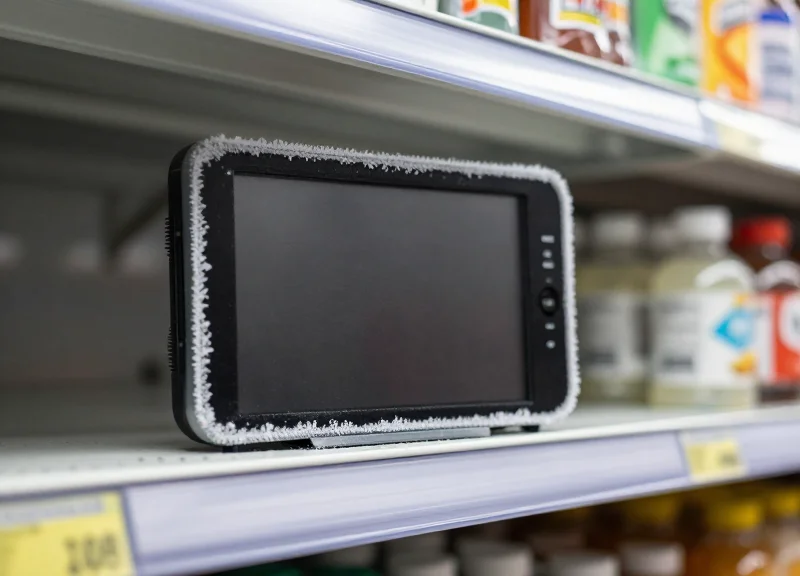
In the fresh grocery sector, battery performance in cold zones is defined by a chemistry's ability to resist internal resistance increases at sub-zero temperatures. For 2026, the industry benchmark has shifted away from standard consumer-grade cells to specialized wide-temperature Lithium Manganese Dioxide (Li-MnO2) or Lithium Thionyl Chloride (Li-SOCl2) chemistries. These variants are engineered to prevent the 'voltage dip' phenomenon where a label fails to refresh its screen because the cold has temporarily throttled the battery's power output below the necessary operating threshold.
| Feature | Standard Li-MnO2 | Low-Temp Li-MnO2 | Industrial Li-SOCl2 |
|---|---|---|---|
| Operating Temp Range | 0°C to 50°C | -20°C to 60°C | -55°C to 85°C |
| Capacity Loss at -20°C | 50-70% | 15-20% | <5% |
| Typical ESL Lifespan | 1-2 Years | 5-7 Years | 10+ Years |
| Best Use Case | Dry Grocery | Produce/Chiller | Deep Freezer |
Expert Insight: Beware of the 'Dew Point Trap'. While many grocers focus on cold, the real battery killer in fresh departments is the transition between zones. When a label is moved from a cold warehouse to a humid produce floor, internal condensation can occur if the housing isn't vacuum-sealed or nitrogen-purged. This internal moisture creates micro-shorts that can accelerate battery self-discharge by up to 300%. For 2026, ensure your vendor provides a 'passivation-resistant' battery design, which maintains a thin protective layer on the lithium anode to prevent energy leakage during idle periods in high-humidity zones.
Why do standard ESL batteries die faster in the freezer?
Cold temperatures slow down the chemical reactions inside the battery, increasing internal resistance. This means that while the energy is still there, the battery cannot 'push' it out fast enough to power the E-ink refresh or wireless transmission, leading to premature failure.
What is the 'Passivation Layer' in 2026 ESL batteries?
It is a protective film that forms on the lithium anode of high-quality cells. In cold environments, it prevents the battery from draining itself when not in use, but the ESL hardware must be smart enough to 'wake up' the battery with a high-current pulse to break this layer when an update is needed.
Should I choose replaceable or non-replaceable batteries?
For cold chain environments, non-replaceable, factory-sealed batteries are often superior. Opening a battery compartment in a humid grocery environment breaks the factory seal, inviting moisture that will inevitably corrode the contacts in refrigerated settings.
Criterion 3: Display Clarity and Anti-Fogging Technology
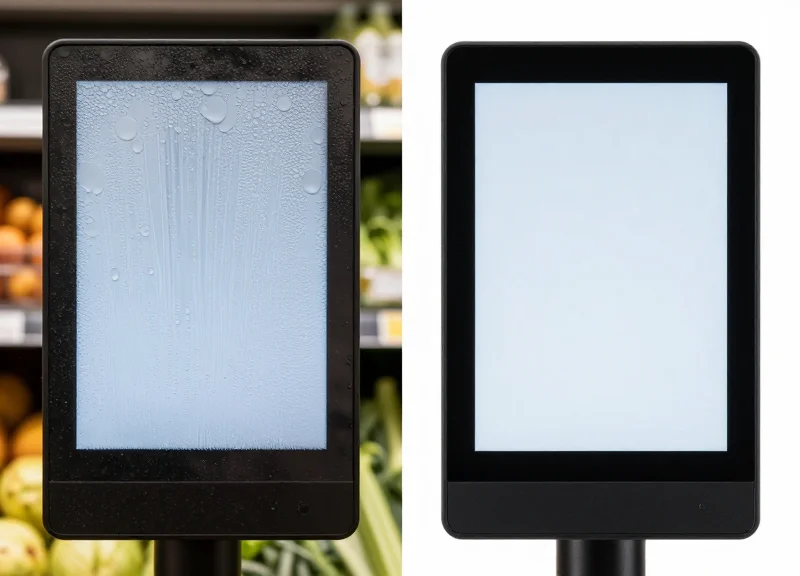
In the fresh grocery sector, a waterproof rating is useless if the price cannot be read. Display clarity in 2026-standard ESLs is achieved through optical bonding—a process that injects a high-grade resin between the e-paper display and the protective outer lens—to eliminate the internal air gap. This technology prevents the 'ghosting' effect and internal condensation that typically occurs when labels move between different temperature zones, such as during restocking or when misting systems activate. Coupled with nano-hydrophilic surface treatments, these displays ensure that water droplets spread into a transparent film rather than forming beads that distort the digital text.
| Feature | Standard Waterproof ESL | 2026 Fresh-Spec ESL |
|---|---|---|
| Lens Construction | Air-Gap (Mechanical Press) | Full Optical Bonding (Resin-Filled) |
| Internal Fogging | High risk during temperature shifts | Zero risk (No air gap for moisture) |
| Light Refraction | High (causes glare under store lights) | Ultra-Low (improves contrast by 25%) |
| Coating Type | None or Basic Anti-Glare | Advanced Hydrophilic + Anti-Microbial |
Expert Insight: The 'TIR' Factor. Most grocers overlook Total Internal Reflection (TIR). In high-moisture environments, light bounces off the water-to-air interface inside unbonded labels, making the screen appear silver or washed out from an angle. By selecting labels with a refractive index matched to the cover glass (typically ~1.51), you ensure the display remains crisp at viewing angles up to 170 degrees, even when drenched by produce misters.
Why do my waterproof labels still fog up internally?
This happens in labels that use mechanical seals rather than optical bonding. Temperature fluctuations cause the air inside the 'air gap' to reach its dew point, depositing moisture on the inside of the lens. The only permanent solution is to choose labels with a solid-state bonded construction.
Does anti-fogging technology wear off over time?
Traditional spray-on coatings can degrade, but 2026-grade ESLs utilize vacuum-deposited nano-layers or 'etched' glass surfaces that are physically part of the lens, offering a lifespan that matches the 5-10 year battery life of the label.
How does display clarity impact automated shelf auditing?
Clarity is critical for AI-driven shelf cameras. If a label has glare or fog, the computer vision system cannot verify the price or stock levels, leading to data gaps in your inventory management.
When evaluating vendors, specifically ask for 'Zero-Gap' certification. As grocery stores transition toward higher-intensity LED lighting to make produce pop, the glare reduction provided by optical bonding becomes a core accessibility requirement for elderly shoppers and a technical requirement for high-speed scanning.
Criterion 4: Material Safety and Food-Grade Certification
Material safety for Electronic Shelf Labels (ESLs) in the fresh food sector refers to the requirement that the external housing and seals are manufactured from non-toxic, food-safe plastics and elastomers that comply with global health regulations like the FDA and EU Food Contact Materials (FCM) standards. In a fresh grocery environment, labels often come into physical contact with produce, meat, or seafood. If the materials are not certified food-grade, they can leach harmful substances—such as phthalates, bisphenols (BPA), or heavy metals—onto the food products, posing a significant health risk and legal liability for the retailer.
| Certification / Standard | Region | Key Requirement for ESLs |
|---|---|---|
| FDA 21 CFR 177 | USA | Ensures plastics do not transfer harmful levels of chemicals to food under specific conditions. |
| EU Regulation No. 10/2011 | Europe | Strict migration limits for plastic materials intended to come into contact with food. |
| NSF/ANSI Standard 2 | Global/Food Service | Specifies minimum food protection and sanitation requirements for equipment materials. |
| PFAS-Free Initiative | Emerging (2026) | Verification that the waterproof coating is free from 'forever chemicals' like PFOA. |
Expert Insight: The Chemical Leaching Loophole. Many retailers mistakenly assume that an IP68 waterproof rating implies food safety. It does not. An IP rating measures ingress, not chemical stability. In my experience, the '2026 gold standard' is the use of antimicrobial-infused, medical-grade polymers that prevent bacterial biofilm growth on the label surface while remaining chemically inert when exposed to high-frequency misting and organic acids from fruits.
- BPA and Phthalate-Free Housings: ESLs must use virgin plastic resins that are certified free of endocrine disruptors to prevent contamination during direct contact with high-moisture foods like lettuce or berries.
- Antimicrobial Surface Treatment: Modern labels incorporate silver-ion or specialized coatings that actively inhibit the growth of E. coli and Listeria, which is critical for tags placed in raw meat or seafood cases.
- Chemical Resistance (CIP Compliance): The materials must withstand 'Clean-In-Place' protocols, meaning they won't crack or discolor when wiped with hospital-grade disinfectants or ammonium-based cleaners.
Do I really need food-grade certification if the label doesn't touch the food?
Yes. In high-humidity fresh zones, condensation can drip from the label onto the produce. If the label contains toxic coatings or lead-based components, this 'leachate' can contaminate the food indirectly.
How do I verify a manufacturer's food safety claims?
Always request a Declaration of Compliance (DoC) and the underlying lab test reports. Look for third-party certifications from bodies like SGS, TÜV, or Intertek specifically for FCM (Food Contact Materials).
Are recycled plastics safe for fresh grocer ESLs?
Generally, no. Unless they are certified 'Food-Grade Recycled' (highly expensive), recycled plastics can contain unpredictable impurities from previous lifecycles that are unsafe for food contact.
Criterion 5: Specialized Mounting and Rail Systems
Specialized mounting and rail systems for waterproof ESLs are engineered hardware solutions designed to secure electronic price tags in extreme grocery environments—such as misted produce aisles, crushed-ice seafood displays, and high-humidity floral sections. Unlike standard shelf rails, these systems must facilitate water drainage, resist corrosion from cleaning agents, and provide enough mechanical grip to withstand high-pressure washdowns without displacing the label or trapping stagnant water that could lead to biofilm formation.
| Mounting Type | Target Environment | Key Feature | Hygiene Benefit |
|---|---|---|---|
| Slotted Drainage Rails | Vegetable Misting Racks | Vertical weep holes | Prevents water pooling and mold |
| Angled Ice-Bed Spikes | Seafood & Poultry Displays | Stainless steel 316 grade | Stable positioning in shifting ice |
| Tension-Lock Clips | Wet-Room Freezers | Expansion-joint flexibility | Resists crack-induced bacterial traps |
| Magnetic Hermetic Mounts | Metal Display Cases | Silicone-sealed magnets | No drilling; easy to sanitize |
Expert Insight: The 'Capillary Action' Hazard. A common mistake in fresh grocer ESL deployments is using standard plastic rails that fit too snugly against the waterproof label. This creates a capillary effect where misting water is pulled into the gap and held there by surface tension. In 2026, the gold standard is 'Offset Mounting,' which maintains a 2mm air gap between the label back and the rail, allowing air circulation to dry the unit naturally and preventing the growth of black mold behind the display.
Why can't I use standard PVC rails for waterproof labels?
Standard PVC rails lack UV stabilizers and the chemical resistance needed for the frequent sanitization required in fresh departments. They tend to become brittle and yellow when exposed to high-intensity produce lighting and acidic cleaning sprays.
How do mounting systems impact signal strength in wet areas?
Metal mounting systems can act as a Faraday cage if not designed correctly. For 2026, look for 'Poly-Hybrid' mounts that use reinforced polymers for the housing to ensure 2.4GHz or Sub-G signal penetration while using metal only for the structural attachment points.
Are tool-less mounting systems secure enough for high-traffic zones?
Yes, modern 'Click-and-Lock' systems are designed for quick removal during deep-cleaning cycles by staff but require a specific directional force that prevents accidental dislodgement by customers or restocking carts.
When evaluating your 2026 ESL rollout, treat the mounting hardware as a primary hygiene component rather than an afterthought. A waterproof label is only as effective as the system holding it; if the mount fails or becomes a sanitation liability, the entire ROI of your digital pricing strategy is at risk.
Criterion 6: Signal Strength and Network Penetration

Signal strength and network penetration refer to the wireless communication system's ability to maintain a stable, bi-directional link between the Access Point (AP) and the Electronic Shelf Label (ESL) through physical barriers. In the fresh grocery sector, these barriers are uniquely difficult: water molecules in misting systems and high-density metal in refrigeration units act as 'signal sponges' and 'RF shields,' respectively. For a 2026-ready deployment, selecting a protocol that minimizes signal attenuation is critical for ensuring that price updates are synchronized across the entire store without latency.
| Feature | 2.4 GHz (Standard) | Sub-GHz (800/900 MHz) |
|---|---|---|
| Water Absorption | High (Same frequency as microwave ovens) | Very Low |
| Metal Penetration | Poor (Easily reflected/blocked) | Superior (Longer wavelengths diffract better) |
| Transmission Range | 15-25 Meters in-store | 50-100 Meters in-store |
| Congestion Risk | High (Interferes with Wi-Fi/Bluetooth) | Negligible |
Our expert insight for 2026: The 'Reflective Multipath' Strategy. While competitors often view the stainless steel of a seafood counter as a barrier, advanced Sub-GHz systems can be tuned to utilize 'multipath' propagation. By leveraging longer wavelengths that wrap around metal corners (diffraction) and bounce off hard surfaces (reflection) without losing data integrity, a well-engineered network can reach labels tucked deep inside chilled display cases where standard Wi-Fi-based signals would simply perish. This ensures 100% update success rates even during peak humidity periods.
Why does my ESL system fail when the produce misting system turns on?
Water is highly effective at absorbing 2.4 GHz radio waves. If your system uses standard Zigbee or Bluetooth protocols, the 'curtain of mist' can literally block the signal from reaching the labels. Switching to a Sub-GHz frequency resolves this, as those wavelengths pass through water droplets with minimal energy loss.
How many Access Points are needed for a typical fresh department?
In a high-interference environment like a grocery store, we recommend one Sub-GHz AP for every 5,000 to 8,000 square feet. This density ensures that even if one path is blocked by a temporary pallet of stock, the label can receive signals via a redundant path.
Does higher signal strength drain the label battery faster?
Actually, poor signal strength is the primary cause of battery drain. If a label has to 'retry' a data packet multiple times due to poor penetration, its radio stays active longer. A strong, clear signal allows for 'ultra-fast sleep' cycles, extending battery life significantly.
When evaluating vendors, demand a site survey that includes an 'RF Stress Test' specifically in the wet produce and frozen meat sections. A system that works in a dry office will often fail in a grocer's 'wet zone' unless it is specifically designed for high-penetration performance.
Criterion 7: Total Cost of Ownership (TCO) and ROI Analysis
Total Cost of Ownership (TCO) for waterproof Electronic Shelf Labels (ESLs) is a financial metric that encompasses the initial purchase price, installation, maintenance, and the replacement cycle over a five-to-seven-year period. While waterproof IP68-rated tags typically carry a 15-25% higher upfront cost than standard retail tags, they deliver a superior Return on Investment (ROI) by eliminating the 'Failure Spiral' common in fresh departments. In environments like seafood or misted produce sections, standard tags suffer a 30% annual failure rate due to moisture ingress, whereas high-durability waterproof models maintain failure rates below 1%, effectively paying for themselves within the first 18 months through reduced hardware churn and labor savings.
| Cost Factor (5-Year Horizon) | Standard ESL (Non-Waterproof) | Premium Waterproof ESL (IP68) |
|---|---|---|
| Initial Unit Cost | $10.00 - $12.00 | $14.00 - $17.00 |
| Expected Annual Failure Rate | 15% - 35% (in wet zones) | < 1.5% |
| Replacement Hardware Cost | $7.50 - $15.00 (per position) | $0.20 - $0.50 (per position) |
| Labor Cost (Manual Intervention) | High (Frequent Troubleshooting) | Minimal (Set-and-Forget) |
| 5-Year Estimated Total | $25.00 - $32.00 per unit | $16.00 - $19.00 per unit |
- Quantify Labor Leakage: Calculate the hours staff spend identifying dead tags and re-linking replacements. In high-humidity zones, standard tags often require 're-seating' or cleaning, which can drain 5-10 hours of labor per week in a large fresh-format store.
- Assess Battery Longevity in Cold/Wet Environments: Moisture can cause micro-shorts that drain batteries prematurely. True waterproof ESLs protect the power cell, ensuring the 10-year battery life remains realistic even in 4°C environments.
- Evaluate Brand Equity and Price Integrity: Factor in the cost of 'Dark Tags.' A failed tag in the seafood section leads to price discrepancies and customer distrust. ROI includes the prevention of lost sales due to missing or unreadable price information.
Expert Insight: In my two decades of retail tech analysis, the most overlooked TCO factor is 'Micro-Downtime.' When a tag fails in a high-moisture area, it isn't just the $15 hardware cost; it is the secondary cost of the 'Gap on Shelf'—where customers skip a premium purchase like Wagyu beef or Alaskan King Crab because the digital price isn't visible, leading to an average basket value drop of 2.4% in affected categories.
How long does it take to see a positive ROI on waterproof ESLs?
Most fresh grocers achieve a break-even point within 14 to 18 months, primarily driven by the reduction in hardware replacement costs and the elimination of manual price checking in wet zones.
Is the TCO different for frozen vs. refrigerated sections?
Yes. While both require moisture protection, frozen sections place higher stress on battery chemistry. The TCO for frozen-rated waterproof tags includes specialized batteries that prevent voltage drops in sub-zero temperatures.
Should I buy waterproof tags for the entire store to simplify the TCO?
Usually, no. A strategic 'Hybrid Deployment'—using IP68 tags for fresh/frozen and standard tags for dry grocery—optimizes the total capital expenditure while maximizing the ROI where it matters most.
Future-Proofing Your Store: The 2026 Outlook
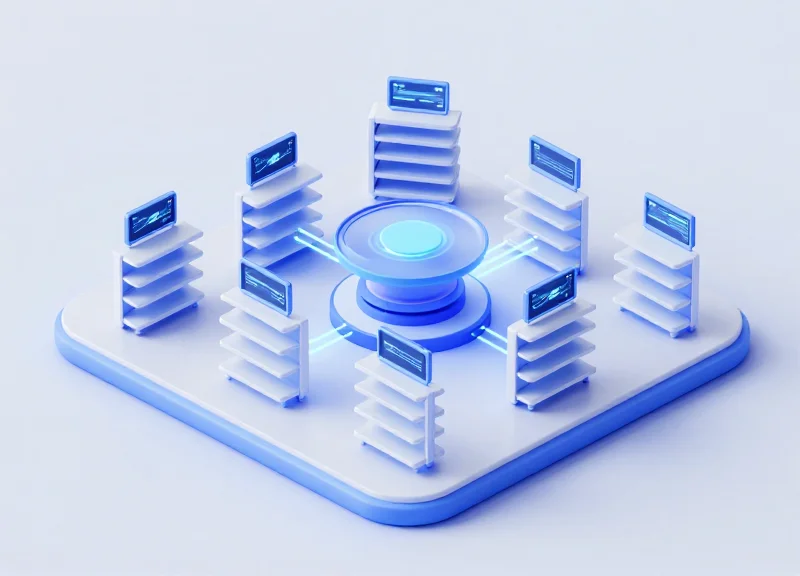
By 2026, future-proofing your store means moving beyond simple digital price updates to adopting 'Shelf-Edge Intelligence.' For the fresh grocer, this involves selecting waterproof ESL hardware that acts as a multi-functional IoT node. A future-proof ESL must support high-speed, bidirectional communication to feed real-time environmental data—such as humidity and temperature—into centralized AI engines. These systems will not only manage prices but will autonomously orchestrate the entire lifecycle of perishable goods, ensuring that the hardware you install today remains the backbone of your digital ecosystem for the next decade.
| Feature Capability | 2024 Standard | 2026 Future-Proof Outlook |
|---|---|---|
| Primary Function | Static Price Display | AI-Driven Dynamic Optimization |
| Sensor Integration | External/Manual Logging | Embedded Humidity & Ethylene Sensors |
| Data Transmission | One-way (Gateway to Label) | Full-Duplex Mesh (Label to AI Core) |
| Sustainability | 5-Year Battery Life | Energy Harvesting (Light/RF) + 10-Year Life |
The convergence of AI and IoT will transform the produce and seafood aisles into self-regulating environments. In 2026, waterproof ESLs will be equipped with specialized 'Bio-integrated Sensing' modules. This is our unique expert prediction: the next generation of waterproof tags will detect volatile organic compounds (VOCs) like ethylene gas. When a crate of peaches begins to ripen at an accelerated rate, the ESL will sense the gas increase and signal the AI pricing engine to trigger a 15% 'Flash Fresh' discount, moving the inventory before it spoils. This creates a zero-waste loop that is only possible with hardware designed for the rigors of high-moisture environments.
How will AI affect the battery life of waterproof ESLs?
Future-proof labels utilize 'Edge AI,' where the processing happens on the label only when necessary. Combined with improved E-ink efficiency and Low-Power Wide-Area Network (LPWAN) protocols, labels can manage complex AI tasks while extending battery life to 10+ years.
Can 2026 ESLs integrate with customer smartphones?
Yes, through advanced NFC and Bluetooth Low Energy (BLE) 5.4, waterproof ESLs will provide localized 'Wayfinding' and personalized nutrition alerts directly to a customer's device as they stand in front of the wet rack.
Will I need to replace my infrastructure for AI integration?
If you select ESLs with high-memory overhead and upgradeable firmware now, you can deploy AI software updates over-the-air (OTA) without replacing the physical waterproof tags in 2026.
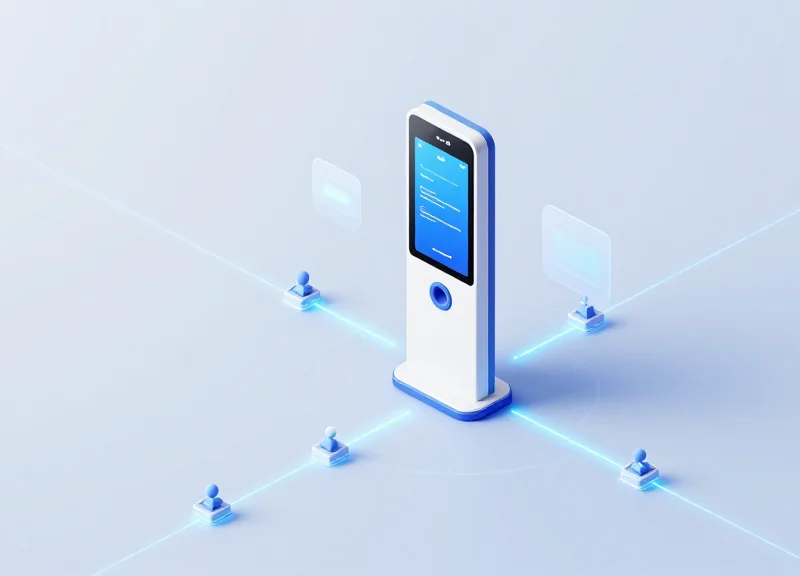
Ultimately, the 2026 outlook emphasizes the 'Internet of Displays.' Your waterproof ESLs will no longer be isolated peripherals; they will be the primary data collection points for your store's digital twin. By investing in high-bandwidth, sensor-ready waterproof labels today, retailers can ensure they are prepared for the shift from reactive management to predictive retail automation.