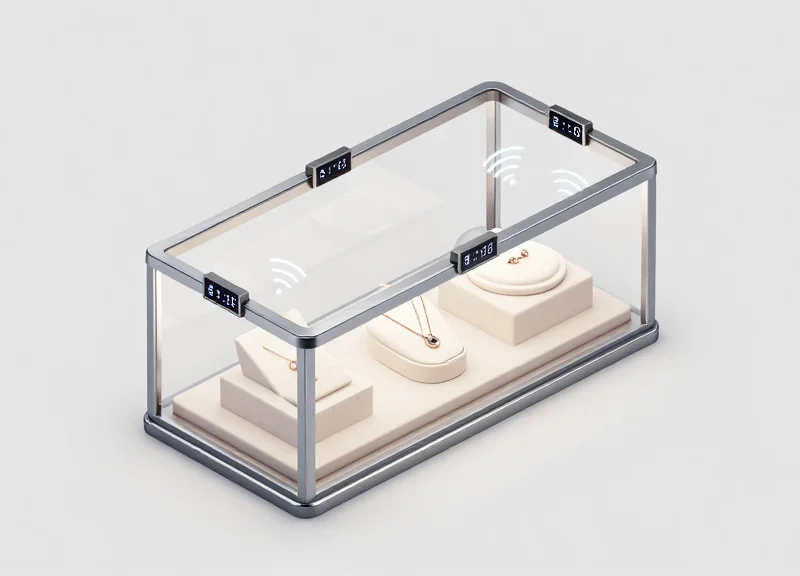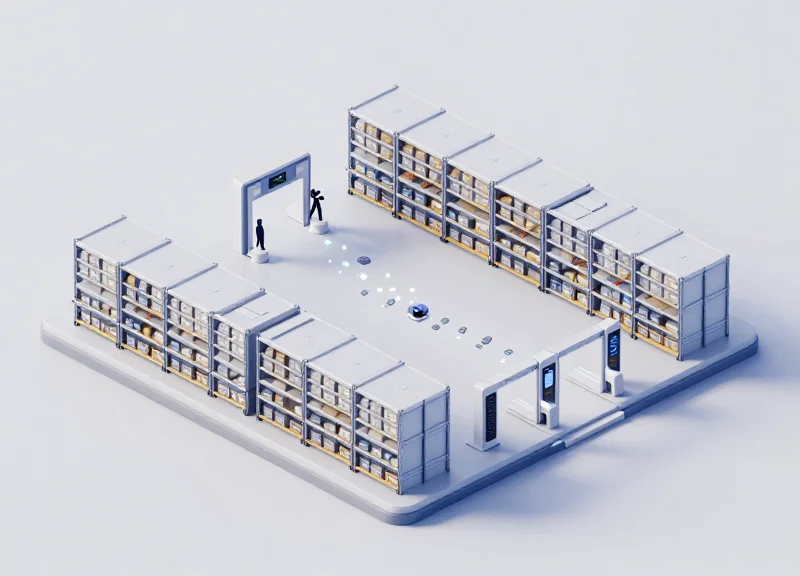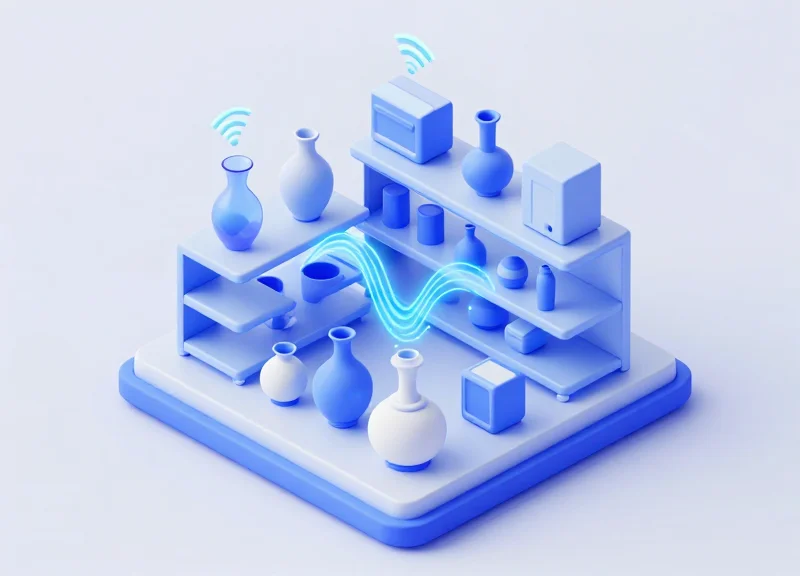
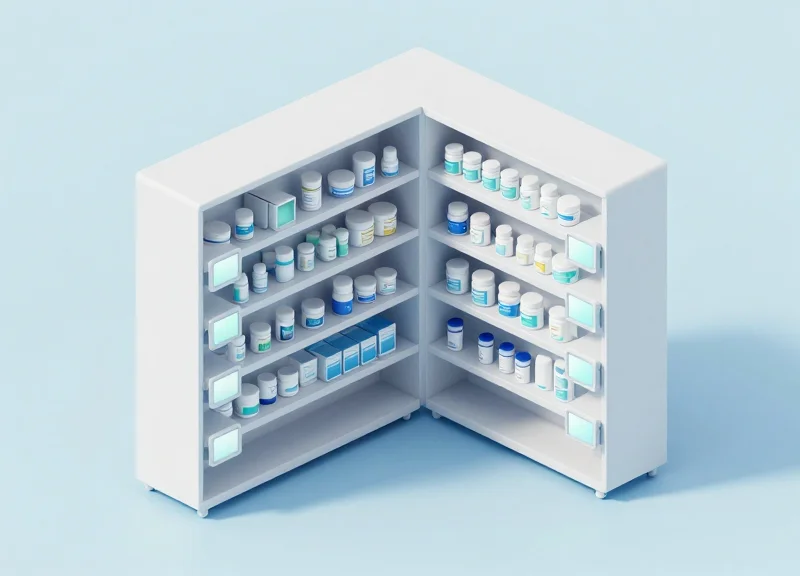
In the high-stakes environment of a hospital pharmacy, the margin for error is zero. As we approach 2026, the shift from static paper labels to dynamic Electronic Shelf Labels (ESL) has moved from a luxury to a clinical necessity. Manual labeling is not only labor-intensive but also a primary source of medication dispensing errors. Medical-grade ESL solutions offer real-time synchronization with Pharmacy Information Systems (PIS), ensuring that dosage instructions, expiration dates, and inventory levels are always accurate. This guide provides an authoritative roadmap for healthcare administrators to select the next generation of digital labeling technology that prioritizes patient safety and operational efficiency.
The Strategic Shift: Why Hospital Pharmacies are Retiring Paper
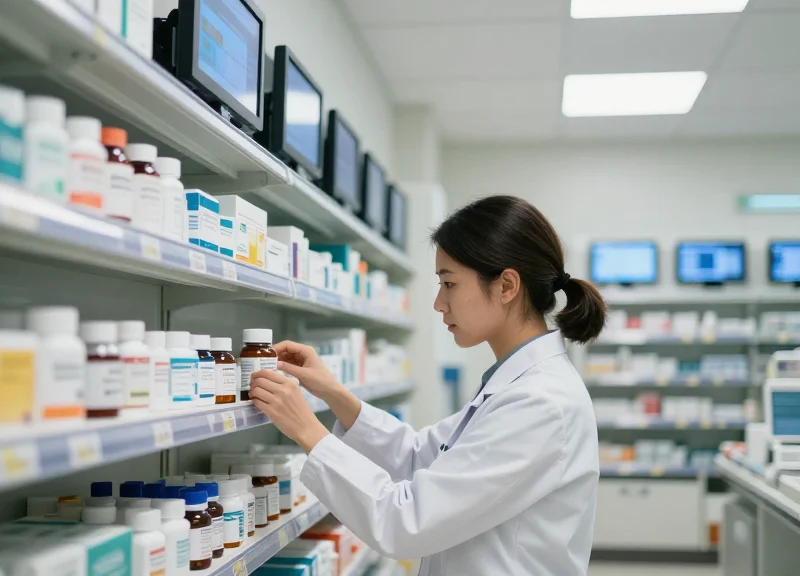
As we approach 2026, the retirement of paper labeling in hospital pharmacies is no longer a matter of 'if,' but a strategic necessity for patient safety and operational survival. The shift to medical-grade Electronic Shelf Labels (ESL) represents a move from static, manual documentation to a dynamic, IoT-integrated ecosystem. This transition eliminates the 'labeling lag' that contributes to medication errors and allows for instantaneous synchronization between the Pharmacy Information System (PIS) and the physical point-of-dispensing, ensuring that pharmacists and technicians always have access to the most current drug data, pricing, and safety warnings.
| Feature | Traditional Paper Labels | 2026 Medical-Grade ESL |
|---|---|---|
| Update Latency | Hours to Days (Manual) | Sub-second (Automated) |
| Error Rate | High (Human Transcription Risk) | Near Zero (Direct PIS Sync) |
| Labor Requirement | High (Regular printing/replacement) | Negligible (Centralized management) |
| Emergency Agility | Non-existent | Instant batch updates for recalls |
| Compliance | Difficult to audit | Full digital audit trail |
The Hidden Cost of the Status Quo: Research into pharmacy workflow efficiency reveals that the average 500-bed hospital pharmacy spends over 1,200 labor hours annually just managing physical label changes. In a high-stakes environment where medication shortages are increasing in frequency, the inability to update shelf data in real-time creates a 'data-reality gap' that puts patient outcomes at risk.
- Labor Drain & High Operational Costs: Manual labeling requires staff to physically print, cut, and place tags. By 2026, labor shortages in pharmacy tech roles make this an unsustainable use of high-value human capital.
- Inability to Handle Real-Time Dynamic Pricing: With drug costs fluctuating and 340B pricing complexities, paper labels are often outdated the moment they are printed, leading to billing discrepancies.
- Safety Hazards in Emergency Settings: During drug recalls or rapid formulary changes, paper labels cannot be updated fast enough across multiple satellite pharmacies, increasing the risk of dispensing the wrong concentration or an expired lot.
Expert Insight: The 'Cognitive Load' Factor. A unique perspective often overlooked by administrators is the reduction of 'Cognitive Load' for pharmacy staff. In 2026, the complexity of biologics and specialized oncology meds requires intense focus. Medical-grade ESLs use color-coded LED flashing (Pick-to-Light) to guide the human eye, reducing the mental effort required for locating items and significantly lowering the fatigue-related error rate that plagues manual paper-based environments.
Is the ROI of ESL measurable in a hospital setting?
Yes. Beyond labor savings, the ROI is found in reduced medication waste (through better FEFO management) and the avoidance of 'wrong-drug' sentinel events which can cost hospitals millions in litigation and lost accreditation.
How does ESL handle medication shortages differently than paper?
ESLs can instantly display 'Stock Out' messages or automatically point clinicians to alternative therapeutic substitutes via a QR code link on the display, a feat impossible with static paper.
Medical-Grade vs. Retail ESL: Understanding the Critical Differences
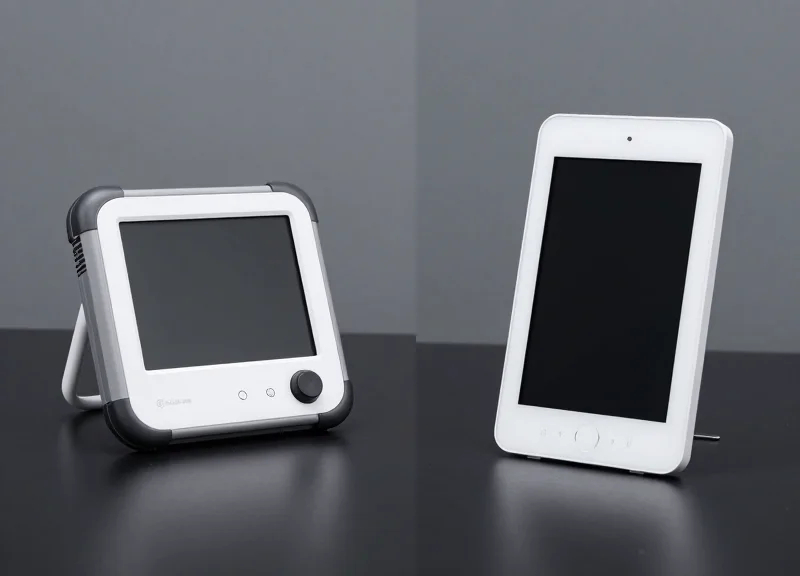
Medical-grade Electronic Shelf Labels (ESL) are specialized clinical IoT devices designed to function as high-reliability digital endpoints in sterile environments. Unlike retail tags, which are optimized for simple price updates in dry environments, medical-grade ESLs are built with non-porous, antimicrobial polymers and sealed internal components. These units must maintain 99.99% data integrity while enduring frequent exposure to hospital-grade disinfectants like isopropyl alcohol and hydrogen peroxide, ensuring that critical medication data remains legible and accurate under harsh clinical conditions.
| Feature | Retail-Grade ESL | Medical-Grade ESL (2026 Std) |
|---|---|---|
| Housing Material | Standard ABS Plastic | Anti-microbial Infused Polymers |
| Chemical Resistance | Low (Susceptible to cracking) | High (Resistant to IPA & Bleach) |
| Ingress Protection | IP54 - IP65 (Dust/Splash) | IP67 - IP68 (Full Immersion) |
| Screen Technology | Standard E-Ink | High-Contrast Clinical E-Ink |
| Update Latency | 30 - 60 Seconds | Sub-5 Seconds (Near Real-Time) |
Expert Insight: The 'Micro-Crack' Factor. A common failure point in hospital pharmacies is the use of retail tags that look robust but lack 'Environmental Stress Crack Resistance' (ESCR). Over 6-12 months of daily cleaning, standard plastics develop microscopic fissures. In a retail setting, this is a minor aesthetic issue; in a pharmacy, these cracks become breeding grounds for pathogens and allow cleaning fluids to seep into the electronics, leading to display ghosting or total device failure. True medical-grade units utilize medical-grade resins specifically tested for ESCR against 70% Isopropyl Alcohol.
- ISO 22196 Compliance: Medical ESLs must meet ISO 22196 standards for antibacterial activity on plastics, inhibiting the growth of MRSA and E. coli directly on the device surface.
- Redundancy and Acknowledge Protocols: Unlike retail tags that may 'miss' an update in a crowded RF environment, medical systems utilize bi-directional communication to confirm every pixel update, vital for high-alert medication labeling.
- Battery Optimization for High-Frequency Pulsing: Clinical environments require frequent screen refreshes for 'Last Restocked' or 'Expiry' alerts. Medical-grade hardware uses high-density lithium-thionyl chloride batteries to maintain 5-10 year lifespans despite higher data throughput.
Ultimately, the cost difference between retail and medical-grade hardware is an investment in risk mitigation. In a pharmacy where a mislabeled shelf-edge could lead to a medication error, the 'survivability' of the hardware is the most critical metric for any 2026 digital transformation strategy.
Integration Architecture: Syncing ESL with PIS and EHR Systems
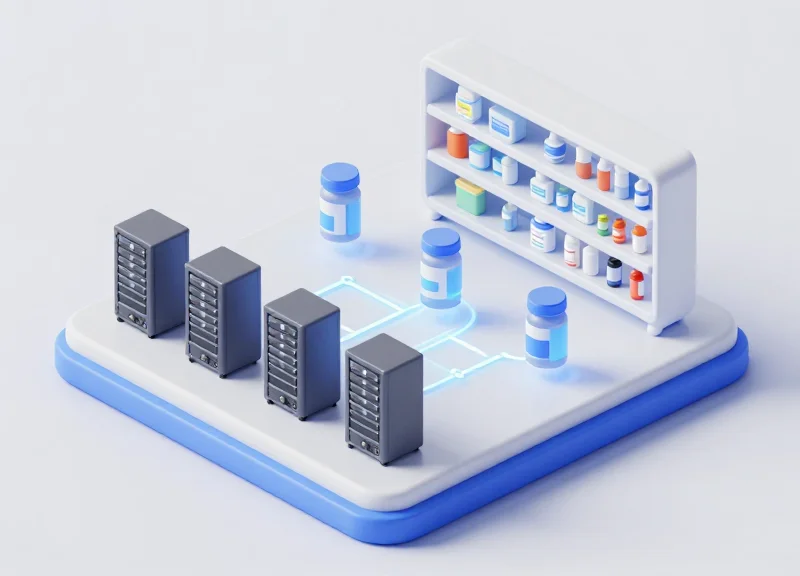
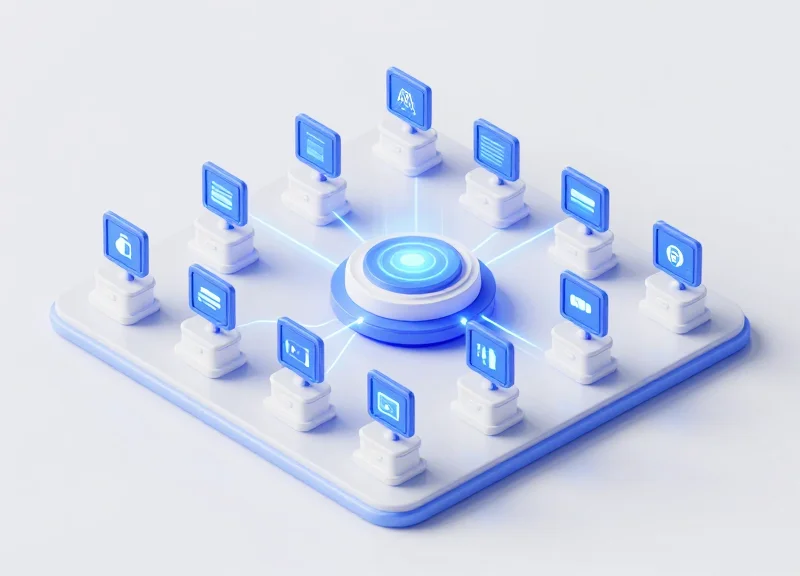
The integration architecture for hospital pharmacy ESLs is the technical framework that enables a 'single source of truth' by synchronizing Electronic Shelf Labels with Pharmacy Information Systems (PIS) and Electronic Health Records (EHR). Unlike retail systems that simply push price updates, medical-grade integration utilizes HL7 (Health Level Seven) or FHIR (Fast Healthcare Interoperability Resources) standards to automate the delivery of critical clinical data—such as real-time stock levels, high-alert drug warnings, and expiration dates—directly to the point of dispensing without manual intervention.
Modern pharmacy workflows cannot afford the 'data lag' associated with traditional batch processing. By 2026, the industry standard has shifted toward Event-Driven Architecture (EDA). In this model, any change made within the PIS (e.g., a pharmacist verifying a new batch or a nurse pulling a dose via an Automated Dispensing Cabinet) triggers an immediate webhook to the ESL middleware, updating the tag in sub-seconds. This eliminates the risk of clinicians relying on stale information during critical care moments.
| Data Element | Source System | ESL Display Impact | Integration Protocol |
|---|---|---|---|
| Inventory Count | PIS / ERP | Prevents stockouts and 'not-in-stock' errors | REST API / HL7 |
| Look-Alike/Sound-Alike (LASA) | EHR / Clinical Database | Dynamic highlighting or color-coding on tag | FHIR / JSON |
| Beyond Use Date (BUD) | Compounding Software | Automatic countdown for sterile preparations | MQTT / Webhooks |
| Patient-Specific Bin Label | EHR / ADT Feed | Updates tag with patient ID for bedside delivery | HL7 v2.x |
Expert Insight: The 'Closed-Loop' Verification Protocol. A common pitfall in ESL implementation is assuming a 'sent' signal equals a 'rendered' update. In a high-stakes pharmacy environment, look for systems that support 2.4GHz proprietary protocols with acknowledgement (ACK) packets. This creates a closed-loop where the tag sends a confirmation back to the PIS dashboard only after the e-ink display has physically refreshed. If an update fails due to interference, the system should immediately flag the specific bin for manual inspection.
- API Gateway Setup: Establish a secure, HIPAA-compliant API gateway to allow the ESL middleware to communicate with the hospital's internal network.
- Data Mapping and Normalization: Map specific fields from the PIS (like NDC codes or internal SKUs) to the ESL database to ensure the correct drug profile matches the correct physical tag.
- Latency Stress Testing: Simulate high-volume periods (e.g., morning med passes) to ensure the system can handle thousands of simultaneous tag updates without queuing delays.
Can ESL systems integrate with legacy PIS that lack modern APIs?
Yes, many medical-grade ESL controllers offer 'File Drop' or 'SQL Bridge' connectors that can scrape data from legacy exports, though this typically introduces a 5-10 minute sync delay compared to real-time APIs.
Does ESL integration pose a cybersecurity risk to the EHR?
When configured correctly using a VLAN (Virtual Local Area Network) and AES-128/256 encryption, the ESL system remains isolated from the clinical core, acting only as a 'read-only' display for the data it receives.
What happens if the hospital Wi-Fi goes down?
Professional ESL systems operate on dedicated IoT frequencies (like Sub-GHz or Zigbee-based 2.4GHz) separate from the hospital's mission-critical Wi-Fi to ensure the labels remain functional even during network outages.
Display Clarity and Color Coding for Error Prevention
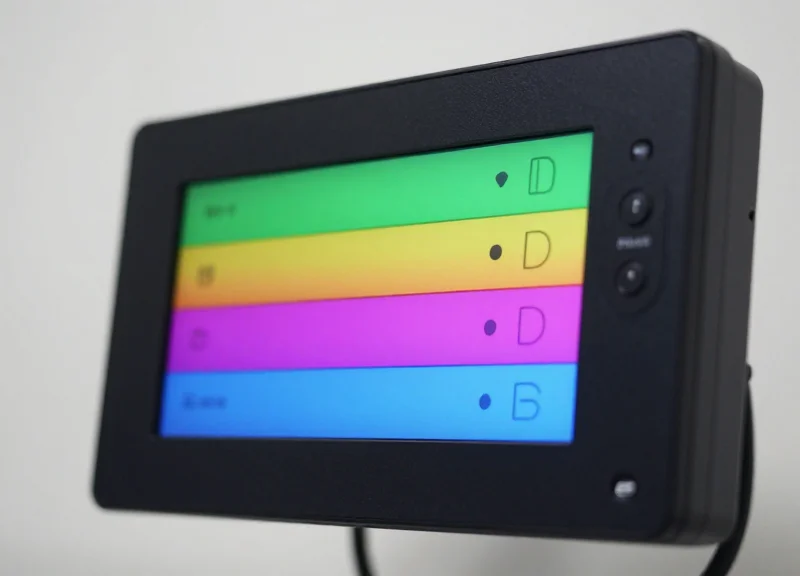
In the high-stakes environment of a hospital pharmacy, display clarity is the final line of defense against medication errors. Modern medical-grade ESLs utilize high-contrast, electrophoretic e-Paper technology to provide 180-degree viewing angles and paper-like legibility, ensuring that drug names, dosages, and barcodes remain perfectly readable under harsh fluorescent lighting. By 2026, the standard for pharmacy ESL has shifted from simple monochrome to sophisticated multi-color arrays—specifically Red, Yellow, and Black—designed to trigger immediate cognitive recognition of high-risk drugs (LASA), cold-chain requirements, or near-expiry stock.
| Color Signal | Clinical Application | Error Prevention Benefit |
|---|---|---|
| Steady Red | High-Alert Medications (ISMP list) | Triggers 'Stop & Double-Check' protocol before picking. |
| Flashing Yellow | Near-Expiry Stock (< 30 days) | Ensures First-Expired-First-Out (FEFO) adherence to reduce waste. |
| Inverted Black/White | Look-Alike Sound-Alike (LASA) Drugs | Breaks visual monotony to prevent 'expectation bias' errors. |
| Blue/Cyan (New for 2026) | Refrigerated/Cold Chain Only | Instant visual confirmation of storage temperature requirements. |
The shift to 4-color e-Paper (Black, White, Red, and Yellow) is a game-changer for 2026. Unlike retail tags that use color for promotional pricing, medical-grade displays use color as a 'Visual Pharmacist.' This dynamic UI allows the Pharmacy Information System (PIS) to automatically push 'Tall Man Lettering' configurations or hazard symbols directly to the shelf edge, neutralizing the human fatigue factor that often leads to picking the wrong concentration of a common drug.
What is the 'Decisive Second' in pharmacy ESL design?
It is the 1000ms window where a technician identifies a medication. High-resolution (200+ DPI) ESLs ensure that even small-font storage instructions are processed correctly within this window, preventing cognitive overload.
Why is 'Matte-Finish' glass essential for medical ESLs?
Hospital pharmacies often have high-intensity overhead lighting. Matte, anti-glare glass prevents 'white-out' spots on the screen, ensuring barcodes can be scanned from any angle without repositioning.
How does color coding assist in 'Look-Alike' drug management?
By using contrasting background colors for medications with similar names but different strengths (e.g., Heparin 1,000 units vs 10,000 units), the system creates a visual 'speed bump' for the technician.
Expert Tip: When selecting an ESL vendor for 2026, look for 'Chromatic Consistency' guarantees. In a clinical setting, a 'Red' alert must look identical across 5,000 labels. Inconsistent color rendering across different batches of labels can lead to 'signaling drift,' where staff begins to ignore alerts that aren't visually prominent, effectively defeating the purpose of the error-prevention system.
Durability and Hygiene Standards: IP Ratings and Chemical Resistance
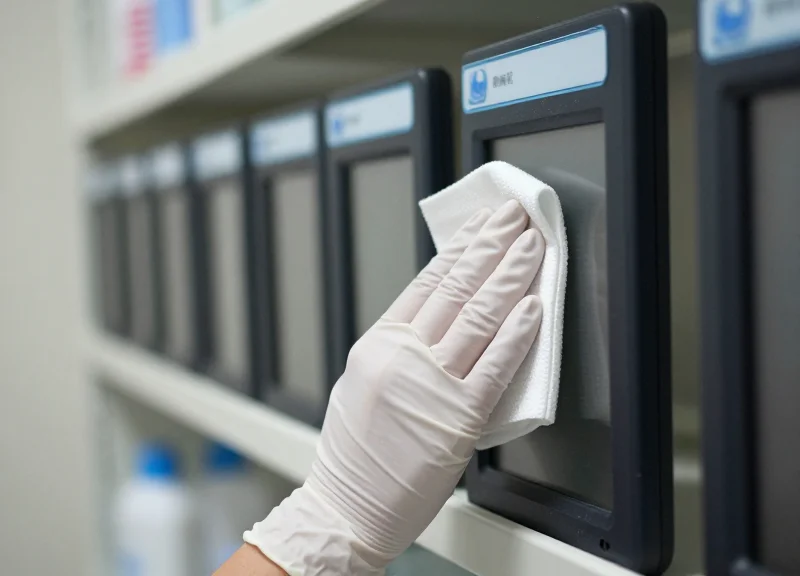
Medical-grade Electronic Shelf Labels (ESL) in hospital pharmacies must maintain structural integrity and display clarity while subjected to frequent sterilization cycles and extreme environmental conditions. To meet 2026 safety benchmarks, hardware must possess at least an IP67 rating for dust and liquid ingress and be constructed from medical-grade polymers resistant to high-concentration isopropyl alcohol (70%+) and hydrogen peroxide vapor (HPV) used in terminal cleaning. Unlike retail variants, these clinical-grade units are designed to prevent the internal electronics from corroding when exposed to the high-humidity environments typical of pharmacy refrigeration units and cleanroom preparation areas.
| Classification | IP Rating | Protection Level | Pharmacy Use Case |
|---|---|---|---|
| Retail Grade | IP54 | Limited dust/splash protection | Front-end retail shelving only |
| Clinical Grade | IP67 | Dust-tight / 30 min immersion | General pharmacy & compounding |
| Ultra-Durable | IP68 / IP69K | Hermetically sealed / high-pressure | Cold chain & sterile cleanrooms |
A critical, often overlooked factor in 2026 procurement is Environmental Stress Cracking (ESC). While many devices claim water resistance, the chemical surfactants found in medical-grade wipes—such as quaternary ammonium compounds—can cause standard plastics to become brittle and fracture over time. Expert Tip: Always specify 'Copolyester' or 'Medical-grade ABS' housings. These materials are chemically inert, ensuring that the device's seal remains intact throughout its 5-to-10-year lifecycle, preventing the growth of sub-surface bio-films that could compromise hospital hygiene protocols.
Can these ESLs operate in pharmacy refrigerators and freezers?
Yes, but they must be equipped with specialized low-temperature lithium batteries. Standard batteries fail or lose charge rapidly at 2°C to 8°C. Medical-grade units use optimized electrolytes to ensure display updates remain snappy even in cold storage.
Is an antimicrobial coating sufficient for hygiene?
Antimicrobial coatings are a secondary defense. The primary requirement is a 'gapless' design. If the ESL casing has visible seams or buttons, it can harbor pathogens. A fully sealed, touch-capacitive or smooth-surface ESL is preferred for infection control.
How do these units handle Hydrogen Peroxide Vapor (HPV)?
Units rated for cleanroom use are tested against HPV cycles. The e-paper screen must be bonded to the outer protective glass (optical bonding) to ensure no vapor can penetrate the air gap and fog the display.
Wireless Connectivity Protocols: Balancing Security and Interference
Selecting the right wireless protocol for a hospital pharmacy is a high-stakes engineering decision where connectivity must be 'invisible' to existing medical infrastructure while remaining 'invincible' to interference. In 2026, the industry standard has shifted from generic Wi-Fi-based solutions toward specialized Low-Power Wide-Area Network (LPWAN) protocols—primarily BLE 5.4, Zigbee, and Sub-GHz (LoRa)—to ensure that label updates occur in milliseconds without competing for bandwidth with life-saving patient monitoring systems or high-throughput surgical imaging tools.
| Protocol | Frequency Band | Interference Risk | Security Standard | Ideal Use Case |
|---|---|---|---|---|
| BLE 5.4 | 2.4 GHz | Moderate (Shares Wi-Fi Band) | AES-128 + PAwR | High-density outpatient pharmacies with mobile pick-up |
| Zigbee 3.0 | 2.4 GHz | Moderate (Mesh reliable) | AES-128 + Elliptic Curve | Large hospital basements with complex layouts |
| Sub-GHz (LoRa) | 868/915 MHz | Negligible (Isolated Band) | AES-128/256 Bit | Multi-floor facilities and lead-shielded areas |
Beyond signal propagation, security is the non-negotiable pillar of 2026 pharmacy technology. As hospitals increasingly face ransomware threats, ESL systems must employ enterprise-grade encryption and utilize 'Air-Gapped Gateway' architectures. This prevents lateral movement; even if a physical label is compromised, the gateway acts as a firewall, ensuring the ESL network remains a 'write-only' environment that cannot feed malicious data back into the Pharmacy Information System (PIS).
Does BLE interfere with 2.4GHz patient monitors?
Modern BLE 5.4 uses Adaptive Frequency Hopping (AFH) to automatically detect and avoid busy channels used by medical Wi-Fi, making it significantly safer than legacy 802.11 standards.
Why is Sub-GHz gaining traction in 2026?
Because the 800/900MHz bands penetrate concrete and lead-lined walls (common in oncology departments) far more effectively than 2.4GHz, requiring fewer gateways to maintain a 100% update success rate.
How does 'Listen-Before-Talk' (LBT) technology work?
LBT is a mandatory protocol in high-end medical ESLs that forces the label to check if the RF channel is clear before transmitting, ensuring no collision with emergency clinical alerts.
Expert Insight: The RF Shadowing Strategy. One unique trend for 2026 is the deployment of 'Directional Beamforming Gateways' in hospital pharmacies. Unlike standard omnidirectional antennas that flood the entire pharmacy with RF noise, these smart gateways focus signal energy only toward the shelving units. This reduces the overall noise floor of the facility by up to 40%, effectively leaving more 'clean air' for mission-critical telemetry and high-speed medical imaging traffic.
Security and Compliance: Meeting HIPAA and Data Protection Standards
In a modern hospital pharmacy, every Electronic Shelf Label (ESL) acts as a network-connected endpoint, making security a non-negotiable component of any 2026 deployment. To achieve HIPAA compliance and meet data protection standards like GDPR or CCPA, ESL systems must ensure that Protected Health Information (PHI)—such as patient-specific prescriptions or bedside dispensing data—is encrypted both during transmission and while at rest, preventing unauthorized access or data breaches that could compromise patient safety and hospital liability.
| Compliance Category | Technical Requirement | Hospital Pharmacy Application |
|---|---|---|
| Data Encryption | AES-128 or AES-256 | Protects medication names and patient IDs during wireless transmission. |
| Access Control | Role-Based Access (RBAC) | Restricts who can modify label content or system configurations. |
| Audit Logging | Immutable Change Logs | Tracks every price or data change for regulatory pharmacy audits. |
| Network Isolation | WPA3 & VLAN Tagging | Prevents lateral movement from ESL gateways to the main EHR network. |
Beyond basic encryption, the architecture of the ESL gateway serves as the primary firewall. By utilizing dedicated subnets and proprietary communication protocols on top of standard frequencies like BLE or Zigbee, pharmacies can 'air-gap' their labeling infrastructure from general hospital Wi-Fi. This ensures that even if a public-facing network is compromised, the integrity of the pharmacy's dispensing data remains intact.
Does an ESL system need to be HIPAA certified?
While hardware itself isn't 'certified,' the software and data handling processes must be HIPAA-compliant. This involves ensuring no unencrypted PHI is stored on the label's local cache and that all data exchanges with the Pharmacy Information System (PIS) are secure.
How do you handle physical security of the labels?
Anti-theft mounting and 'heartbeat' monitoring are essential. If a label is removed from the pharmacy area, the system should automatically wipe any displayed sensitive information to prevent unauthorized viewing.
What role does the 'Cloud' play in 2026 security?
Modern systems use Hybrid-Cloud models where sensitive PHI is processed locally (On-Premise), while system health and analytics are managed in a secure, SOC2-compliant cloud environment.
The 2026 Expert Insight: The 'Zero-Retentive Display' Policy. As we move into 2026, the industry gold standard is shifting toward Zero-Retentive Display policies. This involves configuring ESLs to only display 'Public' data (like drug names and dosages) while requiring a secure staff authentication (via NFC badge or biometric handheld) to toggle 'Private' patient-specific data on the screen. This physical-digital handshake ensures that patient privacy is protected from casual observers in high-traffic pharmacy areas.
Total Cost of Ownership (TCO) and ROI in 2026

In the 2026 pharmacy landscape, the Total Cost of Ownership (TCO) for Electronic Shelf Labels has evolved beyond the simple price-per-tag. A comprehensive TCO model now includes hardware acquisition, cloud-native integration, and specialized hospital-grade maintenance, while the Return on Investment (ROI) is primarily driven by the elimination of manual relabeling and the drastic reduction of pharmaceutical waste through automated 'First-Expiry, First-Out' (FEFO) protocols. For a typical mid-sized hospital pharmacy, the shift from paper to ESL typically results in a 100% ROI in less than two years, largely due to the reclamation of high-value pharmacist hours previously spent on clerical inventory tasks.
| Cost/Saving Category | Year 1 (Implementation) | Year 2-5 (Operations) | Impact on ROI |
|---|---|---|---|
| Hardware & Infrastructure | High (Tags, APs, Rails) | Low (Expansion only) | Primary CAPEX driver |
| Labor Costs | Neutral (Training) | 80% Reduction | Major long-term saving |
| Medication Waste | 20% Reduction | Up to 60% Reduction | High (Expired stock recovery) |
| Compliance & Audit | Streamlined | Automated | Risk mitigation value |
The 'Risk Mitigation Premium': An Original Perspective. While most ROI models focus on labor, the 2026 standard introduces the 'Risk Mitigation Premium.' By using multi-color ESL alerts for high-alert medications (Look-Alike/Sound-Alike), pharmacies can quantify the 'avoided cost' of dispensing errors. Based on current litigation and patient safety data, preventing a single major medication error can save a facility between $40,000 and $600,000—an amount that often pays for the entire ESL system implementation instantly, though it is rarely accounted for in traditional accounting spreadsheets.
- Baseline Labor Audit: Calculate the total hours spent by pharmacy technicians per week manually checking expiration dates and updating prices or stock levels.
- Shrinkage and Expiry Analysis: Review the annual fiscal loss attributed to expired medications that were 'lost' at the back of the shelf due to poor visibility.
- Integration & SaaS Projections: Factor in the subscription costs for cloud-based ESL management software, including security patches and API updates with the EHR.
- Battery Lifecycle Assessment: In 2026, ensure tags utilize high-density batteries or energy-harvesting tech to project a 10-year lifespan, minimizing mid-cycle replacement costs.
What is the typical payback period for hospital ESL?
Most hospital pharmacies see full amortization of the investment within 18 to 24 months, depending on the volume of inventory turnover and local labor rates.
Does ESL reduce the cost of regulatory compliance?
Yes. Automated logs and real-time pharmacy-wide updates simplify DSCSA compliance and Joint Commission audits, reducing the administrative burden by approximately 40%.
Are there hidden costs in medical-grade deployments?
The most common hidden cost is 'Integration Friction.' Ensure your TCO includes the IT hours required to map the ESL middleware to your specific Pharmacy Information System (PIS).
Step-by-Step Implementation Strategy for Healthcare Facilities
Implementing Electronic Shelf Labels (ESL) in a hospital pharmacy requires a structured, multi-phase approach that prioritizes data integrity and clinical workflow continuity. Unlike retail environments, healthcare deployment must account for rigorous sterilization cycles, real-time integration with Pharmacy Information Systems (PIS), and zero-failure safety protocols for high-alert medications. By following a 2026-ready roadmap, facilities can minimize disruption while immediately improving dispensing accuracy and stock visibility.
- Infrastructure Audit and RF Mapping: Conduct a comprehensive site survey to identify RF dead zones and interference from medical imaging or telemetry. In 2026, ensure your existing Wi-Fi 6E or 7 infrastructure can support the sub-GHz or BLE frequencies used by medical-grade ESL gateways.
- PIS and EHR Integration: Establish a secure API bridge between your ESL management software and the Electronic Health Record (EHR) or Pharmacy Information System. This ensures that changes in drug concentration or warnings are updated on the label in under 500 milliseconds.
- The 'High-Alert' Pilot Phase: Begin deployment in a controlled environment, such as the high-alert medication cabinet or the refrigerated biologics section. This allows for testing the hardware's durability in specialized temperatures before a facility-wide rollout.
- Clinician and Staff Onboarding: Execute a hands-on training program focused on 'Actionable Labels.' Staff must be trained to use ESL button triggers for instant stock replenishment requests or to flag expired vials.
- Iterative Scaling and Optimization: After a 30-day pilot, analyze update latency and staff feedback. Gradually expand to satellite pharmacies, floor stock areas, and emergency departments using a modular template system.
| Implementation Phase | Primary KPI | Target Duration |
|---|---|---|
| Technical Validation | Network Latency < 1s | 1-2 Weeks |
| Pilot Deployment | Reduction in Picking Errors | 4 Weeks |
| Staff Training | 100% Competency Score | 1 Week |
| Full-Scale Rollout | TCO Breakeven Progress | 3-6 Months |
Expert Insight: The 'Shadow-Labeling' Protocol. To eliminate risk during the transition, utilize a 'Shadow-Labeling' period. For the first 72 hours of live deployment, keep the original paper barcode adjacent to the new ESL. Use a mobile audit tool to scan both; if the data matches perfectly across 1,000+ updates, the paper is removed. This redundant verification phase is the gold standard for 2026 healthcare IT implementations to prevent medication reconciliation errors.
How do we handle ESL battery maintenance during scaling?
Modern 2026 ESLs utilize e-paper technology with 10-15 year battery lives. We recommend a centralized management dashboard that sends low-battery alerts to the facilities team six months before expected failure.
Can ESLs be cleaned with standard hospital-grade disinfectants?
Yes, provided they are IP67 or IP68 rated. During implementation, verify that the screen material is resistant to high-concentration isopropyl alcohol and hydrogen peroxide vapors.
What happens if the hospital Wi-Fi goes down?
Medical-grade ESLs feature 'Offline Persistence.' They will continue to display the last verified data and cached QR codes, ensuring pharmacists can still access medication info even during a network outage.