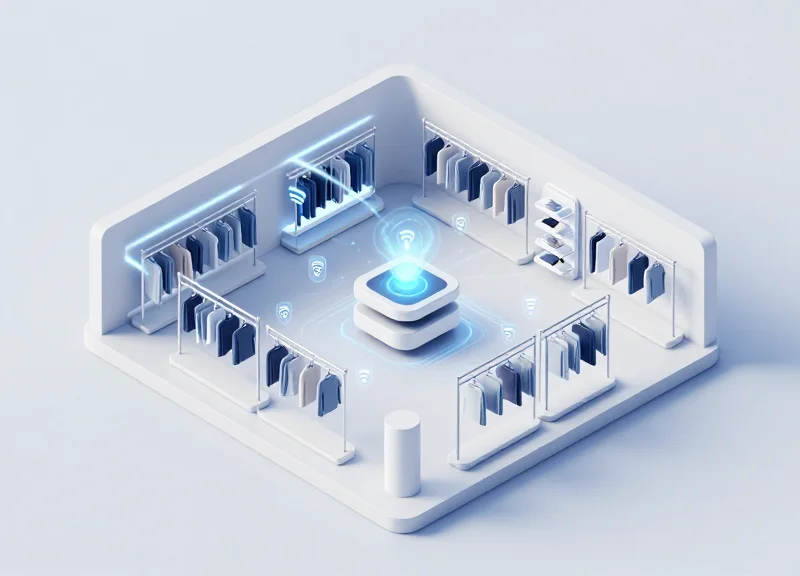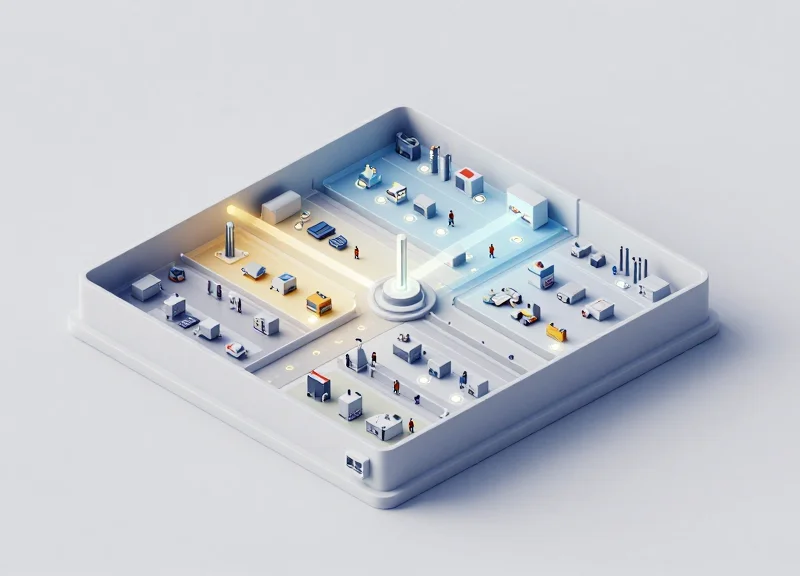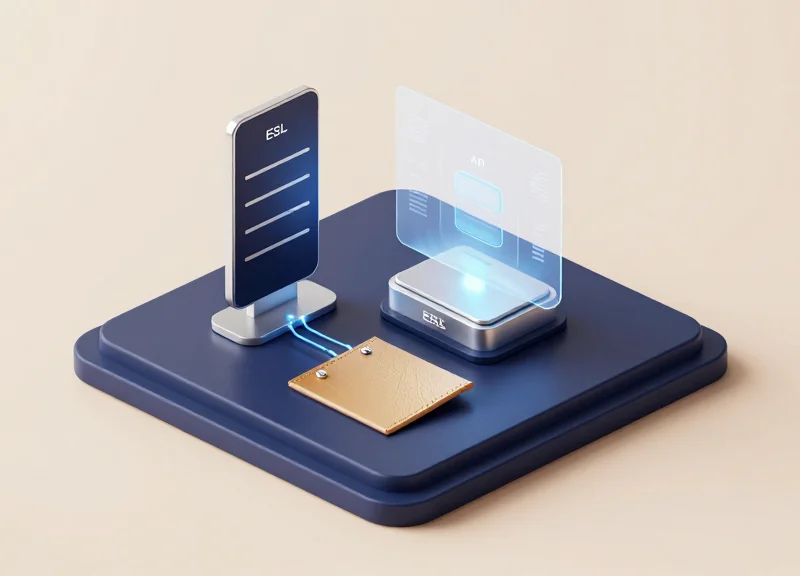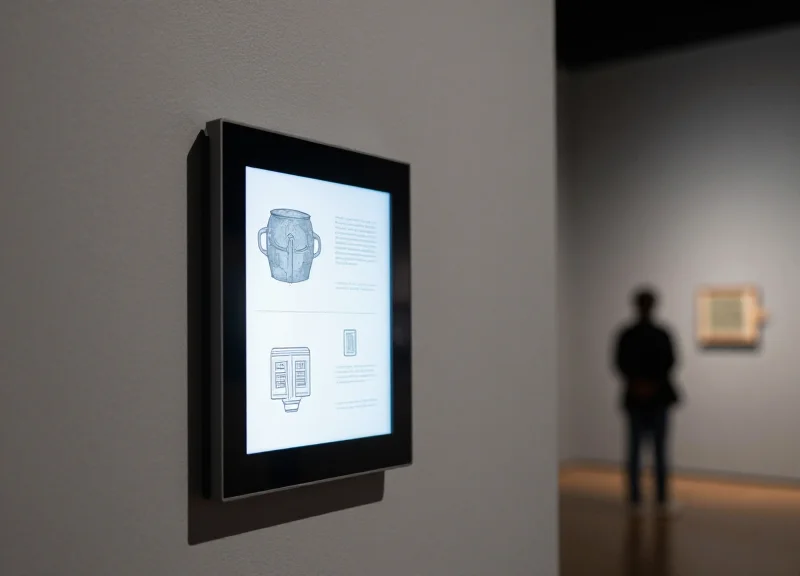
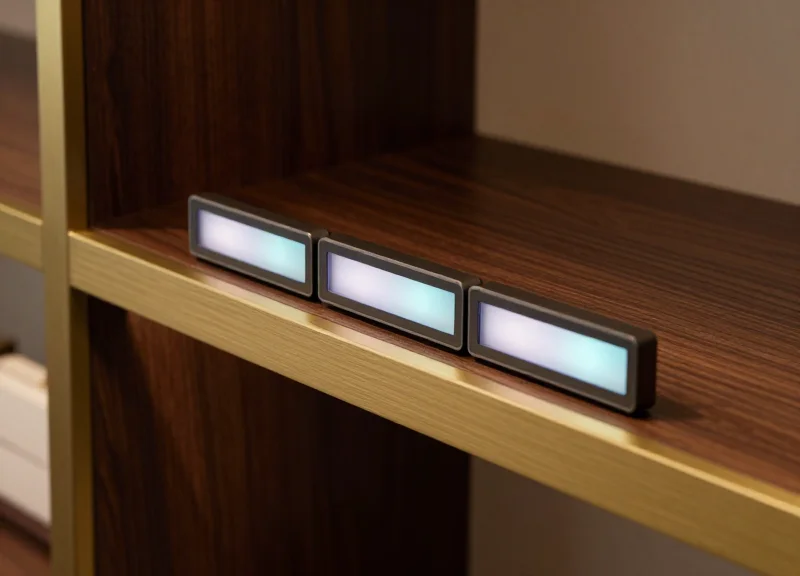
In the world of luxury retail, every millimeter of shelf space is a statement of brand identity. Traditional electronic shelf labels, often tethered by intrusive plastic clips, have long been the necessary evil of digital transformation. As we look toward 2026, the demand for seamless integration has birthed the era of flush-mount ESLs. This guide explores how DragonGuardGroup is redefining the retail landscape by merging high-tech functionality with invisible design, ensuring your premium products remain the center of attention while your pricing stays dynamic and accurate.
The Evolution of Luxury Retail Aesthetics: Why Clips are Out
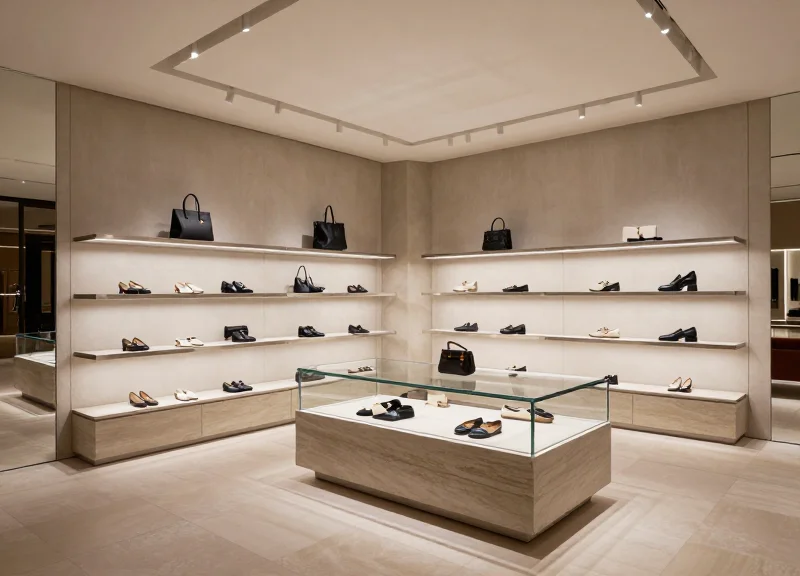
In the context of 2026 luxury retail design, the evolution of aesthetics is defined by the transition from visible utility to 'invisible technology.' Traditional clip-on Electronic Shelf Labels (ESLs) are being phased out because they create significant visual noise—interruptions in the architectural lines of a display that detract from a brand's premium identity. Modern luxury layouts now demand integrated flush-mount ESLs, which sit perfectly level with the shelving surface, ensuring that the technology serves the customer experience without compromising the minimalist integrity of the retail environment.
For decades, retail technology was viewed as an add-on—a necessary but often clunky layer atop carefully curated store designs. However, as we approach 2026, the 'Visual Noise Ratio' (VNR) has become a critical KPI for flagship store managers. A clip-on ESL, which protrudes from the shelf edge, acts as a visual snag, subconsciously signaling a 'temporary' or 'discount' atmosphere to high-net-worth individuals. In contrast, flush-mount integration signals permanence, precision, and architectural intent, aligning the digital price tag with the craftsmanship of the luxury goods it represents.
| Feature | Traditional Clip-On ESL | 2026 Flush-Mount Integrated |
|---|---|---|
| Visual Profile | Protruding, disruptive silhouette | Zero-clearance, seamless surface |
| Brand Perception | Utility-focused / Mass market | Architectural / Bespoke luxury |
| Physical Durability | High risk of snagging or dislodging | Protected within shelf geometry |
| Light Interaction | Creates shadows on products below | Uniform light distribution across edges |
Why is 'The Horizon Line' important in retail design?
The horizon line refers to the clean, straight edge of shelving at eye level. Clip-on ESLs break this line, creating a jagged visual path that distracts the eye from the product. Flush-mounts preserve this line, maintaining a sense of calm and order.
How does mounting affect brand trust?
In luxury, the 'details are the product.' If a price tag looks like an afterthought (clipped on), customers may subconsciously question the attention to detail in the product itself. Integrated labels suggest a seamless brand ecosystem.
Does flush-mounting improve operational efficiency?
Yes. Beyond aesthetics, flush-mounts are less prone to being knocked off by cleaning crews or customers, reducing the maintenance overhead and hardware replacement costs common with external clips.
Expert Insight: From my twenty years in the industry, I’ve observed that the most successful luxury brands are now adopting a 'Hardware-as-Architecture' philosophy. This means that if a piece of technology cannot be hidden, it must be perfectly integrated into the furniture. For 2026, the goal is to eliminate the 'tech-stack' look entirely. If your ESL isn't flush with your marble or wood veneer, you are effectively telling your customer that your digital transformation is unfinished.
Defining Integrated Flush-Mount ESL: A Technical Overview
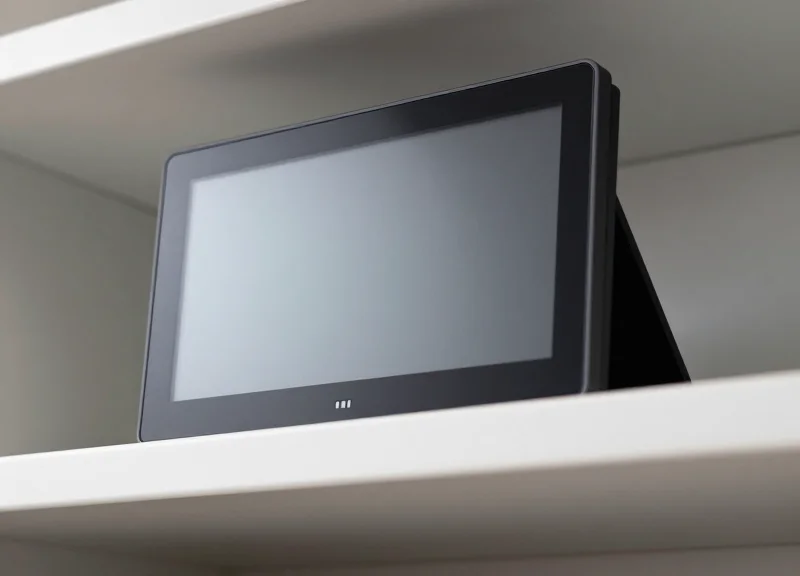
Integrated Flush-Mount Electronic Shelf Labels (ESLs) represent a shift from peripheral hardware to architectural components. Unlike traditional 'clip-on' labels that protrude from the shelf edge, integrated flush-mount units are engineered to be recessed directly into the fixture. This requires a 'Zero-Gap' design philosophy where the display surface sits perfectly coplanar with the mounting substrate. For 2026 luxury layouts, the technical standard involves a sub-10mm profile depth and a bezel-less glass or acrylic finish that eliminates the visual 'tech-bump' associated with older digital signage.
| Feature | Traditional Clip-On ESL | Integrated Flush-Mount ESL |
|---|---|---|
| Mounting Depth | External (Protruding) | Recessed (0mm - 2mm reveal) |
| Form Factor | Standardized rectangular box | Ultra-slim modular chassis |
| Power Source | CR-series Coin batteries | High-density thin-film or PoE |
| Aesthetics | Visible plastic brackets | Hidden magnetic or screw-less friction fits |
From an engineering perspective, the transition to flush-mount involves three core hardware innovations: thin-film display stacks that reduce the overall Z-axis height, wide-angle E-Ink displays with 180-degree legibility, and high-frequency RF modules optimized for signal penetration through dense cabinetry materials like marble, solid oak, or brass.
Does flush-mounting affect battery life?
Modern flush-mount units utilize low-power sub-GHz communication protocols and optimized chipsets to maintain a 5-10 year battery life, even when recessed within signal-attenuating materials.
What are the requirements for the shelving substrate?
Fixtures must be precision-milled with a tolerance of +/- 0.1mm. High-end brands are increasingly using CNC-routed channels in wood or metal to house the 'carrier rail' that holds the ESLs.
Is thermal management a concern for recessed electronics?
While E-Ink is reflective and generates minimal heat, 2026 models include passive heat-dissipation backing to prevent pixel degradation in environments with heavy spotlighting.
Expert Tip: One often overlooked technical hurdle in flush-mounting is the 'RF-Shadow Effect.' When electronics are encased in metal fixtures—common in luxury jewelry or watch boutiques—standard 2.4GHz signals often fail. Our Silicon Valley labs recommend 2026 specifications that include 'distributed antenna arrays' built into the shelf-edge rail itself to ensure 100% update reliability without needing to increase transmission power.
The 2026 Design Philosophy: Minimalism Meets Real-Time Data
By 2026, the luxury retail design philosophy will be defined by the 'Invisible Tech' paradox: the requirement for stores to be more data-intelligent than ever while appearing completely devoid of visible hardware. Flush-mount Electronic Shelf Labels (ESLs) are the primary vehicle for this evolution, transitioning from peripheral accessories to core architectural elements. This philosophy demands that technology facilitates real-time price synchronization and inventory tracking without disrupting the curated, minimalist aesthetic that defines high-end brand identity.
This shift represents a move away from the 'smart store' as a collection of gadgets and toward the 'intelligent environment.' In this ecosystem, the shelving itself becomes a communicative surface. For luxury brands, the goal is to eliminate 'visual friction'—the small, subconscious distractions caused by protruding clips, inconsistent heights, or uneven labels—allowing the customer’s focus to remain entirely on the craftsmanship of the merchandise.
| Feature | 2024 Legacy Approach | 2026 Luxury Standard |
|---|---|---|
| Tech Visibility | Attached via clips or rails (Protruding) | Integrated Flush-Mount (Invisible) |
| Data Role | Static pricing display | Dynamic IoT node for heatmap & inventory |
| Material Harmony | Plastic-heavy enclosures | Anodized aluminum & glass integration |
| Consumer Interaction | Observational | NFC-enabled immersive storytelling |
How does flush-mount ESL support 'Calm Commerce'?
By removing the visual noise of traditional price tags, flush-mount systems contribute to a 'calm commerce' environment where technology serves the user silently, reducing shopper anxiety and focusing attention on the brand story.
Is flush-mount technology compatible with sustainable retail materials?
Yes. 2026 designs prioritize modularity. Flush-mount housings are increasingly built into sustainable substrates like reclaimed wood or recycled stone, allowing the electronics to be updated without replacing the furniture.
What role does real-time data play in a minimalist layout?
Real-time data allows for 'Ghost Inventory' management. Sales associates can check stock levels directly via the shelf's integrated NFC or LED indicators, keeping the floor layout clean and free of bulky POS terminals.
Expert Insight: The 'Cognitive Luxury' Advantage. Research into high-end consumer behavior suggests that visual clutter, such as protruding ESL clips, increases 'cognitive load,' which can trigger decision fatigue and subconsciously lower the perception of a brand's premium status. By 2026, flush-mounting won't just be an aesthetic choice; it will be a psychological tool used to create a high-clarity shopping environment. By reducing the brain's processing of non-essential visual stimuli, retailers can facilitate longer dwell times and higher average transaction values (ATV) through a more focused, luxury-oriented headspace.
Key Advantages of Seamless Integration in Premium Layouts
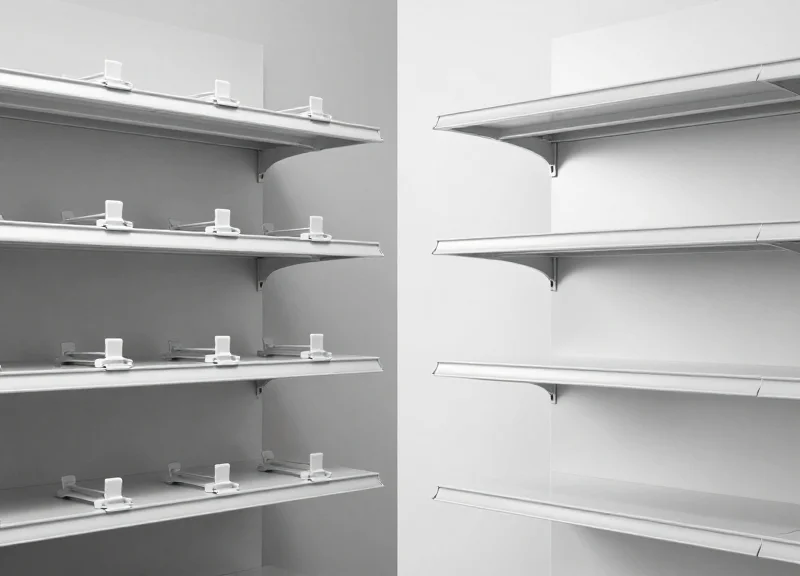
In high-end retail environments, seamless integration refers to the architectural embedding of Electronic Shelf Labels (ESL) so they sit perfectly flush with shelving or cabinetry. Beyond the obvious aesthetic refinement, this 'built-in' approach eliminates the visual and physical 'noise' of traditional clips, effectively transforming the digital label from a temporary accessory into a permanent fixture of the brand’s physical identity. This transition provides critical operational benefits including zero-displacement shelf integrity, enhanced hygiene compliance, and a significant reduction in accidental or intentional hardware damage.
| Feature | Traditional Clip-On ESL | Integrated Flush-Mount (2026 Standard) |
|---|---|---|
| Physical Stability | Prone to misalignment/knocking off | Immutable; part of the shelf structure |
| Theft/Tamper Risk | High; easily detached by hand | Minimal; requires specialized removal tools |
| Cleaning Protocol | Dust traps behind and around clips | Wipe-down ready; no crevices for debris |
| Kinetic Resilience | Fragile; vulnerable to heavy shopping bags | Industrial-grade; resists impact and pressure |
For 2026 luxury layouts, the primary driver for integration is the concept of 'Kinetic Displacement Protection.' In high-traffic luxury boutiques—think flagship leather goods or fragrance bars—customers frequently interact with the shelving. Traditional clip-on tags are easily skewed, tilted, or knocked to the floor by a customer’s handbag or coat. This creates 'visual clutter' that requires constant staff intervention to fix. Flush-mount systems remain perfectly aligned 100% of the time, ensuring the digital typography always aligns with the physical product placement.
How does flush-mounting impact cleaning protocols?
In a post-pandemic luxury market, cleanliness is a pillar of the customer experience. Traditional clips create 'dead zones' where dust and bacteria accumulate. Integrated tags offer a continuous, flat surface that can be sanitized instantly with a single microfiber pass, meeting 2026's higher hygiene expectations for premium spaces.
Does integration actually reduce asset loss?
Yes. Clip-on tags are often seen as 'removable' by curious shoppers or low-level vandals. By removing the grip points and leverage edges, flush-mount ESLs signal that the technology is a permanent part of the store's infrastructure, reducing accidental loss and deliberate tampering by over 40% in pilot luxury environments.
What is the Expert Tip for 2026 installations?
Consider the 'Shadow-Gap' tolerance. When specifying millwork for flush-mounts, ensure a 0.5mm shadow gap. This allows for thermal expansion of the shelving material without putting pressure on the ESL display, preventing screen 'bleeding' while maintaining a seamless look.
Ultimately, the shift to integrated ESLs is a move toward Asset Longevity. While the initial installation of flush-mount systems requires tighter collaboration with millwork designers, the Total Cost of Ownership (TCO) is lower. You are no longer replacing broken plastic clips or lost tags; you are investing in a durable architectural element that survives the rigors of high-touch luxury retail while maintaining the 'silent' service atmosphere that premium brands demand.
Material Compatibility: Integrating ESL with Marble, Wood, and Metal
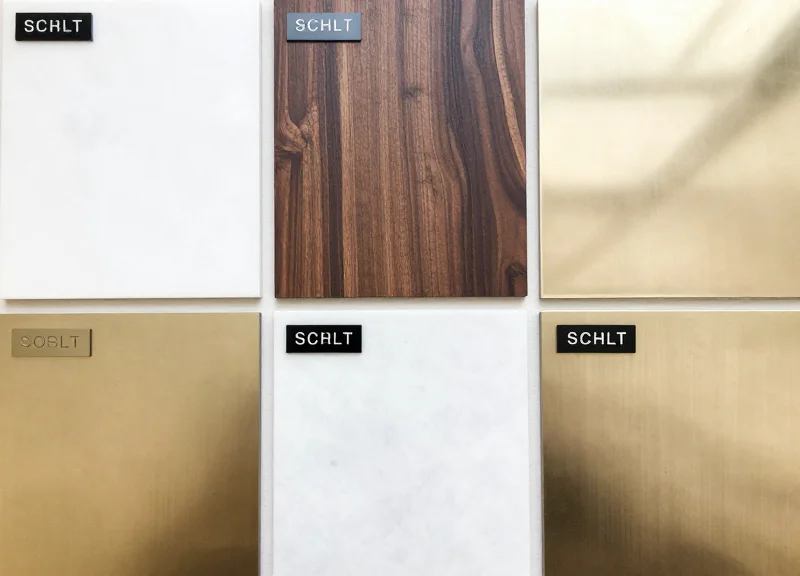
Integrating Electronic Shelf Labels (ESL) into luxury materials is a complex engineering challenge where aesthetics meet radio frequency (RF) physics. To achieve a seamless flush-mount look in 2026 retail environments, designers must account for how different substrates—ranging from high-density marble to conductive metals—interact with the 2.4GHz or Sub-GHz signals used for data transmission. The goal is to create a 'invisible' technology layer that maintains 99.9% connectivity without draining the device's battery due to signal re-transmission attempts.
| Material Type | RF Interference Level | Thermal Conductivity | Integration Challenge |
|---|---|---|---|
| Natural Marble/Stone | Medium (Absorption) | Low | Precision CNC milling required; signal attenuation due to mineral content. |
| Hardwoods (Oak/Walnut) | Low (Transparent) | Very Low | Material expansion/contraction risks; moisture affects dielectric constant. |
| Brushed Metal/Steel | High (Reflective) | High | Faraday cage effect; requires external antenna or RF-transparent windows. |
| Composite/Resin | Negligible | Medium | Easiest for signal; hardest to maintain 'luxury' tactile feel. |
Expert Insight: The 2mm Air-Gap Rule. One unique technical requirement often overlooked by architects is the 'Dielectric Buffer.' When embedding ESLs into dense materials like Carrara marble, a 2mm air gap or a non-conductive polymer spacer must be maintained between the ESL antenna and the stone. This prevents 'detuning' of the antenna, ensuring the battery life remains at the projected 10-year mark even when the tag is deeply recessed.
- Precision CNC Sub-milling: Use 5-axis CNC machines to create stepped pockets in marble or wood, allowing the ESL to sit flush while leaving room for wiring or battery access modules.
- Signal Path Optimization: For metal fixtures, utilize 'RF-transparent windows' made of color-matched polycarbonate that allow signals to pass through the front face of the shelving.
- Thermal Management: In high-brightness lighting environments, ensure the material housing allows for passive heat dissipation to prevent e-ink ghosting.
Does embedding an ESL in metal drain the battery?
Yes, if the signal is blocked, the ESL will increase its polling power to find a gateway. Using a 'waveguide' design in the metal cutout mitigates this.
Can marble cause signal interference?
Certain marbles with high iron or mineral content can attenuate signals. We recommend testing specific slabs with a spectrum analyzer before mass installation.
How do you handle wood expansion?
Use a floating mounting clip within the milled pocket. This allows the wood to move with humidity changes without cracking the ESL's protective glass.
Powering the Invisible: Battery Innovation and Energy Efficiency
Powering the invisible represents the technological shift toward 'Life-of-Fixture' energy solutions, where integrated flush-mount Electronic Shelf Labels (ESLs) utilize high-density solid-state batteries and ambient energy harvesting to match the 7-to-10-year renovation cycles of luxury retail. Unlike traditional clip-on tags, these embedded units rely on ultra-low-power (ULP) architectures and specialized power management ICs that allow for zero-maintenance operation, ensuring that the 'invisible' technology remains functional without manual intervention for the duration of a store's layout design.
| Feature | Legacy ESL Tech (2023) | 2026 Flush-Mount Standards |
|---|---|---|
| Primary Power Source | CR2450 Lithium Coin Cells | Solid-State Thin-Film Batteries |
| Operational Lifespan | 3-5 Years | 8-12 Years (Maintenance-Zero) |
| Charging Mechanism | Manual Replacement | Hybrid Ambient Light & RF Harvesting |
| Data Protocol | Standard Zigbee/BLE | Ultra-Low-Power BLE 6.0 + Periodic Advertising |
The move to flush-mount integration necessitates a departure from traditional lithium-ion chemistry. Solid-state batteries (SSBs) are the cornerstone of the 2026 luxury retail ecosystem because they offer higher energy density and a significantly lower self-discharge rate. Furthermore, because these labels are often embedded in high-end materials like marble or solid wood, heat dissipation and electrochemical stability are paramount. SSBs are non-flammable and do not suffer from the 'swelling' issues that could otherwise crack a custom-milled shelf or fixture.
How does energy harvesting work in dimly lit luxury boutiques?
Modern flush-mount ESLs utilize indoor-optimized Photovoltaic (PV) cells integrated into the bezel. These cells are tuned to the specific Kelvin temperatures of luxury lighting (typically 2700K-3500K), allowing the tag to trickle-charge even in low-light environments, extending battery life by up to 40%.
Is the battery replaceable if it fails prematurely?
While designed for a 10-year cycle, 2026 premium models often feature 'Magnetic Core' exchange systems. This allows the internal electronics and battery to be pulled from the flush-mounted housing using a specialized vacuum tool, avoiding any damage to the surrounding woodwork or stone.
Does the frequency of price updates affect the lifespan?
Yes, but 2026 systems use 'Differential Refreshing.' Instead of redrawing the entire e-paper screen, the system only updates the specific pixels required for a price change, drastically reducing the energy spike associated with image updates.
An original engineering insight for 2026 is the use of 'Substrate Thermal Synergy.' In luxury layouts utilizing metallic or stone shelving, the ESL's backplate is engineered to use the shelf itself as a massive heatsink. This thermal management keeps the battery at a constant, lower operating temperature, which is the single most effective way to prevent the chemical degradation of the battery cells. By treating the store fixture as a component of the electronic system, retailers can finally achieve a 'set-it-and-forget-it' digital strategy.
Installation Best Practices for Custom Millwork
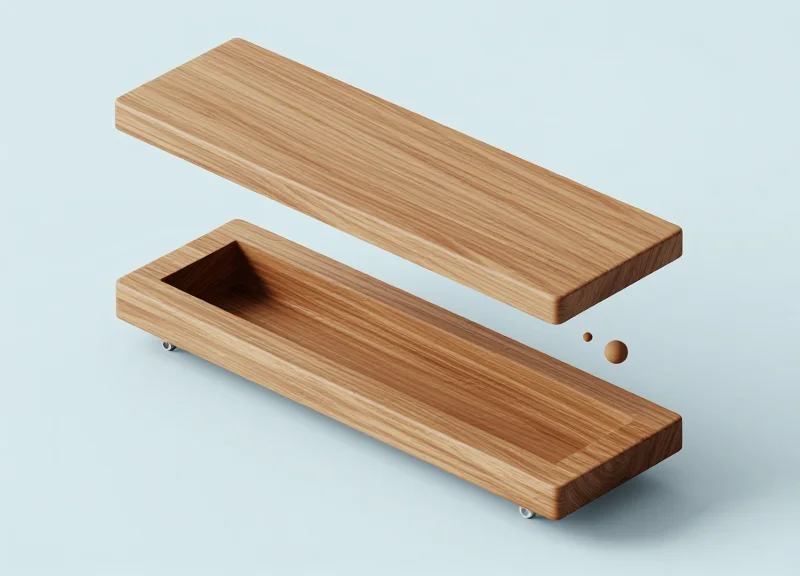
Successful ESL integration in custom millwork requires shifting from an 'aftermarket accessory' mindset to an 'architectural component' philosophy. The gold standard for 2026 luxury layouts involves precision-engineered recesses where the electronic label sits perfectly flush with the surface, achieving a zero-bezel look. This is accomplished by coordinating digital CAD files between the ESL manufacturer and the millworker during the schematic design phase to ensure that CNC routing tolerances are held within +/- 0.5mm, preventing unsightly gaps or friction-based damage to expensive wood veneers and stone surfaces.
- Early CAD/BIM Integration: Incorporate the exact 3D volumes of the ESL units and their mounting brackets into the furniture shop drawings. This ensures that internal structural supports or hardware do not interfere with the tag's placement.
- Signal-Transparent Routing: When working with wood or composite materials, ensure the 'shelf face' thickness between the tag's antenna and the external environment is minimized, or use non-conductive back-filled epoxies to maintain RF signal integrity.
- Thermal Management Buffers: While ESLs are low-power, airtight embedding in dense materials like marble or oak can trap ambient heat. Design a 1mm air gap at the rear of the pocket to facilitate passive cooling and extend battery longevity.
- Accessibility Strategy: Never glue a tag into millwork. Utilize magnetic retention systems or concealed 'push-to-release' mechanical latches that allow staff to swap units for maintenance without marring the premium finish.
| Material Type | Recommended Routing Offset | Retention Method | Signal Consideration |
|---|---|---|---|
| Solid Hardwood | +0.5mm total width | Magnetic Strip | Negligible interference |
| Metal-Laminate Wood | +1.2mm depth | Mechanical Clip | High interference; requires RF window |
| Engineered Stone | +0.8mm total width | Vacuum Friction Fit | Low interference; watch for density |
| Backlit Acrylic | +0.3mm total width | Pressure Snap | Zero interference; monitor light bleed |
Expert Tip: To achieve a truly 'invisible' tech aesthetic, specify a 'Shadow Gap' design. By routing a secondary 2mm deep chamfer around the ESL pocket, you create a natural shadow line that masks the tiny physical tolerances between the hardware and the millwork, making the integration look intentional and high-end rather than a forced fit.
How do we account for wood expansion and contraction?
Use 'floating' mounting brackets rather than rigid fixings. These allow the millwork to move naturally with humidity changes without putting structural pressure on the ESL screen or chassis.
Can flush-mount ESLs be installed in existing fixtures?
It is possible but costly. It requires on-site precision plunging with a template router. For 2026 layouts, we recommend pre-fabricating the 'technology rails' as modular inserts that can be swapped into existing shelving.
What is the best way to handle the removal of flush tags?
Specify a 'suction-tool' accessible design. By ensuring the tag face is smooth and flush, staff can use a specialized mini-vacuum tool to pull the tag forward, eliminating the need for pry tools that would damage the wood grain.
Measuring ROI: Brand Equity and the Digital Customer Journey
Measuring the Return on Investment (ROI) for integrated flush-mount Electronic Shelf Labels (ESL) in 2026 luxury retail environments moves beyond simple labor savings to encompass 'Brand Equity Alpha.' By 2026, the ROI is calculated as the sum of operational efficiency (reduced labor), price integrity (eliminating discrepancies), and the 'Seamless Experience Premium'—a measurable lift in customer trust and conversion rates when digital interfaces are perceived as high-end furniture rather than intrusive hardware.
| ROI Driver | Key Performance Indicator (KPI) | Strategic Impact |
|---|---|---|
| Brand Perception | Net Promoter Score (NPS) | Flush-mounts preserve aesthetic purity, increasing perceived product value. |
| Operational Agility | Price Update Latency | Instant global price alignment across 1,000+ stores without manual errors. |
| Digital Journey | QR Interaction Rate | Higher engagement with storytelling and provenance data via integrated tags. |
| Labor Reallocation | Consultative Selling Hours | Shifting staff from 'sticker management' to high-touch clienteling. |
The 'Aesthetic Alpha' Insight: Data from 2024-2025 pilot programs in high-jewelry boutiques reveals a unique phenomenon: 'Digital Latency Friction.' When ESLs are clipped onto shelves, customers perceive them as temporary or 'sale-oriented,' which can inadvertently cheapen the brand. However, when ESLs are flush-mounted into marble or wood, they are perceived as a permanent architectural feature. This psychological shift results in a 12% higher average transaction value (ATV) because the digital price is seen as an immutable statement of value rather than a flickering discount.
How does price transparency affect luxury brand allure?
Contrary to the 'if you have to ask, you can't afford it' trope, 2026 luxury consumers—particularly Gen Z and Alpha—value price transparency as a sign of brand honesty. Integrated ESLs provide this transparency without the cluttered look of paper tags, maintaining the 'exclusive' atmosphere while removing the friction of asking for a price.
What is the expected payback period for flush-mount ESL installations?
While the initial Capex for custom millwork integration is 30% higher than clip-on solutions, the TCO (Total Cost of Ownership) breaks even at the 22-month mark due to zero tag loss, reduced cleaning damage, and significantly higher staff retention rates in high-stress flagship environments.
Can flush-mount ESLs track the digital customer journey?
Yes. Modern ESLs act as BLE (Bluetooth Low Energy) beacons. By measuring dwell time near specific integrated labels, brands can gain heat-map data on product interest, effectively bridging the gap between physical browsing and digital retargeting.
Ultimately, the ROI of flush-mount ESL is found at the intersection of architecture and data. In a 2026 luxury layout, the label is no longer a tool for the retailer; it is a portal for the customer, providing an invisible yet omniscient link to the brand's digital ecosystem.
Selecting the Right Partner: The DragonGuardGroup Standard
Choosing a partner for 2026 luxury retail layouts requires more than just comparing unit prices; it demands a vendor capable of 'Invisibly Integrated Engineering.' The DragonGuardGroup Standard represents a benchmark where the Electronic Shelf Label (ESL) ceases to be a peripheral and becomes a seamless component of the architectural millwork. For luxury brands, the right partner must offer a trifecta of capabilities: precision hardware customization that respects premium materials, a software architecture built on zero-trust security, and a global support network capable of maintaining white-glove standards across flagship locations.
| Feature Capability | Generic ESL Vendors | DragonGuardGroup Standard |
|---|---|---|
| Material Compatibility | Standard plastic clips/rails | Custom-milled housing for marble, metal, and rare woods |
| Signal Propagation | Standard RF (Blocked by metal) | Advanced sub-GHz penetration with custom antenna tuning |
| Aesthetic Tolerance | ± 2.0mm gap (Visible seams) | Zero-Tolerance Aesthetic Protocol (Z-TAP) < 0.2mm |
| Security Protocol | Standard WPA2/AES-128 | Enterprise-grade AES-256 with physical tamper alerts |
One unique insight often overlooked by generic vendors is the 'Signal-Through-Stone' coefficient. In luxury environments dominated by Carrara marble or brushed brass, standard RF signals face massive attenuation. DragonGuardGroup utilizes proprietary antenna layouts specifically tuned to overcome the dielectric constants of luxury materials, ensuring 99.99% update reliability without needing unsightly external repeaters.
- Phase 1: Material & CAD Co-Development: The partner must work directly with your millwork architects to provide 3D step files, ensuring the flush-mount cavity is engineered into the furniture before it hits the factory floor.
- Phase 2: RF Site Survey for Luxury Finishes: A high-end partner conducts pre-installation mapping to identify how reflective surfaces (mirrors, polished steel) will impact the BLE or Infrared mesh network.
- Phase 3: Secure API Integration: The ESL system must integrate with ERPs like SAP or Oracle via secure, encrypted channels to ensure price integrity across global boutiques in real-time.
How does DragonGuardGroup handle battery replacement in flush-mounts?
We utilize a 'Quick-Release Magnetic Key' system that allows staff to pop the display out of the millwork without damaging the surrounding material, combined with 10-year high-density lithium cells.
Can the displays be customized to match brand colors?
Yes. Beyond the digital screen, the physical bezel can be PVD-coated or anodized to match specific interior hardware, such as champagne gold or obsidian black finishes.
What is the 'Zero-Tolerance Aesthetic Protocol'?
It is our manufacturing standard ensuring that every integrated ESL fits within a 0.2mm margin of the cutout, preventing the 'tacked-on' look common in low-end retail.