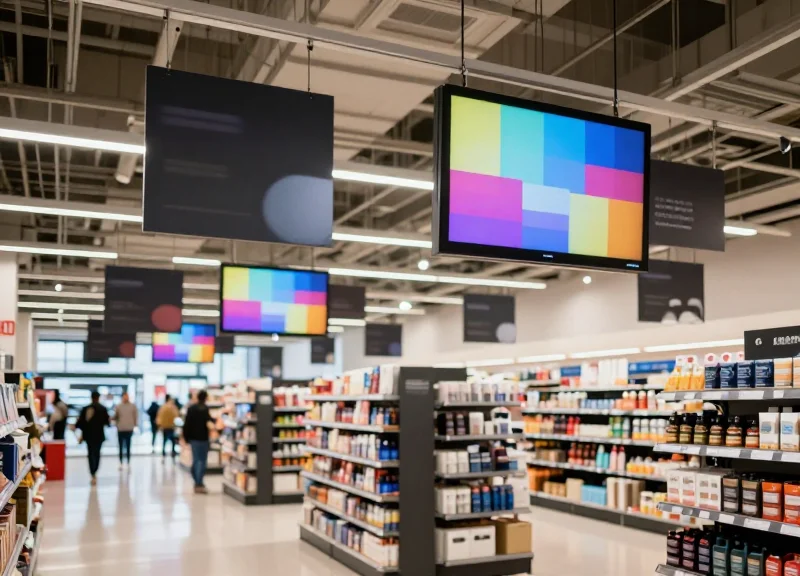
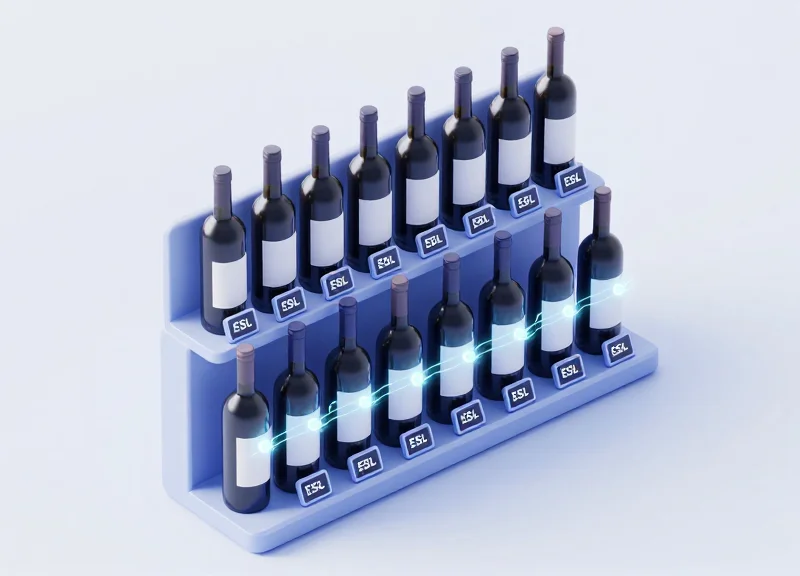
In the competitive landscape of premium viticulture, the concept of terroir—the unique environmental factors that affect a crop's phenotype—is the cornerstone of brand value. However, wine retailers and distributors often struggle to communicate these complex narratives at the point of sale. Traditional paper labels are static, labor-intensive, and prone to error, especially when managing vintage transitions across multiple regions. This article explores how cutting-edge Electronic Shelf Labels (ESL) with NFC capabilities and automated vintage updates are revolutionizing the industry, allowing brands to tell their story dynamically while streamlining operational workflows.
The Evolution of Wine Retail: Moving Beyond Static Labels
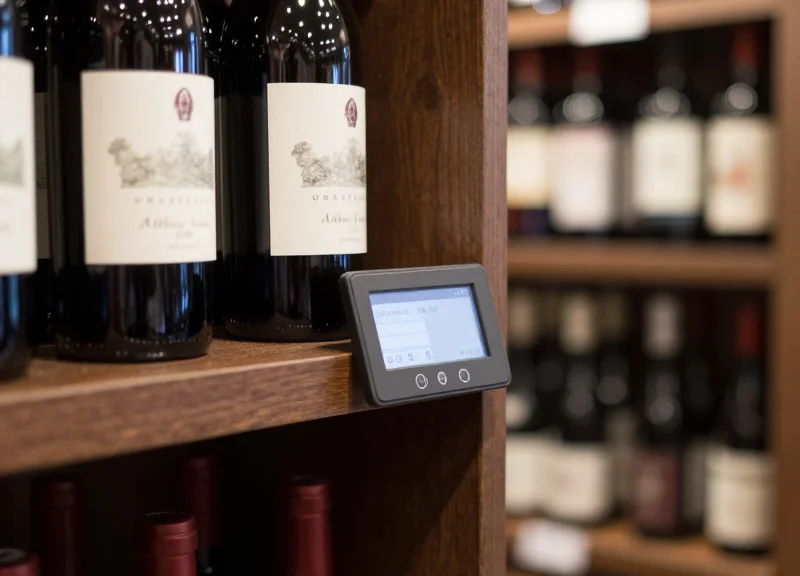
The evolution of wine retail represents a fundamental shift from transactional displays to experiential environments. Historically, the wine shelf has been a graveyard of static data; paper labels offer limited real estate and quickly become obsolete as vintages roll over or critic scores update. Modern wine retail is overcoming this 'information latency' by adopting Electronic Shelf Labels (ESL) and Near Field Communication (NFC), turning the shelf edge into a dynamic portal. This digital transformation allows retailers to synchronize inventory data with rich, region-specific storytelling, ensuring the consumer's journey from discovery to purchase is powered by the most current and compelling 'terroir' data available.
| Feature | Traditional Paper Labels | NFC-Enabled Digital ESL |
|---|---|---|
| Data Accuracy | Manual updates; high risk of vintage mismatch. | Automated; syncs with POS and Inventory CMS. |
| Content Depth | Price and basic appellation only. | Tasting notes, soil profiles, and video content via NFC. |
| Pricing Agility | Slow; requires physical printing and labor. | Instant; allows for happy hour or flash promotions. |
| Sustainability | High waste (paper/ink) per inventory cycle. | Low waste; 5-10 year battery life with re-usable displays. |
In high-end wine marketing, the 'Information Half-Life'—the time it takes for a newly released critic score or a changed vintage to become stale on the shelf—is the enemy of the premium experience. When a consumer picks up a 2018 Napa Cab but the shelf tag still describes the 2016 vintage, the trust in the retailer’s expertise evaporates. Moving beyond static labels isn't just about operational efficiency; it is about maintaining 'brand integrity at the edge.' By leveraging automated updates, retailers can ensure that the narrative of the terroir—the specific soil, climate, and viticultural history—is as fresh as the bottle on display.
Why are paper labels failing in the premium wine segment?
Paper labels cannot keep up with the velocity of digital data. They fail to convey the complex narratives of premium wines, such as producer legacy or specific vintage nuances, leading to a 'commodity' perception of a luxury product.
How does NFC integration enhance the customer journey?
NFC allows for 'Zero-Click' engagement. A customer taps their phone to the ESL to instantly receive regional maps, food pairings, or even a personal message from the winemaker, bridging the gap between the physical bottle and digital content.
What is the ROI of switching to automated vintage updates?
The ROI is found in a 90% reduction in label-related labor costs and a measurable increase in average transaction value (ATV) through improved 'upsell' opportunities provided by rich digital content.
Expert Insight: The 'Digital Sommelier' Effect. In my two decades of Silicon Valley marketing, I've observed that the most successful retail tech doesn't replace the human element—it augments it. By automating the mundane (price and vintage updates), store associates are freed to act as true consultants. Moreover, the data harvested from NFC taps provides a 'heat map' of consumer interest, allowing retailers to optimize their shelf assortment based on real-time engagement rather than just trailing sales data.
Defining Terroir Storytelling in the Digital Age
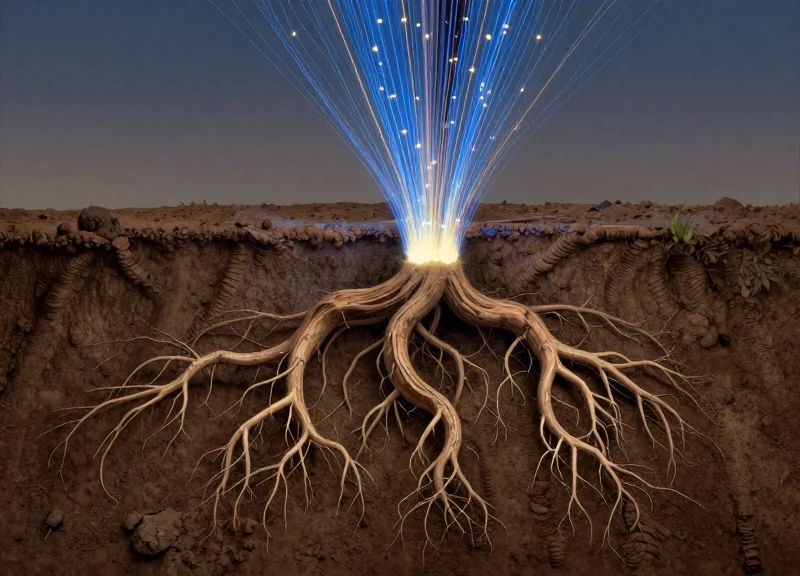
Terroir storytelling in the digital age is the strategic practice of utilizing Internet of Things (IoT) technologies—primarily Electronic Shelf Labels (ESL) and Near Field Communication (NFC)—to provide an interactive, real-time connection between a bottle of wine and its physical origin. Unlike traditional marketing, digital terroir storytelling bridges the information gap by delivering hyper-local data regarding soil composition, micro-climates, and specific vintage conditions directly to a consumer's smartphone at the point of sale, effectively making the invisible 'sense of place' visible and verifiable.
| Feature | Traditional Terroir Storytelling | Digital Terroir Storytelling | |||
|---|---|---|---|---|---|
| Data Medium | Static back labels or paper shelf talkers | Dynamic ESL screens and NFC-enabled mobile landing pages | |||
| Update Frequency | Rare (only at printing/re-labeling) | Instant (automated via CMS/API updates) | Information Depth | Limited by physical space (approx. 50-100 words) | Unlimited (video, soil maps, real-time weather logs) |
| Consumer Interaction | Passive observation | Active immersion and bidirectional engagement |
In my twenty years in Silicon Valley, I have seen the 'Information Gap' kill many premium brands. In the wine industry, the biggest gap is the loss of the sommelier’s voice in high-volume or self-service retail. Digital terroir storytelling acts as a 'Digital Sommelier,' ensuring that the specific nuances of a 2018 drought year or a high-altitude limestone plot are not lost in the noise of a crowded shelf. We are moving toward a model of 'Algorithmic Provenance,' where the story of the wine evolves based on the data points of the specific bottle in the consumer's hand.
How does NFC integration enhance the terroir story?
NFC allows a frictionless transfer of data. By tapping a phone to an ESL or bottle, the consumer receives high-definition assets like drone footage of the vineyard or a detailed analysis of the harvest weather, creating an emotional bond through transparency.
Why is automated vintage updating critical for terroir?
Terroir is not just place; it is time. When a new vintage arrives, its terroir profile changes. Automation ensures that the storytelling—such as tasting notes influenced by a cooler spring—matches the specific vintage on the shelf without manual staff intervention.
What role does region-specific data play?
Retailers can tailor the digital experience based on the store's location. For example, a store in a coastal city might highlight a wine's salinity and maritime influence, effectively translating terroir into a context that resonates with the local lifestyle.
The unique insight for 2024 is the shift from 'Storytelling' to 'Story-proving.' Modern consumers, particularly Gen Z and Millennials, are skeptical of generic marketing. By integrating real-time weather API data and soil sensor logs into your NFC touchpoints, you are no longer just telling a story about a vineyard; you are providing a verifiable data audit of the wine’s lifecycle. This transparency is the new currency of luxury wine retail.
The Mechanism of Automated Vintage Updates
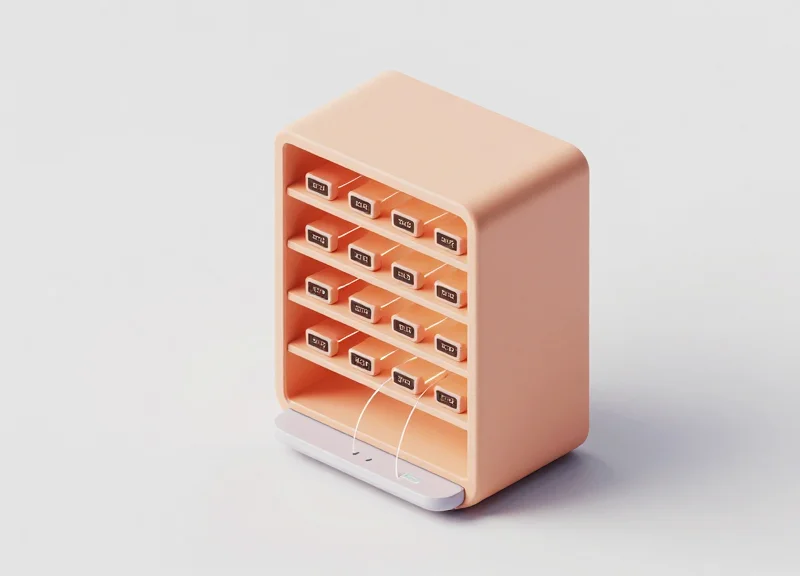
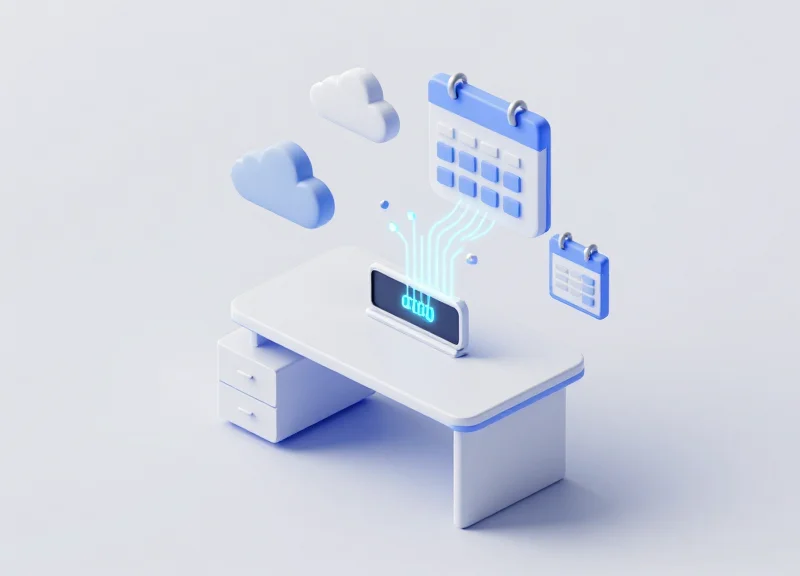
The mechanism of automated vintage updates is a synchronized data bridge between a retailer's central inventory management system (ERP/POS) and the Electronic Shelf Label (ESL) cloud gateway. Instead of manual intervention, the system utilizes a 'listener' architecture—often via RESTful APIs or Webhooks—that monitors vintage-specific SKU attributes. When the inventory database reflects a transition to a new vintage, a data packet is automatically pushed to the ESL infrastructure, updating the display and its corresponding NFC-linked storytelling content in near real-time.
| Feature | Legacy Manual Process | Automated ESL Mechanism |
|---|---|---|
| Update Latency | 2–5 Days (Dependent on Staff) | < 60 Seconds (Trigger-based) |
| Data Accuracy | High Error Rate (Mismatched Labels) | Single Source of Truth (ERP Sync) |
| Labor Requirement | Physical Label Printing/Replacement | Zero In-store Labor Required |
| Storytelling Sync | Decoupled from Display | Instant NFC/QR Content Refresh |
Expert Insight: The 'Vintage Logic Gate'. Most retailers fail by updating labels the moment a new vintage enters the warehouse. To optimize the consumer experience, we recommend implementing a 'Logic Gate' based on stock thresholds. The update should only trigger when the previous vintage's stock falls below a specific unit count (e.g., <3 bottles) or hits zero. This prevents the 'Partial Batch' trap where the shelf displays the 2021 vintage metadata while the physical stock at the front of the shelf is still 2020.
- Database Event Trigger: The ERP system detects an SKU vintage attribute change or a depletion of old-vintage stock.
- API Payload Transmission: The system sends a JSON payload containing the new vintage year, alcohol percentage, and updated terroir notes to the ESL cloud.
- Sub-GHz Wireless Push: The ESL Gateway broadcasts the update via high-frequency radio waves to the specific label ID assigned to that wine.
- NFC URL Redirection: The backend automatically updates the destination URL of the label's NFC chip to point to the new vintage's digital tasting notes.
How does the system handle pricing changes during vintage rollovers?
Because the ESL is mapped to the SKU, any price adjustment associated with the new vintage in the ERP is pushed simultaneously with the vintage year update.
What happens if the Wi-Fi or local network goes down?
Modern ESL systems use dedicated sub-GHz gateways that operate independently of guest Wi-Fi, ensuring updates are cached and retried automatically once connectivity is restored.
Can the system update tasting notes as well as the year?
Yes. If your database includes fields for 'Winemaker Notes' or 'Critical Scores,' these can be mapped to dynamic sections of the E-ink display.
Technical Architecture: Integrating NFC ESL with ERP Systems
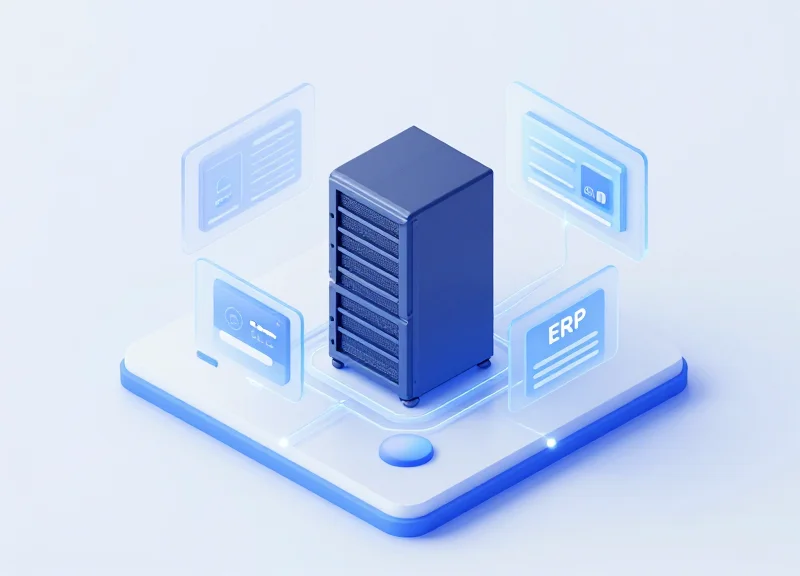
The technical architecture for integrating Electronic Shelf Labels (ESL) with an Enterprise Resource Planning (ERP) system functions as a digital nervous system, ensuring that 'Terroir Storytelling' data—such as vintage, soil composition, and vineyard origin—remains synchronized across all physical touchpoints. This architecture typically comprises three core layers: the System of Record (ERP), where inventory and metadata reside; the Integration Middleware, which handles data transformation and business logic; and the IoT Gateway Layer, which broadcasts updates to the NFC-enabled labels via sub-GHz or infrared signals.
| Component | Primary Function | Key Protocol/Standard |
|---|---|---|
| ERP System | Central repository for SKU, Vintage, and Terroir metadata. | RESTful API / OData |
| Middleware / ESB | Data mapping, scheduling, and protocol translation. | JSON / XML |
| ESL Cloud/Server | Device management and image rendering for displays. | MQTT / HTTPS |
| IoT Gateway | Local transmission of data to shelf-edge devices. | Zigbee / Proprietary RF |
Expert Insight: The 'Metadata Shadow' Strategy. To outperform competitors, don't just sync prices. Implement a 'Metadata Shadow' within your middleware. While the ERP holds raw inventory data, the shadow layer stores enriched terroir content (e.g., tasting notes, winemaker videos via NFC URLs) that doesn't belong in a traditional accounting-focused ERP. This allows for instant updates to the storytelling component of the label without triggering a heavy database re-indexing in your main ERP.
- Establish API Authentication: Secure the handshake between the ERP and ESL server using OAuth 2.0 or API keys to prevent unauthorized price or vintage manipulation.
- Map Data Fields: Align ERP fields (e.g., 'Item_Vintage_Year') with ESL template variables to ensure the correct vintage is displayed automatically when inventory rolls over.
- Configure Webhooks for Real-Time Sync: Instead of periodic polling, use webhooks to push updates to the ESL system immediately when a SKU's attribute changes in the ERP.
- Define NFC Payload Logic: Program the middleware to dynamically generate NFC URLs that point to region-specific landing pages based on the wine's origin data.
What is the typical latency for a vintage update?
In a well-optimized system using MQTT protocols, a single label update typically reflects in under 15 seconds, while a full store update may take 5 to 10 minutes depending on network congestion.
Can we integrate legacy ERPs without modern APIs?
Yes, by using an intermediary flat-file (CSV/XML) drop via SFTP, the ESL middleware can monitor for changes and push updates, though this introduces higher latency compared to REST APIs.
How is battery life affected by frequent terroir updates?
Modern ESLs are highly efficient; updating a label 3-4 times a day with new storytelling content will still yield a battery life of 5 to 10 years due to the bistable nature of E-paper technology.
Region-Specific Customization for Global Wine Distribution
Region-specific customization for global wine distribution involves using centralized Electronic Shelf Label (ESL) management systems to dynamically adjust product data—such as pricing, mandatory health warnings, and language-specific tasting notes—based on the store's geographic location. By integrating NFC-enabled ESLs with a global ERP, wineries can ensure that a single bottle of Cabernet Sauvignon displays VAT-inclusive pricing and EU-standard allergen alerts in Paris, while simultaneously showing MSRP and local ratings in New York, all without manual relabeling at the retail level.
| Feature Category | North American Market | European Union Market | Asia-Pacific Market |
|---|---|---|---|
| Compliance Needs | State-specific tax/warnings | Nutritional data & recycling info | Import certificates & QR codes |
| Pricing Logic | Excluding sales tax (MSRP) | VAT-inclusive unit pricing | Multi-currency / Luxury positioning |
| Storytelling Focus | Critic scores (90+ points) | Protected Designation (AOC/DOCG) | Gifting heritage & food pairings |
- Define Regional Attribute Groups: Segment your central database into regional 'profiles' that dictate which data fields (e.g., ABV, sulfite warnings, price) are pushed to specific store IDs.
- Automate Currency Conversion & Tax Rules: Set up automated scripts within the ESL middleware to pull live exchange rates or apply fixed regional price lists stored in the ERP.
- Localize Terroir Narratives: Use the NFC landing page to serve content in the local language, ensuring the story of the soil and climate resonates with regional cultural nuances.
Expert Insight: Implement 'Geo-Fenced Culinary Bridging.' Beyond just translating text, use the NFC interaction to suggest food pairings available in that specific store or region. For example, a crisp Sauvignon Blanc ESL in London might link to a recipe for English Pea Risotto, while the same bottle in Tokyo suggests a Sashimi pairing. This hyper-local relevance increases the 'stickiness' of the digital interaction and builds brand loyalty by respecting the consumer's local lifestyle.
How does the ESL handle different legal requirements for alcohol advertising?
The central management platform uses policy-based filtering. If a region prohibits displaying 'lifestyle' imagery on alcohol signage, the ESL middleware automatically suppresses those specific image assets for that region's store IDs.
Can we manage different promotional calendars across time zones?
Yes. Modern ESL systems allow for scheduled updates based on the local time of the retail outlet, ensuring a 'Happy Hour' or holiday promotion starts exactly when intended globally.
What happens if local regulations change suddenly?
Centralized control allows for 'emergency' updates. If a new health warning is mandated, you can push a global or regional update to thousands of labels in under 60 seconds.
Leveraging NFC for Immersive Consumer Experiences
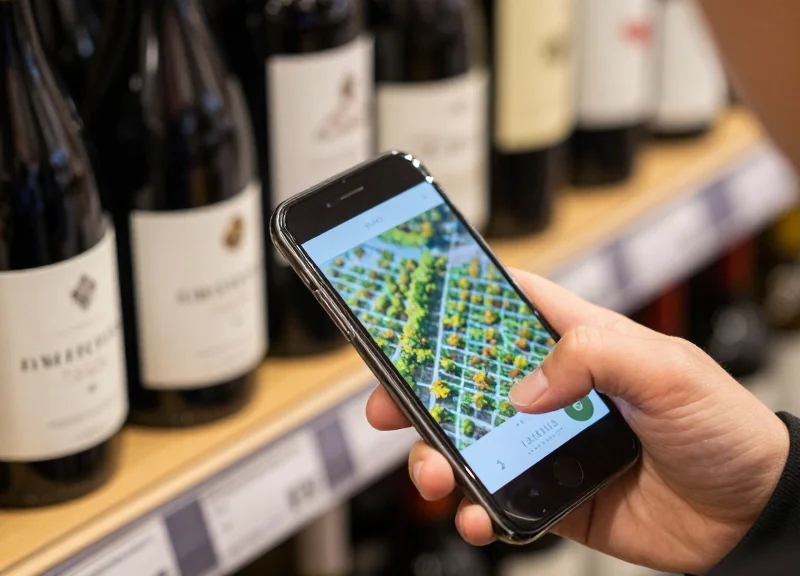
Leveraging NFC for immersive consumer experiences involves using Near Field Communication technology embedded in Electronic Shelf Labels (ESLs) to bridge the gap between the physical wine bottle and its digital terroir narrative. Unlike QR codes, which require camera alignment and specific lighting, NFC allows for a 'tap-to-terroir' interaction where shoppers instantly trigger curated content—such as high-definition vineyard drones shots, real-time sommelier tasting notes, and hyper-local food pairing suggestions—directly on their mobile devices without downloading a third-party application.
- Interactive Tasting Notes: Provide dynamic flavor profiles that can be updated instantly via the central ERP, ensuring that the notes the customer sees reflect the specific evolution of that vintage's aging process.
- Video Terroir Storytelling: Directly link the shelf edge to 30-second 'Winemaker Moments' where the producer explains the unique soil composition or climatic challenges of that specific harvest year.
- Dynamic Food Pairing Recommendations: Integrate with local inventory to suggest cheeses or meats currently available in the same retail location, driving cross-category sales through expert curation.
- Provenance and Authenticity Verification: Allow high-end collectors to verify the blockchain-backed chain of custody for rare vintages with a single tap, fostering deep brand trust.
| Feature | Traditional Paper/QR Labels | NFC-Enabled ESL |
|---|---|---|
| Interaction Speed | Slow (Camera app + Focus) | Instant (Passive Tap) |
| Content Depth | Static/Limited | Dynamic/Unlimited |
| Engagement Tracking | Aggregated/Vague | Precise (ID-level analytics) |
| Consumer Friction | Medium to High | Near Zero |
Expert Insight: The Concept of 'Progressive Disclosure' — Most wine retailers make the mistake of overwhelming the consumer with data. The most successful NFC implementations utilize 'Progressive Disclosure.' The initial tap reveals a high-impact visual (a 5-second vineyard loop), while deeper data like PH levels, residual sugar, and soil maps are hidden behind a 'View Technical Specs' button. This maintains the premium aesthetic while satisfying the hardcore oenophile's thirst for data. Furthermore, by utilizing 'Conditional Redirects,' you can serve different content based on the time of day—suggesting a light lunch pairing at 11:00 AM and a robust dinner pairing at 5:00 PM.
Does the consumer need a special app to use NFC?
No. Modern iOS and Android devices have native NFC readers enabled by default. A simple tap triggers the phone's native browser to open the specified URL.
Can the digital content be updated without changing the physical label?
Yes. This is the primary benefit of the system. The NFC chip points to a dynamic URL controlled by the retailer's CMS, allowing for real-time updates to videos, prices, or tasting notes.
What kind of analytics can be gathered from an NFC tap?
Retailers can track 'Tap-Through Rates' (TTR), average dwell time on specific content pages, and conversion rates if the digital landing page includes a 'Buy Now' or 'Add to Digital Cellar' feature.
Operational Benefits: Reducing Labor and Pricing Errors
Automating price and product updates via Electronic Shelf Labels (ESLs) transforms wine retail operations from a labor-intensive manual process into a high-precision digital ecosystem. By synchronizing the shelf-edge data directly with the Enterprise Resource Planning (ERP) system, retailers can eliminate the 'pricing gap'—the discrepancy between the advertised shelf price and the Point of Sale (POS) system. This shift not only recaptures lost margins but also redirects staff from the tedious task of printing and swapping paper tags to high-value customer engagement and terroir storytelling.
| Metric | Manual Paper Labeling | Automated NFC ESL |
|---|---|---|
| Update Speed | 2-3 Minutes per Bottle | Near-Instant (<10 Seconds) |
| Error Rate | 3-5% (Human Entry/Placement) | <0.1% (System Sync) |
| Labor Cost | High (Weekly/Seasonal Resets) | Negligible (Centralized Control) |
| Vintage Transitions | Highly Error-Prone | Automated via SKU Tracking |
| Material Waste | Significant (Paper/Ink/Plastic) | Zero (Reusable Hardware) |
How does ESL integration reduce 'Shelf Shrinkage'?
Shelf shrinkage often occurs when a new, more expensive vintage arrives but is sold at the old price because the paper label hasn't been updated. ESLs ensure that the moment the ERP recognizes a new SKU or price point, the shelf-edge reflects that change, protecting profit margins instantly.
Can automated updates improve regulatory compliance?
Yes. In many regions, wine labeling is subject to strict local laws regarding unit pricing and ABV accuracy. Automated systems allow for global updates to compliance text across hundreds of stores simultaneously, mitigating the risk of regulatory fines.
What is the impact on employee retention?
Reducing the 'drudgery factor' of manual administrative tasks leads to higher job satisfaction. Wine associates are typically passionate about the product; allowing them to focus on tastings and education rather than label maintenance improves staff morale and sales performance.
Expert Insight: The 'Trust Dividend' and Dynamic Margin Protection. In my two decades in Silicon Valley marketing, we've observed that pricing errors are the fastest way to destroy brand equity in luxury retail. In the wine sector, this is amplified by the 'Vintage Lag.' An original perspective for wine retailers to consider is Dynamic Margin Protection: leveraging ESLs to automatically adjust prices based on real-time scarcity or demand spikes (e.g., a high rating from a major critic). This ensures the retailer captures maximum value without the operational friction of manual re-labeling, effectively turning the shelf edge into a real-time revenue management tool.
- Audit Manual Processes: Track the current time spent by staff on printing, cutting, and placing labels over a standard 30-day period.
- Map ERP-to-Shelf Logic: Identify the data fields in your inventory system that trigger price or vintage changes.
- Deploy Pilot NFC ESLs: Implement the system in a high-turnover section (like a 'Top 10 Under $20' shelf) to measure error reduction.
- Calculate Labor Reallocation: Quantify the increase in sales conversion when staff spend saved labor hours on the floor with customers.
Best Practices for Implementing ESL in High-End Environments
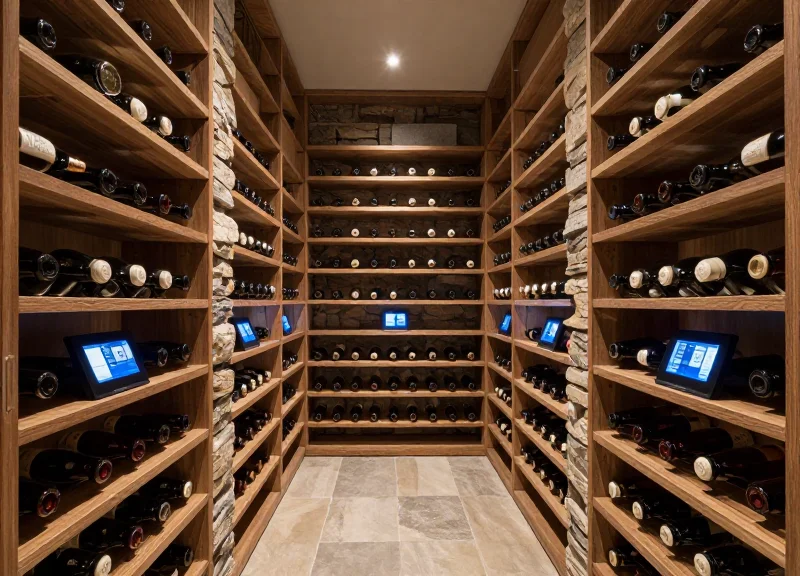
Implementing Electronic Shelf Labels (ESL) in high-end environments requires a 'design-first' philosophy where technology serves as an invisible layer of sophistication rather than a digital intrusion. To maintain the aesthetic integrity of luxury wine cellars or premium retail boutiques, ESL systems must utilize high-resolution E-ink displays that mimic the matte texture of premium paper, housed within bespoke frames that complement architectural finishes like walnut, brass, or brushed steel. The goal is to provide real-time, accurate vintage data and terroir narratives without compromising the sensory experience of a physical space.
| Feature | Standard ESL Requirement | High-End Environment Best Practice |
|---|---|---|
| Display Type | Standard Monochrome E-ink | High-Resolution (300+ PPI) 3-Color E-ink |
| Housing | Plastic/Industrial Polymer | Bespoke CNC-milled wood or Metallic alloy |
| Refresh Rate | Standard (Visible Ghosting) | Partial Refresh (Zero-Flicker Updates) |
| Integration | Shelf-edge Railing | Magnetic flush-mounting or Recessed joinery |
- Prioritize Typography and Visual Hierarchy: In a luxury setting, the font choice is as important as the data. Use custom kerning and high-contrast serif fonts that reflect the winery's brand identity. Ensure the vintage year and terroir classification are prominent while the NFC 'tap here' indicator is subtle yet discoverable.
- Environmental Syncing and Low-Light Optimization: Luxury cellars often use warm, low-intensity lighting. Select ESL modules with anti-glare glass coatings to prevent reflections from spotlights. High-end E-ink displays should be calibrated for high legibility in sub-50 lux environments.
- Bespoke Mounting Systems: Discard standard plastic rails. Use hidden magnetic mounts or integrated shelf-edge slots that allow the ESL to sit flush with the cabinetry. This creates the illusion of a traditional paper label that magically updates its own data.
- What is the 'Invisible Tech' rule in luxury ESL?: It is the principle that the hardware should be indistinguishable from static signage until the user interacts with it via NFC. If a customer can see the battery housing or a plastic bezel, the luxury immersion is broken.
- Expert Tip: The 300 PPI Benchmark: Always specify displays with at least 300 Pixels Per Inch (PPI). Standard retail ESLs often hover around 100-150 PPI, which results in 'jagged' text. At 300 PPI, the human eye perceives the digital display as printed paper, maintaining the high-status feel of the environment.
- How to handle color in wine cellars?: Stick to a palette of black, white, and a single accent color (usually red or gold). Excessive color usage on small E-ink screens can look muddy; a minimalist 'Black and Gold' digital aesthetic often mirrors the prestige of top-tier labels better than full-color LCDs.
Ultimately, the success of ESL in a high-end environment is measured by its invisibility. By focusing on pixel density, material finishes, and seamless architectural integration, operators can deliver the operational efficiency of automated vintage updates while reinforcing the 'Old World' charm that collectors and connoisseurs expect. Remember: the technology is the vessel, but the terroir story is the product.
Measuring ROI: Tracking Engagement and Sales Growth
Return on Investment (ROI) for Automated Vintage Updates and NFC-enabled Electronic Shelf Labels (ESL) is measured through the synthesis of operational cost savings, direct sales conversion, and deep consumer behavioral analytics. Unlike traditional paper labels, these smart systems provide a closed-loop data environment where retailers can attribute sales growth to specific storytelling touchpoints, such as a customer's engagement with a vineyard's soil composition or a specific vintage's tasting notes via their smartphone.
| KPI Category | Primary Metric | Strategic Significance |
|---|---|---|
| Engagement | NFC Tap-Through Rate (TTR) | Measures interest in specific terroir stories or vintage data. |
| Conversion | Interaction-to-Purchase Ratio | Calculates how many customers bought after viewing digital content. |
| Operational | Labor Hours Reclaimed | Quantifies time saved by automating price and vintage updates. |
| Productivity | Inventory Turnover (Vintages) | Tracks how quickly older vintages move versus newly updated ones. |
Expert Insight: The 'Halo Effect' Attribution. A unique benefit of tracking NFC engagement is the ability to measure the 'Halo Effect'—where a consumer interacts with a high-end, high-margin bottle (e.g., a Premier Cru Burgundy) but ultimately purchases a more accessible entry-level bottle from the same producer. By tracking the user session from the initial tap to the final POS transaction, retailers can quantify how 'terroir storytelling' on prestige items drives volume sales across the entire brand portfolio.
- Establish Baseline Metrics: Record historical sales data, labor costs for label changes, and average dwell time in specific wine aisles prior to implementation.
- Implement NFC Event Tracking: Use UTM parameters or unique IDs for every NFC tag to track which regions, grapes, or price points trigger the most digital interactions.
- Integrate with POS Systems: Connect the ESL management platform with your Point of Sale (POS) to correlate NFC taps with time-stamped transactions.
- Analyze Interaction Depth: Monitor bounce rates on digital tasting notes and average time spent watching vineyard videos to assess content quality.
What is considered a 'good' NFC interaction rate in wine retail?
While it varies by demographic, luxury wine environments typically see a 3-7% interaction rate. However, the value lies in the quality of the lead; NFC users are often 'active seekers' with a 15-20% higher conversion rate than passive browsers.
How does automated vintage tracking impact ROI?
It eliminates the 'dead stock' issue where outdated labels prevent premium pricing for newer, higher-rated vintages. Retailers often see a 2-4% margin increase simply by aligning shelf data with real-time inventory and market pricing.
Can I track which region's storytelling performs best?
Yes. By segmenting ESL data by region (e.g., Napa vs. Bordeaux), you can determine which geographic narratives resonate most with your local customer base and adjust purchasing accordingly.