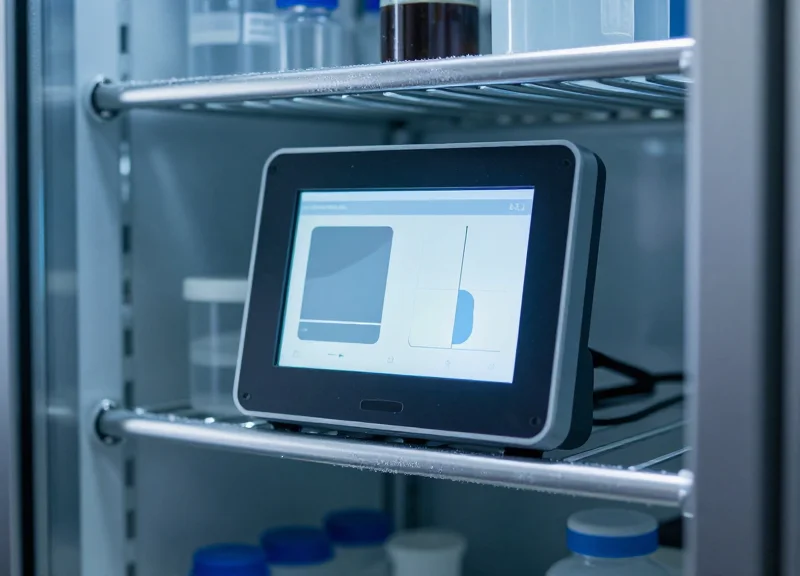
As laboratory environments become increasingly data-driven, the demand for precision in asset tracking has reached a critical tipping point. Heading into 2026, manual logging and traditional paper labels are no longer sufficient, especially within the grueling conditions of ultra-low temperature (ULT) storage. Maintaining sample integrity at -80°C requires more than just a barcode; it requires a dynamic, interconnected system. This guide explores why Electronic Shelf Labels (ESLs) are emerging as the gold standard for lab asset tracking, offering real-time updates and unmatched durability in extreme cold.
The Evolution of Laboratory Asset Tracking: Heading into 2026

In 2026, laboratory asset tracking has transitioned from manual barcode scanning to fully autonomous IoT ecosystems where Electronic Shelf Labels (ESLs) provide real-time, dynamic data directly at the point of storage. This evolution signifies a fundamental shift from reactive inventory management—where items are located only after a search is initiated—to proactive orchestration, where assets communicate their status, location, and environmental integrity (down to -80°C) automatically to a centralized digital twin.
| Feature | Traditional Tracking (2015-2020) | Modern Digital Tracking (2021-2024) | 2026 Proactive ESL Ecosystems |
|---|---|---|---|
| Data Update Speed | Manual / Batch | Near Real-Time | Instantaneous / Automated |
| Visual Feedback | Static Paper Labels | Digital Displays (Standard) | E-Ink with ULT-Resilience |
| Storage Insight | Location Only | Location + Status | Location + Health + Temperature |
| Human Error Rate | High (Manual Entry) | Moderate (Scanning) | Negligible (Autonomous) |
The catalysts for this evolution are the increased demand for high-throughput screening and the stringent regulatory requirements for sample provenance. We are no longer satisfied with knowing 'where' an asset is; we now require the 'state' of that asset in real-time. This is particularly critical in Ultra-Low Temperature (ULT) environments, where opening a freezer door to read a label can compromise sample integrity. Modern ESLs solve this by providing external visual confirmation and remote data transmission through the freezer walls using sub-GHz frequencies that penetrate metal shielding more effectively than standard Wi-Fi.
What is the 'Zero-Touch' Inventory mandate?
A 2026 industry standard where lab personnel never manually log a sample movement. Instead, ESL-equipped containers and shelves use proximity sensors and BLE gateways to update the LIMS automatically.
Why are standard LCDs failing in 2026 labs?
Standard LCDs suffer from liquid crystal freezing and ghosting in ULT environments. The shift is toward electrophoretic (E-Ink) displays specifically engineered with low-viscosity electrolytes to maintain refresh rates at -20°C to -40°C.
How does ESL integration improve ROI?
Beyond reducing search time by up to 30%, ESLs prevent 'ghost assets' (lost samples) and reduce energy costs by minimizing freezer door-open durations through external display of internal contents.
Expert Insight: The Battery-Life Paradox in ULT. One original challenge for 2026 is managing power density. While cold temperatures usually degrade battery performance, the latest lab-grade ESLs utilize Lithium-thionyl chloride (Li-SOCl2) chemistries. My professional tip: Look for systems that utilize 'Pulse-Power' management. These systems remain in a deep-sleep state and only draw significant current during a display refresh, effectively leveraging the slowed chemical self-discharge of the cold to actually extend battery life to 10+ years, outlasting the equipment they track.
Why Ultra-Low Temperature (ULT) Environments Demand Specialized Hardware
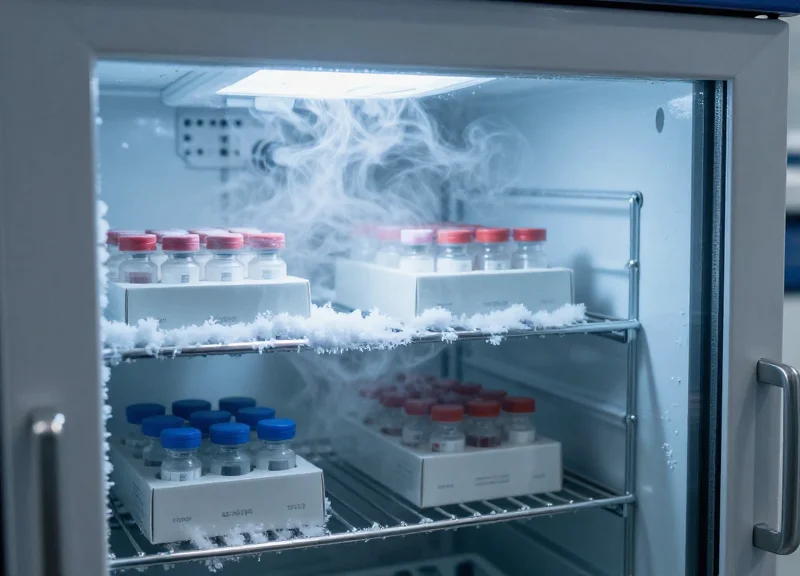
Ultra-Low Temperature (ULT) environments, typically ranging from -80°C (-112°F) to -196°C (-320°F) for cryogenic storage, create a physical 'dead zone' for standard electronic shelf labels (ESLs). While consumer-grade hardware is designed for temperate ranges, ULT conditions trigger immediate failure in standard battery chemistries, cause display fluids to freeze or crack, and render conventional adhesives brittle. Selecting hardware for 2026 requires moving beyond 'ruggedized' labels to purpose-built systems that account for molecular-level changes in materials, ensuring data integrity for high-value biological and chemical assets.
| Component | Standard ESL Limit | ULT Specialized Hardware Solution | Why It Matters |
|---|---|---|---|
| Power Source | Li-ion (0°C to 40°C) | Lithium Carbon Monofluoride (Li-CFx) | Prevents voltage drops and electrolyte freezing at -80°C. |
| Display Tech | Standard LCD | Wide-Temp E-Paper or Low-Temp TFT | Eliminates 'ghosting' and prevents liquid crystal crystallization. |
| Casing Material | ABS Plastic | Polycarbonate / PEEK Composites | Prevents shattering due to high impact resistance at cryo-temps. |
| Connectivity | Standard BLE/WiFi | High-Penetration Sub-GHz / Enhanced BLE | Overcomes signal attenuation through thick freezer insulation. |
- Electrochemical Impedance: In standard batteries, cold temperatures increase internal resistance, causing a 'voltage sag' that makes the device restart during a wireless transmission. ULT hardware uses specialized electrolytes that maintain ion mobility even as temperatures plummet.
- Differential Thermal Expansion: Different materials (plastic, metal, glass) shrink at different rates. Without specialized gaskets and flexible resins, internal components can literally pull themselves apart or crack the PCB traces when moved from room temp to -80°C.
- The 'Ghosting' Phenomenon: Most digital displays rely on fluid movement. At ULT, these fluids become viscous or solid, leading to permanent 'ghost' images or unresponsive screens that fail to update crucial storage data.
Expert Insight: In my two decades of infrastructure engineering, the most overlooked failure point isn't the battery—it's the Glass Transition Temperature (Tg) of the sealants. If the potting compound or adhesive used in the ESL has a Tg higher than the freezer temperature, it will turn from a rubbery state to a brittle, glassy state, allowing moisture to seep in during defrost cycles and causing catastrophic short circuits via 'ice-expansion'.
Can I use standard cold-chain ESLs rated for -20°C in a -80°C freezer?
No. Components rated for commercial refrigeration (-20°C) will experience electrolyte crystallization and mechanical failure within hours at -80°C.
How does moisture impact ULT asset tracking hardware?
The danger isn't the cold itself, but the condensation 'flash' when a sample is removed. Specialized hardware must be IP68 or IP69K rated with vacuum-sealed internals to prevent internal frost formation.
Will wireless signals penetrate my ultra-low freezer?
ULT freezers are essentially Faraday cages due to thick metal insulation. 2026-spec tracking systems use external gateway antennas or Sub-GHz frequencies which have better penetration than standard 2.4GHz signals.
Electronic Shelf Labels (ESLs): The New Frontier for Lab Digitalization
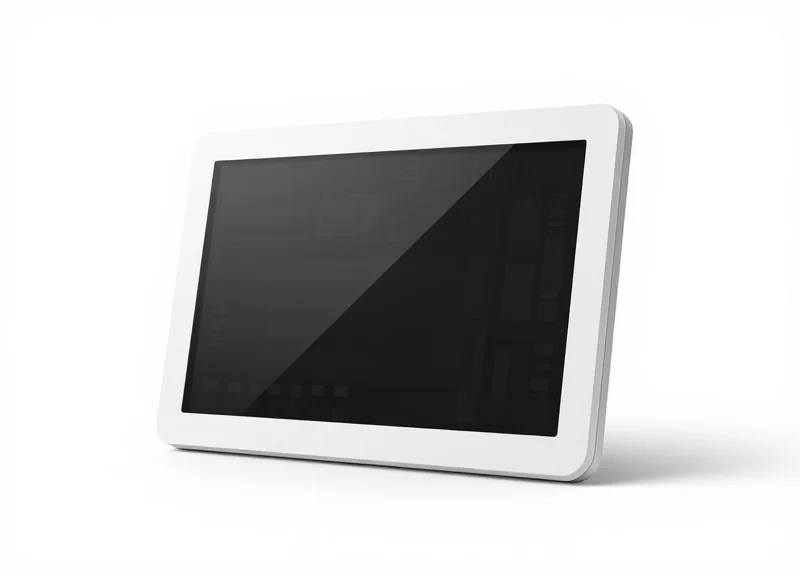
Electronic Shelf Labels (ESLs) in a laboratory context are IoT-enabled, e-paper display devices that synchronize with Laboratory Information Management Systems (LIMS) to provide real-time, high-contrast visual data at the point of storage. Unlike traditional labels, ESLs allow researchers to view critical metadata—such as sample ID, expiration dates, and ownership—without needing to manually check a digital database or expose sensitive materials to ambient temperatures during identification.
- Real-Time Data Synchronization: ESLs automatically update when changes are made in the LIMS, ensuring the physical rack always matches the digital record.
- Enhanced Visibility and Accuracy: High-resolution e-paper remains readable from wide angles and under various lighting conditions, significantly reducing human picking errors.
- Audit-Ready Compliance: Automated logging of label changes provides a digital breadcrumb trail essential for GLP and GMP regulatory compliance.
- Battery Longevity: Utilizing ultra-low power consumption, modern lab-grade ESLs can operate for 5 to 10 years on a single coin-cell battery.
| Feature | Traditional Paper/Adhesive Labels | ESL Digital Displays (2026 Generation) |
|---|---|---|
| Update Speed | Manual (Minutes to Hours) | Instantaneous (Seconds) |
| Data Accuracy | Prone to Handwriting/Typo Errors | Single Source of Truth (LIMS-linked) |
| Information Density | Limited to Printed Space | Multi-page Scrolling/QR Code Linking |
| Durability | Fades, Peels, or Smudges | Ruggedized, Chemical-Resistant Housing |
A unique insight for 2026 is the integration of 'Zero-Power NFC' interaction. Modern lab ESLs now allow researchers to tap a smartphone or tablet against the label to pull up a full sample history or update a status (e.g., 'Do Not Use') without the device requiring active power for the transaction. This creates a 'Digital Twin' of the physical sample that is accessible even during power outages or network downtime, providing an unprecedented layer of safety for high-value biological assets.
Can ESLs be integrated with existing LIMS software?
Yes, most enterprise-grade ESL systems offer RESTful APIs and middleware that allow for seamless bi-directional communication with popular LIMS and ELN platforms.
How do ESLs handle the condensation found in lab environments?
Lab-specific ESLs are typically IP67 or IP68 rated, featuring hermetically sealed casings that prevent moisture ingress and internal fogging.
Is the signal blocked by stainless steel freezer walls?
While metal can attenuate signals, modern systems use sub-GHz frequencies (like 800/900MHz) or strategically placed external antennas to maintain reliable connectivity inside metallic enclosures.
Key Selection Criteria for ESLs in Cold Environments
To select the best Electronic Shelf Labels (ESLs) for ultra-low temperature (ULT) lab environments, priority must be given to three critical engineering factors: specialized battery chemistry capable of operating at -80°C, modified display waveforms to prevent ghosting on E-paper in sub-zero conditions, and cryogenic-grade mounting solutions. Unlike standard retail ESLs, lab-grade units must maintain signal integrity and screen legibility while encased in frost or stored inside heavy-duty stainless steel freezers.
| Feature | Standard Retail ESL | ULT-Grade Laboratory ESL |
|---|---|---|
| Operating Temp | 0°C to 50°C | -30°C to -80°C (Extended Range) |
| Battery Type | CR2450 (Manganese Dioxide) | Li-SOCl2 (Lithium Thionyl Chloride) |
| Display Tech | Standard E-ink Refresh | Optimized Cold-Waveform E-ink |
| Mounting | Plastic Clips/Rails | Cryo-Adhesives or Magnetic Stainless-Steel Mounts |
| Ingress Protection | IP54 - IP65 | IP67 or IP68 (Vacuum Sealed) |
Expert Insight: The 'Waveform Lag' Phenomenon. Most users assume battery failure is the primary cause of ESL malfunction in cold storage. However, the viscosity of the micro-encapsulated fluid in E-ink displays increases as temperatures drop. In 2026, the gold standard for lab tracking is the 'Slow-Pulse Waveform' update. This software-driven approach slows down the electrical pulses sent to the screen, allowing the charged pigment particles to move through the thickened fluid without damaging the display matrix or causing permanent ghost images.
- Validate Battery Chemistry: Ensure the device uses Lithium Thionyl Chloride (Li-SOCl2). Standard Lithium Manganese (Li-MnO2) batteries lose 80% of their capacity at -20°C, whereas Li-SOCl2 maintains stable voltage down to -80°C.
- Assess Signal Penetration (Sub-GHz vs. 2.4GHz): ULT freezers act as Faraday cages. Look for systems utilizing Sub-GHz frequencies (e.g., 868MHz or 915MHz) which offer better penetration through thick freezer walls compared to standard 2.4GHz Bluetooth or Wi-Fi.
- Verify Cryo-Adhesion Integrity: Standard adhesives become brittle and fail in ULT environments. Selection must include labels with acrylic-based or rubber-based adhesives specifically rated for cryogenic cycles to prevent 'tag drop'.
Can I use standard ESLs if I place them on the outside of the freezer?
Yes, but this only tracks the freezer itself, not the internal racks. For true asset tracking, the ESL must be inside the ULT environment, necessitating specialized hardware.
How often should displays refresh in cold storage?
To maximize battery life in cold conditions, limit refreshes to once or twice daily. The frozen state of the E-ink allows for 'zero-power' persistence for months without a refresh.
Is condensation a risk for these devices?
Absolutely. The risk occurs during 'warm-up' cycles or when the freezer door is opened. Only IP67-rated, vacuum-sealed ESLs should be used to prevent internal moisture buildup.
ESL vs. Traditional RFID: Finding the Right Balance
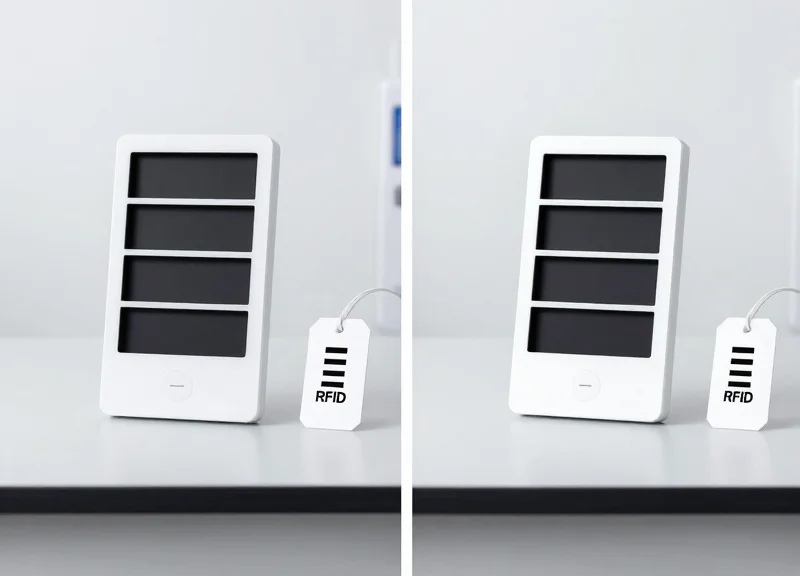
While traditional RFID (Radio Frequency Identification) excels at automated inventory counts and tracking movement through portals, Electronic Shelf Labels (ESLs) offer a distinct advantage by providing a persistent, human-readable interface directly at the asset location. In ultra-low temperature (ULT) environments, the 'right balance' typically involves using RFID for high-volume background auditing and ESLs for front-end visual management. The primary differentiator is interaction: RFID is designed for machine-to-machine communication, whereas ESLs serve as the 'digital twin' on the freezer rack, allowing technicians to verify sample identity, expiration, and status without needing a handheld scanner or workstation.
| Feature | Traditional RFID (Active/Passive) | Modern ESL (e-Paper) |
|---|---|---|
| Primary Purpose | Localization & Automated Counting | Visual Information & Human Interface |
| Data Visibility | None (Requires Reader) | Always-On High-Contrast Display |
| ULT Performance | Signal attenuation in ice/metal | Engineered for -80°C with local UI |
| Two-Way Interaction | Limited / Read-only in most cases | Full (LED indicators & Button triggers) |
| Labor Efficiency | Fast batch scanning | Reduced 'Door-Open' search time |
Expert Insight: The 'Door-Open' Latency Gap. In my 20 years of observing lab workflows, the most overlooked cost is the 'search latency' at the freezer. While RFID can tell a system that a sample is in 'Freezer A,' it doesn't help the technician find the specific vial among thousands. In 2026, we are seeing labs shift toward ESLs specifically to solve this. An ESL with a flashing LED 'pick-to-light' feature can reduce freezer door-open time by up to 70%, which is critical for maintaining the cold chain and sample integrity—a feat RFID alone cannot achieve.
When should I prioritize RFID over ESL?
Prioritize RFID for high-velocity supply chain movements, such as tracking shipments between facilities or automated bulk check-ins where visual data is unnecessary.
Can ESLs and RFID coexist on the same asset?
Yes. Many 2026-gen labels are 'Hybrid Tags' containing both an E-ink display for humans and an NFC or RFID chip for automated scanning systems, providing the best of both worlds.
Which is more cost-effective for a large-scale lab?
Passive RFID has a lower per-tag cost, but the infrastructure (readers/portals) is expensive. ESLs have a higher per-tag cost but offer greater ROI through reduced labor hours and improved sample safety.
How does moisture/frost affect these technologies?
RFID signals can be dampened by heavy frost or ice buildup. ESLs use optical displays; while frost can obscure the screen, vacuum-sealed ESL housings are designed to remain functional and readable even in high-moisture recovery cycles.
Ultimately, the transition to ESLs in 2026 represents a move toward 'Human-Centric Automation.' By balancing the backend power of RFID with the frontend clarity of ESLs, labs can eliminate the 'black box' problem of cold storage, ensuring that the right sample is accessed at the right time without compromising the thermal stability of the environment.
Integration: Connecting ESLs to Your LIMS and IoT Infrastructure
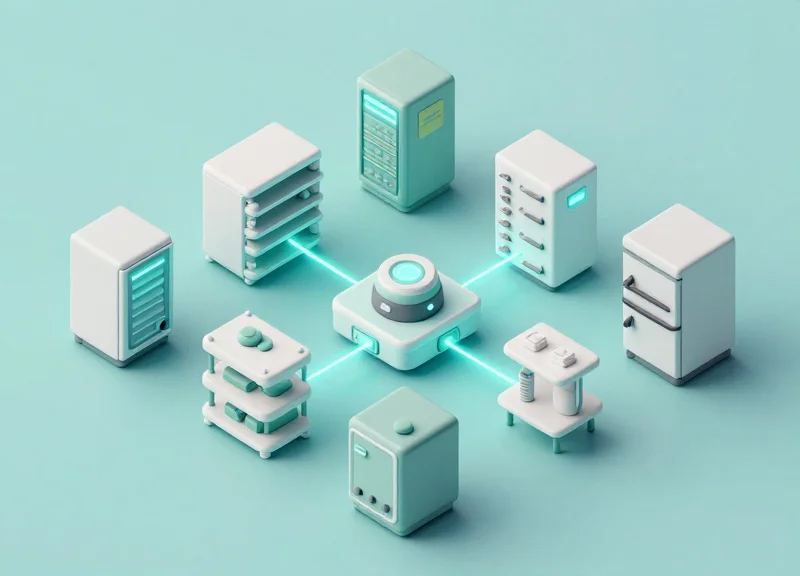
In 2026, the value of an Electronic Shelf Label (ESL) in a lab is no longer just its display; it is its status as a connected IoT node. Integration involves linking the ESL gateway—the hardware that communicates with the labels—to your Laboratory Information Management System (LIMS) or Electronic Lab Notebook (ELN) via robust APIs. This connection ensures that when a researcher updates a sample's status or expiration date in the software, the physical label at -80°C updates automatically within seconds, eliminating the high-risk 'transcription gap' inherent in manual labeling.
- Establish API Connectivity: Utilize RESTful or GraphQL APIs to enable bi-directional communication between the ESL middleware and the LIMS database.
- Configure Gateway Orchestration: Deploy IoT gateways that support Sub-1GHz or BLE protocols, ensuring they are positioned to penetrate thick-walled ultra-low temperature freezers.
- Mapping Data Fields: Define which LIMS data points (e.g., Sample ID, Batch No, Owner, Expiry) map to specific coordinates on the ESL's E-ink display.
- Implement Webhook Triggers: Set up automated webhooks so that any database change immediately pushes an 'update' command to the specific label ID.
| Protocol | Range/Penetration | Power Consumption | Best Use Case |
|---|---|---|---|
| Sub-1GHz | High (Excellent for heavy freezer walls) | Ultra-Low | Large-scale biobanks with high density |
| BLE (Bluetooth 5.x) | Moderate | Low | Interactive labs with mobile device syncing |
| Zigbee | Moderate | Low-Medium | Mesh-networked environments with many nodes |
{
  "action": "UPDATE_LABEL",
  "label_id": "ESL-ULT-8842",
  "payload": {
    "line1": "Sample: COVID-19-V2",
    "line2": "Temp: -82.4 C",
    "line3": "Exp: 2026-12-31",
    "qr_code": "https://lims.lab/s/8842"
  },
  "priority": "high"
}
Expert Insight: The 'Sensor-Fusion' Strategy for 2026. Leading labs are now moving beyond simple data mirroring toward 'context-aware' updates. By integrating freezer door sensors with the ESL gateway, the system can trigger a high-refresh rate mode only when the door is opened. This allows the ESL to save significant battery life during the 99% of the time the door is closed, while providing ultra-responsive, real-time data to the technician exactly when they are looking at the rack.
Does the integration require a custom middleware?
Most modern ESL systems for 2026 come with pre-built cloud or on-premise middleware that acts as a translator between LIMS protocols and proprietary radio frequencies.
Can I integrate ESLs with legacy LIMS that lack APIs?
Yes, many labs use 'headless' automation scripts or RPA (Robotic Process Automation) to scrape database changes and push them to the ESL gateway.
What happens if the IoT network goes down?
ESLs are 'persistent' displays; they will continue to show the last successful data push indefinitely until a new command is received, ensuring no data loss during outages.
Maintaining Regulatory Compliance and GXP Standards
In the highly regulated landscape of 2026, maintaining compliance is no longer about surviving annual audits; it is about achieving 'Continuous Audit Readiness.' Digital tracking systems, specifically Electronic Shelf Labels (ESLs) integrated with IoT sensors, automate the documentation of the sample chain of custody by providing immutable, time-stamped logs of every interaction. This automation eliminates the human error inherent in manual logbooks, ensuring that every movement within ultra-low temperature (ULT) environments complies with FDA 21 CFR Part 11 and EU Annex 11 standards for electronic records and signatures.
Expert Insight: The 'Immutable Display' Principle. A unique advantage of 2026-gen ESLs is their ability to act as a physical manifestation of a cryptographically signed database record. Unlike paper labels that can be altered or RFID tags that are 'invisible' to the naked eye, a modern ESL ensures that the data seen by the lab technician is the exact data residing in the LIMS. This creates a 'single source of truth' that links the physical sample directly to its digital twin, a feature increasingly demanded by regulators to prevent data silos.
| Regulatory Standard | Key Requirement | ESL System Contribution |
|---|---|---|
| FDA 21 CFR Part 11 | Electronic records and audit trails | Automatic time-stamping of every status or location change on the label. |
| GXP (GLP/GMP/GCP) | Data Integrity (ALCOA+) | Ensures data is Attributable, Legible, Contemporaneous, Original, and Accurate. |
| ISO 15189 | Sample traceability in medical labs | Real-time visual confirmation of sample identity and processing stage. |
| EU Annex 11 | Validation of computerized systems | Provides systematic version control for all displayed metadata. |
- Establish Data Mapping: Identify all critical data points required by GXP, such as technician ID, timestamp, and temperature history, and map them to the ESL display fields.
- Implement Role-Based Access Control (RBAC): Ensure only authorized personnel can trigger updates to the ESL system through the LIMS/ERP interface to satisfy 'Attributable' requirements.
- Enable Automated Exception Logging: Configure the system to automatically flag and log deviations, such as a sample remaining at room temperature longer than the validated window.
- Perform System Validation (IQ/OQ/PQ): Execute Installation, Operational, and Performance Qualification protocols to prove the ESL functions reliably at -80°C.
How do ESLs support the 'Contemporaneous' aspect of ALCOA+?
Since ESLs update the moment data is entered into the LIMS, the physical record and digital record remain synchronized in real-time, fulfilling the requirement that data be recorded as it happens.
Can ESLs be used as part of a validated cold chain?
Yes. By integrating temperature sensors, ESLs can display the current and historical thermal exposure of a specific rack, providing immediate visual proof of compliance during transport or storage.
What happens to the audit trail if the network goes down?
Modern lab tracking systems utilize 'store-and-forward' architecture, where edge gateways cache logs locally and sync with the central server once connectivity is restored, ensuring no gap in the audit trail.
Cost-Benefit Analysis: The ROI of Digital Asset Tracking
The Return on Investment (ROI) for digital lab asset tracking systems is defined as the net financial gain realized from reducing sample loss, automating labor-intensive inventory audits, and preventing the catastrophic failure of cold-chain compliance. In ultra-low temperature environments (down to -80°C), where manual paper labels frequently fail or become unreadable, Electronic Shelf Labels (ESLs) provide a centralized source of truth. Most enterprise-level laboratories realize a full break-even on their hardware and software investment within 14 to 18 months by eliminating the 'hidden labor' of manual reconciliation.
| ROI Driver | Traditional Manual Method | ESL Digital System | Projected Annual Impact |
|---|---|---|---|
| Inventory Audit Labor | 80-120 man-hours per quarter | 4 hours per quarter (Automated) | 85% reduction in labor spend |
| Sample Loss/Spoilage | 1.5% average annual loss rate | Less than 0.05% loss rate | Savings of $10k-$100k+ per freezer |
| Compliance Preparation | 40+ hours per audit cycle | Instant export of audit trail | Elimination of non-compliance fines |
| Consumable Overhead | High cost of cryo-stable labels | Zero recurring label waste | Sustained Opex reduction |
Beyond simple labor hours, the 'Silicon Valley' perspective on ROI involves a metric called Thermal Integrity Preservation (TIP). Every time a researcher opens a -80°C freezer to squint at a frost-covered paper label, the internal temperature fluctuates, risking the long-term viability of neighboring samples. ESLs mitigate this by allowing inventory managers to locate samples via 'Pick-to-Light' or RF identification without opening the door or handling the vials, effectively extending the shelf-life of high-value biological assets through reduced thermal stress.
How does the longevity of ESL batteries affect long-term ROI?
Modern ESLs for 2026 utilize specialized low-temp lithium-thionyl chloride batteries that last 5-7 years even in -30°C. This eliminates the high maintenance cost associated with traditional battery-powered IoT devices, ensuring that the initial capital expenditure is not eroded by constant maintenance cycles.
Can the system integrate with existing financial ERPs?
Yes. Leading systems provide API hooks that push inventory data directly into ERP and LIMS platforms, allowing for real-time asset valuation and depreciation tracking, which is essential for audit-ready financial statements.
What is the cost of inaction (COI)?
The COI includes the risk of losing irreplaceable clinical trial samples and the potential for multi-million dollar fines from the FDA or EMA due to lack of traceability. In high-stakes R&D, the COI often exceeds the cost of a digital tracking system by a factor of ten.
Expert Tip: When calculating your specific ROI, do not just look at the hardware cost. Factor in the 'Data Decay' rate—the speed at which manual records become obsolete. Digital systems maintain 100% data accuracy, which significantly increases the resale or utilization value of your banked samples by providing a verifiable pedigree of their storage history.
Future Trends: AI-Enhanced Inventory and Predictive Monitoring

By 2026, the convergence of AI and Electronic Shelf Label (ESL) technology will transform laboratory management from a reactive discipline to a proactive science. AI-enhanced inventory systems leverage the real-time data streams from ESLs—such as stock levels, temperature fluctuations, and access frequency—to train machine learning models that forecast supply chain needs and identify mechanical anomalies in ultra-low temperature (ULT) freezers before they lead to sample loss.
The shift toward 'Predictive Monitoring' means that the tracking system is no longer just a digital display; it is an active participant in the lab's operational integrity. This evolution is particularly critical for cryogenic and ULT environments where even minor deviations in thermal stability can compromise years of research and millions of dollars in biological assets.
| Feature | Standard 2024 ESL Systems | AI-Enhanced 2026 Systems |
|---|---|---|
| Inventory Management | Real-time status updates and manual triggers. | Predictive replenishment based on historical consumption velocity. |
| Equipment Monitoring | Threshold-based alarms (e.g., alert if > -70°C). | Anomaly detection using thermal inertia modeling to predict failure. |
| Labor Allocation | Manual scanning and reconciliation tasks. | AI-prioritized 'smart-picking' and automated audit preparation. |
| Waste Reduction | Basic tracking of expiration dates. | Dynamic FEFO (First-Expired, First-Out) optimization and loss prevention. |
Expert Insight: The Rise of Thermal Inertia Modeling. A unique breakthrough for 2026 is the application of AI to 'Thermal Inertia.' High-end ESL sensors will analyze the rate of temperature recovery after a freezer door is closed. If the recovery curve deviates by even 2% from the historical norm, the AI identifies a potential compressor struggle or seal degradation. This 'thermal fingerprinting' allows technicians to service equipment weeks before a standard alarm would ever be triggered, effectively eliminating emergency specimen transfers.
How does AI reduce reagent waste in ultra-low temp labs?
AI analyzes usage patterns and combines them with expiration data to flag items that are unlikely to be used before they expire, allowing labs to trade or prioritize those reagents across different departments.
Will AI-enhanced systems require dedicated data scientists?
No. The 2026 generation of lab tracking software is designed with 'No-Code' interfaces, where the AI operates in the background and provides actionable insights via simple dashboard notifications.
Can these systems integrate with existing automated liquid handlers?
Yes, upcoming standards in IoT connectivity allow ESL hubs to communicate directly with robotic platforms to update inventory levels as samples are aspirated or dispensed.