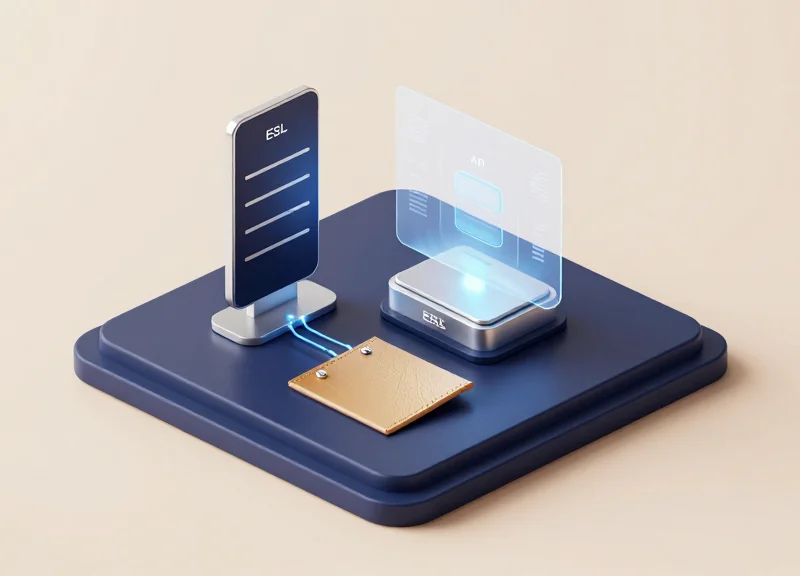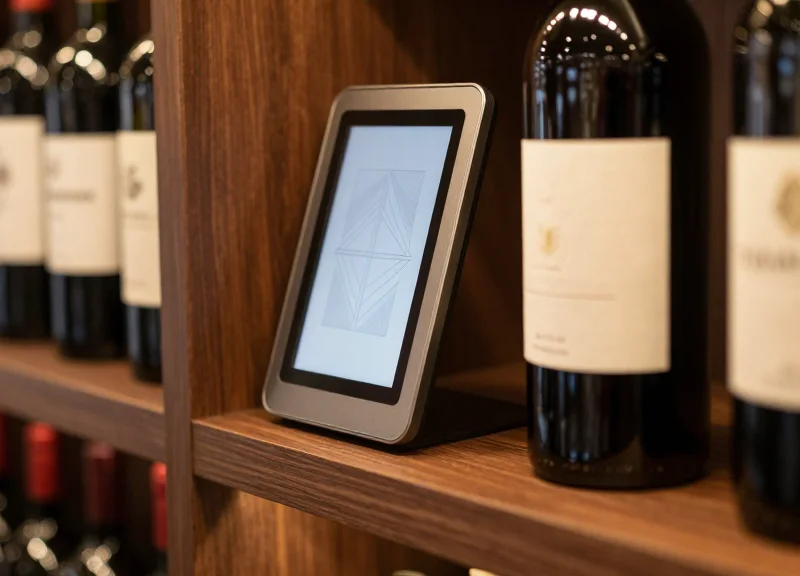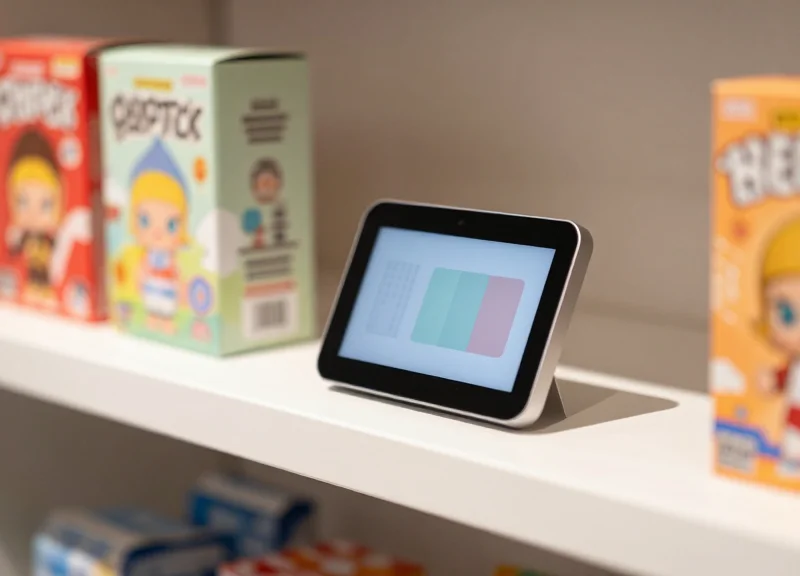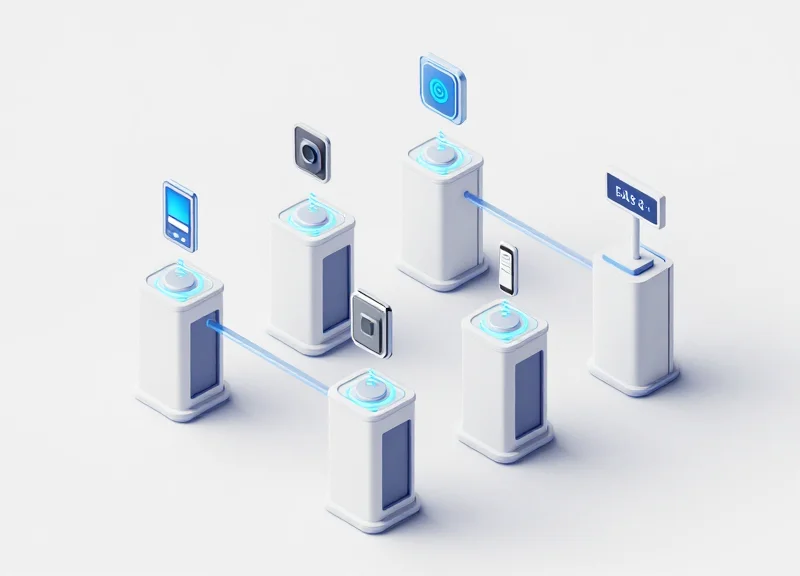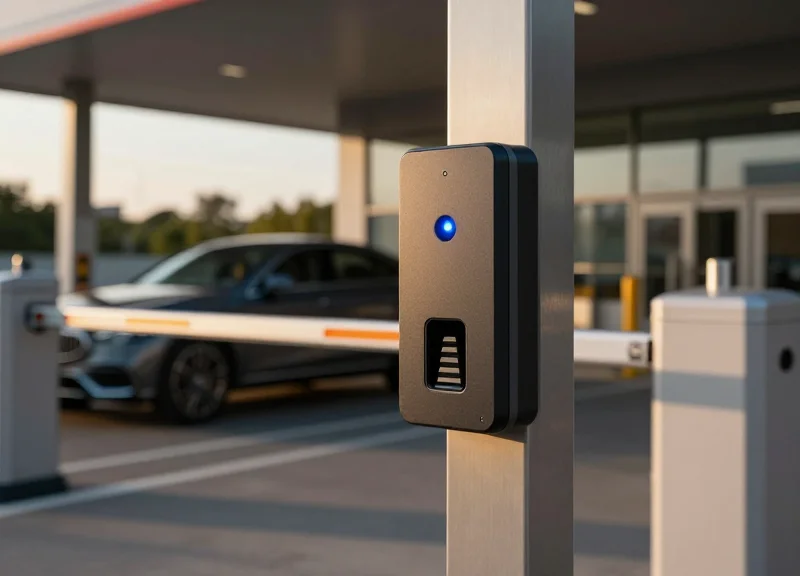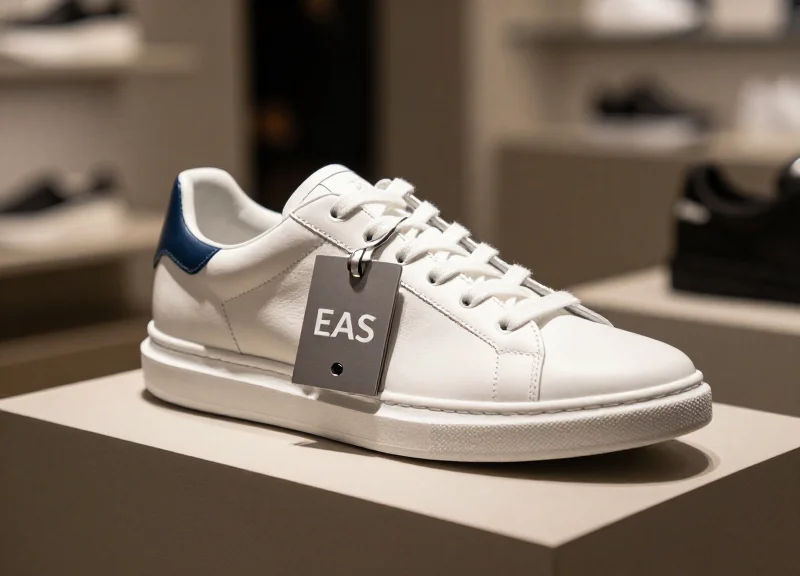
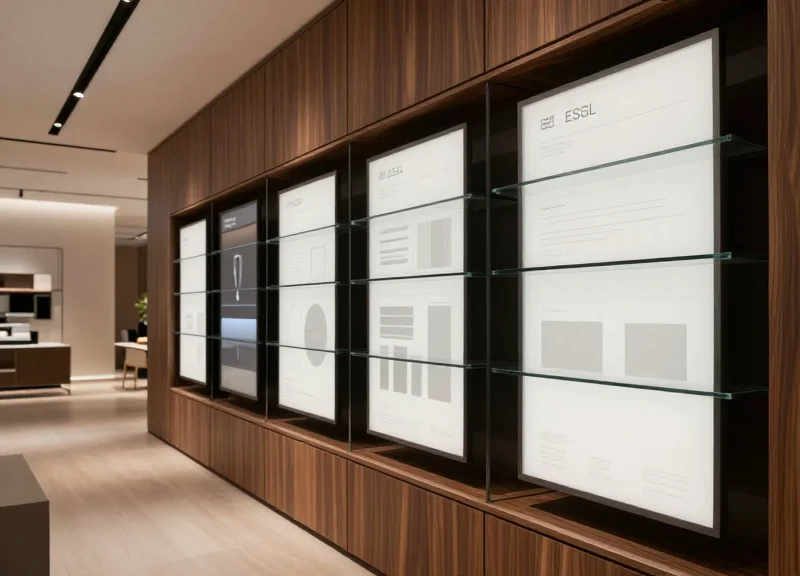
In the rapidly evolving world of smart home technology, the showroom experience is paramount. By 2026, the traditional paper price tag will be an obsolete relic that detracts from the high-tech atmosphere of modern retail spaces. Electronic Shelf Labels (ESL) have transitioned from grocery aisles to luxury galleries, but selecting a system that complements minimalist aesthetics without sacrificing technical performance remains a challenge. This guide explores how to integrate ESL systems that enhance, rather than disrupt, your smart home brand narrative through superior design and connectivity.
The Evolution of ESL in High-End Smart Home Showrooms
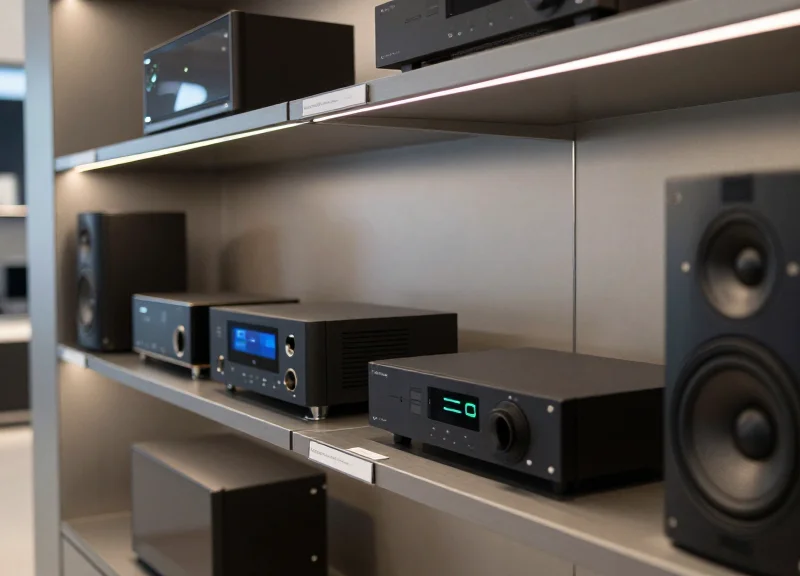
Electronic Shelf Labels (ESL) have undergone a radical transformation, evolving from the bulky, low-contrast liquid crystal displays (LCDs) found in 1990s grocery stores to the sleek, ultra-high-definition e-paper interfaces of 2026. In the high-end smart home showroom sector, this evolution represents a pivot from simple price management to 'Aesthetic Informatics'—the art of delivering complex technical specifications through hardware that complements luxury interior design. Today, ESLs serve as the digital bridge between physical hardware and the cloud, providing a seamless, interactive layer for discerning clients who demand both information and elegance.
| Feature | Legacy Retail ESL (2015-2020) | Next-Gen Showroom ESL (2026) |
|---|---|---|
| Display Tech | Bistable Segmented LCD / Low DPI E-ink | Spectra 6 Color / Full-Graphite E-paper (300+ DPI) |
| Bezel Design | Thick Industrial Plastic | Zero-Bezel Glass / Brushed Metal / Bespoke Wood |
| Connectivity | Proprietary Sub-GHz / Basic Bluetooth | Matter-over-Thread / Zigbee 3.0 High-Speed |
| Functionality | Static Price Display | Dynamic QR Generation / Real-time Inventory / IoT Triggering |
The move toward 2026 standards is driven by the need for 'Invisible Tech.' In a luxury smart home showroom, the technology on display—such as motorized shades or invisible speakers—should take center stage. Previous ESL iterations were too distracting; they felt like retail clutter. Modern systems utilize minimalist profiles and 'Chameleon Integration,' where the display's color palette automatically adjusts to match the showroom's ambient lighting or the specific product finish it represents.
Why is the 2026 standard shifting toward Matter-over-Thread?
Thread provides the low-latency, mesh-networking stability required for large-scale showrooms while ensuring the ESLs can communicate directly with other smart home devices like Lutron lighting or Crestron systems without proprietary hubs.
How does 'Aesthetic Integration' impact buyer psychology?
Studies in luxury retail environments show that when digital labeling matches the high-end aesthetic of the product, consumers perceive a 25% higher value in the item compared to labels that look like 'cheap' supermarket tags.
Can these displays handle complex smart home data?
Yes, the high-resolution E-paper of 2026 allows for complex diagrams, feature lists, and live energy-usage stats to be displayed directly next to the hardware, reducing the need for sales staff to consult tablets.
Expert Insight (Silicon Valley Perspective): The true 'killer feature' of 2026 ESLs is not the display itself, but the 'Haptic Context'—the ability for a client to tap their phone to a label and have the showroom's lighting and audio immediately adjust to a preset that highlights that specific product's features. We are moving from labels that 'inform' to labels that 'orchestrate' the environment.
Why Aesthetic Integration is Non-Negotiable in 2026
In 2026, aesthetic integration in smart home showrooms refers to the seamless blending of Electronic Shelf Labels (ESL) into the architectural and interior design language of a high-end retail space. It is non-negotiable because luxury consumers perceive visual discord—such as bulky, plastic, or poorly mounted labels—as a proxy for technical unreliability. In an era where 'Invisible Technology' is the ultimate luxury, an ESL system that disrupts the visual flow of a $50,000 home theater setup or a designer kitchen vignette doesn't just look bad; it actively erodes the brand’s authority as a sophisticated systems integrator.
Expert Insight: The 'Design-Trust Gap' is a phenomenon unique to the mid-2020s where high-net-worth clients subconsciously associate a showroom's attention to detail with the eventual stability of their home network. If the price tag on a premium smart blind looks like it belongs in a discount grocery store, the client's confidence in your aesthetic sensibilities drops by a measurable margin. To win in 2026, the tech must be as refined as the lifestyle it enables.
| Feature | Traditional ESL Approach | 2026 Aesthetic Integration |
|---|---|---|
| Form Factor | Thick, white plastic bezels | Ultra-slim, bezel-less, or metallic finishes |
| Mounting | Standard clip-on rails | Magnetic, flush-mount, or custom-recessed |
| Display Quality | Low-contrast e-paper | Full-spectrum color e-paper with matte anti-glare |
| Brand Impact | Utility-focused, distracting | Brand-reinforcing, premium feel |
How does visual harmony impact the 'Time-to-Close' for luxury projects?
Visual harmony reduces 'cognitive friction.' When a showroom looks cohesive, clients spend less time questioning the cost and more time visualizing the system in their own homes, typically reducing the decision-making cycle by 15-20%.
Does 2026 ESL technology allow for custom branding?
Yes. Modern systems now support custom faceplates and software-defined typography that matches your showroom’s specific brand guidelines, ensuring the digital display feels like a custom-made sign rather than a generic add-on.
Why is 'Invisible Tech' a driving force this year?
As smart homes become more complex, homeowners want the benefits of automation without the 'computer lab' look. ESLs that mimic high-end stationary satisfy this desire for minimalist luxury.
The shift toward aesthetic integration also solves the 'Visual Noise' problem. In a showroom featuring dozens of products, standard labels create a cluttered environment that overwhelms the buyer. By using 2026 ESL standards—which feature high-resolution displays and context-aware brightness—labels disappear into the background until the moment the client needs information. This creates a curated, gallery-like atmosphere that justifies the premium pricing of modern smart home solutions.
Key Technical Specifications for Next-Gen Showroom Labels
In 2026, the baseline for showroom-grade Electronic Shelf Labels (ESL) has shifted from mere price-tagging to high-fidelity digital signage. For smart home showrooms, the key technical specifications involve 200+ DPI (dots per inch) resolution, 180-degree ultra-wide viewing angles, and sub-second 'flash-less' refresh rates. Unlike standard retail labels, next-gen showroom ESLs utilize advanced E-paper waveforms that allow for smooth transitions and high-contrast rendering of complex brand logos and QR codes, ensuring that digital hardware never detracts from the physical luxury of the automation equipment being displayed.
| Feature | Standard Retail ESL (Legacy) | 2026 Showroom-Grade ESL |
|---|---|---|
| Display Resolution | 100 - 130 DPI | 200 - 300+ DPI (Retina Quality) |
| Color Gamut | Black/White/Red | Full 7-Color or High-Saturate 4-Color |
| Refresh Latency | 3 - 5 Seconds | < 800ms (Instant Update) |
| Viewing Angle | 160 Degrees | 180 Degrees (Zero-Gap Bonding) |
| Connectivity | Proprietary 2.4GHz | BLE 5.4 / Sub-GHz Star Network |
Beyond resolution, the 'Visual Inertia' of the display is paramount. High-end showrooms often utilize sophisticated, layered lighting scenes. To combat this, 2026 specifications mandate Anti-Reflective (AR) coated glass and 'Optical Bonding.' This process eliminates the air gap between the E-paper film and the outer lens, significantly reducing internal reflections and making the digital text appear as if it is printed directly onto the surface of the label. This level of optical clarity is what differentiates a premium showroom experience from a budget electronics store.
Why is 'Sub-GHz' connectivity preferred over standard Wi-Fi in showrooms?
Showrooms are saturated with high-bandwidth 2.4GHz and 5GHz traffic from smart appliances and mesh routers. Sub-GHz protocols (like 800/900MHz) operate on a less crowded spectrum, ensuring that price or spec updates on labels are never delayed by network congestion.
How does 'Battery Life' scale with high-refresh displays?
Next-gen labels utilize 'Energy-Harvesting' PV cells or optimized low-power chipsets that allow for 5-10 years of life even with daily dynamic updates, provided the ambient light in the showroom remains above 100 lux.
What is the importance of 'Full Gamut' E-Ink for luxury brands?
Standard 3-color labels often distort brand-specific colors (like a specific 'Navy Blue'). Full gamut technology allows showrooms to replicate their exact brand identity without the dithering artifacts common in older ESL models.
Expert Tip: The 'Luminance Match' Requirement. A common mistake is selecting ESLs that are too bright or too dim compared to the product finish. In 2026, the most advanced systems include an 'Ambient Light Adaptive Contrast' (ALAC) feature. These labels use a tiny integrated sensor to adjust the contrast ratio of the E-paper ink based on the room's current light level. This ensures that the label maintains the same 'visual weight' as the surrounding hardware, whether the showroom is in 'Night Mode' or under bright morning sunlight.
Choosing Between E-Ink and High-Resolution Color Displays
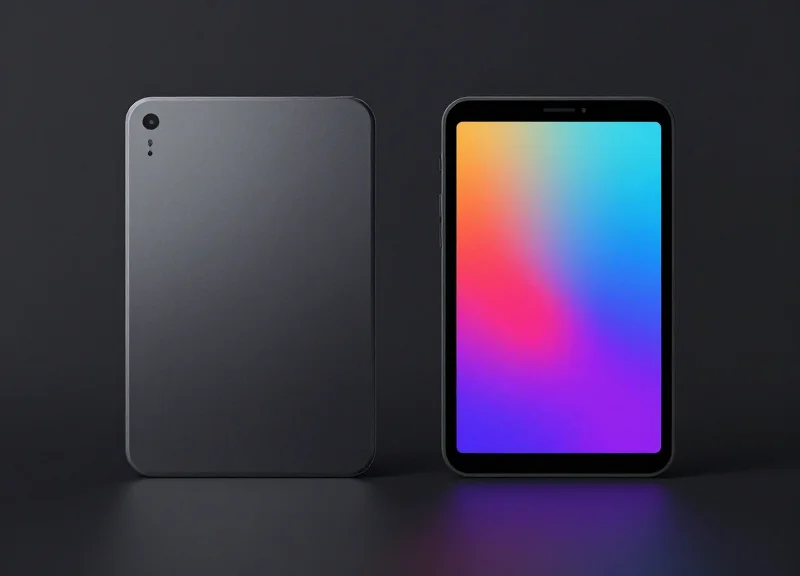
In the context of 2026 smart home showrooms, the choice between E-Ink and high-resolution color displays (such as LCD or OLED-based ESLs) is defined by the intended 'brand mood.' E-Ink offers a non-emissive, paper-like aesthetic that blends into high-end decor without competing with showroom lighting, making it ideal for 'Quiet Luxury' environments. Conversely, high-resolution color displays provide active backlighting and high refresh rates, which are essential for showrooms that utilize video snippets or dynamic pricing animations to capture immediate customer attention.
| Feature | Advanced E-Ink (e.g., ACeP) | High-Res Color (LCD/LED) |
|---|---|---|
| Visual Aesthetic | Matte, paper-like, zero glare | Glossy, vibrant, backlit |
| Color Capability | Up to 50,000 colors (saturated) | 16.7M+ colors (True Color) |
| Power Consumption | Ultra-low (battery lasts years) | High (requires frequent charging/wiring) |
| Best Use Case | Minimalist, architectural spaces | High-traffic, tech-heavy displays |
| Motion Support | Static or slow-refresh only | Full-motion video (60Hz+) |
Expert Insight: The 'Hidden Technology' Trend. In my two decades of Silicon Valley marketing, I've observed a shift toward 'invisible' tech. For 2026, the trend for high-end showrooms is 'Ambient Integration.' We recommend E-Ink for spaces where the smart home hardware is the star. Because E-Ink does not emit its own light, it reflects the showroom's carefully designed ambient lighting—whether that is warm 2700K bulbs or natural sunlight—ensuring the price tag never looks like a 'distracting gadget' but rather a part of the architecture.
Does E-Ink support brand colors accurately?
By 2026, Advanced Color ePaper (ACeP) allows for high-fidelity brand color reproduction, though it lacks the 'neon' brightness of an LCD. It is perfect for earthy, sophisticated palettes.
When should I choose high-resolution color over E-Ink?
If your showroom strategy relies on QR code engagement or 'flash sales' where the label must flash or change instantly to grab a eye, the faster refresh rate of a color LCD is superior.
Which technology is more sustainable for a 10-year showroom plan?
E-Ink is the clear winner for sustainability. Its bistable nature means it consumes zero energy to maintain an image, significantly reducing the carbon footprint of a large-scale showroom installation.
Seamless Integration with Smart Home Hubs and Inventory Systems
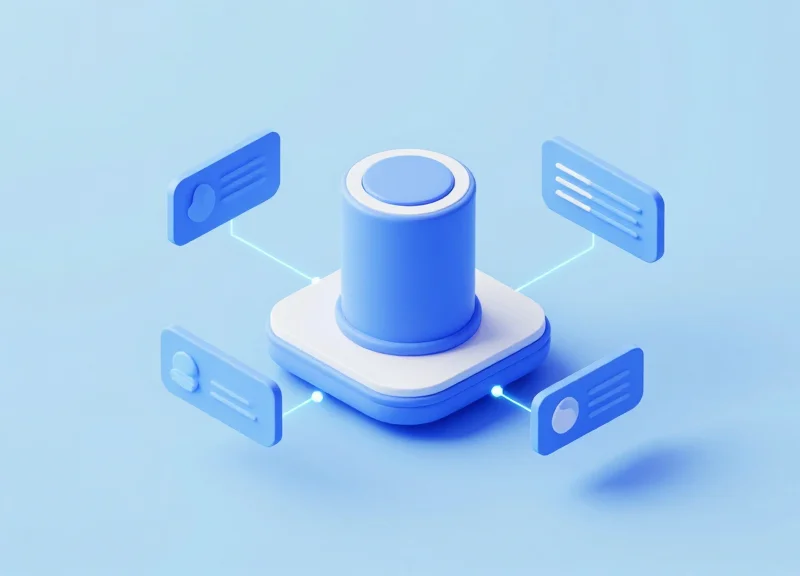
In 2026, seamless ESL integration is defined by the ability of digital labels to act as native nodes within a smart home ecosystem, rather than isolated peripherals. By utilizing unified IoT protocols such as Matter over Thread, modern ESL systems automatically synchronize pricing data from Cloud-based ERPs to the showroom floor while simultaneously interacting with smart lighting and AV hubs to trigger localized marketing 'scenes' when a customer approaches a specific product display.
The shift toward Matter-compliant ESLs represents a significant leap in showroom management. Gone are the days of proprietary gateways that don't talk to your smart home controllers. Today, your ESL infrastructure can share the same mesh network as your smart thermostats and security sensors, ensuring that inventory updates and price adjustments happen in sub-second intervals without clogging bandwidth.
| Protocol | Interoperability | Battery Impact | Ideal Use Case |
|---|---|---|---|
| Matter over Thread | High (Universal) | Ultra-Low | High-end showrooms with diverse smart home ecosystems. |
| Zigbee 3.0 | Medium (Gateway required) | Low | Legacy setups with established industrial automation. |
| Bluetooth 5.4 (PAwR) | High (Device-to-Device) | Very Low | Direct customer smartphone interaction and proximity sensing. |
- ERP/Inventory API Call: The inventory system detects a price change or stock update and pushes a webhook notification to the ESL Cloud management platform.
- Automated Content Rendering: The system automatically renders a new e-paper image based on pre-defined showroom templates, ensuring brand consistency across all labels.
- Mesh Network Propagation: The update is broadcasted via Thread or Zigbee nodes, reaching thousands of labels simultaneously without interrupting existing smart home traffic.
- Showroom Scene Trigger: The updated label can signal the smart home hub (e.g., Control4 or Savant) to adjust the spotlight intensity or play a specific product video on nearby screens.
Expert Insight: The 'Active Label' Strategy. Most buyers view ESLs as passive displays. However, in 2026, the best systems use the label's built-in NFC and accelerometer as input devices. For example, if a customer taps their phone to an ESL, it shouldn't just open a webpage; it should trigger a 'Demo Mode' in the showroom—dimming the lights and activating the specific smart device the customer is inquiring about. This transforms the price tag into a functional remote control for the entire showroom experience.
Can ESL systems integrate with my existing POS?
Yes, most 2026 systems offer RESTful APIs and pre-built connectors for major POS and ERP platforms like Shopify, SAP, and Oracle to ensure real-time price parity.
Do I need a separate network for ESLs?
While legacy systems required dedicated Wi-Fi channels, 2026 Matter-enabled labels reside on the Thread mesh network, co-existing safely with other smart home devices.
What happens if the showroom internet goes down?
Modern ESLs feature local caching. The labels will continue to display the last updated data, and the local gateway will queue updates until connectivity is restored.
Power Management: Sustainable Solutions for Minimalist Displays
In 2026, premium ESL power management has evolved from simple battery endurance to a 'zero-maintenance' philosophy. For high-end smart home showrooms, the best systems achieve a 10-to-15-year operational lifecycle by combining ultra-low-power Silicon-on-Chip (SoC) architectures with advanced ambient light harvesting. This allows displays to remain incredibly thin—often under 5mm—preserving the minimalist aesthetic by eliminating the bulky battery compartments associated with legacy retail technology.
| Feature | Legacy ESL (Pre-2023) | Next-Gen 2026 ESL |
|---|---|---|
| Typical Battery Life | 5 - 7 Years | 12 - 15 Years |
| Power Source | CR2450 / CR2032 Lithium | Hybrid (Solid-State + Photovoltaic) |
| Protocol Efficiency | Standard Zigbee / RF | Matter-over-Thread / Bluetooth 6.0 |
| Maintenance Requirement | Manual Battery Swap | Fit-and-Forget / Zero-Touch |
Expert Insight: The 'Perpetual Energy Loop' in Showroom Environments. Unlike grocery stores, smart home showrooms are typically flooded with high-CRI (Color Rendering Index) LED lighting. 2026's leading ESL models utilize high-sensitivity organic photovoltaics (OPV) that can trickle-charge internal supercapacitors even in low-light 'mood' settings. This unique synergy means your showroom's display lighting actually powers the very labels that describe it, creating a sustainable energy loop that prevents the 'dead label' phenomenon that plagues cheaper installations.
How does the use of full-color displays affect battery longevity?
Modern 2026 color displays utilize 'Partial Refresh' technology, which only consumes power for the specific pixels being changed (e.g., a price update), rather than refreshing the entire screen, maintaining a 10+ year life even with complex graphics.
Are these sustainable power solutions environmentally certified?
Yes, top-tier 2026 systems focus on 'Cradle-to-Cradle' certification, using halogen-free PCBs and recyclable solid-state batteries to align with the sustainability goals of luxury smart home brands.
What happens if the showroom lighting is turned off for extended periods?
Premium labels include an energy reserve that typically lasts 6-12 months in total darkness, ensuring they remain active and readable even during seasonal closures or extended inventory shifts.
To maximize sustainability, showroom managers should prioritize systems that offer centralized power monitoring via their smart home hub. This allows for predictive maintenance alerts and the ability to remotely adjust refresh frequencies during off-hours, further extending the hardware's lifespan without physical intervention.
Security and Anti-Theft Features for Premium Electronics
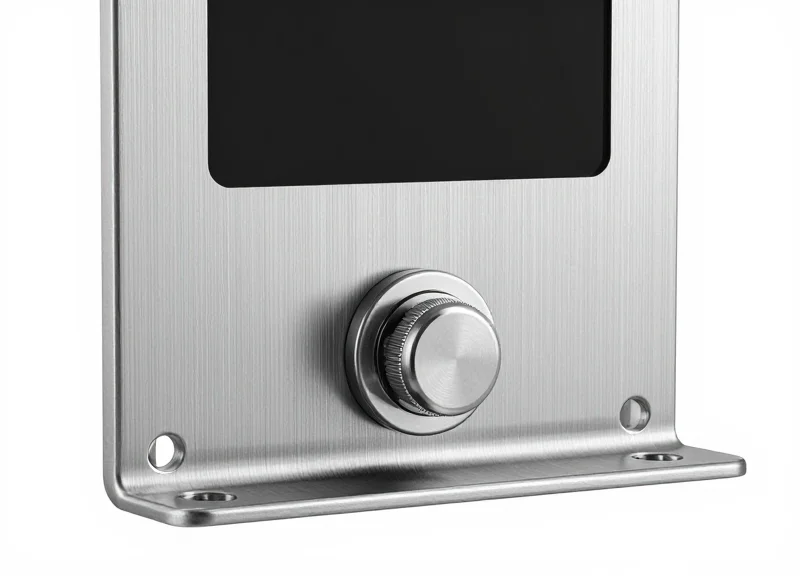
In 2026, security for premium electronics has evolved from intrusive physical tethering to 'Invisible Shield' technology integrated directly into the ESL framework. Modern Electronic Shelf Labels now function as active security nodes, utilizing dual-band RFID and Electronic Article Surveillance (EAS) protocols to monitor the physical presence and state of high-value showroom assets in real-time. By embedding these sensors within the label's housing, showrooms can maintain a minimalist aesthetic while ensuring that any unauthorized movement or removal of a product triggers immediate, silent alerts to the management hub.
- Anti-Tamper Accelerometers: Internal sensors that detect if a label is being forcefully detached or if the associated high-end device is moved beyond a predefined XYZ-coordinate boundary.
- Dual-Band RFID Integration: Combines inventory management with security, allowing the system to verify that the specific serial number on the label matches the item passing through a digital 'geo-fence' exit.
- Silent BLE Beacons: Utilizes Bluetooth Low Energy to send discrete notifications to staff wearables or smart home panels when a premium item is handled for longer than a specified 'high-risk' duration.
| Feature | Traditional Security Tethers | 2026 ESL-Integrated Security |
|---|---|---|
| Visual Impact | Cluttered, visible wires/cables | Completely invisible/integrated |
| Customer Experience | Restricted handling of products | Natural, uninhibited interaction |
| Alert Method | Loud, intrusive acoustic alarms | Smart notifications & haptic alerts |
| Inventory Sync | Manual check required | Automatic real-time reconciliation |
Expert Insight: The 'Dead-Drop' Signal Protocol. A unique advancement for 2026 is the implementation of 'Dead-Drop' heartbeat monitoring. Unlike older systems that only alert when a gate is crossed, these premium labels check in with the showroom's Wi-Fi 6E or Matter-based hub every millisecond. If the signal is interrupted—indicating a 'shielding bag' attempt or a label smash—the system immediately locks the showroom's smart doors or adjusts lighting to highlight the breach zone, turning the environment itself into a deterrent.
Can ESL security replace physical locks for expensive smart speakers or hubs?
While physical locks provide a hard barrier, ESL-integrated security is often preferred in luxury showrooms because it encourages 'dwell time' and interaction, which are statistically linked to higher conversion rates for premium tech.
Do these security features drain the ESL battery quickly?
No. 2026 models use sub-GHz wake-up triggers, meaning the high-power security sensors only activate when the accelerometer detects suspicious movement, preserving the 10-year battery life standard.
Is the system compatible with existing EAS gates?
Yes, high-end ESLs are designed to be cross-compatible with 58kHz (Acoustic-Magnetic) and 8.2MHz (Radio Frequency) systems used in most commercial retail environments.
Mounting and Placement: Maintaining the 'Smart' Look
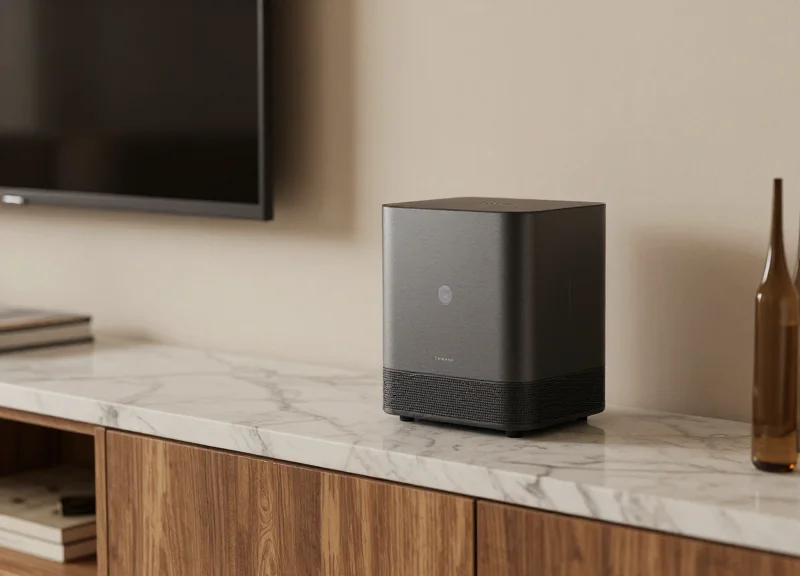
To maintain the 'smart' look in a premium showroom, ESL mounting must transition from industrial utility to architectural design. In 2026, the gold standard for aesthetic integration involves using low-profile, magnetic, or flush-mount systems that eliminate visible brackets and harmonize with high-end furniture materials like brushed walnut, tempered glass, or polished stone. By prioritizing 'invisible' hardware, the ESL becomes a natural extension of the product display rather than a bulky retail add-on, reinforcing the showroom's luxury positioning.
| Mounting Type | Aesthetic Impact | Best Use Case | Installation Profile |
|---|---|---|---|
| Magnetic Snap-On | Clean, floating effect | Metal shelving and smart appliance displays | Zero-clearance |
| Recessed/Flush Mount | Architectural integration | Custom cabinetry and wall-mounted touch panels | Seamless/In-wall |
| VHB Adhesive Rails | Minimalist and stable | Glass shelving and acrylic display cases | Ultra-thin profile |
| Architectural Frames | Premium/Artistic | High-end audio-visual zones and luxury décor | Framed/Gallery look |
Expert Insight: Implement the '15-Degree Tilt Rule.' To combat the glare from sophisticated showroom lighting—such as directional COB LEDs or smart spotlights—2026 ESL mounts should offer a subtle 15-degree upward tilt. This specific angle optimizes the high-contrast viewing of E-ink displays for customers standing 3-5 feet away, while simultaneously preventing the screen from reflecting overhead light sources directly into the viewer's eyes. This small adjustment preserves the 'digital paper' illusion that makes premium ESLs look like printed luxury signage.
- Analyze Material Compatibility: Before selecting a mount, match the adhesive or mechanical fastener to the substrate. For high-end wood, use non-marring mechanical clips; for glass, utilize UV-resistant transparent VHB (Very High Bond) tapes.
- Standardize Vertical Alignment: Establish a consistent mounting height across the showroom (typically 42 to 48 inches for waist-high displays) to create a visual 'horizon line' that feels intentional and organized.
- Cable Management (for Powered Hubs): While most ESLs are battery-operated, if using active high-refresh displays, ensure all wiring is routed through internal furniture channels or 'ghost' conduits that match wall colors.
- Color Matching Frames: Utilize custom-colored or anodized aluminum frames to match the showroom's color palette, moving away from standard retail white or black plastics.
Can ESLs be mounted directly onto smart appliances?
Yes, modern magnetic ESLs are designed with shielded backings that allow them to safely snap onto stainless steel or metal-finished appliances without interfering with the electronics or the finish.
How do I prevent the 'cluttered' look when using multiple labels?
Group labels on a single architectural rail or use a 'cluster' strategy where one larger display handles a group of related smart home components, rather than individual small tags for every minor accessory.
Are there invisible mounting solutions for glass shelves?
Transparent adhesive mounts or 'edge-grip' clips are the preferred method for glass, as they disappear when viewed from the front, making the label appear as if it is floating on the edge of the shelf.
Budgeting for ROI: Quality Over Quantity in Luxury Environments
Return on Investment (ROI) for premium ESL systems in luxury showrooms is calculated by combining direct labor savings with indirect 'Brand Equity' gains. While standard retail labels focus on price accuracy, 2026 luxury ESLs drive ROI by reducing 'menu friction'—the time staff spends on administrative tasks—and increasing 'dwell-time conversion' through high-fidelity interactive content. In a high-ticket environment, a system that increases the conversion rate by even 1% on a $50,000 smart home package can pay for its entire infrastructure in a single transaction.
| Metric | Commodity ESL (Industrial) | Premium 2026 ESL (Luxury) |
|---|---|---|
| Lifespan | 3-5 Years (Battery/Fade) | 10+ Years (Solar/Low-Power) |
| Labor Reduction | Automated Pricing Only | Automated Pricing + Interactive Sales Assistance |
| Aesthetic Impact | Neutral/Functional | Positive (Enhances Showroom Value) |
| Total Cost of Ownership | Lower Initial / Higher Maintenance | Higher Initial / Near-Zero Maintenance |
When budgeting for a luxury environment, the 'Quality Over Quantity' approach suggests that fewer, high-impact interactive displays are more valuable than a label on every minor accessory. By focusing your budget on premium 2026 models with high-resolution E-Ink and integrated NFC, you create a digital concierge that allows sales staff to focus on relationship building rather than technical specs.
- Calculate Labor Reallocation: Measure the hours spent by design consultants updating price sheets or hardware specs weekly. Multiply this by their hourly rate to find your baseline savings.
- Factor in the 'Silent Salesman' Effect: Premium ESLs with QR-linked video demos act as a sales bridge when consultants are busy, preventing 'walk-outs' in high-traffic periods.
- Assess Hardware Longevity: Budget for 10-year cycles. Premium 2026 models often use solid-state batteries or ambient light harvesting, eliminating the recurring cost of battery replacement labor.
Expert Insight: In the luxury sector, the 'Cost of Error' is significantly higher than in big-box retail. A mispriced $20,000 automated lighting system or an outdated spec sheet on a high-end speaker doesn't just lose a margin—it destroys client trust. The primary ROI of a 2026 premium ESL system is 'Perceived Professionalism,' a metric that, while qualitative, is the cornerstone of high-net-worth sales.
Is the initial high cost of 2026 ESLs justifiable for small showrooms?
Yes, because smaller showrooms often have leaner staff. Automation allows one consultant to manage a complex floor efficiently without manual price updates.
How do premium ESLs affect the resale value of showroom displays?
By providing real-time 'Open Box' pricing and wear-and-tear history via NFC, premium labels help move floor models faster and at higher margins.
Future-Proofing Your Investment for 2027 and Beyond
Future-proofing a 2026 Electronic Shelf Label (ESL) investment requires selecting modular hardware that transcends simple price display, focusing instead on high-bandwidth communication protocols like Matter-over-Thread and robust NFC (Near Field Communication) capabilities. By 2027, the industry expectation will shift from 'static digital tags' to 'interactive experience anchors' that facilitate instant smartphone-to-product handoffs and support the next generation of Augmented Reality (AR) spatial commerce overlays.
| Feature | 2026 Standard | 2027+ Requirement |
|---|---|---|
| Connectivity | Bluetooth Low Energy (BLE) / Proprietary Sub-1GHz | Matter 1.4+ / Thread Mesh for universal interoperability |
| NFC Interaction | One-way URL redirection | Secure Element (SE) for instant Apple/Google Wallet checkouts |
| Display Tech | 3-Color E-ink (Black/White/Red) | Spectra 6 (Full Color) or High-Refresh Video-Ready E-ink |
| Spatial Mapping | Manual GPS/Coordinate entry | Infrared (IR) Spatial Anchors for AR precision |
The Veteran Perspective: The Rise of the Digital Product Passport (DPP). An often-overlooked factor in future-proofing is the upcoming global mandate for 'Digital Product Passports.' By 2027, high-end electronics sold in showroom environments will likely require verifiable data regarding their carbon footprint, supply chain ethics, and recyclability. To lead the market, your ESL system must have the memory capacity and NFC bandwidth to serve as the gateway to these blockchain-verified datasets, allowing eco-conscious luxury buyers to verify the product's entire history with a single tap of their phone.
- Prioritize Over-the-Air (OTA) Extensibility: Ensure your 2026 vendor provides a 'Future-Stack' guarantee, meaning the firmware can be updated remotely to support new Matter profiles as they are released in 2027.
- Invest in High-PPI Color Displays: Avoid low-resolution tags. The visual aesthetic of 2027 showrooms will move toward 'print-quality' digital surfaces that match the high-end finishes of smart home devices.
- Implement UWB for Spatial Awareness: Select tags with Ultra-Wideband (UWB) support. This allows for centimeter-level accuracy in AR applications, enabling a customer’s phone to 'point and identify' a specific smart light or speaker among a crowded wall of products.
Will 2026 ESL hardware support Augmented Reality (AR) in 2027?
Yes, provided the hardware includes spatial anchors (like IR reflectors or UWB). These anchors allow AR apps on smartphones to overlay real-time specs, tutorials, and stock levels directly on the physical tag.
Is NFC more important than QR codes for future-proofing?
NFC is superior for the luxury market because it offers a 'Zero-UI' experience. While QR codes require opening a camera app, NFC allows for seamless, secure data exchange and instant payment triggers, which will be the standard for premium retail by 2027.
What role does the Matter protocol play in ESL longevity?
Matter allows your ESLs to talk directly to other showroom devices—like turning on a smart lamp when its price tag is tapped—without needing complex custom integrations, ensuring your tech stack stays relevant as the IoT ecosystem matures.